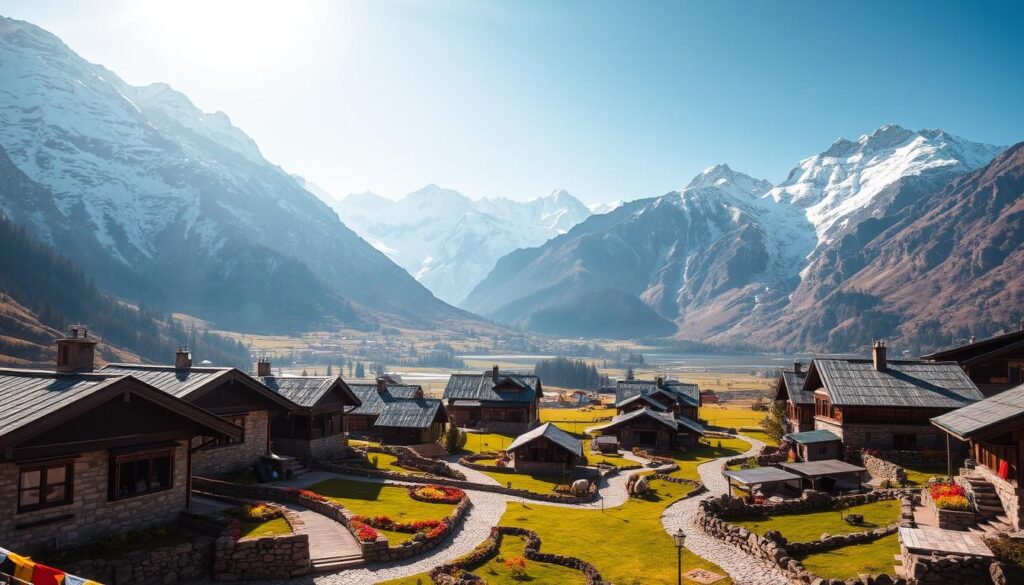
Best Time to Visit Spiti Valley (2025): Seasonal Guide + Hidden Gems & Safety Tips
Imagine standing on the roof of the world, a sky full of a million stars above, and the biting cold on your cheeks telling you you’re truly alive. That’s Spiti Valley in winter. But here’s the thing—timing your visit to this remote Himalayan paradise can make the difference between an unforgettable adventure and a potentially risky situation you weren’t prepared for. Which is the best time to visit Spiti Valley? It’s not a simple answer, and that’s exactly why you’re here. The truth is, each season transforms Spiti Valley into a completely different world. Summer brings blooming meadows and accessible roads, monsoon paints the landscape emerald green while testing your courage, and winter? Well, winter turns everything into a frozen kingdom that only the bravest souls dare to explore. This guide will walk you through everything you need to know about Spiti Valley weather conditions across all four seasons. You’ll get a detailed seasonal breakdown, honest advice on the two main routes, hidden gems that most tourists miss, and crucial safety tips that could literally save your trip in 2025. Whether you’re planning your first Spiti expedition or you’re a seasoned road-tripper looking for the perfect month, we’ve got you covered. At a Glance: Best Months to Visit Spiti Valley Let me break down the best month to visit Spiti with a quick comparison that’ll help you decide at a glance: Season Months Avg. Temp (Day/Night) Accessibility Key Highlights Pros Cons Summer Mar-Jun 15°C to 25°C / -5°C to 5°C Both routes (Manali opens mid-May) Blooming valleys, all attractions open, trekking, bike trips Pleasant weather, clear roads, all monasteries accessible Tourist rush in June, water crossings in early season Monsoon/Transition Jul-Sep 10°C to 20°C / 0°C to 8°C Both routes open but risky Lush green landscapes, autumn colors (Sept), fewer crowds Dramatic scenery, solitude, lower prices Landslides, dangerous water crossings, road closures Winter Oct-Feb -5°C to 10°C / -20°C to -5°C Shimla route only Frozen lakes, snow leopard tracking, extreme isolation Unique experience, pristine snow, authentic culture Extreme cold, limited accommodations, many sites closed Visual Guide to Planning: Seasonal Deep Dive A. Summer (March to June): The Valley in Bloom Summer is which is the best time to visit Spiti Valley for most travelers, and for good reason. As March rolls in, Spiti slowly shakes off its winter slumber. The transformation is magical—what was a frozen, monochromatic landscape starts showing hints of brown, then green, then bursts into unexpected colors by late spring. March to April: The Awakening The Spiti weather conditions during early spring are unpredictable. Days can be surprisingly warm with temperatures reaching 15°C, but nights still drop well below freezing. The Shimla route typically opens first, usually by late March, making it the only way in during this period. Roads to Spiti Valley from Manali remain blocked due to heavy snow at Rohtang and Kunzum passes. This is a photographer’s dream time. You’ll catch the valley in transition—patches of snow against emerging greens, crystal-clear skies, and that otherworldly quality of light that makes everything look surreal. The best part? You’ll have places to visit in Spiti Valley almost entirely to yourself. May to June: Peak Season Perfection By mid-May, the Manali to Spiti route opens up (weather permitting), and this is when Spiti truly comes alive. Spiti in summer means temperatures ranging from 20°C to 25°C during the day—absolutely perfect for a Spiti bike trip or road trip. Nights are cool but manageable at around 5°C. What Makes This Time Special: All the high altitude villages in Spiti are accessible. You can visit Komic (one of the world’s highest motorable villages), Langza with its Buddha statue overlooking the valley, Hikkim (home to the world’s highest post office), and Kibber without any restrictions. The roads to Spiti Valley are at their best condition. Water crossings from melting snow do exist, especially in late May and early June, but they’re manageable with careful driving. Both routes—Shimla to Spiti route and Manali to Spiti route—are fully operational, giving you flexibility in planning your loop. Adventure activities peak during this time. Trekking routes open up, camping under the stars becomes comfortable, and you can finally reach Chandratal Lake (typically accessible from mid-June). The monasteries in Spiti are fully functional, and you might even catch some local festivals. The Reality Check: June brings crowds. If you’re visiting during the first two weeks of June, expect to share popular spots like Key Monastery and Chandratal with other travelers. Accommodations in Spiti fill up fast, so book your homestays well in advance. Water crossings can be nerve-wracking. The melting snow creates streams across the road, and some of them require careful navigation or waiting for water levels to drop. B. Monsoon / Transition Season (July to September): Emerald Greens & Autumn Golds Here’s where things get interesting. Spiti in monsoon is controversial—some travelers swear by it, while others consider it reckless. The truth lies somewhere in between. July to August: The Green Gamble Unlike most Himalayan regions, Spiti lies in the rain shadow, so it doesn’t get pummeled by monsoon rains. But here’s the catch—the routes to Spiti Valley pass through areas that do get heavy rainfall. The Manali side, especially around Rohtang Pass and Gramphu, faces significant monsoon impact with landslides and road closures becoming common. The Spiti weather during these months is unpredictable. You might get sunny days with temperatures around 15-20°C, but sudden cloud cover and rain can drop temperatures quickly. What makes this season unique is the landscape—the usually barren Spiti Valley transforms into an emerald paradise. The contrast is stunning, and you’ll see a side of Spiti that summer visitors completely miss. Who Should Consider This Season: Experienced travelers who’ve done difficult mountain journeys before. If landslides don’t faze you, if you’re comfortable camping in your vehicle for a day due to road blockages, and if you’re seeking genuine solitude, this might be your time. Safety Reality: The Shimla route is relatively safer during monsoon compared to the
Best Time to Visit Spiti Valley (2025): Seasonal Guide + Hidden Gems & Safety Tips Read More »