
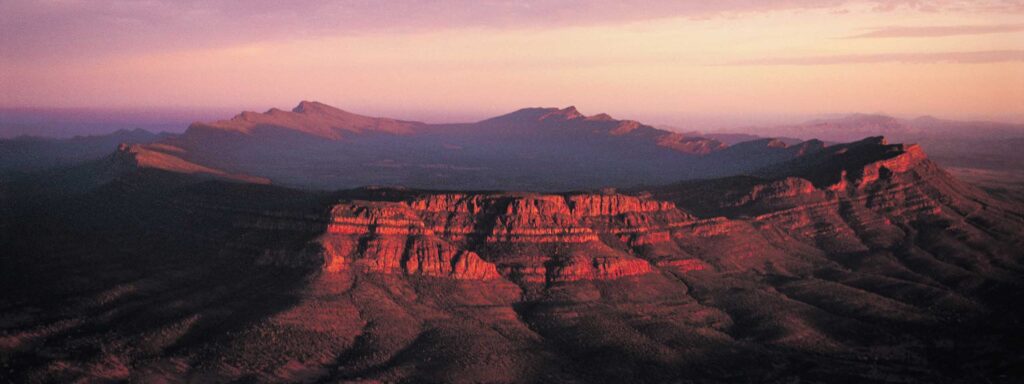
Ikara-Flinders Ranges — Complete Travel Guide for 2026
Picture standing on ancient rock that’s older than the Himalayas, watching the sunrise paint red cliffs in shades of gold. That’s the Ikara-Flinders Ranges — and it’s calling your name for 2026. I’m Wahid Ali, and in my 20 years managing tours at Astamb Holidays, I’ve sent countless travellers to Australia’s outback. But the Ikara-Flinders Ranges National Park holds a special place in my recommendations. Why? Because it delivers what most people only dream about: genuine wilderness, deep Aboriginal culture, and landscapes that make you feel tiny in the best possible way. This isn’t your typical tourist trap. The Flinders Ranges stretch across 95,000 hectares of South Australia’s outback, about 430 kilometres north of Adelaide. Here’s everything you need to know before you go. What Is Ikara-Flinders Ranges? The Ikara-Flinders Ranges National Park sits in South Australia’s outback, roughly 5 hours’ drive from Adelaide. Think rugged mountain ranges, deep gorges carved over millions of years, and wildlife you won’t see anywhere else. The landscape here started forming 800 million years ago — making it one of Earth’s oldest mountain ranges. You’re literally walking through geological history. What does Ikara mean in Aboriginal language? Ikara means “meeting place” in the Adnyamathanha language. The word specifically refers to Wilpena Pound, which has served as a traditional gathering spot for the Adnyamathanha people for thousands of years. The Adnyamathanha people — whose name translates to “rock people” or “hills people” — have called this land home for over 49,000 years. In 2016, the park was officially renamed to honour this heritage. Today, it’s co-managed by Parks South Australia and the Adnyamathanha Traditional Lands Association, ensuring their stories and sacred sites are properly protected. Quick Facts Details Official Name Ikara-Flinders Ranges National Park Size 95,000 hectares (234,717 acres) Distance from Adelaide 430 km (267 miles) Drive Time 5 hours (non-stop) Traditional Owners Adnyamathanha people Established January 1, 1945 Why Visit Ikara-Flinders Ranges? Here’s what makes this place different from your average national park: The geology is mind-blowing. These mountains are older than the Himalayas. The park contains Ediacaran fossils — some of the oldest evidence of complex life on Earth. Scientists from around the world come here to study rocks that tell stories from 650 million years ago. It’s culturally significant. This isn’t just a pretty landscape. Sacred sites like Arkaroo Rock and Sacred Canyon hold ancient rock art and carvings dating back tens of thousands of years. The Adnyamathanha community shares their stories through guided tours, and trust me — you’ll never look at the land the same way after hearing creation stories told by traditional custodians. The experiences are unique. Where else can you: Lonely Planet recently highlighted the Flinders Ranges as a must-visit destination, but honestly, locals have known this secret for decades. Best Time to Visit Ikara-Flinders Ranges Timing is everything in the outback. Get it wrong, and you’ll be miserable. Get it right, and you’ll have the trip of a lifetime. What is the best time of year to go to the Flinders Ranges? The best time to visit is April to October (autumn through spring), with August to October being ideal for wildflowers and comfortable hiking temperatures. Daytime temperatures range from 15°C to 25°C (59°F to 77°F), perfect for bushwalking without melting. Here’s my honest breakdown by season: Autumn (March-May): Brilliant choice. Days are warm (20-30°C), nights are cool but not freezing. The landscape shows off in oranges, reds, and browns. Easter can get busy, so book ahead. Winter (June-August): This is peak season for good reason. Days are clear and sunny (13-18°C), perfect for hiking. Nights drop to near 0°C, so pack warm layers. Campfires are allowed (bring your own wood — collection is prohibited). Wildlife is active, and you’ll spot more animals near water sources. The trade-off? Higher accommodation prices and more tourists, especially during school holidays. Spring (September-November): Wildflower season! After winter rains, the desert blooms in yellows, purples, and reds. September and October offer the best of both worlds — warm days, wildflowers, and decent availability. Just note: fire ban season typically starts mid-October. Summer (December-February): Only for the brave or foolish. Temperatures regularly hit 33-40°C+. Many hiking trails close for safety between December and March. If you must visit in summer, restrict activities to early morning and late evening. Seriously — the outback sun is no joke. Pro tip from my tour operations experience: Book April-May or September if you want fewer crowds but still excellent weather. July-August is beautiful but expect company. How Big Is Ikara-Flinders Ranges? The park covers 95,000 hectares — or if you prefer, about 370 square kilometres. To put that in perspective, that’s roughly 1.5 times the size of Singapore. But here’s what that really means for travellers: You can’t “do” this park in a day. The terrain is vast and varied. You’ve got: How many days do you need? Minimum 2-3 days to see the highlights. Give yourself 4-5 days if you want to really explore and do some longer hikes. A week lets you add in Arkaroola Wilderness Sanctuary to the north. Where to Go & What to Do Let me walk you through the must-see spots and hidden gems: Wilpena Pound (Ikara) This is the star attraction. Wilpena Pound is a massive natural amphitheatre — imagine mountains forming a near-perfect oval 17 kilometres long and 8 kilometres wide. From the outside, it looks like a line of peaks. From inside, you realize you’re in this enormous basin. The only way to get your vehicle inside is via the Wilpena Pound Resort shuttle (runs at 9am, 11am, 1pm, and 3pm). Otherwise, it’s a 3-hour, 8-kilometre return walk to the lookout. St Mary Peak (1,170 metres) is the highest point in the Flinders Ranges. The hike is challenging (20 kilometres return, 8-10 hours), but the views are extraordinary. Important cultural note: The Adnyamathanha people ask that you stop at Tanderra Saddle rather than summiting, as the peak holds sacred significance. Brachina and Bunyeroo Gorges The Brachina
Ikara-Flinders Ranges — Complete Travel Guide for 2026 Read More »