India

Koundinya Wildlife Sanctuary Travel Guide 2026: Timings, Safari, Map, Reviews & Wildlife Highlights

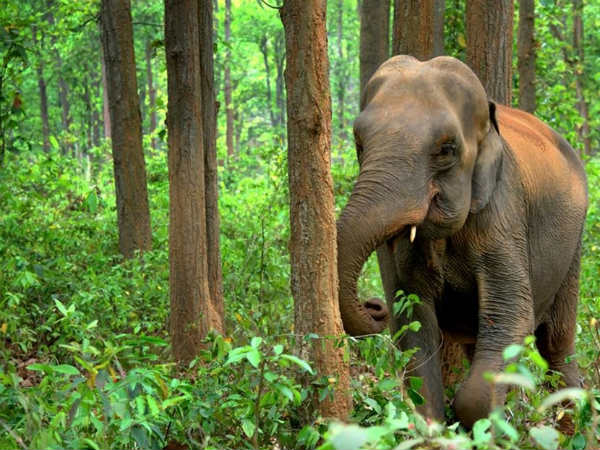
Nestled in the rugged terrain of the Eastern Ghats in Chittoor district, Koundinya Wildlife Sanctuary offers a unique wilderness experience just 120 km from Bangalore. This remarkable sanctuary holds a special place in Andhra Pradesh’s conservation history—it’s the only sanctuary in the state where you can witness majestic Asian elephants (Elephas maximus) in their natural habitat. After an absence of 200 years, these gentle giants returned to this region between 1983 and 1986, transforming this 358 sq km expanse into one of India’s most fascinating elephant reserves. From my years organizing wildlife expeditions across South India, I’ve found that Koundinya Wildlife Sanctuary remains one of the most underrated gems for travelers seeking authentic jungle experiences. The sanctuary’s dramatic landscape—where the Deccan Plateau slopes down into Tamil Nadu’s plains—creates a mosaic of high hills, deep valleys, and pristine tributaries that support incredible biodiversity. Whether you’re an avid birdwatcher hoping to spot the vulnerable Yellow-throated Bulbul or a nature photographer chasing golden-hour elephant sightings, Koundinya delivers experiences that rival better-known sanctuaries at a fraction of the crowds. 🗺️ Where Is Koundinya Wildlife Sanctuary Located? (Map & Directions) Koundinya Wildlife Sanctuary is strategically located in the Palamaner and Kuppam Ranges of Chittoor district, Andhra Pradesh, where three states—Andhra Pradesh, Karnataka, and Tamil Nadu—converge. This tri-state location makes it exceptionally accessible from multiple major cities. Quick Reference Location Details Detail Information State Andhra Pradesh District Chittoor Forest Ranges Palamaner-Kuppam Nearest Town Palamaner (28-31 km) GPS Coordinates 13.0°N, 78.25°E (approx.) Total Area 357.6 km² (35,760 hectares) Established December 1990 Distance from Major Cities How to Reach Koundinya Wildlife Sanctuary By Air: The nearest airports are Kempegowda International Airport in Bangalore (approximately 120-160 km) and Tirupati Airport (around 143 km). From Bangalore airport, hire a taxi or take a bus to Chittoor/Palamaner, then proceed to the sanctuary. Bangalore airport is better connected with frequent domestic and international flights. By Rail: Chittoor Railway Station is the nearest major railhead at approximately 50 km from the sanctuary. Alternatively, Bangalore City Railway Station (also known as KSR Bengaluru Station) is about 120 km away and offers excellent connectivity. From either station, hire a taxi or take local buses to Palamaner, then to the sanctuary entrance. By Road: Koundinya Wildlife Sanctuary is easily accessible via National Highway 44 and state highways. The sanctuary lies along the Palamaner-Kuppam road. From Bangalore, take the Hosur-Krishnagiri route or via Kolar. Regular state transport buses run from Bangalore, Chittoor, and Tirupati to Palamaner. From Palamaner, local transport or hired vehicles can take you to the sanctuary entrance. Pro Tip from Experience: If you’re driving from Bangalore, the route via Kolar is approximately 150 km and offers better road conditions compared to the Hosur-Krishnagiri route which can exceed 200 km. However, GPS navigation can be tricky—always confirm directions with locals in Palamaner who speak primarily Telugu. Download offline maps before your journey as mobile network coverage becomes sparse near the sanctuary. 🌤️ Best Time to Visit Koundinya Wildlife Sanctuary The best time to visit Koundinya Wildlife Sanctuary is from October to March when the weather is pleasant and wildlife sightings are at their peak. Season-wise Breakdown Winter (October to February) ⭐ BEST SEASON Summer (March to May) Monsoon (June to September) ⚠️ NOT RECOMMENDED Elephant Migration Patterns: From my conversations with forest officers, Asian elephants in Koundinya Wildlife Sanctuary show seasonal movement between the sanctuary and Sri Venkateswara National Park via the planned elephant corridor. November to March sees more stable elephant herds within the sanctuary boundaries, increasing your chances of sightings during jeep safaris. Birdwatching: If spotting the Yellow-throated Bulbul is on your list, winter months (October-February) offer the best opportunities when these vulnerable birds are more active and visible in the scrub habitats. 🎫 Koundinya Wildlife Sanctuary Timings & Entry Fees Official Timings Koundinya Wildlife Sanctuary is open to visitors: The sanctuary is open all days of the week, but it’s advisable to check with forest authorities during monsoon season (June-September) when access may be restricted due to weather conditions. Entry Fees (2025-2026 Estimates) Category Entry Fee Camera Fee Indian Adults ₹20-50 ₹25-50 Indian Children ₹10-20 ₹25-50 Foreign Nationals ₹200-500 ₹100-200 Still Camera – ₹25-50 Video Camera – ₹100-200 Important Note: Entry fees can vary and are subject to change by the Andhra Pradesh Forest Department. Always confirm current rates before your visit by contacting: Safari Costs & Booking Jeep Safari Charges (Approximate): Important Safari Information: My Honest Assessment: Based on recent visitor reviews and my discussions with the Andhra Pradesh Forest Department, Koundinya Wildlife Sanctuary doesn’t have the highly organized safari system of Karnataka’s parks. The experience is more exploratory and less commercialized. Permission from sanctuary authorities is essential before entering, and having your own vehicle offers more flexibility for exploration. 🚙 Koundinya Wildlife Sanctuary Safari & Activities Safari Operations & Practical Reality Let me be transparent about what to expect: Koundinya Wildlife Sanctuary safari operations differ significantly from the well-established systems at Nagarhole or Kabini. This is an open forest sanctuary where wildlife viewing is more about patience, local knowledge, and serendipity than guaranteed sightings. Safari Options: Duration: Typical safaris last 2-3 hours, covering key zones where Asian elephants, sloth bears, and cheetal are frequently spotted. Wildlife Photography in Koundinya Koundinya Wildlife Sanctuary offers excellent opportunities for wildlife photography, especially if you’re prepared for less predictable conditions than commercial parks. Photography Tips: Birdwatching Hotspots: The sanctuary is an Important Bird Area (IBA) recognized by BirdLife International. Key species include: Where to Look: Rocky outcrops, scrub vegetation zones, and water sources near Kaigal and Koundinya streams. Trekking & Nature Walks Koundinya Wildlife Sanctuary terrain—characterized by high hills and deep valleys—is perfect for adventurous trekkers. Several trails lead through southern tropical dry deciduous forests and thorn forests. Popular Trekking Routes: Trekking Safety: Other Activities Nature Photography Workshops: The sanctuary’s unique landscape—mixing Deccan Plateau topography with Eastern Ghats biodiversity—offers opportunities for landscape and macro photography. Educational Tours: Under Project Elephant, the sanctuary occasionally hosts educational programs about elephant conservation and human-elephant conflict mitigation.

Koundinya Wildlife Sanctuary Travel Guide 2026: Timings, Safari, Map, Reviews & Wildlife Highlights Read More »

Kaas Plateau Travel Guide 2026: Best Time to Visit, Bloom Season, How to Reach & FAQs

Imagine standing on a vast expanse where nature paints the ground in every color imaginable—crimson reds, sunshine yellows, deep purples, and soft whites stretching as far as your eyes can see. This isn’t a fantasy; this is Kaas Plateau, Maharashtra’s very own Valley of Flowers! Nestled in the majestic Western Ghats near Satara, this UNESCO World Natural Heritage Site transforms into a living, breathing canvas every monsoon season, hosting over 850+ species of flowers that bloom in spectacular fashion. As someone who has guided countless travelers through India’s hidden gems at Astamb Holidays, I can confidently say that Kaas Plateau offers one of the most magical natural experiences you’ll ever witness. This comprehensive 2026 travel guide will give you everything you need to plan your perfect visit—from the exact bloom dates to booking tips, travel routes, and insider secrets that only come from years of ground experience. What is Kaas Plateau? Kaas Plateau, locally known as Kaas Pathar (where “Pathar” means plateau in Marathi), is a biodiversity hotspot that sits at approximately 1,200 meters (3,937 feet) above sea level. Located about 25 kilometers from Satara city in Maharashtra, this extraordinary plateau lies within the ecologically rich Western Ghats, one of the world’s eight “hottest biodiversity hotspots.” What makes Kaas Plateau truly special? In 2012, it earned the prestigious designation of a UNESCO World Natural Heritage Site due to its remarkable ecosystem and unique geological features. The plateau showcases an ancient laterite formation that dates back millions of years, creating the perfect conditions for an incredible diversity of plant life that you won’t find anywhere else on Earth. The name “Kaas” comes from the Kaas tree (Elaeocarpus glandulosus), which once dominated the region. Today, while these trees are less common, the plateau has gained worldwide fame for something even more spectacular—its seasonal flower carpet that attracts nature lovers, photographers, and botanists from across the globe. Quick Facts About Kaas Plateau: Detail Information Location Near Satara, Maharashtra, Western Ghats Elevation 1,200 meters (3,937 feet) above sea level Distance from Satara 25 kilometers (approx. 45 minutes drive) Distance from Pune 130 kilometers (approx. 3 hours drive) Distance from Mumbai 290 kilometers (approx. 6 hours drive) UNESCO Status World Natural Heritage Site (since 2012) Flora Diversity 850+ species of flowering plants Best Known As Valley of Flowers of Maharashtra 🌺 Why Visit Kaas Plateau? (The Magic Awaits) The Mesmerizing Valley of Flowers Experience Kaas Plateau isn’t just another tourist spot—it’s a living botanical museum that transforms dramatically with the seasons. During the bloom season, the entire plateau becomes a spectacular carpet of wildflowers that change composition and color almost daily. Walking through this natural wonderland feels like stepping into a painter’s dream, where every footstep reveals new colors, patterns, and fragrances. What truly sets Kaas Plateau apart is the sheer variety of flowers blooming simultaneously. You might spot delicate purple smithias alongside cheerful yellow sonki flowers, vibrant red toothcup blossoms next to clusters of rare insectivorous plants. The plateau hosts everything from tiny ground-hugging species to taller flowering plants, creating layers of color that photographers and nature enthusiasts absolutely adore. Incredible Biodiversity & Ecosystem The plateau’s biodiversity is staggering. With 850+ documented species of flowering plants, including many endemic varieties found nowhere else on the planet, Kaas Plateau represents one of India’s most important conservation areas. The ecosystem includes: Beyond flowers, you’ll encounter fascinating wildlife including various butterfly species, beetles, grasshoppers, and numerous bird species that thrive in this protected ecosystem. The fragile laterite soil and seasonal water pools create microhabitats that support an intricate web of life. Beyond the Plateau: Nearby Natural Wonders Your Kaas Plateau adventure shouldn’t end at the flower fields. The surrounding Satara region offers several breathtaking attractions that perfectly complement your visit: 🏞️ Kaas Lake: Just 2 kilometers from the plateau entrance, this serene lake offers stunning reflections of the surrounding hills. During the monsoon season, the lake reaches its fullest, creating picture-perfect moments, especially during sunrise and sunset. It’s an ideal spot for a peaceful break and some contemplative photography. 💧 Thoseghar Waterfalls: Located approximately 20 kilometers from Kaas Plateau, Thoseghar is a magnificent cascading waterfall system where water plunges from a height of 500 meters through multiple tiers. During peak monsoon (July-August), the falls are at their most powerful and dramatic. The viewpoints offer spectacular panoramas of the water crashing into the valley below, surrounded by lush green hills. 🌊 Vajrai Waterfall: Known as one of India’s tallest waterfalls, Vajrai Waterfall drops from an impressive height of 853 feet (260 meters). Located about 25 kilometers from Kaas, this three-tiered wonder is best visited during or immediately after the monsoon season when water flow is at its peak. The surrounding Sahyadri ranges create a dramatic backdrop that makes the journey absolutely worth it. Pro Tip from My Experience: Plan a 2-day itinerary to fully experience the region. Visit Kaas Plateau early morning on Day 1, explore Kaas Lake by afternoon, stay overnight in Satara town, and then visit the waterfalls on Day 2. This way, you won’t feel rushed and can truly soak in the natural beauty of the entire area. 📅 Best Time to Visit Kaas Plateau (Timing is Everything!) The Golden Window: Bloom Season Here’s the most important information for planning your trip: The best time to visit Kaas Plateau is from late August to early October, with mid-September being the absolute peak bloom period. This is when the plateau transforms into its legendary carpet of flowers, and the biodiversity is at its most vibrant. Bloom Season Breakdown: Time Period Bloom Status What to Expect Late August (20-31 Aug) Early Bloom (40-50%) First wave of flowers appear; fewer crowds, pleasant weather Early September (1-15 Sept) Peak Bloom (80-90%) Maximum variety and density; vibrant colors everywhere Mid September (15-25 Sept) ABSOLUTE PEAK (95-100%) Best time! All species in full bloom; incredible diversity Late September (25-30 Sept) Late Peak (70-80%) Still spectacular; certain species fade while others emerge Early October (1-15 Oct) Declining (40-60%) Many flowers have

Kaas Plateau Travel Guide 2026: Best Time to Visit, Bloom Season, How to Reach & FAQs Read More »

What to See in Jaisalmer: Hidden Gems + Top Attractions Guide

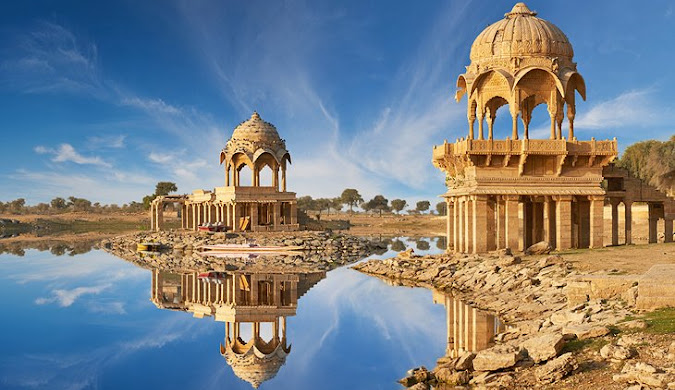
What to See in Jaisalmer: Hidden Gems + Top Attractions Guide Imagine stepping into a living fairy tale where golden sandstone walls tell centuries-old stories, and the vast Thar Desert stretches endlessly under brilliant blue skies. Welcome to Jaisalmer, Rajasthan’s crown jewel that rises from the desert like a magnificent mirage. This isn’t just another tourist destination—it’s a place where history breathes through every carved stone, where camel bells echo ancient trade routes, and where sunsets paint the entire city in molten gold. Whether you’re wondering what to see in Jaisalmer for your first visit or seeking those secret spots that most travelers miss, this guide reveals both the iconic landmarks and the hidden corners that make this Golden City truly magical. From exploring the world’s last living fort to sleeping under a million desert stars, we’ll show you how to experience Jaisalmer like a true explorer, not just a tourist. Quick Reference Table Category Key Information Best Time Duration Fort & Havelis Jaisalmer Fort, Patwon Ki Haveli Early morning (7-9 AM) 4-5 hours Desert Experience Sam Sand Dunes, Khuri Village Sunset (5-7 PM) Overnight recommended Cultural Sites Jain Temples, Bada Bagh Morning/Evening 2-3 hours each Hidden Gems Kuldhara Village, Khaba Fort Late afternoon 2-4 hours Best Season October to March Cool weather 2-4 days ideal Border Areas Tanot Temple, Longewala Full day trip 8-10 hours (permit required) What Makes Jaisalmer Special: The Golden City’s Unique Charm The Golden Phenomenon Jaisalmer’s golden hue isn’t just a poetic description—it’s a daily miracle. Built entirely from yellow sandstone, the city literally glows like burnished gold, especially during sunrise and sunset. This unique limestone, quarried locally, contains iron oxide that creates the warm, honey-colored appearance that has mesmerized travelers for centuries. Desert Location & Climate Positioned in the heart of the Thar Desert, Jaisalmer sits just 120 kilometers from the Pakistan border. The desert climate means scorching days (often reaching 45°C in summer) and surprisingly cool nights. The best time to visit Jaisalmer is definitely October through March, when temperatures hover around a comfortable 20-25°C during the day. A Glimpse into History In 1156 AD, Rawal Jaisal, a Rajput ruler, founded this city after receiving a prophecy from a hermit. The location was strategic—positioned along ancient camel-train trade routes connecting India with Central Asia and the Mediterranean. For centuries, wealthy merchants built elaborate havelis (mansions) with their trade profits, creating the architectural wonderland we see today. The Must-See Icons: Beyond the Ordinary Tourist Trail Jaisalmer Fort (Sonar Qila): The Living Fortress Unlike most Indian forts that stand empty as monuments, Jaisalmer Fort pulses with life. Nearly 4,000 people still live within its massive walls, making it one of the world’s few living forts. As you climb through the fort’s narrow lanes, you’ll hear children playing, smell fresh chapatis cooking, and see women hanging colorful sarees from ancient balconies. Insider Tips for Your Visit: Jain Temples: Architectural Poetry in Stone Hidden within the fort complex, these 12th-century temples showcase incredible Dilwara-style architecture. The intricate marble carvings are so detailed that some pillars appear transparent when backlit. The Parsavanath Temple features over 600 divine figures, each uniquely carved. Photography Pro-Tip: Visit between 11 AM-12 PM when soft sunlight filters through the carved screens, creating magical light patterns on the marble floors. The Grand Havelis: Merchant Palaces with Stories Patwon Ki Haveli This cluster of five havelis took 50 years to complete. The Guman Chand Patwa, a wealthy trader, built the first one for his son, then kept adding more for each family member. The intricate jharokhas (balconies) feature over 60 different balcony designs—no two are identical. Nathmal Ki Haveli Here’s a fascinating story: Two brothers built the left and right sides simultaneously without coordinating their designs. The result? A beautifully asymmetrical haveli where each side reflects different artistic interpretations of the same architectural brief. Salim Singh Ki Haveli The prime minister’s residence features a distinctive peacock-shaped roof and 38 balconies. Local legend says Salim Singh planned to connect his haveli to the fort with a bridge, but the Maharaja stopped construction, fearing it would overshadow the royal palace. Best Photography Time: Visit Patwon Ki Haveli between 4-6 PM when the golden hour light enhances the intricate stone carvings. Bada Bagh & Vyas Chhatri: Royal Monuments in Desert Landscape These aren’t tombs but chhatris (cenotaphs)—symbolic monuments honoring deceased rulers. Bada Bagh contains cenotaphs of Jaisalmer’s Maharajas, while Vyas Chhatri commemorates the royal sage Vyas. Golden Hour Magic: Arrive 30 minutes before sunset. As the sun dips, these monuments create dramatic silhouettes against the orange-pink sky, making them a photographer’s dream location. Desert & Nature Experiences: Beyond the Sand Dunes Sam Sand Dunes vs. Khuri Village: Choosing Your Desert Adventure Sam Sand Dunes The more popular choice, Sam offers organized desert safari Jaisalmer experiences with camel rides, cultural programs, and camp stays. However, expect crowds, especially during peak season. Khuri Village Located 40 km southwest, Khuri provides a more authentic desert experience. The dunes are smaller but the atmosphere is quieter, with better opportunities to interact with local Bishnoi families and witness traditional desert life. Camp Selection Tips: Desert National Park: Wildlife in the Wilderness Spread across 3,162 square kilometers, this park protects the endangered Great Indian Bustard. Only about 100-150 birds remain worldwide, making sightings extremely rare and precious. You’ll also spot desert foxes, chinkaras (Indian gazelles), and various raptor species. Best Safari Strategy: Early morning safaris (6-8 AM) offer the highest wildlife spotting chances when animals are most active. Akal Wood Fossil Park: Journey Back 180 Million Years This unique site showcases fossilized tree trunks from the Jurassic era. These ancient trees, now turned to stone, provide fascinating insights into when this desert region was actually a lush forest. The largest fossil measures over 13 meters long and 1.5 meters in diameter. Windmill Park: Where Ancient Desert Meets Modern Energy The contrast is striking—hundreds of modern wind turbines spinning against the backdrop of ancient sand dunes. This renewable energy project generates clean electricity while

What to See in Jaisalmer: Hidden Gems + Top Attractions Guide Read More »