India Travel

Lakshadweep cultural heritage trivia

Lakshadweep Cultural Heritage Trivia: Fascinating Facts, History & Traditions

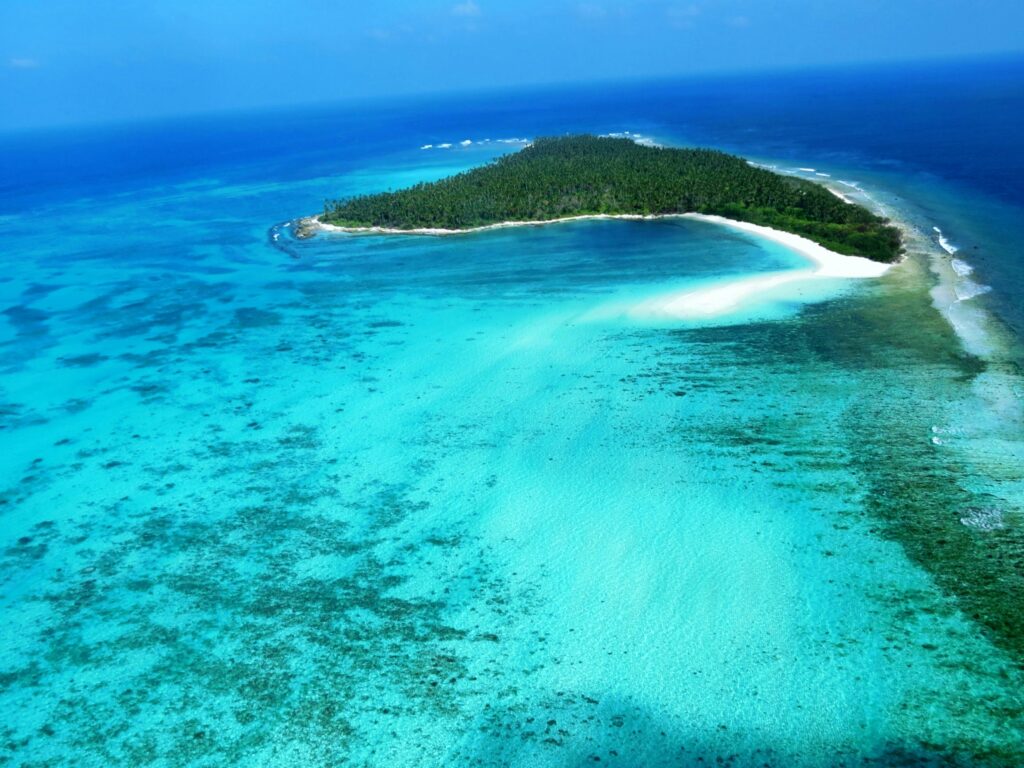
While pictures of Lakshadweep’s turquoise lagoons and pristine beaches flood Instagram feeds across India, the real magic of these coral islands lies beneath the surface – in its people, their stories, and traditions that have survived centuries of ocean storms and cultural tides. Most travelers see Lakshadweep as India’s answer to the Maldives, a tropical paradise perfect for that dreamy vacation photo. But step beyond the resort boundaries, and you’ll discover something far more fascinating: a society where women lead families, where dance tells tales of ancient warriors, and where every meal celebrates the marriage between coconut and sea. This comprehensive guide takes you on a journey through Lakshadweep’s cultural heritage, revealing the fascinating trivia, rich history, and living traditions that make these 36 islands one of India’s most unique destinations. From the matrilineal society that empowers women to the rhythmic beats of traditional dances, prepare to discover the Lakshadweep that most visitors never see. The Story of the Islands: A History Spanning Centuries The story of how humans first came to live on these remote coral atolls reads like an ancient adventure tale, mixing legend with historical fact in the way that only island folklore can. Cheraman Perumal’s Legacy According to local legend, the first permanent settlers arrived following an extraordinary journey by Cheraman Perumal, the last Chera king of Kerala. The story goes that around 825 AD, this king converted to Islam and decided to make the pilgrimage to Mecca. Before leaving, he sent search parties in different directions to explore new lands. One of these expeditions, led by his nephew, discovered the uninhabited coral islands we now call Lakshadweep. These early settlers brought with them the culture, language, and traditions of coastal Malabar, which explains why most islands still speak Jeseri – essentially an ancient form of Malayalam that has evolved in isolation over 1,200 years. The Spiritual Transformation The islands’ spiritual identity was shaped by another dramatic maritime tale. In the 11th century, a Muslim missionary named Sheikh Ubaidullah arrived after being shipwrecked on Andrott island. Local legend credits him with formally introducing Islam to the islands, though Islamic influence had likely been present through Arab traders for centuries. What makes Lakshadweep’s Islamic architecture unique is how it adapted to local materials and conditions. The beautiful mosques scattered across the islands feature intricate coral stone carvings and wooden frameworks that could withstand cyclones – a perfect blend of Islamic design principles and island practicality. Echoes of Outside Influence Over the centuries, the islands caught the attention of various maritime powers. The Portuguese briefly controlled some islands in the 16th century, leaving behind little more than a few place names. More significantly, the Arakkal kingdom of Kannur in Kerala maintained influence over the islands for several centuries, creating the administrative and cultural links that persist today. When the British took control in the 18th century, they largely left the islands’ internal governance alone, recognizing that the existing system worked well for these remote communities. This hands-off approach helped preserve the unique cultural practices that might otherwise have been eroded by colonial interference. A Unique Society: The People, Language, and Matriliny What sets Lakshadweep apart from the rest of India isn’t just its geography – it’s the social structure that governs daily life. Understanding this system is key to appreciating how different these islands really are. The Matrilineal Marvel In most of India, family lineage flows through the father’s side, but Lakshadweep follows a matrilineal system where ancestry, property, and family identity pass through the mother’s line. This isn’t just a cultural curiosity – it has profound practical implications for how society functions. When a couple marries, traditionally the husband moves into his wife’s family home, called a ‘tharavadu’ (a concept familiar to anyone from Kerala). Children take their mother’s family name, and daughters inherit the family property. This system gives women significant authority in family decisions and economic matters – a fascinating contrast to patriarchal structures found elsewhere in India. The matrilineal system also creates strong extended family networks. Since women stay in their ancestral homes and men move between families, each household becomes a multi-generational center of female authority, with grandmothers often serving as family heads well into their advanced years. Languages That Tell a Story The linguistic map of Lakshadweep reveals the islands’ complex cultural connections. Most islands speak Jeseri, which linguists describe as an archaic form of Malayalam that has been preserved in isolation for over a millennium. Think of Jeseri as Malayalam’s island cousin – recognizable to Kerala speakers but with its own distinct vocabulary and pronunciation shaped by centuries of ocean isolation. Minicoy Island stands apart linguistically, as its people speak Mahl – a language closely related to Dhivehi, the official language of the Maldives. This linguistic connection reflects Minicoy’s unique cultural position, historically more connected to the Maldivian archipelago than to the other Lakshadweep islands. Traditional Social Organization The traditional village organization varies between islands. In most islands, society is organized around ‘tharavadu’ family units and mosque-centered communities. However, Minicoy has a unique system called ‘Athiri’ – age-grade societies that organize social and cultural activities. These groups perform specific functions in island life, from organizing festivals to maintaining traditional dances. The Rhythms of Island Life: Famous Dance and Music Music and dance in Lakshadweep aren’t just entertainment – they’re living repositories of history, martial traditions, and community identity. The most striking aspect is that all major folk arts are performed exclusively by men, creating a fascinating contrast with the matrilineal social structure. Kolkali: The Rhythm of Wooden Sticks Imagine twenty men arranged in a perfect circle, each holding two wooden sticks about a foot long. As the drums begin their hypnotic beat, the performers start a rhythmic dance that has remained unchanged for centuries. This is Kolkali – literally “stick play” – and hearing it once is enough to understand why it’s considered the heartbeat of Lakshadweep culture. The sharp, rhythmic ‘clack’ of wooden sticks hitting each other in perfect

Lakshadweep Cultural Heritage Trivia: Fascinating Facts, History & Traditions Read More »
Taj Mahal

Why the Taj Mahal is Famous: History, Architecture, and Visitor Guide

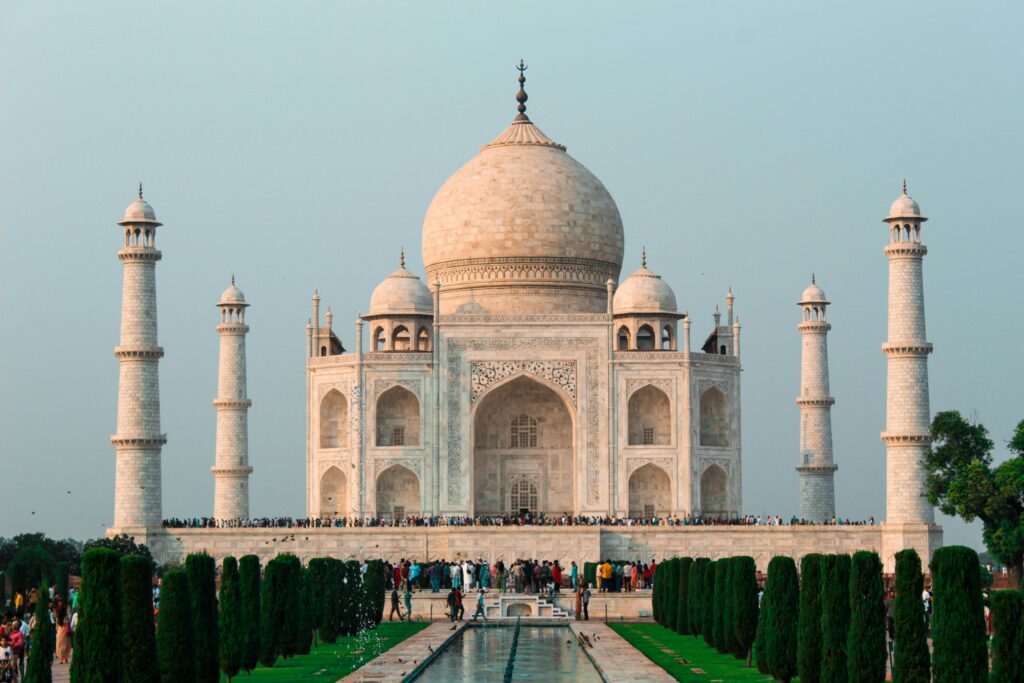
Have you ever seen a building that feels more like a poem? A story of love so profound it was literally set in stone? Standing majestically on the banks of the Yamuna River in Agra, India, the Taj Mahal isn’t just another tourist destination on your travel bucket list. This UNESCO World Heritage site has captured hearts and imaginations for nearly four centuries, earning its place as one of the most recognizable and beloved monuments in the world. More than just an architectural marvel, the Taj Mahal represents the pinnacle of Mughal artistry and serves as an eternal symbol of undying love. It’s a place where history comes alive, where every marble surface tells a story, and where millions of visitors each year find themselves moved to tears by its breathtaking beauty. For travelers from around the globe, the first glimpse of this ivory-white masterpiece emerging through the morning mist is a moment that stays with them forever. In this comprehensive guide, we’ll journey through the complete story of the Taj Mahal. We’ll explore its heartbreaking history, marvel at its architectural genius, and give you practical tips for your own visit, all based on thoroughly researched information from authoritative sources. Whether you’re planning your first trip to India or you’re simply curious about world heritage sites, this article will serve as your ultimate resource. So, let’s uncover the answer to the big question: What is the Taj Mahal famous for? Prepare to discover why this 17th-century monument continues to be celebrated as one of humanity’s greatest achievements. A Love Story for the Ages: The Real Story of the Taj Mahal Behind every great monument lies a great story, but few tales are as captivating as the one that gave birth to the Taj Mahal. This isn’t just architectural history – it’s a love story that has moved hearts for over 350 years. Our story begins in the opulent courts of the Mughal Empire with Emperor Shah Jahan, the fifth Mughal ruler, and his beloved wife, Arjumand Banu Begum, better known by her title Mumtaz Mahal, meaning “Chosen One of the Palace.” Theirs wasn’t an arranged marriage born of political necessity, but a genuine love match that blossomed into one of history’s most celebrated partnerships. Shah Jahan and Mumtaz Mahal were inseparable. She was his trusted confidante, accompanying him on military campaigns and serving as his closest advisor. Contemporary accounts describe their relationship as extraordinarily close, with the emperor seeking her counsel on matters of state and showering her with affection that was unusual for royal marriages of that era. Together, they had 14 children, though sadly, only seven survived to adulthood. The fairy tale took a tragic turn in 1631 when Mumtaz Mahal died during childbirth while giving birth to their daughter Gauharara Begum. The emperor was devastated beyond measure. Historical records describe Shah Jahan as being so grief-stricken that his hair turned white almost overnight, and he went into mourning for two years, during which he avoided public appearances and banned music and festivities from his court. But from this profound grief came an extraordinary promise. On her deathbed, Mumtaz Mahal is said to have asked her husband to build her a tomb that would be unlike anything the world had ever seen – a monument that would serve as an eternal symbol of their love. Shah Jahan vowed to create a paradise on Earth in her memory, and thus began one of history’s most ambitious architectural projects. The construction of the Taj Mahal began around 1632 and would consume 22 years of Shah Jahan’s life and an estimated 32 million rupees – an astronomical sum that would be worth billions in today’s currency. Imagine 20,000 artisans, sculptors, calligraphers, and craftsmen working tirelessly under the guidance of master architect Ustad Ahmad Lahori. The scale was breathtaking: precious materials were transported from across Asia by a fleet of over 1,000 elephants, including white marble from Makrana in Rajasthan, jasper from Punjab, jade and crystal from China, turquoise from Tibet, lapis lazuli from Afghanistan, sapphire from Sri Lanka, and carnelian from Arabia. The emperor spared no expense in his quest for perfection. He summoned the finest craftsmen from across his empire and beyond – Persian calligraphers, Florentine specialists in pietra dura (stone inlay work), and French and Italian experts in decorative arts. Each element was planned with meticulous attention to detail, from the perfectly proportioned dome to the intricate floral patterns that would adorn every surface. But the story doesn’t end with the completion of the mausoleum. Legend has it that Shah Jahan planned to build an identical black marble tomb for himself on the opposite side of the Yamuna River, connected to Mumtaz’s tomb by a bridge. However, fate intervened when his son Aurangzeb imprisoned him in 1658, ending these grandiose plans. Shah Jahan spent his final years under house arrest in Agra Fort, where he could gaze upon his beloved’s tomb through a window. When he died in 1666, he was buried beside Mumtaz Mahal in a simple ceremony, their love story finally complete. This profound narrative of love, loss, and remembrance is why the Taj Mahal resonates so deeply with visitors today. It’s not just a building – it’s the physical manifestation of one of history’s greatest love stories, a testament to the lengths one will go to honor the memory of a beloved partner. More Than a Building: Decoding the Genius of the Taj Mahal’s Architecture While the love story captures our hearts, it’s the architectural brilliance of the Taj Mahal that truly explains why this monument has captivated the world for centuries. Every element of its design represents a perfect fusion of Persian, Islamic, and Indian architectural traditions, creating something entirely unique and breathtakingly beautiful. The most striking feature is undoubtedly the building’s material: translucent Makrana marble. This isn’t just any stone – it’s famous for the way it seems to absorb and reflect light, making the Taj Mahal appear to change color throughout the

Why the Taj Mahal is Famous: History, Architecture, and Visitor Guide Read More »

Diu Beaches, India

Why Diu is Famous: A Serene Paradise with Rich History and Culture

Diu is indeed considered a worthwhile travel destination, particularly if you are seeking a beach vacation near Gujarat. It offers a unique blend of sun, sand, and history, making it an appealing escape from the everyday hustle. Many travellers find Diu an unspoilt beach destination with a quaint, old-world charm, featuring pristine beaches and beautiful buildings. Here are some key reasons why Diu might be worth your visit: While some visitors note a limited number of attractions and activities compared to other destinations, Diu’s appeal lies in its relaxed atmosphere and historical depth. For a comprehensive understanding of what Diu offers, from its delightful food options and recommended stays to a detailed exploration of its attractions and travel tips, continue reading for more in-depth information. I. Introduction: Diu’s Allure as a Unique Indian Destination Diu is a captivating blend of sun, sand, and history, offering an escape from the chaos of daily life. This small island city, part of the union territory of Dadra and Nagar Haveli and Daman and Diu, is dotted with pristine beaches and showcases a rich heritage alongside exquisite architecture. It serves as one of the best beach vacation destinations near Gujarat and is a favoured tourist spot for beach lovers. Diu is notably famous for its pristine beaches, a profound Portuguese colonial heritage, an unpolluted and tranquil environment, and a laid-back charm that distinguishes it from more crowded destinations such as Goa. This unique blend makes it an ideal vacation destination for those seeking relaxation, historical exploration, and natural beauty near Gujarat. II. Diu’s Famous Beaches: Sun, Sand, and Serenity Diu is renowned for its clean and clear waters and unsoiled sea, making it suitable for bathing. The blue waters with waves and sand are particularly captivating, capable of holding one’s attention for hours. Beyond water sports, Diu’s beaches are perfect for long walks, watching spectacular sunsets, and luxuriating on golden sands. Other beach activities like camel rides and horse rides are also available. III. Diu’s Historical and Architectural Grandeur Diu’s identity is inextricably linked to its past as a Portuguese colony from 1535 until 1961. This long colonial period resulted in a distinctive multi-faced cultural heritage and significantly transformed the city’s architectural profile, introducing European amenities like churches and civic buildings into the urban landscape. IV. Cultural Melting Pot and Culinary Delights Diu boasts a multi-faced cultural heritage, reflecting an unusual amalgam of tribal, Indian, Portuguese, and European influences. The local inhabitants share similar traditions and customs with the people and culture of Gujarat. V. Diu’s Natural Environment and Unique Appeal Diu stands out as one of the freshest Indian towns you would ever visit. Its streets are described as being in apple-pie order, the sea water is unsoiled and suitable for bathing, and its memorials are well-ordered. This notable cleanliness is partly attributed to its sparse population, as many families have moved out for better career opportunities, leaving behind a sparkling, picturesque port town for visitors. Diu offers a quaint, old-world charm and is an unspoilt beach destination for relaxation-seekers looking to avoid thronging crowds. It promises a serene paradise experience, inviting visitors to explore, reflect, and rejuvenate amidst its sun-drenched beaches and historical monuments. VI. Practical Information for Planning Your Trip VII. Diu’s Comparative Advantage and Future Potential Diu presents itself as a compelling alternative to more popular beach destinations. It is noted to be cheaper than Goa, with better prices for seafood, water sports, and local transport. VIII. Conclusion: Is Diu Worth Visiting? Diu is undeniably famous for its fascinating combination of history, sand, sun, and architecture, enticing visitors looking for a perfect escape. It is well-regarded for its historical significance as a former Portuguese colony, its array of clean and beautiful beaches, its unique blend of cultures and cuisines, and its tranquil atmosphere that provides a refreshing escape from the chaos of daily life. While some aspects like local transport and certain dining experiences could be improved, Diu’s distinct charm, affordability, and historical depth make it a compelling destination. It is described as a “well-kept secret among travellers looking for relaxing, unpolluted places“. For those seeking a tranquil vacation, cultural immersion, and a break from the ordinary, Diu offers a worthwhile and unique travel experience. Table of Clarity: Diu Travel Guide Category Details Destination Diu, Union Territory of Dadra & Nagar Haveli and Daman & Diu, India Famous For Pristine beaches, Portuguese colonial heritage, historical forts & churches, affordable seafood & alcohol, serene charm Top Beaches Nagoa Beach (water sports, crescent shape), Ghoghla Beach (largest, clean & less crowded), Jallandhar Beach (calm, demon shrine), Chakratirth Beach (mythological, rocky), Gomtimata Beach Major Attractions Diu Fort, St. Paul’s Church, St. Thomas Church (Museum), Church of St. Francis, Naida Caves, INS Khukri Memorial, Zampa Gateway, Fortim do Mar (Pani Kotha), Gangeshwar Temple, Jallandhar Shrine Unique Events Fiesta De Diu (Asia’s longest beach festival, 70 days), Garba Festival, Folk Dance Festival, Thai Festivals (Songkran, Loi Krathong) Food Specialties Fresh seafood (prawns, pomfret, bangda), Portuguese dishes (Caldinho de Camarao, Cozido de pixie), Gujarati/Indian staples (rotla, chhole-bhature), affordable alcohol Shopping Seashell & bamboo handicrafts, pearl jewelry, colorful bangles, dry fruits, imported goods Best Time to Visit October – February (cool & pleasant, 15-23°C). March – May (warmer but breezy). Avoid monsoon for beach activities. How to Reach Air: Diu Airport (DIU) – flights from Mumbai & Porbandar.Rail: Nearest major station – Veraval (90 km).Road: Connected via highways to Mumbai, Ahmedabad, Rajkot, Surat, Vadodara.Local: Auto-rickshaws, buses, bike rentals (limited public transport). Accommodation Ranges from budget hotels to luxury resorts: The Grand Highness, Azzaro Resort & Spa, Ginger Diu, The Fern Seaside Tent Resort Affordability Cheaper than Goa (seafood, water sports, alcohol, transport). Budget-friendly destination Safety Generally safe; peaceful town with low crime. Some concerns about monument conservation & limited activities Ideal For Beach lovers, history buffs, culture explorers, family trips, budget travelers, offbeat explorers Comparative Advantage Less crowded & cheaper than Goa, rich Portuguese history, proximity to Gujarat & Maharashtra, declared a “Special Tourism Area” Frequently

Why Diu is Famous: A Serene Paradise with Rich History and Culture Read More »

things to do in tarkarli

Why Scuba Diving in Tarkarli?

Yes, Tarkarli is an excellent and highly recommended destination for scuba diving, offering an unforgettable adventure into the underwater world. It is one of Tarkarli’s major tourist attractions due to its pristine white sands and crystal-clear waters, which are rich in marine biodiversity. So, Why Scuba Diving in Tarkarli? Let’s discover! You can explore exotic coral reefs, swim with diverse fish species, and even spot sea turtles. The waters are generally clear and warm, making it ideal for both beginner and experienced divers. For more in-depth information on diving levels (shallow vs. deep), safety measures, specific diving sites, the best time to visit, and available packages, please continue reading the comprehensive details provided below. Why Scuba Diving in Tarkarli? Scuba diving in Tarkarli offers an unforgettable adventure, allowing you to explore the opulent beauty of the underwater world. It introduces you to the mesmerizing charm of marine life and raises awareness about its importance and conservation. The clear, warm waters of Tarkarli are rich in marine biodiversity, making it an ideal location for both experienced divers and beginners. On a clear day, visibility can extend up to 20 feet deep, allowing for excellent viewing of the waterbed. When diving in Tarkarli, you can expect to: Diving Levels and Experiences Scuba diving services in Tarkarli cater to various experience levels: Initial training, often lasting 5-10 minutes, is provided before the dive, and participants can ascend anytime they feel uncomfortable. The general skills needed for scuba diving in Tarkarli are simple and can be learned in a couple of hours. Safety and Professionalism Your safety is a primary concern for diving organizers in Tarkarli. They ensure that everyone is ideally trained and mentored by M.T.D.C. (Maharashtra Tourism Development Corporation) before engaging in the water sport. Customers have praised the professionalism and knowledge of the coaches, feeling safe and secure throughout their dives. Pricing and Packages While specific prices may vary, the sources provide several figures: Various combo packages are also available, combining scuba diving with other water sports: Note: Some listed prices, like those in Source 122, were valid until May 2018, so current prices may differ. Scuba Diving Locations and Sites Scuba diving activities in Tarkarli are often operated near Daneshwar temple, Dandi beach, and close to Tarkarli, Malvan. Diving sites are spread around a 20 km circumference and include shallow and deep diving spots. Seven points are mentioned based on visibility: King’s garden point, Rewala point, Reti point, Dharan point, Juva Point, Achara point, and Chivla point. The Tarkarli Reef is also highlighted for its coral and marine life. Best Time for Scuba Diving The winter months, from October to March, are considered the ideal time for visiting Tarkarli and engaging in water sports like scuba diving. During this period, the pleasant temperatures (ranging from 17-32 degrees Celsius) are optimal for beach activities. Conversely, water sports are generally not fully functional during the monsoon season (July to September) due to heavy rainfall and harsh weather conditions. Summers (April to June) are least advisable due to scorching heat and humidity. Customer Experiences Visitors consistently rate scuba diving in Tarkarli highly, describing it as “superb” and an “amazing experience”. Many highlight the opportunity to see colorful fish and the beautiful underwater world. The inclusion of complimentary videos and pictures in packages is also a significant plus for many. For first-time divers, the experience is described as “awesome”. While some testimonials specifically mention “Scuba Diving In Mumbai,” the context within the provided sources places these reviews under Tarkarli’s offerings. More Things to do in TarkarliDiscovering Tarkarli: Maharashtra’s Serene Coastal Gem Tarkarli, a serene and tranquil village located in the Malvan region of Maharashtra’s Sindhudurg district, is an emerging hub for visitors seeking natural beauty, adventure, and relaxation. Bestowed with pristine Konkan Coastal lines, this charming village is a treasure trove for beach and nature lovers alike. Tarkarli offers unique and unmatched peace and tranquility, making it an ideal destination to soothe the mind and relax the soul. It is known for its white sand and clear waters of Tarkarli Beach and is a popular beach destination on the coast of the Arabian Sea. Best Time to Visit Tarkarli Tarkarli enjoys a pleasant climate throughout the year, attracting a large number of tourists. However, the winter months, from October to March, are considered the best time to visit Tarkarli. How to Get There Tarkarli is approximately 295 miles (475 kilometers) from Mumbai. While driving can be intimidating for tourists, most prefer rail travel. Accommodation Options Tarkarli offers a range of accommodation options, from budget homestays to upscale resorts. Things to Do in Tarkarli The list of activities in Tarkarli is extensive, promising never-ending fun and excitement for all types of visitors. Water Sports Tarkarli is a growing hub for water sports, particularly noted for its clear waters and marine life. Tsunami Island is a popular hub for water sports activities. Sightseeing & Exploration Tarkarli boasts numerous natural wonders and historical marvels. Shopping Tarkarli, being in the Malvan region, is known for its local specialties. Relaxation & Nature Tarkarli’s untouched and secluded beauty makes it a must-visit place for nature lovers and leisure seekers. Malvani Cuisine Malvani cuisine is the standard cuisine of the Konkan region of Maharashtra and Goa, known for its fiery seafood curries and unique spices. While predominantly non-vegetarian, it also features many vegetarian delicacies. Tips for Travelers Challenges/Considerations While Tarkarli offers a tropical escape, be aware of some potential challenges: Overall Potential Tarkarli is definitely on its way to becoming Maharashtra’s next sizzling beach destination while retaining its small-town charm. Its potential lies in: Tarkarli offers a chance to immerse in coastal life, connect with raw natural beauty, and indulge in water adventures against the Western Ghats backdrop, making it a highly recommended destination for those seeking tropical peace without overwhelming crowds. Here is a comprehensive list of frequently asked questions and answers about Tarkarli, drawing on the provided sources: Frequently Asked Questions about Tarkarli 1. What is Tarkarli known

Why Scuba Diving in Tarkarli? Read More »

kolli hills

Kolli Hills: A Hidden Gem in India’s Landscape

Kolli Hills is a stunning mountain range in the Eastern Ghats of Tamil Nadu. It offers a mix of natural beauty and peaceful landscapes. Imagine being surrounded by green forests, beautiful waterfalls, and coffee plantations. It’s a paradise for those who love nature and adventure. When you visit this hill station, you’ll be amazed by its beauty and feel refreshed by nature. Your trip to Kolli Hills will be memorable. It’s known for its beautiful views and calm atmosphere. Key Takeaways Discover the natural beauty of Kolli Hills, a hidden gem in Tamil Nadu. Explore the verdant forests, stunning waterfalls, and lush coffee plantations. Experience the serene landscapes and tranquil atmosphere of this enchanting hill station. Rejuvenate your senses amidst nature’s splendor. Plan your trip to Kolli Hills for an unforgettable adventure. Discovering Kolli Hills: Tamil Nadu’s Mountain Paradise Kolli Hills is nestled in the Eastern Ghats, offering a unique experience for all. It’s a peaceful retreat from city life, known for its untouched beauty. Adventure seekers and nature lovers will find it unforgettable. Geographical Location and Significance Kolli Hills, or Kolli Malai, sits at about 1,300 meters high. It’s not just about its height; it’s also spiritually significant. The area’s varied landscape supports a wide range of plants and animals, attracting nature fans. The region’s unique landscape features rolling hills, dense forests, and meandering streams. This mix of natural wonders creates a serene atmosphere. The Mystical Appeal of the “Mountains of Death” Kolli Hills is called the “Mountains of Death” for its tough terrain. Yet, this nickname adds to its allure, attracting those who seek its rugged charm. The area is filled with stories and legends, making it a cultural gem. The allure of Kolli Hills comes from its blend of natural and spiritual beauty. Exploring it, you’ll find it’s more than a place; it’s an experience that stays with you forever. Visiting Kolli Hills, you’ll find many kolli hills tourist places to see. Each spot offers a unique view into the area’s natural and cultural wonders. From stunning views to ancient temples, there’s something for everyone. So, what makes Kolli Hills famous? It’s known for its stunning landscapes, rich culture, and friendly locals. Whether you’re after adventure, peace, or cultural experiences, Kolli Hills has it all. Table of Clarity: Essential Information About Kolli Hills To enjoy your trip to Kolli Hills, knowing the basics is key. This section gives you a quick guide to plan your visit. Location and Accessibility Kolli Hills is in the Namakkal district of Tamil Nadu, India. It’s accessible by road. The closest town is Namakkal, 45 kilometers away. Salem’s railway station is about 120 kilometers from Kolli Hills. Elevation and Area The hill station sits at about 1,000 to 1,300 meters above sea level. It covers an area full of biodiversity and stunning views. Best Time to Visit The best time to visit is from October to March. The weather is nice for outdoor fun. A traveler noted, “The monsoon season makes Kolli Hills magical, ideal for those who love rain.” “The weather in Kolli Hills during the monsoon is like a refreshing embrace, cooling down the senses and rejuvenating the spirit.” Major Attractions at a Glance Arapaleeswarar Temple Agaya Gangai Waterfalls Botanical Garden and Herbal Farms Siddhar Caves and Spiritual Sites These spots offer a blend of spirituality, nature, and adventure. Kolli Hills is great for all kinds of travelers. Attraction Description Arapaleeswarar Temple A sacred site dedicated to Lord Shiva, known for its intricate carvings and spiritual ambiance. Agaya Gangai Waterfalls A breathtaking waterfall that cascades down the hills, creating a picturesque setting. The Rich History of Kolli Hills Traveling to Kolli Hills is more than seeing beautiful views. It’s a journey through time, uncovering its rich history. This area in the Eastern Ghats of Tamil Nadu is filled with ancient tales, historical importance, and colonial marks. Ancient Legends and Mythology Kolli Hills is full of myths and legends. The name “Kolli” means “death” in Tamil, making it the “Mountains of Death.” People believed that anyone who went there would never come back. Yet, the hills are also linked to many mythological stories, making them even more mysterious. The Arapaleeswarar Temple, dedicated to Lord Shiva, is a key pilgrimage site here. Its history and myths are key to understanding Kolli Hills’ cultural and religious value. Historical Significance Through the Ages Kolli Hills has seen many historical events. It has been part of the Tamil region’s history, mentioned in ancient Tamil texts. Its strategic location made it important throughout history. The architecture and inscriptions in Kolli Hills show its rich past. They give us a glimpse into the area’s history. Colonial Era Influences The colonial era had a big impact on Kolli Hills. You can see it in the architecture, culture, and food. The British were attracted to the hills for their strategic and economic value. Today, you can still see old plantations, buildings, and other colonial-era structures. They remind us of the past. Historical Aspect Description Ancient Legends Mythological stories and local lore surrounding Kolli Hills Historical Significance Witness to various historical events and dynasties Colonial Influence Legacy of British colonial rule in architecture and culture Understanding Kolli Hills Weather and Climate Patterns Before you head to Kolli Hills, it’s key to know the weather and climate. The area’s location affects its climate, leading to different seasons. These seasons change how you’ll experience your visit. Seasonal Climate Variations Kolli Hills has a varied climate through the year. It can be divided into summer, monsoon, and winter. Summer (April to June) is warm, with high temperatures. The monsoon (July to September) brings lots of rain, making it green. Winters (October to March) are mild and nice, perfect for visiting. Ideal Months for Different Activities The best time to visit Kolli Hills depends on what you want to do. For trekking and seeing waterfalls, October to March is best. The weather is nice then. Activity Ideal Months Weather Conditions Trekking October to

Kolli Hills: A Hidden Gem in India’s Landscape Read More »

Tirthan valley, Great himalayan national park, Himachal pradesh image.

Tirthan Valley: Himachal’s Hidden Himalayan Paradise – A Complete Offbeat Travel Guide

Tired of the tourist-packed streets of Manali? Imagine a valley where the only traffic jam is a herd of sheep crossing the road, where your morning alarm is the gentle murmur of a crystal-clear river, and where the biggest decision you’ll make is whether to catch trout for lunch or trek to a hidden alpine lake. Welcome to Tirthan Valley, Himachal Pradesh’s best-kept secret and your gateway to experiencing the Himalayas as they were meant to be. Nestled in the Kullu district and serving as the entry point to the UNESCO World Heritage-listed Great Himalayan National Park, Tirthan Valley offers something increasingly rare in our connected world: genuine escape. This isn’t just another hill station with overcrowded viewpoints and commercialized experiences. Instead, it’s a living, breathing example of how sustainable tourism can preserve both natural beauty and authentic mountain culture. I discovered Tirthan Valley during a particularly overwhelming period in my life, seeking solitude that seemed impossible to find in India’s popular mountain destinations. What I found was more than just peace and quiet—I found a community of locals who’ve chosen to share their home with travelers while maintaining the very essence that makes this place special. This guide is your comprehensive roadmap to experiencing Tirthan Valley in all its untouched glory, from the practical logistics of getting there to the soul-stirring moments that will stay with you long after you’ve returned home. Why Tirthan Valley? Your Escape to Authentic Himachal The first thing you’ll notice when you arrive in Tirthan Valley isn’t what you see—it’s what you hear. The constant, soothing symphony of the Tirthan River creates a natural soundtrack that immediately signals you’ve left the chaos of city life behind. The air carries the crisp scent of pine and deodar forests, occasionally punctuated by the earthy aroma of wood smoke from village kitchens where families are preparing traditional meals like siddu and local rajma. This valley represents everything that makes Himachal Pradesh extraordinary, yet it remains wonderfully undiscovered by the masses. While places like Manali and Shimla struggle under the weight of overtourism, Tirthan Valley maintains its authentic character through a community-led approach to hospitality that prioritizes quality over quantity. The locals here aren’t just service providers—they’re your guides, storytellers, and temporary neighbors who genuinely care about your experience. What truly sets Tirthan Valley apart as one of the hidden gems near Manali is its perfect balance of adventure and tranquility. You can spend your morning fly-fishing for trout in pristine mountain waters, your afternoon exploring traditional Himachali villages where life moves at nature’s pace, and your evening sharing stories around a fire while gazing at stars undimmed by light pollution. This is eco-tourism in Himachal Pradesh at its finest—travel that enriches both visitor and host while preserving the natural and cultural heritage for future generations. The valley’s commitment to sustainable travel in the Himalayas is evident in every aspect of your visit. From the homestays built using traditional architecture and local materials to the community-managed trails that respect wildlife corridors, every element has been thoughtfully designed to minimize environmental impact while maximizing cultural exchange. You’re not just a tourist here—you’re a temporary member of a community that values conservation, authenticity, and genuine human connection. The Journey is the Destination: How to Reach Tirthan Valley Getting to Tirthan Valley requires a bit of planning, but the journey itself becomes part of the adventure. The most common route involves flying into Delhi, then either driving or taking a combination of buses and taxis. Let me walk you through the most practical options, including the crucial details that can make or break your trip. By Road from Delhi or Chandigarh: The drive from Delhi to Tirthan Valley covers approximately 500 kilometers and takes about 10-12 hours, depending on traffic and road conditions. The route follows the well-traveled path to Manali until you reach the small town of Aut, about 40 kilometers before Manali. Here’s where many travelers make a critical mistake—you must take the turn-off for Banjar before entering the Aut tunnel. Missing this turn means backtracking several kilometers, so stay alert as you approach. From Aut, the Tirthan Valley road begins its winding journey through increasingly spectacular scenery. This 35-kilometer stretch to Gushaini takes about 1.5 hours and serves as a perfect introduction to the valley’s character. The road is narrow and winding, carved into hillsides that drop away dramatically to reveal glimpses of the rushing river below. While the road conditions are generally good, they demand respect—especially during monsoon season when occasional landslides can cause delays. By Air and Train: The nearest airport is Bhuntar (Kullu Airport), about 50 kilometers from Gushaini. The airport receives flights from Delhi, but schedules can be erratic due to weather conditions. From Bhuntar, you’ll need to arrange a taxi or take a bus to Aut, then continue to Tirthan Valley. The nearest major railway station is Chandigarh, from where you can take a bus or hire a taxi for the remaining journey. Public Transport Options: Himachal Pradesh Road Transport Corporation (HRTC) operates regular buses from Delhi and Chandigarh to Aut and Banjar. From Banjar, local buses and shared taxis connect the valley’s villages. While this option is economical, it requires patience and flexibility, as schedules can be unpredictable, especially during peak tourist season. A tip I learned the hard way: always keep some cash handy for fuel and toll expenses during the drive. Many fuel stations along the route prefer cash, and having small denominations makes the journey smoother. Also, download offline maps before you start—mobile network coverage can be patchy in the mountains. Picking Your Perfect Season in Tirthan Valley Understanding the best time to visit Tirthan Valley can dramatically impact your experience. Each season offers distinct advantages and challenges, and choosing the right time depends on what you’re seeking from your mountain getaway. Spring (March to May): Spring brings new life to the valley as snow melts from lower elevations and rhododendrons burst into bloom. This is arguably the

Tirthan Valley: Himachal’s Hidden Himalayan Paradise – A Complete Offbeat Travel Guide Read More »

Snowcap Mountain, Dibang Valley, Arunachal Pradesh

Dibang Valley: Your Complete Guide to Arunachal’s Mystical, Unexplored Heart

Picture this: You’re standing at the edge of one of India’s last great frontiers, where mist-shrouded mountains guard ancient secrets and indigenous communities live in harmony with pristine wilderness. Welcome to Dibang Valley, a mystical realm in Arunachal Pradesh that has remained largely untouched by mass tourism, offering intrepid travelers an authentic glimpse into India’s northeastern frontier. Recent attention from business magnate Anand Mahindra and growing whispers among adventure enthusiasts have begun to shine a spotlight on this remote paradise. Yet Dibang Valley remains deliciously unexplored, a destination where you can still experience the thrill of true discovery. This comprehensive guide will unlock everything you need to know about Dibang Valley tourism, from navigating the complex logistics to immersing yourself in the fascinating culture of the Idu-Mishmi people. If you’re seeking an adventure that goes beyond Instagram-worthy spots and delves into genuine cultural exchange and untamed wilderness, Dibang Valley beckons. This isn’t just another travel destination – it’s a transformative journey into one of Asia’s most pristine corners, where every step reveals something extraordinary. Why Visit Dibang Valley? The Call of the Wild Imagine a place where the Himalayas unfold in their most dramatic form, where ancient forests whisper stories of time immemorial, and where crystal-clear rivers carve through valleys that have remained unchanged for millennia. Dibang Valley is nature’s masterpiece, a canvas painted with emerald forests, snow-capped peaks, and meadows that burst with wildflowers during the brief but spectacular spring season. The Dibang River, one of the major tributaries of the mighty Brahmaputra, flows through this landscape like a silver thread binding together ecosystems of incredible diversity. From subtropical forests at lower elevations to alpine meadows kissing the sky, the valley harbors species found nowhere else on Earth. Rare orchids bloom in hidden corners, while elusive snow leopards patrol the higher reaches. This is what makes Dibang Valley an unexplored destination of unparalleled natural significance. But the valley’s true magic lies in its people. The Idu-Mishmi tribe, one of Northeast India’s most fascinating indigenous communities, calls this land home. Their deep spiritual connection to the mountains and forests has preserved both their culture and the environment for centuries. Visitors have the rare privilege of witnessing a way of life that remains largely untouched by globalization, where traditional knowledge systems guide daily life and ancient rituals honor the spirits of the land. The diverse Dibang Valley culture manifests in everything from intricate handwoven textiles to elaborate festivals that celebrate the changing seasons. The Idu-Mishmi people practice their ancestral faith, Aniism, which recognizes the sacred in every aspect of the natural world. Their traditional bamboo houses, perched on stilts and built without a single nail, demonstrate remarkable architectural wisdom adapted to the valley’s unique climate and terrain. What sets Dibang Valley apart from India’s crowded hill stations and commercialized destinations is its profound sense of peace and authenticity. Here, you won’t find traffic jams or tourist traps – instead, you’ll discover the rare luxury of silence, broken only by birdsong and the distant murmur of flowing water. This is adventure travel at its purest, where the journey itself becomes as meaningful as the destination. Planning Your Expedition: How to Reach Dibang Valley & Practicalities Reaching Dibang Valley requires careful planning and considerable patience, but the rewards are extraordinary. This section of our Dibang Valley travel guide covers everything you need to know about permits, transportation, timing, and logistics to ensure your journey unfolds smoothly. Permits: Your Gateway to the Valley Before dreaming of misty mornings in Anini Dibang Valley, every non-resident of Arunachal Pradesh must secure proper permits. Indian citizens require an Inner Line Permit (ILP), while foreign nationals need a Protected Area Permit (PAP). This isn’t bureaucratic red tape – it’s a protective measure ensuring responsible tourism in sensitive border regions. For Indian Citizens – Inner Line Permit (ILP): Apply online through the official Arunachal Pradesh government portal at least 15 days before travel. You’ll need passport-sized photographs, identity proof, and detailed travel itinerary. The permit typically costs around ₹100-200 and is valid for 15 days, with possible extensions. Processing usually takes 3-7 working days, but delays can occur during peak seasons. For Foreign Nationals – Protected Area Permit (PAP): Foreign visitors must apply through registered tour operators or the Foreigners Registration Office in Delhi, Kolkata, or Guwahati. The process is more complex and can take 4-6 weeks, requiring detailed documentation including passport copies, visa details, and a comprehensive itinerary. PAP applications must be submitted well in advance, especially during winter months when processing may be slower. Getting to the Region: The Journey Begins Nearest Airport: Dibrugarh Airport in Assam serves as the primary gateway, located approximately 150 kilometers from the Arunachal Pradesh border. Regular flights connect Dibrugarh to Delhi, Kolkata, and Guwahati. From the airport, hire a taxi or take a bus to reach Pasighat or Roing. Railway Connectivity: Tinsukia Railway Station, about 40 kilometers from Dibrugarh, offers train connections to major Indian cities. However, air travel remains the most efficient option for most visitors. Road Journey to Arunachal Pradesh: From Dibrugarh, the journey to Roing (Lower Dibang Valley district headquarters) takes 4-5 hours via well-maintained highways. This scenic drive offers your first taste of Northeast India’s incredible landscapes, with tea gardens giving way to dense forests as you approach the hills. The Final Push: How to Reach Dibang Valley’s Heart The real adventure begins at Roing, where you’ll arrange onward transportation to Anini, the administrative center of Upper Dibang Valley district. This 210-kilometer journey is perhaps India’s most spectacular and challenging road trip, taking 8-12 hours depending on weather and road conditions. Vehicle Options: The road to Anini winds through changing landscapes, from subtropical forests to temperate woodlands, finally reaching alpine environments above 2,000 meters. Expect multiple river crossings, narrow mountain roads, and occasional delays due to landslides or weather. The journey itself is an adventure, offering spectacular views and multiple photo opportunities. Best Time to Visit: Timing Your Adventure Peak Season (October to March): Clear skies

Dibang Valley: Your Complete Guide to Arunachal’s Mystical, Unexplored Heart Read More »

Bhandardara

Bhandardara: Maharashtra’s Hidden Gem – A Comprehensive Travel Guide

Welcome to Bhandardara: An Overview of its Natural Splendor: Escape the ordinary and discover Bhandardara, Maharashtra’s hidden gem! This comprehensive guide unveils the natural splendor, historical sites, and thrilling adventures awaiting you in this picturesque hill station nestled in the Western Ghats. Bhandardara: Your Ultimate Travel Guide to Maharashtra’s Hidden Paradise Bhandardara stands as a picturesque holiday resort village, gracefully nestled within the Western Ghats of India. Located in the Akole tehsil of Ahmednagar district in Maharashtra, it is frequently characterized as Maharashtra’s “hidden gem”.1 This designation stems from its relatively undiscovered allure, despite being enveloped by a landscape of profound natural beauty. The village is situated serenely by the Pravara River, presenting a harmonious blend of natural environment, including cascading waterfalls, majestic mountains, and the tranquil expanse of Wilson Dam and Arthur Lake.3 The pervasive lush greenery and invigorating air contribute to a pristine ambiance, rendering it a truly idyllic and picture-perfect holiday destination.1 Why Bhandardara? Unveiling its Unique Appeal Bhandardara is recognized as a versatile destination, capable of catering to a broad spectrum of travelers. It appeals to nature enthusiasts, adventure seekers, and individuals desiring a peaceful retreat from the demands of urban life.4 The region offers distinctive opportunities for backpacking, engaging in challenging treks, experiencing lakeside camping under star-filled skies, and exploring ancient forts and temples.1 These diverse offerings collectively ensure a remarkable and unforgettable experience for every visitor, solidifying its reputation as a valuable destination for tourism.1 2. Geographical Location & Accessibility Where is Bhandardara? Bhandardara is strategically positioned in the Ahmednagar district of Maharashtra, in close proximity to Igatpuri, within the majestic Sahyadri ranges of the Western Ghats.1 Its geographical coordinates are 19°31′45″N 73°45′5″E, and it is situated at an elevation of 740 meters (2,430 ft) above mean sea level.3 A central feature of the village’s natural setting is its location on the banks of the Pravara River, which is integral to many of its primary attractions, including the notable Wilson Dam and Arthur Lake.3 How to Reach Bhandardara: Your Journey Options Bhandardara is accessible through various modes of transportation, connecting it to major urban centers in Maharashtra. Getting Around Bhandardara: Local Transport Tips Within Bhandardara itself, local transport facilities are somewhat limited. As a smaller hill station, options for getting around are not as extensive as in larger urban areas, primarily consisting of local buses that ply from Igatpuri.10 This limited availability of internal transport means that visitors should plan their mobility carefully. For those who drive to Bhandardara, utilizing their own vehicle for local sightseeing is the most convenient approach. Alternatively, resorts may facilitate cab arrangements upon request for their guests.10 Relying on spontaneous local transport within the village might prove challenging, potentially impacting the overall sightseeing experience. The explicit warnings about narrow roads while driving on the ghats and the scarcity of local transport within Bhandardara underscore the critical importance of pre-arranged transport for local exploration. 3. Best Time to Visit: Unveiling Bhandardara’s Seasonal Charms Overview of Bhandardara’s Climate Bhandardara experiences three distinct primary seasons—summer, monsoon, and winter—each uniquely transforming the landscape and offering varied experiences.14 The timing of a visit significantly influences sightseeing comfort and the availability of specific activities, including season-specific wonders such as the firefly festivals.14 The optimal period for a visit is not a singular timeframe but rather contingent on a traveler’s primary interests and desired activities. This allows for tailored recommendations rather than a universal “best time to visit.” Monsoon Magic (July – September) The monsoon season in Bhandardara is often described as “magical,” as rainfall invigorates the natural environment, leading to lush greenery and spectacular displays of overflowing waterfalls.4 Attractions such as Randha Falls and Umbrella Falls reach their full glory during this period.4 While enchanting for nature lovers, heavy rains and elevated humidity can render trekking trails slippery, necessitating caution.1 Evenings, however, are typically breezy and pleasant, providing an ideal setting for picnics near the swollen waterfalls and dams.1 Average July temperatures range from a high of 27°C (81°F) to a low of 22°C (72°F).15 This month experiences a very high probability of rain (98%), with heavy precipitation averaging around 25.6 mm per day, accompanied by high humidity (98%).15 The detailed monthly weather data, particularly for the monsoon months, provides critical actionable information for travelers. Knowing the high chance of heavy rain, high humidity, and recommended attire such as a sleeveless shirt, raincoat, and rain boots for July enables precise packing and preparation, thereby mitigating potential discomforts and enhancing the overall trip experience.15 Winter Wonderland (October – February) Winter in Bhandardara is widely regarded as the best time to visit by many, offering cool, pleasant weather and crisp, clear skies that are conducive to outdoor adventures and relaxation.1 This period is perfectly suited for embarking on treks to historical forts and majestic peaks like Ratangad, Harishchandragad, and Mount Kalsubai.9 It also presents a charming opportunity for cozy retreats by Arthur Lake, stargazing, and photography.9 Temperatures typically remain below 20°C 1, with December and January experiencing average highs around 28°C and lows between 15-18°C, along with minimal rainfall.16 Summer Escapes (March – June) Summer generally represents a quieter, less crowded period in Bhandardara. While the weather tends to be warmer, with days often hot and humid (averaging a maximum of 36°C), nights can cool down considerably.4 Arthur Lake and Wilson Dam continue to offer refreshing experiences even under warmer skies.14 This season is well-suited for peaceful retreats, discovering secluded spots, engaging in leisurely village walks, and camping near the lakes.9 Occasional pre-monsoon showers in May can contribute to a reduction in temperatures.9 Below is a consolidated overview of Bhandardara’s monthly weather, providing a quick reference for planning purposes: Month Average High Temp (°C / °F) Average Low Temp (°C / °F) Average Rain Days Average Precipitation (mm / inches) Average Relative Humidity (%) Average Clear/Sunny Hours per Day Average Wind Speed (mph / kph) January 28° / 82° 15° / 59° 0 – – 19.2 – February 31° / 88° 17° / 63° 0 –

Bhandardara: Maharashtra’s Hidden Gem – A Comprehensive Travel Guide Read More »

canary hill hazaribagh

Canary Hill Hazaribagh: A Comprehensive Guide to History, Nature, and Views

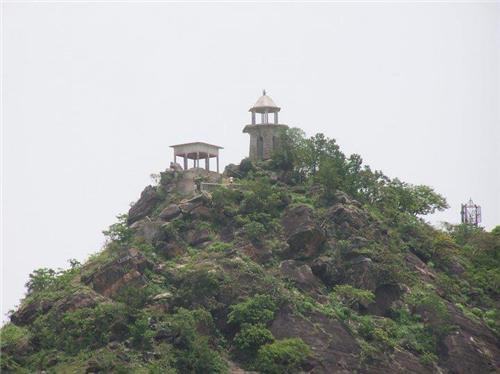
Discover the Panoramic Beauty of Canary Hill, Hazaribagh Thinking of visiting Canary Hill in Hazaribagh? Located in Jharkhand, India, approximately 3 kilometres from Hazaribagh town, Canary Hill is a prominent and popular tourist destination known for its natural beauty and historical significance. Key things to know quickly: Ready to delve deeper into the history, explore the facilities like the watch tower and building, understand the travel tips, or discover nearby attractions? Continue reading for comprehensive information to plan your visit to Canary Hill! Nestled in the heart of Jharkhand, India, Canary Hill is a picturesque destination renowned for its natural beauty and historical significance. Located in the Hazaribagh district, it stands approximately 3 kilometres from Hazaribagh town. One source also mentions it is about 8.3 km from Hazaribagh town. Canary Hill is considered a prominent hill among several in Hazaribagh. The hill reaches an elevation of 619 meters above sea level according to one source, while another states its height is 2016 feet, and a third estimates it to be about 3241 feet high from sea level. Why the Name “Canary Hill”? The origin of the name Canary Hill is tied to the canary bird. These small-sized birds, known for their melodious singing, are found in abundance in the region. The original wild canary is a bright yellow bird with brown-black stripes on its back, while domestic canaries can be found in many colours. These birds are found in large numbers in the forests of Africa, and similarly, on this hill. They tend to fly away when sensing danger or seeing people and do not live near humans. The name is believed to have been given by the British government, who were among the first to discover the hill’s natural beauty and establish a cantonment nearby. Getting There Canary Hill is easily accessible by road and is well-connected to major regional cities. Views and Scenery One of the major attractions of Canary Hill is its stunning panoramic views. Visitors can enjoy a breathtaking view of the surrounding landscape from the top. From the summit or the building/watch tower, one can see the entire town of Hazaribagh and the surrounding dense green forests. You can also see valleys, mountains, and hills far away. The view offers a 360-degree perspective of the Hazaribagh town, or a 260-degree view according to one source. Many visitors describe the views as beautiful, enchanting, amazing, and even like heaven. One reviewer noted it’s beautiful to watch in any climate. The beautiful scenery seen from the building on the mountain makes tourists spellbound, and tourists often capture these beautiful scenes in their cameras. There are reportedly two viewpoints, one near a forest bungalow accessible by a motorable road, and another on top of the hill reached by stairs, which offers a more beautiful view. Facilities and Features on the Hill A building has been constructed on the mountain, and a watch tower has been built on the high peak offering beautiful views. There is also a post office, or Dak Bangla, on top of the mountain. To make the climb easier, a staircase has been built from the base to the top of the hill. There are approximately 570 or more stairs. For safety, strong steel angles are provided on both sides of the stairs all the way to the top. The watch tower is also surrounded by steel angles. While climbing, there are roof-like platforms built at some height for visitors to rest. The hill is home to three lakes which add to its beauty. Additionally, a lake is under construction under the hill, and several waterfalls are also mentioned. Activities at Canary Hill Canary Hill offers a variety of activities for visitors. Popular options include trekking, camping, and bird watching. It is considered a beautiful picnic spot, ideal for nature walks, trails, and photography. Hiking is also a popular activity here. Adventure tourism has become a significant trend at Canary Hill, with the place being described as historical as well as adventurous, and the best for adventure tourists. While it’s a great place for adults and activities like picnics and nature walks for families, taking children might be difficult due to the climb. There are no specific activities for children’s entertainment on the hill itself. Early morning visitors might see groups working out on the hill. Nature and Wildlife The hill is surrounded by dense forests, with huge trees all around, offering greenery everywhere and acres of greenery on all sides. The forest around the hill contributes to the chance of seeing wild animals at night. Due to the dense forest, many wild animals can be seen. Canary Hill is home to a wide variety of flora and fauna, including many species of birds, notably the canary bird whose melodious voices break the silence of the forest. The area is recognised as an eBird Hotspot, with checklists recording up to 100 species. Efforts are being made to maintain the ecology of the area. The nearby Hazaribagh Wildlife Sanctuary plays a crucial role in increasing visitor interest in the region’s diverse wildlife and highlighting the importance of preserving natural habitats. History and Significance The tourism history of Canary Hill dates back to the British colonial era. Hazaribagh was a popular summer retreat for British officials seeking respite from the heat. Canary Hill quickly became a preferred spot for relaxation due to its cool climate and tranquil environment. Canary Hill holds significant historical importance, particularly during India’s struggle for independence. It was an important centre of resistance and played a crucial role in the movement against British rule. The hill was the site of several important events during the freedom struggle, and was involved in the Quit India Movement as an important event site. Local people state that the hill has been an important centre since the time of India’s freedom struggle. Best Time to Visit The best season to visit Canary Hill is from October to February, or between October to March. During this period,

Canary Hill Hazaribagh: A Comprehensive Guide to History, Nature, and Views Read More »

Matheran Hill station Point

The Ultimate Guide to Matheran: A Car-Free Paradise

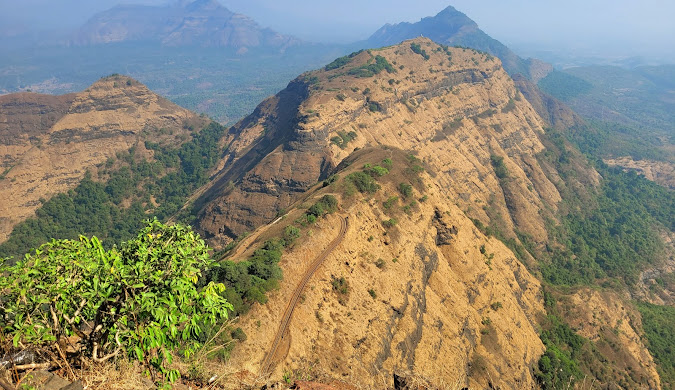
Imagine a place where cars are banned, horses lead the way, and every path takes you through whispering woods to breathtaking viewpoints. Welcome to Matheran—Asia’s only automobile-free hill station, where time slows down and nature takes the front seat. Just a short ride from Mumbai or Pune, this tranquil paradise offers panoramic landscapes, colonial charm, and soul-refreshing silence. Explore Matheran: India’s Car-Free Hill Station Adventure Guide I. Introduction Nestled amidst the lush Western Ghats, Matheran is a haven for nature lovers and peace-seekers. Known as the “forest on the forehead,” this quaint hill station is the only car-free destination of its kind in Asia, preserving an atmosphere of quiet and unspoiled natural beauty. Matheran’s colonial charm, meandering red laterite roads, and a network of 36 breathtaking viewpoints make it a paradise for travelers looking to escape the urban hustle. Located just 90 kilometers from Mumbai and 120 kilometers from Pune, this eco-sensitive zone has attracted families, couples, and adventure enthusiasts alike. Its rich history, dating back to the mid-19th century, adds a unique dimension to its serene landscape. Whether you’re drawn by the promise of panoramic vistas or the nostalgic journey aboard the famed toy train, Matheran offers an unforgettable blend of tranquility and excitement. This guide will walk you through every aspect—from how to get here and things to do, to accommodations, dining, weather insights, practical travel tips, and frequently asked questions—ensuring you plan a stress-free visit to this enchanting hill station. II. Getting to Matheran Traveling to Matheran is as much a part of the adventure as the destination itself. Because motorized vehicles are not allowed beyond the entry point, reaching Matheran involves a unique blend of modern convenience and traditional travel methods. Transportation Options Overview Mode Key Steps Approximate Cost/Time By Air Fly into Mumbai or Pune; taxi or bus to Neral/Dasturi Naka Taxi: Rs. 1,500–2,500; time varies By Train Take a local train to Neral from Mumbai (CST/Thane); board the iconic Matheran Toy Train Rs. 55–95; 2-hour journey via toy train By Road Drive via the Mumbai-Pune Expressway; park at Dasturi Naka; continue on foot, horseback, or hand-pulled rickshaw Parking: Rs. 100–200; final stretch: ~2.5 km walk Additional Details III. Things to Do in Matheran Matheran is a tapestry of experiences, where every turn reveals a hidden gem. From its panoramic vistas and leisurely treks to cultural encounters and bustling markets, there’s something for every traveler. Key Viewpoints and Activities You’re right — the previous tables highlighted only selected spots and missed several key attractions and activities listed in the PDF. Below is an expanded and more comprehensive table that includes major viewpoints, historical/cultural sites, and other activities as per the complete guide. ✅ Comprehensive Table: Top Places to Visit & Things to Do in Matheran Category Attraction / Activity Description / Highlights Viewpoints Panorama Point 360° panoramic view, perfect for sunrise photography Louisa Point Scenic views of Prabal Fort, valleys, and distant skyline Echo Point Known for natural echo effect, fun for kids Porcupine Point (Sunset Point) Ideal for watching sunsets; porcupine-like cliff formation One Tree Hill Point Trek-friendly, iconic solitary tree with valley view Monkey Point Surrounded by monkeys and forests; great for nature spotting Alexander Point Offers views of Palasdari Lake, Garbut Point, and Chowk Point Garbett Point Popular for treks and night stargazing Hart Point Great for early morning views and solitude Charlotte Lake Matheran’s primary water source; tranquil picnic spot Khandala Point Close to the market area; ideal for sunrise Little Chowk Point Scenic picnic spot with Chowk valley view Lord’s Point Best for binocular viewing and peaceful surroundings Rambagh Point Offbeat, secluded viewpoint for solitude lovers Honeymoon Point Secluded and quiet, popular among couples Belvedere Point Offers views of Irshalgad and Prabalgad forts Malang Point / Madhuvanti Point Lesser-known spots for peaceful moments and photography King George Point Named during colonial rule, offers a grand valley view | Historical/Cultural Sites| Matheran Toy Train (Heritage Railway) | UNESCO-recognized narrow-gauge train from Neral; scenic and nostalgic | | | Prabal Fort | Visible from Louisa Point; adventurous trek route | | | Irshalgad Fort | Ideal for experienced trekkers | | | Pisarnath Temple | Ancient Shiva temple near Charlotte Lake | | | Ambarnath Temple | 38 km away; Hemadpanthi architecture | | | Matheran Shiv Mandir | Religious site close to the Municipal Office | | | Ram Temple | Site for local festivals like Ram Navmi and Gokulashtami | | Nature & Adventure | Dodhani Waterfall | Offers seasonal waterfall rappelling | | | Trekking Trails | Chanderi Caves, Shivaji’s Ladder, Garbett Trek, Sunset Point Trek | | | Horse Riding | Traditional Matheran experience; costs Rs. 200–500 | | | Nature Walks/Bird Watching | Spot rare birds and butterflies; best early morning | | Market & Local Life | Matheran Market / Mall Road | Shop for Chikki, Kolhapuri footwear, handicrafts, honey | | | Bhagyashree Bags | Known for high-quality leather bags | | | Local Cuisine Spots | Try Vada Pav, Misal Pav, Puran Poli, Solkadhi, seafood, and thalis | | Experiential Activities | Heritage Walks | Explore British-era bungalows and preserved architecture | | | Silent Discos (at select resorts) | Modern twist in a traditional town | | | Local Festivals | Ganesh Chaturthi, Diwali, Matheran Fest (May), Holi | Would you also like a downloadable table in PDF or spreadsheet format for web or client presentation use? Sightseeing Highlights Additional activities include trekking on offbeat trails, horse riding, and engaging with local artisans at Matheran Market. Offbeat Experiences IV. Where to Stay in Matheran The right accommodation can enhance your experience in Matheran. Below is a comparative table outlining the primary lodging options for every budget. Accommodation Comparison Accommodation Type Examples (Sample Names) Price Range (per night) Key Amenities Luxury & Heritage The Verandah In The Forest Rs. 5,000 – Rs. 15,000 Pools, fine dining, colonial charm Mid-Range Hotels Hotel Kumar Plaza, Hotel Paramount Rs. 2,000 – Rs. 5,000 Comfortable rooms, in-house

The Ultimate Guide to Matheran: A Car-Free Paradise Read More »