Italy

Discover 15 Unforgettable Things to Do in Matera, Italy – Your Ultimate Sassi Adventure

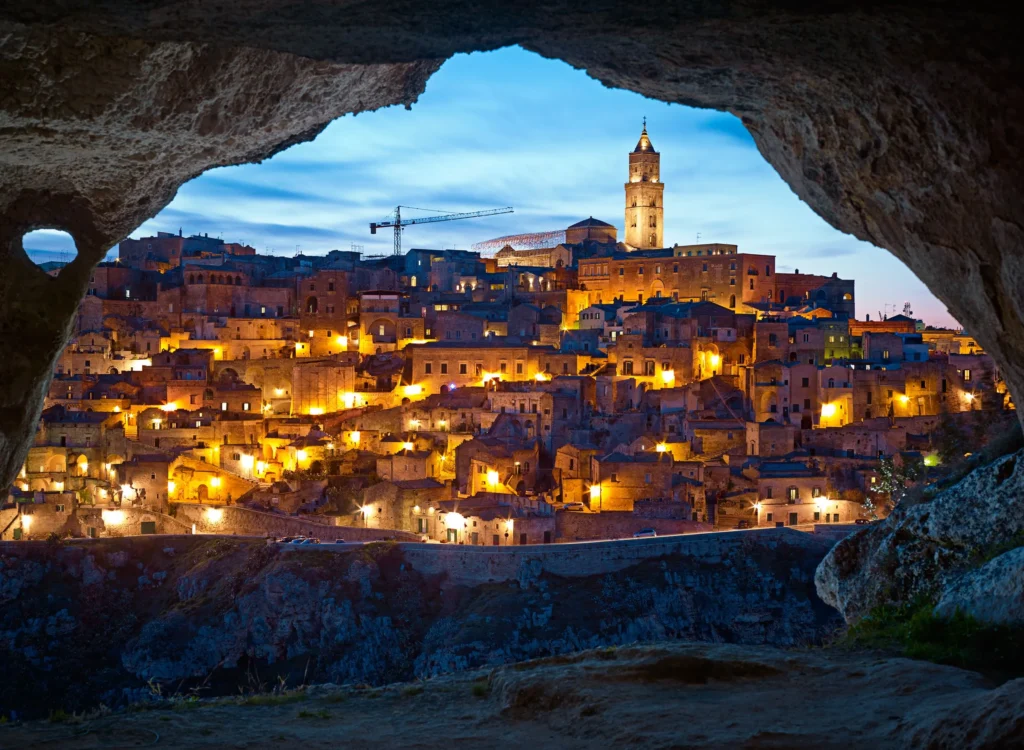
Picture this: a city carved entirely from stone, where homes are sculpted into limestone cliffs, and narrow alleyways wind through ancient cave dwellings that have sheltered families for over 9,000 years. Welcome to Matera, Italy – a place so breathtaking that it feels like stepping onto another planet (fun fact: it’s been the filming location for multiple biblical movies!). While Rome, Florence, and Venice grab most of the spotlight, Matera quietly sits in Italy’s heel, offering something you won’t find anywhere else on Earth. This isn’t just another pretty Italian town with cobblestone streets and gelato shops. This is one of the world’s oldest continuously inhabited cities, where you can literally sleep in a cave hotel, hike through dramatic ravines, and watch the sunset paint ancient stone houses in shades of honey and gold. If you’re searching for the best things to do in Matera Italy, you’ve landed in the right place. This guide goes way beyond the basics. I’m sharing hidden viewpoints the tour groups miss, family-run bakeries where you can watch bread-making traditions that haven’t changed in centuries, and trails that lead to secret cave churches. Ready to explore the Sassi di Matera? Let’s go! Quick Guide to Matera at a Glance Category Details Best Time to Visit April-May & September-October (spring & fall) Recommended Stay 2-3 days Getting There Train/bus from Bari (1-1.5 hours) Walking Difficulty Moderate to challenging (many stairs & hills) Must-Try Food Pane di Matera, crapiata, peperoni cruschi UNESCO Status World Heritage Site since 1993 Region Basilicata, Southern Italy Budget Level €€ (Moderate) Parking Limited; use designated lots outside city center 1. Get Wonderfully Lost in the Sassi Districts: Barisano & Caveoso The heart and soul of Matera beats in its two ancient neighborhoods: Sassi Barisano and Sassi Caveoso. These aren’t your typical Italian quarters – they’re entire districts of cave dwellings stacked on top of each other like a three-dimensional puzzle made of stone. Sassi Barisano sits on the western side and is slightly more polished. You’ll find more shops, restaurants, and restored cave homes here. Many buildings have beautiful facades hiding the cave rooms behind them. It’s perfect for your first introduction to Matera’s unique architecture. On the flip side, Sassi Caveoso on the eastern slope feels rawer and more authentic. The caves here look exactly as they did decades ago – rough-hewn stone, tiny doorways, and staircases that seem to lead nowhere. This district gives you the truest sense of what life was like when thousands of families lived in these stone shelters. Your Insider Game Plan: The magic happens during golden hour – that’s early morning (around 7-8 AM) or late afternoon (5-7 PM depending on season). The warm light makes the honey-colored stone absolutely glow, and you’ll have the narrow streets mostly to yourself before the tour groups arrive. Here’s a secret most visitors miss: head to Piazza San Pietro Caveoso early in the morning. Grab a coffee from the small bar there, sit on the stone steps, and watch the city wake up. It’s one of the quietest spots in Matera, tucked away from the main tourist flow. From here, explore the maze of stairs and passages leading downward – you’ll discover hidden courtyards, ancient cisterns, and doorways that frame perfect views of the ravine. Pro tip: Wear comfortable walking shoes with good grip. These stone streets get slippery, and you’ll be climbing up and down all day! 2. Travel Back in Time: Matera’s Must-See Museums To truly understand Matera, you need to know its story. Until the 1950s, more than 15,000 people lived in the Sassi without running water or electricity. Families shared their cave homes with livestock, diseases spread easily, and life was incredibly hard. The Italian government eventually relocated everyone, and the Sassi sat abandoned for decades before being reborn as the cultural treasure you see today. Casa Grotta di Vico Solitario Start your historical journey at Casa Grotta (Cave House), a perfectly preserved cave dwelling that shows exactly how families lived before the evacuation. You’ll see the stone bed where entire families slept, the manger where the donkey stayed (yes, inside the house!), and the simple tools used for daily survival. The Museum of Rural Life takes this experience deeper, displaying farm equipment, traditional clothing, and photographs that bring Matera’s past to life. These museums aren’t huge, but they pack an emotional punch. (Official Matera Tourism) Make It Interactive: Several local artisans and bakers offer hands-on workshops where you can learn traditional crafts or bake Pane di Matera yourself. Check out Casa del Gusto for bread-making sessions or pottery workshops at Artigianato Lucano. These experiences transform history from something you observe into something you participate in. Practical details: Most museums charge €3-5 for entry. You can find combo tickets at the tourist office that cover multiple sites for around €10-12. Visit museums in the afternoon when everyone else is out exploring – you’ll have more space and time to really absorb the experience. 3. Sleep Like a Cave Dweller (But Way More Comfortable) Let’s be honest – staying in a cave hotel Matera is probably the coolest accommodation experience you’ll ever have. These aren’t rustic, uncomfortable caves. Modern cave hotels blend ancient stone architecture with heated floors, rainfall showers, and sometimes even jacuzzis carved into the rock! My Top Cave Hotel Picks: Luxury Pick: Sextantio Le Grotte della CivitaThis place is jaw-dropping. Each cave suite is unique, featuring original frescoes, stone alcoves, and furnishings made by local craftsmen. Some rooms have private terraces overlooking the Sassi. It’s pricey (€300-500/night), but if you’re celebrating something special, this is it. (Sextantio Official Site) Mid-Range Marvel: Sant’Angelo Luxury ResortPerched on the edge of the ravine, Sant’Angelo gives you that luxury feeling without breaking the bank (€150-250/night). The cave rooms have modern amenities, and the breakfast terrace has views that’ll make your Instagram followers jealous. Budget-Friendly Gem: Locanda di San MartinoDon’t let the lower price fool you (€80-130/night) – this hotel offers comfortable cave rooms with personality.

Discover 15 Unforgettable Things to Do in Matera, Italy – Your Ultimate Sassi Adventure Read More »

What to See in Reggio Calabria: Top Sights, Hidden Gems & Local Flavor

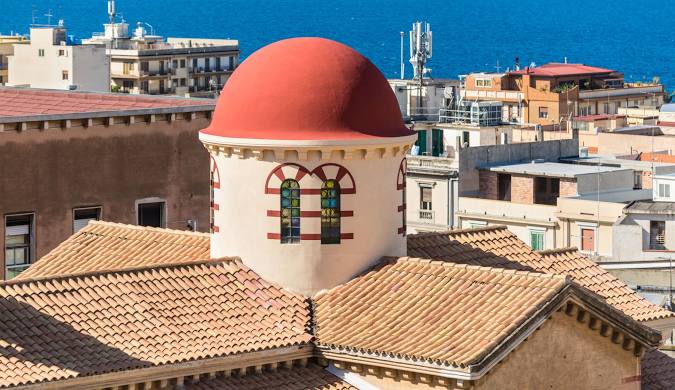
Picture yourself standing on Italy’s southern tip, watching the sun paint Mount Etna in golden hues across the Strait of Messina. The air carries the sweet scent of bergamot orchards while ancient Greek whispers echo through cobblestone streets. This is Reggio Calabria – a destination that perfectly blends Mediterranean charm with thousands of years of history. What to see in Reggio Calabria goes far beyond typical tourist attractions. This captivating city offers everything from world-famous ancient bronzes to pristine beaches, from aromatic local cuisine to breathtaking coastal drives. Whether you’re drawn by the legendary Riace Bronzes, the stunning views of Sicily, or the authentic Calabrian culture, this comprehensive guide will help you discover the very best of Italy’s hidden southern gem. This guide covers everything you need to know – from must-see attractions and secret local spots to practical travel tips and authentic dining experiences. Get ready to explore a destination that will surprise and delight you at every turn. Quick Facts About Reggio Calabria Feature Details Country Italy Region Calabria Best Time to Visit April-June, September-October Currency Euro (€) Languages Italian, Calabrian dialect Getting There Reggio Calabria Airport (REG), train, ferry from Sicily Quick Practical Info (Before You Explore) How to Reach Reggio Calabria Getting to this southern Italian paradise is easier than you might think. From India, you’ll typically connect through major European hubs like Rome, Milan, or Frankfurt. Reggio Calabria Airport (REG) receives domestic flights from Rome and Milan, making it convenient for international travelers. The train journey from Rome takes about 5 hours on high-speed trains, offering stunning coastal views as you approach the city. Check schedules and book tickets through Trenitalia. If you’re already in Sicily, the ferry crossing from Messina takes just 20 minutes with Caronte & Tourist and provides spectacular views of both coastlines. For road trip enthusiasts, driving along the Autostrada A3 offers breathtaking mountain and coastal scenery. However, be prepared for winding roads as you approach the city. Best Times to Visit The ideal time to explore Reggio Calabria attractions is during late spring (April-June) and early autumn (September-October). During these months, temperatures range from 20-28°C, perfect for walking tours and beach visits. Summer brings intense heat and crowds, though it’s the best time for swimming and water activities. Winter remains mild by northern standards but some attractions may have reduced hours. Suggested Lengths of Stay One day allows you to see the main highlights including the Archaeological Museum and a stroll along the waterfront. Two days lets you explore nearby Scilla and enjoy a more relaxed pace. Three or four days provide time for day trips to Aspromonte National Park and deeper cultural immersion. Where to Stay The historic center puts you within walking distance of major attractions, while seafront accommodations offer stunning views of Sicily. The area around Corso Garibaldi provides the best mix of dining, shopping, and cultural sites. Getting Around Reggio Calabria’s compact historic center is perfect for exploring on foot. Local buses connect different neighborhoods, while taxis and ride-sharing services are readily available. Renting a car opens up opportunities for coastal drives and mountain excursions. Deep Dive: Top Things to See & Do in Reggio Calabria Historic & Cultural Core National Archaeological Museum & the Riace Bronzes The crown jewel of any Reggio Calabria travel guide is the National Archaeological Museum, home to the world-famous Riace Bronzes. These 5th century BC Greek statues, discovered off the Calabrian coast, are considered among the finest examples of classical sculpture. Standing face-to-face with these 2,000-year-old warriors is truly breathtaking. The museum also houses extensive collections of Greek and Roman artifacts, making it essential for history enthusiasts. Plan at least 2-3 hours for your visit, and book tickets online during peak season through the official booking system. Aragonese Castle Perched dramatically on a rocky outcrop, the Aragonese Castle offers panoramic views across the Strait of Messina. Built in the 15th century, this fortress now houses cultural exhibitions and provides some of the city’s best photo opportunities. The castle with panoramic views Reggio Calabria offers is particularly stunning at sunset, when Sicily’s silhouette creates a magical backdrop. Entry fees are modest, and the climb to the top rewards visitors with 360-degree views of the city and sea. Corso Garibaldi & Piazza Italia The heart of city life pulses along Corso Garibaldi, a elegant pedestrian street lined with shops, cafes, and historic buildings. This is where locals gather for their evening passeggiata (stroll), creating a vibrant social atmosphere. Piazza Italia, with its neoclassical architecture and palm trees, serves as the city’s main square. Street performers and local musicians often provide entertainment, especially during summer evenings. Hidden Gems in the Historic Centre Reggio Calabria Beyond the main attractions, seek out the Chiesa degli Ottimati with its beautiful Byzantine mosaics, and the small but charming Pinacoteca Civica. The narrow streets behind Corso Garibaldi hide traditional workshops where local artisans still practice ancient crafts. Coastal & Beach Highlights Punta Pellaro & Spiaggia di Catona These local beaches offer authentic Calabrian coastal experiences away from tourist crowds. Punta Pellaro provides excellent swimming conditions and beachside restaurants serving fresh seafood. Spiaggia di Catona features a long sandy stretch perfect for families. Both beaches are easily accessible by local bus or car, and offer stunning views across to Sicily’s northeastern coast. Cala Costa Viola This hidden gem near Scilla offers some of the region’s best snorkeling opportunities. The crystal-clear waters reveal rich marine life, while the dramatic coastal cliffs provide a spectacular backdrop for underwater photography. The area is less developed than main beaches, so bring your own supplies and prepare for a more adventurous beach day. Day Trips & Surroundings Scilla: A Charming Medieval Village Just 22 kilometers north, Scilla enchants visitors with its medieval castle perched on a rocky promontory. The town is steeped in mythology – this is where Homer placed the sea monster Scylla in the Odyssey. Visit Scilla from Reggio Calabria makes for a perfect half-day trip. Explore the historic Chianalea fishing

What to See in Reggio Calabria: Top Sights, Hidden Gems & Local Flavor Read More »