...

Karnataka

The Ultimate Gokarna Beach Guide 2025: Discover 7 Hidden & Must-Visit Shores

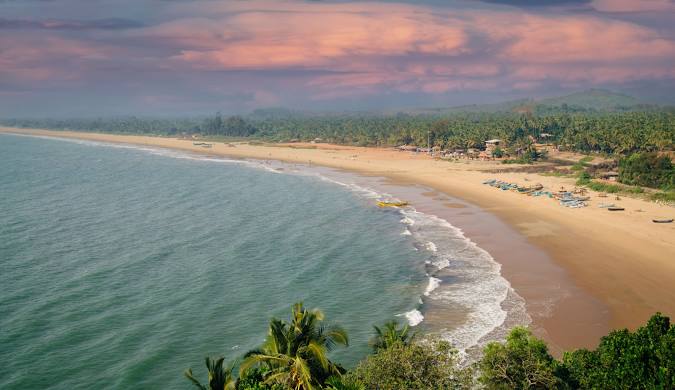
Picture this: You’re standing on golden sand, the Arabian Sea stretching endlessly before you, and the best part? No crowds pushing past you for that perfect selfie spot. While everyone flocks to Goa’s packed shores, there’s a quieter coastal paradise just a few hours south that’s been flying under the radar—Gokarna. This small temple town in Karnataka has transformed into one of India’s most loved beach destinations, especially for travelers who want that perfect mix of spirituality, adventure, and relaxation. Unlike its famous neighbor, Gokarna keeps things real, raw, and refreshingly uncommercialized. So, how many beaches in Gokarna? Here’s the exciting answer: Gokarna boasts 7 main beaches, each with its own personality and charm. From easily accessible spots perfect for families to remote coves you can only reach by trekking or boat, this coastal stretch offers something for every kind of beach lover. The real magic? Many of these beaches are connected by a stunning coastal trail that’s become legendary among backpackers. In this complete guide, you’ll discover everything about Gokarna’s beaches—which ones are perfect for swimming, where to catch dolphins at sunrise, how to tackle the famous beach trek, and insider tips that’ll make your 2025 trip absolutely unforgettable. Whether you’re a solo backpacker, a couple seeking romance, or a family wanting a peaceful getaway, Gokarna has a beach waiting for you. Ready to explore? Let’s dive in! 🏖️ At a Glance — Gokarna Beach Scorecard Beach Name Best For Accessibility Swimming Safety Facilities Gokarna Main Beach Temple visits, local culture Road access, 5-min walk from town Moderate (can be rough) Basic food stalls, public toilets Kudle Beach First-timers, cafes, social scene 20-min walk or rickshaw ride Good (safer than others) Multiple cafes, guesthouses, shops Om Beach Water sports, photography Road/auto access or 30-min trek Moderate Restaurants, resorts, water sports Half Moon Beach Peace seekers, camping 45-min trek or boat ride Good (calm bay) Basic beach huts, limited food Paradise Beach Adventure lovers, solitude 1-hour trek or boat ride Moderate Minimal (bring supplies) Belekan Beach Dolphin watching, sunrise Road access from north Moderate Very basic, few shacks Nirvana Beach Total isolation, nature Long trek or boat Variable None (completely undeveloped) 📍 Pro Tip: Download an offline map before you start exploring, as mobile signals can be spotty on remote beaches! 🚂 Getting to Gokarna & Getting Around How to Reach Gokarna By Train: The most scenic route to Gokarna is via the famous Konkan Railway. The nearest station is Gokarna Road Railway Station (about 10 km from town). Trains connect from major cities like Mumbai, Bangalore, and Mangalore. From the station, catch an auto-rickshaw or local bus to reach Gokarna town. Check train schedules on Konkan Railway’s official website. By Bus: State-run and private buses operate regularly from Bangalore (10-12 hours), Goa (4-5 hours), and Hubli (4 hours). The bus stand is right in the heart of Gokarna town, making it super convenient for budget travelers. By Air: The nearest airports are Dabolim Airport in Goa (140 km) and Hubli Airport (150 km). From either airport, hire a taxi or take a bus to Gokarna. Local Transport Options Once you’re in Gokarna, getting around is part of the adventure! Seasonal Travel Advice Best Season (October to March): Roads are clear, the weather is perfect, and all beaches are easily accessible. This is peak season for the Gokarna beach trek. Monsoon Season (June to September): Heavy rains make trekking risky, and some remote beaches become inaccessible. Boat services are often suspended. However, if you love dramatic landscapes and don’t mind getting wet, monsoon Gokarna has its own moody beauty. 🌊 Deep Dive: The 7 Main Beaches of Gokarna 1. Gokarna Main Beach: Where Spirituality Meets the Sea Gokarna Main Beach isn’t your typical sunbathing spot—it’s where pilgrims and beachgoers share the same sand. Located right next to the famous Mahabaleshwara temple, this beach serves as a ritual bathing spot for devotees. What Makes It Special: Things to Know: Best Time to Visit: Early morning (6-8 AM) to see devotees performing rituals and catch the sunrise. 2. Kudle Beach: Your Perfect Gokarna Base Camp If you’re visiting Gokarna for the first time, Kudle Beach should be your home base. This beautiful crescent-shaped stretch of sand strikes the perfect balance between accessibility and beach vibes. Why Travelers Love Kudle: Activities Here: Where to Eat: Try Namaste Cafe for their breakfast menu and sunset views, or Mantra Cafe for live music evenings. Getting There: Walk south from Gokarna town through residential areas (20 minutes) or hire an auto for ₹50-80. 3. Om Beach: The Iconic Shape That Stole Hearts Named for its natural “Om” symbol shape when viewed from the hilltop, Om Beach is Gokarna’s most photographed and developed beach. This is where you’ll find the most action and amenities. What to Expect: Stay & Play: Pro Tips: Trekking Note: Om Beach is the midpoint of the Gokarna beach trek route, making it perfect for a rest stop. 4. Half Moon Beach: Where Solitude Begins Now we’re getting into the real adventure. Half Moon Beach is where casual tourists drop off and serious beach lovers begin their journey. This secluded cove is accessible only by foot access beaches or boat, making it wonderfully peaceful. The Experience: What You’ll Find (and Won’t): Getting There: Best For: Couples seeking privacy, solo travelers wanting to disconnect, and anyone tired of crowded beaches. 5. Paradise Beach (Full Moon Beach): The Ultimate Remote Escape Paradise Beach lives up to its name, but getting here requires commitment. This is the furthest beach on the Gokarna beach trek, and it’s remained beautifully undeveloped precisely because it’s so hard to reach. The Paradise Experience: Important Reality Check: Reaching Paradise: What to Bring: Who Should Go: Experienced trekkers, minimalist campers, and travelers who truly want to disconnect from modern life. 6. Belekan Beach: The Dolphin Watcher’s Paradise Often overlooked, Belekan Beach is actually a hidden treasure, especially if you’re an early riser who loves marine life. Located north of Gokarna Main

The Ultimate Gokarna Beach Guide 2025: Discover 7 Hidden & Must-Visit Shores Read More »

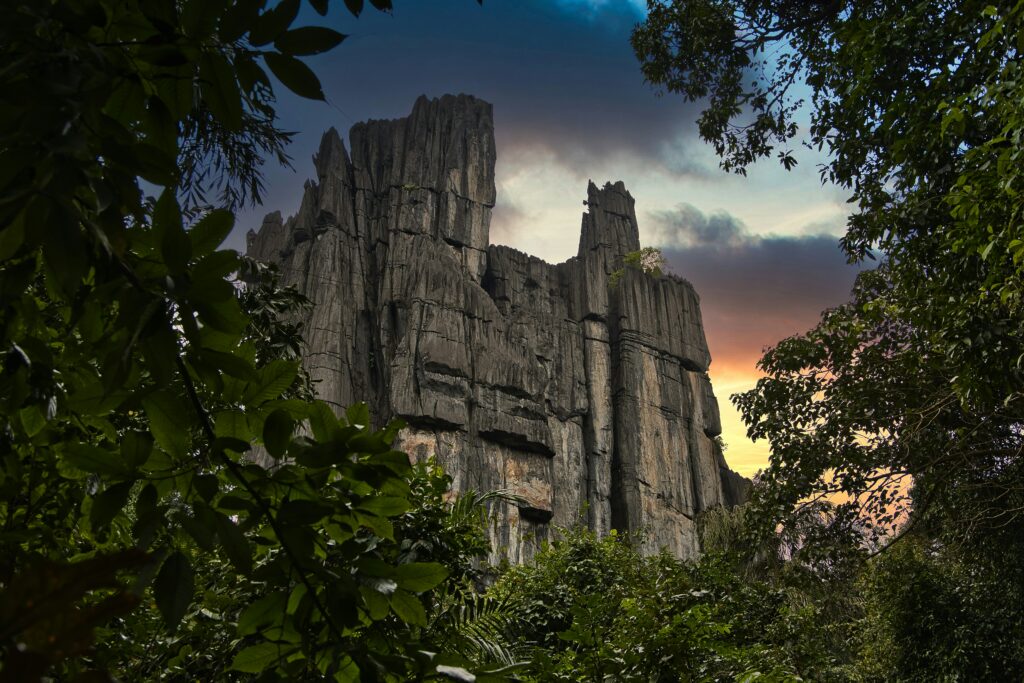
Yana, Karnataka, India, stone mountains

Yana, Karnataka, India: Discover the Sacred Rocks, Caves & Waterfalls of India’s Cleanest Village

What if a place could blend ancient myth, raw nature, and deep spirituality all in one? Welcome to Yana, where towering black rocks pierce through emerald forests, and sacred caves hold centuries-old secrets. This extraordinary village in Karnataka isn’t just another dot on the map—it’s where legends come alive and nature displays its most dramatic artistry. Nestled in the Western Ghats, Yana, Karnataka, India stands as a testament to how mythology and geology can create something truly magical. Recently recognized as one of India’s cleanest villages, Yana offers an experience that goes far beyond typical tourist destinations. Quick Information Table Feature Details Location Yana Village, Uttara Kannada District, Karnataka Main Attractions Bhairaveshwara Shikhara, Mohini Shikhara, Cave Temple Timings 8:00 AM to 6:00 PM Entry Fee Small fee applicable (check latest rates) Best Time to Visit September to February (Post-monsoon and Winter) Trek Difficulty Easy (Approx. 0.5 km from the road) Nearest Airport Hubli Airport (HBX) Nearest Railway Kumta Railway Station (KT) The Land of Mist and Majesty: Yana’s Location Picture this: you’re driving through the lush Malenadu region of the Western Ghats when suddenly, two massive black sentinels emerge from the forest canopy. This is your first glimpse of Yana, tucked away in the Uttara Kannada district of Karnataka. The village sits at the perfect elevation where monsoon clouds kiss the earth, creating a mystical atmosphere especially during the post-monsoon months. The cool, misty mornings here feel like nature’s own air conditioning, making your trek to the rocks refreshingly comfortable. During winter months (October to February), the forest comes alive with a symphony of bird calls, while the rocks glisten with morning dew. This is when photography enthusiasts capture their best shots, as the interplay of light and shadow creates dramatic silhouettes against the clear blue sky. The Twin Giants: Yana’s Rock Formations Standing like ancient guardians, Bhairaveshwara Shikhara (120 meters) and Mohini Shikhara (90 meters) dominate Yana’s landscape. These aren’t ordinary rocks—they’re solid, crystalline Karst limestone formations that have been sculpted by millions of years of rainfall and wind. Think of them as nature’s sculptures, carved with patience that only geological time can afford. The limestone here is unique—it’s almost black due to mineral deposits, giving the rocks an otherworldly appearance that changes throughout the day. In morning light, they appear silver-grey, while sunset paints them in deep charcoal hues. Local guides often ask visitors what they see in the rock shapes. Some say Bhairaveshwara looks like a massive fortress, while Mohini resembles a graceful dancer frozen in stone. What will you see when you stand beneath these towering monoliths? The approach to the rocks is through a well-maintained forest path. As you walk, notice how the temperature drops and the air becomes fresher. The canopy above filters sunlight into dancing patterns on the ground, creating a natural kaleidoscope effect. Inside the Earth: The Sacred Cave Temple Beneath Bhairaveshwara Shikhara lies something truly extraordinary—a natural cave temple that has been drawing pilgrims for centuries. As you duck through the narrow entrance, the outside world fades away, replaced by cool, humid air and the gentle echo of water droplets. The cave houses a Swayambhu Shiva Linga, which means it formed naturally without human intervention. Above it, water constantly drips from the limestone ceiling, creating a natural abhishekam (ritual bathing of the deity). This continuous process has been happening for millennia, wearing smooth grooves in the rock floor. Near the Shiva Linga stands a beautifully carved statue of Goddess Chandika, her serene expression illuminated by oil lamps that devotees keep burning. The interplay of shadows and flickering light creates an almost hypnotic atmosphere. Experience Tip: Take a moment inside the cool, quiet cave. Close your eyes and listen to the rhythmic dripping of water—it’s like nature’s own meditation music. Many visitors report feeling a profound sense of peace here, regardless of their religious beliefs. The Legend of the Ashen Demon: Yana’s Story Every rock and cave in Yana has a story, but none as captivating as the legend of Bhasmasura (the Ash Demon). According to Hindu mythology, this powerful demon once terrorized the heavens after receiving a deadly boon—anything he touched with his hand would turn to ash. When Bhasmasura tried to use this power on Lord Shiva himself, Vishnu intervened by taking the form of Mohini, an enchanting woman. Mesmerized by her beauty, the demon was tricked into placing his hand on his own head, instantly reducing himself to ashes. The locals believe that Bhasmasura fell right here at Yana, and the black soil around the rocks is said to contain his ashes. This is why the nearby waterfall is called Vibhuthi Falls—’vibhuthi’ meaning sacred ash in Sanskrit. Whether you believe the legend or not, there’s something undeniably mystical about walking on this dark earth, surrounded by these imposing black rocks that seem to guard ancient secrets. Beyond the Rocks: Vibhuthi Falls & Forest Trek Just a short trek from the main rock formations, Vibhuthi Falls offers a perfect complement to your Yana experience. The waterfall cascades down multiple tiers, creating natural pools where you can dip your feet after the trek. During monsoon season (June to September), the falls are at their most powerful, but the trek can be slippery. Post-monsoon visits (October to January) offer the best balance—decent water flow with safer walking conditions. Trekker’s Essential Checklist ✅ Comfortable shoes with good grip (the forest floor can be damp)✅ Water bottle and light snacks (stay hydrated!)✅ Insect repellent (forest mosquitoes are active in evenings)✅ Small bag to carry your trash back (help keep Yana clean)✅ Camera with extra batteries (you’ll want to capture everything)✅ Light jacket (caves and forest can be cool) Best time to start: Early morning (7 AM) to avoid crowds and enjoy the cool forest air. Your Complete Yana Travel Plan How to Reach Yana By Air: Hubli Airport (HBX) is the nearest airport, about 170 km away. From there, hire a taxi or take a bus to Sirsi, then continue to Yana. By

Yana, Karnataka, India: Discover the Sacred Rocks, Caves & Waterfalls of India’s Cleanest Village Read More »

Seraphinite AcceleratorOptimized by Seraphinite Accelerator
Turns on site high speed to be attractive for people and search engines.