
What to Do in Lisbon Portugal: Ultimate 2026 Travel Guide + Best Things to See & Experience
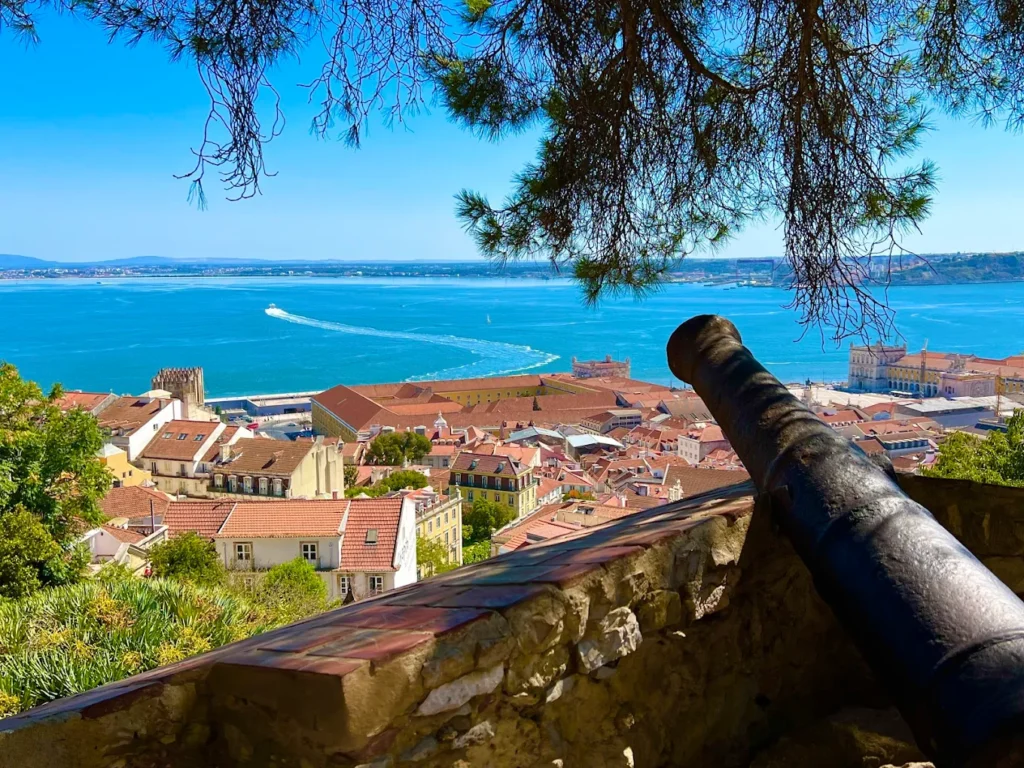
There’s something magical about Lisbon that hits you the moment you arrive. The golden light bouncing off pastel-colored buildings, the smell of grilled sardines mixing with Atlantic sea breeze, and the sound of Fado music drifting through cobblestone alleys. In my 20 years of crafting travel experiences at Astamb Holidays, I’ve seen countless destinations rise and fall in popularity, but Lisbon, Portugal has maintained its charm while evolving into one of Europe’s most exciting cities for 2026. If you’re wondering what to do in Lisbon Portugal, you’ve come to the right place. I’m Wahid Ali, and I lead operations at Astamb Holidays in Mumbai. I’ve personally guided hundreds of travelers through European adventures, and Lisbon consistently tops the list for first-timers and repeat visitors alike. The city offers an incredible mix of history, culture, food, and coastal beauty without the overwhelming crowds of Paris or Rome. Better yet, it’s surprisingly affordable compared to other Western European capitals. This guide draws from real travel experiences, current 2026 insights, and practical logistics that matter when you’re actually on the ground. Let’s get started with everything you need to know. 🏛️ Top Things to Do in Lisbon Portugal (The Must-See List) Alfama: The Historic Heart of the City Alfama is where Lisbon’s soul lives. This is the city’s oldest neighborhood, miraculously surviving the devastating 1755 earthquake that destroyed much of the capital. Walking through Alfama feels like stepping back 500 years – narrow lanes twist unpredictably, laundry hangs between windows, and elderly residents chat from their doorsteps. Start your exploration at Miradouro de Santa Luzia, one of the best viewpoints overlooking the Tagus River and terracotta rooftops. From there, lose yourself in the maze of streets. Don’t worry about getting lost – it’s part of the experience. You’ll stumble upon hidden churches, tiny taverns, and local workshops where artisans still make traditional tiles by hand. The neighborhood truly comes alive during the Santo António Festival in June, but it’s worth visiting year-round. In my experience managing tours, early morning (7-9 AM) or late afternoon (5-7 PM) offers the best light for photos and fewer crowds. Castelo de São Jorge: Panoramic Views Worth the Climb Perched atop Lisbon’s highest hill, Castelo de São Jorge has watched over the city since the 11th century. The Moorish fortress offers the single best 360-degree view of Lisbon, the Tagus River, and the 25 de Abril Bridge (which looks remarkably similar to San Francisco’s Golden Gate). Entry fee: €15 per adult (2026 pricing)Opening hours: 9 AM – 9 PM (summer), 9 AM – 6 PM (winter) The castle grounds include peacocks wandering freely, archaeological ruins, and a camera obscura that projects live images of the city. Budget at least 90 minutes for your visit. Pro tip: Buy tickets online to skip the entrance queue, especially during April-October when tourist numbers peak. Belém District: Where Portugal’s Golden Age Lives On Belém sits about 6 kilometers west of central Lisbon along the Tagus River. This is where Portuguese explorers like Vasco da Gama departed on voyages that changed world history. The district houses two UNESCO World Heritage Sites and the most famous pastry shop in Portugal. Belém Tower (Torre de Belém) is an architectural masterpiece built in 1519 to defend the city’s harbor. The Manueline-style fortress combines Gothic, Moorish, and Renaissance elements in a way you won’t see anywhere else. Arrive when it opens at 10 AM to avoid 2-hour waits later in the day. Entry: €8 per adult (€12 combo ticket with Jerónimos Monastery) Just 500 meters away stands Mosteiro dos Jerónimos, a stunning 16th-century monastery where Vasco da Gama is buried. The intricate stonework took 100 years to complete, and the level of detail is extraordinary. The cloisters alone justify the visit – sunlight filters through carved stone arches creating patterns that shift throughout the day. Opening hours: 10 AM – 6:30 PM (Tuesday-Sunday, closed Mondays) Baixa & Chiado: Shopping, Culture, and City Energy Baixa (Lower Town) is Lisbon’s downtown, rebuilt on a grid pattern after the 1755 earthquake. The Marquês de Pombal designed these streets to be earthquake-resistant – they’re actually built on wooden pilings that act as shock absorbers. Rua Augusta is the main pedestrian street connecting Praça do Comércio (the grand waterfront square) to Rossio Square. Street performers, outdoor cafes, and shops line this bustling avenue. The Arco da Rua Augusta offers rooftop access for €3, providing excellent views without castle-level crowds. Chiado sits just uphill from Baixa and has a more sophisticated vibe. This is where Lisbon’s intellectuals historically gathered at cafes like A Brasileira, where a bronze statue of poet Fernando Pessoa still sits at an outdoor table. The neighborhood blends historic bookstores, designer boutiques, and contemporary art galleries. Don’t miss Livraria Bertrand on Rua Garrett – it’s been operating since 1732 and holds the Guinness World Record as the oldest bookstore still in business. Tram 28: The Iconic Yellow Journey Tram 28 isn’t just transportation – it’s a 45-minute journey through Lisbon’s most photogenic neighborhoods. The vintage yellow trams date back to the 1930s, and they navigate impossibly narrow streets that modern vehicles can’t access. The route runs from Martim Moniz through Graça, Alfama, Baixa, Estrela, and ends at Campo de Ourique. Locals actually use this as their daily commute, so respect that it’s functional public transport, not just a tourist attraction. Fare: €3.00 per ride (or use a rechargeable Viva Viagem card for €1.50 per trip)Best time to ride: 8-9 AM or after 7 PM to avoid peak tourist congestion Watch your belongings carefully – pickpockets target distracted tourists on crowded trams. I recommend riding the full route once, then using regular metro or walking for other destinations. 🌊 Tagus River Sunset Cruise The Tagus River (locally called Rio Tejo) defines Lisbon’s character. An evening cruise offers unique perspectives of landmarks you’ve seen from land, plus that famous golden-hour light Lisbon is known for. 2-hour sunset cruises typically cost €25-€40 per person and include: Book through reputable operators like Yellow