...

Malta

What to Do in Gozo: 25 Best Things to Do in Gozo Malta (Hidden Gems + Local Tips)

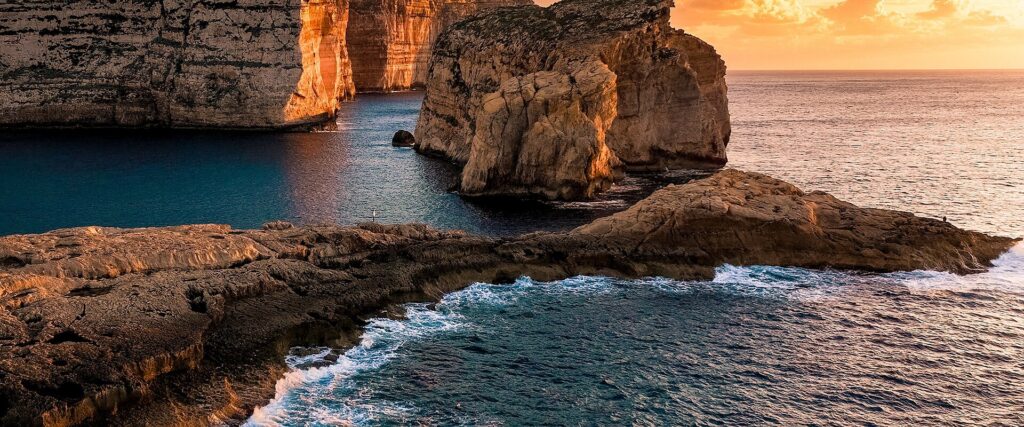
By Wahid Ali | Travel Operations Expert, Astamb Holidays | XploreHeaven.com I’ve helped thousands of travelers plan their Malta holidays at Astamb Holidays, and the question I get asked most often is — “Is Gozo worth the extra ferry ride?” My answer is always the same: Gozo is not just worth it. It’s the best part of Malta. What to do in Gozo is one of the most searched travel questions for good reason. Gozo, Malta’s greener, quieter sister island, packs ancient temples, vivid beaches, hidden caves, world-class dive sites, and charming stone villages into just 67 square kilometres. If you want fewer tourist crowds and more soul, this is your island. This guide covers the 25 best things to do in Gozo Malta, from iconic landmarks to the hidden gems that most travelers never find. 🌟 Why Gozo Is One of Europe’s Trending Mediterranean Islands Gozo has exploded on social media in the last few years — and for good reason. Every corner of this island is a photo waiting to happen. From the geometric salt pans of Marsalforn at golden hour to the turquoise waters at Ramla Bay, Instagram and TikTok feeds have turned this once-overlooked island into a must-visit Mediterranean destination. But the real reason experienced travelers prefer Gozo over the main island of Malta is simple: it feels genuinely different. Malta can feel dense and urban. Gozo feels like stepping back into a slower, more authentic way of life. Fields are still hand-tilled. Fishermen still sit for hours in their luzzu boats. Village squares are quiet on weekday mornings. In my years running tours at Astamb Holidays, travelers who include Gozo in their Malta itinerary consistently rate it as the highlight of their trip. The island’s rustic charm, combined with dramatic cliffs and crystal-clear water, makes it one of Europe’s most rewarding short-break destinations right now. 🗺️ What to Do in Gozo for First-Time Visitors Gozo offers a mix of historical sites, scenic beaches, and natural landscapes. Popular activities include visiting the Citadel in Victoria, relaxing at Ramla Bay, exploring Dwejra Bay, hiking coastal cliffs, and discovering hidden gems like Tal-Mixta Cave and the Marsalforn salt pans. Whether you have one day or a full week, this island rewards curious travelers. Start with the Cittadella for sweeping views, then head to the coast. Each village in Gozo has its own personality, and even a short drive reveals prehistoric temples, baroque churches, and secret coves that feel entirely your own. 🏛️ Best Historical Attractions to Visit in Gozo 1. Explore the Citadel in Victoria (Cittadella) The Citadel in Victoria — also called the Cittadella — is the centerpiece of Gozo island things to do. This medieval fortress sits high on a hill in Victoria (Rabat), Gozo’s capital, and offers 360-degree views of the entire island and the Mediterranean beyond. Inside the walls, you’ll find the Cathedral of the Assumption, the old prison, and several small museums. Walk the full perimeter of the bastions — it takes about 20 minutes and is completely worth it. Go early in the morning before the tour groups arrive. By 9:30 AM on a summer day, it fills up fast. 📌 Tip: Entry to the Citadel walls is free. Individual museums charge a small fee. Check the Heritage Malta website for updated hours and ticket prices. 2. Visit the Ġgantija Temples If there’s one Gozo attraction that genuinely stops people in their tracks, it’s the Ġgantija Temples in Xaghra. Built around 3,600 BCE, these megalithic structures are older than both the Egyptian Pyramids and Stonehenge — making them among the oldest free-standing structures on Earth. The name comes from the Maltese word for giant, because locals once believed only giants could have built something so massive. The site is listed as a UNESCO World Heritage Site and the attached museum is excellent. Budget at least 1.5 hours here. 📌 Tip: Wear comfortable shoes — the ground is uneven. You can visit using the Discover Gozo Combo Ticket from Heritage Malta, which covers multiple sites and saves money. 3. Discover Ta’ Kola Windmill The Ta’ Kola Windmill in Xaghra is one of the best-preserved grain windmills in Malta. It dates back to 1725 and gives you a real sense of how Gozitans lived centuries ago. The interior has been beautifully restored and is open to the public. A short visit, but genuinely interesting — especially for families. 4. Visit Ta’ Pinu Basilica Ta’ Pinu Basilica, located between Gharb and San Lawrenz, is one of the most important religious sites in the entire Maltese archipelago. The story behind it is remarkable: in 1883, a local woman named Carmela Grima reportedly heard a miraculous voice calling her from this small chapel. After several reported miracles, the current neo-Romanesque basilica was built between 1920 and 1931. Today, pilgrims come from across the world. The walls inside are lined with votive offerings — crutches, photographs, letters — from people who claim miracles happened after praying here. Even if you’re not religious, the atmosphere inside is deeply moving. 🌊 Best Natural Wonders and Scenic Places in Gozo 5. Dwejra Bay and the Blue Hole Dwejra Bay on Gozo’s west coast is where the famous Azure Window once stood before it collapsed in a storm in March 2017. But Dwejra is far from finished. The area is now famous for the Blue Hole — a natural underwater sinkhole about 15 metres deep and 10 metres wide, rated as one of the top scuba diving spots in Europe. The Blue Hole connects to the open sea via a natural limestone arch about 6 metres underwater. Divers report seeing groupers, octopuses, and barracudas here regularly. Even if you’re not diving, the rocky landscape around Dwejra is dramatic and worth a long visit. 📌 Tip: Check sea conditions before diving here. Strong winds can create rough currents. The site is best in April–October. 6. Inland Sea Lagoon Right next to Dwejra Bay is the Inland Sea — a small lagoon connected

What to Do in Gozo: 25 Best Things to Do in Gozo Malta (Hidden Gems + Local Tips) Read More »
What Makes Malta Truly Famous: Beyond Beaches and Ancient Stones

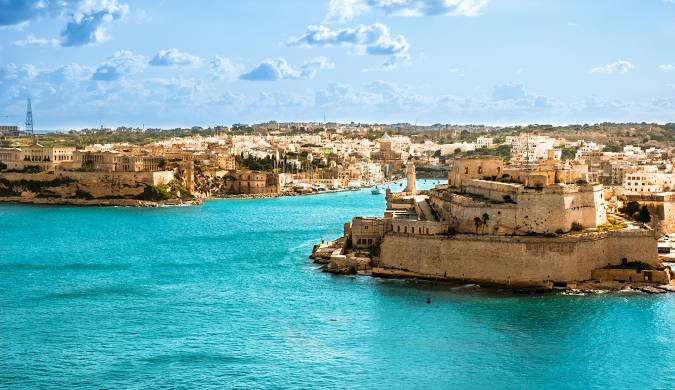
Picture this: you’re standing on a limestone cliff, the Mediterranean sun warming your face, gazing out at crystalline waters that seem to stretch endlessly toward Africa. Behind you, ancient temples older than Stonehenge whisper stories of civilizations lost to time. This is Malta – a tiny archipelago that punches well above its weight in delivering unforgettable experiences. At just 316 square kilometers, Malta is smaller than most major cities, yet what is Malta famous for extends far beyond its compact size. This Mediterranean gem seamlessly weaves together 7,000 years of history, world-class diving sites, stunning natural landscapes, and a culinary scene that reflects centuries of cultural fusion. From prehistoric temples to Hollywood film sets, from traditional fishing villages to vibrant capital streets, Malta offers layers of discovery that surprise even the most seasoned travelers. Join me as we explore what truly sets Malta apart – going beyond the obvious tourist brochures to uncover the authentic experiences that make this island nation a must-visit destination for culture enthusiasts, adventure seekers, and anyone craving something genuinely special. Category Details Location Central Mediterranean Sea, 93km south of Sicily Size 316 km² (Malta: 246 km², Gozo: 67 km², Comino: 3.5 km²) Population ~520,000 (Malta), ~31,000 (Gozo) Capital Valletta (UNESCO World Heritage Site) Languages Maltese, English (both official) Currency Euro (EUR) Climate Mediterranean – Average 23°C (73°F) annually Best Time to Visit April-June, September-October Time Zone Central European Time (CET) UTC+1 Airport Malta International Airport (MLA) UNESCO Sites 3 sites: Valletta, Megalithic Temples, Hypogeum Driving Left-hand side (British influence) Emergency Number 112 Internet Domain .mt Historical & Archaeological Wonders Ancient Temples That Predate the Pyramids The first thing that struck me about Malta’s archaeological heritage wasn’t just its age – it was the sheer audacity of these ancient builders. The Maltese megalithic temples represent some of humanity’s earliest architectural achievements, with the Ġgantija Temples on Gozo dating back to 3600 BCE. To put this in perspective, these structures were already ancient when the pyramids of Egypt were being built. Standing inside Ġgantija, I was amazed by the precision of these limestone blocks, some weighing over 50 tons, fitted together without mortar. The temple’s apses and curved walls create an almost organic feeling, as if the building grew from the earth itself. What makes these temples architecturally significant isn’t just their age – it’s their sophisticated design that demonstrates advanced understanding of engineering principles. The Hagar Qim and Tarxien Temples continue this prehistoric legacy, each offering unique insights into Malta’s ancient inhabitants. Hagar Qim, perched dramatically on coastal cliffs, provides not only archaeological wonder but also breathtaking views of the island of Filfla. The intricate stone carvings at Tarxien reveal artistic sophistication that challenges our assumptions about prehistoric societies. All these sites hold UNESCO World Heritage status, recognizing their outstanding universal value to humanity. The Hypogeum: An Underground Marvel Nothing quite prepared me for the Hypogeum of Ħal Saflieni – a prehistoric underground necropolis carved entirely from living rock around 4000 BCE. This three-level labyrinth served as both burial site and temple, and walking through its chambers feels like entering another world entirely. The Oracle Room’s acoustic properties still send chills down visitors’ spines – a male voice spoken in a certain spot resonates throughout the entire complex. Archaeological evidence suggests this underground sanctuary was used continuously for over 1,500 years, making it one of the world’s most important prehistoric sites. Practical tip: Book your Hypogeum tickets at least 6-8 months in advance through the official Heritage Malta website. Only 80 visitors are allowed daily to preserve this fragile site, making advance planning essential. Mdina: The Living Medieval City Approaching Mdina’s imposing bastions at sunset, I understood why locals call it the Silent City. This fortified medieval town, once Malta’s capital, maintains an atmosphere so authentic that stepping through its gates feels like time travel. The narrow streets of Mdina tell stories of Arab occupation, Norman conquest, and centuries of noble families who called this city home. The Knights of St. John later enhanced Malta’s fortifications, creating the defensive network that helped the island withstand the Great Siege of 1565 – one of history’s most significant military victories that changed the course of European history. Walking through Mdina at dawn, before the tourist crowds arrive, you can hear the city breathing. The limestone walls glow golden in the morning light, and the view from the city walls across the entire island is simply spectacular. Valletta – Heart of Malta A City Built by Knights Valletta stands as one of Europe’s most concentrated historical areas – the entire city is a UNESCO World Heritage site, and for good reason. Built by the Knights of St. John after their victory in the Great Siege, Valletta represents one of the finest examples of late Renaissance military architecture. The Grand Harbour, one of the world’s finest natural harbors, unfolds before you from the Upper Barrakka Gardens in a panorama that has inspired artists and strategists for centuries. I’ve watched the sunrise over this harbor many times, and it never fails to impress – the way the morning light catches the honey-colored limestone of the Three Cities across the water is pure magic. St. John’s Co-Cathedral showcases Baroque architecture in Malta at its most opulent. Beneath its relatively modest exterior lies an interior so richly decorated it almost overwhelms the senses. Caravaggio’s “The Beheading of Saint John the Baptist” hangs here – the only work the master ever signed, created during his turbulent time in Malta. Modern Valletta’s Cultural Pulse But Valletta isn’t just a museum city. The streets buzz with contemporary life – creative studios occupy former palazzos, innovative restaurants serve modern interpretations of traditional dishes, and the Valletta Design Cluster brings together Malta’s creative community in a stunning converted slaughterhouse. The Malta International Arts Festival and Notte Bianca transform the city into an open-air cultural venue, when museum doors open late into the night and street performances enliven every corner. During these events, Valletta reveals its role as

What Makes Malta Truly Famous: Beyond Beaches and Ancient Stones Read More »

Seraphinite AcceleratorOptimized by Seraphinite Accelerator
Turns on site high speed to be attractive for people and search engines.