...

Meghalaya

Northeast India Tourism Guide 2026: Best Places, Itinerary, Cost & Hidden Gems

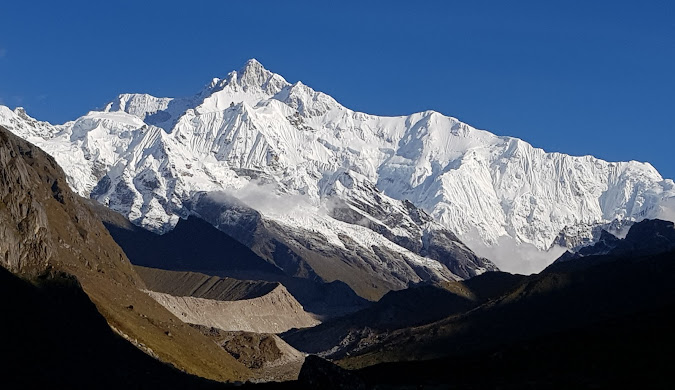
Every year at Astamb Holidays, I handle hundreds of tour requests. And lately, one region keeps coming up again and again: Northeast India. People are tired of crowded hill stations. They want something raw, real, and worth the journey. After personally scouting routes through Assam, Meghalaya, Arunachal Pradesh, Nagaland, and Sikkim, I can tell you this — northeast india tourism is not just a trend. It is a quiet revolution in how Indians travel. This guide is everything I would tell a close friend planning their first Northeast trip in 2026. What is Northeast India Tourism and Why It Is Trending in 2026? Northeast India tourism refers to travel across the eight states collectively known as the Seven Sisters (Assam, Meghalaya, Arunachal Pradesh, Nagaland, Mizoram, Manipur, Tripura) plus Sikkim. In 2026, this region is seeing one of its sharpest rises in search interest and footfall. The short answer: Indian travelers are shifting away from mass-tourism. They want slower trips with real cultural depth. Northeast India delivers exactly that — no commercial malls, no tourist traps, and landscapes that still look like a geography textbook illustration. New rail connections, better roads, and a growing network of local homestays are making the region more accessible than at any point before. The biggest pull is simple: you get more for less. Why Northeast India Tourism is Perfect for Indian Travelers If you are an Indian traveler, this region has four big advantages that other destinations simply cannot match: The Seven Sisters together hold over 50% of India’s bird species, nearly 40% of its flowering plants, and are home to flagship wildlife including the one-horned rhinoceros and the Hoolock gibbon — Asia’s only ape. For a wildlife or nature lover, this region is irreplaceable. Northeast India Tourism – Best Places to Visit in 2026 Assam – Rhinos, Rivers & Tea Gardens Assam is the natural entry point into Northeast India. Most flights land at Guwahati, which sits on the banks of the mighty Brahmaputra River. A ferry ride on the Brahmaputra at sunset is one of those moments you do not quickly forget. Kaziranga National Park is the centerpiece of any Assam trip. It is a UNESCO World Heritage Site and home to the world’s largest population of Indian one-horned rhinoceroses. Book your jungle safari early — morning slots fill up fast. Expect to pay ₹350 to ₹600 per person for the entry and elephant safari. Majuli Island is equally worth your time. It is one of the world’s largest river islands, sitting right in the middle of the Brahmaputra. The Vaishnavite monasteries (called satras) here are unique to Assam’s culture. The ferry ride to Majuli takes about 1 to 1.5 hours from Jorhat. Plan at least 2 nights here to see mask-making, traditional dance, and village life. Best for: Wildlife, river culture, tea tourism Meghalaya – Clouds, Caves & Living Bridges Meghalaya translates to “abode of clouds,” and it earns that name. Shillong, the state capital, is one of Northeast India’s most comfortable base cities. You get cafes, live music, and friendly locals — all without the chaos of a typical tourist town. Cherrapunji (now officially called Sohra) is one of the wettest places on earth and is about 54 km from Shillong. The Nohkalikai Falls here drop a stunning 340 meters — one of India’s tallest. The Mawsmai Caves are a short drive away and great for families. The Double Decker Living Root Bridge in Nongriat village is a bucket-list item. These bridges are grown — not built — from the aerial roots of Ficus Elastica trees by the local Khasi community over hundreds of years. The trek is about 3,000 steps each way, and takes roughly 3 hours round trip. Go early. Carry water. Dawki and the Umngot River offer some of the clearest water you will ever see in India. Boats appear to float in thin air. And Mawlynnong, just 90 km from Shillong, has been recognized as Asia’s cleanest village — a title it takes seriously. Best for: Nature, trekking, culture, photography Arunachal Pradesh – The Land of the Dawn-lit Mountains Arunachal Pradesh is where Northeast India goes from beautiful to breathtaking. The state shares borders with China, Bhutan, and Myanmar, and that geography shows in its monasteries, tribes, and mountain scenery. Tawang is the crown jewel. At 3,048 meters above sea level, the Tawang Monastery is the largest monastery in India and one of the largest in the world. The drive from Bomdila to Tawang is one of the most dramatic road journeys in the country — passing through the Sela Pass at nearly 4,200 meters. Ziro Valley, home to the Apatani tribe, is a UNESCO-nominated landscape of terraced rice fields and pine forests. The Ziro Music Festival held every September draws indie music lovers from across the country. ⚠️ Note: You need an Inner Line Permit (ILP) to enter Arunachal Pradesh. Apply online at arunachalilp.com at least 5–7 days in advance. Best for: Adventure, culture, Himalayan landscapes Sikkim – Gateway to the Himalayas Sikkim is the most organized of all Northeast states for tourism. Gangtok, the capital, has good food options, clean hotels, and a well-marked tourist trail. Rumtek Monastery and the Nathu La Pass (shared Indo-China border) are major draws. For trekkers, the Goecha La Trek near Yuksom offers close views of Kangchenjunga, the world’s third-highest peak. No ILP is needed to enter Sikkim as an Indian citizen, but some inner zones like Nathu La and Gurudongmar Lake require additional permits (easily arranged through your hotel or local agent). Best for: Trekking, monasteries, mountain views Northeast India Tourism – Hidden Gems You Must Visit These are the spots I personally recommend when clients ask me for something beyond the usual: What is the Best Time to Visit Northeast India? The ideal time for most travelers is October to April. Skies are clear, roads are passable, and wildlife is visible. Avoid the peak monsoon months of June to August for most states (though Meghalaya lovers actually

Northeast India Tourism Guide 2026: Best Places, Itinerary, Cost & Hidden Gems Read More »
Nongjrong, Meghalaya: The Ultimate 2026 Travel Guide to India’s Most Spectacular Cloud Viewpoint

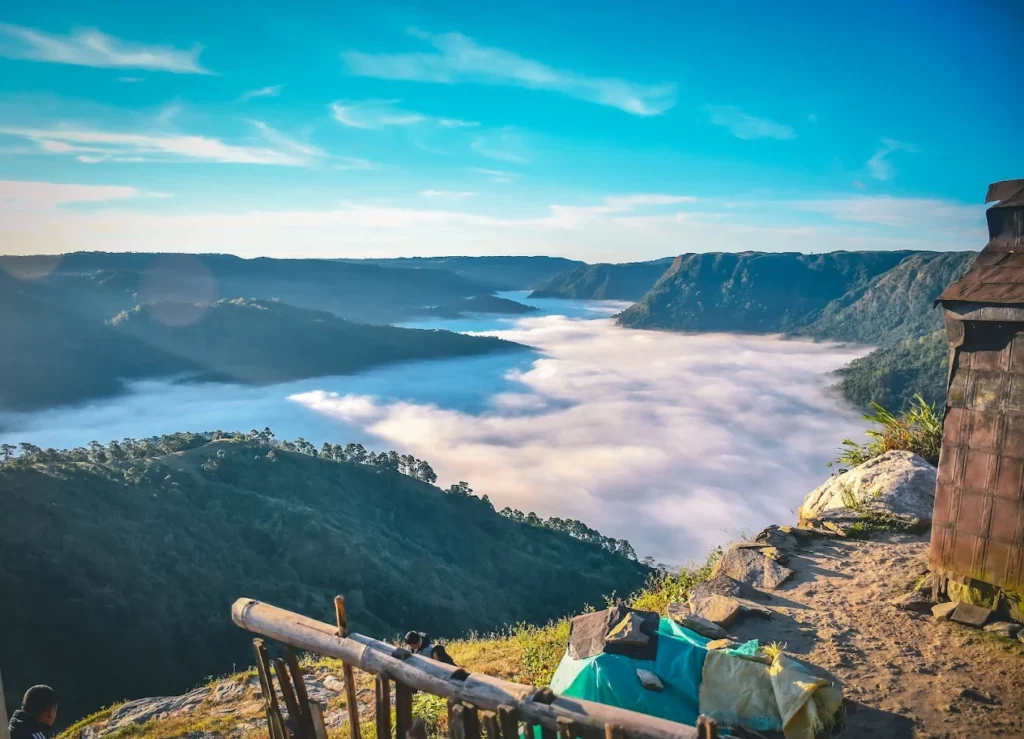
Picture this: You’re standing at the edge of a cliff at 5:30 AM, wrapped in layers against the biting cold, watching the first rays of sunlight pierce through the darkness. Below you isn’t the ground—it’s an endless ocean of clouds stretching to the horizon, with distant peaks emerging like islands in a celestial sea. This isn’t a dream or a heavily edited Instagram post. This is Nongjrong, Meghalaya—a tiny Khasi village in the East Khasi Hills that has quietly become one of India’s most breathtaking sunrise destinations. I’m Wahid Ali, Operations Lead at Astamb Holidays and a travel professional with over 20 years of experience crafting itineraries across India’s hidden corners. When Anand Mahindra shared images of Nongjrong’s cloud inversion phenomenon on social media in recent years, it sparked a wave of curiosity. Suddenly, travelers were asking us: “Where is this place? How do we get there? Is it real?” The answer is yes—it’s very real, and in my experience managing tours to Meghalaya, Nongjrong offers something truly rare: a spectacular natural phenomenon without the crowds that plague similar spots. This 2026 travel guide is designed to give you everything you need—from the 3 AM wake-up call logistics to understanding why those clouds gather below you. Whether you’re planning a sunrise day trip from Shillong or building a multi-day offbeat circuit through East Khasi Hills, I’ll share the practical insights we’ve gathered from sending dozens of groups to this remarkable viewpoint. Let’s get you above the clouds. What Is Nongjrong Famous For? ☁️ Direct Answer: Nongjrong is famous for its spectacular cloud inversion phenomenon and sunrise viewpoint, where visitors stand above a sea of clouds with the sun rising over distant Himalayan foothills. The “Sea of Clouds” at Nongjrong isn’t just a poetic description—it’s a meteorological event that transforms the valley below into what looks like an endless white ocean. During the cooler months (particularly October through February), cold air settles in the valleys while warmer air sits above, creating a temperature inversion. The moisture in the valley forms clouds that fill the low-lying areas completely, leaving the higher viewpoints—like Nongjrong—floating above this ethereal landscape. What sets Nongjrong apart from better-known spots like Laitlum Canyons or Mawlynnong? Three things: In my experience organizing tours, the emotional response from travelers at Nongjrong is unlike almost anywhere else. There’s something profound about standing literally above the clouds—it shifts your perspective in ways a mountain view or waterfall simply can’t match. Location & Geographic Context 📍 Nongjrong is a small village located in the East Khasi Hills district of Meghalaya, approximately 30 kilometers northeast of the district headquarters at Jowai (also known as Jwai). Administratively, it falls under the Amlarem subdivision, positioning it in the southeastern section of the Khasi Hills plateau. How Far Is Nongjrong from Shillong? Direct Answer: Nongjrong is approximately 55 kilometers from Shillong, taking about 2.5 to 3 hours by road under normal conditions. The coordinates of the main viewpoint are approximately 25.4°N, 92.3°E, placing it at an elevation of around 1,400 to 1,500 meters above sea level—high enough to stay above the cloud layer but accessible by standard vehicles. Distance & Travel Time Reference Table Starting Point Distance Travel Time Road Condition Shillong 55 km 2.5-3 hours Good (NH-6 + village roads) Guwahati 160 km 5-5.5 hours Good (NH-6 majority) Jowai 30 km 1-1.5 hours Moderate (village roads) Dawki 85 km 3-3.5 hours Good to moderate Cherrapunji 95 km 3.5-4 hours Good The village sits along a ridge that provides natural elevation advantage—this is why the clouds form below rather than around the viewpoint, creating that signature “floating above the world” feeling that makes Nongjrong so special. How to Reach Nongjrong 🚗 Getting to Nongjrong requires planning, particularly if you want to catch the sunrise. Here’s the breakdown based on what we’ve learned from multiple tours: By Air ✈️ The nearest airport is Shillong Airport (Umroi), located about 70 kilometers from Nongjrong (3-3.5 hours drive). However, this airport has limited connectivity. Most travelers fly into Lokpriya Gopinath Bordoloi International Airport, Guwahati (160 km, 5-5.5 hours), which offers far better flight options and connections to major Indian cities. Pro Tip from Experience: If you’re flying into Guwahati specifically for a Nongjrong sunrise, arrive the previous evening and stay in Shillong. The 5+ hour drive from Guwahati to Nongjrong would require leaving around midnight—exhausting and not recommended. By Train 🚂 Guwahati Railway Station is the nearest major railhead. From there, hire a taxi or take a shared cab to Shillong (approximately 100 km, 3 hours), then continue to Nongjrong. By Road (The Real Journey) This is where the rubber meets the road—literally. Here are your options: Option 1: Self-Drive If you’re comfortable with mountain roads and have experience with Indian hill driving, self-driving is rewarding. The route from Shillong: Road conditions are generally good on the highway, but the final stretch involves narrower roads. A sedan can make it, but an SUV provides more comfort and confidence. Option 2: Hired Taxi (Recommended for First-Timers) This is what we arrange for 95% of our Astamb Holidays clients. Hiring a local taxi from Shillong costs approximately: Critical Timing Advice: To catch the sunrise (approximately 5:45-6:15 AM depending on season), you need to leave Shillong by 3:00 AM. The driver needs to account for: Most local drivers are experienced with early morning Nongjrong runs and know the roads well. Option 3: Shared Cabs from Jowai If you’re basing yourself in Jowai (which I sometimes recommend for deeper East Khasi Hills exploration), shared cabs occasionally run to nearby villages. However, for sunrise timing, a private hire is more reliable. Navigation Notes Best Time to Visit & The Sunrise Experience 🌅 Seasonality: When Do the Clouds Appear? Direct Answer: The best time to visit Nongjrong for the cloud inversion phenomenon is October through February, with November to January offering the most consistent cloud formations. Here’s the seasonal breakdown: Peak Season (November-January): Good Season (October & February): Off-Season (March-September): The Science Behind the Clouds (Simply

Nongjrong, Meghalaya: The Ultimate 2026 Travel Guide to India’s Most Spectacular Cloud Viewpoint Read More »

Seraphinite AcceleratorOptimized by Seraphinite Accelerator
Turns on site high speed to be attractive for people and search engines.