Mountain Destination

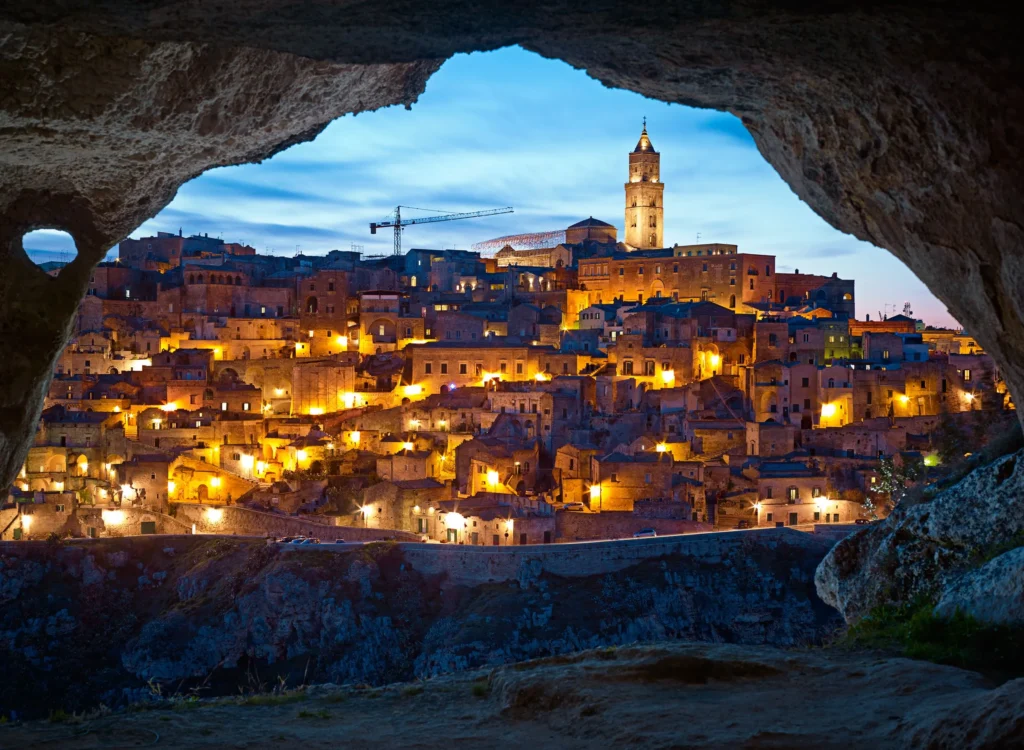
Discover 15 Unforgettable Things to Do in Matera, Italy – Your Ultimate Sassi Adventure

Picture this: a city carved entirely from stone, where homes are sculpted into limestone cliffs, and narrow alleyways wind through ancient cave dwellings that have sheltered families for over 9,000 years. Welcome to Matera, Italy – a place so breathtaking that it feels like stepping onto another planet (fun fact: it’s been the filming location for multiple biblical movies!). While Rome, Florence, and Venice grab most of the spotlight, Matera quietly sits in Italy’s heel, offering something you won’t find anywhere else on Earth. This isn’t just another pretty Italian town with cobblestone streets and gelato shops. This is one of the world’s oldest continuously inhabited cities, where you can literally sleep in a cave hotel, hike through dramatic ravines, and watch the sunset paint ancient stone houses in shades of honey and gold. If you’re searching for the best things to do in Matera Italy, you’ve landed in the right place. This guide goes way beyond the basics. I’m sharing hidden viewpoints the tour groups miss, family-run bakeries where you can watch bread-making traditions that haven’t changed in centuries, and trails that lead to secret cave churches. Ready to explore the Sassi di Matera? Let’s go! Quick Guide to Matera at a Glance Category Details Best Time to Visit April-May & September-October (spring & fall) Recommended Stay 2-3 days Getting There Train/bus from Bari (1-1.5 hours) Walking Difficulty Moderate to challenging (many stairs & hills) Must-Try Food Pane di Matera, crapiata, peperoni cruschi UNESCO Status World Heritage Site since 1993 Region Basilicata, Southern Italy Budget Level €€ (Moderate) Parking Limited; use designated lots outside city center 1. Get Wonderfully Lost in the Sassi Districts: Barisano & Caveoso The heart and soul of Matera beats in its two ancient neighborhoods: Sassi Barisano and Sassi Caveoso. These aren’t your typical Italian quarters – they’re entire districts of cave dwellings stacked on top of each other like a three-dimensional puzzle made of stone. Sassi Barisano sits on the western side and is slightly more polished. You’ll find more shops, restaurants, and restored cave homes here. Many buildings have beautiful facades hiding the cave rooms behind them. It’s perfect for your first introduction to Matera’s unique architecture. On the flip side, Sassi Caveoso on the eastern slope feels rawer and more authentic. The caves here look exactly as they did decades ago – rough-hewn stone, tiny doorways, and staircases that seem to lead nowhere. This district gives you the truest sense of what life was like when thousands of families lived in these stone shelters. Your Insider Game Plan: The magic happens during golden hour – that’s early morning (around 7-8 AM) or late afternoon (5-7 PM depending on season). The warm light makes the honey-colored stone absolutely glow, and you’ll have the narrow streets mostly to yourself before the tour groups arrive. Here’s a secret most visitors miss: head to Piazza San Pietro Caveoso early in the morning. Grab a coffee from the small bar there, sit on the stone steps, and watch the city wake up. It’s one of the quietest spots in Matera, tucked away from the main tourist flow. From here, explore the maze of stairs and passages leading downward – you’ll discover hidden courtyards, ancient cisterns, and doorways that frame perfect views of the ravine. Pro tip: Wear comfortable walking shoes with good grip. These stone streets get slippery, and you’ll be climbing up and down all day! 2. Travel Back in Time: Matera’s Must-See Museums To truly understand Matera, you need to know its story. Until the 1950s, more than 15,000 people lived in the Sassi without running water or electricity. Families shared their cave homes with livestock, diseases spread easily, and life was incredibly hard. The Italian government eventually relocated everyone, and the Sassi sat abandoned for decades before being reborn as the cultural treasure you see today. Casa Grotta di Vico Solitario Start your historical journey at Casa Grotta (Cave House), a perfectly preserved cave dwelling that shows exactly how families lived before the evacuation. You’ll see the stone bed where entire families slept, the manger where the donkey stayed (yes, inside the house!), and the simple tools used for daily survival. The Museum of Rural Life takes this experience deeper, displaying farm equipment, traditional clothing, and photographs that bring Matera’s past to life. These museums aren’t huge, but they pack an emotional punch. (Official Matera Tourism) Make It Interactive: Several local artisans and bakers offer hands-on workshops where you can learn traditional crafts or bake Pane di Matera yourself. Check out Casa del Gusto for bread-making sessions or pottery workshops at Artigianato Lucano. These experiences transform history from something you observe into something you participate in. Practical details: Most museums charge €3-5 for entry. You can find combo tickets at the tourist office that cover multiple sites for around €10-12. Visit museums in the afternoon when everyone else is out exploring – you’ll have more space and time to really absorb the experience. 3. Sleep Like a Cave Dweller (But Way More Comfortable) Let’s be honest – staying in a cave hotel Matera is probably the coolest accommodation experience you’ll ever have. These aren’t rustic, uncomfortable caves. Modern cave hotels blend ancient stone architecture with heated floors, rainfall showers, and sometimes even jacuzzis carved into the rock! My Top Cave Hotel Picks: Luxury Pick: Sextantio Le Grotte della CivitaThis place is jaw-dropping. Each cave suite is unique, featuring original frescoes, stone alcoves, and furnishings made by local craftsmen. Some rooms have private terraces overlooking the Sassi. It’s pricey (€300-500/night), but if you’re celebrating something special, this is it. (Sextantio Official Site) Mid-Range Marvel: Sant’Angelo Luxury ResortPerched on the edge of the ravine, Sant’Angelo gives you that luxury feeling without breaking the bank (€150-250/night). The cave rooms have modern amenities, and the breakfast terrace has views that’ll make your Instagram followers jealous. Budget-Friendly Gem: Locanda di San MartinoDon’t let the lower price fool you (€80-130/night) – this hotel offers comfortable cave rooms with personality.

Discover 15 Unforgettable Things to Do in Matera, Italy – Your Ultimate Sassi Adventure Read More »
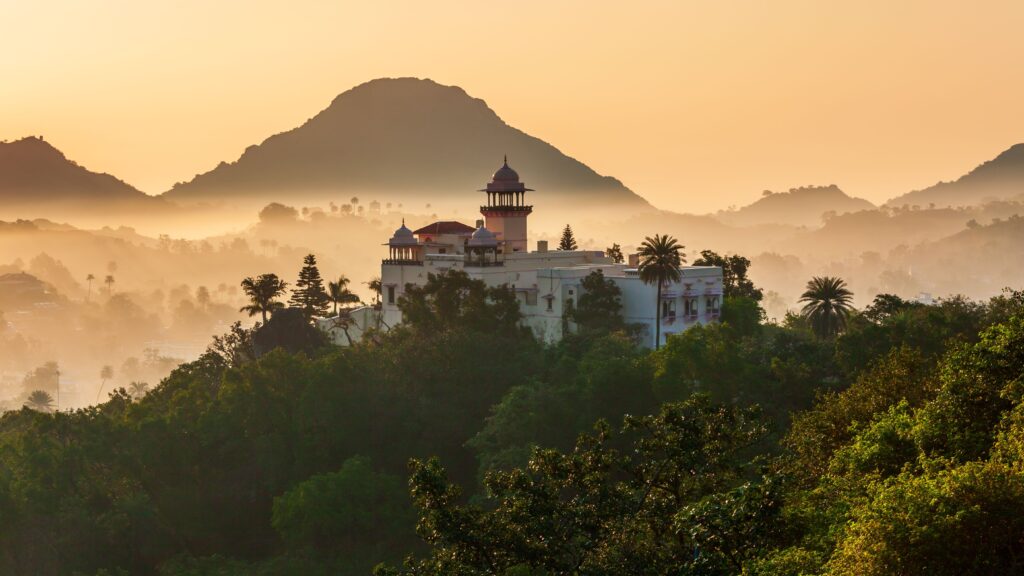
Discover the 12 Must-See Places to Visit in Mount Abu – Hidden Gems, Local Tips & Best Time to Go

Picture this: you’re driving through the dry, golden landscapes of Rajasthan when suddenly, the road starts climbing. The air gets cooler. Green trees replace the desert scrub. Welcome to Mount Abu – Rajasthan’s best-kept secret and the state’s only hill station. While most people think of Rajasthan as a land of forts and deserts, Mount Abu flips that script completely. Sitting pretty in the Aravalli hills at over 4,000 feet, this charming town offers something totally different – cool weather, misty mornings, serene lakes, and some of the most stunning marble temples you’ll ever see. Whether you’re planning a Mount Abu family friendly trip, looking for the perfect Mount Abu honeymoon spot, or just need a break from the summer heat, this complete Mount Abu travel guide has you covered. I’ll walk you through the top Mount Abu tourist attractions, share some hidden spots that even many locals don’t know about, and give you practical tips to make your trip absolutely perfect. Ready to explore? Let’s dive into the best places to visit in Mount Abu! Quick Travel Information Detail Information Location Sirohi District, Rajasthan, India Altitude 1,220 meters (4,003 feet) Nearest Railway Station Abu Road (28 km away) Nearest Airport Udaipur (185 km) Best Time to Visit October to March Ideal Trip Duration 2-3 Days Famous For Only hill station in Rajasthan, Dilwara Temples, Nakki Lake Climate Pleasant year-round, cooler than plains How to Get There & Best Time to Visit Getting to Mount Abu Reaching this beautiful hill station Rajasthan is easier than you might think. Here’s how: By Train: The closest railway station is Abu Road, about 28 kilometers away. Trains connect Abu Road to major cities like Delhi, Mumbai, Ahmedabad, and Jaipur. From Abu Road, you can hire a taxi or catch a state transport bus that winds up the scenic mountain road. The drive takes about 45 minutes and offers gorgeous views. By Air: The nearest airport is Maharana Pratap Airport in Udaipur, roughly 185 kilometers away. You can also fly into Ahmedabad (around 220 km). From either airport, rent a car or book a taxi to reach Mount Abu. By Road: If you’re road-tripping, Mount Abu is well-connected by state highways. The drive from Udaipur takes about 3-4 hours, while Ahmedabad is around 4-5 hours away. The roads are generally good, and the journey itself is part of the adventure. Mount Abu Best Time to Visit Timing your visit right can make a huge difference. Here’s what each season brings: Winter (November to February): This is peak season and for good reason. Temperatures hover between 11°C to 28°C – perfect weather for Mount Abu sightseeing. The days are sunny and comfortable, while evenings get pleasantly cool. You might need a light jacket after sunset. This is the best time for families and honeymooners. Summer (March to June): While the plains of Rajasthan are scorching, Mount Abu stays relatively cool with temperatures between 23°C to 33°C. This makes it a popular summer escape for people from nearby cities. Expect more crowds, especially during April and May when schools are on break. Monsoon (July to September): The rains transform Mount Abu into a lush green paradise. Waterfalls come alive, and the entire landscape looks freshly washed. However, some outdoor activities might be limited. If you love the rain and don’t mind occasional drizzles, this season offers a different kind of beauty. Post-Monsoon (October): This is actually my favorite time. The monsoon has just ended, everything is still green, but the weather has cleared up. You get the best of both worlds – beautiful scenery and comfortable weather, with fewer crowds than winter. Local Tip: Want to beat the crowds at popular spots like Nakki Lake or Dilwara Temples? Head there early morning, around sunrise. You’ll get amazing photos with soft light and have these beautiful places almost to yourself. Top Attractions: The Essentials Nakki Lake Mount Abu If Mount Abu has a heart, it’s Nakki Lake. This stunning artificial lake sits right in the middle of town and is probably the most famous of all Mount Abu tourist attractions. Legend says the lake was dug out by gods using just their nails (nakh means nail in Hindi) – which explains the name. Whether you believe the story or not, the lake is genuinely beautiful. Surrounded by rocky hills and green trees, it’s the perfect spot to relax and watch the world go by. You can rent a paddleboat or rowboat and spend an hour on the calm waters. Families love this activity, and it’s especially romantic during sunset. The walking path around the lake is about 1 kilometer long and makes for a lovely evening stroll. Street vendors sell fresh corn, ice cream, and local snacks along the way. Don’t miss Toad Rock near the lake – it’s a natural rock formation that looks exactly like a giant toad about to jump into the water. It’s become a famous photo spot, and the view of the lake from up there is worth the short climb. Timings: Open all day, but boating is available from 9 AM to 6 PMEntry: Free to walk around; boating costs around ₹150-300 per boat Dilwara Jain Temples Mount Abu Prepare to have your mind blown. The Dilwara Jain Temples are not just religious sites – they’re masterpieces of marble art that’ll leave you speechless. Built between the 11th and 13th centuries, these five temples feature intricate marble carvings that are so detailed, so precise, you’ll wonder how human hands created them. The Vimal Vasahi and Luna Vasahi temples are particularly stunning. Every pillar, every ceiling, every doorway is carved with flowers, dancers, elephants, and geometric patterns so fine that light passes through the marble. The best time to visit is mid-morning when natural light streams through the structures and makes the white marble glow. Photography inside is not allowed, which actually helps you stay present and really absorb the beauty. This is one of the best places in Mount Abu

Discover the 12 Must-See Places to Visit in Mount Abu – Hidden Gems, Local Tips & Best Time to Go Read More »

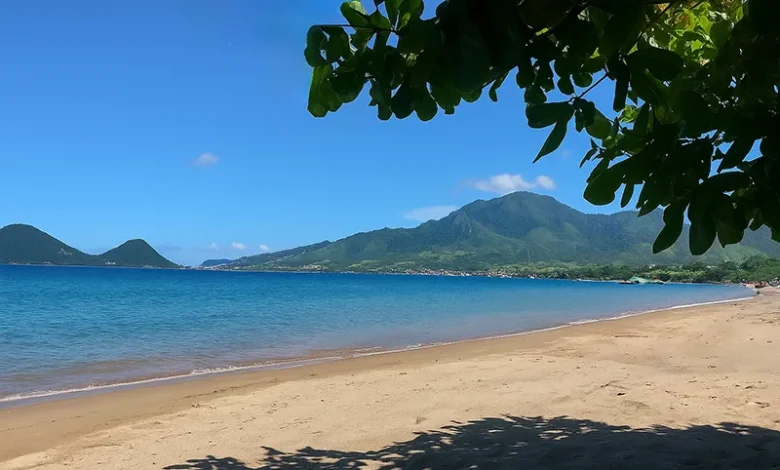
What to Do in Dominica – From Black Sand Beaches to Boiling Lake (Ultimate Guide)

Quick Reference Guide Category Key Information Best Time to Visit February to May (dry season) Currency Eastern Caribbean Dollar (XCD) Language English Getting Around Car rental recommended, local buses available Visa Requirements Many nationalities receive visa-free entry Average Trip Length 5-7 days for full experience Top Activities Hiking, diving, hot springs, waterfall swimming Unique Feature “Nature Island of the Caribbean” Picture this: You’re standing on a beach with black sand beneath your feet, surrounded by lush green mountains that drop straight into the turquoise sea. Behind you, steam rises from volcanic hot springs, while ahead, a rainforest beckons with hidden waterfalls and swimming holes. Welcome to Dominica—the Caribbean island that traded beach resorts for adventure boots. If you’re wondering what to do in Dominica, you’re in for a treat. This isn’t your typical Caribbean vacation spot with mega-resorts and crowded beaches. Dominica (not to be confused with the Dominican Republic) is the “Nature Island” where adventure seekers, nature lovers, and anyone tired of cookie-cutter vacations come to reconnect with the wild side of the Caribbean. This guide will take you through everything from diving into geothermal underwater vents to hiking to a literally boiling lake, from exploring Indigenous Kalinago culture to “liming” (that’s local speak for hanging out) with friendly locals over fresh seafood and bush rum. Ready to discover why Dominica should be at the top of your travel list? Let’s dive in! 1. Volcanic Beaches & Coastal Chill (with an edge) Forget the typical white sand Caribbean beaches—Dominica’s coastline tells a different story. The island’s volcanic nature gifts visitors with dramatic black sand beaches that look like something from another planet. Best Black Sand Beaches to Explore Batibou Beach sits in the northeast and offers a Robinson Crusoe vibe. With coconut palms leaning over dark sand and crystal-clear water, this spot feels wonderfully remote. The best part? It rarely gets crowded, even during peak season. Mero Beach on the west coast is perfect for families. The water stays calm, and you’ll find local vendors selling grilled fish and cold drinks. Come here on a Sunday afternoon to experience authentic Dominican beach culture. Coconut Beach near Portsmouth gives you the best of both worlds—beautiful scenery and easy access to restaurants and facilities. Insider Tips for Beach Days Here’s a travel hack most visitors miss: Pack water shoes. Many of Dominica’s beaches have rocky areas and coral near the shore, so those aqua shoes will save your feet and let you explore tide pools comfortably. For sunset photography, head to Scotts Head at the southern tip. This spot where the Caribbean Sea meets the Atlantic Ocean creates incredible light shows. Arrive 30 minutes before sunset to scout your angles. Pro tip: Cruise ships dock on certain days, bringing day-trippers to popular spots. Ask locals which days to avoid the crowds, or visit beaches in the late afternoon when tour groups have left. Reference: Discover Dominica Authority 2. Underwater Marvels: Diving & Snorkeling If you think the land in Dominica is impressive, wait until you see what’s underwater. This island ranks among the Caribbean’s top destinations for scuba diving and snorkeling, with sites that range from beginner-friendly to seriously adventurous. Champagne Reef: The Star Attraction Champagne Reef earned its bubbly name from the geothermal vents on the ocean floor that release streams of warm bubbles through the water. Swimming through these natural “champagne bubbles” while surrounded by colorful fish and healthy coral creates a surreal experience you won’t find anywhere else. The volcanic activity beneath the seafloor creates warm pockets in the water—it literally feels like swimming in a giant jacuzzi with tropical fish! The reef sits close to shore, making it accessible for snorkelers of all skill levels. Best Dive Sites Soufrière Scotts Head Marine Reserve protects some of the healthiest reefs in the Caribbean. The dramatic underwater topography includes walls, pinnacles, and caverns teeming with marine life. For experienced divers, L’Abym (translates to “the abyss”) drops to incredible depths and attracts larger pelagic species. Keep your eyes open for dolphins and pilot whales. Coral Gardens lives up to its name with pristine coral formations in shallow water—perfect for beginner divers and snorkelers. Eco-Responsible Diving Dominica takes marine conservation seriously. When booking dive operators, look for companies certified by the Dominica Watersports Association. They follow strict guidelines to protect the reefs. Important eco-tips: Recommended dive operators include Dive Dominica and Nature Island Dive—both known for their safety standards and environmental ethics. Reference: Dive Dominica 3. Hiking the Rainforest & Epic Trails Dominica’s nickname as the “Nature Island” comes from its incredible rainforest coverage—about 60% of the island remains forested. This creates a hiker’s paradise with trails ranging from easy nature walks to challenging multi-day treks. Waitukubuli National Trail: The Caribbean’s Longest The Waitukubuli National Trail stretches 115 miles across the entire island, making it the longest hiking trail in the Caribbean. Divided into 14 segments, you can tackle individual trail segments or commit to the full multi-day adventure. Don’t worry—you don’t need to be an ultra-marathoner to enjoy this trail. Each segment can be hiked separately, ranging from 2 to 7 hours. Must-Do Day Hikes Middleham Falls Trail leads through dense jungle to a spectacular 200-foot waterfall crashing into a pool perfect for swimming. The 3-mile round trip takes about 3 hours, and the reward at the end makes every muddy step worth it. Trafalgar Falls offers an easier option—a short nature trail (about 10 minutes) to viewing platforms overlooking twin waterfalls. For the adventurous, you can scramble over boulders to reach the pools at the falls’ base. Syndicate Nature Trail in Morne Diablotin National Park gives you the best chance to spot the endangered Sisserou parrot (Dominica’s national bird). This gentle 90-minute loop through the rainforest rewards early risers with amazing birdwatching. Family-Friendly Micro-Adventures Traveling with kids or just want something less intense? Try the Emerald Pool Nature Trail—a short 20-minute walk through the forest to a beautiful waterfall and swimming hole. The maintained path and scenic setting

What to Do in Dominica – From Black Sand Beaches to Boiling Lake (Ultimate Guide) Read More »

Swiss Train

Swiss Train Travel Guide for Indians: Tickets, Passes, and Cost Explained

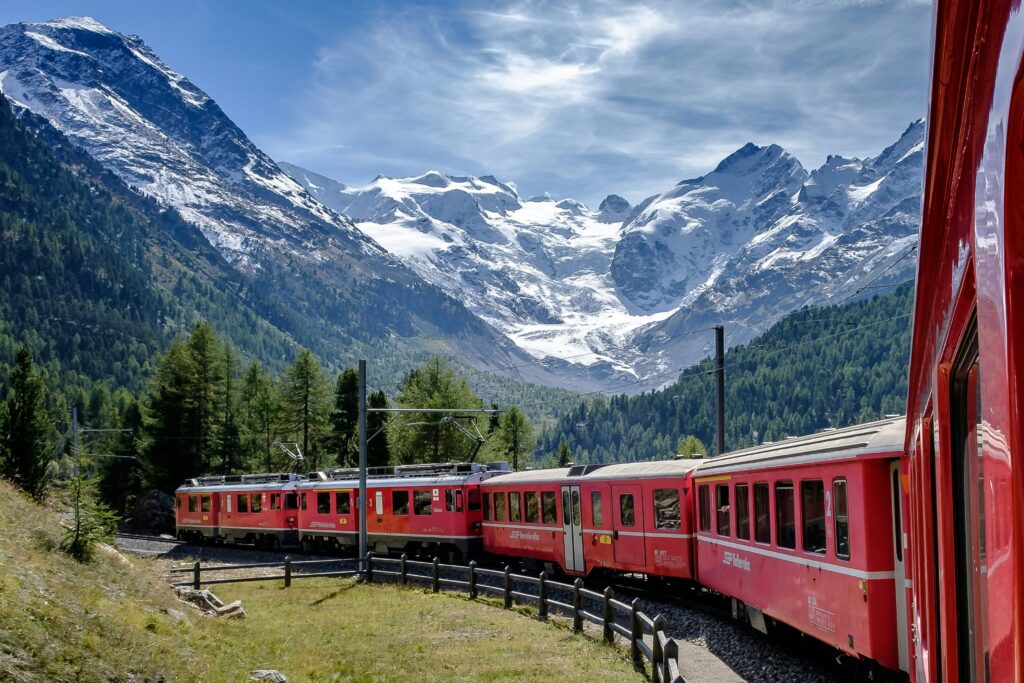
Picture this: A gleaming red train winds through snow-capped peaks, past pristine lakes that mirror the sky, while you sit comfortably inside, watching one of the world’s most spectacular landscapes unfold before your eyes. Have you ever dreamt of this iconic Swiss experience? Switzerland’s trains are legendary worldwide for three reasons: unmatched punctuality, exceptional efficiency, and breathtaking scenic routes that transform travel into the destination itself. For Indian travelers, mastering the Swiss train system isn’t just about getting from point A to point B—it’s your golden ticket to unlocking Switzerland’s true alpine magic. This comprehensive guide is specifically crafted for Indian travelers navigating the intricacies of Swiss rail travel. We’ll demystify everything from the various types of passes and individual tickets to purchasing strategies and cost considerations. Getting your hands on the right Swiss train tickets can seem daunting at first, but this guide will transform that complexity into confidence, ensuring your Swiss adventure runs as smoothly as the trains themselves. Why Swiss Trains are a Traveler’s Dream Swiss train travel transcends mere transportation—it’s an integral part of your alpine adventure. Imagine settling into plush seats behind floor-to-ceiling panoramic windows, feeling the gentle rhythm of rails as you glide effortlessly through landscapes that look like postcards come to life. These aren’t just trains; they’re moving observation decks offering front-row seats to some of Earth’s most stunning scenery. The legendary punctuality of Swiss trains is a game-changer for Indian travelers accustomed to uncertain schedules. Swiss Federal Railways operates with clockwork precision—trains arrive and depart exactly on time, allowing you to plan your itinerary with military precision and maximize every precious moment of your vacation. The extensive network connects bustling cities to remote mountain villages with remarkable efficiency. Whether you’re traveling from cosmopolitan Zurich to the car-free streets of Zermatt or from lakeside Geneva to the Alpine paradise of Interlaken, trains reach destinations that would require winding mountain drives, eliminating the stress of navigation and parking. Perhaps most remarkably, certain routes like the famous Glacier Express and Bernina Express aren’t just transportation—they’re world-renowned experiences in themselves. These panoramic journeys transform travel time into unforgettable memories, making the journey every bit as spectacular as the destination. Decoding Swiss Train Tickets & Passes for Indians Switzerland offers a sophisticated array of travel options designed to accommodate different itineraries, budgets, and travel styles. Understanding these options is crucial for making informed decisions that can significantly impact both your experience and expenses. The Swiss Travel Pass The Swiss Travel Pass stands as Switzerland’s premier travel solution—an all-in-one ticket providing unlimited travel across the country’s entire network of trains, buses, and boats. Think of it as your master key to Switzerland’s transportation system. For Indian travelers, the convenience factor cannot be overstated. Instead of fumbling with individual tickets for each journey, you simply hop on and off trains at will. The Swiss Travel Pass for Indians offers exceptional value through its additional benefits: free entry to over 500 museums across the country, which alone can save hundreds of francs for culture enthusiasts. The pass comes in two variants: consecutive passes (valid for continuous days) and flexi passes (valid for selected days within a one-month period). Choose consecutive if you’re traveling daily, or flexi if you plan rest days or longer stays in specific locations. Point-to-Point Tickets These straightforward A-to-B tickets work perfectly for travelers with fixed itineraries involving only a few train journeys. If you’re visiting Switzerland for a specific event or have a very focused travel plan, individual tickets might be more economical than a comprehensive pass. However, for multiple long-distance journeys, these tickets can quickly become more expensive than a pass. The key is calculating your planned routes’ total cost before deciding. The Swiss Half Fare Card The Swiss Half Fare Card offers a middle ground, providing 50% discounts on most train, bus, and boat tickets throughout Switzerland. This option appeals to travelers who prefer flexibility in their journey planning while still achieving significant savings. To determine if this suits your needs, calculate whether your total discounted ticket costs would be less than a Swiss Travel Pass price. This card works particularly well for travelers mixing long scenic routes with shorter local journeys. Eurail Pass in Switzerland Many Indian travelers embarking on multi-country European adventures wonder about using their Eurail Pass in Switzerland. While Eurail Passes are valid on Switzerland’s national railway network, the Swiss Travel Pass often provides superior value within Switzerland, offering additional benefits like museum entries and local transport that Eurail doesn’t include. When comparing Eurail vs Swiss Travel Pass, consider that the Swiss-specific pass typically offers more comprehensive coverage and benefits for Switzerland-focused travel. Regional Passes For travelers concentrating on specific regions, specialized passes like the Berner Oberland Pass offer excellent value for area-focused exploration, though these work best when combined with broader travel passes for complete Switzerland coverage. How to Buy Swiss Train Tickets: A Step-by-Step Guide for Indians Online Purchase Through SBB Website The Swiss Federal Railways (SBB) official website (sbb.ch) serves as Switzerland’s primary and most reliable ticketing platform. The process is straightforward: enter your departure and destination stations, select your travel date and time, choose your preferred ticket type, and complete payment in Swiss Francs (CHF). Learning how to buy Swiss train tickets online through SBB ensures you get official prices and can plan your entire journey in advance. The website offers an English interface and accepts international credit cards, making the process seamless for Indian travelers. The SBB Mobile App Download the SBB Mobile app before your trip—it’s genuinely indispensable for Swiss train travel. Beyond ticket purchases, the app provides real-time platform information, delay notifications, and digital ticket storage. The SBB Mobile app train booking functionality mirrors the website while adding location-based features that prove invaluable when you’re on the move. The app’s offline capabilities mean you can access your tickets and basic route information even without internet connectivity, providing peace of mind in remote mountain areas. At Swiss Train Stations Every Swiss station features

Swiss Train Travel Guide for Indians: Tickets, Passes, and Cost Explained Read More »

Tirthan valley, Great himalayan national park, Himachal pradesh image.

Tirthan Valley: Himachal’s Hidden Himalayan Paradise – A Complete Offbeat Travel Guide

Tired of the tourist-packed streets of Manali? Imagine a valley where the only traffic jam is a herd of sheep crossing the road, where your morning alarm is the gentle murmur of a crystal-clear river, and where the biggest decision you’ll make is whether to catch trout for lunch or trek to a hidden alpine lake. Welcome to Tirthan Valley, Himachal Pradesh’s best-kept secret and your gateway to experiencing the Himalayas as they were meant to be. Nestled in the Kullu district and serving as the entry point to the UNESCO World Heritage-listed Great Himalayan National Park, Tirthan Valley offers something increasingly rare in our connected world: genuine escape. This isn’t just another hill station with overcrowded viewpoints and commercialized experiences. Instead, it’s a living, breathing example of how sustainable tourism can preserve both natural beauty and authentic mountain culture. I discovered Tirthan Valley during a particularly overwhelming period in my life, seeking solitude that seemed impossible to find in India’s popular mountain destinations. What I found was more than just peace and quiet—I found a community of locals who’ve chosen to share their home with travelers while maintaining the very essence that makes this place special. This guide is your comprehensive roadmap to experiencing Tirthan Valley in all its untouched glory, from the practical logistics of getting there to the soul-stirring moments that will stay with you long after you’ve returned home. Why Tirthan Valley? Your Escape to Authentic Himachal The first thing you’ll notice when you arrive in Tirthan Valley isn’t what you see—it’s what you hear. The constant, soothing symphony of the Tirthan River creates a natural soundtrack that immediately signals you’ve left the chaos of city life behind. The air carries the crisp scent of pine and deodar forests, occasionally punctuated by the earthy aroma of wood smoke from village kitchens where families are preparing traditional meals like siddu and local rajma. This valley represents everything that makes Himachal Pradesh extraordinary, yet it remains wonderfully undiscovered by the masses. While places like Manali and Shimla struggle under the weight of overtourism, Tirthan Valley maintains its authentic character through a community-led approach to hospitality that prioritizes quality over quantity. The locals here aren’t just service providers—they’re your guides, storytellers, and temporary neighbors who genuinely care about your experience. What truly sets Tirthan Valley apart as one of the hidden gems near Manali is its perfect balance of adventure and tranquility. You can spend your morning fly-fishing for trout in pristine mountain waters, your afternoon exploring traditional Himachali villages where life moves at nature’s pace, and your evening sharing stories around a fire while gazing at stars undimmed by light pollution. This is eco-tourism in Himachal Pradesh at its finest—travel that enriches both visitor and host while preserving the natural and cultural heritage for future generations. The valley’s commitment to sustainable travel in the Himalayas is evident in every aspect of your visit. From the homestays built using traditional architecture and local materials to the community-managed trails that respect wildlife corridors, every element has been thoughtfully designed to minimize environmental impact while maximizing cultural exchange. You’re not just a tourist here—you’re a temporary member of a community that values conservation, authenticity, and genuine human connection. The Journey is the Destination: How to Reach Tirthan Valley Getting to Tirthan Valley requires a bit of planning, but the journey itself becomes part of the adventure. The most common route involves flying into Delhi, then either driving or taking a combination of buses and taxis. Let me walk you through the most practical options, including the crucial details that can make or break your trip. By Road from Delhi or Chandigarh: The drive from Delhi to Tirthan Valley covers approximately 500 kilometers and takes about 10-12 hours, depending on traffic and road conditions. The route follows the well-traveled path to Manali until you reach the small town of Aut, about 40 kilometers before Manali. Here’s where many travelers make a critical mistake—you must take the turn-off for Banjar before entering the Aut tunnel. Missing this turn means backtracking several kilometers, so stay alert as you approach. From Aut, the Tirthan Valley road begins its winding journey through increasingly spectacular scenery. This 35-kilometer stretch to Gushaini takes about 1.5 hours and serves as a perfect introduction to the valley’s character. The road is narrow and winding, carved into hillsides that drop away dramatically to reveal glimpses of the rushing river below. While the road conditions are generally good, they demand respect—especially during monsoon season when occasional landslides can cause delays. By Air and Train: The nearest airport is Bhuntar (Kullu Airport), about 50 kilometers from Gushaini. The airport receives flights from Delhi, but schedules can be erratic due to weather conditions. From Bhuntar, you’ll need to arrange a taxi or take a bus to Aut, then continue to Tirthan Valley. The nearest major railway station is Chandigarh, from where you can take a bus or hire a taxi for the remaining journey. Public Transport Options: Himachal Pradesh Road Transport Corporation (HRTC) operates regular buses from Delhi and Chandigarh to Aut and Banjar. From Banjar, local buses and shared taxis connect the valley’s villages. While this option is economical, it requires patience and flexibility, as schedules can be unpredictable, especially during peak tourist season. A tip I learned the hard way: always keep some cash handy for fuel and toll expenses during the drive. Many fuel stations along the route prefer cash, and having small denominations makes the journey smoother. Also, download offline maps before you start—mobile network coverage can be patchy in the mountains. Picking Your Perfect Season in Tirthan Valley Understanding the best time to visit Tirthan Valley can dramatically impact your experience. Each season offers distinct advantages and challenges, and choosing the right time depends on what you’re seeking from your mountain getaway. Spring (March to May): Spring brings new life to the valley as snow melts from lower elevations and rhododendrons burst into bloom. This is arguably the

Tirthan Valley: Himachal’s Hidden Himalayan Paradise – A Complete Offbeat Travel Guide Read More »

horsley hills

The Ultimate Guide to Horsley Hills: Weather, Things to Do & Best Time to Visit

Explore Horsley Hills: Location, Attractions, Viewpoints & Travel Tips Perched at 1,290 m above sea level, Horsley Hills—also known as Horsleykonda—beckons travelers with its emerald forests, mist-shrouded valleys, and the promise of both adventure and tranquility. Originally named Yenugu Mallama Konda after a local legend, the hills were renamed by British collector W.D. Horsley in the late 19th century, who built his summer bungalow here to escape the heat of the plains . Today, this hidden gem in Chittoor district offers panoramic viewpoints, unique rock formations, birdwatching, and activities from trekking to zorbing—all within easy reach of Madanapalle. Key attractions include: II. Where Is Horsley Hills Located? Region Details State & District Andhra Pradesh, Chittoor district, Madanapalle taluk Coordinates Approximately 13.6833° N, 78.4667° E Altitude ~1,290 m (4,232 ft) above sea level Nearest Town Madanapalle (≈9 mi; 15 km) Getting There III. Best Time to Visit Horsley Hills Season Months Temperature Highlights Winter Dec–Feb 10–22 °C Crisp mornings—ideal for trekking & birdwatching Summer Mar–May 20–30 °C Pleasant escape from plains; wildflowers bloom Monsoon Jun–Sep Moderate rain Lush greenery; some trails slippery Post-Monsoon Sep–Oct 18–28 °C Verdant landscapes; fewer crowds Insider Tip: Plan for winter (Dec–Feb) for the most comfortable weather and clear views . IV. Things to Do in Horsley Hills 1. Horsley Hills Viewpoint (Whisper Wind) 2. Gali Bandalu (Wind Rocks) 3. Kalyani Eucalyptus Grove 4. Horsley Hills Zoo & Environmental Park 5. Adventure Activities 6. Local Temples V. Accommodation in Horsley Hills Property Type Starting Rate Highlights Haritha Hill Resort Resort (APTDC) ₹2,200/night On-site restaurant, conference hall, modern rooms VSR Wind Wave Boutique Resort ₹2,329/night Spa, kids’ zone, garden dining Forest Guest House Guesthouse ₹2,931/night Scenic forest views Horsley Hills Holiday Homes Resort From ₹1,500 Family-friendly, playground access Booking Tip: Reserve 2–3 months in advance for peak season (Oct–Mar). VI. Food and Dining VII. Local Culture & Experiences VIII. Tips for Planning Your Trip IX. Horsley Hills Weather Summary Month Avg High Avg Low Rainfall Jan–Feb 22 °C 10 °C 5 mm Mar–May 30 °C 20 °C 0–10 mm Jun–Sep 25 °C 18 °C 200–600 mm Oct–Nov 28 °C 18 °C 50–100 mm Pack Accordingly: Raincoat/umbrella (Jun–Sep), light woolens (Dec–Feb). X. Frequently Asked Questions (FAQs) Below is an expanded list of common visitor questions—pulled from user interest data—and concise answers based on local sources and the Horsley Hills guide. Question Answer 1. Is Horsley Hills worth visiting? Absolutely. Its mix of panoramic viewpoints, unique rock formations, cool climate, and cultural sites makes it a top hill-station getaway in Andhra Pradesh. 2. Can we visit Horsley Hills in summer? Yes—summer highs (20–30 °C) are pleasant compared to the plains. Early mornings and evenings are ideal for sightseeing and hikes. 3. Which month is best to visit Horsley Hills? December–February for cool, clear weather; September–October also great post-monsoon when the hills are lush and the crowds thin. 4. What is the climate in Horsley Hills? Tropical highland: mild winters (10–22 °C), warm summers (20–30 °C), and moderate to heavy monsoon rains (June–September). 5. How many days are required to visit Horsley Hills? A 2–3 day itinerary covers major viewpoints (Whisper Wind, Wind Rocks), zoo/park, adventure activities, and temple visits at a relaxed pace. 6. Where is Horsley Hills located? In Chittoor district, Andhra Pradesh (≈15 km from Madanapalle; 290 km from Chennai; 140 km from Bangalore). 7. Which is the nearest railway station to Horsley Hills? Madanapalle Road Railway Station—24 km away (≈45 min by taxi or bus). Tirupati station (143 km) is the next major railhead. 8. Which is the nearest airport to Horsley Hills? Tirupati Airport (157 km), with flights to Chennai, Hyderabad, and Bangalore. 9. Which district is Horsley Hills in? Horsley Hills falls within Chittoor district, Andhra Pradesh. 10. How many hairpin bends are there en route? The approach road from Madanapalle features 15–17 hairpin bends—drive carefully and enjoy the scenic ascent. 11. What is the weather like in Horsley Hills in September? Temperatures average 18–25 °C, with frequent showers that turn the landscape emerald green—ideal for photographers and nature lovers (bring rain gear). 12. What is special about Horsley Hills? Key highlights include the Wind Rocks’ natural breeze phenomenon, the century-old eucalyptus tree, misty viewpoints, rich biodiversity in the Environmental Park, and the region’s tribal heritage. 13. Which hill station is near Chennai? Horsley Hills (290 km) is one of the closest AP hill stations; nearest true hill station in Tamil Nadu is Yelagiri (~230 km). 14. Which hill station is near Tirupati? Horsley Hills is approximately 143 km from Tirupati and makes for a soothing extension to temple tours. 15. What is the ideal time to visit Madanapalle (gateway town)? October–March—weather is mild and postcard-perfect, ideal for exploring both Madanapalle’s markets and the nearby hills. 16. Why is Horsley Hills called the “Ooty of Andhra Pradesh”? Because of its cool, misty climate, rolling hill-top vistas, and eucalyptus forests, reminiscent of Ooty in Tamil Nadu. 17. Can we camp in Horsley Hills? Yes—several resorts and local tour operators organize guided camping, complete with tents, bonfires, and meals. 18. Which town is closest to Horsley Hills? Madanapalle is the nearest town (15 km), offering markets, eateries, and transport links. 19. Is there public transport access? APSRTC runs regular buses from Madanapalle; shared autos and private taxis provide onward travel. 20. Are there any restrictions or permits required? No special permits are needed—standard entry tickets apply for zoo/park and adventure activities; temple visits are free. If you have more questions about planning your Horsley Hills escape, let us know in the comments! XI. Conclusion Horsley Hills is a captivating mosaic of emerald vistas, colonial history, vibrant culture, and heart-pounding adventure. Whether you seek a romantic sunset, a pulse-racing rappel, or communion with ancient legends, this “Andhra Ooty” delivers an unforgettable escape. Pack your bags, chart your route—and immerse yourself in the misty magic of Horsley Hills! All factual information is sourced from Horsley Hills: A Comprehensive Travel Guide for Tourists and Travelers . For more articles

The Ultimate Guide to Horsley Hills: Weather, Things to Do & Best Time to Visit Read More »

Chikhaldara

Exploring Chikhaldara: Maharashtra’s Hidden Hill Station Gem

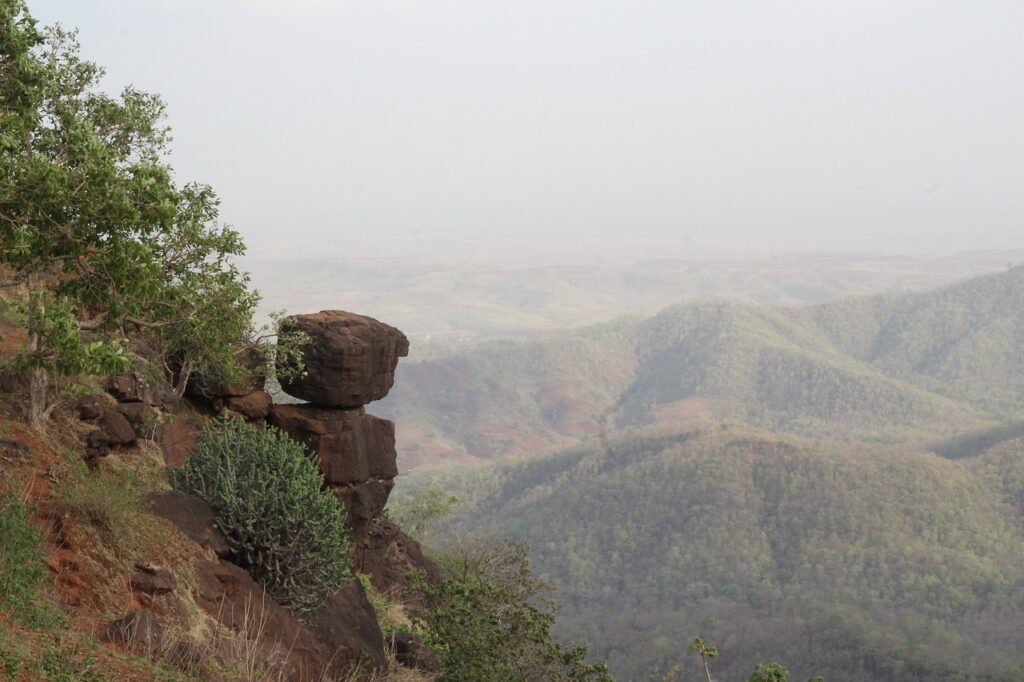
If you’re seeking a peaceful retreat from city life, Chikhaldara, Maharashtra’s hidden hill station, is the perfect destination! Surrounded by the beautiful Vidarbha landscapes, it offers stunning views, rich history, and a blend of adventure and relaxation. From the breathtaking Wairat Sunset Point to charming coffee plantations, Chikhaldara promises unforgettable experiences for nature lovers and adventure seekers alike. Join us as we explore this off-the-beaten-path getaway and share travel tips and must-see spots!

Exploring Chikhaldara: Maharashtra’s Hidden Hill Station Gem Read More »

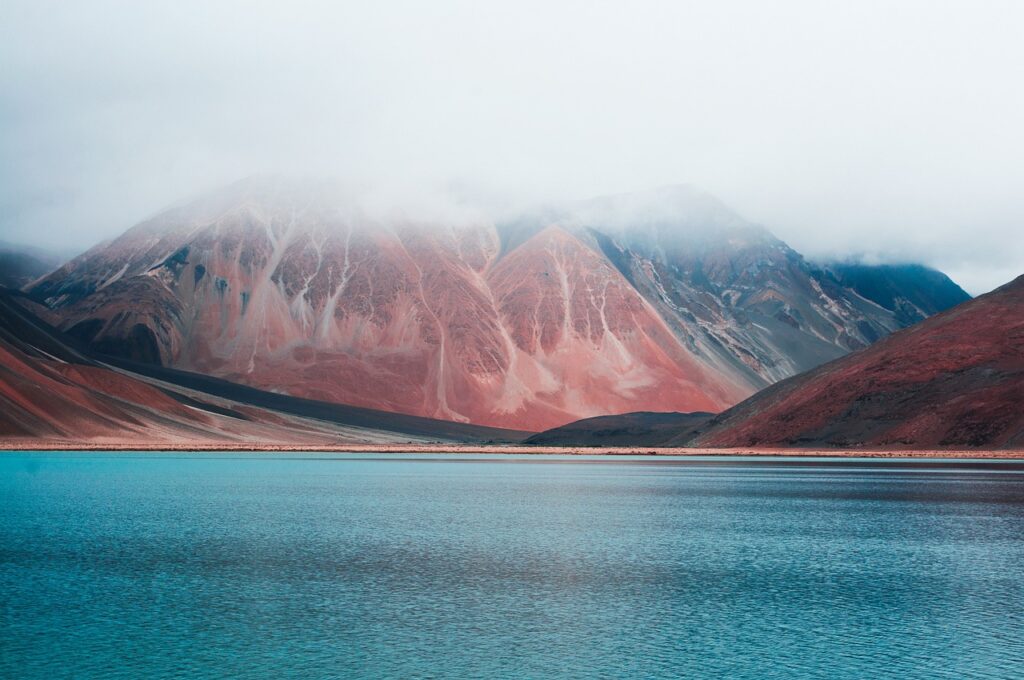
Experience the breathtaking natural phenomenon where two mighty rivers collide amidst the towering Himalayan mountains. This aerial drone footage captures the stunning confluence of the Indus and Zanskar Rivers near Leh, Ladakh, India.

When Is the Best Time to Visit Leh Ladakh? A Seasonal Guide for Indian Travelers

Leh Ladakh, India When Is the Best Time to Visit Leh Ladakh? A Seasonal Guide for Indian Travelers Planning a trip to Leh Ladakh is like preparing for an adventure of a lifetime. Nestled high in the Himalayas, Leh Ladakh offers breathtaking landscapes, unique culture, and an unforgettable experience. However, timing your visit is crucial to ensure you make the most of your journey. In this comprehensive guide, we’ll walk you through the best times to visit Leh Ladakh, breaking down the pros and cons of each season, sharing key comparisons and practical tips, and even exploring a fun twist on the phrase, what do friends with benefits mean—in a travel context. Whether you’re a backpacker, a family vacation planner, or a content creator seeking inspiration, this guide is designed with you in mind. Fun Fact: In the world of travel, the phrase “what do friends with benefits mean” can be reinterpreted to describe the numerous advantages of traveling with friends. From shared costs and companionship to enhanced experiences and mutual support, traveling with friends can truly enrich your adventure. We’ll touch on this later in the post as we explore how to make the most of your trip to Leh Ladakh. Table of Contents Leh Ladakh is renowned for its dramatic landscapes, vibrant culture, and adventure opportunities. But here’s the catch—its high-altitude environment creates a climate that can be as challenging as it is beautiful. Knowing when is the best time to visit Leh Ladakh is essential for a smooth, enjoyable trip. The weather conditions, road accessibility, and even the availability of festivals and local events vary drastically with each season. Imagine planning an expedition to a land where the weather can change in the blink of an eye. Whether you’re trekking through rugged mountain trails or exploring ancient monasteries, your experience will be shaped by the season in which you visit. This guide is here to help you navigate these variables, so you can plan your trip with confidence and excitement. 1. Introduction: Why Timing Matters in Leh Ladakh For Indian travelers, Leh Ladakh is not just a destination—it’s an experience that blends adventure, spirituality, and natural wonder. But before you pack your bags, it’s important to consider your travel style, interests, and even your travel companions. And speaking of companions, as we delve into our guide, keep in mind the question: what do friends with benefits mean? In travel, it’s about the benefits of journeying with companions who share your passions and help you overcome challenges. More on that later! 2. Understanding Leh Ladakh’s Unique Climate Leh Ladakh is a high-altitude desert region in the northern part of India, where the landscape is as stark as it is beautiful. The region experiences an extreme climate due to its altitude (around 3,500 meters above sea level) and its location in the rain shadow of the Himalayas. This unique climate means that every season in Leh Ladakh offers a distinctly different experience. The High-Altitude Environment At such a high altitude, the air is thin and oxygen levels are lower. This can lead to altitude sickness for unacclimatized visitors. Therefore, when planning your trip, it’s essential to consider not only the weather but also the time your body needs to adjust. Acclimatization is a key factor in ensuring a safe and comfortable visit. Seasonal Variations Understanding these seasonal dynamics is crucial to answering our central question: when is the best time to visit Leh Ladakh? The answer depends largely on what kind of experience you’re looking for and what activities you want to engage in. 3. Seasonal Guide: When Is the Best Time to Visit? Now that we understand the climate, let’s dive into the details of each season. This section will help you decide which season aligns best with your travel goals. Summer (May to September): Peak Adventure Season Weather and Climate:Summer in Leh Ladakh is the most popular time for tourists. During this period, daytime temperatures range from 15°C to 30°C, making it pleasant for outdoor activities. Nights can be cool, so a light jacket is recommended. Key Attractions and Activities: Advantages: Disadvantages: Autumn (October to November): A Scenic Transition Weather and Climate:Autumn brings a mild and pleasant climate with crisp, clear skies and fewer tourists. Temperatures during this season range from 10°C to 20°C. Key Attractions and Activities: Advantages: Disadvantages: Winter (December to February): The Snowy Wonderland Weather and Climate:Winter in Leh Ladakh is characterized by extreme cold, with daytime temperatures often dropping below 5°C and nights reaching as low as -10°C or lower. Heavy snowfall transforms the region into a white wonderland. Key Attractions and Activities: Advantages: Disadvantages: Spring (March to April): A Time of Renewal Weather and Climate:Spring is a season of gradual warming and rejuvenation. With temperatures rising and nature coming back to life, Leh Ladakh transforms as flora begins to bloom. Key Attractions and Activities: Advantages: Disadvantages: 4. Best Time to Visit Based on Your Interests Choosing the best time to visit Leh Ladakh ultimately depends on what you want to get out of your trip. Here’s a breakdown to help you decide based on different interests: For Adventure and Trekking Enthusiasts If trekking, hiking, and outdoor adventures are your primary focus, summer (May to September) is your best bet. The relatively mild temperatures and clear skies provide ideal conditions for exploring high-altitude trails. Many popular treks become accessible only during this season due to road conditions and weather. For Culture and Festivals For travelers interested in immersing themselves in local culture and experiencing vibrant festivals, summer and early autumn are ideal. Summer hosts major events like the Ladakh Festival, while autumn offers a quieter, more intimate glimpse into the local way of life. These seasons allow you to experience the rich traditions and lively celebrations that define the region. For Photography and Scenic Beauty If capturing stunning landscapes is your goal, autumn is the perfect time to visit Leh Ladakh. The clear, crisp air and golden hues of the mountains create

When Is the Best Time to Visit Leh Ladakh? A Seasonal Guide for Indian Travelers Read More »

Kullu Manali

Kullu Manali – Himachal Pradesh – India Kullu Manali: A Complete Guide to India’s Twin Paradise Destinations Kullu Manali, Himachal Pradesh, India Nestled in the heart of Himachal Pradesh, Kullu and Manali have long captured the imagination of travelers seeking both adventure and serenity. As someone who’s explored these magnificent destinations extensively, I’m excited to take you on a journey through what makes this region truly special. The Tale of Two Valleys Picture this: you’re driving through winding mountain roads, with the mighty Beas River as your companion. The transition from Kullu to Manali is like watching nature unfold a spectacular story. While Kullu embraces you with its traditional charm and spiritual aura, Manali greets you with its cosmopolitan vibe wrapped in alpine beauty. Kullu: The Valley of Gods Kullu isn’t just a destination; it’s a living museum of Himalayan culture. The valley, famous for its ancient temples and the grand Dussehra festival, offers a unique blend of spiritual and natural experiences. The local markets here burst with vibrant Kullu shawls, each telling a story of generations of skilled artisans. Manali: Adventure Meets Tranquility Just 40 kilometers north of Kullu, Manali presents a different personality altogether. From the bustling Mall Road to the serene Old Manali, this hill station has perfectly balanced tourism with tradition. The area has become particularly popular among digital nomads and adventure enthusiasts from around the globe. Seasonal Experiences Season Kullu Highlights Manali Highlights Best Activities Summer (Mar-Jun) Temple visits, River rafting Trekking, Camping Outdoor adventures Monsoon (Jul-Sep) Cultural festivals Photography Indoor activities Autumn (Oct-Nov) Dussehra celebration Apple orchards Cultural tours Winter (Dec-Feb) Hot springs Skiing, Snowboarding Winter sports Adventure Activities The region has become synonymous with adventure tourism. Here’s what you shouldn’t miss: Cultural Immersion What sets Kullu-Manali apart is its rich cultural tapestry. The local festivals, particularly Kullu Dussehra, offer visitors a chance to witness centuries-old traditions. The monasteries in and around Manali provide insights into Buddhist culture, while the numerous temples showcase the region’s Hindu heritage. Culinary Journey The local cuisine deserves special mention. From steaming plates of Siddu (local bread) to fresh trout from the Beas River, the food scene here is a delightful mix of traditional and contemporary flavors. Don’t miss trying the local apple products – from jams to the famous apple cider. Accommodation Options Whether you’re a budget backpacker or seeking luxury amid mountains, Kullu-Manali caters to all: Travel Tips Frequently Asked Questions Q: When is the best time to visit Kullu Manali? A: The best time depends on your interests. Summer (March-June) is ideal for general sightseeing and adventure activities, while winter (December-February) is perfect for snow activities and winter sports. Q: How do I reach Kullu Manali? A: You can fly to Bhuntar Airport (KUU) or take a bus/taxi from major cities like Delhi. The nearest major railway station is at Chandigarh. Q: Is Kullu Manali suitable for family trips? A: Yes, the region offers activities for all age groups, from gentle nature walks to adventure sports, making it perfect for family vacations. Q: How many days should I spend in Kullu Manali? A: A minimum of 5-7 days is recommended to experience both destinations comfortably and enjoy major attractions. Q: What should I pack for a trip to Kullu Manali? A: Pack layers of clothing, comfortable walking shoes, and winter wear if visiting during cold months. Don’t forget sunscreen and basic medications. Sustainable Tourism As these destinations gain popularity, it’s crucial to practice responsible tourism. Support local businesses, respect cultural norms, and minimize environmental impact during your visit. Did you find this guide helpful? Share your thoughts and experiences in the comments below! Don’t forget to like and share this article with fellow travel enthusiasts. Have you visited Kullu Manali? We’d love to hear about your favorite spots and memorable moments. Subscribe to our newsletter for more travel guides and updates! Remember to follow us on social media for daily travel inspiration and tips

Kullu Manali Read More »