Peru

Tinajani Canyon Peru: Ultimate Travel Guide to the Valley of Stone Giants, Elevation, Trails & FAQs

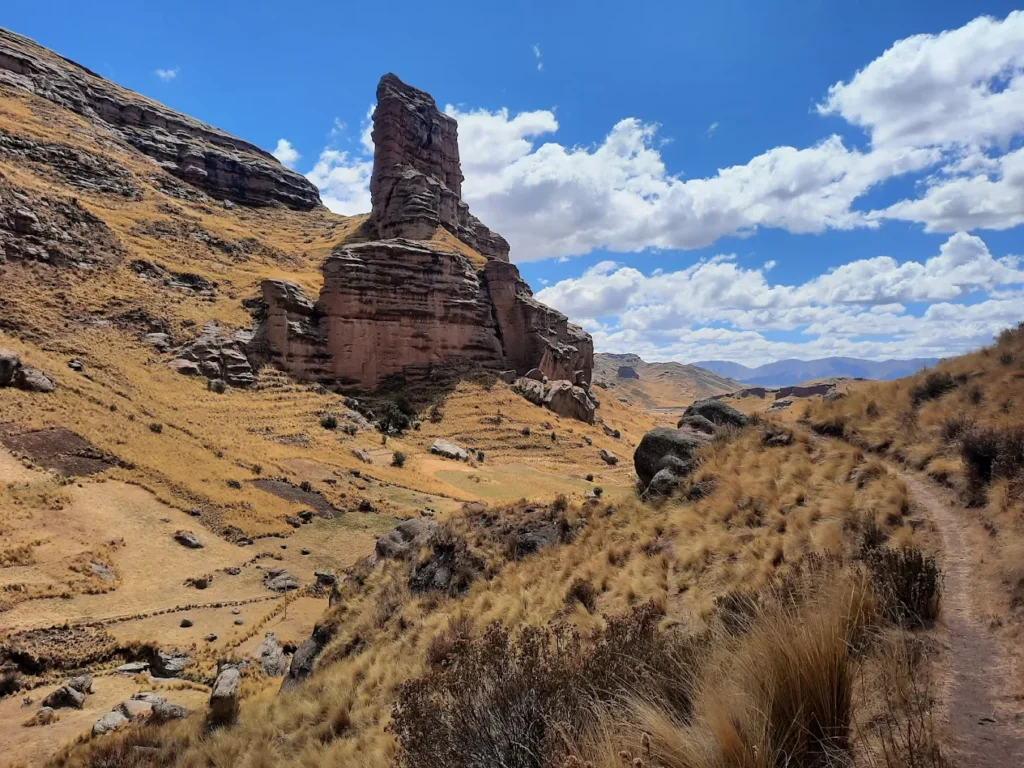
When I first heard about Tinajani Canyon Peru from local guides during my years organizing tours across the Andes, I knew this was one of those rare destinations that could genuinely surprise even seasoned travelers. Imagine towering red rock formations reaching 50 meters into the sky, sculpted over millions of years into shapes that look like frozen giants—some say they resemble castles, others see sphinxes, and a few swear they spot turtles or monks in stone. This is the Valley of Stone Giants, a geological wonder hiding in plain sight just 150 kilometers north of Puno, yet known to only a fraction of Peru’s visitors. In my experience managing tours through Peru’s highlands, Tinajani Canyon stands out as the perfect detour for travelers seeking authentic Andean experiences without the crowds that flock to Lake Titicaca or Machu Picchu. The canyon sits at a serious elevation—between 3,895 to 4,059 meters above sea level—so proper acclimatization isn’t optional, it’s essential. But for those who take the time to prepare, this remote corner of the Puno region rewards visitors with otherworldly landscapes, rich Quechua and Aymara cultural significance, and the kind of silence you can only find in Peru’s most untouched places. 🏔️ What Is Tinajani Canyon Peru? Tinajani Canyon Peru is a geological formation in the Melgar province of the Puno region, characterized by massive red sandstone towers and ravines carved by wind and water erosion over millions of years. The canyon covers approximately 200-250 hectares and sits at an elevation ranging from 3,895 to 4,059 meters (12,779 to 13,317 feet) above sea level. The name “Tinajani” comes from the Quechua word “tinaja” (meaning pot or jar), referring to the peculiar jar-like shapes of some rock formations. Locals also call it the “Devil’s Canyon” (Cañón del Diablo) due to ancient legends about supernatural forces dwelling among the rocks. Located just 12-14 kilometers southeast of Ayaviri in the Melgar province, the canyon is divided into three main ravines: Queñuacuyo, Pacobamba, and Huarachani. The Pacobamba River flows through the canyon with crystal-clear waters, creating a sharp contrast against the rust-colored sandstone walls. | Quick Reference: Tinajani Canyon Basics | |—|—| | Location | Melgar Province, Puno Region, Peru | | Distance from Puno | 150 km north | | Distance from Ayaviri | 12-14 km southeast | | Elevation | 3,895-4,059 m (12,779-13,317 ft) | | Area Coverage | 200-250 hectares | | Main River | Pacobamba River | | Rock Type | Red sandstone | | Alternative Names | Valley of Stone Giants, Devil’s Canyon | 🌍 Geological & Natural Overview 🗿 How Was Tinajani Canyon Formed? From conversations with local geologists during tour planning sessions, I’ve learned that Tinajani Canyon’s origin story reads like a geological thriller. Millions of years ago, this entire region sat beneath an ancient lake called Lake Ballivián—a predecessor to Lake Titicaca and Lake Poopó. Red sandstone sediments accumulated on this lake bed over countless millennia, layer upon patient layer. Then came the dramatic plot twist: volcanic activity and tectonic movements lifted these sedimentary deposits high into the Andes. As the climate shifted and the ancient lake dried up, the exposed sandstone faced a new sculptor—wind. Combined with freeze-thaw cycles, seasonal rains, and the relentless Andean winds, erosion carved the soft sandstone into the formations we see today. This process continues even now. Every rainy season, every windstorm subtly reshapes the canyon’s profile, meaning the Tinajani you visit today will be slightly different from the one visitors see a decade from now. 🏛️ Rock Formations & “Valley of Stone Giants” The star attractions are undoubtedly the towering rock spires, some reaching heights of 50 meters or more. Walking among these giants, you feel small—in the best way possible. I’ve watched countless travelers stop mid-stride, cameras forgotten, just staring up at formations with names like El Vigía (The Watchman), The Friar, The Castle, and The Turtle. The characteristic reddish-orange hue comes from iron oxide in the sandstone, and the color intensity changes throughout the day. At sunrise, the rocks glow soft pink. By midday, they turn burnt orange. At sunset—and this is when I always tell clients to have their cameras ready—the formations blaze copper and gold against purple shadows. The shapes are left to your imagination. Some rocks look eerily human, others like massive animals frozen mid-movement. Anthropomorphic formations (human-shaped rocks) are common, which has fueled local legends about petrified giants. 🌿 Flora & Fauna Highlights Despite the harsh, high-altitude environment, Tinajani Canyon supports surprising biodiversity. The star of the botanical show is the Puya Raimondii—also called the Queen of the Andes. This is the world’s largest bromeliad, and seeing one is like encountering a plant from another planet. Puya Raimondii can reach heights of 10-15 meters when in bloom, producing thousands of flowers on a single spike. These ancient plants live for 60-100 years, bloom once in their lifetime, then die—a dramatic, once-in-a-century flowering event. They grow at altitudes between 3,200-4,800 meters, making Tinajani’s elevation perfect habitat. Other vegetation includes hardy ichu grass, queñua trees (sacred in Andean culture), and various highland shrubs adapted to extreme temperature swings. Wildlife sightings include Andean foxes, vicuñas (wild relatives of llamas), various hummingbird species (including the black metaltail hummingbird that lives among the puyas), Andean geese, and if you’re very lucky, the majestic Andean condor soaring on thermal updrafts. ⛰️ Elevation & Altitude Facts 📏 How High Is Tinajani? Tinajani Canyon sits at elevations between 3,895 and 4,059 meters above sea level (12,779 to 13,317 feet). To put this in perspective: The main entrance and museum area typically sit around 3,913 meters, while hiking trails can take you above 4,000 meters. 🩺 Altitude Sickness (Soroche) – What You Need to Know Here’s where my operations experience becomes critical. Altitude sickness (soroche in local Spanish) is a real concern at these heights, and I’ve seen too many travelers underestimate it. Common symptoms include: My recommended acclimatization strategy: Pro tip from years of tour planning: If you experience severe symptoms (confusion,
Tinajani Canyon Peru: Ultimate Travel Guide to the Valley of Stone Giants, Elevation, Trails & FAQs Read More »

Isla Suasi: The Complete Guide to Peru’s Private Lake Titicaca Island

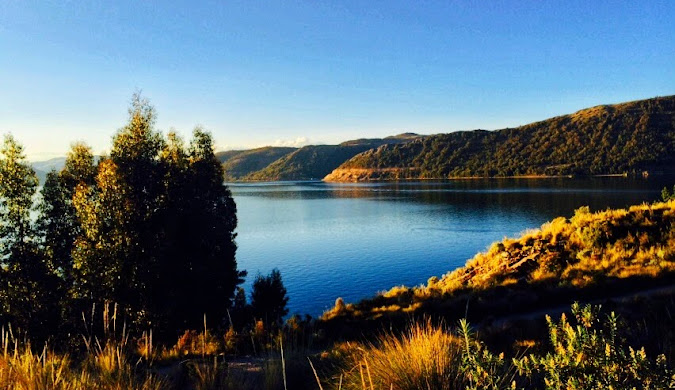
Picture this: you’re standing on the only private island in Lake Titicaca, watching rare vicuñas graze peacefully while the sun sets behind the Bolivian mountains. No crowds, no noise – just you and one of the most beautiful places on Earth. This is Isla Suasi, and after 20 years of organizing tours across Peru, I can tell you with complete certainty that this hidden gem offers something truly special. Isla Suasi is Peru’s best-kept secret for travelers seeking authentic connection with nature and complete disconnection from the modern world. While most tourists crowd onto the floating Uros Islands or rush through Taquile on day trips, smart travelers discover this 43-hectare paradise in the northeastern corner of Lake Titicaca. Let me share everything you need to know about planning your trip to this magical island – from a travel professional who has sent hundreds of clients there. What Is Isla Suasi? 🏝️ Isla Suasi is the only privately owned island on Lake Titicaca, covering approximately 106 acres (43 hectares) in the northeastern section of the world’s highest navigable lake. Unlike the touristy floating islands, this is a real, solid island with natural terrain, gardens, and wildlife. Quick Facts About Isla Suasi Feature Details Location Northeastern Lake Titicaca, Peru Size 43 hectares (106 acres) Altitude 3,810 meters (12,500 feet) above sea level Distance from Puno Approximately 70 kilometers by boat Ownership Private island with single eco-lodge Power Source 100% solar-powered Accommodation 24 rooms + 1 Andean Cottage Wildlife Vicuñas, alpacas, hummingbirds, Andean gulls Best Feature Complete privacy and tranquility The island was developed over 20 years ago by Marta Giraldo, who started with just one room and has grown it into a beloved eco-retreat. From my experience managing tours to Lake Titicaca, I always tell clients that Isla Suasi represents what travel should be – meaningful, peaceful, and genuinely transformative. Where Is Isla Suasi Located? 📍 Isla Suasi sits in the northeastern part of Lake Titicaca, near the Capachica Peninsula. To give you geographic context, the island is approximately 70 kilometers from Puno by boat and roughly 1 kilometer from the mainland shore. Here’s what makes the location special: you’re essentially in the heart of Lake Titicaca but away from the heavily trafficked tourist routes. While Uros and Taquile islands are on the well-worn path from Puno, Isla Suasi requires a 3-4 hour boat journey – which actually works in your favor. This distance keeps crowds away and preserves the island’s peaceful atmosphere. The island offers stunning views across the 3,200 square miles of Lake Titicaca, with the snow-capped Bolivian mountains visible on clear days. From my years of sending clients here, I’ve learned that this remote location is precisely what makes Isla Suasi worth the journey. Why Visit Isla Suasi? (Key Attractions) ✨ After organizing countless Lake Titicaca tours, I can honestly say Isla Suasi offers something no other destination in the region can match: genuine serenity without compromise on comfort or experience. The “Disconnect to Reconnect” Experience Isla Suasi operates on a philosophy I deeply respect – helping travelers disconnect from modern distractions to reconnect with nature and themselves. There’s no TV in rooms (intentional), limited WiFi (lobby only), and no electrical outlets in guest rooms. Before you panic, let me explain why this is brilliant: rooms have charging stations in common areas, staff light wood-burning stoves each evening, and they place hot water bottles in your bed before you return from dinner. From my experience in travel planning, I always recommend to my clients: embrace this. You’re here to experience Lake Titicaca, not your phone screen. Comparing Isla Suasi to Other Lake Titicaca Islands Let me be honest with you, as someone who books these tours regularly: Uros Floating Islands are fascinating for their construction – 42+ reed islands created by the Uros people. However, they’re crowded, commercialized, and frankly, many islands exist purely for tourism. You’ll get the standard presentation, quick tour, heavy sales pitch for handicrafts, and be back on the boat within 45 minutes. Taquile Island offers authentic culture with its UNESCO-recognized textile traditions. The Quechua-speaking community of 2,200 people maintains genuine customs. But it’s still a day-trip destination. You’ll climb steep stairs (4,050 meters elevation), eat lunch at an assigned restaurant, buy textiles, and leave. Beautiful? Absolutely. Peaceful? Not exactly. Isla Suasi, on the other hand, gives you time. You stay overnight (or multiple nights), explore at your own pace, and actually relax. There are only 24 rooms total, meaning you might share the island with just 10-20 other guests – or during low season, you could have the place nearly to yourself. Feature Uros Islands Taquile Island Isla Suasi Visit Type 30-minute stop 3-4 hour day trip Overnight stay Crowd Level Very high Moderate-High Very low Authenticity Staged for tourists Authentic culture Natural experience Activities Reed boat rides Textile shopping, hiking Kayaking, wildlife, hiking, relaxation Accommodation Day trip only Homestays available Luxury eco-lodge Privacy None Limited Complete How to Reach Isla Suasi from Puno or Juliaca 🚤 Alright, let’s talk logistics – this is where my operations background comes in handy. Getting to Isla Suasi requires planning, but it’s straightforward if you know what to expect. The Standard Boat Route (Most Common) Departure: Early morning from Puno main pier (typically 6:30-7:00 AM)Duration: 3.5-4.5 hours by speedboat (including stops)Route: Puno → Uros Islands → Taquile Island → Isla Suasi Yes, you’ll stop at Uros (15-30 minutes) and Taquile (1-2 hours) along the way. Most operators include these stops because it maximizes your experience. You’ll arrive at Isla Suasi around 12:00-1:00 PM, just in time for their welcome BBQ lunch. The speedboats seat 20-40 passengers and are equipped with life jackets, first aid kits, oxygen (important at this altitude!), and comfortable seats. From my experience managing these logistics, I always recommend to my clients: bring layers! The morning can be cold on the water, but by midday the sun is intense. The Return Journey (Options) Option 1: Return by Boat – Same route back to

Isla Suasi: The Complete Guide to Peru’s Private Lake Titicaca Island Read More »