 Skip to content
Providencia Island Colombia: The Hidden Caribbean Gem You Must Visit in 2026
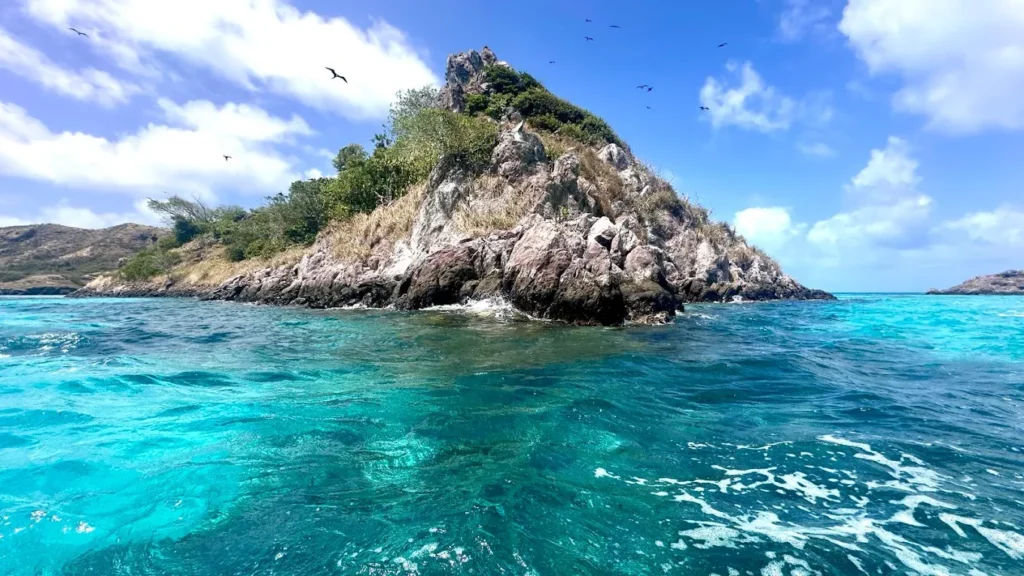
Forget the crowded beaches of Cartagena and the party scene of San Andrés. If you’re searching for an authentic Caribbean paradise that feels like stepping back in time, Providencia Island Colombia is your answer. This tiny volcanic island, rising from the turquoise waters off Colombia’s Caribbean coast, offers something most tropical destinations have lost: genuine tranquility, untouched natural beauty, and a culture that hasn’t been diluted by mass tourism. Picture this: you’re standing on a beach so secluded you can count the other visitors on one hand, gazing out at what locals call the sea of seven colours—layers of turquoise, emerald, sapphire, and aquamarine stretching toward the horizon. The warm Caribbean breeze carries the scent of salt air mixed with coconut bread baking in a nearby Raizal family’s kitchen. A parrot calls from the hillside while fishing boats painted in bright colors bob gently in the protected lagoon. This isn’t a postcard or a dream—this is daily life on Providencia Island. Quick Reference Guide to Providencia Island Essential Information Details Location Caribbean Sea, 775 km northwest of mainland Colombia Size Approximately 17 km² (6.5 square miles) Population Around 5,000 residents (predominantly Raizal people) Language Spanish and San Andrés-Providencia Creole (English-based) Currency Colombian Peso (COP) Best Time to Visit December to April (dry season) How to Get There Flight from mainland Colombia to San Andrés, then small plane or ferry to Providencia Airport El Embrujo Airport (PVA) UNESCO Status Part of Seaflower Biosphere Reserve Major Natural Park Old Providence McBean Lagoon National Natural Park Connected Island Santa Catalina Island (via pedestrian bridge) Average Daily Budget $50-100 USD (budget to mid-range) Accommodation Type Posadas (guesthouses), beach huts, small hotels Must-Try Food Rondón (seafood stew), pan de coco (coconut bread) Top Activity Snorkeling at Crab Cay (Cayo Cangrejo) Important Note Recovery ongoing from Hurricane Iota (2020)—verify current conditions What Is Providencia Island — Geography, People & Culture 🏝️ Providencia Island is a mountainous volcanic island that rises dramatically from the Caribbean Sea, its highest point—The Peak—reaching 360 meters (1,180 feet) above sea level. Connected to the smaller Santa Catalina Island by a charming pedestrian bridge called the Bridge of Love, Providencia feels worlds away from the hustle of modern life, despite being part of Colombia. The Raizal People: Guardians of Island Culture What truly sets Providencia apart isn’t just its natural beauty—it’s the Raizal people, an Afro-Caribbean community with roots dating back to English, Scottish, and African settlers from the 17th century. The Raizals speak San Andrés-Providencia Creole, an English-based Creole language that sounds like a melodic blend of Caribbean English, Spanish, and African linguistic influences. When you hear locals chatting in Creole while repairing fishing nets or selling fresh catch at the market, you’re experiencing a living cultural treasure. The island’s history is a fascinating tapestry woven from English colonization (it was under British rule until 1822), Spanish control, pirate legends (yes, Henry Morgan supposedly hid treasure here!), and African heritage. This unique blend created a culture that feels distinctly Caribbean rather than typically Colombian—more reggae than reggaeton, more cricket than soccer, more fish stew than arepas. The laid-back lifestyle here isn’t a marketing slogan—it’s a way of life. Island time means something on Providencia. Shops might close for an afternoon siesta, locals stop to chat for twenty minutes, and rushing is simply not part of the vocabulary. This slower pace is part of what makes the island so special for travelers seeking authentic experiences. Natural Beauty & Ecosystem — What Makes It Special 🌊 The Seven-Colours Sea: Nature’s Watercolor Masterpiece The seven-coloured sea surrounding Providencia isn’t just beautiful—it’s otherworldly. As you approach the island by plane, looking down feels like gazing at an artist’s palette where someone mixed every shade of blue and green imaginable. The phenomenon occurs due to varying depths of crystal-clear water over white sand and coral formations, creating distinct bands of color: deep navy in the channels, brilliant turquoise over shallow reefs, emerald green in the lagoons, and pale aquamarine near shore. This isn’t exaggeration or Instagram filters—the sea of seven colours is genuinely visible to the naked eye, especially on sunny days when the light penetrates the water. Scientists have identified at least seven distinct color zones, though locals joke you can see more if you look closely enough. A Marine Sanctuary of Global Importance Providencia sits within the Seaflower Biosphere Reserve, a UNESCO-designated area covering 65,000 km² of marine and coastal ecosystems—one of the largest marine protected areas in the Caribbean. The reserve earned this prestigious status in 2000 due to its exceptional biodiversity and the intact nature of its ecosystems. The island is surrounded by the third-largest barrier coral reef in the world, stretching approximately 32 kilometers (20 miles) and creating a natural breakwater that keeps the inner waters calm and protected. This massive reef system is home to the Old Providence McBean Lagoon National Natural Park, Colombia’s only oceanic natural park, established in 1995. The marine biodiversity here rivals anything in the Caribbean. The protected waters host over 150 species of fish, including parrotfish, angelfish, groupers, and barracudas. Sea turtles (hawksbill, green, and loggerhead) nest on Providencia’s beaches and feed in the seagrass beds. Spotted eagle rays glide through the channels, nurse sharks rest in shallow waters, and if you’re exceptionally lucky, you might spot a Caribbean reef shark patrolling the outer reef. The coral reef itself is a living kaleidoscope: brain corals the size of small cars, delicate sea fans waving in the current, neon-bright sponges, and forests of elkhorn and staghorn corals that provide nurseries for juvenile fish. Marine biologists consider the Seaflower Biosphere Reserve one of the healthiest coral reef systems remaining in the Caribbean—a remarkable achievement given the widespread coral bleaching and degradation elsewhere. Top Things to Do — Beaches, Snorkeling, Hiking & Island Life ⛱️ Dive into the Seven-Colours Sea: Underwater Paradise If you only do one thing on Providencia Island, make it exploring the underwater world. This is genuinely world-class snorkeling and diving, comparable to Belize,
Providencia Island Colombia: The Hidden Caribbean Gem You Must Visit in 2026 Read More »
