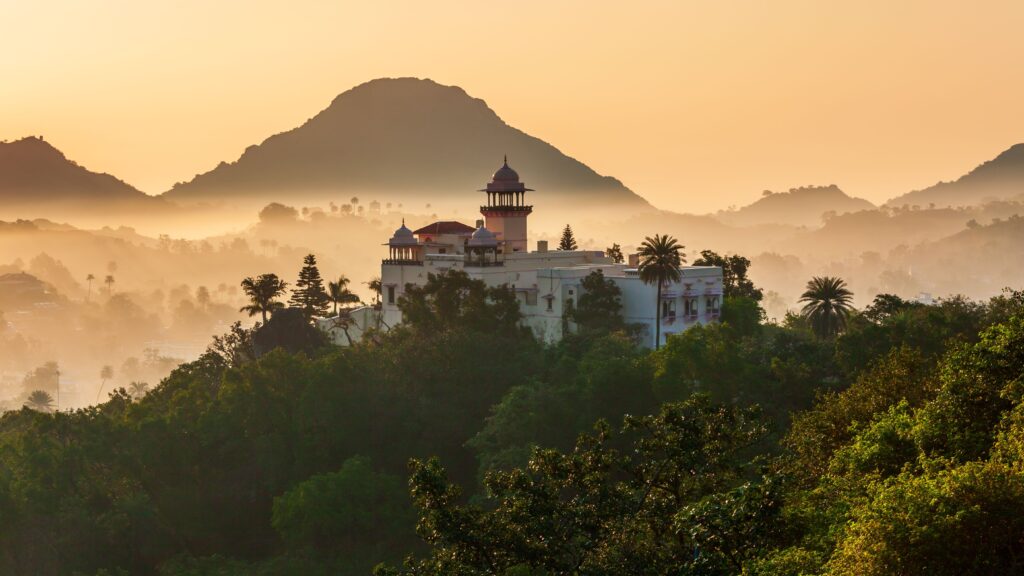
Rajasthan

Discover the 12 Must-See Places to Visit in Mount Abu – Hidden Gems, Local Tips & Best Time to Go

Picture this: you’re driving through the dry, golden landscapes of Rajasthan when suddenly, the road starts climbing. The air gets cooler. Green trees replace the desert scrub. Welcome to Mount Abu – Rajasthan’s best-kept secret and the state’s only hill station. While most people think of Rajasthan as a land of forts and deserts, Mount Abu flips that script completely. Sitting pretty in the Aravalli hills at over 4,000 feet, this charming town offers something totally different – cool weather, misty mornings, serene lakes, and some of the most stunning marble temples you’ll ever see. Whether you’re planning a Mount Abu family friendly trip, looking for the perfect Mount Abu honeymoon spot, or just need a break from the summer heat, this complete Mount Abu travel guide has you covered. I’ll walk you through the top Mount Abu tourist attractions, share some hidden spots that even many locals don’t know about, and give you practical tips to make your trip absolutely perfect. Ready to explore? Let’s dive into the best places to visit in Mount Abu! Quick Travel Information Detail Information Location Sirohi District, Rajasthan, India Altitude 1,220 meters (4,003 feet) Nearest Railway Station Abu Road (28 km away) Nearest Airport Udaipur (185 km) Best Time to Visit October to March Ideal Trip Duration 2-3 Days Famous For Only hill station in Rajasthan, Dilwara Temples, Nakki Lake Climate Pleasant year-round, cooler than plains How to Get There & Best Time to Visit Getting to Mount Abu Reaching this beautiful hill station Rajasthan is easier than you might think. Here’s how: By Train: The closest railway station is Abu Road, about 28 kilometers away. Trains connect Abu Road to major cities like Delhi, Mumbai, Ahmedabad, and Jaipur. From Abu Road, you can hire a taxi or catch a state transport bus that winds up the scenic mountain road. The drive takes about 45 minutes and offers gorgeous views. By Air: The nearest airport is Maharana Pratap Airport in Udaipur, roughly 185 kilometers away. You can also fly into Ahmedabad (around 220 km). From either airport, rent a car or book a taxi to reach Mount Abu. By Road: If you’re road-tripping, Mount Abu is well-connected by state highways. The drive from Udaipur takes about 3-4 hours, while Ahmedabad is around 4-5 hours away. The roads are generally good, and the journey itself is part of the adventure. Mount Abu Best Time to Visit Timing your visit right can make a huge difference. Here’s what each season brings: Winter (November to February): This is peak season and for good reason. Temperatures hover between 11°C to 28°C – perfect weather for Mount Abu sightseeing. The days are sunny and comfortable, while evenings get pleasantly cool. You might need a light jacket after sunset. This is the best time for families and honeymooners. Summer (March to June): While the plains of Rajasthan are scorching, Mount Abu stays relatively cool with temperatures between 23°C to 33°C. This makes it a popular summer escape for people from nearby cities. Expect more crowds, especially during April and May when schools are on break. Monsoon (July to September): The rains transform Mount Abu into a lush green paradise. Waterfalls come alive, and the entire landscape looks freshly washed. However, some outdoor activities might be limited. If you love the rain and don’t mind occasional drizzles, this season offers a different kind of beauty. Post-Monsoon (October): This is actually my favorite time. The monsoon has just ended, everything is still green, but the weather has cleared up. You get the best of both worlds – beautiful scenery and comfortable weather, with fewer crowds than winter. Local Tip: Want to beat the crowds at popular spots like Nakki Lake or Dilwara Temples? Head there early morning, around sunrise. You’ll get amazing photos with soft light and have these beautiful places almost to yourself. Top Attractions: The Essentials Nakki Lake Mount Abu If Mount Abu has a heart, it’s Nakki Lake. This stunning artificial lake sits right in the middle of town and is probably the most famous of all Mount Abu tourist attractions. Legend says the lake was dug out by gods using just their nails (nakh means nail in Hindi) – which explains the name. Whether you believe the story or not, the lake is genuinely beautiful. Surrounded by rocky hills and green trees, it’s the perfect spot to relax and watch the world go by. You can rent a paddleboat or rowboat and spend an hour on the calm waters. Families love this activity, and it’s especially romantic during sunset. The walking path around the lake is about 1 kilometer long and makes for a lovely evening stroll. Street vendors sell fresh corn, ice cream, and local snacks along the way. Don’t miss Toad Rock near the lake – it’s a natural rock formation that looks exactly like a giant toad about to jump into the water. It’s become a famous photo spot, and the view of the lake from up there is worth the short climb. Timings: Open all day, but boating is available from 9 AM to 6 PMEntry: Free to walk around; boating costs around ₹150-300 per boat Dilwara Jain Temples Mount Abu Prepare to have your mind blown. The Dilwara Jain Temples are not just religious sites – they’re masterpieces of marble art that’ll leave you speechless. Built between the 11th and 13th centuries, these five temples feature intricate marble carvings that are so detailed, so precise, you’ll wonder how human hands created them. The Vimal Vasahi and Luna Vasahi temples are particularly stunning. Every pillar, every ceiling, every doorway is carved with flowers, dancers, elephants, and geometric patterns so fine that light passes through the marble. The best time to visit is mid-morning when natural light streams through the structures and makes the white marble glow. Photography inside is not allowed, which actually helps you stay present and really absorb the beauty. This is one of the best places in Mount Abu
Discover the 12 Must-See Places to Visit in Mount Abu – Hidden Gems, Local Tips & Best Time to Go Read More »

What to See in Jaisalmer: Hidden Gems + Top Attractions Guide

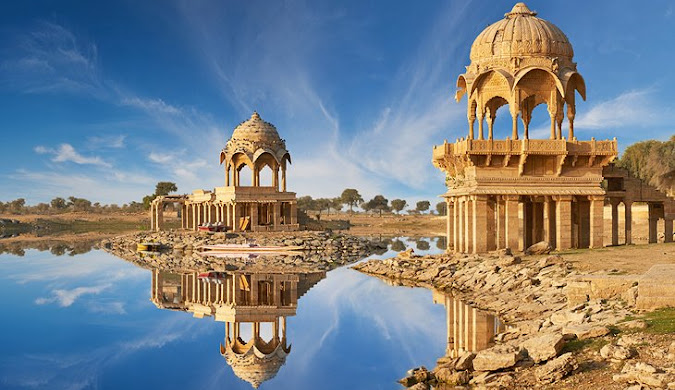
What to See in Jaisalmer: Hidden Gems + Top Attractions Guide Imagine stepping into a living fairy tale where golden sandstone walls tell centuries-old stories, and the vast Thar Desert stretches endlessly under brilliant blue skies. Welcome to Jaisalmer, Rajasthan’s crown jewel that rises from the desert like a magnificent mirage. This isn’t just another tourist destination—it’s a place where history breathes through every carved stone, where camel bells echo ancient trade routes, and where sunsets paint the entire city in molten gold. Whether you’re wondering what to see in Jaisalmer for your first visit or seeking those secret spots that most travelers miss, this guide reveals both the iconic landmarks and the hidden corners that make this Golden City truly magical. From exploring the world’s last living fort to sleeping under a million desert stars, we’ll show you how to experience Jaisalmer like a true explorer, not just a tourist. Quick Reference Table Category Key Information Best Time Duration Fort & Havelis Jaisalmer Fort, Patwon Ki Haveli Early morning (7-9 AM) 4-5 hours Desert Experience Sam Sand Dunes, Khuri Village Sunset (5-7 PM) Overnight recommended Cultural Sites Jain Temples, Bada Bagh Morning/Evening 2-3 hours each Hidden Gems Kuldhara Village, Khaba Fort Late afternoon 2-4 hours Best Season October to March Cool weather 2-4 days ideal Border Areas Tanot Temple, Longewala Full day trip 8-10 hours (permit required) What Makes Jaisalmer Special: The Golden City’s Unique Charm The Golden Phenomenon Jaisalmer’s golden hue isn’t just a poetic description—it’s a daily miracle. Built entirely from yellow sandstone, the city literally glows like burnished gold, especially during sunrise and sunset. This unique limestone, quarried locally, contains iron oxide that creates the warm, honey-colored appearance that has mesmerized travelers for centuries. Desert Location & Climate Positioned in the heart of the Thar Desert, Jaisalmer sits just 120 kilometers from the Pakistan border. The desert climate means scorching days (often reaching 45°C in summer) and surprisingly cool nights. The best time to visit Jaisalmer is definitely October through March, when temperatures hover around a comfortable 20-25°C during the day. A Glimpse into History In 1156 AD, Rawal Jaisal, a Rajput ruler, founded this city after receiving a prophecy from a hermit. The location was strategic—positioned along ancient camel-train trade routes connecting India with Central Asia and the Mediterranean. For centuries, wealthy merchants built elaborate havelis (mansions) with their trade profits, creating the architectural wonderland we see today. The Must-See Icons: Beyond the Ordinary Tourist Trail Jaisalmer Fort (Sonar Qila): The Living Fortress Unlike most Indian forts that stand empty as monuments, Jaisalmer Fort pulses with life. Nearly 4,000 people still live within its massive walls, making it one of the world’s few living forts. As you climb through the fort’s narrow lanes, you’ll hear children playing, smell fresh chapatis cooking, and see women hanging colorful sarees from ancient balconies. Insider Tips for Your Visit: Jain Temples: Architectural Poetry in Stone Hidden within the fort complex, these 12th-century temples showcase incredible Dilwara-style architecture. The intricate marble carvings are so detailed that some pillars appear transparent when backlit. The Parsavanath Temple features over 600 divine figures, each uniquely carved. Photography Pro-Tip: Visit between 11 AM-12 PM when soft sunlight filters through the carved screens, creating magical light patterns on the marble floors. The Grand Havelis: Merchant Palaces with Stories Patwon Ki Haveli This cluster of five havelis took 50 years to complete. The Guman Chand Patwa, a wealthy trader, built the first one for his son, then kept adding more for each family member. The intricate jharokhas (balconies) feature over 60 different balcony designs—no two are identical. Nathmal Ki Haveli Here’s a fascinating story: Two brothers built the left and right sides simultaneously without coordinating their designs. The result? A beautifully asymmetrical haveli where each side reflects different artistic interpretations of the same architectural brief. Salim Singh Ki Haveli The prime minister’s residence features a distinctive peacock-shaped roof and 38 balconies. Local legend says Salim Singh planned to connect his haveli to the fort with a bridge, but the Maharaja stopped construction, fearing it would overshadow the royal palace. Best Photography Time: Visit Patwon Ki Haveli between 4-6 PM when the golden hour light enhances the intricate stone carvings. Bada Bagh & Vyas Chhatri: Royal Monuments in Desert Landscape These aren’t tombs but chhatris (cenotaphs)—symbolic monuments honoring deceased rulers. Bada Bagh contains cenotaphs of Jaisalmer’s Maharajas, while Vyas Chhatri commemorates the royal sage Vyas. Golden Hour Magic: Arrive 30 minutes before sunset. As the sun dips, these monuments create dramatic silhouettes against the orange-pink sky, making them a photographer’s dream location. Desert & Nature Experiences: Beyond the Sand Dunes Sam Sand Dunes vs. Khuri Village: Choosing Your Desert Adventure Sam Sand Dunes The more popular choice, Sam offers organized desert safari Jaisalmer experiences with camel rides, cultural programs, and camp stays. However, expect crowds, especially during peak season. Khuri Village Located 40 km southwest, Khuri provides a more authentic desert experience. The dunes are smaller but the atmosphere is quieter, with better opportunities to interact with local Bishnoi families and witness traditional desert life. Camp Selection Tips: Desert National Park: Wildlife in the Wilderness Spread across 3,162 square kilometers, this park protects the endangered Great Indian Bustard. Only about 100-150 birds remain worldwide, making sightings extremely rare and precious. You’ll also spot desert foxes, chinkaras (Indian gazelles), and various raptor species. Best Safari Strategy: Early morning safaris (6-8 AM) offer the highest wildlife spotting chances when animals are most active. Akal Wood Fossil Park: Journey Back 180 Million Years This unique site showcases fossilized tree trunks from the Jurassic era. These ancient trees, now turned to stone, provide fascinating insights into when this desert region was actually a lush forest. The largest fossil measures over 13 meters long and 1.5 meters in diameter. Windmill Park: Where Ancient Desert Meets Modern Energy The contrast is striking—hundreds of modern wind turbines spinning against the backdrop of ancient sand dunes. This renewable energy project generates clean electricity while

What to See in Jaisalmer: Hidden Gems + Top Attractions Guide Read More »