
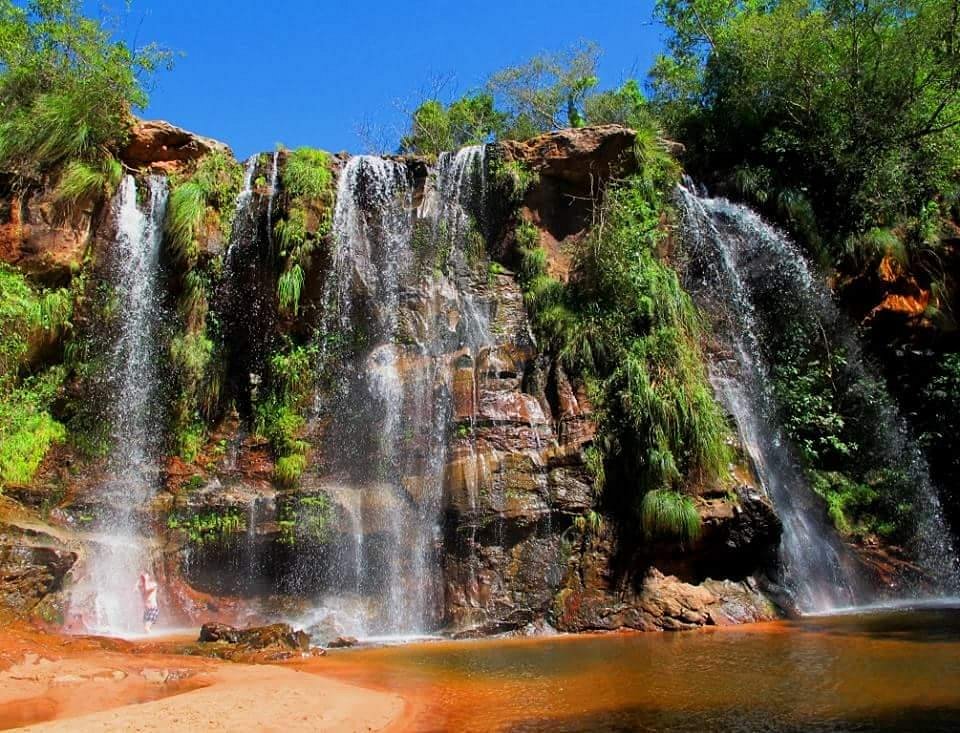
Samaipata Bolivia Things to Do: Complete Travel Guide 2025–2026 (History, Nature, Local Gems & Insider Tips)
You know that feeling when you stumble into a place that just gets you? That’s Samaipata. This little mountain town sits right where the Andes decide to kiss the Amazon jungle, and honestly, it’s one of those places you plan to stay for two days and end up camping out for a week. If you’re searching for authentic Samaipata Bolivia things to do that go beyond the typical tourist circus, you’ve landed in the right place. No crowds fighting for selfie spots. No aggressive tour hawkers. Just crisp mountain air, ancient rock carvings, waterfalls cold enough to make you yelp, and a vibe that’s equal parts backpacker chill and Bolivian authenticity. Here’s the thing: Samaipata isn’t trying to impress anyone. The town square has more dogs napping in the sun than cars. The expat community runs cute cafés where you can get decent espresso (a miracle in rural Bolivia). And when you want adventure? You’re literally surrounded by cloud forests, pre-Inca ruins, and swimming holes that feel like your own private discovery. This guide covers everything you need: how to actually get there (the shared taxi situation is real), when to visit without getting soaked, the history behind those massive rock carvings, nature trails that’ll make your Instagram followers jealous, and the kind of insider tips that only come from spending real time in a place. Whether you’ve got three days or a full week, I’ll break down exactly how to experience Samaipata the right way. How to Get to Samaipata & When to Visit Getting There: The Shared Taxi Dance Samaipata sits about 120 kilometers southwest of Santa Cruz de la Sierra, Bolivia’s biggest city. Forget buses if you value your sanity and lower back. The move here is taking a “truffi” – these shared taxis that leave when they’re full (which is very Bolivian, very unpredictable, and somehow always works out). Head to the corner of Avenida Omar Chávez and Soliz de Olguín in Santa Cruz. Look for the cluster of white vans with drivers yelling “¡Samaipata! ¡Samaipata!” You’ll pay around 30-40 Bolivianos (about $4-6 USD). The ride takes 2.5 to 3 hours depending on whether your driver thinks he’s auditioning for Fast & Furious or actually respects the curves. The scenery shifts dramatically – you start in tropical lowlands and climb into pine-covered mountains. Crack a window and smell that change in the air. Pro tip: Truffis leave throughout the morning, but the sweet spot is 8-10 AM. Go too late and you might wait around. Too early and, well, nothing in Bolivia really starts before 8 AM anyway. Best Time to Visit Samaipata The dry season runs from May through October, and that’s your golden window. Clear skies, minimal mud on the trails, and temperatures that hover around 20-25°C (68-77°F) during the day. Nights get chilly though – we’re talking 5-10°C (41-50°F). You’ll want layers. November through April brings the wet season. It’s not a total write-off – the waterfalls are more impressive and everything’s absurdly green – but hiking becomes a muddy wrestling match. If you’re coming for Amboró National Park, stick to dry season unless you enjoy slipping down trails. Samaipata weather is that tricky mountain situation where you can experience four seasons in one day. Morning frost, afternoon sun that burns through your sunscreen, evening chill that has you hunting for your fleece. Pack accordingly. What to Pack: The Real List Top Things to Do in Samaipata Visit El Fuerte de Samaipata — History & Archaeology Let’s clear something up first: El Fuerte de Samaipata isn’t actually a fortress. The Spanish called it that because they have no imagination. This massive carved rock – the largest of its kind in the world – was a ceremonial center used by the Chané people (pre-Inca) and later the Incas themselves. UNESCO recognized it as a World Heritage Site in 1998, which is fancy talk for “this place is legitimately important.” The site sits about 9 kilometers from town. You can walk it (uphill, allow 2+ hours), bike it (rent in town for 30-40 BOB/day), or catch a ride with a tour. Entry costs 50 Bolivianos for foreigners. What makes El Fuerte de Samaipata history fascinating is what you’re actually looking at. The massive rock face is carved with channels, seats, geometric shapes, and animal representations. The most famous is the “Cascabel” – a serpent design that winds across the stone. These weren’t random doodles. They were sacred ceremonial spaces, possibly connected to water rituals and astronomical observations. The experience hits different early morning. You get there around 8 AM and the place is yours. The light is softer. You can run your hands along those ancient grooves (carefully – erosion is real) and actually process what it took to carve this. No metal tools. Just stone on stone and an incredible amount of intention. From the upper platform, the view spreads across the Samaipata Valley toward the cloud forest. On clear days, you can see layers of mountains fading into blue distance. Bring water – there’s minimal shade – and give yourself at least 2 hours to explore properly. Important: Stay on marked paths. The rock is sandstone, which means it erodes easily. Tourism is slowly damaging the carvings, so be a conscious visitor. Explore Nature — Amboró National Park & Surrounding Trails Here’s where Samaipata gets wild. Amboró National Park protects one of the most biodiverse areas on the planet. We’re talking the exact meeting point of three ecosystems: Andes mountains, Amazon rainforest, and the Chaco. That means you can see spectacled bears, jaguars, over 800 bird species, and more insects than you can possibly identify. The park’s cloud forest section near Samaipata is absolutely otherworldly. Giant tree ferns create canopies overhead. Everything is draped in moss. The air smells like wet earth and growing things. If you’ve seen Jurassic Park, that’s the vibe – you half expect a dinosaur to crash through the foliage. Critical info: You cannot enter Amboró alone. It’s