Travel Blog

The Ultimate Gokarna Beach Guide 2025: Discover 7 Hidden & Must-Visit Shores

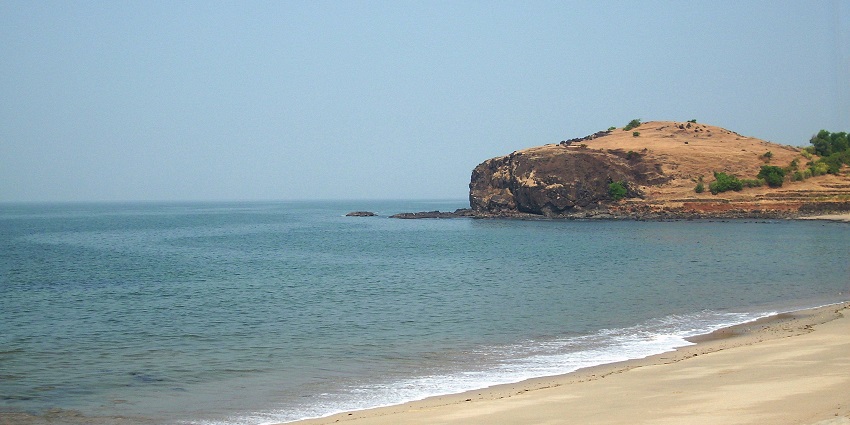
Picture this: You’re standing on golden sand, the Arabian Sea stretching endlessly before you, and the best part? No crowds pushing past you for that perfect selfie spot. While everyone flocks to Goa’s packed shores, there’s a quieter coastal paradise just a few hours south that’s been flying under the radar—Gokarna. This small temple town in Karnataka has transformed into one of India’s most loved beach destinations, especially for travelers who want that perfect mix of spirituality, adventure, and relaxation. Unlike its famous neighbor, Gokarna keeps things real, raw, and refreshingly uncommercialized. So, how many beaches in Gokarna? Here’s the exciting answer: Gokarna boasts 7 main beaches, each with its own personality and charm. From easily accessible spots perfect for families to remote coves you can only reach by trekking or boat, this coastal stretch offers something for every kind of beach lover. The real magic? Many of these beaches are connected by a stunning coastal trail that’s become legendary among backpackers. In this complete guide, you’ll discover everything about Gokarna’s beaches—which ones are perfect for swimming, where to catch dolphins at sunrise, how to tackle the famous beach trek, and insider tips that’ll make your 2025 trip absolutely unforgettable. Whether you’re a solo backpacker, a couple seeking romance, or a family wanting a peaceful getaway, Gokarna has a beach waiting for you. Ready to explore? Let’s dive in! 🏖️ At a Glance — Gokarna Beach Scorecard Beach Name Best For Accessibility Swimming Safety Facilities Gokarna Main Beach Temple visits, local culture Road access, 5-min walk from town Moderate (can be rough) Basic food stalls, public toilets Kudle Beach First-timers, cafes, social scene 20-min walk or rickshaw ride Good (safer than others) Multiple cafes, guesthouses, shops Om Beach Water sports, photography Road/auto access or 30-min trek Moderate Restaurants, resorts, water sports Half Moon Beach Peace seekers, camping 45-min trek or boat ride Good (calm bay) Basic beach huts, limited food Paradise Beach Adventure lovers, solitude 1-hour trek or boat ride Moderate Minimal (bring supplies) Belekan Beach Dolphin watching, sunrise Road access from north Moderate Very basic, few shacks Nirvana Beach Total isolation, nature Long trek or boat Variable None (completely undeveloped) 📍 Pro Tip: Download an offline map before you start exploring, as mobile signals can be spotty on remote beaches! 🚂 Getting to Gokarna & Getting Around How to Reach Gokarna By Train: The most scenic route to Gokarna is via the famous Konkan Railway. The nearest station is Gokarna Road Railway Station (about 10 km from town). Trains connect from major cities like Mumbai, Bangalore, and Mangalore. From the station, catch an auto-rickshaw or local bus to reach Gokarna town. Check train schedules on Konkan Railway’s official website. By Bus: State-run and private buses operate regularly from Bangalore (10-12 hours), Goa (4-5 hours), and Hubli (4 hours). The bus stand is right in the heart of Gokarna town, making it super convenient for budget travelers. By Air: The nearest airports are Dabolim Airport in Goa (140 km) and Hubli Airport (150 km). From either airport, hire a taxi or take a bus to Gokarna. Local Transport Options Once you’re in Gokarna, getting around is part of the adventure! Seasonal Travel Advice Best Season (October to March): Roads are clear, the weather is perfect, and all beaches are easily accessible. This is peak season for the Gokarna beach trek. Monsoon Season (June to September): Heavy rains make trekking risky, and some remote beaches become inaccessible. Boat services are often suspended. However, if you love dramatic landscapes and don’t mind getting wet, monsoon Gokarna has its own moody beauty. 🌊 Deep Dive: The 7 Main Beaches of Gokarna 1. Gokarna Main Beach: Where Spirituality Meets the Sea Gokarna Main Beach isn’t your typical sunbathing spot—it’s where pilgrims and beachgoers share the same sand. Located right next to the famous Mahabaleshwara temple, this beach serves as a ritual bathing spot for devotees. What Makes It Special: Things to Know: Best Time to Visit: Early morning (6-8 AM) to see devotees performing rituals and catch the sunrise. 2. Kudle Beach: Your Perfect Gokarna Base Camp If you’re visiting Gokarna for the first time, Kudle Beach should be your home base. This beautiful crescent-shaped stretch of sand strikes the perfect balance between accessibility and beach vibes. Why Travelers Love Kudle: Activities Here: Where to Eat: Try Namaste Cafe for their breakfast menu and sunset views, or Mantra Cafe for live music evenings. Getting There: Walk south from Gokarna town through residential areas (20 minutes) or hire an auto for ₹50-80. 3. Om Beach: The Iconic Shape That Stole Hearts Named for its natural “Om” symbol shape when viewed from the hilltop, Om Beach is Gokarna’s most photographed and developed beach. This is where you’ll find the most action and amenities. What to Expect: Stay & Play: Pro Tips: Trekking Note: Om Beach is the midpoint of the Gokarna beach trek route, making it perfect for a rest stop. 4. Half Moon Beach: Where Solitude Begins Now we’re getting into the real adventure. Half Moon Beach is where casual tourists drop off and serious beach lovers begin their journey. This secluded cove is accessible only by foot access beaches or boat, making it wonderfully peaceful. The Experience: What You’ll Find (and Won’t): Getting There: Best For: Couples seeking privacy, solo travelers wanting to disconnect, and anyone tired of crowded beaches. 5. Paradise Beach (Full Moon Beach): The Ultimate Remote Escape Paradise Beach lives up to its name, but getting here requires commitment. This is the furthest beach on the Gokarna beach trek, and it’s remained beautifully undeveloped precisely because it’s so hard to reach. The Paradise Experience: Important Reality Check: Reaching Paradise: What to Bring: Who Should Go: Experienced trekkers, minimalist campers, and travelers who truly want to disconnect from modern life. 6. Belekan Beach: The Dolphin Watcher’s Paradise Often overlooked, Belekan Beach is actually a hidden treasure, especially if you’re an early riser who loves marine life. Located north of Gokarna Main

The Ultimate Gokarna Beach Guide 2025: Discover 7 Hidden & Must-Visit Shores Read More »

Best Time to Visit Mechuka: Month-wise Guide, Weather & Hidden Gems

Picture this: a valley wrapped in snow-capped mountains, where prayer flags dance in crystal-clear air and waterfalls thunder through ancient forests. Welcome to Mechuka—a remote corner of Arunachal Pradesh that feels like stepping into another world entirely. But here’s the thing about this Himalayan paradise: timing your visit makes all the difference between an incredible adventure and a challenging ordeal. The best time to visit Mechuka depends on what you’re chasing—snow-dusted peaks, vibrant festivals, or misty monsoon magic. This guide breaks down everything you need to know about planning your Mechuka journey. We’ll walk through each season, reveal hidden spots most travelers miss, and share practical tips that’ll save you headaches (and money) along the way. Quick Facts About Mechuka Before we dive into the best time to visit Mechuka, let’s get acquainted with the basics: Detail Information Location West Siang District, Arunachal Pradesh Altitude 6,000 feet (1,829 meters) Nearest Town Aalo (Along) – 135 km away Primary Tribes Memba and Adi communities Languages Hindi, English, local dialects Climate Type Temperate to Alpine Nickname “Land of Medicinal Snow” When Is the Best Time to Visit Mechuka? (Month-by-Month Breakdown) Let’s get to the heart of the matter. Mechuka transforms dramatically with each passing season, offering completely different experiences throughout the year. Spring Season (March – April): Nature’s Awakening Spring brings Mechuka back to life after the winter freeze. The valley sheds its white blanket and bursts into color. What to Expect: Month Temperature Rainfall Key Highlights March 10°C – 18°C Low Snow melting, roads opening April 12°C – 20°C Low Mopin Festival, blooming flowers Pro Tip: April is fantastic for trekking since trails are dry but the landscape stays lush from melted snow. Summer Season (May – June): Green Paradise If you love verdant landscapes without extreme cold, summer is your season. What to Expect: Month Temperature Rainfall Key Highlights May 15°C – 23°C Moderate Lush greenery, comfortable hiking June 18°C – 25°C Increasing Pre-monsoon freshness, fewer crowds Travel Insight: This is when homestay owners are most welcoming, as tourist season kicks into full gear before the monsoon arrives. Monsoon Season (July – September): The Challenging Beauty Let’s be honest—monsoon isn’t the ideal time for most travelers. But it has its own charm if you’re up for adventure. What to Expect: Month Temperature Rainfall Key Highlights July 20°C – 24°C Very High Monsoon begins, misty views August 19°C – 23°C Very High Peak rainfall, travel restrictions September 17°C – 21°C High Monsoon retreating, roads risky Important Warning: Many tour operators won’t take bookings during July-August due to safety concerns. If you do visit, keep your schedule flexible and prepare for possible delays. Autumn Season (October – November): The Golden Window Here’s where magic happens. Most experienced travelers and photographers agree—autumn is the absolute best time to visit Mechuka. What to Expect: Month Temperature Rainfall Key Highlights October 12°C – 20°C Minimal Perfect weather, Adventure Festival November 8°C – 16°C Very Low Clear mountain views, excellent photography Why Autumn Wins: October-November offers the sweet spot between summer warmth and winter cold. Roads are accessible, visibility is outstanding, and you can explore every corner of Mechuka without weather worries. Winter Season (December – February): The Snow Wonderland If you’ve ever wondered why people call Mechuka the “Mini Switzerland” of India, visit in winter. What to Expect: Month Temperature Rainfall/Snowfall Key Highlights December 0°C – 10°C Moderate snow Early winter, snow begins January -3°C – 8°C Heavy snow Peak winter, stunning landscapes February -2°C – 10°C Moderate snow Losar Festival, warming begins Winter Reality Check: Pack serious cold-weather gear. We’re talking thermal layers, heavy jackets, and insulated boots. But the reward? Walking through a real-life snow globe. Seasonal Highlights & Festival Calendar Losar: The Tibetan New Year (February) The Memba community celebrates Losar with incredible energy. Expect three days of festivities featuring: The Samten Yongcha Monastery becomes the cultural heart during Losar. Visitors are usually welcome to observe (and sometimes participate) if they approach respectfully. Mopin Festival: Harvest Celebration (April) The Adi tribe’s Mopin Festival marks the end of the sowing season. Here’s what makes it special: Local Tip: Homestay families often invite guests to join Mopin celebrations. Don’t miss this chance for authentic cultural exchange. Adventure Festival (October) This relatively new event puts Mechuka on the adventure tourism map: The festival attracts adventure enthusiasts from across India and makes October an especially vibrant time to visit. Top Attractions & Offbeat Spots in Mechuka Must-Visit Places Siko Dido Waterfall This stunning cascade drops from a forested cliff, creating a natural amphitheater. The 10-minute walk from the village passes through pine forests and offers great bird-watching opportunities. Visit in late afternoon when sunlight hits the water spray, creating rainbows. Dorjeeling Village Despite the name, this has nothing to do with the famous tea town. Dorjeeling is a traditional Memba settlement perched on a hillside. Walking through narrow lanes lined with wooden houses gives you glimpses into daily mountain life. Friendly locals often invite travelers for butter tea. Siyom River & Hanging Bridges The turquoise Siyom River carves through Mechuka valley, and several traditional hanging bridges cross it. These cable bridges sway as you walk—thrilling but safe. The bridge near the main town offers incredible photo opportunities with mountains reflected in the water. Guru Nanak Taposthan (Gurudwara) According to local legend, Guru Nanak meditated here during his travels. The small Gurudwara sits atop a hill, requiring a 30-minute climb. The panoramic valley views from the top make the effort worthwhile. The caretaker often serves simple langar (community meal) to visitors. Hanuman Point Located on the India-China border, this military post requires special permission to visit (arranged through your ILP). The view of the valley from this vantage point is spectacular, though photography restrictions apply near sensitive areas. Samten Yongcha Monastery This 400-year-old Buddhist monastery houses beautiful murals and ancient scriptures. Monks welcome respectful visitors and sometimes explain the significance of various prayer wheels and butter lamps. Morning prayers (around 6 AM) offer an authentic spiritual

Best Time to Visit Mechuka: Month-wise Guide, Weather & Hidden Gems Read More »

Best Time to Visit Spiti Valley (2025): Seasonal Guide + Hidden Gems & Safety Tips

Imagine standing on the roof of the world, a sky full of a million stars above, and the biting cold on your cheeks telling you you’re truly alive. That’s Spiti Valley in winter. But here’s the thing—timing your visit to this remote Himalayan paradise can make the difference between an unforgettable adventure and a potentially risky situation you weren’t prepared for. Which is the best time to visit Spiti Valley? It’s not a simple answer, and that’s exactly why you’re here. The truth is, each season transforms Spiti Valley into a completely different world. Summer brings blooming meadows and accessible roads, monsoon paints the landscape emerald green while testing your courage, and winter? Well, winter turns everything into a frozen kingdom that only the bravest souls dare to explore. This guide will walk you through everything you need to know about Spiti Valley weather conditions across all four seasons. You’ll get a detailed seasonal breakdown, honest advice on the two main routes, hidden gems that most tourists miss, and crucial safety tips that could literally save your trip in 2025. Whether you’re planning your first Spiti expedition or you’re a seasoned road-tripper looking for the perfect month, we’ve got you covered. At a Glance: Best Months to Visit Spiti Valley Let me break down the best month to visit Spiti with a quick comparison that’ll help you decide at a glance: Season Months Avg. Temp (Day/Night) Accessibility Key Highlights Pros Cons Summer Mar-Jun 15°C to 25°C / -5°C to 5°C Both routes (Manali opens mid-May) Blooming valleys, all attractions open, trekking, bike trips Pleasant weather, clear roads, all monasteries accessible Tourist rush in June, water crossings in early season Monsoon/Transition Jul-Sep 10°C to 20°C / 0°C to 8°C Both routes open but risky Lush green landscapes, autumn colors (Sept), fewer crowds Dramatic scenery, solitude, lower prices Landslides, dangerous water crossings, road closures Winter Oct-Feb -5°C to 10°C / -20°C to -5°C Shimla route only Frozen lakes, snow leopard tracking, extreme isolation Unique experience, pristine snow, authentic culture Extreme cold, limited accommodations, many sites closed Visual Guide to Planning: Seasonal Deep Dive A. Summer (March to June): The Valley in Bloom Summer is which is the best time to visit Spiti Valley for most travelers, and for good reason. As March rolls in, Spiti slowly shakes off its winter slumber. The transformation is magical—what was a frozen, monochromatic landscape starts showing hints of brown, then green, then bursts into unexpected colors by late spring. March to April: The Awakening The Spiti weather conditions during early spring are unpredictable. Days can be surprisingly warm with temperatures reaching 15°C, but nights still drop well below freezing. The Shimla route typically opens first, usually by late March, making it the only way in during this period. Roads to Spiti Valley from Manali remain blocked due to heavy snow at Rohtang and Kunzum passes. This is a photographer’s dream time. You’ll catch the valley in transition—patches of snow against emerging greens, crystal-clear skies, and that otherworldly quality of light that makes everything look surreal. The best part? You’ll have places to visit in Spiti Valley almost entirely to yourself. May to June: Peak Season Perfection By mid-May, the Manali to Spiti route opens up (weather permitting), and this is when Spiti truly comes alive. Spiti in summer means temperatures ranging from 20°C to 25°C during the day—absolutely perfect for a Spiti bike trip or road trip. Nights are cool but manageable at around 5°C. What Makes This Time Special: All the high altitude villages in Spiti are accessible. You can visit Komic (one of the world’s highest motorable villages), Langza with its Buddha statue overlooking the valley, Hikkim (home to the world’s highest post office), and Kibber without any restrictions. The roads to Spiti Valley are at their best condition. Water crossings from melting snow do exist, especially in late May and early June, but they’re manageable with careful driving. Both routes—Shimla to Spiti route and Manali to Spiti route—are fully operational, giving you flexibility in planning your loop. Adventure activities peak during this time. Trekking routes open up, camping under the stars becomes comfortable, and you can finally reach Chandratal Lake (typically accessible from mid-June). The monasteries in Spiti are fully functional, and you might even catch some local festivals. The Reality Check: June brings crowds. If you’re visiting during the first two weeks of June, expect to share popular spots like Key Monastery and Chandratal with other travelers. Accommodations in Spiti fill up fast, so book your homestays well in advance. Water crossings can be nerve-wracking. The melting snow creates streams across the road, and some of them require careful navigation or waiting for water levels to drop. B. Monsoon / Transition Season (July to September): Emerald Greens & Autumn Golds Here’s where things get interesting. Spiti in monsoon is controversial—some travelers swear by it, while others consider it reckless. The truth lies somewhere in between. July to August: The Green Gamble Unlike most Himalayan regions, Spiti lies in the rain shadow, so it doesn’t get pummeled by monsoon rains. But here’s the catch—the routes to Spiti Valley pass through areas that do get heavy rainfall. The Manali side, especially around Rohtang Pass and Gramphu, faces significant monsoon impact with landslides and road closures becoming common. The Spiti weather during these months is unpredictable. You might get sunny days with temperatures around 15-20°C, but sudden cloud cover and rain can drop temperatures quickly. What makes this season unique is the landscape—the usually barren Spiti Valley transforms into an emerald paradise. The contrast is stunning, and you’ll see a side of Spiti that summer visitors completely miss. Who Should Consider This Season: Experienced travelers who’ve done difficult mountain journeys before. If landslides don’t faze you, if you’re comfortable camping in your vehicle for a day due to road blockages, and if you’re seeking genuine solitude, this might be your time. Safety Reality: The Shimla route is relatively safer during monsoon compared to the

Best Time to Visit Spiti Valley (2025): Seasonal Guide + Hidden Gems & Safety Tips Read More »

What to See in Athens: 12 Iconic + Hidden Spots First-Timers Shouldn’t Miss

Picture this: You’re standing on a sun-warmed marble terrace as golden hour paints the Parthenon in shades of amber and rose. Below you, the city hums with life—scooters weaving through narrow streets, the distant clatter of taverna plates, and somewhere, a street musician’s bouzouki melody drifting on the evening breeze. This is Athens, where 3,000 years of history doesn’t just sit behind museum glass—it lives and breathes in every corner. If you’re wondering what to see in Athens on your first visit, you’re in the right place. This ancient city can feel overwhelming with its mix of world-famous ruins, vibrant neighborhoods, and countless “must-see” lists. But here’s the truth: the best Athens experience combines those iconic bucket-list moments with quieter discoveries that most tourists rush past. This guide gives you exactly that—a curated collection of 12 spots (7 iconic landmarks you absolutely can’t skip, plus 5 genuine local finds) along with practical tips to beat the crowds, navigate like a pro, and experience Athens the way it deserves to be experienced: with wonder, curiosity, and comfortable shoes. Quick Athens Planning Guide Before we dive into what to see in Athens, here’s a snapshot to help you plan: Planning Element Key Information Ideal Visit Length 2-3 days minimum (4-5 days ideal with day trips) Best Time to Visit April-May or September-October (fewer crowds, perfect weather) Crowd-Beating Strategy Visit major sites at 8 AM opening or 2 hours before closing Getting Around Metro system (efficient), walking (best for neighborhoods) Money-Saving Tip Buy the €30 multi-site archaeological pass (valid 5 days) Essential Download Google Maps with offline Athens map Dress Code Modest clothing for religious sites; comfortable walking shoes mandatory How to Read This Guide I’ve organized Athens sightseeing into clear categories—landmarks, neighborhoods, hidden spots, and day trips—so you can mix and match based on your interests. Whether you’re a history fanatic who could spend all day wandering Athens historical ruins or someone who craves authentic neighborhood vibes, you’ll find your perfect Athens here. Later in this guide, I’ll share sample itineraries for 2 and 3-day visits, but here’s your golden rule right now: Major archaeological sites are least crowded during the first hour after opening (8 AM) or the final two hours before closing. Summer afternoons bring suffocating heat and tour bus crowds—avoid them. The Iconic 7: Athens Must-See Landmarks 1. The Acropolis & Parthenon Why you can’t miss it: This isn’t just Greece’s most famous landmark—it’s the architectural achievement that defined Western civilization’s idea of beauty and democracy. Standing before the Parthenon’s Doric columns, you’re looking at a 2,500-year-old building that once housed a 40-foot gold-and-ivory statue of Athena. Insider tip: Arrive at 8 AM sharp when gates open. You’ll have 45 minutes of relative solitude before the crowds arrive, and morning light makes the Pentelic marble glow softly. Don’t just photograph the Parthenon from the front—walk around to the north side for views framing it against modern Athens below. The Erechtheion’s Caryatid Porch (those famous maiden columns) photographs beautifully from the eastern approach. Practical details: Tickets are €20 in high season (April-October), €10 in winter. The multi-site pass covering 7 archaeological sites costs €30 and is valid for 5 days—get it if you’re visiting multiple ruins. Book online at theacropolismuseum.gr to skip ticket lines. 2. Acropolis Museum Why you can’t miss it: This stunning modern building houses treasures removed from the Acropolis for preservation, including the original Caryatids and the entire surviving Parthenon frieze. The top floor is designed as an exact replica of the Parthenon’s dimensions, with glass floors revealing ancient ruins excavated beneath the museum. Insider tip: Visit the museum after you’ve been to the Acropolis hill—the context makes everything resonate deeper. The rooftop café offers Acropolis views; grab a Greek coffee there while you process everything you’ve seen. Friday evenings (April-October), the museum stays open until 10 PM with reduced crowds. Practical details: €15 entry (€10 in winter); free on certain national holidays. The museum café serves surprisingly good food at reasonable prices for such a tourist location. 3. Ancient Agora & Roman Agora Why you can’t miss it: While tourists mob the Acropolis, the Ancient Agora below often feels refreshingly empty despite being equally important historically. This was Athens’ commercial, political, and social heart for a thousand years—where Socrates debated, merchants hawked their goods, and democracy was born. Insider tip: The Temple of Hephaestus here is the best-preserved ancient Greek temple in existence, yet most visitors barely give it a glance while rushing between sites. Spend time there. The Stoa of Attalos (fully reconstructed) now houses an excellent museum with everyday objects—toys, kitchen items, voting tokens—that make ancient Athens feel human-scale. Practical details: Included in the multi-site pass. The Roman Agora (Tower of the Winds) is nearby but separate; also included in the pass. 4. Temple of Olympian Zeus & Hadrian’s Arch Why you can’t miss it: Size matters here. This temple was the largest in ancient Greece, with columns standing 56 feet tall. Only 15 of the original 104 columns remain, but they’re enough to make you feel tiny and humbled. Insider tip: The site is surrounded by a fence, and honestly? The best views are from outside the gate, where you can photograph the columns framed by the Acropolis behind them. If you’re tight on time or budget, appreciate it from the perimeter and save your €8 entry fee for elsewhere. Hadrian’s Arch stands right beside it and is free to admire. Practical details: Included in multi-site pass; otherwise €8. Takes only 30 minutes to explore fully. 5. Panathenaic Stadium Why you can’t miss it: This is where the first modern Olympics took place in 1896, and it’s the only stadium in the world built entirely of marble. Walking through the entrance tunnel and emerging onto that gleaming white track triggers something primal—you’ll want to run it. Insider tip: Go ahead and run the track (before 2 PM when heat makes it uncomfortable). Climb to the top rows for panoramic views of Athens

What to See in Athens: 12 Iconic + Hidden Spots First-Timers Shouldn’t Miss Read More »

Why Is Unakoti Famous? 7 Mystical Rock Sculptures & Legends You Must Know

I’ll never forget the moment I stepped through the dense Tripura forest and saw it—a colossal stone face of Lord Shiva, nearly 30 feet tall, staring back at me through centuries of silence. The morning mist clung to the ancient rock, and I stood there, camera in hand, completely speechless. This wasn’t just another temple. This was Unakoti, and it felt like I’d stumbled upon a secret the mountains had been keeping for over a thousand years. So, why is Unakoti famous? The answer lies in its breathtaking collection of ancient rock-cut sculptures—nearly ten million (or “one less than a crore,” as the legend says)—carved directly into the hillside. This mystical site in northeastern India has captivated pilgrims, archaeologists, and travelers alike with its massive Shiva carvings, intriguing legends of divine curses, and deep spiritual significance as a Shaivite pilgrimage destination. Recently gaining global attention through its inclusion in the UNESCO World Heritage Tentative List, Unakoti is finally getting the recognition it deserves. In this guide, I’ll walk you through the seven mystical sculptures and legends that make Unakoti extraordinary, share practical tips for planning your visit, and show you how to experience this incredible heritage site responsibly. Whether you’re a history buff, a spiritual seeker, or simply someone who loves discovering India’s lesser-known treasures, Unakoti will leave you amazed. Detail Information Location Unakoti District, Tripura, Near Kailashahar Distance from Agartala ~178 km (4-5 hours by road) Famous For Ancient rock-cut sculptures, Shaivite pilgrimage site Main Attraction 30-foot Shiva head (Unakotiswara Kal Bhairava) Estimated Age 7th-9th century CE UNESCO Status Included in Tentative List for World Heritage Site Best Time to Visit October to March Entry Fee Nominal (₹10-20 for Indians) Time Required 2-3 hours Annual Festival Ashokastami Mela (April) What is the Real Story and Location of Unakoti? Let me paint you a picture. Unakoti sits nestled in the Unakoti district of Tripura, about 178 kilometers from the state capital, Agartala. The site is located near the town of Kailashahar, surrounded by lush, forested hills that seem to whisper ancient secrets with every breeze. The name “Unakoti” literally translates to “one less than a crore” (9,999,999) in Bengali. In the local Kokborok language spoken by Tripura’s indigenous communities, it’s called “Subrai Khung,” which carries similar mystical connotations. When you first arrive, you’ll understand why this name feels so fitting—the sheer number of carvings scattered across the hillside is overwhelming. As I walked the forest trails leading to the main sculptures, I was struck by the atmosphere. The sound of a nearby waterfall echoed through the trees, birds called from the canopy above, and everywhere you looked, ancient stone faces emerged from the rock. It genuinely feels like stepping back in time, to an era when devotion was expressed through monumental art and unwavering faith. The site isn’t just about the sculptures themselves—it’s about the experience of discovery. Unlike crowded tourist destinations, Unakoti retains an air of mystery and tranquility. You’ll find yourself wondering: Who carved these massive figures? How did they accomplish such precision with ancient tools? And most importantly, what stories were they trying to tell? What Are the Sculptures and Legends That Make Unakoti Famous? This is where Unakoti truly comes alive. The site isn’t just famous—it’s legendary. Let me take you through the seven incredible elements that answer the question: why is Unakoti famous? 1. The Awe-Inspiring Ancient Rock-Cut Sculptures The centerpiece of Unakoti is undoubtedly the magnificent Unakotiswara Kal Bhairava—a colossal Shiva head that measures approximately 30 feet in height, complete with a 10-foot ornate headdress. When I first stood before it, I had to crane my neck to take in the full scale. The level of detail is extraordinary: the serene expression on Shiva’s face, the intricate jewelry carved into the stone, the flowing locks that seem to merge with the hillside itself. But this isn’t the only masterpiece here. As you explore the site, you’ll encounter: The artistic technique used here is called bas-relief carving, where figures are sculpted to stand out from a flat background. Based on the style and regional historical records, archaeologists estimate these carvings date back to the 7th-9th centuries CE, though some experts suggest they could be even older. What amazed me most was the precision. Remember, these artists didn’t have modern tools—yet they created sculptures that have survived monsoons, earthquakes, and centuries of vegetation growth. 2. The Captivating Legend of Shiva’s Curse Every great heritage site has a story, but Unakoti’s legend is particularly enchanting. According to local mythology, Lord Shiva was traveling to Kashi (Varanasi) with one crore (ten million) gods and goddesses. They decided to rest for the night at this very spot in the Tripura hills. Before sleeping, Shiva instructed everyone to wake up before dawn so they could continue their pilgrimage. However, when morning came, only Shiva awoke on time. Frustrated by the laziness and disrespect of his divine companions, Shiva cursed them all to turn into stone sculptures, frozen at the very spot where they had overslept. The result? 99,99,999 stone carvings—one less than a crore. Only Shiva himself continued to Kashi, leaving behind this incredible testament to divine discipline. There’s also an alternate folklore that locals love to share. It tells of Kallu Kumhar, a devoted potter and sculptor who worshipped Lord Shiva with complete dedication. He carved these magnificent sculptures as an offering to his beloved deity, pouring his heart and soul into every chisel mark. Whether you believe in the divine curse or the devoted artist, these legends add layers of meaning to every sculpture you encounter. I found myself looking at each carving differently, wondering about the story behind it. 3. Its Deep Significance as a Pilgrimage Site (Tirtha) While tourists like us come for the art and mystery, for millions of devotees, Unakoti is first and foremost a sacred Shaivite pilgrimage site—a place dedicated to the worship of Lord Shiva. The spiritual energy here is palpable. When I visited, I saw pilgrims offering flowers and prayers

Why Is Unakoti Famous? 7 Mystical Rock Sculptures & Legends You Must Know Read More »

15 Unmissable Things to Do in Tartu, Estonia

Tartu, Estonia’s vibrant second city and the 2024 European Capital of Culture, is brimming with incredible things to do. Whether you have one day or a long weekend, you’ll want to focus on its historic Old Town, creative neighbourhoods, and world-class museums. The absolute best things to do in Tartu include exploring the historic Toome Hill with its magnificent Cathedral Ruins, visiting the excellent Estonian National Museum, wandering through the charming wooden house districts of Supilinn and Karlova, and soaking up the atmosphere at the central Raekoja Plats (Town Hall Square). But knowing what to do is only the first step. To make the most of your trip, you’ll need the details: how to group these sights into a perfect itinerary, where to find the best local food, and how to get around the city like a pro. Read on for my complete guide, including a 2-day itinerary and practical travel tips to help you plan your perfect adventure in this Baltic gem. Feature Detail Country Estonia Population ~ 97,759 (2024) Location 186 km SE of Tallinn River Emajõgi River runs through the city Famous For University of Tartu (founded 1632) Cultural Role Known as Estonia’s “cultural heart & student city” 2024 Highlight One of European Capitals of Culture 2024 Introduction: Why Tartu Should Be on Your Baltic Itinerary While medieval Tallinn often steals the spotlight, Estonia’s true intellectual and cultural heart beats in its second city: Tartu. Tucked away in the country’s southeastern corner on the banks of the Emajõgi river, Tartu is home to the nation’s oldest and largest university, infusing the city with a youthful, vibrant energy. It’s a captivating place where grand 19th-century neoclassical buildings stand alongside charming traditional wooden homes, creating a cityscape distinctly different from Tallinn. As the European Capital of Culture in 2024, there has never been a more compelling time to visit. Tartu offers a rich tapestry of excellent museums, art galleries, and a year-round calendar of festivals and concerts. It’s a city that promises a deep and authentic Estonian experience, away from the largest tourist crowds. Why You’ll Love Tartu Best time to visit: Period Why It’s Good Things to Watch Out / Notes Late June to mid-August Warmest weather, long daylight, ideal for outdoor activities. Peak tourist season, prices higher, occasional rain showers. May & September Mild weather, fewer crowds, good balance. Cooler nights, more chance of rain. Winter (Dec – Feb) Quiet, snowy landscapes, cozy indoor experiences Very cold, short daylight, many outdoor sites may be closed Getting Your Bearings: A Quick Guide to Tartu’s Neighborhoods Tartu is a wonderfully compact city, with most sights within easy walking distance. To help you get oriented, here are the main areas you’ll be exploring: Top 10 Things to See and Do in Tartu’s Old Town Your adventure begins in the beautifully preserved historic centre. 1. Start at Raekoja Plats (Town Hall Square) This central square is the perfect place to start your exploration. Historically a major trading area, it is now framed by beautiful 18th and 19th-century buildings constructed after the Great Fire of 1775. The square hosts events year-round, from summer festivals to a charming Christmas market and ice rink in winter. 2. Marvel at the Tartu Town Hall Dominating the square is the colourful, neoclassical Town Hall. In front of it stands one of Tartu’s most iconic symbols: the statue of the kissing students, a nod to the city’s academic soul. 3. Admire the Leaning House of Tartu Just off the square, you’ll find an architectural oddity. The Leaning House of Tartu tilts noticeably because it was built on unstable ground—one side rests on the old city wall’s foundations, while the other was built on logs that sank over time. 4. Climb Toome Hill for History and Views A short walk from the square leads to Toome Hill, a historic stronghold since the 7th century. Emperor Paul I gifted the hill to Tartu University in the 19th century, and it was transformed into a park with academic buildings. Today, it’s a peaceful green space offering fantastic views. 5. Explore the Tartu Cathedral Ruins On Toome Hill stand the impressive ruins of Tartu Cathedral. Once one of the largest churches in Eastern Europe, this 13th-century Gothic masterpiece was destroyed during the Livonian War. Its towering remains are a powerful sight. 6. Dive into History at the University of Tartu Museum Housed within a restored section of the cathedral ruins, this excellent and interactive museum is a must-visit. It chronicles the history of the university since the 17th century, which is intrinsically linked to the history of Tartu itself. 7. Gaze at the Stars at the Tartu Old Observatory Also located on Toome Hill, the Old Observatory was an active astronomical facility until 1964 and now serves as a fascinating museum dedicated to the history of science. 8. Stroll Along the Emajõgi Riverfront The banks of the Emajõgi river offer a lovely place for a walk, with green park areas on both sides and plenty of outdoor cafes to enjoy during the summer months. 9. Taste Local Life at the Tartu Market Hall Housed in its original 1938 Soviet building, the recently renovated market hall is the perfect place to find local products. Sample smoked fish from the river, browse homemade pickles, or pick up some delicious Estonian honey. 10. Confront the Past at the KGB Cell Museum Like in Tallinn, Tartu’s former KGB headquarters now houses a museum in its cellars. This informative and sobering exhibit covers Estonia’s difficult 20th-century history, including the Nazi and Soviet occupations, deportations, and the local resistance movement. Beyond the Centre: Exploring Tartu’s Creative Soul To truly understand Tartu, you need to wander beyond the Old Town. 11. Get Lost in Supilinn (Soup Town) One of Tartu’s most unique features is its abundance of traditional wooden homes, and Supilinn is the best place to see them. This 18th-century neighbourhood earned its name from its streets, which are named after soup ingredients like peas, beans,

15 Unmissable Things to Do in Tartu, Estonia Read More »

What to Do in Tromsø: The Ultimate Guide to Tours, Fjords & Northern Lights

Picture this: you’re standing on a frozen fjord, the temperature hovering around minus 10°C, when suddenly the sky erupts in waves of emerald green. The Northern Lights dance overhead while snow-capped mountains frame the Arctic horizon. Welcome to Tromsø, where nature puts on the greatest show on Earth. This guide covers everything you need to know about what to do in Tromsø, from chasing the aurora borealis to exploring pristine fjords, meeting reindeer herders, and experiencing the magic of the Midnight Sun. Whether you’re planning a winter escape or a summer adventure, Tromsø delivers experiences you’ll talk about for years. Quick Reference: Tromsø at a Glance Category Details Best Time for Northern Lights September to March (peak: December-February) Best Time for Midnight Sun Late May to Late July Currency Norwegian Krone (NOK) Average Daily Budget ₹8,000-₹15,000 (budget to mid-range) Getting There Tromsø Airport (TOS), 5 km from city center Population ~77,000 (largest city in Arctic Norway) Winter Temperature -4°C to -10°C Summer Temperature 10°C to 15°C Tromsø at a Glance Tromsø sits 350 kilometers north of the Arctic Circle on the island of Tromsøya, connected to the mainland by elegant bridges. This Arctic capital punches well above its weight, combining urban sophistication with raw wilderness access. The city’s location at 69°N latitude puts it squarely in the Northern Lights zone and gives it the fascinating phenomena of Polar Night (late November to mid-January, when the sun doesn’t rise) and Midnight Sun (late May to late July, when it never sets). The Gulf Stream keeps Tromsø’s climate surprisingly mild for its latitude. Winter temperatures hover between -4°C and -10°C, while summers reach a comfortable 10-15°C. The city serves as the perfect base for Arctic adventures, with stunning landscapes accessible within minutes of downtown. When to Visit Tromsø (Best Time by Activity) Winter (December-February): Aurora Prime Time Pros: Cons: Budget Tip: Visit in late January or February for slightly better deals while maintaining excellent aurora chances. Spring (March-April): Sweet Spot Season Pros: Cons: Summer (May-August): Land of the Midnight Sun Pros: Cons: Best Choice: Late May or late August for fewer crowds and lower costs. Autumn (September-November): Shoulder Season Magic Pros: Cons: Top Things to Do in Tromsø 3.1 In and Around the City Fjellheisen Cable Car Take the 4-minute ride up Mount Storsteinen (421 meters) for jaw-dropping panoramas of Tromsø, surrounding islands, and distant mountains. The cable car operates year-round, and the view changes dramatically with the seasons. Sunset rides in winter are spectacular, and if you’re lucky, you might spot the aurora dancing from the viewing platform. There’s a restaurant at the top if you want to enjoy the view over a warm meal. Pro tip: Visit during blue hour (just after sunset) when the city lights twinkle against the dusky Arctic sky. Arctic Cathedral (Ishavskatedralen) This striking modern church, with its distinctive triangular architecture, is Tromsø’s most photographed landmark. The interior features a stunning stained-glass window covering the entire east wall. The church hosts midnight sun concerts in summer and often serves as a dramatic backdrop for aurora photos in winter. Polaria This Arctic aquarium and experience center offers insight into Arctic marine life, including bearded seals that steal the show during feeding times. The panoramic cinema screens films about Svalbard and Arctic nature. It’s an excellent rainy-day option or a educational stop for families. The Polar Museum Housed in an old customs warehouse on the waterfront, this museum chronicles Arctic hunting, trapping, and polar expeditions. Learn about Roald Amundsen’s explorations and the history of Arctic Norway. The exhibits bring to life the harsh realities and incredible courage of polar pioneers. Telegrafbukta Beach and Lake Prestvannet Yes, there’s a beach in the Arctic! Telegrafbukta offers golden sand and surprisingly clear water (though swimming is for the brave). In summer, locals gather here for barbecues during the Midnight Sun. Lake Prestvannet, a 10-minute walk from the city center, is perfect for easy nature walks year-round and freezes over in winter for ice skating. 3.2 Northern Lights: How, Where & Tips Seeing the aurora borealis is likely the biggest reason what to do in Tromsø appears in your search history. Here’s everything you need to maximize your chances. Best Viewing Spots Around Tromsø: Understanding Aurora Forecasts: Download the Norwegian Meteorological Institute’s aurora forecast app or check websites like Visit Tromsø for predictions. The KP index (0-9) indicates aurora strength—anything above KP 3 is promising. However, clear skies matter more than a high KP index. A KP 2 night with zero clouds beats a KP 5 night with overcast conditions. Night Photography Settings: Essential Gear: Tripod, extra batteries (they drain fast in cold), headlamp with red light, wide-angle lens (14-24mm ideal). Guided Tours vs. DIY Aurora Chase Guided Tours: DIY Chase: Backup Plan: If clouds roll in, consider visiting Polaria, enjoying Tromsø’s pub scene, or planning an indoor activity. The aurora is nature’s show—she performs when she wants. 3.3 Island & Fjord Escapes Kvaløya: The Whale Island Just across the bridge from Tromsø, Kvaløya (pronounced “Kval-uh-ya”) is Norway’s fifth-largest island and a wonderland of dramatic scenery. Sommarøy: This picture-perfect fishing village features white sand beaches (yes, really!), turquoise waters, and colorful houses. In summer, it’s ethereal under the Midnight Sun. The drive there is spectacular, winding along the coast with mountains rising from the sea. Grotfjord: Besides being an aurora hotspot, this area offers incredible fjord views and hiking opportunities. The replacement viewpoint provides sweeping panoramas. Tromvik: A hidden gem at Kvaløya’s northern tip with a gorgeous beach, abandoned military installations, and prime aurora viewing. The 40-minute drive from Tromsø is worth every second. Fjord Cruises Silent fjord cruises offer a different perspective on Tromsø’s landscape. Winter cruises focus on wildlife (sea eagles are common) and sometimes the Northern Lights, while summer cruises bask in endless daylight and showcase green mountainsides tumbling into deep blue water. Expect to pay ₹4,000-₹8,000 for a 3-4 hour cruise. Many include snacks or meals. The contrast between summer and winter cruises is stark—summer shows nature

What to Do in Tromsø: The Ultimate Guide to Tours, Fjords & Northern Lights Read More »

What to Do in Córdoba, Spain: The Ultimate Guide

When most people think of Andalusia, they picture Seville’s flamenco passion or Granada’s majestic Alhambra. But tucked between these two stars lies Córdoba—a city that honestly stole my heart in ways I didn’t expect. Walking through its narrow whitewashed streets felt like stepping into a living museum where Islamic, Jewish, and Christian histories blend seamlessly. I’m writing this guide because Córdoba deserves more than a rushed day trip. It deserves your full attention. What to do in Córdoba Spain goes far beyond checking off a famous mosque-cathedral from your list. This city rewards curious wanderers who peek into hidden alleyways, linger over cold bowls of salmorejo, and lose themselves in the scent of jasmine drifting from ancient patios. Over my three days here, I discovered why locals call this place special—and I’m excited to share everything with you. Quick tip from my experience: Visit Córdoba in spring (especially May during the Patio Festival) or autumn when temperatures are comfortable for walking. The summer heat can be brutal—I’m talking 40°C+ days. Plan to stay at least 2-3 days to truly soak in the atmosphere without rushing. Quick Reference Table Essential Info Details Best Time to Visit May (Patio Festival), April, October, November Ideal Duration 2-3 days (minimum 1 full day) Getting Around Walking (most attractions within 1-2 km) Must-Try Food Salmorejo, ajoblanco, berenjenas con miel Top Attraction Mezquita-Cathedral de Córdoba Day Trip Options Seville (45 min), Granada (2.5 hrs), Málaga (1 hr) Currency Euro (€) Language Spanish (English spoken in tourist areas) Wondering What to Do in Córdoba? These are Must-See Icons of Córdoba 1. Mezquita-Cathedral de Córdoba: Where Two Faiths Become One The first time I walked into the Mezquita, I literally stopped in my tracks. Imagine 856 columns creating a forest of red-and-white striped arches that seem to stretch infinitely in every direction. This is the crown jewel of Córdoba Spain attractions, and it’s unlike anything else in Europe. Here’s what makes it extraordinary: in the 8th century, this was one of the world’s largest mosques, built during the Islamic rule of Al-Andalus. The Moorish architecture is breathtaking—intricate geometric patterns, horseshoe arches, and a mihrab (prayer niche) covered in gold mosaics that shimmer even in dim light. Then, after the Christian reconquest in the 13th century, they built a Renaissance cathedral right in the middle of the mosque. Controversial? Absolutely. Visually stunning? Undeniably. My insider tips: Accessibility note: The main prayer hall is wheelchair accessible via ramps, but the bell tower climb involves narrow spiral stairs. 2. Roman Bridge & Torre de Calahorra: Sunset Magic After visiting the Mezquita, I walked straight to the Puente Romano (Roman Bridge) for sunset, and wow—it’s the perfect way to end your afternoon. This 16-arch bridge dates back to the 1st century BC, though it’s been restored many times over 2,000 years. The walk across offers postcard views of the Mezquita reflecting in the Guadalquivir River, with the old city walls forming a golden backdrop. At the far end stands the Torre de Calahorra, a defensive tower that now houses a small museum about the city’s multicultural history. My recommendations: 3. Alcázar de los Reyes Cristianos + Gardens: An Evening Oasis The Alcázar (fortress-palace) was home to Christian monarchs, including Ferdinand and Isabella who met Christopher Columbus here. But honestly? I came for the gardens, and they exceeded all expectations. Geometric hedges, fountains, pools, and orange trees create a serene escape from the bustling old town. I spent over an hour just sitting by the water features, watching goldfish swim and feeling the cool breeze. Don’t miss: Local tip: Tuesdays after 2:00 PM are free for EU citizens. Even if you’re not eligible, it’ll be more crowded then. 4. Palacio de Viana & Its Patios: A Journey Through 12 Gardens Córdoba is famous for its Andalusian patios—interior courtyards filled with flowers, tiles, and fountains. The Palacio de Viana takes this concept to another level with 12 distinct patios, each with its own personality. I found myself fascinated by how each patio represented different eras and styles. Some are minimalist with just white walls and geraniums. Others explode with color—hundreds of flower pots climbing the walls, ceramic tiles telling stories, and water features creating soothing sounds. The palace interior showcases aristocratic life with period furniture, art, and a fascinating leather collection (Córdoba was historically famous for leatherwork). Practical info: Historic Quarters & Hidden Streets 5. Jewish Quarter (La Judería): Getting Lost is the Goal The Jewish Quarter is where Córdoba’s magic really happens. These narrow, whitewashed streets twist and turn unpredictably, with flower pots cascading from balconies and sudden glimpses of ornate doorways. I gave up trying to follow my map and just wandered—which turned out to be the best decision. The Jewish heritage Córdoba is significant. This was one of Spain’s most important Jewish communities in medieval times, producing philosophers like Maimonides (you’ll see his statue in the square). The Synagogue, built in 1315, is one of only three medieval synagogues remaining in Spain. It’s small but beautifully preserved with Mudéjar plasterwork and Hebrew inscriptions. My suggested walking route: Shopping note: This area has many souvenir shops selling leather goods, ceramics, and jewelry. Quality varies—look for shops that clearly make items locally. 6. Puerta Almodóvar & City Walls: Gateway to the Past The Puerta Almodóvar is the most impressive of the old city gates, with its crenellated towers flanking a horseshoe arch. It marks the entrance to the historic bridges Spain area and the Jewish Quarter. The preserved sections of the city walls near here make you realize just how fortified Córdoba once was. I recommend walking along Ronda de Marrubial for views of the walls from outside. Photo tip: Come early morning (8:00-9:00 AM) for photos without crowds, or at blue hour for dramatic lighting. 7. Calleja de las Flores & Calleja del Salmorejo: Instagram Meets Tradition Calleja de las Flores (Flower Alley) might be Córdoba’s most photographed spot. This tiny lane is just a few meters long, with potted geraniums

What to Do in Córdoba, Spain: The Ultimate Guide Read More »

What to See in Reggio Calabria: Top Sights, Hidden Gems & Local Flavor

Picture yourself standing on Italy’s southern tip, watching the sun paint Mount Etna in golden hues across the Strait of Messina. The air carries the sweet scent of bergamot orchards while ancient Greek whispers echo through cobblestone streets. This is Reggio Calabria – a destination that perfectly blends Mediterranean charm with thousands of years of history. What to see in Reggio Calabria goes far beyond typical tourist attractions. This captivating city offers everything from world-famous ancient bronzes to pristine beaches, from aromatic local cuisine to breathtaking coastal drives. Whether you’re drawn by the legendary Riace Bronzes, the stunning views of Sicily, or the authentic Calabrian culture, this comprehensive guide will help you discover the very best of Italy’s hidden southern gem. This guide covers everything you need to know – from must-see attractions and secret local spots to practical travel tips and authentic dining experiences. Get ready to explore a destination that will surprise and delight you at every turn. Quick Facts About Reggio Calabria Feature Details Country Italy Region Calabria Best Time to Visit April-June, September-October Currency Euro (€) Languages Italian, Calabrian dialect Getting There Reggio Calabria Airport (REG), train, ferry from Sicily Quick Practical Info (Before You Explore) How to Reach Reggio Calabria Getting to this southern Italian paradise is easier than you might think. From India, you’ll typically connect through major European hubs like Rome, Milan, or Frankfurt. Reggio Calabria Airport (REG) receives domestic flights from Rome and Milan, making it convenient for international travelers. The train journey from Rome takes about 5 hours on high-speed trains, offering stunning coastal views as you approach the city. Check schedules and book tickets through Trenitalia. If you’re already in Sicily, the ferry crossing from Messina takes just 20 minutes with Caronte & Tourist and provides spectacular views of both coastlines. For road trip enthusiasts, driving along the Autostrada A3 offers breathtaking mountain and coastal scenery. However, be prepared for winding roads as you approach the city. Best Times to Visit The ideal time to explore Reggio Calabria attractions is during late spring (April-June) and early autumn (September-October). During these months, temperatures range from 20-28°C, perfect for walking tours and beach visits. Summer brings intense heat and crowds, though it’s the best time for swimming and water activities. Winter remains mild by northern standards but some attractions may have reduced hours. Suggested Lengths of Stay One day allows you to see the main highlights including the Archaeological Museum and a stroll along the waterfront. Two days lets you explore nearby Scilla and enjoy a more relaxed pace. Three or four days provide time for day trips to Aspromonte National Park and deeper cultural immersion. Where to Stay The historic center puts you within walking distance of major attractions, while seafront accommodations offer stunning views of Sicily. The area around Corso Garibaldi provides the best mix of dining, shopping, and cultural sites. Getting Around Reggio Calabria’s compact historic center is perfect for exploring on foot. Local buses connect different neighborhoods, while taxis and ride-sharing services are readily available. Renting a car opens up opportunities for coastal drives and mountain excursions. Deep Dive: Top Things to See & Do in Reggio Calabria Historic & Cultural Core National Archaeological Museum & the Riace Bronzes The crown jewel of any Reggio Calabria travel guide is the National Archaeological Museum, home to the world-famous Riace Bronzes. These 5th century BC Greek statues, discovered off the Calabrian coast, are considered among the finest examples of classical sculpture. Standing face-to-face with these 2,000-year-old warriors is truly breathtaking. The museum also houses extensive collections of Greek and Roman artifacts, making it essential for history enthusiasts. Plan at least 2-3 hours for your visit, and book tickets online during peak season through the official booking system. Aragonese Castle Perched dramatically on a rocky outcrop, the Aragonese Castle offers panoramic views across the Strait of Messina. Built in the 15th century, this fortress now houses cultural exhibitions and provides some of the city’s best photo opportunities. The castle with panoramic views Reggio Calabria offers is particularly stunning at sunset, when Sicily’s silhouette creates a magical backdrop. Entry fees are modest, and the climb to the top rewards visitors with 360-degree views of the city and sea. Corso Garibaldi & Piazza Italia The heart of city life pulses along Corso Garibaldi, a elegant pedestrian street lined with shops, cafes, and historic buildings. This is where locals gather for their evening passeggiata (stroll), creating a vibrant social atmosphere. Piazza Italia, with its neoclassical architecture and palm trees, serves as the city’s main square. Street performers and local musicians often provide entertainment, especially during summer evenings. Hidden Gems in the Historic Centre Reggio Calabria Beyond the main attractions, seek out the Chiesa degli Ottimati with its beautiful Byzantine mosaics, and the small but charming Pinacoteca Civica. The narrow streets behind Corso Garibaldi hide traditional workshops where local artisans still practice ancient crafts. Coastal & Beach Highlights Punta Pellaro & Spiaggia di Catona These local beaches offer authentic Calabrian coastal experiences away from tourist crowds. Punta Pellaro provides excellent swimming conditions and beachside restaurants serving fresh seafood. Spiaggia di Catona features a long sandy stretch perfect for families. Both beaches are easily accessible by local bus or car, and offer stunning views across to Sicily’s northeastern coast. Cala Costa Viola This hidden gem near Scilla offers some of the region’s best snorkeling opportunities. The crystal-clear waters reveal rich marine life, while the dramatic coastal cliffs provide a spectacular backdrop for underwater photography. The area is less developed than main beaches, so bring your own supplies and prepare for a more adventurous beach day. Day Trips & Surroundings Scilla: A Charming Medieval Village Just 22 kilometers north, Scilla enchants visitors with its medieval castle perched on a rocky promontory. The town is steeped in mythology – this is where Homer placed the sea monster Scylla in the Odyssey. Visit Scilla from Reggio Calabria makes for a perfect half-day trip. Explore the historic Chianalea fishing

What to See in Reggio Calabria: Top Sights, Hidden Gems & Local Flavor Read More »

What to See in Jaisalmer: Hidden Gems + Top Attractions Guide

What to See in Jaisalmer: Hidden Gems + Top Attractions Guide Imagine stepping into a living fairy tale where golden sandstone walls tell centuries-old stories, and the vast Thar Desert stretches endlessly under brilliant blue skies. Welcome to Jaisalmer, Rajasthan’s crown jewel that rises from the desert like a magnificent mirage. This isn’t just another tourist destination—it’s a place where history breathes through every carved stone, where camel bells echo ancient trade routes, and where sunsets paint the entire city in molten gold. Whether you’re wondering what to see in Jaisalmer for your first visit or seeking those secret spots that most travelers miss, this guide reveals both the iconic landmarks and the hidden corners that make this Golden City truly magical. From exploring the world’s last living fort to sleeping under a million desert stars, we’ll show you how to experience Jaisalmer like a true explorer, not just a tourist. Quick Reference Table Category Key Information Best Time Duration Fort & Havelis Jaisalmer Fort, Patwon Ki Haveli Early morning (7-9 AM) 4-5 hours Desert Experience Sam Sand Dunes, Khuri Village Sunset (5-7 PM) Overnight recommended Cultural Sites Jain Temples, Bada Bagh Morning/Evening 2-3 hours each Hidden Gems Kuldhara Village, Khaba Fort Late afternoon 2-4 hours Best Season October to March Cool weather 2-4 days ideal Border Areas Tanot Temple, Longewala Full day trip 8-10 hours (permit required) What Makes Jaisalmer Special: The Golden City’s Unique Charm The Golden Phenomenon Jaisalmer’s golden hue isn’t just a poetic description—it’s a daily miracle. Built entirely from yellow sandstone, the city literally glows like burnished gold, especially during sunrise and sunset. This unique limestone, quarried locally, contains iron oxide that creates the warm, honey-colored appearance that has mesmerized travelers for centuries. Desert Location & Climate Positioned in the heart of the Thar Desert, Jaisalmer sits just 120 kilometers from the Pakistan border. The desert climate means scorching days (often reaching 45°C in summer) and surprisingly cool nights. The best time to visit Jaisalmer is definitely October through March, when temperatures hover around a comfortable 20-25°C during the day. A Glimpse into History In 1156 AD, Rawal Jaisal, a Rajput ruler, founded this city after receiving a prophecy from a hermit. The location was strategic—positioned along ancient camel-train trade routes connecting India with Central Asia and the Mediterranean. For centuries, wealthy merchants built elaborate havelis (mansions) with their trade profits, creating the architectural wonderland we see today. The Must-See Icons: Beyond the Ordinary Tourist Trail Jaisalmer Fort (Sonar Qila): The Living Fortress Unlike most Indian forts that stand empty as monuments, Jaisalmer Fort pulses with life. Nearly 4,000 people still live within its massive walls, making it one of the world’s few living forts. As you climb through the fort’s narrow lanes, you’ll hear children playing, smell fresh chapatis cooking, and see women hanging colorful sarees from ancient balconies. Insider Tips for Your Visit: Jain Temples: Architectural Poetry in Stone Hidden within the fort complex, these 12th-century temples showcase incredible Dilwara-style architecture. The intricate marble carvings are so detailed that some pillars appear transparent when backlit. The Parsavanath Temple features over 600 divine figures, each uniquely carved. Photography Pro-Tip: Visit between 11 AM-12 PM when soft sunlight filters through the carved screens, creating magical light patterns on the marble floors. The Grand Havelis: Merchant Palaces with Stories Patwon Ki Haveli This cluster of five havelis took 50 years to complete. The Guman Chand Patwa, a wealthy trader, built the first one for his son, then kept adding more for each family member. The intricate jharokhas (balconies) feature over 60 different balcony designs—no two are identical. Nathmal Ki Haveli Here’s a fascinating story: Two brothers built the left and right sides simultaneously without coordinating their designs. The result? A beautifully asymmetrical haveli where each side reflects different artistic interpretations of the same architectural brief. Salim Singh Ki Haveli The prime minister’s residence features a distinctive peacock-shaped roof and 38 balconies. Local legend says Salim Singh planned to connect his haveli to the fort with a bridge, but the Maharaja stopped construction, fearing it would overshadow the royal palace. Best Photography Time: Visit Patwon Ki Haveli between 4-6 PM when the golden hour light enhances the intricate stone carvings. Bada Bagh & Vyas Chhatri: Royal Monuments in Desert Landscape These aren’t tombs but chhatris (cenotaphs)—symbolic monuments honoring deceased rulers. Bada Bagh contains cenotaphs of Jaisalmer’s Maharajas, while Vyas Chhatri commemorates the royal sage Vyas. Golden Hour Magic: Arrive 30 minutes before sunset. As the sun dips, these monuments create dramatic silhouettes against the orange-pink sky, making them a photographer’s dream location. Desert & Nature Experiences: Beyond the Sand Dunes Sam Sand Dunes vs. Khuri Village: Choosing Your Desert Adventure Sam Sand Dunes The more popular choice, Sam offers organized desert safari Jaisalmer experiences with camel rides, cultural programs, and camp stays. However, expect crowds, especially during peak season. Khuri Village Located 40 km southwest, Khuri provides a more authentic desert experience. The dunes are smaller but the atmosphere is quieter, with better opportunities to interact with local Bishnoi families and witness traditional desert life. Camp Selection Tips: Desert National Park: Wildlife in the Wilderness Spread across 3,162 square kilometers, this park protects the endangered Great Indian Bustard. Only about 100-150 birds remain worldwide, making sightings extremely rare and precious. You’ll also spot desert foxes, chinkaras (Indian gazelles), and various raptor species. Best Safari Strategy: Early morning safaris (6-8 AM) offer the highest wildlife spotting chances when animals are most active. Akal Wood Fossil Park: Journey Back 180 Million Years This unique site showcases fossilized tree trunks from the Jurassic era. These ancient trees, now turned to stone, provide fascinating insights into when this desert region was actually a lush forest. The largest fossil measures over 13 meters long and 1.5 meters in diameter. Windmill Park: Where Ancient Desert Meets Modern Energy The contrast is striking—hundreds of modern wind turbines spinning against the backdrop of ancient sand dunes. This renewable energy project generates clean electricity while

What to See in Jaisalmer: Hidden Gems + Top Attractions Guide Read More »