Travel Blog

What Makes Malta Truly Famous: Beyond Beaches and Ancient Stones

Picture this: you’re standing on a limestone cliff, the Mediterranean sun warming your face, gazing out at crystalline waters that seem to stretch endlessly toward Africa. Behind you, ancient temples older than Stonehenge whisper stories of civilizations lost to time. This is Malta – a tiny archipelago that punches well above its weight in delivering unforgettable experiences. At just 316 square kilometers, Malta is smaller than most major cities, yet what is Malta famous for extends far beyond its compact size. This Mediterranean gem seamlessly weaves together 7,000 years of history, world-class diving sites, stunning natural landscapes, and a culinary scene that reflects centuries of cultural fusion. From prehistoric temples to Hollywood film sets, from traditional fishing villages to vibrant capital streets, Malta offers layers of discovery that surprise even the most seasoned travelers. Join me as we explore what truly sets Malta apart – going beyond the obvious tourist brochures to uncover the authentic experiences that make this island nation a must-visit destination for culture enthusiasts, adventure seekers, and anyone craving something genuinely special. Category Details Location Central Mediterranean Sea, 93km south of Sicily Size 316 km² (Malta: 246 km², Gozo: 67 km², Comino: 3.5 km²) Population ~520,000 (Malta), ~31,000 (Gozo) Capital Valletta (UNESCO World Heritage Site) Languages Maltese, English (both official) Currency Euro (EUR) Climate Mediterranean – Average 23°C (73°F) annually Best Time to Visit April-June, September-October Time Zone Central European Time (CET) UTC+1 Airport Malta International Airport (MLA) UNESCO Sites 3 sites: Valletta, Megalithic Temples, Hypogeum Driving Left-hand side (British influence) Emergency Number 112 Internet Domain .mt Historical & Archaeological Wonders Ancient Temples That Predate the Pyramids The first thing that struck me about Malta’s archaeological heritage wasn’t just its age – it was the sheer audacity of these ancient builders. The Maltese megalithic temples represent some of humanity’s earliest architectural achievements, with the Ġgantija Temples on Gozo dating back to 3600 BCE. To put this in perspective, these structures were already ancient when the pyramids of Egypt were being built. Standing inside Ġgantija, I was amazed by the precision of these limestone blocks, some weighing over 50 tons, fitted together without mortar. The temple’s apses and curved walls create an almost organic feeling, as if the building grew from the earth itself. What makes these temples architecturally significant isn’t just their age – it’s their sophisticated design that demonstrates advanced understanding of engineering principles. The Hagar Qim and Tarxien Temples continue this prehistoric legacy, each offering unique insights into Malta’s ancient inhabitants. Hagar Qim, perched dramatically on coastal cliffs, provides not only archaeological wonder but also breathtaking views of the island of Filfla. The intricate stone carvings at Tarxien reveal artistic sophistication that challenges our assumptions about prehistoric societies. All these sites hold UNESCO World Heritage status, recognizing their outstanding universal value to humanity. The Hypogeum: An Underground Marvel Nothing quite prepared me for the Hypogeum of Ħal Saflieni – a prehistoric underground necropolis carved entirely from living rock around 4000 BCE. This three-level labyrinth served as both burial site and temple, and walking through its chambers feels like entering another world entirely. The Oracle Room’s acoustic properties still send chills down visitors’ spines – a male voice spoken in a certain spot resonates throughout the entire complex. Archaeological evidence suggests this underground sanctuary was used continuously for over 1,500 years, making it one of the world’s most important prehistoric sites. Practical tip: Book your Hypogeum tickets at least 6-8 months in advance through the official Heritage Malta website. Only 80 visitors are allowed daily to preserve this fragile site, making advance planning essential. Mdina: The Living Medieval City Approaching Mdina’s imposing bastions at sunset, I understood why locals call it the Silent City. This fortified medieval town, once Malta’s capital, maintains an atmosphere so authentic that stepping through its gates feels like time travel. The narrow streets of Mdina tell stories of Arab occupation, Norman conquest, and centuries of noble families who called this city home. The Knights of St. John later enhanced Malta’s fortifications, creating the defensive network that helped the island withstand the Great Siege of 1565 – one of history’s most significant military victories that changed the course of European history. Walking through Mdina at dawn, before the tourist crowds arrive, you can hear the city breathing. The limestone walls glow golden in the morning light, and the view from the city walls across the entire island is simply spectacular. Valletta – Heart of Malta A City Built by Knights Valletta stands as one of Europe’s most concentrated historical areas – the entire city is a UNESCO World Heritage site, and for good reason. Built by the Knights of St. John after their victory in the Great Siege, Valletta represents one of the finest examples of late Renaissance military architecture. The Grand Harbour, one of the world’s finest natural harbors, unfolds before you from the Upper Barrakka Gardens in a panorama that has inspired artists and strategists for centuries. I’ve watched the sunrise over this harbor many times, and it never fails to impress – the way the morning light catches the honey-colored limestone of the Three Cities across the water is pure magic. St. John’s Co-Cathedral showcases Baroque architecture in Malta at its most opulent. Beneath its relatively modest exterior lies an interior so richly decorated it almost overwhelms the senses. Caravaggio’s “The Beheading of Saint John the Baptist” hangs here – the only work the master ever signed, created during his turbulent time in Malta. Modern Valletta’s Cultural Pulse But Valletta isn’t just a museum city. The streets buzz with contemporary life – creative studios occupy former palazzos, innovative restaurants serve modern interpretations of traditional dishes, and the Valletta Design Cluster brings together Malta’s creative community in a stunning converted slaughterhouse. The Malta International Arts Festival and Notte Bianca transform the city into an open-air cultural venue, when museum doors open late into the night and street performances enliven every corner. During these events, Valletta reveals its role as

What Makes Malta Truly Famous: Beyond Beaches and Ancient Stones Read More »

Oman Tour Itinerary: 7-Day Guide to Culture, Adventure & Hidden Gems

Imagine leaving behind the city hustle for a place just a short flight away, where you can drive on smooth highways through vast deserts one day and explore lush green mountains the next. That’s Oman. While your friends are posting the same Dubai mall photos, you could be watching sea turtles nest under a blanket of stars or sipping traditional Omani coffee in a mountain village where the air is cool and crisp. This isn’t just another Middle Eastern destination – it’s a country that feels like nature’s playground, designed perfectly for the curious Indian traveler. This is the only Oman trip planner you’ll need as an Indian family, couple, or solo adventurer. From navigating the e-visa process to finding delicious vegetarian meals, from driving through dramatic wadis to camping under desert stars – we’ve got every detail covered. Whether you’re planning a romantic getaway or a family adventure, these things to do in Oman will transform your week into memories that last a lifetime. Why Oman is a Perfect Getaway for Indians It’s Closer Than You Think A 3.5-hour flight from Mumbai or Delhi puts you in Muscat – shorter than most domestic trips to Goa. What surprised me most was how this proximity doesn’t compromise the exotic factor. You’re still stepping into a completely different world. You’ll Feel Right at Home (Sort Of) Oman hosts over 700,000 Indian expats, creating a familiar comfort zone without losing the thrill of being somewhere new. Shopkeepers greet you in Hindi, restaurants understand “kam mirch” (less spice), and you’ll spot familiar faces from Kerala working in hotels and restaurants. Yet the Omani culture shines through beautifully – it’s this perfect blend that makes Indian travelers feel welcomed, not just tolerated. Safety That Lets You Truly Relax Oman ranks as one of the world’s safest countries. Families can explore confidently, solo female travelers feel secure, and parents don’t spend their vacation worrying. The roads are pristine, the people are genuinely helpful, and petty crime is virtually non-existent. Premium Experience Without the Premium Price Tag While a week in Switzerland might cost ₹2 lakhs per person, Oman offers similar natural beauty and luxury experiences for roughly half that budget. Your money goes further, especially when you factor in the variety – mountains, deserts, beaches, and culture all in one trip. Planning Your Oman Trip: The Essentials Visa for Indians Getting an Oman visa is refreshingly simple. Apply online through the Royal Oman Police e-visa portal – no embassy visits, no document submissions, no stress. The tourist visa costs around 20 OMR (approximately ₹4,300) and is valid for 30 days. Quick Visa Facts: For the most current visa information, always check the official Royal Oman Police e-visa portal. Best Time to Visit Oman October to April: The Golden Window This is when Oman transforms into paradise. Temperatures hover around 25-30°C – perfect for hiking, driving, and outdoor adventures. The mountains are pleasantly cool, and even the desert becomes enjoyable during these months. May to September: Skip It (Mostly) Summer temperatures regularly hit 45°C and above. However, there’s one exception – Salalah experiences the Khareef (monsoon) season from June to September, turning the southern region into a green oasis while the rest of the country bakes. For detailed weather forecasts and historical climate data, check Weather.com’s Oman section Month Temperature Best For Avoid If Nov-Feb 20-28°C Everything! Peak season You prefer fewer crowds Mar-Apr 25-35°C Great weather, fewer crowds You’re very heat sensitive May-Sep 35-45°C+ Salalah’s Khareef season only You’re doing desert/mountain activities Oct 28-38°C Good weather returning Still quite warm for some Connectivity & SIM Cards Grab a local SIM card at Muscat Airport immediately after clearing immigration. Ooredoo and Oman Mobile both offer tourist packages starting from 10 OMR (₹2,150) for 5GB data valid for 30 days. Trust me, having Google Maps working flawlessly makes the entire road trip stress-free. Currency & Budgeting The Omani Rial (OMR) is pegged to the US Dollar, making 1 OMR approximately ₹215-220. Unlike other Middle Eastern countries, Oman operates primarily on cash, though cards are widely accepted in hotels and restaurants. Daily Budget Guide (Per Person): Budget Level Daily Cost Includes Excludes Budget ₹5,000-7,000 3-star hotels, local restaurants, self-drive economy car Luxury experiences, alcohol Mid-range ₹10,000-15,000 4-star resorts, mix of local and tourist restaurants, SUV rental Premium desert camps, fine dining Luxury ₹20,000+ 5-star properties, guided tours, luxury desert experiences Nothing – go wild! Getting Around: The Great Omani Road Trip Here’s the truth about transportation in Oman: you need to drive. This isn’t like Europe where trains connect everything, or like Thailand where tuk-tuks are everywhere. Oman’s beauty lies scattered across dramatic landscapes, and the journey between destinations is half the adventure. Vehicle Choice Made Simple: Why Driving in Oman is a Joy: Roads are immaculate – better than most Indian highways. Speed limits are clearly marked and strictly enforced (good for safety-conscious families). Fuel is incredibly cheap, and parking is free almost everywhere. The Ultimate 7-Day Oman Itinerary Day 1: Arrival in Muscat & Souq Magic Morning: Land in Muscat, collect your rental car, and check into your hotel. If you arrive early, grab lunch at a local restaurant – try the Omani breakfast of eggs with local bread. Afternoon: Visit the Sultan Qaboos Grand Mosque, one of the world’s most beautiful mosques. Important: Dress modestly (long pants and sleeves; women need headscarves). The mosque closes to visitors at 11 AM except Saturdays, so plan accordingly. Check current visiting hours and guidelines at the Sultan Qaboos Grand Mosque official website Evening: Lose yourself in Mutrah Souq. Unlike sterile Dubai malls, this souq pulses with authentic energy. Bargain for frankincense, Omani silver jewelry, and traditional khanjar daggers (decorative ones for tourists are fine to carry home). Travel Tip: Download the Careem app – it’s like Ola but for Oman, perfect for short city trips when you don’t want to drive. Food Highlight: End the day at Bait Al Luban restaurant for your first taste of authentic

Oman Tour Itinerary: 7-Day Guide to Culture, Adventure & Hidden Gems Read More »

Bedse Caves, Maharashtra: A Complete Guide to Its Ancient Wonders

Ever wondered what it feels like to stand inside a 2,000-year-old prayer hall carved straight into a mountain? At Bedse Caves in Maharashtra, you can do exactly that. Unlike their famous neighbors Karla and Bhaja, these ancient Buddhist caves offer something special: intricate pillar carvings and a peaceful atmosphere away from the crowds. This complete guide covers everything you need to know about visiting Bedse Caves, from its fascinating history to practical tips that will make your trip memorable. Whether you’re a history enthusiast, architecture lover, or weekend adventurer, you’ll find the essential information to plan your perfect visit. Quick Facts About Bedse Caves Location: Near Kamshet, Pune District, MaharashtraBuilt: Around 1st Century BCEKnown For: Grand Chaitya (Prayer Hall) & Vihara (Monastery)Best Time to Visit: Monsoon & Winter (June to February)Trek Difficulty: Easy to Moderate (approximately 400 steps)Entry Fee: Free entry (Check ASI official website for latest updates)Timings: Sunrise to sunset (Verify current timings here)Distance from Pune: 60 kmDistance from Mumbai: 120 km Planning Your Visit to Bedse Caves How to Reach Bedse Caves From Pune (60 km, 1.5 hours): Take the Mumbai-Pune Expressway and exit at Kamshet. From Kamshet, follow the road toward Bedse village. The last 2 km involves a narrow village road, so drive carefully. Park at the base of the hill near the village and begin your climb. From Mumbai (120 km, 2.5 hours): Take the Mumbai-Pune Expressway toward Pune. Exit at Kamshet and follow the same route as mentioned above. Early morning departure is recommended to avoid expressway traffic. Transport Options: By Car: Most convenient option. The road to Bedse village is accessible but narrow in the final stretch. By Train + Auto: Take a train to Kamshet station, then hire an auto-rickshaw to the base of Bedse Caves (approximately ₹200-300). By Bike: Popular choice among adventure enthusiasts. The winding roads offer scenic views, especially during monsoon season. The Final Climb From the parking area near Bedse village, you’ll face approximately 400 stone steps carved into the hillside. The climb takes 20-30 minutes at a steady pace. The initial section is steeper, but the path levels out as you approach the caves. During monsoon, the steps can be slippery, so wear shoes with good grip. The path winds through rocky terrain dotted with small shrubs and wildflowers during the rainy season. About halfway up, you’ll get your first glimpse of the cave entrances carved into the dark basalt rock face. Essential Visitor Information Best Season to Visit: Monsoon (June to September): The surrounding landscape transforms into lush green valleys. Waterfalls appear on nearby hills, creating a magical atmosphere. However, the climb can be challenging due to wet steps. Winter (October to February): Pleasant weather with clear skies. Perfect for photography and comfortable exploration. The morning mist often creates dramatic views of the valley below. Summer (March to May): Hot and dry conditions. Early morning or late afternoon visits are recommended if you’re traveling during this period. Available Facilities: The Story of Bedse Caves: A Journey Through Ancient India Historical Background Bedse Caves were carved during the Satavahana dynasty around the 1st century BCE, making them contemporary with the more famous Karla Caves. These caves served as a Buddhist monastery, strategically located along the ancient trade route connecting the ports of western India with inland markets. Archaeological evidence suggests that wealthy merchants and royal patrons funded the construction of these caves. The location wasn’t random – positioned on a hilltop, the monastery had commanding views of the trade routes below, while providing monks with the solitude needed for meditation and study. Dr. James Burgess, who extensively documented these caves in the late 19th century, noted their architectural significance in his surveys for the Archaeological Survey of India. His work revealed that Bedse represents a crucial phase in the evolution of rock-cut architecture in the Western Ghats. Architecture and Carvings Explained The Main Chaitya (Prayer Hall): Walking into the main chaitya at Bedse is like stepping into a stone cathedral. The hall stretches 45 feet long and 25 feet wide, with a vaulted ceiling that rises 35 feet above. The most striking feature is the colonnade of octagonal pillars leading toward the stupa at the far end. Each pillar tells a story through its carvings. Unlike the simpler designs at nearby caves, Bedse pillars feature elaborate capitals decorated with riders on elephants and horses. These aren’t just decorative – they represent the donors who funded the cave’s construction, immortalized in stone. The solid stone stupa at the hall’s end served as the focal point for Buddhist rituals. Monks would walk clockwise around it during prayers, following a practice that continues in Buddhist monasteries today. The Vihara (Monastery): Adjacent to the prayer hall, the residential quarters consist of small cells arranged around a central courtyard. Each cell measures roughly 8 feet by 6 feet – just enough space for a monk’s sleeping mat, robes, and begging bowl. The walls show evidence of wooden fittings that once held the monks’ few possessions. Looking closely, you can still see slots cut into the rock where wooden shelves and pegs were inserted. Water Management System: One of Bedse’s most impressive features is its sophisticated water harvesting system. Large cisterns carved into the rock collected rainwater, ensuring the monastery’s survival during dry months. This engineering marvel demonstrates the practical wisdom of ancient Indian architects who understood the monsoon patterns of the region. The Unique Pillar Carvings: What sets Bedse apart from other Buddhist caves in Maharashtra are its distinctive pillar capitals. Each capital features a pot-shaped base supporting figures of riders – some on elephants, others on horses. Art historians believe these represent the merchant-donors who funded the caves. The craftsmanship is remarkable. Despite being carved over 2,000 years ago, the expressions on the riders’ faces remain clearly visible. The horses’ manes flow naturally, and the elephants’ trunks curve gracefully, showing the sculptors’ deep understanding of animal anatomy. Making Your Trip Better: Practical Tips and Insights Photography Tips for Bedse Caves

Bedse Caves, Maharashtra: A Complete Guide to Its Ancient Wonders Read More »

The Best Time to Visit the Masai Mara: A Complete Guide for Indian Travelers

Picture this: You’re sitting in an open safari vehicle as the African sun paints the sky golden orange. Suddenly, thunder fills the air – not from clouds, but from thousands of hooves. A massive herd of wildebeest charges toward the crocodile-filled Mara River, their survival instincts driving them forward in one of nature’s most spectacular displays. This is the Masai Mara during migration season, and timing your visit right means the difference between witnessing this magic or missing it entirely. As safari planning experts who’ve helped hundreds of Indian travelers experience Africa’s wonders, we know that choosing when to visit the Masai Mara can make or break your dream safari. The good news? Every month offers something special in this incredible ecosystem. The key is matching your travel goals with the right season. Quick Planning Summary Your Goal Best Months Why See the Great Migration July – October Peak river crossings, dramatic wildlife action Save Money & Avoid Crowds April – May, November Green season beauty, 40-50% lower prices See Baby Animals January – March Calving season, incredible predator activity Best Weather June – October Dry season, clear skies, easy game drives Bird Watching November – April Migratory birds arrive, lush landscapes Masai Mara: The Basics for First-Time Visitors Located in Kenya’s Great Rift Valley, the Masai Mara welcomes 1.5 million wildebeest onto its sprawling savannahs each July through October during the world-famous Great Migration. This 1,510 square kilometer reserve connects seamlessly with Tanzania’s Serengeti, creating one of Africa’s most important wildlife ecosystems. Understanding the Mara’s two main seasons is crucial for planning: Dry Season (June – October): Clear skies, sparse vegetation makes wildlife easier to spot, but expect higher prices and more tourists. Green Season (November – May): Lush landscapes, fewer crowds, and budget-friendly rates, but afternoon rain showers are common. Month-by-Month Guide to the Masai Mara January – March: The Secret Calving Season Weather: Hot days (25-28°C), cool nights, occasional short showers Wildlife Highlights: Wildebeest calving season in southern Serengeti, newborn animals attract predators Pros: Cons: One thing you’ll notice right away in January is how active the predators become. Our guides always recommend early morning game drives during this period because big cats are most active when temperatures are cooler. April – May: The Hidden Gem Season Weather: Long rains begin, afternoon thunderstorms, lush green landscapes Wildlife Highlights: Resident wildlife thrives, spectacular birdlife, fewer crowds Pros: Cons: The green season transforms the Mara into a completely different place. The usually golden grasslands turn emerald green, creating a backdrop that’s absolutely stunning for photography. June: The Perfect Balance Weather: Rains taper off, pleasant temperatures, clear skies return Wildlife Highlights: Excellent resident game viewing, migration herds start moving north Pros: Cons: July – October: The Great Migration Spectacular Weather: Dry season peaks, clear blue skies, minimal rainfall Wildlife Highlights: August is considered the peak of the migration season in the Masai Mara. The iconic Mara River crossings, where wildebeest risk their lives to cross crocodile-infested waters, happen during this time Pros: Cons: Mid to late August is regarded as a safe month to visit for successful viewing, though the exact timing varies yearly depending on rainfall patterns. November: Post-Migration Magic Weather: Short rains begin, fresh green growth appears Wildlife Highlights: Resident wildlife returns to normal patterns, excellent birdwatching Pros: Cons: December: Year-End Wildlife Bonanza Weather: Short rains continue, warm temperatures, occasional storms Wildlife Highlights: High concentration of resident animals, predator activity increases Pros: Cons: The Great Wildebeest Migration Explained The Great Migration is nature’s most incredible wildlife spectacle. The exact dates of the migration vary slightly from year to year, but in 2025 it should begin around mid-July, peaking toward the end of August and early September, and ending in late October. Here’s what makes it so special: The Journey: Over 1.5 million wildebeest, accompanied by 200,000 zebras and 300,000 Thomson’s gazelles, follow ancient migration routes between Kenya’s Masai Mara and Tanzania’s Serengeti. The Drama: The most heart-stopping moments happen at the Mara River and Talek River crossings, where massive herds must brave crocodile-infested waters to reach fresh grazing lands. The Timing: July to October for the Mara River crossings offers your best chance to witness these dramatic scenes, though exact timing depends on rainfall patterns each year. Pro Tip: River crossings are unpredictable. Herds might cross multiple times in a day, or wait days before attempting. Our experienced guides recommend staying near the rivers during peak season for the best chances. Beyond the Migration: Year-Round Wildlife Wonders The Green Season Advantage (November – May) Don’t dismiss the green season! This period offers incredible advantages: Photography Paradise: The contrast between lush landscapes and wildlife creates stunning imagery. Professional photographers often prefer these months for portfolio shoots. Predator Action: It is estimated that there are close to 850 to 900 Lions in the Masai Mara National Reserve and surrounding conservancies, and they’re incredibly active year-round. Bird Paradise: Over 470 species call the Mara home, with spectacular migrants arriving during the green season. Baby Animals: January through March brings calving season, when you’ll see countless young zebras, antelopes, and other animals taking their first steps. Resident Wildlife Highlights The Mara isn’t just about migration. Year-round residents include: Practical Planning for Indian Travelers Getting There from India Flights: Direct and connecting flights operate from Mumbai, Delhi, and Bangalore to Nairobi’s Jomo Kenyatta International Airport. Kenya Airways offers convenient connections, while Emirates and Qatar Airways provide comfortable one-stop options. Airport to Mara: Two options await: Budget Planning by Season Peak Season (July-October): Green Season (April-May, November): Avoiding Crowds: The Private Conservancy Secret The Maasai Mara Wildlife Conservancies Association (MMWCA) has 24 conservancies at different stages of development within the Mara Landscape. Staying in conservancies like Mara North, Naboisho, or Ol Choro offers: Indian Traveler Considerations Vegetarian Options: Most safari lodges now cater excellently to vegetarian diets, with many offering Indian cuisine options upon request. Cultural Comfort: The tourism industry in Kenya is well-versed in hosting Indian travelers, with many guides speaking basic

The Best Time to Visit the Masai Mara: A Complete Guide for Indian Travelers Read More »

15 Amazing Things to Do in Kadamakkudy

Tired of the city noise? Imagine a place just 30 minutes from Kochi where the only traffic is a lone fishing boat gliding through serene backwaters. Welcome to Kadamakkudy, a cluster of peaceful islands that feels like stepping into a different world entirely. Let’s Dive in for Amazing Things to Do in Kadamakkudy. Kadamakkudy isn’t your typical tourist destination – and that’s exactly what makes it special. This collection of verdant islands offers something increasingly rare: genuine tranquility, authentic village life, and unspoiled natural beauty. Here, you’ll find farmers tending to unique saltwater paddy fields, fishermen casting their nets at dawn, and toddy shops serving the freshest seafood you’ve ever tasted. In this guide, we’ll share our first-hand experiences and detailed tips to help you explore Kadamakkudy beyond the usual tourist trail. We’ve talked to locals, eaten at their favorite spots, and found the best-kept secrets just for you. From breathtaking sunrises and traditional boat rides to ancient churches and cycling through emerald paddy fields, here’s everything you need to plan your perfect Kadamakkudy adventure. Quick Kadamakkudy Planner Quick Info Details Best Time to Visit October to March (ideal weather and birdwatching) Distance from Kochi 30-40 minutes by road How to Reach Drive from Kochi or take ferry from Vypeen Ideal Duration 1-2 days for complete experience Perfect For Nature lovers, photographers, slow travelers, weekend getaways Must-Try Experience Sunrise boat ride + traditional seafood meal Budget Range ₹1,500-3,000 per person per day Mobile Network Patchy in some areas – download offline maps Getting to & Around Kadamakkudy – Amazing Things to Do in Kadamakkudy How to Reach Kadamakkudy By Road: The most convenient way to reach Kadamakkudy is by road from Ernakulam or Kochi. The journey takes about 30-40 minutes through scenic countryside. You can hire a taxi (expect to pay around ₹800-1,200) or drive your own vehicle. By Ferry: For a more authentic experience, take the local ferry service from Vypeen. The traditional boats operate throughout the day, and the 20-minute journey itself becomes part of your Kadamakkudy experience. Ferry tickets cost around ₹15-25 per person. Nearest Transportation Hubs: Navigating the Islands Like a Local Once you’re in Kadamakkudy, the best way to explore is slowly. The local jankar (traditional ferry) connects different parts of the island for just ₹10-20. For more flexibility, hire a private boat (₹500-800 for 2-3 hours) or rent a bicycle from local shops (₹100-150 per day). Walking is equally rewarding – the islands are small enough to cover on foot, and you’ll discover hidden corners that even boats can’t reach. Top Nature & Outdoor Activities Witness a Magical Sunrise from a Boat There’s something almost spiritual about watching the sun rise over Kadamakkudy’s backwaters. As the first light touches the water, the entire landscape transforms into shades of gold and amber. The air is crisp, filled with the sounds of waking birds and gentle water lapping against your boat. Pro Tip: Ask your boatman to take you toward the Veeranpuzha backwaters around 6:30 AM for the most spectacular views. We recommend booking your boat ride the evening before (₹600-800 for 2 hours). Go Birdwatching in the Wetlands Kadamakkudy is a paradise for bird enthusiasts. The wetlands come alive during early morning hours with kingfishers diving for fish, cormorants spreading their wings to dry, and majestic brahminy kites soaring overhead. During winter months (November-February), you might spot migratory birds adding to the diversity. Essential Tip: Bring binoculars and head out between 6-8 AM for the best sightings. The area near the paddy fields offers the richest birdwatching experience. Kayak Through Peaceful Mangrove Forests Kayaking through Kadamakkudy’s narrow mangrove channels offers an intimate encounter with nature. The dense canopy creates a natural tunnel, and you’ll often spot mudskippers, crabs, and various water birds in their natural habitat. This eco-friendly activity supports local conservation efforts too. Practical Details: Kayak rentals available from local operators for ₹400-600 per hour, including basic safety equipment. Take a Slow Walk Through the Pokkali Paddy Fields The Pokkali cultivation system is unique to this region – it’s one of the few places in the world where rice grows in saltwater. Walking through these emerald fields, especially during the growing season (June-November), feels like stepping into a living painting. The farmers here follow ancient techniques passed down through generations. Best Experience: Visit during early morning or late afternoon when the light creates beautiful reflections on the water-filled fields. Try Your Hand at Fishing with Chinese Nets The iconic Chinese fishing nets are not just for show in Kadamakkudy – they’re still actively used by local fishermen. Many are happy to explain the technique and sometimes let visitors try operating these ancient contraptions. It’s harder than it looks but incredibly satisfying when you actually catch something! When to Go: Early morning (5-7 AM) or evening (4-6 PM) when fishing activity is at its peak. Culture, Food & Village Life The Toddy Shop Experience: More Than Just a Drink Let’s clear up a common misconception – toddy shops in Kadamakkudy aren’t just about the fermented palm wine. They’re the heart of local dining culture, serving some of the freshest seafood you’ll find anywhere. Picture this: you’re sitting on a simple wooden bench, enjoying perfectly spiced Karimeen Pollichathu (pearl spot fish wrapped in banana leaves) while fishermen discuss their morning catch at the next table. Must-Try Dishes: Our Experience: We visited Shibu’s Toddy Shop during our last trip, and the seafood was incredibly fresh – caught that very morning! Don’t be shy to ask for the ‘special’ of the day. The owner, Shibu, speaks good English and loves sharing stories about island life. Explore the Historic St. George Roman Syrian Church This centuries-old church stands as a testament to Kadamakkudy’s rich cultural heritage. Built in traditional Kerala architectural style with Portuguese influences, the church features beautiful wooden carvings and ancient murals. The peaceful courtyard offers a moment of quiet reflection, and the local priest often shares fascinating stories about the island’s history. Visit Timing: Open

15 Amazing Things to Do in Kadamakkudy Read More »

Talpona Beach Best Time to Visit: When & How to Experience Goa’s Hidden Gem

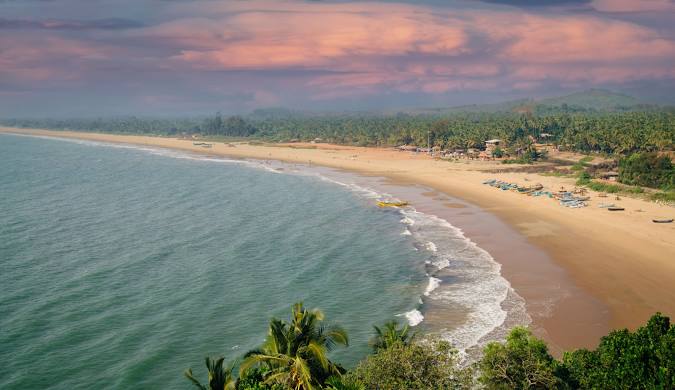
Forget the Goa you think you know. Picture this: the morning sun warming golden sand, the gentle sound of a river meeting the sea, and the only footprints besides yours belonging to a shorebird. This isn’t Baga or Anjuna—this is Talpona Beach, South Goa’s best-kept secret that I stumbled upon three years ago while escaping the tourist trail. You’re wondering when the best time to visit Talpona Beach is, and the answer isn’t just a month—it’s about the experience you’re looking for. After visiting Talpona across different seasons and spending countless hours with local fishermen and conservationists, I’ve learned that timing here is everything. The Short Answer: When is the Absolute Best Time to Visit Talpona? For perfect weather, calm seas, and the chance to see nesting Olive Ridley turtles, the best time to visit Talpona Beach is from November to February. During these months, you’ll find clear blue skies, temperatures hovering between 20-30°C, and gentle waves perfect for swimming. But that’s not the whole story. The ‘best’ time truly depends on whether you’re seeking solitude, wildlife encounters, or experiencing Goa’s dramatic monsoon beauty. Each season at Talpona offers something completely different, and I’ve fallen in love with this beach in every single one. A Season-by-Season Guide to Talpona’s Charm Winter (November – March): The Postcard-Perfect Season This is Talpona at its most Instagram-worthy. When I first visited in December, I couldn’t believe a place this beautiful existed just 45 minutes from Palolem. The weather is absolutely perfect—clear skies, gentle breezes, and temperatures that make you want to spend entire days on the sand. What makes winter special: The downside? This is peak tourist season, though Talpona remains significantly quieter than other Goa beaches. Expect higher accommodation rates and book your beach hut in advance, especially for December and January visits. My insider tip: Visit on weekday mornings between 6-8 AM. You’ll likely have the entire beach to yourself, and the light is magical for photography. Monsoon (June – September): The Dramatic, Green Season Most travel guides will tell you to avoid Goa during monsoon. They’re wrong—at least when it comes to Talpona. This season transforms the landscape into something from a movie. The beach becomes wild and untamed, with dramatic waves crashing against the shore and the surrounding hills turning emerald green. What makes monsoon magical: Important considerations: I spent a monsoon week here writing, and it was incredibly inspiring. The sound of waves, the fresh smell after rain, and the dramatic skies created the perfect creative atmosphere. Shoulder Months (April, May, October): The Insider’s Secret These months are my personal favorite for visiting Talpona, and here’s why: fewer tourists, lower prices, and unique seasonal experiences. Yes, it’s hotter, but the trade-offs are worth it for savvy travelers. April-May advantages: October advantages: The challenge: Temperatures can reach 35-38°C during midday. My strategy is simple: enjoy the beach from sunrise to 10 AM, take a midday break in shade or explore inland areas, then return for sunset activities. The Olive Ridley Turtles: A Once-in-a-Lifetime Experience This is what makes Talpona truly special. Between November and April, ancient Olive Ridley turtles return to these shores to nest—the same beach where they were born decades ago. Witnessing this is nothing short of magical. I’ll never forget my first turtle sighting. It was a February evening, and local conservationist Ravi pointed out fresh tracks in the sand. “Mama turtle came last night,” he whispered. We followed the tracks to a freshly covered nest, and I realized I was standing where new life would emerge in 45-60 days. When and how to see them: Responsible viewing guidelines: The Goa Forest Department works closely with local communities to protect these gentle giants. Supporting their conservation efforts by visiting responsibly ensures future generations can witness this wonder. More Than a Beach: Exploring the Talpona River and Mangroves What sets Talpona apart from other Goa beaches is the river estuary and mangrove ecosystem. The Talpona River meets the Arabian Sea here, creating a unique environment teeming with life. My favorite experience? Hiring local fisherman Suresh for an early morning boat ride through the mangrove tunnels. As we glided through green canopies reflected in still water, he pointed out kingfishers, herons, and even a small crocodile sunning itself on a log. River and mangrove highlights: Ask a local boatman to take you through the mangrove tunnels at high tide—it feels like entering another world. The silence is broken only by bird calls and gentle water lapping against the boat. Your Talpona Activity Planner: What to Do and When Activity Best Time Season Insider Tips Swimming & Sunbathing 7-10 AM, 4-7 PM Nov-Apr Avoid midday sun; check for rip currents Turtle Watching 5-7 AM Dec-Apr Follow tracks from previous night River Boat Rides High tide times Oct-May Check tide times locally Photography Sunrise, sunset Year-round Golden hour at river mouth is spectacular Birdwatching Early morning Oct-Mar Bring binoculars; mangroves are best spots Solitude Seeking Weekday mornings Apr-Oct Shoulder seasons offer maximum peace My photography recommendations: Where to Stay & Eat: Honest Local Recommendations Let me be upfront: Talpona is a remote beach with limited amenities. Don’t expect luxury resorts or fancy restaurants. Do expect incredible hospitality and the freshest seafood of your life. Accommodation options: The beach huts are simple but charming, usually run by local families who’ve been here for generations. My go-to is the family-run shack at the north end—Maria’s hospitality is unmatched, and her fish curry is legendary. Dining experiences: Essential amenities info: Getting to This Hidden Gem Reaching Talpona is part of its charm—it requires a bit of effort, which keeps the crowds away. From Palolem Beach: 15-minute scenic drive through small villages From Canacona Railway Station: 20-minute auto-rickshaw ride From Goa International Airport: 1.5-hour drive via NH66 My recommended transport method: Rent a scooter in Palolem or Canacona. The road from Palolem is scenic, with traditional Goan houses and cashew plantations—drive slowly and soak it in! Parking is free right on the beach.

Talpona Beach Best Time to Visit: When & How to Experience Goa’s Hidden Gem Read More »

How Niagara Falls Was Formed: Geological Story, Hidden History & What It Means Today

Ever wondered what it would look like to see a river carve through solid rock? That’s exactly the story of Niagara Falls—a spectacular tale of ice, water, and time that began over 12,000 years ago. Standing at the edge of this thundering cascade, you’re witnessing one of nature’s most incredible construction projects, where how Niagara Falls was formed involves a perfect storm of geological forces that continue shaping our world today. This isn’t just another tourist attraction story. The formation of Niagara Falls is a masterclass in geological drama, featuring massive ice sheets, ancient buried valleys, and a recipe of rock layers that created the perfect conditions for one of the world’s most famous waterfalls. By understanding this incredible journey, you’ll discover how glacial melting, the birth of the Great Lakes, and the unique Niagara Escarpment combined to create this natural wonder that continues evolving before our eyes. Based on well-documented geological findings from leading institutions, this story will take you on a 12,000-year journey that transforms how you see this iconic waterfall forever. Quick Information Table Formation Details Information Age of Niagara Falls Approximately 12,000 years old Formation Period End of last Ice Age (Wisconsin Glaciation) Primary Formation Process Glacial meltwater erosion over Niagara Escarpment Key Rock Layers Lockport Formation (hard caprock) over Rochester/Queenston Formation (soft shale) Current Retreat Rate About 1 foot per year (reduced from 3-5 feet due to hydroelectric diversions) Total Gorge Length 7 miles from Lewiston to current falls location Height of Falls 167 feet (Horseshoe Falls), 70 feet (American Falls) Water Source Great Lakes drainage system via Niagara River Future Projection Will reach Lake Erie in approximately 50,000 years Daily Water Flow 6 million cubic feet per minute (peak flow) The Ancient Landscape: A World Covered in Ice Picture this: 20,000 years ago, where Niagara Falls now thunders, there was nothing but ice. Lots of ice. The massive Wisconsin Glacier, part of the last great Ice Age, stretched across most of northeastern North America like a frozen blanket up to two miles thick. This wasn’t just any ordinary ice sheet—it was a geological bulldozer that completely reshaped the landscape beneath it. The Wisconsin Glacier did more than just cover the land. As it slowly crept across the region, it carved deep valleys, scraped away hilltops, and completely rearranged the drainage patterns that had existed for millions of years. One of the most fascinating discoveries in understanding how Niagara Falls was formed is the Saint David’s Buried Gorge—a “ghost river” valley that the glacier filled with debris and sediment. This ancient valley, now hidden beneath layers of glacial deposits, tells us that water was carving paths through this landscape long before our modern Niagara River existed. The glacier essentially hit the reset button on the entire region’s geography, setting the stage for something completely new to emerge once the ice began its final retreat. The sheer weight of this ice sheet also pressed down on the Earth’s crust, causing the land to sink. This geological process, called isostatic depression, would later play a crucial role in shaping the Great Lakes and the drainage patterns that would eventually create the Niagara River. A New Beginning: The Ice Melts and a Mighty River Awakens Around 12,000 years ago, the climate began to warm, and the Wisconsin Glacier started its dramatic retreat. But this wasn’t a gentle melting process—it was an explosive geological event that released unimaginable amounts of water across the landscape. Imagine trying to drain a bathtub the size of several states all at once. That’s the scale of glacial melting that reshaped this region. As the massive ice sheet melted, it created temporary lakes, raging rivers, and floods that would make today’s most extreme weather events look like gentle spring showers. The meltwater had to go somewhere, and it began filling the deep basins that the glacier had carved during its advance. These basins would become what we now know as the Great Lakes—Erie, Ontario, Huron, Michigan, and Superior. The formation of these Great Lakes created an entirely new drainage system. Water from the upper Great Lakes now needed to flow toward the Atlantic Ocean, and the most direct route was through the newly formed connection between Lake Erie and Lake Ontario. This connection became the Niagara River, born from the Great Lakes drainage system that the glacier had inadvertently designed. Here’s where the story gets interesting: this new Niagara River needed to find its way from the higher elevation of Lake Erie (about 571 feet above sea level) down to Lake Ontario (about 245 feet above sea level). That 326-foot elevation difference meant the water would flow with tremendous force—but where exactly it would flow depended on what kind of rock it encountered along the way. The Niagara Escarpment: Nature’s Perfect Recipe for a Waterfall Think of the Niagara Escarpment as a giant layer cake made of different kinds of rock, each with its own personality when it comes to dealing with flowing water. This ancient cliff face, formed hundreds of millions of years ago, stretches for hundreds of miles through Ontario, New York, Wisconsin, and Michigan. But it’s here at Niagara where it created the perfect conditions for a spectacular waterfall. The “frosting” on this geological layer cake is the Lockport Formation—a tough, hard layer of limestone and dolomite that geologists call caprock. This rock formed about 430 million years ago when this area was covered by a warm, shallow sea. The limestone is incredibly resistant to erosion, which means water has a tough time wearing it away. It’s like nature’s concrete, holding firm against the pounding of millions of gallons of water. Beneath this hard caprock lies the “cake” itself—softer rock layers, particularly the Rochester Formation, made up of shale and other sedimentary rocks. These softer layers are like geological butter compared to the limestone frosting above them. When water hits these rocks, they crumble and wash away relatively easily. The Queenston Formation, even deeper in this rock layer cake, consists

How Niagara Falls Was Formed: Geological Story, Hidden History & What It Means Today Read More »

majuli, assam

Discover Majuli Island: Heritage, Nature, & Hidden Gems of the World’s Largest River Island

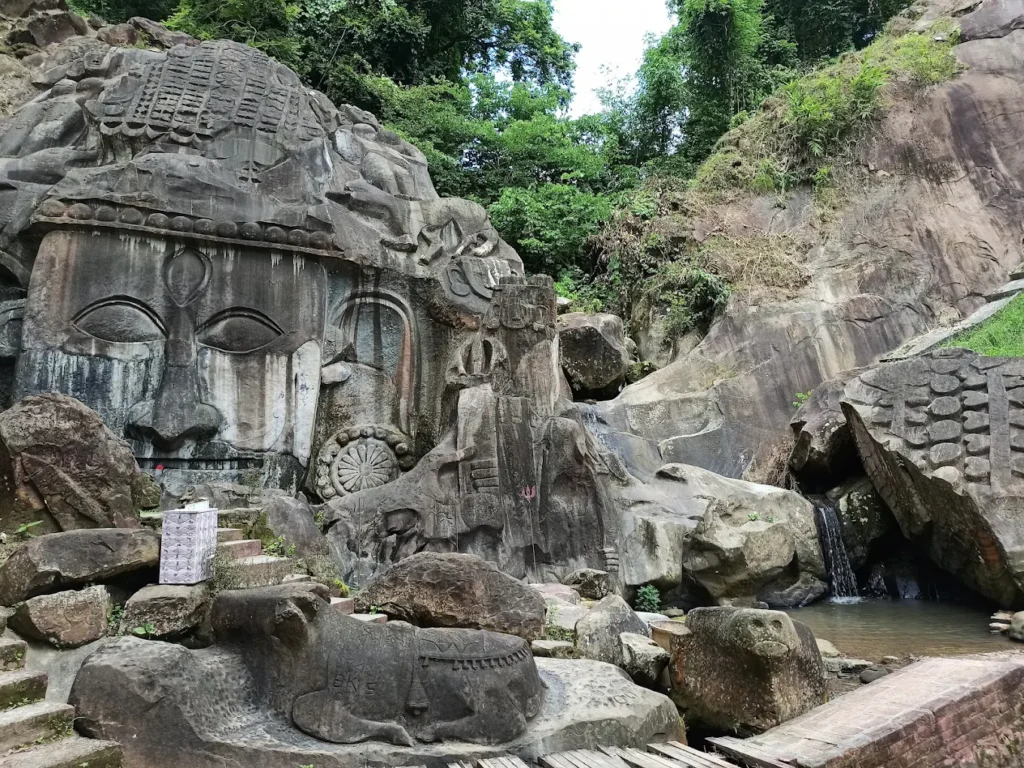
Your Journey to India’s Island Treasure Begins Ever wondered if an entire world can exist on an island in the middle of a river? In Assam, it does. Welcome to Majuli, where time moves differently, and every sunrise brings stories that have been told for centuries. So, what truly makes Majuli famous? It’s not just its size as the world’s largest river island. It’s a living, breathing cultural treasure, a haven for nature lovers, and a testament to a way of life that exists in harmony with the mighty Brahmaputra. Here, monks still chant ancient prayers while artisans create masks that bring mythology to life. Villages rise on stilts, birds migrate across continents to call this place home, and every meal tells the story of the river’s bounty. This guide will give you everything you need to plan an unforgettable trip to this remarkable island. From understanding why the Satras matter to finding the perfect homestay, from watching traditional dance performances to cycling through villages that feel untouched by time – we’ve got you covered. Quick Information at a Glance Category Details Location Brahmaputra River, Jorhat District, Assam, India Island Size 880 sq km (world’s largest river island) Best Time to Visit November to March (winter season) Nearest Airport Jorhat Airport (JRH) – 45 minutes to ferry Ferry Route Nimati Ghat to Kamalabari Ghat Ferry Cost ₹10-15 per person, ₹100 for two-wheelers Ferry Duration 30-45 minutes depending on boat type Main Attractions 4 major Satras, Mishing villages, bird watching Accommodation Homestays (₹800-1500), eco-resorts (₹2000-4000) Local Transport Scooter rental (₹350-500/day), bicycle (₹100-150/day) Languages Spoken Assamese, Hindi, Mishing, basic English Currency Indian Rupee (cash only – limited ATMs) Mobile Network Patchy coverage, consider digital detox Must-Try Food Tupula bhat, river fish curry, apong (rice beer) Cultural Highlights Satriya dance, mask making, traditional weaving Avoid Visiting July to October (monsoon – ferry disruptions) The Living Culture: Why Majuli is the Heartbeat of Assam The Satras: More Than Just Monasteries Step into any Satra in Majuli, and you’ll immediately understand why this island is considered the cultural capital of Assam. These aren’t just religious institutions – they’re living museums where neo-Vaishnavite culture thrives in its purest form. At Kamalabari Satra, the morning begins with the haunting melody of borgeet floating across the courtyard. The monks, called bhakats, move gracefully in their white cotton garments, their prayers creating a rhythm that has remained unchanged for over 500 years. The architecture itself tells a story – notice how the main prayer hall stands on massive wooden pillars, each carved with intricate designs that represent different aspects of Lord Krishna’s life. But it’s at Dakhinpat Satra where culture truly comes alive. During the Raas Leela festival, which usually falls in November, the entire community gathers to watch performances that transform the courtyard into Vrindavan itself. Young monks become dancers, their faces painted in traditional designs, their movements telling stories of divine love through Satriya dance – one of India’s eight classical dance forms that was born right here in Majuli. Samaguri Satra offers a different kind of magic. Here, in small workshops that smell of paint and bamboo, master craftsmen create the elaborate masks used in traditional performances. Watch Hem Chandra Goswami work on a demon mask – each stroke of his brush adds character to what will become Ravana or Mahishasur on stage. These aren’t souvenirs; they’re sacred art pieces that take weeks to complete. Meet the People: The Mishing Tribe and Local Artisans The real soul of Majuli lies in its people, particularly the Mishing community who have called this island home for generations. Their traditional homes, called chang ghars, rise on bamboo stilts like wooden ships floating above the ground. This isn’t just architectural charm – it’s survival wisdom passed down through centuries of living with the Brahmaputra’s unpredictable floods. Bolin Pegu, a Mishing weaver from Jengraimukh village, invited me into her home where three generations of women work on a single handloom. The silk thread catches the afternoon light as her daughter creates a mekhela chador in deep red and gold – colors that represent prosperity and joy in Assamese culture. What makes Mishing textiles special isn’t just their beauty; it’s the stories woven into each pattern. The wave design represents the Brahmaputra, while the flower motifs symbolize the island’s fertility. The pottery village of Salmora showcases another side of Majuli’s artisan culture. Here, entire families work together creating everything from traditional gamochas (hand towels) to decorative items. The clay comes from the riverbank, shaped by hands that learned the craft from their grandparents, then fired in kilns that have been in the same spot for decades. The Wild Side: Majuli’s Natural Wonders A Birder’s Paradise Majuli transforms into a birdwatcher’s paradise between November and March when thousands of migratory birds arrive from as far as Siberia and Central Asia. The island’s numerous beels (wetlands) become temporary homes for species you won’t easily spot elsewhere in India. Early morning at Molai Beel offers the best birding experience. As mist rises from the water, you’ll spot the majestic Greater Adjutant Stork – locally called hargila – wading through shallow waters. These prehistoric-looking birds, standing nearly five feet tall, are endangered globally, but Majuli provides them crucial breeding grounds. Pelicans arrive in large flocks, their synchronized fishing creating ripples across the calm water. But it’s the smaller birds that create the real spectacle. Various species of egrets, herons, and kingfishers create a symphony of colors against the backdrop of water hyacinth and lotus blooms. The Northern Pintail ducks paddle in perfect formations, while cormorants dive and surface with silver fish in their beaks. The best birding spots are along the southern shore near Tengapania and around the smaller wetlands scattered across the island. Local guides, many of them fishermen who know every bird by its call, can take you to spots where you might glimpse the rare Black-necked Stork or the elegant Sarus Crane. The Brahmaputra’s Influence The Brahmaputra isn’t just Majuli’s boundary –

Discover Majuli Island: Heritage, Nature, & Hidden Gems of the World’s Largest River Island Read More »

what is lepakshi famous for

What Is Lepakshi Famous For? Discover the Hanging Pillar, Giant Nandi & Hidden Legends

Ever heard of a stone pillar that floats? Or a giant bull carved from a single rock? Welcome to Lepakshi! This small town in Andhra Pradesh holds some of India’s most jaw-dropping architectural mysteries and ancient art treasures. So, what is Lepakshi famous for? It’s a place where India’s art, engineering, and myths come alive in the most spectacular way. From a pillar that defies gravity to ceiling paintings that tell epic stories, Lepakshi offers a perfect blend of wonder and history. In this guide, we’ll explore the stunning Sri Veerabhadra Temple, its mind-boggling hanging pillar, the massive monolithic Nandi statue, and the incredible stories painted on ancient ceilings. Get ready to discover why this hidden gem should be your next weekend getaway! Quick Info Table Feature Details Location Anantapur district, Andhra Pradesh, India Main Attraction Sri Veerabhadra Temple Famous For Hanging Pillar, Monolithic Nandi, Fresco Murals Best Time to Visit November to February (Cooler weather) Time Needed 2-3 hours for a good tour Nearest City Bengaluru (approx. 120 km away) Sri Veerabhadra Temple: A Stone Masterpiece The Sri Veerabhadra Temple stands as a magnificent example of Lepakshi temple architecture from the golden era of the Vijayanagara Empire. Built during the 16th century under King Achyutaraya, this temple showcases the finest Vijayanagara style carving techniques that make it truly special. Walking through the temple complex feels like stepping into an ancient movie set. The prakara (the concentric walls you walk through) leads you to the main mandapa (grand, pillared halls). The most impressive sections include the Natya Mandapa (dance hall) with its stunning columns and the mysterious unfinished Kalyana Mandapa (wedding hall) that holds its own legends. What makes Lepakshi different from other Vijayanagara sites like Hampi? While Hampi spreads across vast ruins, Lepakshi concentrates all its wonders in one compact temple complex. You can witness world-class art, mysterious engineering, and ancient stories all in one place, making it perfect for a day trip. The temple’s architecture tells the story of skilled craftsmen who turned solid granite into poetry. Every pillar, every wall, and every ceiling speaks of their dedication to creating something that would amaze people for centuries. The attention to detail in the stone carvings and the perfect proportions of the structure show why the Vijayanagara Empire was considered a golden age of Indian architecture. The Hanging Pillar: Lepakshi’s Gravity-Defying Wonder Here comes the main attraction that makes Lepakshi famous – the incredible gravity-defying pillar India is talking about! Picture this: a massive stone pillar that appears to support the ceiling but doesn’t actually touch the ground. There’s a small gap at the bottom, and you can slide a piece of paper, cloth, or even a flower petal right through it. This hanging pillar has puzzled visitors for centuries. How does a heavy stone pillar stay in place without touching the ground? The mystery becomes even more fascinating when you realize that the entire ceiling above seems perfectly stable and safe. Several theories try to explain this wonder. Some experts believe it was brilliant ancient engineering – the pillar might be perfectly balanced and supported by the surrounding structure. Others think a minor earthquake might have shifted the pillar slightly, creating the gap accidentally. Then there are those who say the master builders simply wanted to show off their incredible skills by creating something that would make people wonder for generations. The most exciting part? You can actually test it yourself! When you visit, try passing a flower petal, a thin piece of paper, or a handkerchief under the pillar. Watch the amazement on other visitors’ faces as they witness this engineering marvel firsthand. It’s an unforgettable moment that perfectly captures why Lepakshi feels so magical. Local guides love to demonstrate this phenomenon, and their excitement is infectious. They’ve seen thousands of visitors gasp in wonder, yet they still smile every time someone experiences the hanging pillar for the first time. This single pillar has become the symbol of everything mysterious and magnificent about ancient Indian architecture. The Monolithic Nandi: A Guardian in Stone Just outside the main temple sits another wonder that defines what Lepakshi is famous for – the enormous monolithic Nandi statue. Imagine a sculpture as big as a small house, carved entirely from one single piece of granite. This isn’t just big; it’s absolutely massive, measuring about 15 feet in height and 27 feet in length. The Nandi statue serves as Lord Shiva’s faithful mount, patiently facing the temple in eternal devotion. But what makes this sculpture truly special is the incredible attention to detail. Look closely, and you’ll see beautifully carved bells hanging around Nandi’s neck, intricate chains, decorative ornaments, and that serene, calm expression on his face. The skill required to carve such detailed work from a single block of stone is mind-blowing. Ancient sculptors had to visualize the entire figure before making the first cut, knowing that one mistake could ruin months of work. The smooth finish, perfect proportions, and lifelike appearance show the incredible mastery of these craftsmen. Children especially love climbing around the base of this gentle giant (where it’s safe to do so), and photographers find endless angles to capture its magnificence. The Nandi has become one of the most photographed monuments in Andhra Pradesh, and when you see it in person, you’ll understand why. This monolithic wonder represents the spiritual heart of Lepakshi. As Shiva’s devoted companion, Nandi symbolizes strength, devotion, and patience – qualities that have kept this ancient site intact through centuries of change. Murals on the Ceiling: India’s Ancient Storybook Look up when you enter the Natya Mandapa, and prepare to have your breath taken away. The ceiling explodes with color and stories through some of the most spectacular Indian temple murals you’ll ever see. These aren’t just paintings; they’re epic tales from Indian mythology brought to life in vivid detail. The frescoes cover nearly every inch of the ceiling, depicting scenes from the Ramayana, Mahabharata, and various stories of Lord Shiva. One

What Is Lepakshi Famous For? Discover the Hanging Pillar, Giant Nandi & Hidden Legends Read More »

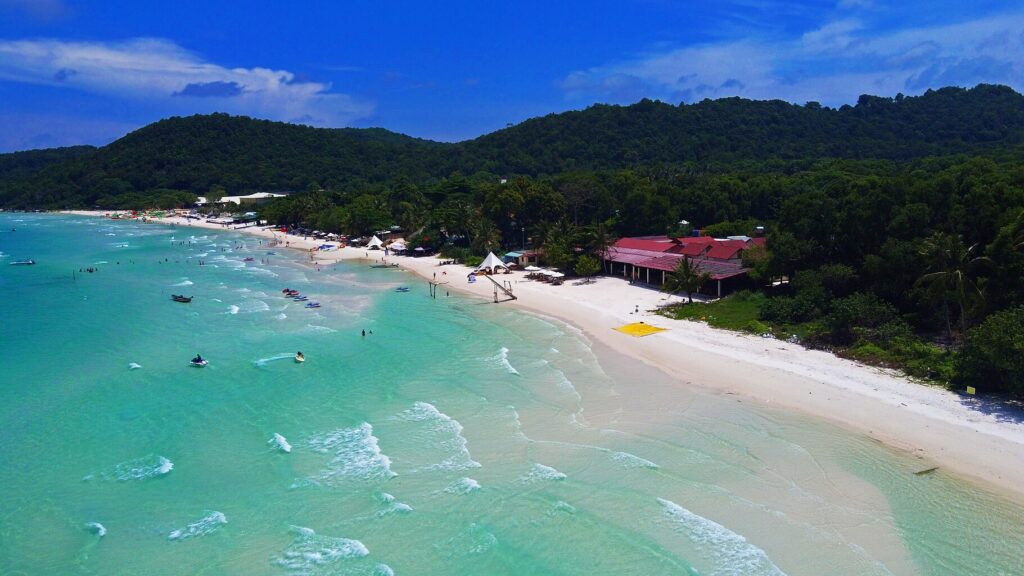
A pristine, uncrowded golden sand beach at Bhogwe, with gentle waves lapping the shore under a dramatic sunset sky, evoking a sense of serenity and peace.

Parule and Bhogwe: Discover Maachli Farmstay’s Eco-Huts & A Serene Beach Sanctuary in Maharashtra

Forget the Goa crowds. Instead, picture this: the hush of banana leaves at dawn, the earthy aroma of spice-infused coastal air, and the gentle gurgle of a natural stream just outside your cottage. Welcome to Parule and Bhogwe, a lesser-known coastal sanctuary tucked away in Maharashtra’s pristine Konkan Coast. While most travelers rush toward the bustling beaches of Goa, those seeking authentic, soul-stirring experiences are discovering the magic of this quiet corner. Here, traditional Konkani architecture meets sustainable living, and the rhythm of village life flows as naturally as the monsoon streams that wind through tropical plantations. At the heart of this experience lies Maachli Farmstay, where hosts Pravin and Priya Samant have created something truly special. Their eco-friendly cottages sit nestled among nutmeg trees and betel nut palms, offering travelers a chance to disconnect from the digital world and reconnect with nature’s gentle pace. Each morning begins with the symphony of native birds, guided by local expert Prathamesh, while evenings unfold with spectacular sunsets over untouched beaches. This isn’t just accommodation—it’s an immersion into the authentic Konkan lifestyle. From cooking traditional Malvani cuisine on wood-fired stoves to learning village pottery techniques passed down through generations, every moment here tells a story of Maharashtra’s rich cultural heritage. The nearby Bhogwe Beach remains blissfully uncrowded, its golden sands perfect for those seeking solitude and serenity. Whether you’re planning a romantic getaway, a family retreat, or a solo journey of self-discovery, Parule and Bhogwe offer something increasingly rare in our connected world: genuine peace and authentic cultural exchange. What Makes Maachli Farmstay a Uniquely Authentic Experience? Heritage-Inspired Architecture: The Soul of a “Maachli” The word “Maachli” comes from the traditional Konkani term for the simple, functional huts that farming families have called home for centuries. But don’t let the word “simple” fool you—these structures represent generations of architectural wisdom perfectly adapted to the coastal climate. Each cottage at Maachli Farmstay reflects this heritage through its thoughtful design. Built with locally sourced materials including bamboo, coconut palm thatch, and laterite stone, these eco-huts demonstrate the brilliance of traditional engineering. The elevated platform design keeps the living space cool and dry during monsoons, while the ingenious cross-ventilation system creates natural air conditioning that outperforms any mechanical system. To help you visualize it, imagine a layout designed for connection with nature: wide verandas that blur the line between indoor and outdoor living, large windows positioned to capture cooling breezes from multiple directions, and a central living area that stays naturally comfortable even during Maharashtra’s warmest months. The traditional sloped roof, crafted from coconut palm leaves, provides excellent insulation while creating that distinctive rustic charm that makes each cottage feel like a piece of living history. What truly sets these accommodations apart is their integration with the surrounding landscape. Rather than clearing land to build, the cottages are positioned to preserve existing trees, creating intimate courtyards where guests can enjoy morning coffee under centuries-old mango trees or afternoon tea beside fragrant frangipani bushes. The Tropical Plantation Ambience: A Living, Breathing Ecosystem Step outside your cottage, and you’ll find yourself in what feels like a carefully curated botanical garden—except this isn’t curated at all. This is simply how the Konkan region naturally flourishes when left to thrive. The farmstay sits within a working tropical spice plantation where nutmeg, black pepper, and cardamom grow alongside traditional medicinal plants that have been treasured by local communities for generations. Walk the winding paths, and you’ll encounter Sarpagandha, known locally for its calming properties, and Shatawari, a herb celebrated in Ayurvedic traditions for its rejuvenating qualities. The aromatic Black Umbar trees provide shade while their leaves are used in traditional cooking, and the Satwin plants add their own distinctive fragrance to the coastal air. A Sensory Walk Through the Plantation: The natural stream that runs through the property isn’t just scenic—it’s a lifeline that supports this entire ecosystem. During monsoon season, its gentle flow becomes more robust, creating natural pools perfect for a refreshing dip. Year-round, it provides the consistent moisture that keeps the medicinal herbs and spice plants thriving. Farm-to-Table Malvani Cuisine: A Taste of the Real Konkan When Priya Samant fires up the traditional wood-burning stove each morning, she’s not just preparing breakfast—she’s continuing a culinary tradition that has nourished coastal families for centuries. This is Malvani cuisine in its purest form, where every ingredient tells a story of the land and sea. The magic begins with the spice blends, many of which are prepared fresh on the property. The famous Malvani masala combines dried red chilies, coriander seeds, cumin, and coconut in proportions that vary slightly from family to family, creating each cook’s signature flavor profile. When these spices meet fresh ingredients—vegetables from the kitchen garden, fish from local fishermen, and coconut milk extracted fresh each morning—the results are extraordinary. Signature dishes you’ll encounter include the robust Sol Kadhi, a pink-hued drink made from kokum and coconut milk that perfectly balances the heat of spicy curries. The Valichi Bhaji showcases the versatility of simple beans transformed through traditional cooking techniques, while the Koliwada fish preparation demonstrates how coastal communities have perfected the art of highlighting seafood’s natural flavors. Priya’s Famous Coconut Fish Curry Recipe Serves 4-6 people Ingredients: Method: What makes dining here special isn’t just the incredible flavors—it’s the complete experience. Meals are served on traditional plates made by local artisans, often on the veranda where you can watch the preparation process and learn about the cultural significance of different dishes. Immersive Village Experiences: Beyond Just a Stay Your guide Prathamesh doesn’t just show you around—he opens doors to experiences most travelers never discover. With an encyclopedic knowledge of local flora and fauna, he transforms simple walks into fascinating explorations of the Konkan ecosystem. The morning bird walks are particularly special. “Plan for about two hours,” Prathamesh suggests, “because once you start spotting the resident kingfishers and visiting migratory birds, time just disappears.” He knows exactly where to find the colorful Indian Roller during its courtship

Parule and Bhogwe: Discover Maachli Farmstay’s Eco-Huts & A Serene Beach Sanctuary in Maharashtra Read More »