Travel Blog

Talpona Beach Best Time to Visit: When & How to Experience Goa’s Hidden Gem

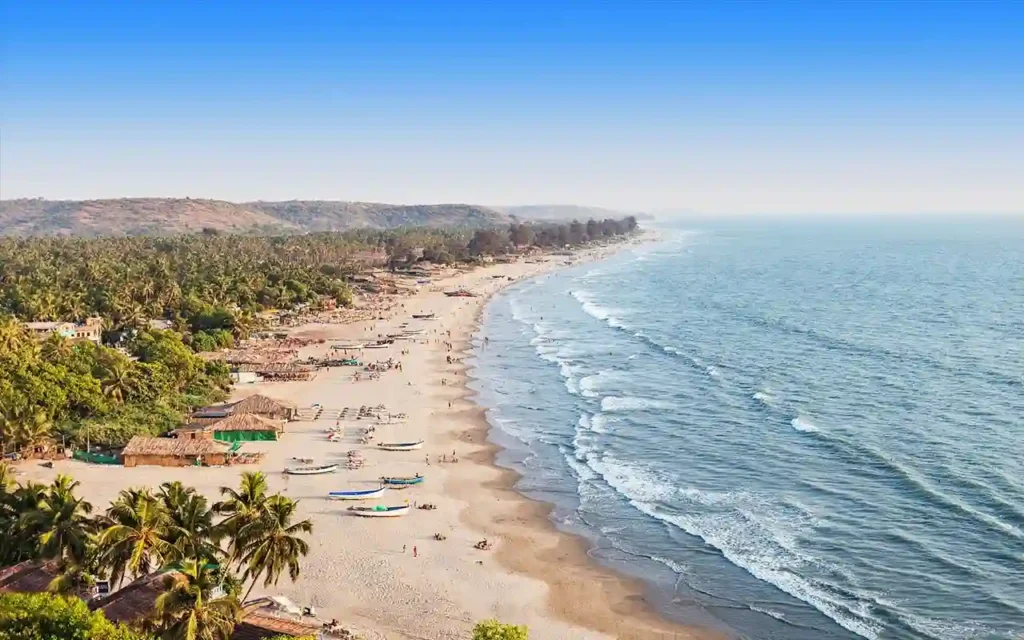
Forget the Goa you think you know. Picture this: the morning sun warming golden sand, the gentle sound of a river meeting the sea, and the only footprints besides yours belonging to a shorebird. This isn’t Baga or Anjuna—this is Talpona Beach, South Goa’s best-kept secret that I stumbled upon three years ago while escaping the tourist trail. You’re wondering when the best time to visit Talpona Beach is, and the answer isn’t just a month—it’s about the experience you’re looking for. After visiting Talpona across different seasons and spending countless hours with local fishermen and conservationists, I’ve learned that timing here is everything. The Short Answer: When is the Absolute Best Time to Visit Talpona? For perfect weather, calm seas, and the chance to see nesting Olive Ridley turtles, the best time to visit Talpona Beach is from November to February. During these months, you’ll find clear blue skies, temperatures hovering between 20-30°C, and gentle waves perfect for swimming. But that’s not the whole story. The ‘best’ time truly depends on whether you’re seeking solitude, wildlife encounters, or experiencing Goa’s dramatic monsoon beauty. Each season at Talpona offers something completely different, and I’ve fallen in love with this beach in every single one. A Season-by-Season Guide to Talpona’s Charm Winter (November – March): The Postcard-Perfect Season This is Talpona at its most Instagram-worthy. When I first visited in December, I couldn’t believe a place this beautiful existed just 45 minutes from Palolem. The weather is absolutely perfect—clear skies, gentle breezes, and temperatures that make you want to spend entire days on the sand. What makes winter special: The downside? This is peak tourist season, though Talpona remains significantly quieter than other Goa beaches. Expect higher accommodation rates and book your beach hut in advance, especially for December and January visits. My insider tip: Visit on weekday mornings between 6-8 AM. You’ll likely have the entire beach to yourself, and the light is magical for photography. Monsoon (June – September): The Dramatic, Green Season Most travel guides will tell you to avoid Goa during monsoon. They’re wrong—at least when it comes to Talpona. This season transforms the landscape into something from a movie. The beach becomes wild and untamed, with dramatic waves crashing against the shore and the surrounding hills turning emerald green. What makes monsoon magical: Important considerations: I spent a monsoon week here writing, and it was incredibly inspiring. The sound of waves, the fresh smell after rain, and the dramatic skies created the perfect creative atmosphere. Shoulder Months (April, May, October): The Insider’s Secret These months are my personal favorite for visiting Talpona, and here’s why: fewer tourists, lower prices, and unique seasonal experiences. Yes, it’s hotter, but the trade-offs are worth it for savvy travelers. April-May advantages: October advantages: The challenge: Temperatures can reach 35-38°C during midday. My strategy is simple: enjoy the beach from sunrise to 10 AM, take a midday break in shade or explore inland areas, then return for sunset activities. The Olive Ridley Turtles: A Once-in-a-Lifetime Experience This is what makes Talpona truly special. Between November and April, ancient Olive Ridley turtles return to these shores to nest—the same beach where they were born decades ago. Witnessing this is nothing short of magical. I’ll never forget my first turtle sighting. It was a February evening, and local conservationist Ravi pointed out fresh tracks in the sand. “Mama turtle came last night,” he whispered. We followed the tracks to a freshly covered nest, and I realized I was standing where new life would emerge in 45-60 days. When and how to see them: Responsible viewing guidelines: The Goa Forest Department works closely with local communities to protect these gentle giants. Supporting their conservation efforts by visiting responsibly ensures future generations can witness this wonder. More Than a Beach: Exploring the Talpona River and Mangroves What sets Talpona apart from other Goa beaches is the river estuary and mangrove ecosystem. The Talpona River meets the Arabian Sea here, creating a unique environment teeming with life. My favorite experience? Hiring local fisherman Suresh for an early morning boat ride through the mangrove tunnels. As we glided through green canopies reflected in still water, he pointed out kingfishers, herons, and even a small crocodile sunning itself on a log. River and mangrove highlights: Ask a local boatman to take you through the mangrove tunnels at high tide—it feels like entering another world. The silence is broken only by bird calls and gentle water lapping against the boat. Your Talpona Activity Planner: What to Do and When Activity Best Time Season Insider Tips Swimming & Sunbathing 7-10 AM, 4-7 PM Nov-Apr Avoid midday sun; check for rip currents Turtle Watching 5-7 AM Dec-Apr Follow tracks from previous night River Boat Rides High tide times Oct-May Check tide times locally Photography Sunrise, sunset Year-round Golden hour at river mouth is spectacular Birdwatching Early morning Oct-Mar Bring binoculars; mangroves are best spots Solitude Seeking Weekday mornings Apr-Oct Shoulder seasons offer maximum peace My photography recommendations: Where to Stay & Eat: Honest Local Recommendations Let me be upfront: Talpona is a remote beach with limited amenities. Don’t expect luxury resorts or fancy restaurants. Do expect incredible hospitality and the freshest seafood of your life. Accommodation options: The beach huts are simple but charming, usually run by local families who’ve been here for generations. My go-to is the family-run shack at the north end—Maria’s hospitality is unmatched, and her fish curry is legendary. Dining experiences: Essential amenities info: Getting to This Hidden Gem Reaching Talpona is part of its charm—it requires a bit of effort, which keeps the crowds away. From Palolem Beach: 15-minute scenic drive through small villages From Canacona Railway Station: 20-minute auto-rickshaw ride From Goa International Airport: 1.5-hour drive via NH66 My recommended transport method: Rent a scooter in Palolem or Canacona. The road from Palolem is scenic, with traditional Goan houses and cashew plantations—drive slowly and soak it in! Parking is free right on the beach.

Talpona Beach Best Time to Visit: When & How to Experience Goa’s Hidden Gem Read More »

How Niagara Falls Was Formed: Geological Story, Hidden History & What It Means Today

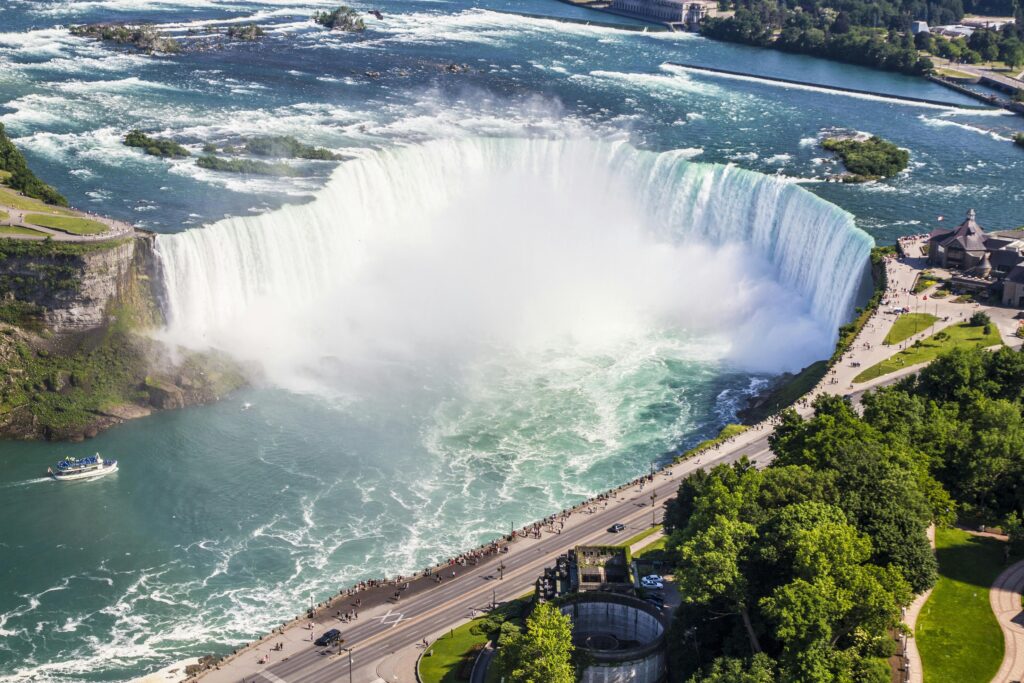
Ever wondered what it would look like to see a river carve through solid rock? That’s exactly the story of Niagara Falls—a spectacular tale of ice, water, and time that began over 12,000 years ago. Standing at the edge of this thundering cascade, you’re witnessing one of nature’s most incredible construction projects, where how Niagara Falls was formed involves a perfect storm of geological forces that continue shaping our world today. This isn’t just another tourist attraction story. The formation of Niagara Falls is a masterclass in geological drama, featuring massive ice sheets, ancient buried valleys, and a recipe of rock layers that created the perfect conditions for one of the world’s most famous waterfalls. By understanding this incredible journey, you’ll discover how glacial melting, the birth of the Great Lakes, and the unique Niagara Escarpment combined to create this natural wonder that continues evolving before our eyes. Based on well-documented geological findings from leading institutions, this story will take you on a 12,000-year journey that transforms how you see this iconic waterfall forever. Quick Information Table Formation Details Information Age of Niagara Falls Approximately 12,000 years old Formation Period End of last Ice Age (Wisconsin Glaciation) Primary Formation Process Glacial meltwater erosion over Niagara Escarpment Key Rock Layers Lockport Formation (hard caprock) over Rochester/Queenston Formation (soft shale) Current Retreat Rate About 1 foot per year (reduced from 3-5 feet due to hydroelectric diversions) Total Gorge Length 7 miles from Lewiston to current falls location Height of Falls 167 feet (Horseshoe Falls), 70 feet (American Falls) Water Source Great Lakes drainage system via Niagara River Future Projection Will reach Lake Erie in approximately 50,000 years Daily Water Flow 6 million cubic feet per minute (peak flow) The Ancient Landscape: A World Covered in Ice Picture this: 20,000 years ago, where Niagara Falls now thunders, there was nothing but ice. Lots of ice. The massive Wisconsin Glacier, part of the last great Ice Age, stretched across most of northeastern North America like a frozen blanket up to two miles thick. This wasn’t just any ordinary ice sheet—it was a geological bulldozer that completely reshaped the landscape beneath it. The Wisconsin Glacier did more than just cover the land. As it slowly crept across the region, it carved deep valleys, scraped away hilltops, and completely rearranged the drainage patterns that had existed for millions of years. One of the most fascinating discoveries in understanding how Niagara Falls was formed is the Saint David’s Buried Gorge—a “ghost river” valley that the glacier filled with debris and sediment. This ancient valley, now hidden beneath layers of glacial deposits, tells us that water was carving paths through this landscape long before our modern Niagara River existed. The glacier essentially hit the reset button on the entire region’s geography, setting the stage for something completely new to emerge once the ice began its final retreat. The sheer weight of this ice sheet also pressed down on the Earth’s crust, causing the land to sink. This geological process, called isostatic depression, would later play a crucial role in shaping the Great Lakes and the drainage patterns that would eventually create the Niagara River. A New Beginning: The Ice Melts and a Mighty River Awakens Around 12,000 years ago, the climate began to warm, and the Wisconsin Glacier started its dramatic retreat. But this wasn’t a gentle melting process—it was an explosive geological event that released unimaginable amounts of water across the landscape. Imagine trying to drain a bathtub the size of several states all at once. That’s the scale of glacial melting that reshaped this region. As the massive ice sheet melted, it created temporary lakes, raging rivers, and floods that would make today’s most extreme weather events look like gentle spring showers. The meltwater had to go somewhere, and it began filling the deep basins that the glacier had carved during its advance. These basins would become what we now know as the Great Lakes—Erie, Ontario, Huron, Michigan, and Superior. The formation of these Great Lakes created an entirely new drainage system. Water from the upper Great Lakes now needed to flow toward the Atlantic Ocean, and the most direct route was through the newly formed connection between Lake Erie and Lake Ontario. This connection became the Niagara River, born from the Great Lakes drainage system that the glacier had inadvertently designed. Here’s where the story gets interesting: this new Niagara River needed to find its way from the higher elevation of Lake Erie (about 571 feet above sea level) down to Lake Ontario (about 245 feet above sea level). That 326-foot elevation difference meant the water would flow with tremendous force—but where exactly it would flow depended on what kind of rock it encountered along the way. The Niagara Escarpment: Nature’s Perfect Recipe for a Waterfall Think of the Niagara Escarpment as a giant layer cake made of different kinds of rock, each with its own personality when it comes to dealing with flowing water. This ancient cliff face, formed hundreds of millions of years ago, stretches for hundreds of miles through Ontario, New York, Wisconsin, and Michigan. But it’s here at Niagara where it created the perfect conditions for a spectacular waterfall. The “frosting” on this geological layer cake is the Lockport Formation—a tough, hard layer of limestone and dolomite that geologists call caprock. This rock formed about 430 million years ago when this area was covered by a warm, shallow sea. The limestone is incredibly resistant to erosion, which means water has a tough time wearing it away. It’s like nature’s concrete, holding firm against the pounding of millions of gallons of water. Beneath this hard caprock lies the “cake” itself—softer rock layers, particularly the Rochester Formation, made up of shale and other sedimentary rocks. These softer layers are like geological butter compared to the limestone frosting above them. When water hits these rocks, they crumble and wash away relatively easily. The Queenston Formation, even deeper in this rock layer cake, consists

How Niagara Falls Was Formed: Geological Story, Hidden History & What It Means Today Read More »

majuli, assam

Discover Majuli Island: Heritage, Nature, & Hidden Gems of the World’s Largest River Island

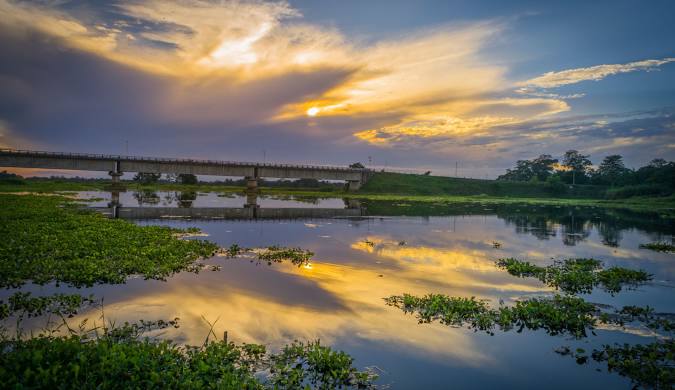
Your Journey to India’s Island Treasure Begins Ever wondered if an entire world can exist on an island in the middle of a river? In Assam, it does. Welcome to Majuli, where time moves differently, and every sunrise brings stories that have been told for centuries. So, what truly makes Majuli famous? It’s not just its size as the world’s largest river island. It’s a living, breathing cultural treasure, a haven for nature lovers, and a testament to a way of life that exists in harmony with the mighty Brahmaputra. Here, monks still chant ancient prayers while artisans create masks that bring mythology to life. Villages rise on stilts, birds migrate across continents to call this place home, and every meal tells the story of the river’s bounty. This guide will give you everything you need to plan an unforgettable trip to this remarkable island. From understanding why the Satras matter to finding the perfect homestay, from watching traditional dance performances to cycling through villages that feel untouched by time – we’ve got you covered. Quick Information at a Glance Category Details Location Brahmaputra River, Jorhat District, Assam, India Island Size 880 sq km (world’s largest river island) Best Time to Visit November to March (winter season) Nearest Airport Jorhat Airport (JRH) – 45 minutes to ferry Ferry Route Nimati Ghat to Kamalabari Ghat Ferry Cost ₹10-15 per person, ₹100 for two-wheelers Ferry Duration 30-45 minutes depending on boat type Main Attractions 4 major Satras, Mishing villages, bird watching Accommodation Homestays (₹800-1500), eco-resorts (₹2000-4000) Local Transport Scooter rental (₹350-500/day), bicycle (₹100-150/day) Languages Spoken Assamese, Hindi, Mishing, basic English Currency Indian Rupee (cash only – limited ATMs) Mobile Network Patchy coverage, consider digital detox Must-Try Food Tupula bhat, river fish curry, apong (rice beer) Cultural Highlights Satriya dance, mask making, traditional weaving Avoid Visiting July to October (monsoon – ferry disruptions) The Living Culture: Why Majuli is the Heartbeat of Assam The Satras: More Than Just Monasteries Step into any Satra in Majuli, and you’ll immediately understand why this island is considered the cultural capital of Assam. These aren’t just religious institutions – they’re living museums where neo-Vaishnavite culture thrives in its purest form. At Kamalabari Satra, the morning begins with the haunting melody of borgeet floating across the courtyard. The monks, called bhakats, move gracefully in their white cotton garments, their prayers creating a rhythm that has remained unchanged for over 500 years. The architecture itself tells a story – notice how the main prayer hall stands on massive wooden pillars, each carved with intricate designs that represent different aspects of Lord Krishna’s life. But it’s at Dakhinpat Satra where culture truly comes alive. During the Raas Leela festival, which usually falls in November, the entire community gathers to watch performances that transform the courtyard into Vrindavan itself. Young monks become dancers, their faces painted in traditional designs, their movements telling stories of divine love through Satriya dance – one of India’s eight classical dance forms that was born right here in Majuli. Samaguri Satra offers a different kind of magic. Here, in small workshops that smell of paint and bamboo, master craftsmen create the elaborate masks used in traditional performances. Watch Hem Chandra Goswami work on a demon mask – each stroke of his brush adds character to what will become Ravana or Mahishasur on stage. These aren’t souvenirs; they’re sacred art pieces that take weeks to complete. Meet the People: The Mishing Tribe and Local Artisans The real soul of Majuli lies in its people, particularly the Mishing community who have called this island home for generations. Their traditional homes, called chang ghars, rise on bamboo stilts like wooden ships floating above the ground. This isn’t just architectural charm – it’s survival wisdom passed down through centuries of living with the Brahmaputra’s unpredictable floods. Bolin Pegu, a Mishing weaver from Jengraimukh village, invited me into her home where three generations of women work on a single handloom. The silk thread catches the afternoon light as her daughter creates a mekhela chador in deep red and gold – colors that represent prosperity and joy in Assamese culture. What makes Mishing textiles special isn’t just their beauty; it’s the stories woven into each pattern. The wave design represents the Brahmaputra, while the flower motifs symbolize the island’s fertility. The pottery village of Salmora showcases another side of Majuli’s artisan culture. Here, entire families work together creating everything from traditional gamochas (hand towels) to decorative items. The clay comes from the riverbank, shaped by hands that learned the craft from their grandparents, then fired in kilns that have been in the same spot for decades. The Wild Side: Majuli’s Natural Wonders A Birder’s Paradise Majuli transforms into a birdwatcher’s paradise between November and March when thousands of migratory birds arrive from as far as Siberia and Central Asia. The island’s numerous beels (wetlands) become temporary homes for species you won’t easily spot elsewhere in India. Early morning at Molai Beel offers the best birding experience. As mist rises from the water, you’ll spot the majestic Greater Adjutant Stork – locally called hargila – wading through shallow waters. These prehistoric-looking birds, standing nearly five feet tall, are endangered globally, but Majuli provides them crucial breeding grounds. Pelicans arrive in large flocks, their synchronized fishing creating ripples across the calm water. But it’s the smaller birds that create the real spectacle. Various species of egrets, herons, and kingfishers create a symphony of colors against the backdrop of water hyacinth and lotus blooms. The Northern Pintail ducks paddle in perfect formations, while cormorants dive and surface with silver fish in their beaks. The best birding spots are along the southern shore near Tengapania and around the smaller wetlands scattered across the island. Local guides, many of them fishermen who know every bird by its call, can take you to spots where you might glimpse the rare Black-necked Stork or the elegant Sarus Crane. The Brahmaputra’s Influence The Brahmaputra isn’t just Majuli’s boundary –

Discover Majuli Island: Heritage, Nature, & Hidden Gems of the World’s Largest River Island Read More »

what is lepakshi famous for

What Is Lepakshi Famous For? Discover the Hanging Pillar, Giant Nandi & Hidden Legends

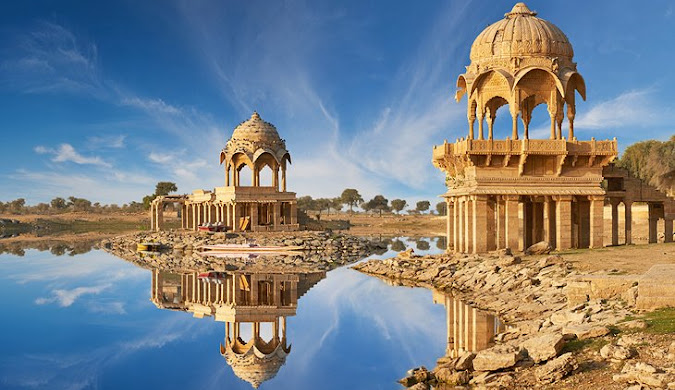
Ever heard of a stone pillar that floats? Or a giant bull carved from a single rock? Welcome to Lepakshi! This small town in Andhra Pradesh holds some of India’s most jaw-dropping architectural mysteries and ancient art treasures. So, what is Lepakshi famous for? It’s a place where India’s art, engineering, and myths come alive in the most spectacular way. From a pillar that defies gravity to ceiling paintings that tell epic stories, Lepakshi offers a perfect blend of wonder and history. In this guide, we’ll explore the stunning Sri Veerabhadra Temple, its mind-boggling hanging pillar, the massive monolithic Nandi statue, and the incredible stories painted on ancient ceilings. Get ready to discover why this hidden gem should be your next weekend getaway! Quick Info Table Feature Details Location Anantapur district, Andhra Pradesh, India Main Attraction Sri Veerabhadra Temple Famous For Hanging Pillar, Monolithic Nandi, Fresco Murals Best Time to Visit November to February (Cooler weather) Time Needed 2-3 hours for a good tour Nearest City Bengaluru (approx. 120 km away) Sri Veerabhadra Temple: A Stone Masterpiece The Sri Veerabhadra Temple stands as a magnificent example of Lepakshi temple architecture from the golden era of the Vijayanagara Empire. Built during the 16th century under King Achyutaraya, this temple showcases the finest Vijayanagara style carving techniques that make it truly special. Walking through the temple complex feels like stepping into an ancient movie set. The prakara (the concentric walls you walk through) leads you to the main mandapa (grand, pillared halls). The most impressive sections include the Natya Mandapa (dance hall) with its stunning columns and the mysterious unfinished Kalyana Mandapa (wedding hall) that holds its own legends. What makes Lepakshi different from other Vijayanagara sites like Hampi? While Hampi spreads across vast ruins, Lepakshi concentrates all its wonders in one compact temple complex. You can witness world-class art, mysterious engineering, and ancient stories all in one place, making it perfect for a day trip. The temple’s architecture tells the story of skilled craftsmen who turned solid granite into poetry. Every pillar, every wall, and every ceiling speaks of their dedication to creating something that would amaze people for centuries. The attention to detail in the stone carvings and the perfect proportions of the structure show why the Vijayanagara Empire was considered a golden age of Indian architecture. The Hanging Pillar: Lepakshi’s Gravity-Defying Wonder Here comes the main attraction that makes Lepakshi famous – the incredible gravity-defying pillar India is talking about! Picture this: a massive stone pillar that appears to support the ceiling but doesn’t actually touch the ground. There’s a small gap at the bottom, and you can slide a piece of paper, cloth, or even a flower petal right through it. This hanging pillar has puzzled visitors for centuries. How does a heavy stone pillar stay in place without touching the ground? The mystery becomes even more fascinating when you realize that the entire ceiling above seems perfectly stable and safe. Several theories try to explain this wonder. Some experts believe it was brilliant ancient engineering – the pillar might be perfectly balanced and supported by the surrounding structure. Others think a minor earthquake might have shifted the pillar slightly, creating the gap accidentally. Then there are those who say the master builders simply wanted to show off their incredible skills by creating something that would make people wonder for generations. The most exciting part? You can actually test it yourself! When you visit, try passing a flower petal, a thin piece of paper, or a handkerchief under the pillar. Watch the amazement on other visitors’ faces as they witness this engineering marvel firsthand. It’s an unforgettable moment that perfectly captures why Lepakshi feels so magical. Local guides love to demonstrate this phenomenon, and their excitement is infectious. They’ve seen thousands of visitors gasp in wonder, yet they still smile every time someone experiences the hanging pillar for the first time. This single pillar has become the symbol of everything mysterious and magnificent about ancient Indian architecture. The Monolithic Nandi: A Guardian in Stone Just outside the main temple sits another wonder that defines what Lepakshi is famous for – the enormous monolithic Nandi statue. Imagine a sculpture as big as a small house, carved entirely from one single piece of granite. This isn’t just big; it’s absolutely massive, measuring about 15 feet in height and 27 feet in length. The Nandi statue serves as Lord Shiva’s faithful mount, patiently facing the temple in eternal devotion. But what makes this sculpture truly special is the incredible attention to detail. Look closely, and you’ll see beautifully carved bells hanging around Nandi’s neck, intricate chains, decorative ornaments, and that serene, calm expression on his face. The skill required to carve such detailed work from a single block of stone is mind-blowing. Ancient sculptors had to visualize the entire figure before making the first cut, knowing that one mistake could ruin months of work. The smooth finish, perfect proportions, and lifelike appearance show the incredible mastery of these craftsmen. Children especially love climbing around the base of this gentle giant (where it’s safe to do so), and photographers find endless angles to capture its magnificence. The Nandi has become one of the most photographed monuments in Andhra Pradesh, and when you see it in person, you’ll understand why. This monolithic wonder represents the spiritual heart of Lepakshi. As Shiva’s devoted companion, Nandi symbolizes strength, devotion, and patience – qualities that have kept this ancient site intact through centuries of change. Murals on the Ceiling: India’s Ancient Storybook Look up when you enter the Natya Mandapa, and prepare to have your breath taken away. The ceiling explodes with color and stories through some of the most spectacular Indian temple murals you’ll ever see. These aren’t just paintings; they’re epic tales from Indian mythology brought to life in vivid detail. The frescoes cover nearly every inch of the ceiling, depicting scenes from the Ramayana, Mahabharata, and various stories of Lord Shiva. One

What Is Lepakshi Famous For? Discover the Hanging Pillar, Giant Nandi & Hidden Legends Read More »

A pristine, uncrowded golden sand beach at Bhogwe, with gentle waves lapping the shore under a dramatic sunset sky, evoking a sense of serenity and peace.

Parule and Bhogwe: Discover Maachli Farmstay’s Eco-Huts & A Serene Beach Sanctuary in Maharashtra

Forget the Goa crowds. Instead, picture this: the hush of banana leaves at dawn, the earthy aroma of spice-infused coastal air, and the gentle gurgle of a natural stream just outside your cottage. Welcome to Parule and Bhogwe, a lesser-known coastal sanctuary tucked away in Maharashtra’s pristine Konkan Coast. While most travelers rush toward the bustling beaches of Goa, those seeking authentic, soul-stirring experiences are discovering the magic of this quiet corner. Here, traditional Konkani architecture meets sustainable living, and the rhythm of village life flows as naturally as the monsoon streams that wind through tropical plantations. At the heart of this experience lies Maachli Farmstay, where hosts Pravin and Priya Samant have created something truly special. Their eco-friendly cottages sit nestled among nutmeg trees and betel nut palms, offering travelers a chance to disconnect from the digital world and reconnect with nature’s gentle pace. Each morning begins with the symphony of native birds, guided by local expert Prathamesh, while evenings unfold with spectacular sunsets over untouched beaches. This isn’t just accommodation—it’s an immersion into the authentic Konkan lifestyle. From cooking traditional Malvani cuisine on wood-fired stoves to learning village pottery techniques passed down through generations, every moment here tells a story of Maharashtra’s rich cultural heritage. The nearby Bhogwe Beach remains blissfully uncrowded, its golden sands perfect for those seeking solitude and serenity. Whether you’re planning a romantic getaway, a family retreat, or a solo journey of self-discovery, Parule and Bhogwe offer something increasingly rare in our connected world: genuine peace and authentic cultural exchange. What Makes Maachli Farmstay a Uniquely Authentic Experience? Heritage-Inspired Architecture: The Soul of a “Maachli” The word “Maachli” comes from the traditional Konkani term for the simple, functional huts that farming families have called home for centuries. But don’t let the word “simple” fool you—these structures represent generations of architectural wisdom perfectly adapted to the coastal climate. Each cottage at Maachli Farmstay reflects this heritage through its thoughtful design. Built with locally sourced materials including bamboo, coconut palm thatch, and laterite stone, these eco-huts demonstrate the brilliance of traditional engineering. The elevated platform design keeps the living space cool and dry during monsoons, while the ingenious cross-ventilation system creates natural air conditioning that outperforms any mechanical system. To help you visualize it, imagine a layout designed for connection with nature: wide verandas that blur the line between indoor and outdoor living, large windows positioned to capture cooling breezes from multiple directions, and a central living area that stays naturally comfortable even during Maharashtra’s warmest months. The traditional sloped roof, crafted from coconut palm leaves, provides excellent insulation while creating that distinctive rustic charm that makes each cottage feel like a piece of living history. What truly sets these accommodations apart is their integration with the surrounding landscape. Rather than clearing land to build, the cottages are positioned to preserve existing trees, creating intimate courtyards where guests can enjoy morning coffee under centuries-old mango trees or afternoon tea beside fragrant frangipani bushes. The Tropical Plantation Ambience: A Living, Breathing Ecosystem Step outside your cottage, and you’ll find yourself in what feels like a carefully curated botanical garden—except this isn’t curated at all. This is simply how the Konkan region naturally flourishes when left to thrive. The farmstay sits within a working tropical spice plantation where nutmeg, black pepper, and cardamom grow alongside traditional medicinal plants that have been treasured by local communities for generations. Walk the winding paths, and you’ll encounter Sarpagandha, known locally for its calming properties, and Shatawari, a herb celebrated in Ayurvedic traditions for its rejuvenating qualities. The aromatic Black Umbar trees provide shade while their leaves are used in traditional cooking, and the Satwin plants add their own distinctive fragrance to the coastal air. A Sensory Walk Through the Plantation: The natural stream that runs through the property isn’t just scenic—it’s a lifeline that supports this entire ecosystem. During monsoon season, its gentle flow becomes more robust, creating natural pools perfect for a refreshing dip. Year-round, it provides the consistent moisture that keeps the medicinal herbs and spice plants thriving. Farm-to-Table Malvani Cuisine: A Taste of the Real Konkan When Priya Samant fires up the traditional wood-burning stove each morning, she’s not just preparing breakfast—she’s continuing a culinary tradition that has nourished coastal families for centuries. This is Malvani cuisine in its purest form, where every ingredient tells a story of the land and sea. The magic begins with the spice blends, many of which are prepared fresh on the property. The famous Malvani masala combines dried red chilies, coriander seeds, cumin, and coconut in proportions that vary slightly from family to family, creating each cook’s signature flavor profile. When these spices meet fresh ingredients—vegetables from the kitchen garden, fish from local fishermen, and coconut milk extracted fresh each morning—the results are extraordinary. Signature dishes you’ll encounter include the robust Sol Kadhi, a pink-hued drink made from kokum and coconut milk that perfectly balances the heat of spicy curries. The Valichi Bhaji showcases the versatility of simple beans transformed through traditional cooking techniques, while the Koliwada fish preparation demonstrates how coastal communities have perfected the art of highlighting seafood’s natural flavors. Priya’s Famous Coconut Fish Curry Recipe Serves 4-6 people Ingredients: Method: What makes dining here special isn’t just the incredible flavors—it’s the complete experience. Meals are served on traditional plates made by local artisans, often on the veranda where you can watch the preparation process and learn about the cultural significance of different dishes. Immersive Village Experiences: Beyond Just a Stay Your guide Prathamesh doesn’t just show you around—he opens doors to experiences most travelers never discover. With an encyclopedic knowledge of local flora and fauna, he transforms simple walks into fascinating explorations of the Konkan ecosystem. The morning bird walks are particularly special. “Plan for about two hours,” Prathamesh suggests, “because once you start spotting the resident kingfishers and visiting migratory birds, time just disappears.” He knows exactly where to find the colorful Indian Roller during its courtship

Parule and Bhogwe: Discover Maachli Farmstay’s Eco-Huts & A Serene Beach Sanctuary in Maharashtra Read More »

Lion image, sossusvlei safari

Unveiling the Magic of a Sossusvlei Safari: Your Ultimate Guide

Sossusvlei Safari The optimal time to visit Sossusvlei is during Namibia’s cooler, drier winter season, which spans from May to September, with June, July, and August being particularly recommended. This period offers crisp, clear mornings and evenings, which are ideal for activities such as hiking the towering dunes, and provides excellent conditions for photography, ensuring vibrant colours and minimal haze. While it is possible to experience a significant amount in a single day, it is highly recommended to allocate at least two to three nights in the Sesriem area. This allows for two full days within Sossusvlei, providing ample opportunity to explore thoroughly without rushing and to capture the best light during sunrise and sunset. For a comprehensive guide to planning your Sossusvlei adventure, including detailed itineraries, crucial driving tips for navigating the park’s unique terrain, strategic accommodation choices for optimal access, and insights into the most captivating photo opportunities and activities available, please continue reading for in-depth information. I. Introduction: Redefining “Safari” in Namibia’s Ancient Desert II. Exploring the Iconic Landscapes: Key Attractions and Activities III. Planning Your Sossusvlei Safari: Logistics and Practicalities IV. Packing Essentials for Your Desert Adventure V. Photography Tips: Capturing the Sossusvlei Dreamscape VI. Combining Sossusvlei with Other Namibian Destinations VII. Conclusion: An Unforgettable Journey into Namibia’s Soul Sossusvlei is truly a “natural wonder” and often described as a “photographer’s paradise”. The experience offers an “incredible sense of remoteness” and a deep connection with the “raw, ancient, and hypnotic” landscapes. A Sossusvlei safari is not just a trip; it’s an immersive journey into a unique and breathtaking part of the world, leaving you awe-struck and wanting to return. Think of a Sossusvlei safari as painting with light on an ancient canvas, where every shade and shadow tells a story of time and solitude. FAQ’s Analogy: Think of Sossusvlei as a magnificent, ancient outdoor art gallery. Each dune is a unique sculpture, constantly reshaped by the light and wind, while Deadvlei is the gallery’s haunting centrepiece, a permanent exhibit of time-frozen natural history. To fully appreciate this gallery, you need the right “lens” (the camera gear and photography tips), the right “guide” (knowing the best locations and times), and the right “wardrobe” (packing appropriately for the desert’s surprising conditions). And just like a gallery that might have special viewing hours for certain patrons, staying inside the park gives you early access to the best “lighting” for your visual masterpiece. Related Posts:

Unveiling the Magic of a Sossusvlei Safari: Your Ultimate Guide Read More »

Discover Carnarvon Gorge National Park in Central Queensland—an oasis of sandstone cliffs, Aboriginal rock art, hiking trails, and wildlife. Plan your perfect trip with this comprehensive 2024 guide including best hikes, camping info, and travel tips.

Carnarvon Gorge National Park – An Oasis in the Outback

Carnarvon Gorge National Park: Complete Travel Guide to Queensland’s Outback Oasis Imagine winding your way through a kaleidoscope of ochre-striped cliffs, misty rainforest pockets and shimmering creeks—all nestled in the heart of Australia’s red earth. Carnarvon Gorge National Park is just that: an unexpected oasis in the rugged Outback, where time has sculpted 600-metre-high sandstone walls around a lush, water-fed sanctuary. Towering cliffs give way to verdant ferns, ancient cycads and the endemic Carnarvon fan palm, for which the gorge is famed. Whispered tales of Dreamtime figures echo through sandstone amphitheatres, while over 4,000-year-old Aboriginal rock art stencils bear witness to millennia of human connection. Whether you’re a seasoned hiker, a family seeking a unique camping adventure, a photographer chasing epic sunrise vistas, or simply someone craving a profound nature immersion, Carnarvon Gorge delivers. Trek the Main Gorge Walk to discover the Moss Garden’s fern-clad grotto and the Cathedral Cave’s overhangs; challenge yourself on Boolimba Bluff at dawn; or wander the gentle Nature Trail spotting elusive platypus at dawn. This guide equips you with everything you need—geology, history, must-do hikes, insider tips, packing lists, FAQs and more—to plan an unforgettable journey. Ready your boots, pack your sense of wonder, and let this oasis beckon you off the beaten path into Queensland’s most spectacular sandstone wilderness. What Is Carnarvon Gorge? Carved over 200 million years by the persistent flow of Carnarvon Creek, Carnarvon Gorge cuts a 30 km long, 600 m deep swathe through Central Queensland’s sandstone belt . The gorge sits within Carnarvon National Park, part of an ancient geological tapestry spanning the Bowen Basin, Surat Basin and Buckland Volcanic Province. A protective cap of basalt—remnants of volcanic flows 30 million years ago—forms the plateau rim, while softer sedimentary layers beneath give rise to dramatic overhangs and cliffs. Ecologically, the gorge is a vital refuge: impermeable siltstones trap spring water close to the surface, nurturing lush pockets of rainforest and supporting species found nowhere else—such as the Carnarvon fan palm and King Fern. Historically, Aboriginal occupation dates back at least 19,500 years, with rock art sites like the Art Gallery and Cathedral Cave bearing stencilled handprints and ancestral stories over 4,000 years old . Why Visit Carnarvon Gorge National Park? Carnarvon Gorge stands apart from other parks through its fusion of grandeur (towering cliffs and deep canyons), intimacy (hidden side-canyons with primeval ferns) and cultural depth (one of Australia’s richest rock art collections). Things to Do in Carnarvon Gorge National Park 1. The Main Gorge Walk (19.4 km return; Challenging) Moss Garden: A 7 km return side-walk takes you into a lush fern grotto where spring water cascades over moss-laden rocks. Watch for King Ferns in the cool, shaded side-canyon .Amphitheatre: A ladder climb leads into a 60 m deep sandstone chamber with remarkable acoustics.Art Gallery: View over 2,000 Aboriginal stencils and engravings along a boardwalk—fragile and priceless; please don’t touch.Cathedral Cave: Explore the vast overhang, home to stencils and spiritual motifs. Practical Tips: 2. Mickey Creek Gorge & Baloon Cave (3 km return; Easy) 3. Boolimba Bluff (6.4 km return; Moderate) 4. Nature Trail (1.5 km circuit; Easy) 5. Other Notable Walks 6. Aboriginal Rock Art 7. Wildlife Spotting & Birdwatching Planning Your Trip Getting There Road Conditions: Sealed up to the visitor area; check for flood closures after rain. Best Time to Visit Accommodation Permits & Bookings What to Pack Safety & Mobile Reception Wildlife in Carnarvon Gorge National Park Carnarvon Gorge’s perennial springs and varied habitats support an extraordinary array of fauna : Wildlife-Spotting Tips: Quick Information Table Feature Details Location Central Queensland, ~720 km NW of Brisbane Park Size ~298,000 ha Opening Hours 24 hrs; Visitor Centre 8 am–4 pm Entrance Fees Free Camping Fees ≈AU$7.25 pp/night (permits required) Best Time to Visit Apr–Sep Nearest Town Injune (111 km), Rolleston (100 km) Park Ranger Office +61 7 … (check online) Website Queensland National Parks Frequently Asked Questions (Additional FAQs derived from “Also Asked” PNG: “Is the road sealed?”, “What town is near…?”, “What’s the temperature in October?”, “Is there phone coverage?”, etc. Answered in-line above.) Conclusion Carnarvon Gorge National Park is more than a destination—it’s a living museum of geology, ecology and culture. From the hush of fern-lined canyons to the echoing grandeur of sandstone amphitheatres, every step reveals a new wonder. Whether you’re chasing sunrise atop a bluff, tracing ancient rock art stencils or drifting beside a platypus at dawn, this oasis in the Outback will leave you transformed. Start planning your adventure today: book permits, pack smart, respect this fragile landscape, and prepare to be captivated by Queensland’s most spectacular gorge. Share your journey, leave a comment below, and let Carnarvon Gorge’s magic inspire your next great Outback tale. All information sourced from the Carnarvon Gorge Travel Research Guide and Queensland Parks & Wildlife Service. For more articles and updates go to: https://xploreheaven.com/blogs-updates/ Carnarvon Gorge Primarily created by water erosion, Carnarvon Gorge is around 30 kilometres long, located in Carnarvon National Park, and six hundred metres deep at the

Carnarvon Gorge National Park – An Oasis in the Outback Read More »

A herd of Indian elephants, including adults and calves, grazing peacefully near a watering hole in the verdant grasslands of Gavi, Kerala.

Gavi, Kerala: An In-Depth Eco-Tourism Guide

Discover Gavi, Kerala: An Untouched Eco-Tourism Paradise Gavi, located deep within Kerala’s Pathanamthitta district, is a secluded village in the Ranni Reserve Forest, forming a critical part of the Periyar Tiger Reserve. Recognized by Alistair International as a must-see eco-tourism site, Gavi offers nature lovers and adventure seekers a pristine escape from tourist-heavy destinations like Munnar or Thekkady. With its biodiversity, rare flora and fauna, off-the-grid vibe, and ethical tourism model, Gavi is the quintessential off-the-beaten-path destination. Location & Geographical Significance Coordinates: 9°26′25.72″N, 77°9′37.25″EElevation: 1,036 meters (3,399 ft) above sea levelDistrict: Pathanamthitta, KeralaProtected Zones: Ranni Reserve Forest and Periyar Tiger ReserveProximity: 14 km from Vandiperiyar, 28 km from Kumily, near Thekkady Gavi lies amidst undisturbed tropical forest, rich in biodiversity. The area includes lakes, cardamom plantations, and scenic viewpoints like Valley View and Sabarimala Viewpoint. Gavi Lake and Kochupamba River enhance its geographical charm. It is one of few eco-tourism zones in India where forest department-led operations preserve and sustain local ecosystems. How to Reach Gavi, Kerala? Mode Nearest Point Distance to Gavi Travel Time Notes Air Cochin Airport (COK) ~190 km ~6 hrs Via Thekkady, jeep preferred Madurai Airport ~140 km ~5 hrs Recommended for Tamil Nadu visitors Rail Kottayam Station ~128 km ~4.5 hrs Good connectivity; taxis/buses to Vandiperiyar Chengannur Station ~120 km ~4 hrs Near Pathanamthitta Road Vandiperiyar 28 km 1 hr Closest access; bumpy forest roads Thekkady 51 km 1.5 hrs Scenic but rugged terrain Forest Entry Point: Vallakkadavu Check PostPermits Required: Yes (Handled if booked via KFDC)Private Vehicles: Allowed up to check post; KFDC jeeps recommended inside forestBus Option: KSRTC operates buses from Pathanamthitta to Gavi Climate & Best Time to Visit Gavi, Kerala Month Avg High (°C) Avg Low (°C) Avg Rainfall (mm) Highlights Jan-Feb 24-25 15-16 23-32 Peak season; dry & cool Mar-May 27-28 17-19 56-168 Warm; fewer tourists Jun-Sep 24-25 17-18 250-400 Monsoon; lush landscapes Oct-Dec 24-25 16-17 77-252 Great for trekking & wildlife Recommendations: Entry Details & Costs Category Fee (INR) Indian Adult 100 Foreign Visitor 200 Children < 13 yrs Free Boating (2 persons) 300 Boating (4 persons) 600 Accommodation Options Within Gavi (KFDC Managed) Booking: gavi.kfdcecotourism.com Nearby Options (Thekkady/Vandiperiyar) Activities & Attractions Activity Duration Approx. Cost (INR) Notes Jeep Safari 2.5 hrs Part of package Limited to 25 vehicles/day Boating 30 mins 300-600 Kochupamba Lake Trekking 1-3 hrs Included Leech precautions needed Bird Watching Ongoing Included 260+ species Cardamom Tour 1 hr Included Visit curing center Sabarimala Viewpoint 30 mins Included Binoculars recommended Animal Museum 30 mins Included Skeletons & bones display Flora & Fauna KFDC Eco-tourism Packages Package Type Inclusions Cost (INR) Full-Day Plantation walk, boating, vehicle safari, lunch 1,500/adult 625/child Boating Only Kochupamba Lake rowing (2 or 4 persons) 300-600 Overnight (any stay) Stay + all activities (trek, boating, safari, meals) ~3,000/person Practical Tips (Checklist) Responsible Tourism Guidelines Nearby Places to Visit FAQ’s Why is Gavi famous? It is known for eco-tourism, rare wildlife, and its role in Periyar Tiger Reserve.Is Gavi worth visiting? Yes, it offers unique offbeat nature experiences, unlike mainstream Kerala destinations. What is Gavi good at? Adventure, wildlife safaris, trekking, birding, and responsible tourism. Is Gavi a hill station? No, but it is at an elevation of 1,036 m and has a cool climate. What animals are in Gavi? Elephants, deer, macaques, Nilgiri tahr, leopards. What is the climate of Gavi? Pleasant year-round; winters are best for tourism. What is the entry time for Gavi? 8:30 AM to 11:00 AM What is there to do in Gavi? Safaris, treks, boating, plantation visits, viewpoints. What are the features of Gavi? Protected forests, eco-accommodations, rare biodiversity. Is one day enough for Gavi? Ideal to stay overnight; a single day may feel rushed. How to plan a trip to Gavi? Book via KFDC, arrange transport to Vandiperiyar, get permits. How to get to Gavi from Trivandrum? Travel via Kottayam or Thekkady by road; taxi or KSRTC bus. Which is the best month to visit Gavi? October to February for most activities. Is car allowed in Gavi? Yes, up to the check post; forest travel requires permits or KFDC vehicles. What is Gavi Safari? A 2.5-hour guided jeep safari in Periyar Reserve. What is special in Gavi? Rich biodiversity, gopher tree, eco-model tourism. What is the ticket price of Gavi? ₹100 (Indians), ₹200 (foreigners), free for children. What is the bus timing from Vandiperiyar to Gavi? KSRTC buses operate daily; confirm locally. What is Gavi’s age? Official tourism began around 2006 under KFDC. Conclusion Gavi is Kerala’s answer to sustainable wilderness tourism. From jeep safaris and jungle camping to birdwatching and misty viewpoints, it blends adventure with conservation. Gavi welcomes mindful travelers who respect nature and contribute to its preservation. Plan your next eco-adventure at Gavi Kerala. Book directly through KFDC Ecotourism, share this guide with fellow travelers, and leave your questions or experiences in the comments! For more articles and updates go to: https://xploreheaven.com/blogs-updates/ Gavi, Kerala Gavi (Malayalam: [ɡɐʋi, ɡeʋi]) is a village in Pathanamthitta district, Kerala, India.The nearest railway station is Chengannur (120 km). It is located

Gavi, Kerala: An In-Depth Eco-Tourism Guide Read More »

Eiffel Tower viewed from across the Seine River in Paris under a dramatic cloudy sky - Paris travel inspiration.

Paris: Your Comprehensive Guide to the City of Light

Planning your trip to Paris? You’ll need to think about costs, getting around, and where to stay. On average, a week’s trip for two could cost around $7,500. The Metro is a key way to travel. Central areas are often preferred for accommodation. For all the in-depth details on how to budget, navigate transport, find the perfect place to stay, and much more, keep reading this comprehensive guide to Paris. Is Paris Expensive for a Trip? (Budgeting Your Parisian Adventure) Budgeting for Paris can seem challenging, but with the right insights, you can plan a trip that fits your wallet. Here’s a breakdown of common cost queries and tips on how to manage expenses: By planning carefully and keeping these details in mind, you can enjoy the enchantment of Paris without overspending. What I Wish I Knew Before Going to Paris (Essential Tips & Etiquette) Entering a new culture comes with a set of dos and don’ts. Here’s the lowdown on practical tips and etiquette that every US traveler should know before setting foot in Paris: These insider tips help ensure your journey is smooth, respectful, and culturally enriching. Is There Anything Fun to Do in Paris? (Exploring the City of Lights) Attraction Description Highlights Eiffel Tower Soaring iron icon, built in the 1880s, offers panoramic city views. Best early morning to beat crowds, direct elevator to top costs 35 EUR. Louvre Museum World’s largest museum, 73,000 sq m, 403 rooms, 33,000 artworks showcased. Home to Mona Lisa, Venus de Milo; Paris Museum Pass covers entry. Notre-Dame Cathedral Gothic masterpiece, recently reopened after 2019 fire restoration. Features spared 16 statues, picnic views from Seine riverbank. Versailles Palace Former royal residence, 10 million visitors/year, includes Trianon estate. Best on weekdays, guided tours 55 EUR, skip-the-line recommended. Montmartre and Sacré-Cœur Artistic district, basilica with city views, one functioning windmill. Evening stairs for sunset, buskers, food tours available. Champs-Élysées and Arc de Triomphe Grand boulevard leading to triumphal arch, sweeping city views. Usually no line at Arc de Triomphe, part of orientation walk. Sainte-Chapelle 12th-century chapel with glorious stained glass, book tickets to skip lines. Wait over 1 hour without advance booking. Orsay Museum Nineteenth-century art, Europe’s greatest Impressionist collection. 3 million visitors/year, skip-the-line tickets available. Père Lachaise Cemetery 44 hectares, 70,000 burial plots, 3 million annual visitors, celebrity graves. Guided tours 20 EUR, lasts 3 hours, closes at 5:30 PM. Latin Quarter Oldest district, Roman and Medieval vestiges, home to Sorbonne (founded 1253). Explore Arènes de Lutèce, Church of Saint Séverin, vibrant nightlife. Accommodation Options Paris offers a range of accommodations, from luxury hotels to budget-friendly stays. Below is a table of top hotels, based on Condé Nast Traveler, Vogue, and Tripadvisor: Hotel Name Amenities Neighborhood Price Range Additional Notes Le Bristol Restaurants, bars, pool, spa, fitness center 8th Luxury Five-star, exceptional service, perfect for special occasions. Saint James Paris Restaurant, bar, pool, fitness center, spa 16th Luxury Luxurious with spa, ideal for relaxation. Le Grand Mazarin Restaurant, bar, pool, spa 4th Boutique Chic, in Marais, great for cultural immersion. Maison Proust Restaurants, bars, pool, spa 3rd Boutique Literary-themed, stylish, central location. The Peninsula Paris Restaurants, bars, pool, spa, rooftop terrace 16th Luxury Grand hotel, panoramic views, high-tech amenities. Cheval Blanc Paris Restaurants, bars, pool, spa, fitness center 1st Luxury Historic charm, in Samaritaine, buzzy atmosphere. Bulgari Paris Restaurant, bar, pool, fitness center, spa, salon 8th Luxury Stunning views, luxury experience. Le Meurice Full-service spa, restaurants, health club 1st Luxury Historic, event spaces, ideal for business travelers. Shangri-La Paris Restaurants, bars, café, fitness center, pool, spa 16th Luxury Panoramic Eiffel Tower views, car service available. Hotel de Londres Eiffel Basic amenities, budget-friendly 7th Budget Near Eiffel Tower, affordable for travelers (Tripadvisor). Popular neighborhoods include the 8th arrondissement for landmarks and the 6th for a local experience. For budget options, consider Hotel Augustin – Astotel, starting at $86 (Tripadvisor). Transportation and Getting Around Paris has an efficient public transportation system, ideal for navigating the city: Hold onto metro tickets until exiting, as fines apply for not having proof of purchase (U.S. News Travel). Shopping and Local Markets Paris is a shopper’s paradise, with options for all budgets: Nightlife and Entertainment Paris’s nightlife is vibrant, offering a range of experiences: Hidden Gems For off-the-beaten-path experiences, consider: Local Cuisine and Dining Paris is a gastronomic capital, offering a range of dining experiences from Michelin-starred restaurants to casual bistros. Below are the top dining spots, based on Time Out Paris and Eater guides: Restaurant Cuisine/Type Neighborhood Price Range Must-Try Dish Additional Notes Le Clarence Haute cuisine Champs-Élysées $$$$ Seasonal menu (tempura shrimp, baby eels, grilled red mullet) Crystal chandeliers, natural wine pairings, lunch menus more affordable. Septime Modern French Roquette $$$ Scallops with bone marrow, grilled sweetbread with harissa Michelin-starred, wine pairings, bucket-list experience. Le Servan France-Asia fusion Roquette $$$ Grilled sweetbreads with Thai sauce Cozy, unpretentious, Burgundy wines, welcoming atmosphere. Juveniles Bistro 1st $$ – Best for rubbing elbows with locals, lively atmosphere. Bistrot des Tournelles Bistro 4th $$$ – Book second service to avoid rush, excellent wine list. Quinsou Gallic feast 6th $$$ – Memorable meal, not insanely expensive, book in advance. Joséphine Chez Dumonet Classic French 6th $$$ Grand Marnier soufflé for dessert Timeless spot, book in advance for classic experience. Arnaud Nicolas French 7th $$$ Best pate en croute in Paris Known for exquisite pate, perfect for foodies. Clamato Casual 11th $$ – No reservations, go at 7 PM or after 10 PM to beat lines. Must-try dishes include croissants, macarons, escargot, and coq au vin, available at local markets like Marché d’Aligre and bistros. For unique experiences, consider dinner cruises on the Seine, like Don Juan II with a 5-course menu (Lonely Planet). Changes for Visitors in 2025: You can find information about what might be different for visitors in 2025 at resources like https://www.lonelyplanet.com/news/visiting-paris-whats-different-202512 and https://theearfultower.com/2025/01/12/ten-fun-things-to-do-in-paris-in-2025/12 . Paris is also becoming a ’15-minute city’ Frequently Asked Questions About Visiting Paris The Paris area was first inhabited by the Parisii

Paris: Your Comprehensive Guide to the City of Light Read More »

Scenic view of Charvak Lake's turquoise waters surrounded by arid hills in Uzbekistan

Best Time to Visit Uzbekistan 2025: Weather, Seasons & Travel Tips

First-Timer’s Guide to Uzbekistan: Everything You Need to Know Before You Go (2025 Edition) Considering a trip to Uzbekistan? This fascinating Central Asian country offers a rich history and stunning Silk Road monuments in cities like Samarkand, Bukhara, and Khiva. Known for its welcoming people, Uzbekistan presents a unique travel experience. Keep reading for essential information on getting there, what to see and do, and important travel tips to help you plan your journey! Uzbekistan is emerging as one of the most talked-about travel destinations for 2025. With its rich Silk Road heritage, awe-inspiring architecture, and authentic cultural experiences, this Central Asian gem offers first-time travelers a refreshing change from the usual tourist hotspots. Whether you are drawn to historic cities like Samarkand and Bukhara, the mystique of the Kyzylkum Desert, or the vibrant bazaars of Tashkent, our guide will help you navigate everything – from visas and flights to local customs and safety tips. Below, you will find a concise reference table summarizing the key takeaways from the article, followed by detailed sections that delve into every aspect you need to consider before embarking on your Uzbek adventure. Quick Access Table of Key Information Section Key Information Why Choose Uzbekistan? A trending, off-the-beaten-path destination with Silk Road history, unique architecture, and authentic culture that offers fewer crowds and immersive local experiences. Navigating Uzbekistan E-visa availability for many nationalities, efficient local transport options, and recommendations on flights (arriving in Tashkent is easiest). Culture, Customs & Etiquette Embrace local traditions—dress modestly in religious areas, respect local customs, and explore traditional hospitality. Must-See Cities & Regions Top destinations include Samarkand, Bukhara, Khiva, and Tashkent, along with natural attractions like Aydarkul Lake and the vast Kyzylkum Desert. What to Pack Seasonal clothing (think light layers for spring/autumn), culturally appropriate attire, sun protection, and comfortable footwear for city walking and desert exploration. Money Matters Budget-friendly with affordable accommodation and dining; local currency is the Uzbekistani Som. Plan for e-payment options and be mindful of exchange rates. Staying Connected E-SIM cards and portable Wi-Fi solutions are widely recommended for a smooth travel experience. Safety Tips Uzbekistan is considered safe, though common travel safety precautions—such as avoiding isolated areas at night and keeping valuables secure—are advised. Seasonal Guide Best times to visit are spring (April–May) and autumn (September–November), as these periods offer pleasant weather and fewer crowds compared to the peak summer heat or winter chill. Visa Information For many visitors (including Indians), obtaining an e-visa is fast and efficient. Ensure you have a valid passport, completed application, and all required documents. Unique Experiences Enjoy a yurt stay in the Kyzylkum Desert, explore bustling local markets, and immerse yourself in Uzbekistan’s Islamic heritage by visiting sacred sites like Khast Imam Square. Personal Travel Stories Expect warm hospitality, serendipitous encounters, and memorable personal journeys along the ancient Silk Road. Introduction Uzbekistan, once a crossroads of trade along the Silk Road, has redefined itself as a vibrant, culturally rich travel destination perfect for the year 2025. With a remarkable blend of history, tradition, and modernity, the nation is now capturing the imagination of adventurers, culture enthusiasts, and budget travelers alike. This guide provides all the practical information you need—whether it’s navigating visa procedures, selecting the best time to travel, or understanding local customs—to ensure that your journey to Uzbekistan is as seamless and rewarding as possible. As global travel trends evolve and many seek unique, authentic experiences away from overcrowded tourist spots, Uzbekistan offers an antidote to the conventional. It invites first-time visitors to step into a world where every corner tells a story of ancient empires, majestic mosques, bustling markets, and the legendary Silk Road. This detailed guide will address common travel anxieties by offering insights and practical tips, so you can plan and enjoy your trip with confidence. Why Choose Uzbekistan for Your Next Adventure? A Destination with Deep Historical Roots Travelers are increasingly drawn to destinations with authentic historical narratives, and Uzbekistan stands out as a fascinating case. Home to some of the world’s most mesmerizing examples of Islamic architecture, Uzbekistan’s cities have preserved the legacy of ancient empires. From the majestic madrasahs of Samarkand to the fortified walls of Khiva’s Itchan Kala, the country serves as an open-air museum where every street corner and building tells a story. Trending for 2025 As supported by research and travel trend reports, Uzbekistan is one of the top trending destinations for 2025. With growing interest spurred by articles from BBC Travel and travel trend analysts, the country has seen increasing numbers of international visitors each year. Its popularity is largely attributed to the fact that it offers a rare combination of well-preserved history, cultural diversity, and relatively untapped natural beauty. Many travelers are excited by the idea of exploring destinations that still maintain an air of mystery and authenticity while being safe, accessible, and budget-friendly. Off-the-Beaten-Path Yet Modern Despite its ancient heritage, modern Uzbekistan provides travel comforts that meet international standards. The country is steadily developing its tourism infrastructure, including upgraded airports, improved roads, and a growing number of hotels and restaurants that respect both tradition and modern quality expectations. This blend of the old and the new makes Uzbekistan an ideal destination for first-time visitors seeking to balance adventure with comfort. Navigating Uzbekistan: Visa, Flights, and Getting Around Easy and Accessible Entry One of the first questions travelers have is: “Do I need a visa?” The good news is that Uzbekistan has streamlined its visa process significantly. Many travelers, including those from India and various other countries, can now apply for an e-visa easily. This digital transformation means you can avoid long queues and paperwork at embassies. The e-visa application usually requires a scan of your passport, a recent photograph, and a filled-out form—once approved, you will receive an electronic copy that you must present on arrival. Arrival and Departure Points The capital city, Tashkent, is the primary international gateway into Uzbekistan. Tashkent International Airport is well-connected to numerous global hubs, making it the easiest

Best Time to Visit Uzbekistan 2025: Weather, Seasons & Travel Tips Read More »