Travel Blog

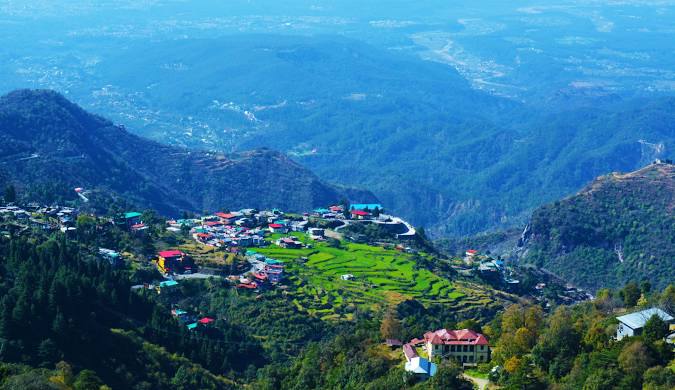
Mussoorie landscape, Queen of the Hills. Plan your travel blog inspired trip to Mussoorie.

Plan Your Mussoorie Trip: Best Time to Visit & Travel Tips 2025

Looking for the best spots to visit in Mussoorie? Quickly explore Lal Tibba for Himalayan views1 …, take a stroll down the lively Mall Road1 …, or experience the cascading waters of Kempty Falls1 …. For more in-depth information on these attractions, including their unique features, things to do, and practical details, keep reading the comprehensive guide. You’ll find everything you need to plan your visit! Mussoorie Travel Guide: Discover the Best Time to Visit and Plan Table of Contents Introduction Few places in India capture the enchantment of the Himalayan foothills as splendidly as Mussoorie, fondly hailed as the “Queen of the Hills.” Perched at an elevation of around 6,500 feet (about 2,000 meters) above sea level, this charming hill station in Uttarakhand has bewitched travelers since the days of the British Raj. Strolling through the winding roads, you’ll find colonial-era structures, bustling markets, scenic viewpoints, and a refreshing climate that contrasts with the heat of India’s plains. Why is Mussoorie famous for?Mussoorie’s fame arises from its breathtaking mountain vistas, cool climate, and historic charm. Its vantage points offer panoramic views of the snow-capped Himalayan ranges, while the rolling green hills surrounding the town create a picturesque backdrop for leisurely walks, adventurous treks, and everything in between. Is Mussoorie worth visiting?Absolutely! For anyone who loves the mountains—or simply desires a tranquil escape—Mussoorie more than lives up to its regal moniker. Whether you’re wandering down Mall Road, gazing at the Doon Valley, or sipping hot chai while clouds drift by, there’s a rejuvenating aura here that envelopes every traveler. The vibe is both relaxing and adventurous, making Mussoorie ideal for couples, families, and solo wanderers. What’s special in Mussoorie?Mussoorie combines British colonial history, natural wonders, quirky local traditions, and unforgettable cuisine. Attractions like Kempty Falls, Lal Tibba, and Gun Hill draw visitors from all over the globe. Its proximity to other Uttarakhand gems—like Dehradun and Rishikesh—adds extra flair for those seeking to extend their Himalayan circuit. With this guide, we’ll help you discover why Mussoorie is a year-round favorite, from picking the best time to visit Mussoorie to planning your trip budget and top attractions. Ready to plan your adventure? Let’s begin! Best Time to Visit Mussoorie When to Visit Mussoorie: Finding Your Perfect Season Which month is best to visit Mussoorie?Mussoorie has a mild, pleasant climate for most of the year. However, the peak season generally runs from March to June, when temperatures hover between 15°C and 25°C (59°F–77°F), offering a respite from the scorching Indian summer. The skies are mostly clear, making it ideal for sightseeing. Which is the best time to visit Mussoorie? Is it hot or cold in Mussoorie? Mussoorie typically remains pleasant, rarely getting scorching hot. Summers peak around 25°C. Winters can see temperatures fall close to 0°C (32°F). If you prefer mild weather, summer to early autumn is best. If you love chilly conditions and possible snow, visit in January or February. Which month is coldest in Mussoorie? Typically, January is the coldest month, with nighttime temperatures possibly dipping below zero. Snowfall (when it does occur) usually arrives between late December and early February, making Mussoorie a winter wonderland. What is off-season in Mussoorie? Pro Tip: Always check the local weather forecast (or “what is the climate in Mussoorie today?”) before you finalize your plans, as Himalayan weather can be unpredictable. Getting to Mussoorie: Travel Options How to Reach Mussoorie: Your Complete Transportation Guide How do I go from Delhi to Mussoorie? How to reach Mussoorie by train?No direct train station in Mussoorie. The nearest railhead is Dehradun. From Dehradun Railway Station, local cabs or buses ply frequently to Mussoorie, a scenic 33 km (20 mi) route with breathtaking views. How to reach Mussoorie by air?Fly into Dehradun’s Jolly Grant Airport, about 55 km (34 mi) from Mussoorie. From the airport, a pre-paid taxi or rental car can get you to the hill station in 1.5–2 hours, depending on traffic and road conditions. How to go Mussoorie from Rishikesh? / How do I go from Mussoorie to Rishikesh?Mussoorie to Rishikesh is about 75 km (47 mi), typically 2-3 hours by road. You can take a bus from Dehradun or direct share taxis on weekends. If you have a private vehicle, the route via Dehradun is straightforward, with scenic mountain views en route. How do I go from Dehradun to Mussoorie?The Dehradun–Mussoorie route is a short 33 km, usually covered in 1-1.5 hours by public bus or taxi. The ride is steep and winding, offering mesmerizing valley vistas as you ascend the hills. How far is Mussoorie and Nainital?Mussoorie and Nainital are about 300 km (186 mi) apart, taking 7-8 hours by road. Many travelers combine these destinations if they have ample time. How to travel in Mussoorie?Within the town, walking is popular—especially along the Mall Road. For longer distances, local cabs and shared autos (vikrams) are available. Keep in mind that parking can be limited, so plan accordingly if you’re driving your own vehicle. How Many Days are Enough for Mussoorie? Is 2 days enough for Mussoorie? Is Mussoorie one day enough? How many days trip is good for Mussoorie? Tip: If you plan to combine Mussoorie with other Uttarakhand destinations, 4-5 days is excellent for a more varied itinerary. Mussoorie Trip Cost & Budgeting How much will a Mussoorie trip cost? How much does a Mussoorie trip cost? Costs in Mussoorie can vary widely based on your accommodation choices, transportation, dining, and activities. Here’s a rough breakdown for a 2-3 day mid-range trip for two people: Is Mussoorie costly? While Mussoorie can be pricier than smaller hill stations due to its popularity, it offers budget to luxury experiences. Mall Road shops, cafés, and mid-range hotels are quite affordable. Upscale resorts and luxury spas exist for travelers seeking premium comfort. Overall, with a bit of planning, you can tailor your Mussoorie trip to suit a range of budgets. Where to Stay in Mussoorie Which area is best to stay in Mussoorie? If you

Plan Your Mussoorie Trip: Best Time to Visit & Travel Tips 2025 Read More »

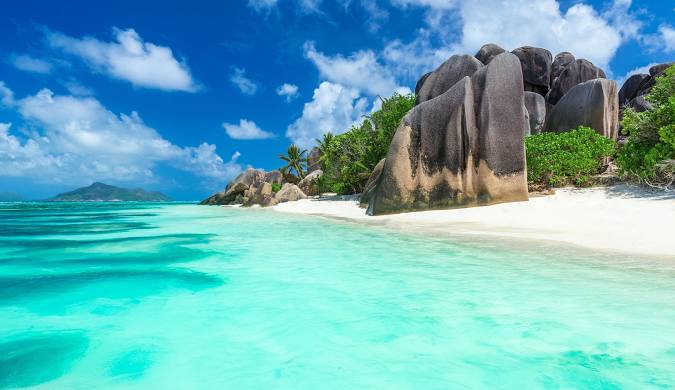
Stunning Seychelles beach scene showcasing unique granite rock formations along a white sand shore. Turquoise ocean water is crystal clear, ideal for swimming. Check our travel blog for the latest travel blog updates and discover the best time to visit Seychelles.

Discover the World: Travel Tips, Seychelles Info & Blog Articles

Your Ultimate Travel Blog: Inspiration, Latest Updates & Seychelles Guide Planning a trip to Seychelles involves considering the best time to visit based on weather and activities, exploring diverse accommodation options, and understanding transportation between the islands and locally. Keep reading to discover detailed insights into each of these aspects, ensuring you have all the information needed for your perfect Seychelles adventure. Escape to Paradise: Your Comprehensive Seychelles Travel Guide The Seychelles, an archipelago nation scattered across the Indian Ocean, has long held the allure of a quintessential tropical escape. Its reputation as a paradise is well-earned, conjuring images of pristine beaches framed by unique granite boulders and lush vegetation meeting the turquoise waters.1 This article aims to serve as a comprehensive guide for anyone contemplating a journey to this enchanting destination. It will delve into the distinct character of its main islands, highlight the must-see attractions and activities, provide essential planning information, and offer insights into optimizing your exploration of this remarkable corner of the world for both enjoyment and search engine visibility. Discovering the Jewel of the Indian Ocean: An Overview of Seychelles Located off the eastern coast of Kenya, the Seychelles archipelago comprises 115 islands, a captivating mix of both coral and granite formations.1 While the outer islands, often coral atolls, possess their own distinct charm, the focus of this guide will primarily be on the inner, granitic islands, which are most frequented by travelers.3 This island nation boasts a remarkable level of biodiversity, home to several endemic species that exist nowhere else on Earth. Among the most iconic are the giant Aldabra tortoises, ancient reptiles that roam freely, and the rare Coco de Mer palm, which produces the largest seed in the plant kingdom.1 The cultural tapestry of Seychelles is as rich and diverse as its natural landscape. Over centuries, the islands have welcomed settlers and traders from various corners of the globe, including French colonists, East Africans, individuals from South India, and Chinese merchants.4 This confluence of cultures has resulted in a unique Creole heritage that is reflected in the Seychellois way of life, their language, and their cuisine. The official languages of Seychelles are Seychellois Creole, English, and French, with Seychellois Creole being the most widely spoken.6 The local currency is the Seychellois Rupee (SCR), and while ATMs can be found on the larger islands, it is worth noting that Euros, Great British Pounds, and US dollars are also widely accepted at many hotels, restaurants, and shops.1 For those planning a visit, it is crucial to be aware of the mandatory Travel Authorization (TA) required for all travelers entering Seychelles. This authorization must be applied for and approved through the official government platform.7 Island Hopping in Seychelles: Exploring the Unique Charms of Mahé, Praslin, and La Digue A journey to Seychelles often involves exploring the distinct personalities of its three main inhabited islands: Mahé, Praslin, and La Digue. Each offers a unique experience, contributing to the overall allure of this diverse destination. Mahé: The Vibrant Heart of Seychelles Mahé, the largest island in the Seychelles, serves as the primary gateway for most visitors, housing the nation’s only international airport.9 Once known as the Isle of Abundance, Mahé lives up to its name, offering a wealth of attractions and serving as the epicenter of Seychelles’ tourism industry. Victoria, the capital city, is located here and is considered one of the world’s smallest capitals.4 Covering an area of approximately 155 to 157 square kilometers 11, Mahé is home to the vast majority of the Seychellois population, estimated to be around 86% of the country’s total, exceeding 100,000 residents.11 The island boasts over sixty beaches, many of which frequently appear on global top ten lists.9 Among its popular attractions is Beau Vallon Beach, the most famous and lively beach on Mahé, known for its long stretch of white sand and various watersports activities.15 Nature enthusiasts can explore Morne Seychellois National Park, which encompasses a significant portion of the island’s interior and offers hiking trails through lush forests and up to mist-clad mountain peaks.10 A visit to Victoria is a must, where one can experience the vibrant atmosphere of the Victoria Market, a great place to find fresh produce, seafood, and souvenirs.1 The Seychelles National Botanical Gardens, located on the outskirts of Victoria, showcase a diverse collection of local and exotic flora.4 The city also holds historical and cultural significance, with landmarks like the iconic clock tower, reminiscent of a miniature Big Ben, and various cathedrals reflecting the island’s colonial past.10 Activities on Mahé cater to a wide range of interests. Beau Vallon offers ample opportunities for swimming, sunbathing, and various watersports.16 Hiking enthusiasts can explore the trails within Morne Seychellois National Park, such as the Morne Blanc Trail, which rewards hikers with panoramic views.4 For a taste of local industry, the Takamaka Rum Distillery offers tours and tastings, providing insight into rum production using locally grown sugarcane.10 Getting around Mahé is relatively convenient with the availability of car rentals, requiring an international driving permit as driving is on the left.4 An affordable bus service also operates on the island, though it can be infrequent on some routes and crowded during peak hours.1 Travelers should be aware that roads, particularly in the mountainous regions, can be narrow and winding, often with steep drops.7 Praslin: Nature’s Sanctuary and Stunning Beaches Praslin, the second-largest island in the Seychelles, lies approximately 45 kilometers northeast of Mahé and is easily accessible via a short domestic flight or a fast ferry.9 Known for its exceptional natural beauty and more relaxed pace of life compared to Mahé, Praslin covers a surface area of around 38 to 39.5 square kilometers 22 and has a population of approximately 6,500 to 8,000 residents.22 The island is a haven for nature lovers, boasting vast tracts of palm forests and some of the most stunning beaches in the archipelago.22 Its most famous attraction is the Vallée de Mai UNESCO World Heritage Site, a remarkably preserved palm forest often

Discover the World: Travel Tips, Seychelles Info & Blog Articles Read More »

Mark Twain National Forest

Mark Twain National Forest Adventure: Ultimate Ozark Hiking, River Rafting & Camping Guide | Travel Blog

Mark Twain National Forest Adventure: Your Ultimate Guide to Ozark Hiking, River Rafting & Camping Looking for adventure in the Ozarks? Mark Twain National Forest in Missouri offers 1.5 million acres for hiking, river rafting, camping, and exploring caves. Discover scenic trails, pristine waterways like the Current and Eleven Point Rivers, diverse camping spots, and unique natural features. Keep reading to uncover in-depth information on planning your unforgettable trip, including the best activities, times to visit, and essential tips! Nestled within the heart of Missouri, the Mark Twain National Forest (MTNF) stands as the state’s sole national forest, a sprawling sanctuary encompassing approximately 1.5 million acres across 29 counties in the southern half of the state. Stretching from the rugged St. Francois Mountains in the southeast to the dry rocky glades in the southwest, and from the prairie lands along the Missouri River to the ancient Ozark Highlands, this vast natural haven offers an incredible tapestry of landscapes and outdoor experiences. Named in honor of Missouri’s legendary author, Samuel Clemens, better known as Mark Twain, the forest beckons with promises of adventure, tranquility, and natural beauty, often hailed as an underrated gem within the United States’ national forest system. Here, away from the crowded tourist trails, lies an authentic connection with nature, offering everything from challenging hikes and pristine river adventures to diverse camping options and hidden natural wonders. A History Woven with Resourcefulness and Restoration The story of the Mark Twain National Forest is deeply rooted in both the exploitation of natural resources and a dedicated effort towards ecological recovery. In the late 19th century, southern Missouri witnessed extensive logging of its native oak, hickory, and pine forests, a period that dramatically altered the landscape and led to the disappearance of many lumber mills by the 1920s. However, a growing concern for conservation in the early 1930s prompted the establishment of several purchase units, culminating in President Franklin D. Roosevelt’s proclamation of the Mark Twain National Forest on September 11, 1939. Furthering the cause of conservation, in March 1933, Roosevelt created the Emergency Conservation Work Act, better known as the Civilian Conservation Corps (CCC). Within the area that would become the Mark Twain National Forest, hundreds of young men at over 50 CCC sites worked tirelessly to build roads and plant hundreds of acres of pine, efforts aimed at preserving and enhancing the natural resources of southern Missouri. Many of their contributions, including the Rolla Ranger Station Historic District and Winona Ranger Station Historic District, can still be visited and appreciated today. The forest’s history took another significant turn on February 17, 1976, when the Mark Twain National Forest, which had once shared a headquarters with the Clark National Forest under the collective name “National Forests in Missouri” since 1973, was combined and officially renamed the Mark Twain National Forest. This consolidation underscored the resilience of nature and the importance of dedicated conservation efforts, adding a deeper appreciation for the pristine environments that visitors now enjoy. Quick Information: Category Highlights Recommendations & Tips Hiking & Backpacking Trails for all skill levels; scenic vistas; historic routes Explore sections of the Ozark Trail, Taum Sauk Mountain State Park trails, and Dogwood Canyon routes. Bring sturdy boots, layered clothing, and plenty of water. Water Adventures Canoeing, kayaking, fishing on clear, spring-fed rivers Try a paddle trip on the Current or Eleven Point River. Rent gear from local outfitters, check for required permits, and always wear a life jacket. Caving & Spelunking Natural caves hidden in a karst landscape; guided and wild caving options For beginners, join a guided cave tour. Experienced adventurers can opt for wild caving—but always use proper gear and follow safety guidelines. Camping & Stargazing Wide range of options from developed campgrounds to free dispersed camping; amazing night skies Reserve campsites ahead during peak seasons or enjoy free dispersed camping for a rustic experience. Pack essentials, follow Leave No Trace principles, and enjoy minimal light pollution. Scenic Drives Quiet, picturesque byways showcasing rolling hills, forests, and far-reaching overlooks Take a drive along the Blue Buck Knob Scenic Byway or the Glade Top Trail. Stop for picnics at designated overlooks to fully absorb the beautiful scenery. Planning & Logistics Year-round destination with distinct seasonal charms; accessible by car from major Missouri cities Spring offers blooming wildflowers, summer is perfect for water activities, fall brings vibrant colors, and winter provides quiet solitude. Plan your route, book accommodations, and pack appropriately. A Tapestry of Diverse Landscapes and Natural Wonders The Mark Twain National Forest lies predominantly within the Ozark Highlands, an ancient landscape characterised by a unique blend of geological and ecological features. Here, visitors can discover large permanent springs, over 5,000 caves, distinctive rocky barren glades, and old volcanic mountains, all interwoven with nationally recognised streams. The forest marks a fascinating ecological convergence where eastern upland oak hardwood and southern pine forests meet the drier western bluestem prairie of the Great Plains, resulting in a distinctive array of open grassy woodlands and savannas. The Ozarks are renowned for hosting the world’s largest collection of “first magnitude” springs, those boasting over 65 million gallons of daily water flow. Nearly 3,000 springs feed the forest’s numerous rivers and streams, many of which maintain a crystal-clear quality, making even ten feet of depth appear deceptively shallow. Among these natural wonders is Greer Spring, the second-largest spring in Missouri and the largest found on National Forest land. Discharging an average of 360 cubic feet of water per second, it more than doubles the flow of the nearby Eleven Point River and is often considered the most pristine and scenic spring in the state. At Cowards Hollow Natural Area, visitors can also encounter unusual geological formations such as a chert shut-in and chert cliffs. For those seeking scenic drives, the forest offers several captivating National Forest Scenic Byways. The Glade Top National Forest Scenic Byway, stretching for 23 miles along narrow ridge tops, provides breathtaking panoramic views of the surrounding Ozark landscape, particularly noted for

Mark Twain National Forest Adventure: Ultimate Ozark Hiking, River Rafting & Camping Guide | Travel Blog Read More »

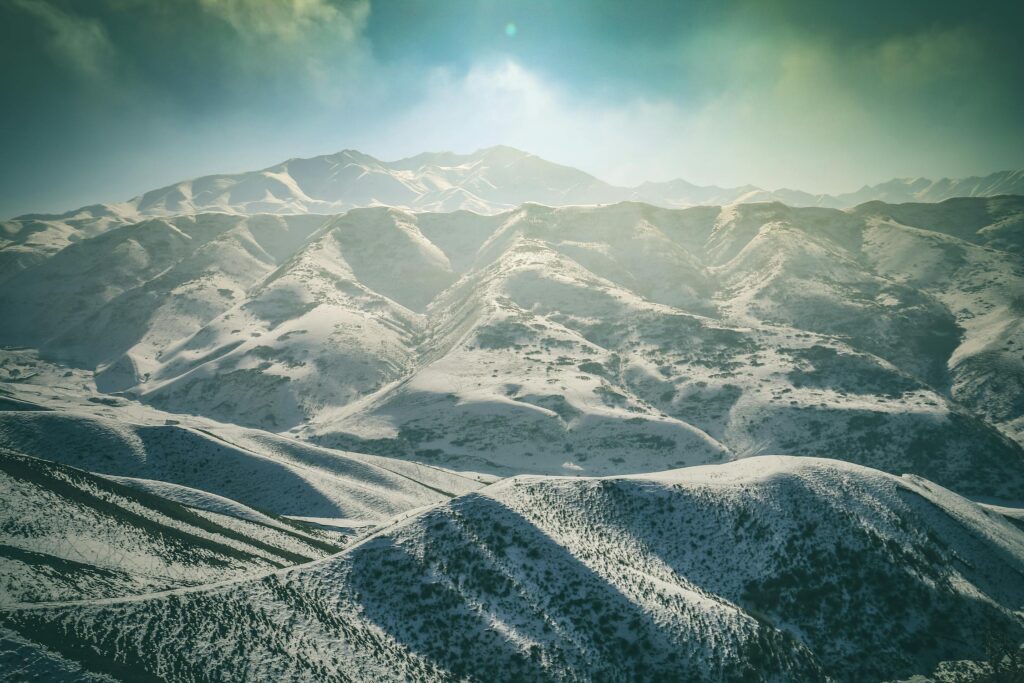
Panoramic vista of the Tian Shan mountains in Kyrgyzstan, showcasing rugged peaks and alpine meadows.

Kyrgyzstan: A Comprehensive Guide for Budget-Conscious Indian Travelers

Kyrgyzstan: A Comprehensive Guide for Budget-Conscious Indian Travelers Have you ever dreamed of a place where majestic mountains, ancient history, and vibrant culture blend seamlessly with affordability and adventure? Welcome to Kyrgyzstan—a hidden gem in Central Asia that offers Indian travelers an experience like no other. Whether you’re a student, a backpacker, or simply someone who loves discovering offbeat destinations, this guide will take you through every aspect of planning your trip—from visa tips and transport to the best time to visit and must-see attractions. In this comprehensive guide, we will explore why Kyrgyzstan has become a hotspot for budget travelers. We’ll answer key questions such as the details of kyrgyzstan visa for indians, reveal the secrets behind its incredible landscapes, and provide practical tips for an unforgettable journey. So, grab a cup of chai and let’s embark on this adventure together! Introduction: The Allure of Kyrgyzstan Kyrgyzstan, officially the Kyrgyz Republic, is a landlocked country in the heart of Central Asia. Often called the “Switzerland of Central Asia” due to its dramatic mountain ranges, over 80% of its terrain is covered by the majestic Tian Shan and Pamir ranges. For budget-conscious Indian travelers, Kyrgyzstan offers a unique combination of rugged natural beauty, rich cultural heritage, and unbeatable value. What sets Kyrgyzstan apart is not just its scenic vistas or its historical significance along the ancient Silk Road—it’s also the genuine warmth of its people and the ease of travel. With affordable accommodation, inexpensive local cuisine, and friendly transport options, this destination allows you to immerse yourself in local life without burning a hole in your pocket. And yes, we’ll also cover important details like kyrgyzstan visa for indians to make your travel planning even smoother. Where is Kyrgyzstan Located? Unveiling the Heart of Central Asia Geography and Regional Context So, where is Kyrgyzstan located? Nestled between Kazakhstan to the north, Uzbekistan to the west, Tajikistan to the south, and China to the east, Kyrgyzstan lies at the crossroads of various cultures and historical trade routes. This strategic location has shaped its diverse heritage and traditions, making it a fascinating melting pot of Turkic, Mongol, and Russian influences. For those planning your journey, a detailed Kyrgyzstan map is essential. It not only helps you visualize the country’s diverse geography—from expansive steppes to rugged highlands—but also guides you through the main travel hubs and cultural centers like Bishkek, the capital city. Why Its Location Matters Kyrgyzstan’s location is a major draw for Indian travelers. The country’s position along the ancient Silk Road means that its history is filled with tales of caravans, trade, and cultural exchange. For Indian tourists, this connection can feel familiar—reminding you of the historical ties that have long linked India with Central Asia. This cultural affinity, combined with modern travel conveniences, makes Kyrgyzstan an appealing destination for those seeking both adventure and comfort. Navigating the Visa Process: Your Guide to Kyrgyzstan Visa for Indians One of the most frequently asked questions by Indian travelers is about the visa process. Let’s demystify it: Visa Options for Indian Citizens For the most up-to-date and detailed information, you can visit the official Kyrgyz visa portal. This streamlined process makes obtaining a kyrgyzstan visa for indians simpler than ever. The Best Time to Visit Kyrgyzstan: When to Experience the Magic Timing is everything when planning your trip. So, what’s the best time to visit Kyrgyzstan? Seasonal Breakdown For more detailed insights into seasonal weather patterns, check out resources like Lonely Planet’s guide to Kyrgyzstan and Steppes Travel. Budget Breakdown: Maximizing Your Money in Kyrgyzstan Traveling on a budget doesn’t mean sacrificing experiences. In Kyrgyzstan, you can enjoy a rich travel experience without breaking the bank. Let’s break down the costs: Flights International flight prices vary depending on the season and booking time. Here are some rough estimates for round-trip fares from major Indian cities: Airlines like Air Astana, Air Arabia, and Turkish Airlines offer competitive fares, often with layovers in Dubai, Istanbul, or Almaty. For the latest deals, visit sites like Kayak. Visa and Entry Accommodation Kyrgyzstan offers a range of lodging options suited for every budget: Websites like Booking.com and Hostelworld are great for finding affordable accommodation. Food Local food in Kyrgyzstan is both delicious and wallet-friendly: Transportation Getting around in Kyrgyzstan is economical: Activities and Entrance Fees Many of Kyrgyzstan’s attractions are very affordable: For an overall picture of daily expenses, refer to the table below, which outlines a sample 7-day itinerary’s costs: Day Location Estimated Cost (INR) Estimated Cost (USD) 1 Bishkek 1,700 – 2,200 20 – 26 2 Bishkek 1,600 – 2,000 19 – 24 3 Ala Archa National Park 1,800 – 2,300 22 – 28 4 Issyk-Kul (Cholpon-Ata) 2,000 – 2,600 24 – 31 5 Issyk-Kul 1,800 – 2,400 22 – 29 6 Bokonbaevo 2,300 – 2,800 28 – 34 7 Bishkek (Departure) 1,000 – 1,500 12 – 18 Total   12,200 – 15,800 146 – 190 Note: These estimates exclude international flight costs and visa fees. Daily expenses typically average between ₹1,745 and ₹2,260 (roughly $21 – $27). Planning Your Itinerary: A Detailed 7-Day Travel Plan To help you maximize your experience while keeping costs low, here’s a comprehensive 7-day itinerary specifically designed for budget-conscious Indian travelers. Day 1: Arrival in Bishkek Day 2: Exploring Bishkek and Cultural Immersion Day 3: A Day Trip to Ala Archa National Park Day 4: Journey to Issyk-Kul (Cholpon-Ata) Day 5: Exploring Issyk-Kul and Cultural Sites Day 6: Immersion in Bokonbaevo and Local Traditions Day 7: Return to Bishkek and Departure This detailed itinerary is designed to give you a taste of everything Kyrgyzstan has to offer, while keeping expenses in check. It also leaves some room for spontaneity—because sometimes the best adventures happen when you deviate from the plan. Key Comparisons and Insights: Kyrgyzstan Versus Other Destinations To truly appreciate what Kyrgyzstan brings to the table, let’s compare it with some other popular travel destinations: Feature Kyrgyzstan Southeast Asia (e.g., Thailand) Europe (e.g., Italy) Affordability Extremely budget-friendly;

Kyrgyzstan: A Comprehensive Guide for Budget-Conscious Indian Travelers Read More »

Sandy shores of Kuta Beach in Bali, bustling with surfers. Enjoy beach activities during your Bali vacation.

Your Essential Bali Travel Guide: Best Time to Visit, Flights from the USA, and First-Timer Tips

Looking for the ideal time for your Balinese escape? Generally, the dry season, from April to October, is considered best for sunny weather. For fewer crowds and pleasant conditions, you might consider the shoulder months of May, June, and September. Want to explore during the wet season for potentially lower prices and a quieter atmosphere? The months from November to March could be an option, just be prepared for more rain. Keep reading for a more detailed monthly breakdown and insights to help you pinpoint your perfect travel window! Bali Travel Guide for First-Timers: Best Time to Travel, Flights from the USA I. Introduction: Discovering the “Island of the Gods” Bali, often referred to as the “Island of the Gods,” is a captivating destination that conjures images of tranquil beaches, verdant rice paddies, and a vibrant culture. For travelers making their first journey from the USA, the enchantment of this Indonesian paradise is particularly strong. This guide is specifically designed to provide first-time visitors from the United States with all the essential knowledge required to plan an unforgettable Balinese adventure, addressing common queries about the best time to travel to Bali, understanding flights to Bali, and offering a comprehensive Bali travel guide for first timers. It is important to remember that Bali is a province and an island that forms part of the Republic of Indonesia, a large archipelago in Southeast Asia. Prepare to uncover the magic that awaits on this enchanting island as we delve into every crucial aspect to ensure a smooth and enriching travel experience. Bali Travel Guide: Quick Clarity Table for First-Time Visitors Category Key Information at a Glance Reader Action/Takeaway Best Time to Visit Dry Season (Apr-Oct): Sunny, best for beaches, surfing (West coast). Shoulder (May-Jun, Sep-Oct): Pleasant, fewer crowds, good deals. Wet (Nov-Mar): Rain, lush, quieter, budget-friendly. Decide based on your priorities: Weather preference vs. budget vs. crowd levels. Check monthly breakdown for specifics. Flights from USA No Direct Flights. Expect layovers in Asian hubs (Singapore, Hong Kong, Dubai, etc.). Flight time: 20+ hours. Airlines: Singapore, Emirates, Qatar, Cathay Pacific, etc. Prepare for a long journey. Factor in layover time. Use flight comparison sites. Book in advance for better deals. Visa & Entry (US) Visa on Arrival (VOA) for tourism (30 days, extendable). Passport: 6 months validity, blank pages. Return/onward ticket needed. VOA fee approx. $35 USD. Ensure passport validity and blank pages. Budget for VOA fee. Check latest visa rules before travel. Money Matters Currency: Indonesian Rupiah (IDR). Exchange USD to IDR in Bali (authorized changers/ATMs). Cards widely accepted in tourist areas, but carry cash. Exchange currency in Bali for better rates. Have cash for smaller places and tips. Inform your bank of travel dates. Bali Basics Bali is a province of Indonesia, not a country. “Island of the Gods,” Hindu culture. Capital: Denpasar. Cultural heart: Ubud. Understand Bali’s context within Indonesia. Be aware of the unique Hindu culture and local customs. Essential Customs Dress modestly at temples (cover shoulders/knees). “Om Swastiastu” greeting. Right hand for giving/receiving. Respect offerings (Canang Sari). Be mindful of public behavior. Show respect for Balinese culture. Learn basic phrases. Be aware of temple etiquette and general customs. Getting Around Taxis (Bluebird recommended, use meter). Ride-hailing apps (Grab/Gojek) popular, but some area restrictions. Traffic can be congested. Use metered taxis or ride-hailing for transport. Be patient with traffic, especially in tourist areas. Accommodation Wide range: Hostels to luxury villas. Popular areas: Kuta (budget), Seminyak/Nusa Dua (upscale), Ubud (wellness/nature). Book in advance, especially in peak season. Choose accommodation based on budget and preference. Book ahead to secure best options and prices. Top Things to See/Do Temples: Tanah Lot, Uluwatu, Tirta Empul, Besakih. Nature: Rice terraces, waterfalls, Mount Batur. Beaches: Kuta, Seminyak, Canggu, Nusa Dua, Uluwatu. Culture: Ubud, art villages, Kecak dance. Prioritize attractions based on your interests. Plan your itinerary to cover key highlights. Health & Safety Vaccinations recommended (Hepatitis A, Typhoid). Travel insurance essential. Drink bottled/filtered water. Be cautious with food. Petty crime in tourist areas. Respect animal safety. Licensed money changers only. Consult doctor for vaccinations. Get travel insurance. Be mindful of food/water safety and general safety precautions. Packing Essentials Light, tropical clothing. Sunscreen, insect repellent, medications. Rain jacket (wet season). Pack light and for the tropical climate. Don’t forget essentials for sun protection and health. Timing Your Trip: Finding the Best Time to Visit Bali Understanding Bali’s tropical climate and tourist seasons is key to planning your visit.A. Understanding Bali’s Tropical Climate and Seasons The Dry Season, generally spanning from April to October, is often considered the ideal time for outdoor pursuits. This period is typically characterised by sunny and breezy conditions with less rainfall and lower humidity, making it perfect for beach activities and water sports. The Wet Season, which typically runs from November to March, brings occasional heavy rains and higher humidity. While rainstorms can be sudden and intense, they often pass quickly, allowing for a mix of sun and showers. The landscapes during this time are often lush and vibrant.B. Navigating Bali’s Tourist Seasons The High Season in Bali generally falls between June to August and November to December. These periods typically see larger crowds and higher prices for both flights and accommodations. This aligns with summer vacations in Europe, America, and Australia, as well as the Christmas and New Year holidays. The Shoulder Seasons, which include April to May and September to October, are often considered by many as the best time to travel. During these months, you can expect pleasant weather with fewer tourists, potentially leading to better deals on accommodations. The Low Season, from January to March, typically experiences the highest chance of rainfall. This period offers the quietest atmosphere and often the most budget-friendly prices. C. Weather Conditions and Activities by Season Dry Season (April-October): This season is ideal for beaches and sunbathing. It is also a great time for surfing, with the west coast experiencing the best swells from June to August. Hiking and exploring the inland areas are also favorable due to the sunny days and reduced humidity. Conditions are generally good for diving and snorkelling as well. Wet Season (November-March): While rain can affect water clarity for diving and snorkelling and may make some hiking trails

Your Essential Bali Travel Guide: Best Time to Visit, Flights from the USA, and First-Timer Tips Read More »

Mirror-like reflection of Mount Fuji in Lake Kawaguchiko, Yamanashi, Japan. A classic and serene view of Japan's iconic mountain.

Planning Your Perfect Japan Trip: Essential Tips and Insights for First-Time Visitors

  Travelling to Japan soon? Here are a few essential things to know before you go! Keep reading for more in-depth travel tips, including the best and worst times to visit, navigating transport, cultural etiquette, and much more to ensure a smooth and enjoyable trip to Japan! Japan, a captivating archipelago nation, presents a mesmerizing blend of ancient traditions and cutting-edge modernity. From the tranquil serenity of Kyoto’s temples to the vibrant energy of Tokyo’s bustling streets, the country offers a diverse array of experiences. This article serves as an essential resource, providing crucial information and tips for planning a smooth and enjoyable Japan trip, particularly for those visiting for the first time. Many first-timers opt for the popular tourist route, known as the golden route, which typically runs from Tokyo to Kyoto and then on to Osaka. Quick Guide to Essential Japan Trip Tips Topic Key Takeaway/Clarity Point Why it Matters/Further Detail Cash & Cards Carry cash & get a SUICA card. Cash is still vital, especially in smaller places. SUICA card simplifies local transport and convenience store purchases. Best Time to Visit Spring (cherry blossom) & Autumn (fall) are ideal, but busy. Enjoy beautiful scenery and comfortable weather. Be prepared for crowds. Avoid late June-early Sept (hot, humid, typhoon season). Golden Route Tokyo-Kyoto-Osaka is a great first-timer route. Covers major highlights and offers a good introduction to Japan’s blend of modern and traditional. Transportation Shinkansen (bullet train) is efficient for long distances. Book Shinkansen in advance, especially for luggage space and peak times. SUICA card is essential for local travel. JR Pass Likely not cost-effective for standard Golden Route. Price has increased. Only consider if you plan extensive train travel across Japan beyond the typical tourist routes. Budgeting Japan can be expensive; budget  100−100− 200 USD daily. Costs vary by city (Tokyo & Kyoto pricier). Food can be affordable if eating at convenience stores & local eateries. Transport (Shinkansen) impacts budget. Accommodation Variety of options: Hotels, Ryokans, Hostels. Consider Ryokans for cultural experience. Shibuya in Tokyo is central. Hotel rooms can be smaller than you’re used to. Food & Drink Konbini (convenience stores) are amazing & affordable. Great for quick, quality meals and snacks. Explore vending machines and local eateries for unique experiences. Try regional specialties & Ekiben on trains. Etiquette Be quiet in public, don’t eat while walking, no tipping. Show respect for Japanese culture. Quietness is valued. Tipping is not customary and can be considered rude. Booking Ahead Book popular activities & transport in advance. Essential during peak seasons. Use platforms like Klook for easy booking in your currency. Overtourism (Kyoto) Kyoto can be very crowded. Visit major temples early (5-6 am) or explore lesser-known areas for a more peaceful experience. Internet Access Get an eSIM for your phone. Essential for navigation, translation, and staying connected. Luggage on Shinkansen Book oversized luggage seats if needed. Ensure luggage is properly stored on Shinkansen. Platforms like Klook help with booking these seats. Safety Japan is very safe. Be mindful of surroundings and take basic safety precautions as you would anywhere. Visa Visa requirements vary by nationality. Check visa requirements based on your passport well in advance of your trip. E-visa options may be available for some nationalities. 1. When to Visit Japan: Navigating the Seasons Choosing the right time to visit can significantly impact your Japan trip. 2. Must-See Destinations: Exploring Japan’s Highlights Japan boasts a wealth of incredible destinations, but for many first-time visitors, the golden route is a natural starting point. 3. Getting Around Japan: Mastering the Transportation System Japan boasts an incredibly efficient and comprehensive transportation network. 4. Money Matters: Currency, Budgeting, and Payments Understanding Japan’s currency and budgeting is crucial for a smooth trip. 5. Accommodation in Japan: Finding Your Home Away From Home Japan offers a diverse range of accommodation options to suit various budgets and preferences. 6. Food and Drink: A Culinary Adventure Japanese cuisine is a major highlight of any trip. 7. Essential Things to Know Before You Go: Practical Tips Here are some crucial tips to keep in mind before and during your Japan trip. 8. Japanese Culture and Etiquette: Showing Respect Understanding and practicing basic Japanese etiquette will greatly enhance your travel experience and ensure you show respect to the local people. 9. Booking in Advance: Planning Ahead is Key Given Japan’s popularity, especially during peak seasons, booking activities and transportation well in advance is crucial. 10. Navigating Overtourism: Especially in Kyoto Overtourism can be a significant issue in popular destinations like Kyoto, especially during peak seasons like autumn. 11. Visa Information Visa requirements for Japan vary depending on your nationality. Conclusion A Japan trip promises a truly unique and unforgettable experience, blending the wonders of ancient culture with the excitement of modern life. By understanding the best times to visit, navigating the efficient transportation system, being mindful of your budget and Japanese etiquette, and remembering to book key aspects of your trip in advance, you can ensure a smooth and stress-free adventure in the Land of the Rising Sun. Use the tips and resources provided to craft your perfect Japan trip and create memories that will last a lifetime. FAQ’s  www.xploreheaven.com

Planning Your Perfect Japan Trip: Essential Tips and Insights for First-Time Visitors Read More »

Lake Teletskoye, Altai Mountains, Russia, Tourist Destination.

Lake Teletskoye & Altai Travel Blog: Inspiration & Tips

Introduction: A Hidden Paradise Awaits Forget the usual tourist traps! Have you heard whispers of a Siberian secret, a hidden gem sparkling amidst towering mountains and ancient forests? Prepare to be captivated by Lake Teletskoye, Russia’s ‘Little Baikal’ – a place so breathtaking, it will redefine your definition of ‘stunning’. As your feet touch the shores of this pristine alpine lake, you’ll understand why the indigenous people named it “Altyn-Köl” – the Golden Lake. This isn’t just another pretty destination; it’s a UNESCO World Heritage treasure that has somehow remained under the radar of mass tourism, making it the perfect escape for adventurous souls seeking authentic experiences. Stretching 77km through the heart of the rugged Altai Mountains, with depths plunging to 325 meters, Lake Teletskoye stands as one of the 15 deepest lakes on our planet. Yet it’s not just its impressive statistics that will leave you speechless – it’s the raw, untamed beauty that unfolds in every direction. This is Siberia at its most magnificent, and I’m about to share why you need to put this extraordinary destination at the top of your travel bucket list. The Breathtaking Beauty of Lake Teletskoye A Natural Masterpiece Picture this: crystal-clear waters so transparent you can see up to 14 meters below the surface, mirroring the dramatic peaks of the surrounding Altai Mountains. Dense taiga forests cascade down steep slopes, creating a fjord-like landscape that rivals Norway’s famous vistas. The air – crisp, clean, and scented with pine – fills your lungs as you stand in awe of nature’s masterpiece. Lake Teletskoye isn’t just beautiful; it’s otherworldly. The play of light across its surface transforms throughout the day – from the soft golden hues of sunrise reflecting off the northern shore to the fiery spectacle of sunset illuminating the northeastern ridgeline. When the morning mist hovers just above the water, creating an ethereal veil between mountains and lake, you’ll understand why this place is often described as mystical. A Symphony for the Senses The experience of Lake Teletskoye engages all your senses. The gentle lapping of waves against the shore provides a soothing soundtrack, occasionally punctuated by the distant roar of one of the many waterfalls that feed the lake. In spring, the vibrant purple blooms of maralnik (Rhododendron dauricum) create splashes of color against the emerald forests, while the earthy scent of the taiga mingles with the fresh mountain air. Touch the cool, pristine waters – among the clearest in the world – and feel the connection to one of nature’s most unspoiled environments. This is wilderness in its purest form, a place where you can truly disconnect from the chaos of modern life and reconnect with the natural world. A Landscape of Contrasts What makes Lake Teletskoye truly unique is its stunning variety of landscapes within a relatively compact area. The northern end, where most visitors base themselves in the village of Artybash, offers easier access and more developed facilities. But venture south by boat, and you’ll discover a wilder, more remote world where civilization seems to disappear entirely. The lake forms the centerpiece of the Altai Nature Reserve, established in 1932 and now protecting one of Russia’s most important biodiversity hotspots. As part of the “Golden Mountains of Altai” UNESCO World Heritage Site, Lake Teletskoye represents the crown jewel in a region often called “The Country of the Blue Lakes” – home to over 7,000 lakes of various sizes. Adventures Await: What to Do at Lake Teletskoye Essential Boat Cruises No visit to Lake Teletskoye is complete without experiencing its beauty from the water. Boat cruises represent the quintessential Lake Teletskoye experience, offering access to remote areas and spectacular scenery impossible to reach by land. Several operators provide journeys ranging from three to seven hours, with the most popular being a 3-3.5 hour cruise visiting multiple waterfalls. During peak summer, boats depart regularly from two piers on the Artybash side of the lake. Choose between faster hydrofoil vessels for efficiency or traditional boats for a more leisurely appreciation of the stunning landscapes. Standard itineraries include visits to the Estyuba and Kishte waterfalls, along with the famous Korbu waterfall – often described as the “pearl of Lake Teletskoye.” These cruises also typically include viewings of fascinating natural formations like Stone Bay, the Island of Love, and the intriguing Stone Monkey rock formation. As you glide across the crystal-clear waters, knowledgeable guides share insights about the lake’s ecology, history, and the legends that surround this mysterious body of water. Magnificent Waterfalls Lake Teletskoye’s surroundings boast several spectacular waterfalls that draw visitors from around the world: Hiking & Trekking Adventures The mountains surrounding Lake Teletskoye offer hiking opportunities for all levels of experience. Several ecological trails wind through the forests, providing intimate encounters with the region’s remarkable biodiversity. These paths range from gentle walks suitable for families to more challenging treks for experienced hikers. For those seeking panoramic views, consider these notable viewpoints: Water Activities & Beyond Beyond cruises and hiking, Lake Teletskoye offers numerous additional activities: Planning Your Trip to Lake Teletskoye How to Get There Reaching this remote paradise requires some effort, which ultimately adds to its unspoiled charm. The journey typically begins with a flight to Gorno-Altaisk, the capital of the Altai Republic. From there, travelers embark on a roughly 200-kilometer transfer through stunning mountain terrain, a journey that takes approximately four hours in vehicles designed to handle the challenging roads. The final approach to the lake involves a winding descent with an elevation change of one kilometer from summit to base. Upon arrival, visitors must register at a checkpoint entrance, as this is a specially protected natural area. For those traveling from other parts of Russia, some tour operators offer transfers from cities like Byisk, which include stops at cultural attractions such as the museum of Gorno-Altaisk. The journey itself becomes part of the adventure, with breathtaking scenery and mountain passes providing a spectacular introduction to the Altai region. Best Time to Visit Lake Teletskoye offers distinct

Lake Teletskoye & Altai Travel Blog: Inspiration & Tips Read More »