Travel Blog

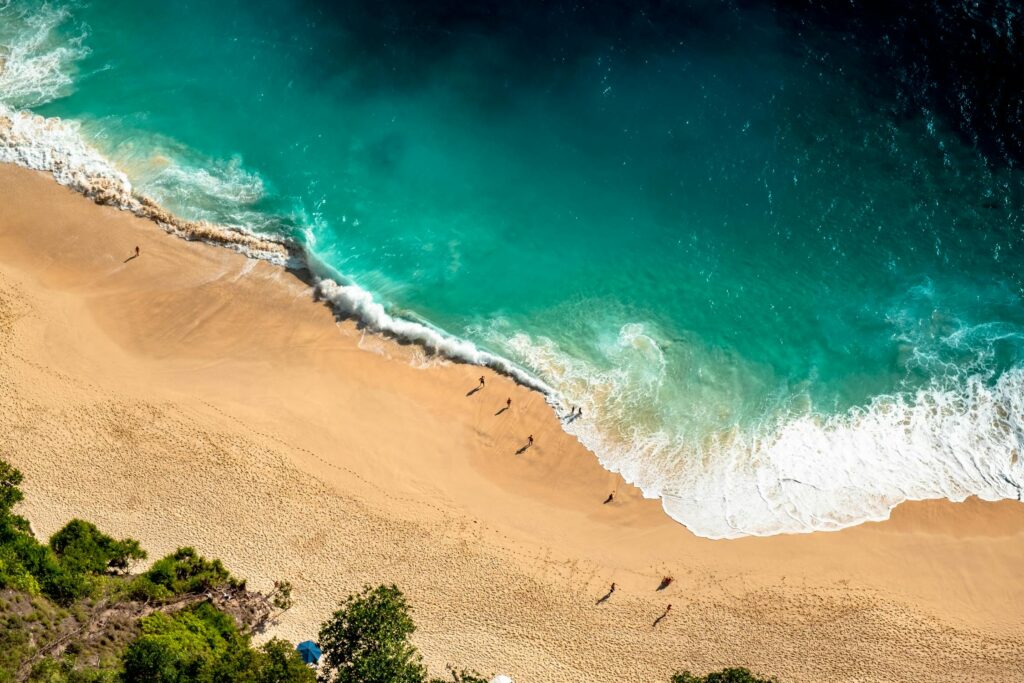
Sandy shores of Kuta Beach in Bali, bustling with surfers. Enjoy beach activities during your Bali vacation.

Your Essential Bali Travel Guide: Best Time to Visit, Flights from the USA, and First-Timer Tips

Looking for the ideal time for your Balinese escape? Generally, the dry season, from April to October, is considered best for sunny weather. For fewer crowds and pleasant conditions, you might consider the shoulder months of May, June, and September. Want to explore during the wet season for potentially lower prices and a quieter atmosphere? The months from November to March could be an option, just be prepared for more rain. Keep reading for a more detailed monthly breakdown and insights to help you pinpoint your perfect travel window! Bali Travel Guide for First-Timers: Best Time to Travel, Flights from the USA I. Introduction: Discovering the “Island of the Gods” Bali, often referred to as the “Island of the Gods,” is a captivating destination that conjures images of tranquil beaches, verdant rice paddies, and a vibrant culture. For travelers making their first journey from the USA, the enchantment of this Indonesian paradise is particularly strong. This guide is specifically designed to provide first-time visitors from the United States with all the essential knowledge required to plan an unforgettable Balinese adventure, addressing common queries about the best time to travel to Bali, understanding flights to Bali, and offering a comprehensive Bali travel guide for first timers. It is important to remember that Bali is a province and an island that forms part of the Republic of Indonesia, a large archipelago in Southeast Asia. Prepare to uncover the magic that awaits on this enchanting island as we delve into every crucial aspect to ensure a smooth and enriching travel experience. Bali Travel Guide: Quick Clarity Table for First-Time Visitors Category Key Information at a Glance Reader Action/Takeaway Best Time to Visit Dry Season (Apr-Oct): Sunny, best for beaches, surfing (West coast). Shoulder (May-Jun, Sep-Oct): Pleasant, fewer crowds, good deals. Wet (Nov-Mar): Rain, lush, quieter, budget-friendly. Decide based on your priorities: Weather preference vs. budget vs. crowd levels. Check monthly breakdown for specifics. Flights from USA No Direct Flights. Expect layovers in Asian hubs (Singapore, Hong Kong, Dubai, etc.). Flight time: 20+ hours. Airlines: Singapore, Emirates, Qatar, Cathay Pacific, etc. Prepare for a long journey. Factor in layover time. Use flight comparison sites. Book in advance for better deals. Visa & Entry (US) Visa on Arrival (VOA) for tourism (30 days, extendable). Passport: 6 months validity, blank pages. Return/onward ticket needed. VOA fee approx. $35 USD. Ensure passport validity and blank pages. Budget for VOA fee. Check latest visa rules before travel. Money Matters Currency: Indonesian Rupiah (IDR). Exchange USD to IDR in Bali (authorized changers/ATMs). Cards widely accepted in tourist areas, but carry cash. Exchange currency in Bali for better rates. Have cash for smaller places and tips. Inform your bank of travel dates. Bali Basics Bali is a province of Indonesia, not a country. “Island of the Gods,” Hindu culture. Capital: Denpasar. Cultural heart: Ubud. Understand Bali’s context within Indonesia. Be aware of the unique Hindu culture and local customs. Essential Customs Dress modestly at temples (cover shoulders/knees). “Om Swastiastu” greeting. Right hand for giving/receiving. Respect offerings (Canang Sari). Be mindful of public behavior. Show respect for Balinese culture. Learn basic phrases. Be aware of temple etiquette and general customs. Getting Around Taxis (Bluebird recommended, use meter). Ride-hailing apps (Grab/Gojek) popular, but some area restrictions. Traffic can be congested. Use metered taxis or ride-hailing for transport. Be patient with traffic, especially in tourist areas. Accommodation Wide range: Hostels to luxury villas. Popular areas: Kuta (budget), Seminyak/Nusa Dua (upscale), Ubud (wellness/nature). Book in advance, especially in peak season. Choose accommodation based on budget and preference. Book ahead to secure best options and prices. Top Things to See/Do Temples: Tanah Lot, Uluwatu, Tirta Empul, Besakih. Nature: Rice terraces, waterfalls, Mount Batur. Beaches: Kuta, Seminyak, Canggu, Nusa Dua, Uluwatu. Culture: Ubud, art villages, Kecak dance. Prioritize attractions based on your interests. Plan your itinerary to cover key highlights. Health & Safety Vaccinations recommended (Hepatitis A, Typhoid). Travel insurance essential. Drink bottled/filtered water. Be cautious with food. Petty crime in tourist areas. Respect animal safety. Licensed money changers only. Consult doctor for vaccinations. Get travel insurance. Be mindful of food/water safety and general safety precautions. Packing Essentials Light, tropical clothing. Sunscreen, insect repellent, medications. Rain jacket (wet season). Pack light and for the tropical climate. Don’t forget essentials for sun protection and health. Timing Your Trip: Finding the Best Time to Visit Bali Understanding Bali’s tropical climate and tourist seasons is key to planning your visit.A. Understanding Bali’s Tropical Climate and Seasons The Dry Season, generally spanning from April to October, is often considered the ideal time for outdoor pursuits. This period is typically characterised by sunny and breezy conditions with less rainfall and lower humidity, making it perfect for beach activities and water sports. The Wet Season, which typically runs from November to March, brings occasional heavy rains and higher humidity. While rainstorms can be sudden and intense, they often pass quickly, allowing for a mix of sun and showers. The landscapes during this time are often lush and vibrant.B. Navigating Bali’s Tourist Seasons The High Season in Bali generally falls between June to August and November to December. These periods typically see larger crowds and higher prices for both flights and accommodations. This aligns with summer vacations in Europe, America, and Australia, as well as the Christmas and New Year holidays. The Shoulder Seasons, which include April to May and September to October, are often considered by many as the best time to travel. During these months, you can expect pleasant weather with fewer tourists, potentially leading to better deals on accommodations. The Low Season, from January to March, typically experiences the highest chance of rainfall. This period offers the quietest atmosphere and often the most budget-friendly prices. C. Weather Conditions and Activities by Season Dry Season (April-October): This season is ideal for beaches and sunbathing. It is also a great time for surfing, with the west coast experiencing the best swells from June to August. Hiking and exploring the inland areas are also favorable due to the sunny days and reduced humidity. Conditions are generally good for diving and snorkelling as well. Wet Season (November-March): While rain can affect water clarity for diving and snorkelling and may make some hiking trails
Your Essential Bali Travel Guide: Best Time to Visit, Flights from the USA, and First-Timer Tips Read More »

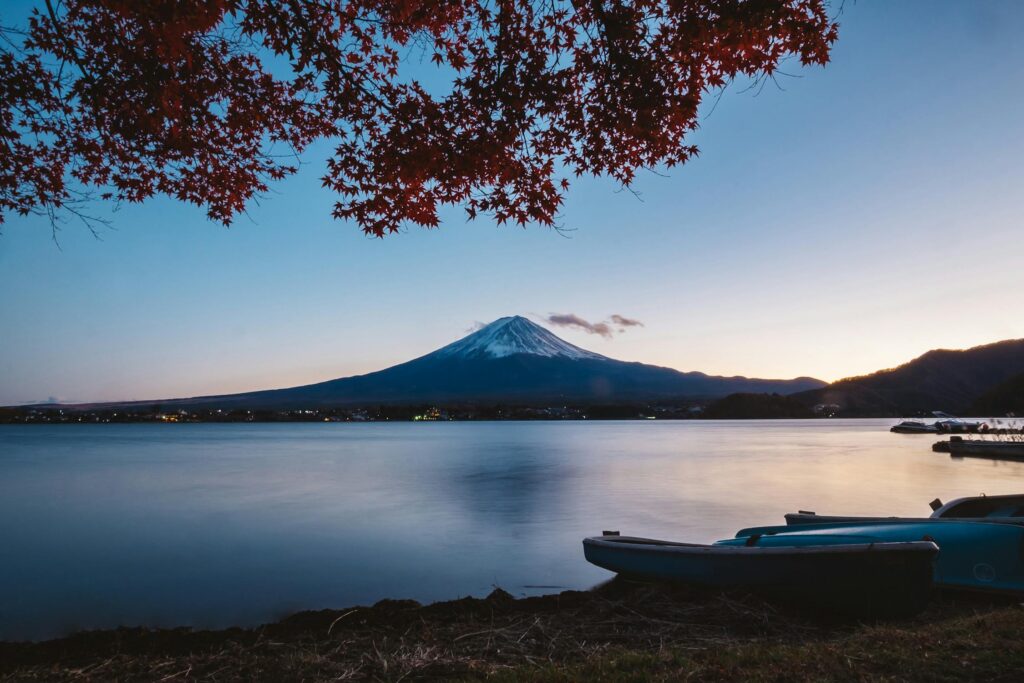
Mirror-like reflection of Mount Fuji in Lake Kawaguchiko, Yamanashi, Japan. A classic and serene view of Japan's iconic mountain.

Planning Your Perfect Japan Trip: Essential Tips and Insights for First-Time Visitors

  Travelling to Japan soon? Here are a few essential things to know before you go! Keep reading for more in-depth travel tips, including the best and worst times to visit, navigating transport, cultural etiquette, and much more to ensure a smooth and enjoyable trip to Japan! Japan, a captivating archipelago nation, presents a mesmerizing blend of ancient traditions and cutting-edge modernity. From the tranquil serenity of Kyoto’s temples to the vibrant energy of Tokyo’s bustling streets, the country offers a diverse array of experiences. This article serves as an essential resource, providing crucial information and tips for planning a smooth and enjoyable Japan trip, particularly for those visiting for the first time. Many first-timers opt for the popular tourist route, known as the golden route, which typically runs from Tokyo to Kyoto and then on to Osaka. Quick Guide to Essential Japan Trip Tips Topic Key Takeaway/Clarity Point Why it Matters/Further Detail Cash & Cards Carry cash & get a SUICA card. Cash is still vital, especially in smaller places. SUICA card simplifies local transport and convenience store purchases. Best Time to Visit Spring (cherry blossom) & Autumn (fall) are ideal, but busy. Enjoy beautiful scenery and comfortable weather. Be prepared for crowds. Avoid late June-early Sept (hot, humid, typhoon season). Golden Route Tokyo-Kyoto-Osaka is a great first-timer route. Covers major highlights and offers a good introduction to Japan’s blend of modern and traditional. Transportation Shinkansen (bullet train) is efficient for long distances. Book Shinkansen in advance, especially for luggage space and peak times. SUICA card is essential for local travel. JR Pass Likely not cost-effective for standard Golden Route. Price has increased. Only consider if you plan extensive train travel across Japan beyond the typical tourist routes. Budgeting Japan can be expensive; budget  100−100− 200 USD daily. Costs vary by city (Tokyo & Kyoto pricier). Food can be affordable if eating at convenience stores & local eateries. Transport (Shinkansen) impacts budget. Accommodation Variety of options: Hotels, Ryokans, Hostels. Consider Ryokans for cultural experience. Shibuya in Tokyo is central. Hotel rooms can be smaller than you’re used to. Food & Drink Konbini (convenience stores) are amazing & affordable. Great for quick, quality meals and snacks. Explore vending machines and local eateries for unique experiences. Try regional specialties & Ekiben on trains. Etiquette Be quiet in public, don’t eat while walking, no tipping. Show respect for Japanese culture. Quietness is valued. Tipping is not customary and can be considered rude. Booking Ahead Book popular activities & transport in advance. Essential during peak seasons. Use platforms like Klook for easy booking in your currency. Overtourism (Kyoto) Kyoto can be very crowded. Visit major temples early (5-6 am) or explore lesser-known areas for a more peaceful experience. Internet Access Get an eSIM for your phone. Essential for navigation, translation, and staying connected. Luggage on Shinkansen Book oversized luggage seats if needed. Ensure luggage is properly stored on Shinkansen. Platforms like Klook help with booking these seats. Safety Japan is very safe. Be mindful of surroundings and take basic safety precautions as you would anywhere. Visa Visa requirements vary by nationality. Check visa requirements based on your passport well in advance of your trip. E-visa options may be available for some nationalities. 1. When to Visit Japan: Navigating the Seasons Choosing the right time to visit can significantly impact your Japan trip. 2. Must-See Destinations: Exploring Japan’s Highlights Japan boasts a wealth of incredible destinations, but for many first-time visitors, the golden route is a natural starting point. 3. Getting Around Japan: Mastering the Transportation System Japan boasts an incredibly efficient and comprehensive transportation network. 4. Money Matters: Currency, Budgeting, and Payments Understanding Japan’s currency and budgeting is crucial for a smooth trip. 5. Accommodation in Japan: Finding Your Home Away From Home Japan offers a diverse range of accommodation options to suit various budgets and preferences. 6. Food and Drink: A Culinary Adventure Japanese cuisine is a major highlight of any trip. 7. Essential Things to Know Before You Go: Practical Tips Here are some crucial tips to keep in mind before and during your Japan trip. 8. Japanese Culture and Etiquette: Showing Respect Understanding and practicing basic Japanese etiquette will greatly enhance your travel experience and ensure you show respect to the local people. 9. Booking in Advance: Planning Ahead is Key Given Japan’s popularity, especially during peak seasons, booking activities and transportation well in advance is crucial. 10. Navigating Overtourism: Especially in Kyoto Overtourism can be a significant issue in popular destinations like Kyoto, especially during peak seasons like autumn. 11. Visa Information Visa requirements for Japan vary depending on your nationality. Conclusion A Japan trip promises a truly unique and unforgettable experience, blending the wonders of ancient culture with the excitement of modern life. By understanding the best times to visit, navigating the efficient transportation system, being mindful of your budget and Japanese etiquette, and remembering to book key aspects of your trip in advance, you can ensure a smooth and stress-free adventure in the Land of the Rising Sun. Use the tips and resources provided to craft your perfect Japan trip and create memories that will last a lifetime. FAQ’s  www.xploreheaven.com

Planning Your Perfect Japan Trip: Essential Tips and Insights for First-Time Visitors Read More »

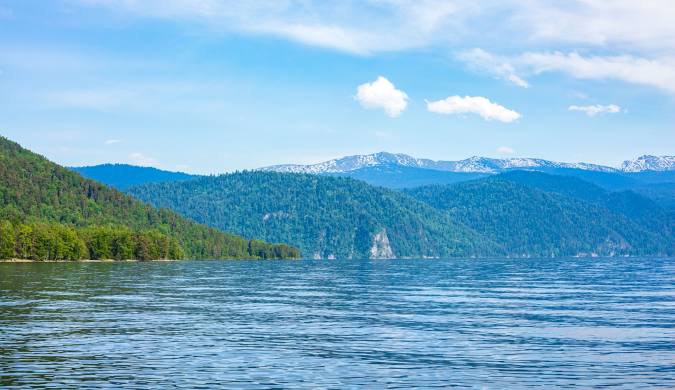
Lake Teletskoye, Altai Mountains, Russia, Tourist Destination.

Lake Teletskoye & Altai Travel Blog: Inspiration & Tips

Introduction: A Hidden Paradise Awaits Forget the usual tourist traps! Have you heard whispers of a Siberian secret, a hidden gem sparkling amidst towering mountains and ancient forests? Prepare to be captivated by Lake Teletskoye, Russia’s ‘Little Baikal’ – a place so breathtaking, it will redefine your definition of ‘stunning’. As your feet touch the shores of this pristine alpine lake, you’ll understand why the indigenous people named it “Altyn-Köl” – the Golden Lake. This isn’t just another pretty destination; it’s a UNESCO World Heritage treasure that has somehow remained under the radar of mass tourism, making it the perfect escape for adventurous souls seeking authentic experiences. Stretching 77km through the heart of the rugged Altai Mountains, with depths plunging to 325 meters, Lake Teletskoye stands as one of the 15 deepest lakes on our planet. Yet it’s not just its impressive statistics that will leave you speechless – it’s the raw, untamed beauty that unfolds in every direction. This is Siberia at its most magnificent, and I’m about to share why you need to put this extraordinary destination at the top of your travel bucket list. The Breathtaking Beauty of Lake Teletskoye A Natural Masterpiece Picture this: crystal-clear waters so transparent you can see up to 14 meters below the surface, mirroring the dramatic peaks of the surrounding Altai Mountains. Dense taiga forests cascade down steep slopes, creating a fjord-like landscape that rivals Norway’s famous vistas. The air – crisp, clean, and scented with pine – fills your lungs as you stand in awe of nature’s masterpiece. Lake Teletskoye isn’t just beautiful; it’s otherworldly. The play of light across its surface transforms throughout the day – from the soft golden hues of sunrise reflecting off the northern shore to the fiery spectacle of sunset illuminating the northeastern ridgeline. When the morning mist hovers just above the water, creating an ethereal veil between mountains and lake, you’ll understand why this place is often described as mystical. A Symphony for the Senses The experience of Lake Teletskoye engages all your senses. The gentle lapping of waves against the shore provides a soothing soundtrack, occasionally punctuated by the distant roar of one of the many waterfalls that feed the lake. In spring, the vibrant purple blooms of maralnik (Rhododendron dauricum) create splashes of color against the emerald forests, while the earthy scent of the taiga mingles with the fresh mountain air. Touch the cool, pristine waters – among the clearest in the world – and feel the connection to one of nature’s most unspoiled environments. This is wilderness in its purest form, a place where you can truly disconnect from the chaos of modern life and reconnect with the natural world. A Landscape of Contrasts What makes Lake Teletskoye truly unique is its stunning variety of landscapes within a relatively compact area. The northern end, where most visitors base themselves in the village of Artybash, offers easier access and more developed facilities. But venture south by boat, and you’ll discover a wilder, more remote world where civilization seems to disappear entirely. The lake forms the centerpiece of the Altai Nature Reserve, established in 1932 and now protecting one of Russia’s most important biodiversity hotspots. As part of the “Golden Mountains of Altai” UNESCO World Heritage Site, Lake Teletskoye represents the crown jewel in a region often called “The Country of the Blue Lakes” – home to over 7,000 lakes of various sizes. Adventures Await: What to Do at Lake Teletskoye Essential Boat Cruises No visit to Lake Teletskoye is complete without experiencing its beauty from the water. Boat cruises represent the quintessential Lake Teletskoye experience, offering access to remote areas and spectacular scenery impossible to reach by land. Several operators provide journeys ranging from three to seven hours, with the most popular being a 3-3.5 hour cruise visiting multiple waterfalls. During peak summer, boats depart regularly from two piers on the Artybash side of the lake. Choose between faster hydrofoil vessels for efficiency or traditional boats for a more leisurely appreciation of the stunning landscapes. Standard itineraries include visits to the Estyuba and Kishte waterfalls, along with the famous Korbu waterfall – often described as the “pearl of Lake Teletskoye.” These cruises also typically include viewings of fascinating natural formations like Stone Bay, the Island of Love, and the intriguing Stone Monkey rock formation. As you glide across the crystal-clear waters, knowledgeable guides share insights about the lake’s ecology, history, and the legends that surround this mysterious body of water. Magnificent Waterfalls Lake Teletskoye’s surroundings boast several spectacular waterfalls that draw visitors from around the world: Hiking & Trekking Adventures The mountains surrounding Lake Teletskoye offer hiking opportunities for all levels of experience. Several ecological trails wind through the forests, providing intimate encounters with the region’s remarkable biodiversity. These paths range from gentle walks suitable for families to more challenging treks for experienced hikers. For those seeking panoramic views, consider these notable viewpoints: Water Activities & Beyond Beyond cruises and hiking, Lake Teletskoye offers numerous additional activities: Planning Your Trip to Lake Teletskoye How to Get There Reaching this remote paradise requires some effort, which ultimately adds to its unspoiled charm. The journey typically begins with a flight to Gorno-Altaisk, the capital of the Altai Republic. From there, travelers embark on a roughly 200-kilometer transfer through stunning mountain terrain, a journey that takes approximately four hours in vehicles designed to handle the challenging roads. The final approach to the lake involves a winding descent with an elevation change of one kilometer from summit to base. Upon arrival, visitors must register at a checkpoint entrance, as this is a specially protected natural area. For those traveling from other parts of Russia, some tour operators offer transfers from cities like Byisk, which include stops at cultural attractions such as the museum of Gorno-Altaisk. The journey itself becomes part of the adventure, with breathtaking scenery and mountain passes providing a spectacular introduction to the Altai region. Best Time to Visit Lake Teletskoye offers distinct

Lake Teletskoye & Altai Travel Blog: Inspiration & Tips Read More »