Travel Guide

What to Do in Tromsø: The Ultimate Guide to Tours, Fjords & Northern Lights

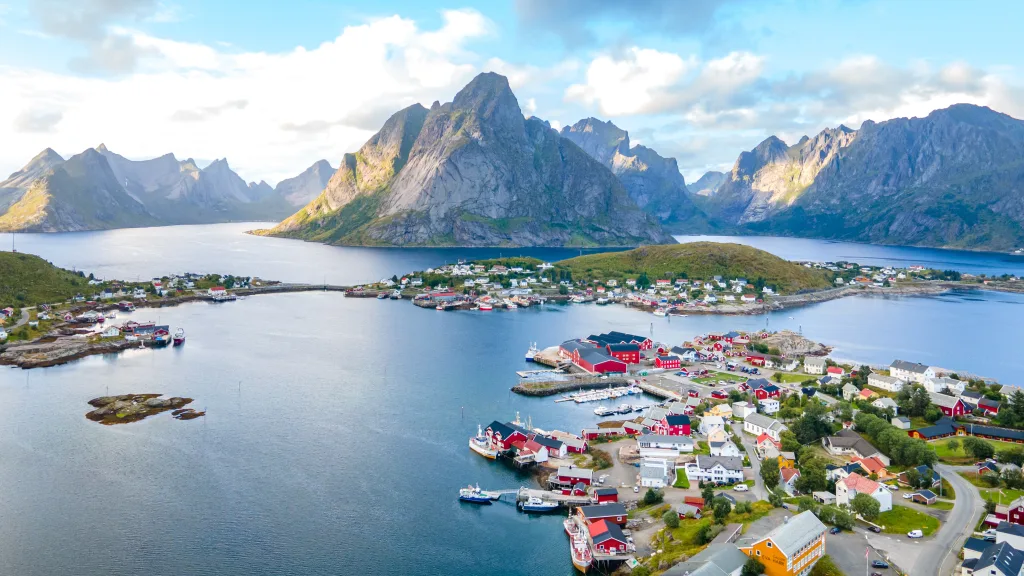
Picture this: you’re standing on a frozen fjord, the temperature hovering around minus 10°C, when suddenly the sky erupts in waves of emerald green. The Northern Lights dance overhead while snow-capped mountains frame the Arctic horizon. Welcome to Tromsø, where nature puts on the greatest show on Earth. This guide covers everything you need to know about what to do in Tromsø, from chasing the aurora borealis to exploring pristine fjords, meeting reindeer herders, and experiencing the magic of the Midnight Sun. Whether you’re planning a winter escape or a summer adventure, Tromsø delivers experiences you’ll talk about for years. Quick Reference: Tromsø at a Glance Category Details Best Time for Northern Lights September to March (peak: December-February) Best Time for Midnight Sun Late May to Late July Currency Norwegian Krone (NOK) Average Daily Budget ₹8,000-₹15,000 (budget to mid-range) Getting There Tromsø Airport (TOS), 5 km from city center Population ~77,000 (largest city in Arctic Norway) Winter Temperature -4°C to -10°C Summer Temperature 10°C to 15°C Tromsø at a Glance Tromsø sits 350 kilometers north of the Arctic Circle on the island of Tromsøya, connected to the mainland by elegant bridges. This Arctic capital punches well above its weight, combining urban sophistication with raw wilderness access. The city’s location at 69°N latitude puts it squarely in the Northern Lights zone and gives it the fascinating phenomena of Polar Night (late November to mid-January, when the sun doesn’t rise) and Midnight Sun (late May to late July, when it never sets). The Gulf Stream keeps Tromsø’s climate surprisingly mild for its latitude. Winter temperatures hover between -4°C and -10°C, while summers reach a comfortable 10-15°C. The city serves as the perfect base for Arctic adventures, with stunning landscapes accessible within minutes of downtown. When to Visit Tromsø (Best Time by Activity) Winter (December-February): Aurora Prime Time Pros: Cons: Budget Tip: Visit in late January or February for slightly better deals while maintaining excellent aurora chances. Spring (March-April): Sweet Spot Season Pros: Cons: Summer (May-August): Land of the Midnight Sun Pros: Cons: Best Choice: Late May or late August for fewer crowds and lower costs. Autumn (September-November): Shoulder Season Magic Pros: Cons: Top Things to Do in Tromsø 3.1 In and Around the City Fjellheisen Cable Car Take the 4-minute ride up Mount Storsteinen (421 meters) for jaw-dropping panoramas of Tromsø, surrounding islands, and distant mountains. The cable car operates year-round, and the view changes dramatically with the seasons. Sunset rides in winter are spectacular, and if you’re lucky, you might spot the aurora dancing from the viewing platform. There’s a restaurant at the top if you want to enjoy the view over a warm meal. Pro tip: Visit during blue hour (just after sunset) when the city lights twinkle against the dusky Arctic sky. Arctic Cathedral (Ishavskatedralen) This striking modern church, with its distinctive triangular architecture, is Tromsø’s most photographed landmark. The interior features a stunning stained-glass window covering the entire east wall. The church hosts midnight sun concerts in summer and often serves as a dramatic backdrop for aurora photos in winter. Polaria This Arctic aquarium and experience center offers insight into Arctic marine life, including bearded seals that steal the show during feeding times. The panoramic cinema screens films about Svalbard and Arctic nature. It’s an excellent rainy-day option or a educational stop for families. The Polar Museum Housed in an old customs warehouse on the waterfront, this museum chronicles Arctic hunting, trapping, and polar expeditions. Learn about Roald Amundsen’s explorations and the history of Arctic Norway. The exhibits bring to life the harsh realities and incredible courage of polar pioneers. Telegrafbukta Beach and Lake Prestvannet Yes, there’s a beach in the Arctic! Telegrafbukta offers golden sand and surprisingly clear water (though swimming is for the brave). In summer, locals gather here for barbecues during the Midnight Sun. Lake Prestvannet, a 10-minute walk from the city center, is perfect for easy nature walks year-round and freezes over in winter for ice skating. 3.2 Northern Lights: How, Where & Tips Seeing the aurora borealis is likely the biggest reason what to do in Tromsø appears in your search history. Here’s everything you need to maximize your chances. Best Viewing Spots Around Tromsø: Understanding Aurora Forecasts: Download the Norwegian Meteorological Institute’s aurora forecast app or check websites like Visit Tromsø for predictions. The KP index (0-9) indicates aurora strength—anything above KP 3 is promising. However, clear skies matter more than a high KP index. A KP 2 night with zero clouds beats a KP 5 night with overcast conditions. Night Photography Settings: Essential Gear: Tripod, extra batteries (they drain fast in cold), headlamp with red light, wide-angle lens (14-24mm ideal). Guided Tours vs. DIY Aurora Chase Guided Tours: DIY Chase: Backup Plan: If clouds roll in, consider visiting Polaria, enjoying Tromsø’s pub scene, or planning an indoor activity. The aurora is nature’s show—she performs when she wants. 3.3 Island & Fjord Escapes Kvaløya: The Whale Island Just across the bridge from Tromsø, Kvaløya (pronounced “Kval-uh-ya”) is Norway’s fifth-largest island and a wonderland of dramatic scenery. Sommarøy: This picture-perfect fishing village features white sand beaches (yes, really!), turquoise waters, and colorful houses. In summer, it’s ethereal under the Midnight Sun. The drive there is spectacular, winding along the coast with mountains rising from the sea. Grotfjord: Besides being an aurora hotspot, this area offers incredible fjord views and hiking opportunities. The replacement viewpoint provides sweeping panoramas. Tromvik: A hidden gem at Kvaløya’s northern tip with a gorgeous beach, abandoned military installations, and prime aurora viewing. The 40-minute drive from Tromsø is worth every second. Fjord Cruises Silent fjord cruises offer a different perspective on Tromsø’s landscape. Winter cruises focus on wildlife (sea eagles are common) and sometimes the Northern Lights, while summer cruises bask in endless daylight and showcase green mountainsides tumbling into deep blue water. Expect to pay ₹4,000-₹8,000 for a 3-4 hour cruise. Many include snacks or meals. The contrast between summer and winter cruises is stark—summer shows nature

What to Do in Tromsø: The Ultimate Guide to Tours, Fjords & Northern Lights Read More »

What to See in Reggio Calabria: Top Sights, Hidden Gems & Local Flavor

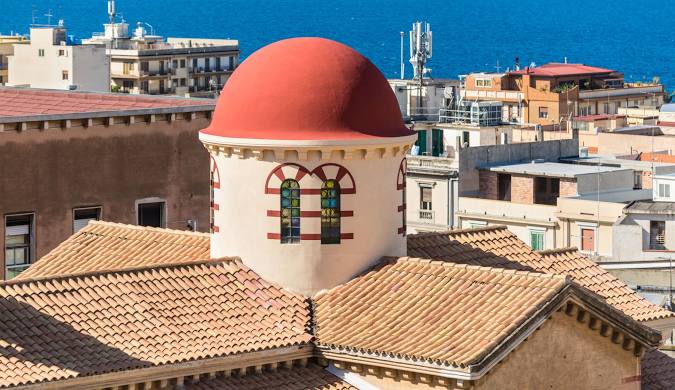
Picture yourself standing on Italy’s southern tip, watching the sun paint Mount Etna in golden hues across the Strait of Messina. The air carries the sweet scent of bergamot orchards while ancient Greek whispers echo through cobblestone streets. This is Reggio Calabria – a destination that perfectly blends Mediterranean charm with thousands of years of history. What to see in Reggio Calabria goes far beyond typical tourist attractions. This captivating city offers everything from world-famous ancient bronzes to pristine beaches, from aromatic local cuisine to breathtaking coastal drives. Whether you’re drawn by the legendary Riace Bronzes, the stunning views of Sicily, or the authentic Calabrian culture, this comprehensive guide will help you discover the very best of Italy’s hidden southern gem. This guide covers everything you need to know – from must-see attractions and secret local spots to practical travel tips and authentic dining experiences. Get ready to explore a destination that will surprise and delight you at every turn. Quick Facts About Reggio Calabria Feature Details Country Italy Region Calabria Best Time to Visit April-June, September-October Currency Euro (€) Languages Italian, Calabrian dialect Getting There Reggio Calabria Airport (REG), train, ferry from Sicily Quick Practical Info (Before You Explore) How to Reach Reggio Calabria Getting to this southern Italian paradise is easier than you might think. From India, you’ll typically connect through major European hubs like Rome, Milan, or Frankfurt. Reggio Calabria Airport (REG) receives domestic flights from Rome and Milan, making it convenient for international travelers. The train journey from Rome takes about 5 hours on high-speed trains, offering stunning coastal views as you approach the city. Check schedules and book tickets through Trenitalia. If you’re already in Sicily, the ferry crossing from Messina takes just 20 minutes with Caronte & Tourist and provides spectacular views of both coastlines. For road trip enthusiasts, driving along the Autostrada A3 offers breathtaking mountain and coastal scenery. However, be prepared for winding roads as you approach the city. Best Times to Visit The ideal time to explore Reggio Calabria attractions is during late spring (April-June) and early autumn (September-October). During these months, temperatures range from 20-28°C, perfect for walking tours and beach visits. Summer brings intense heat and crowds, though it’s the best time for swimming and water activities. Winter remains mild by northern standards but some attractions may have reduced hours. Suggested Lengths of Stay One day allows you to see the main highlights including the Archaeological Museum and a stroll along the waterfront. Two days lets you explore nearby Scilla and enjoy a more relaxed pace. Three or four days provide time for day trips to Aspromonte National Park and deeper cultural immersion. Where to Stay The historic center puts you within walking distance of major attractions, while seafront accommodations offer stunning views of Sicily. The area around Corso Garibaldi provides the best mix of dining, shopping, and cultural sites. Getting Around Reggio Calabria’s compact historic center is perfect for exploring on foot. Local buses connect different neighborhoods, while taxis and ride-sharing services are readily available. Renting a car opens up opportunities for coastal drives and mountain excursions. Deep Dive: Top Things to See & Do in Reggio Calabria Historic & Cultural Core National Archaeological Museum & the Riace Bronzes The crown jewel of any Reggio Calabria travel guide is the National Archaeological Museum, home to the world-famous Riace Bronzes. These 5th century BC Greek statues, discovered off the Calabrian coast, are considered among the finest examples of classical sculpture. Standing face-to-face with these 2,000-year-old warriors is truly breathtaking. The museum also houses extensive collections of Greek and Roman artifacts, making it essential for history enthusiasts. Plan at least 2-3 hours for your visit, and book tickets online during peak season through the official booking system. Aragonese Castle Perched dramatically on a rocky outcrop, the Aragonese Castle offers panoramic views across the Strait of Messina. Built in the 15th century, this fortress now houses cultural exhibitions and provides some of the city’s best photo opportunities. The castle with panoramic views Reggio Calabria offers is particularly stunning at sunset, when Sicily’s silhouette creates a magical backdrop. Entry fees are modest, and the climb to the top rewards visitors with 360-degree views of the city and sea. Corso Garibaldi & Piazza Italia The heart of city life pulses along Corso Garibaldi, a elegant pedestrian street lined with shops, cafes, and historic buildings. This is where locals gather for their evening passeggiata (stroll), creating a vibrant social atmosphere. Piazza Italia, with its neoclassical architecture and palm trees, serves as the city’s main square. Street performers and local musicians often provide entertainment, especially during summer evenings. Hidden Gems in the Historic Centre Reggio Calabria Beyond the main attractions, seek out the Chiesa degli Ottimati with its beautiful Byzantine mosaics, and the small but charming Pinacoteca Civica. The narrow streets behind Corso Garibaldi hide traditional workshops where local artisans still practice ancient crafts. Coastal & Beach Highlights Punta Pellaro & Spiaggia di Catona These local beaches offer authentic Calabrian coastal experiences away from tourist crowds. Punta Pellaro provides excellent swimming conditions and beachside restaurants serving fresh seafood. Spiaggia di Catona features a long sandy stretch perfect for families. Both beaches are easily accessible by local bus or car, and offer stunning views across to Sicily’s northeastern coast. Cala Costa Viola This hidden gem near Scilla offers some of the region’s best snorkeling opportunities. The crystal-clear waters reveal rich marine life, while the dramatic coastal cliffs provide a spectacular backdrop for underwater photography. The area is less developed than main beaches, so bring your own supplies and prepare for a more adventurous beach day. Day Trips & Surroundings Scilla: A Charming Medieval Village Just 22 kilometers north, Scilla enchants visitors with its medieval castle perched on a rocky promontory. The town is steeped in mythology – this is where Homer placed the sea monster Scylla in the Odyssey. Visit Scilla from Reggio Calabria makes for a perfect half-day trip. Explore the historic Chianalea fishing

What to See in Reggio Calabria: Top Sights, Hidden Gems & Local Flavor Read More »

What to See in Jaisalmer: Hidden Gems + Top Attractions Guide

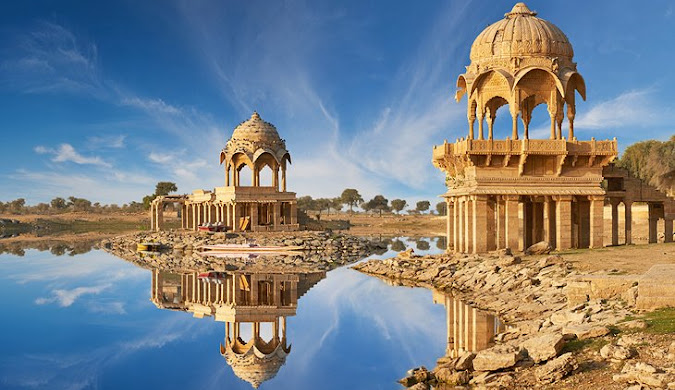
What to See in Jaisalmer: Hidden Gems + Top Attractions Guide Imagine stepping into a living fairy tale where golden sandstone walls tell centuries-old stories, and the vast Thar Desert stretches endlessly under brilliant blue skies. Welcome to Jaisalmer, Rajasthan’s crown jewel that rises from the desert like a magnificent mirage. This isn’t just another tourist destination—it’s a place where history breathes through every carved stone, where camel bells echo ancient trade routes, and where sunsets paint the entire city in molten gold. Whether you’re wondering what to see in Jaisalmer for your first visit or seeking those secret spots that most travelers miss, this guide reveals both the iconic landmarks and the hidden corners that make this Golden City truly magical. From exploring the world’s last living fort to sleeping under a million desert stars, we’ll show you how to experience Jaisalmer like a true explorer, not just a tourist. Quick Reference Table Category Key Information Best Time Duration Fort & Havelis Jaisalmer Fort, Patwon Ki Haveli Early morning (7-9 AM) 4-5 hours Desert Experience Sam Sand Dunes, Khuri Village Sunset (5-7 PM) Overnight recommended Cultural Sites Jain Temples, Bada Bagh Morning/Evening 2-3 hours each Hidden Gems Kuldhara Village, Khaba Fort Late afternoon 2-4 hours Best Season October to March Cool weather 2-4 days ideal Border Areas Tanot Temple, Longewala Full day trip 8-10 hours (permit required) What Makes Jaisalmer Special: The Golden City’s Unique Charm The Golden Phenomenon Jaisalmer’s golden hue isn’t just a poetic description—it’s a daily miracle. Built entirely from yellow sandstone, the city literally glows like burnished gold, especially during sunrise and sunset. This unique limestone, quarried locally, contains iron oxide that creates the warm, honey-colored appearance that has mesmerized travelers for centuries. Desert Location & Climate Positioned in the heart of the Thar Desert, Jaisalmer sits just 120 kilometers from the Pakistan border. The desert climate means scorching days (often reaching 45°C in summer) and surprisingly cool nights. The best time to visit Jaisalmer is definitely October through March, when temperatures hover around a comfortable 20-25°C during the day. A Glimpse into History In 1156 AD, Rawal Jaisal, a Rajput ruler, founded this city after receiving a prophecy from a hermit. The location was strategic—positioned along ancient camel-train trade routes connecting India with Central Asia and the Mediterranean. For centuries, wealthy merchants built elaborate havelis (mansions) with their trade profits, creating the architectural wonderland we see today. The Must-See Icons: Beyond the Ordinary Tourist Trail Jaisalmer Fort (Sonar Qila): The Living Fortress Unlike most Indian forts that stand empty as monuments, Jaisalmer Fort pulses with life. Nearly 4,000 people still live within its massive walls, making it one of the world’s few living forts. As you climb through the fort’s narrow lanes, you’ll hear children playing, smell fresh chapatis cooking, and see women hanging colorful sarees from ancient balconies. Insider Tips for Your Visit: Jain Temples: Architectural Poetry in Stone Hidden within the fort complex, these 12th-century temples showcase incredible Dilwara-style architecture. The intricate marble carvings are so detailed that some pillars appear transparent when backlit. The Parsavanath Temple features over 600 divine figures, each uniquely carved. Photography Pro-Tip: Visit between 11 AM-12 PM when soft sunlight filters through the carved screens, creating magical light patterns on the marble floors. The Grand Havelis: Merchant Palaces with Stories Patwon Ki Haveli This cluster of five havelis took 50 years to complete. The Guman Chand Patwa, a wealthy trader, built the first one for his son, then kept adding more for each family member. The intricate jharokhas (balconies) feature over 60 different balcony designs—no two are identical. Nathmal Ki Haveli Here’s a fascinating story: Two brothers built the left and right sides simultaneously without coordinating their designs. The result? A beautifully asymmetrical haveli where each side reflects different artistic interpretations of the same architectural brief. Salim Singh Ki Haveli The prime minister’s residence features a distinctive peacock-shaped roof and 38 balconies. Local legend says Salim Singh planned to connect his haveli to the fort with a bridge, but the Maharaja stopped construction, fearing it would overshadow the royal palace. Best Photography Time: Visit Patwon Ki Haveli between 4-6 PM when the golden hour light enhances the intricate stone carvings. Bada Bagh & Vyas Chhatri: Royal Monuments in Desert Landscape These aren’t tombs but chhatris (cenotaphs)—symbolic monuments honoring deceased rulers. Bada Bagh contains cenotaphs of Jaisalmer’s Maharajas, while Vyas Chhatri commemorates the royal sage Vyas. Golden Hour Magic: Arrive 30 minutes before sunset. As the sun dips, these monuments create dramatic silhouettes against the orange-pink sky, making them a photographer’s dream location. Desert & Nature Experiences: Beyond the Sand Dunes Sam Sand Dunes vs. Khuri Village: Choosing Your Desert Adventure Sam Sand Dunes The more popular choice, Sam offers organized desert safari Jaisalmer experiences with camel rides, cultural programs, and camp stays. However, expect crowds, especially during peak season. Khuri Village Located 40 km southwest, Khuri provides a more authentic desert experience. The dunes are smaller but the atmosphere is quieter, with better opportunities to interact with local Bishnoi families and witness traditional desert life. Camp Selection Tips: Desert National Park: Wildlife in the Wilderness Spread across 3,162 square kilometers, this park protects the endangered Great Indian Bustard. Only about 100-150 birds remain worldwide, making sightings extremely rare and precious. You’ll also spot desert foxes, chinkaras (Indian gazelles), and various raptor species. Best Safari Strategy: Early morning safaris (6-8 AM) offer the highest wildlife spotting chances when animals are most active. Akal Wood Fossil Park: Journey Back 180 Million Years This unique site showcases fossilized tree trunks from the Jurassic era. These ancient trees, now turned to stone, provide fascinating insights into when this desert region was actually a lush forest. The largest fossil measures over 13 meters long and 1.5 meters in diameter. Windmill Park: Where Ancient Desert Meets Modern Energy The contrast is striking—hundreds of modern wind turbines spinning against the backdrop of ancient sand dunes. This renewable energy project generates clean electricity while

What to See in Jaisalmer: Hidden Gems + Top Attractions Guide Read More »

What Makes Malta Truly Famous: Beyond Beaches and Ancient Stones

Picture this: you’re standing on a limestone cliff, the Mediterranean sun warming your face, gazing out at crystalline waters that seem to stretch endlessly toward Africa. Behind you, ancient temples older than Stonehenge whisper stories of civilizations lost to time. This is Malta – a tiny archipelago that punches well above its weight in delivering unforgettable experiences. At just 316 square kilometers, Malta is smaller than most major cities, yet what is Malta famous for extends far beyond its compact size. This Mediterranean gem seamlessly weaves together 7,000 years of history, world-class diving sites, stunning natural landscapes, and a culinary scene that reflects centuries of cultural fusion. From prehistoric temples to Hollywood film sets, from traditional fishing villages to vibrant capital streets, Malta offers layers of discovery that surprise even the most seasoned travelers. Join me as we explore what truly sets Malta apart – going beyond the obvious tourist brochures to uncover the authentic experiences that make this island nation a must-visit destination for culture enthusiasts, adventure seekers, and anyone craving something genuinely special. Category Details Location Central Mediterranean Sea, 93km south of Sicily Size 316 km² (Malta: 246 km², Gozo: 67 km², Comino: 3.5 km²) Population ~520,000 (Malta), ~31,000 (Gozo) Capital Valletta (UNESCO World Heritage Site) Languages Maltese, English (both official) Currency Euro (EUR) Climate Mediterranean – Average 23°C (73°F) annually Best Time to Visit April-June, September-October Time Zone Central European Time (CET) UTC+1 Airport Malta International Airport (MLA) UNESCO Sites 3 sites: Valletta, Megalithic Temples, Hypogeum Driving Left-hand side (British influence) Emergency Number 112 Internet Domain .mt Historical & Archaeological Wonders Ancient Temples That Predate the Pyramids The first thing that struck me about Malta’s archaeological heritage wasn’t just its age – it was the sheer audacity of these ancient builders. The Maltese megalithic temples represent some of humanity’s earliest architectural achievements, with the Ġgantija Temples on Gozo dating back to 3600 BCE. To put this in perspective, these structures were already ancient when the pyramids of Egypt were being built. Standing inside Ġgantija, I was amazed by the precision of these limestone blocks, some weighing over 50 tons, fitted together without mortar. The temple’s apses and curved walls create an almost organic feeling, as if the building grew from the earth itself. What makes these temples architecturally significant isn’t just their age – it’s their sophisticated design that demonstrates advanced understanding of engineering principles. The Hagar Qim and Tarxien Temples continue this prehistoric legacy, each offering unique insights into Malta’s ancient inhabitants. Hagar Qim, perched dramatically on coastal cliffs, provides not only archaeological wonder but also breathtaking views of the island of Filfla. The intricate stone carvings at Tarxien reveal artistic sophistication that challenges our assumptions about prehistoric societies. All these sites hold UNESCO World Heritage status, recognizing their outstanding universal value to humanity. The Hypogeum: An Underground Marvel Nothing quite prepared me for the Hypogeum of Ħal Saflieni – a prehistoric underground necropolis carved entirely from living rock around 4000 BCE. This three-level labyrinth served as both burial site and temple, and walking through its chambers feels like entering another world entirely. The Oracle Room’s acoustic properties still send chills down visitors’ spines – a male voice spoken in a certain spot resonates throughout the entire complex. Archaeological evidence suggests this underground sanctuary was used continuously for over 1,500 years, making it one of the world’s most important prehistoric sites. Practical tip: Book your Hypogeum tickets at least 6-8 months in advance through the official Heritage Malta website. Only 80 visitors are allowed daily to preserve this fragile site, making advance planning essential. Mdina: The Living Medieval City Approaching Mdina’s imposing bastions at sunset, I understood why locals call it the Silent City. This fortified medieval town, once Malta’s capital, maintains an atmosphere so authentic that stepping through its gates feels like time travel. The narrow streets of Mdina tell stories of Arab occupation, Norman conquest, and centuries of noble families who called this city home. The Knights of St. John later enhanced Malta’s fortifications, creating the defensive network that helped the island withstand the Great Siege of 1565 – one of history’s most significant military victories that changed the course of European history. Walking through Mdina at dawn, before the tourist crowds arrive, you can hear the city breathing. The limestone walls glow golden in the morning light, and the view from the city walls across the entire island is simply spectacular. Valletta – Heart of Malta A City Built by Knights Valletta stands as one of Europe’s most concentrated historical areas – the entire city is a UNESCO World Heritage site, and for good reason. Built by the Knights of St. John after their victory in the Great Siege, Valletta represents one of the finest examples of late Renaissance military architecture. The Grand Harbour, one of the world’s finest natural harbors, unfolds before you from the Upper Barrakka Gardens in a panorama that has inspired artists and strategists for centuries. I’ve watched the sunrise over this harbor many times, and it never fails to impress – the way the morning light catches the honey-colored limestone of the Three Cities across the water is pure magic. St. John’s Co-Cathedral showcases Baroque architecture in Malta at its most opulent. Beneath its relatively modest exterior lies an interior so richly decorated it almost overwhelms the senses. Caravaggio’s “The Beheading of Saint John the Baptist” hangs here – the only work the master ever signed, created during his turbulent time in Malta. Modern Valletta’s Cultural Pulse But Valletta isn’t just a museum city. The streets buzz with contemporary life – creative studios occupy former palazzos, innovative restaurants serve modern interpretations of traditional dishes, and the Valletta Design Cluster brings together Malta’s creative community in a stunning converted slaughterhouse. The Malta International Arts Festival and Notte Bianca transform the city into an open-air cultural venue, when museum doors open late into the night and street performances enliven every corner. During these events, Valletta reveals its role as

What Makes Malta Truly Famous: Beyond Beaches and Ancient Stones Read More »

Oman Tour Itinerary: 7-Day Guide to Culture, Adventure & Hidden Gems

Imagine leaving behind the city hustle for a place just a short flight away, where you can drive on smooth highways through vast deserts one day and explore lush green mountains the next. That’s Oman. While your friends are posting the same Dubai mall photos, you could be watching sea turtles nest under a blanket of stars or sipping traditional Omani coffee in a mountain village where the air is cool and crisp. This isn’t just another Middle Eastern destination – it’s a country that feels like nature’s playground, designed perfectly for the curious Indian traveler. This is the only Oman trip planner you’ll need as an Indian family, couple, or solo adventurer. From navigating the e-visa process to finding delicious vegetarian meals, from driving through dramatic wadis to camping under desert stars – we’ve got every detail covered. Whether you’re planning a romantic getaway or a family adventure, these things to do in Oman will transform your week into memories that last a lifetime. Why Oman is a Perfect Getaway for Indians It’s Closer Than You Think A 3.5-hour flight from Mumbai or Delhi puts you in Muscat – shorter than most domestic trips to Goa. What surprised me most was how this proximity doesn’t compromise the exotic factor. You’re still stepping into a completely different world. You’ll Feel Right at Home (Sort Of) Oman hosts over 700,000 Indian expats, creating a familiar comfort zone without losing the thrill of being somewhere new. Shopkeepers greet you in Hindi, restaurants understand “kam mirch” (less spice), and you’ll spot familiar faces from Kerala working in hotels and restaurants. Yet the Omani culture shines through beautifully – it’s this perfect blend that makes Indian travelers feel welcomed, not just tolerated. Safety That Lets You Truly Relax Oman ranks as one of the world’s safest countries. Families can explore confidently, solo female travelers feel secure, and parents don’t spend their vacation worrying. The roads are pristine, the people are genuinely helpful, and petty crime is virtually non-existent. Premium Experience Without the Premium Price Tag While a week in Switzerland might cost ₹2 lakhs per person, Oman offers similar natural beauty and luxury experiences for roughly half that budget. Your money goes further, especially when you factor in the variety – mountains, deserts, beaches, and culture all in one trip. Planning Your Oman Trip: The Essentials Visa for Indians Getting an Oman visa is refreshingly simple. Apply online through the Royal Oman Police e-visa portal – no embassy visits, no document submissions, no stress. The tourist visa costs around 20 OMR (approximately ₹4,300) and is valid for 30 days. Quick Visa Facts: For the most current visa information, always check the official Royal Oman Police e-visa portal. Best Time to Visit Oman October to April: The Golden Window This is when Oman transforms into paradise. Temperatures hover around 25-30°C – perfect for hiking, driving, and outdoor adventures. The mountains are pleasantly cool, and even the desert becomes enjoyable during these months. May to September: Skip It (Mostly) Summer temperatures regularly hit 45°C and above. However, there’s one exception – Salalah experiences the Khareef (monsoon) season from June to September, turning the southern region into a green oasis while the rest of the country bakes. For detailed weather forecasts and historical climate data, check Weather.com’s Oman section Month Temperature Best For Avoid If Nov-Feb 20-28°C Everything! Peak season You prefer fewer crowds Mar-Apr 25-35°C Great weather, fewer crowds You’re very heat sensitive May-Sep 35-45°C+ Salalah’s Khareef season only You’re doing desert/mountain activities Oct 28-38°C Good weather returning Still quite warm for some Connectivity & SIM Cards Grab a local SIM card at Muscat Airport immediately after clearing immigration. Ooredoo and Oman Mobile both offer tourist packages starting from 10 OMR (₹2,150) for 5GB data valid for 30 days. Trust me, having Google Maps working flawlessly makes the entire road trip stress-free. Currency & Budgeting The Omani Rial (OMR) is pegged to the US Dollar, making 1 OMR approximately ₹215-220. Unlike other Middle Eastern countries, Oman operates primarily on cash, though cards are widely accepted in hotels and restaurants. Daily Budget Guide (Per Person): Budget Level Daily Cost Includes Excludes Budget ₹5,000-7,000 3-star hotels, local restaurants, self-drive economy car Luxury experiences, alcohol Mid-range ₹10,000-15,000 4-star resorts, mix of local and tourist restaurants, SUV rental Premium desert camps, fine dining Luxury ₹20,000+ 5-star properties, guided tours, luxury desert experiences Nothing – go wild! Getting Around: The Great Omani Road Trip Here’s the truth about transportation in Oman: you need to drive. This isn’t like Europe where trains connect everything, or like Thailand where tuk-tuks are everywhere. Oman’s beauty lies scattered across dramatic landscapes, and the journey between destinations is half the adventure. Vehicle Choice Made Simple: Why Driving in Oman is a Joy: Roads are immaculate – better than most Indian highways. Speed limits are clearly marked and strictly enforced (good for safety-conscious families). Fuel is incredibly cheap, and parking is free almost everywhere. The Ultimate 7-Day Oman Itinerary Day 1: Arrival in Muscat & Souq Magic Morning: Land in Muscat, collect your rental car, and check into your hotel. If you arrive early, grab lunch at a local restaurant – try the Omani breakfast of eggs with local bread. Afternoon: Visit the Sultan Qaboos Grand Mosque, one of the world’s most beautiful mosques. Important: Dress modestly (long pants and sleeves; women need headscarves). The mosque closes to visitors at 11 AM except Saturdays, so plan accordingly. Check current visiting hours and guidelines at the Sultan Qaboos Grand Mosque official website Evening: Lose yourself in Mutrah Souq. Unlike sterile Dubai malls, this souq pulses with authentic energy. Bargain for frankincense, Omani silver jewelry, and traditional khanjar daggers (decorative ones for tourists are fine to carry home). Travel Tip: Download the Careem app – it’s like Ola but for Oman, perfect for short city trips when you don’t want to drive. Food Highlight: End the day at Bait Al Luban restaurant for your first taste of authentic

Oman Tour Itinerary: 7-Day Guide to Culture, Adventure & Hidden Gems Read More »

The Best Time to Visit the Masai Mara: A Complete Guide for Indian Travelers

Picture this: You’re sitting in an open safari vehicle as the African sun paints the sky golden orange. Suddenly, thunder fills the air – not from clouds, but from thousands of hooves. A massive herd of wildebeest charges toward the crocodile-filled Mara River, their survival instincts driving them forward in one of nature’s most spectacular displays. This is the Masai Mara during migration season, and timing your visit right means the difference between witnessing this magic or missing it entirely. As safari planning experts who’ve helped hundreds of Indian travelers experience Africa’s wonders, we know that choosing when to visit the Masai Mara can make or break your dream safari. The good news? Every month offers something special in this incredible ecosystem. The key is matching your travel goals with the right season. Quick Planning Summary Your Goal Best Months Why See the Great Migration July – October Peak river crossings, dramatic wildlife action Save Money & Avoid Crowds April – May, November Green season beauty, 40-50% lower prices See Baby Animals January – March Calving season, incredible predator activity Best Weather June – October Dry season, clear skies, easy game drives Bird Watching November – April Migratory birds arrive, lush landscapes Masai Mara: The Basics for First-Time Visitors Located in Kenya’s Great Rift Valley, the Masai Mara welcomes 1.5 million wildebeest onto its sprawling savannahs each July through October during the world-famous Great Migration. This 1,510 square kilometer reserve connects seamlessly with Tanzania’s Serengeti, creating one of Africa’s most important wildlife ecosystems. Understanding the Mara’s two main seasons is crucial for planning: Dry Season (June – October): Clear skies, sparse vegetation makes wildlife easier to spot, but expect higher prices and more tourists. Green Season (November – May): Lush landscapes, fewer crowds, and budget-friendly rates, but afternoon rain showers are common. Month-by-Month Guide to the Masai Mara January – March: The Secret Calving Season Weather: Hot days (25-28°C), cool nights, occasional short showers Wildlife Highlights: Wildebeest calving season in southern Serengeti, newborn animals attract predators Pros: Cons: One thing you’ll notice right away in January is how active the predators become. Our guides always recommend early morning game drives during this period because big cats are most active when temperatures are cooler. April – May: The Hidden Gem Season Weather: Long rains begin, afternoon thunderstorms, lush green landscapes Wildlife Highlights: Resident wildlife thrives, spectacular birdlife, fewer crowds Pros: Cons: The green season transforms the Mara into a completely different place. The usually golden grasslands turn emerald green, creating a backdrop that’s absolutely stunning for photography. June: The Perfect Balance Weather: Rains taper off, pleasant temperatures, clear skies return Wildlife Highlights: Excellent resident game viewing, migration herds start moving north Pros: Cons: July – October: The Great Migration Spectacular Weather: Dry season peaks, clear blue skies, minimal rainfall Wildlife Highlights: August is considered the peak of the migration season in the Masai Mara. The iconic Mara River crossings, where wildebeest risk their lives to cross crocodile-infested waters, happen during this time Pros: Cons: Mid to late August is regarded as a safe month to visit for successful viewing, though the exact timing varies yearly depending on rainfall patterns. November: Post-Migration Magic Weather: Short rains begin, fresh green growth appears Wildlife Highlights: Resident wildlife returns to normal patterns, excellent birdwatching Pros: Cons: December: Year-End Wildlife Bonanza Weather: Short rains continue, warm temperatures, occasional storms Wildlife Highlights: High concentration of resident animals, predator activity increases Pros: Cons: The Great Wildebeest Migration Explained The Great Migration is nature’s most incredible wildlife spectacle. The exact dates of the migration vary slightly from year to year, but in 2025 it should begin around mid-July, peaking toward the end of August and early September, and ending in late October. Here’s what makes it so special: The Journey: Over 1.5 million wildebeest, accompanied by 200,000 zebras and 300,000 Thomson’s gazelles, follow ancient migration routes between Kenya’s Masai Mara and Tanzania’s Serengeti. The Drama: The most heart-stopping moments happen at the Mara River and Talek River crossings, where massive herds must brave crocodile-infested waters to reach fresh grazing lands. The Timing: July to October for the Mara River crossings offers your best chance to witness these dramatic scenes, though exact timing depends on rainfall patterns each year. Pro Tip: River crossings are unpredictable. Herds might cross multiple times in a day, or wait days before attempting. Our experienced guides recommend staying near the rivers during peak season for the best chances. Beyond the Migration: Year-Round Wildlife Wonders The Green Season Advantage (November – May) Don’t dismiss the green season! This period offers incredible advantages: Photography Paradise: The contrast between lush landscapes and wildlife creates stunning imagery. Professional photographers often prefer these months for portfolio shoots. Predator Action: It is estimated that there are close to 850 to 900 Lions in the Masai Mara National Reserve and surrounding conservancies, and they’re incredibly active year-round. Bird Paradise: Over 470 species call the Mara home, with spectacular migrants arriving during the green season. Baby Animals: January through March brings calving season, when you’ll see countless young zebras, antelopes, and other animals taking their first steps. Resident Wildlife Highlights The Mara isn’t just about migration. Year-round residents include: Practical Planning for Indian Travelers Getting There from India Flights: Direct and connecting flights operate from Mumbai, Delhi, and Bangalore to Nairobi’s Jomo Kenyatta International Airport. Kenya Airways offers convenient connections, while Emirates and Qatar Airways provide comfortable one-stop options. Airport to Mara: Two options await: Budget Planning by Season Peak Season (July-October): Green Season (April-May, November): Avoiding Crowds: The Private Conservancy Secret The Maasai Mara Wildlife Conservancies Association (MMWCA) has 24 conservancies at different stages of development within the Mara Landscape. Staying in conservancies like Mara North, Naboisho, or Ol Choro offers: Indian Traveler Considerations Vegetarian Options: Most safari lodges now cater excellently to vegetarian diets, with many offering Indian cuisine options upon request. Cultural Comfort: The tourism industry in Kenya is well-versed in hosting Indian travelers, with many guides speaking basic

The Best Time to Visit the Masai Mara: A Complete Guide for Indian Travelers Read More »

Devbagh Beach Activities: Costs, Wildlife & Hidden Gems You Must Know

Ever dreamt of a place where a calm river gently shakes hands with the mighty Arabian Sea? Welcome to Devbagh Beach, where the Kali River creates a mesmerizing confluence with the ocean, painting a picture so stunning that even seasoned travelers stop in their tracks. Tucked away in Karnataka’s Karwar district, Devbagh isn’t your typical crowded beach destination. This hidden paradise offers something truly special – a peaceful blend of river and sea activities, incredible wildlife encounters, and water sports that’ll get your heart racing. Unlike the bustling beaches of Goa just a few hours away, Devbagh feels like nature’s own private playground. This complete guide covers everything you need to know about devbagh beach activities – from thrilling jet ski rides to peaceful kayaking adventures. I’ll break down real costs, share safety tips from local operators, reveal the best times to spot Olive Ridley turtles, and give you insider secrets that most tourists never discover. Whether you’re a budget backpacker or planning a family getaway, you’ll find exactly what you need to plan the perfect Devbagh adventure. Quick Guide: Devbagh Activities at a Glance Activity Average Cost (per person) Best For What to Expect Jet Ski ₹600 – ₹1,000 Thrill-seekers High-speed, 10-15 min ride Parasailing ₹1,200 – ₹1,700 Amazing Views 5-10 min flight, boat-assisted Banana Boat Ride ₹600 – ₹900 Groups & Families Fun, bumpy ride, expect to get wet Kayaking ₹700 – ₹1,100 Nature Lovers Peaceful paddling in the estuary Scuba Diving ₹2,500 – ₹4,000 Adventurers Exploring underwater marine life Boat Safari ₹800 – ₹1,200 Wildlife Enthusiasts Dolphin spotting, mangrove exploration Speed Boat ₹1,000 – ₹1,500 Groups Fast ride across the confluence Decoding Costs & Planning Your Budget The prices in our table include basic safety equipment and a trained guide, but here’s what you need to know about the fine print. Most water sports operators provide life jackets, helmets (for jet skiing), and basic instruction as part of their standard package. However, don’t be surprised if they charge extra for GoPro recordings of your adventure – usually around ₹300-500 additional. Money-Saving Hacks That Actually Work: Hidden Costs to Watch For: Pro tip: Carry cash in smaller denominations. Many operators prefer cash payments and might not have change for large notes. Top Water & Beach Adventures in Devbagh Jet Skiing: Pure Adrenaline Rush The moment the jet ski accelerates beneath you, cutting through the crystal-clear waters where river meets sea, you’ll understand why this tops everyone’s list. The ride typically lasts 10-15 minutes, giving you enough time to feel the spray on your face and experience that incredible sensation of flying over water. Local operators like Durga Watersports ensure you get a safety briefing before you ride. The instructor stays nearby on another jet ski, so even beginners feel confident. The best part? You’ll ride through both the calm river section and the more exciting sea waves – it’s like getting two different experiences in one go. Parasailing: Bird’s Eye Paradise Floating 200 feet above the confluence, with the Western Ghats on one side and endless Arabian Sea on the other, parasailing at Devbagh offers views that’ll make your Instagram followers seriously jealous. The 5-10 minute flight gives you enough time to soak in the panoramic beauty and spot dolphins in the water below. Safety is excellent here – operators use modern equipment and follow international standards. You’re harnessed securely to the parachute while a speedboat pulls you up gradually. The landing is smooth, right back on the boat deck. Even if you’re afraid of heights, the gentle takeoff makes it manageable for most people. Banana Boat Rides: Family Fun Guaranteed Picture this: you and your squad bouncing across the waves on a bright yellow inflatable banana, trying not to fall off as the speedboat driver intentionally takes sharp turns. It’s impossible not to laugh during a banana boat ride, making it perfect for families and friend groups. The rides last about 15 minutes, and yes, you will get soaked. Operators usually “flip” the banana boat at least once during the ride – it’s all part of the fun. Life jackets are mandatory, and the water isn’t too deep, so even non-swimmers can enjoy this activity safely. Kayaking & Estuary Boat Rides: Nature’s Meditation For those seeking tranquility over thrills, kayaking through Devbagh’s backwaters is pure magic. Paddle silently through narrow channels lined with mangroves, where kingfishers dart between branches and fish eagles soar overhead. The water here is so calm it perfectly reflects the sky, creating a mirror-like surface that photographers absolutely love. The guided kayaking tours last 45 minutes to an hour, taking you deep into the estuary where most tourists never venture. Your guide will point out different bird species, explain the mangrove ecosystem, and share local fishing traditions. It’s educational, peaceful, and incredibly beautiful. Scuba Diving: Underwater Secrets Devbagh’s underwater world comes alive between October and May when visibility reaches up to 15 meters. The marine life here includes colorful reef fish, rays, and if you’re lucky, small reef sharks that are completely harmless to humans. The diving sites are suitable for beginners, with depths ranging from 8-12 meters. Certified instructors from PADI-affiliated centers handle all dives. The experience includes a 30-minute theory session, equipment fitting, and a 30-45 minute underwater exploration. First-time divers always do a shallow water practice session before heading to the main diving spot. Devbagh’s Natural Wonders: Wildlife & Conservation The Olive Ridley Turtles: Nature’s Annual Miracle Devbagh holds a special place in marine conservation as a vital nesting site for Olive Ridley turtles. Between December and March, these ancient mariners return to the same beaches where they were born decades ago, continuing a cycle that’s been happening for millions of years. According to reports by The Indian Express, Devbagh is recognized as a key nesting ground, making it a sensitive and important ecological zone that requires careful protection. During peak nesting season (January-February), you might witness the incredible sight of mother turtles coming ashore at night to lay

Devbagh Beach Activities: Costs, Wildlife & Hidden Gems You Must Know Read More »

How Niagara Falls Was Formed: Geological Story, Hidden History & What It Means Today

Ever wondered what it would look like to see a river carve through solid rock? That’s exactly the story of Niagara Falls—a spectacular tale of ice, water, and time that began over 12,000 years ago. Standing at the edge of this thundering cascade, you’re witnessing one of nature’s most incredible construction projects, where how Niagara Falls was formed involves a perfect storm of geological forces that continue shaping our world today. This isn’t just another tourist attraction story. The formation of Niagara Falls is a masterclass in geological drama, featuring massive ice sheets, ancient buried valleys, and a recipe of rock layers that created the perfect conditions for one of the world’s most famous waterfalls. By understanding this incredible journey, you’ll discover how glacial melting, the birth of the Great Lakes, and the unique Niagara Escarpment combined to create this natural wonder that continues evolving before our eyes. Based on well-documented geological findings from leading institutions, this story will take you on a 12,000-year journey that transforms how you see this iconic waterfall forever. Quick Information Table Formation Details Information Age of Niagara Falls Approximately 12,000 years old Formation Period End of last Ice Age (Wisconsin Glaciation) Primary Formation Process Glacial meltwater erosion over Niagara Escarpment Key Rock Layers Lockport Formation (hard caprock) over Rochester/Queenston Formation (soft shale) Current Retreat Rate About 1 foot per year (reduced from 3-5 feet due to hydroelectric diversions) Total Gorge Length 7 miles from Lewiston to current falls location Height of Falls 167 feet (Horseshoe Falls), 70 feet (American Falls) Water Source Great Lakes drainage system via Niagara River Future Projection Will reach Lake Erie in approximately 50,000 years Daily Water Flow 6 million cubic feet per minute (peak flow) The Ancient Landscape: A World Covered in Ice Picture this: 20,000 years ago, where Niagara Falls now thunders, there was nothing but ice. Lots of ice. The massive Wisconsin Glacier, part of the last great Ice Age, stretched across most of northeastern North America like a frozen blanket up to two miles thick. This wasn’t just any ordinary ice sheet—it was a geological bulldozer that completely reshaped the landscape beneath it. The Wisconsin Glacier did more than just cover the land. As it slowly crept across the region, it carved deep valleys, scraped away hilltops, and completely rearranged the drainage patterns that had existed for millions of years. One of the most fascinating discoveries in understanding how Niagara Falls was formed is the Saint David’s Buried Gorge—a “ghost river” valley that the glacier filled with debris and sediment. This ancient valley, now hidden beneath layers of glacial deposits, tells us that water was carving paths through this landscape long before our modern Niagara River existed. The glacier essentially hit the reset button on the entire region’s geography, setting the stage for something completely new to emerge once the ice began its final retreat. The sheer weight of this ice sheet also pressed down on the Earth’s crust, causing the land to sink. This geological process, called isostatic depression, would later play a crucial role in shaping the Great Lakes and the drainage patterns that would eventually create the Niagara River. A New Beginning: The Ice Melts and a Mighty River Awakens Around 12,000 years ago, the climate began to warm, and the Wisconsin Glacier started its dramatic retreat. But this wasn’t a gentle melting process—it was an explosive geological event that released unimaginable amounts of water across the landscape. Imagine trying to drain a bathtub the size of several states all at once. That’s the scale of glacial melting that reshaped this region. As the massive ice sheet melted, it created temporary lakes, raging rivers, and floods that would make today’s most extreme weather events look like gentle spring showers. The meltwater had to go somewhere, and it began filling the deep basins that the glacier had carved during its advance. These basins would become what we now know as the Great Lakes—Erie, Ontario, Huron, Michigan, and Superior. The formation of these Great Lakes created an entirely new drainage system. Water from the upper Great Lakes now needed to flow toward the Atlantic Ocean, and the most direct route was through the newly formed connection between Lake Erie and Lake Ontario. This connection became the Niagara River, born from the Great Lakes drainage system that the glacier had inadvertently designed. Here’s where the story gets interesting: this new Niagara River needed to find its way from the higher elevation of Lake Erie (about 571 feet above sea level) down to Lake Ontario (about 245 feet above sea level). That 326-foot elevation difference meant the water would flow with tremendous force—but where exactly it would flow depended on what kind of rock it encountered along the way. The Niagara Escarpment: Nature’s Perfect Recipe for a Waterfall Think of the Niagara Escarpment as a giant layer cake made of different kinds of rock, each with its own personality when it comes to dealing with flowing water. This ancient cliff face, formed hundreds of millions of years ago, stretches for hundreds of miles through Ontario, New York, Wisconsin, and Michigan. But it’s here at Niagara where it created the perfect conditions for a spectacular waterfall. The “frosting” on this geological layer cake is the Lockport Formation—a tough, hard layer of limestone and dolomite that geologists call caprock. This rock formed about 430 million years ago when this area was covered by a warm, shallow sea. The limestone is incredibly resistant to erosion, which means water has a tough time wearing it away. It’s like nature’s concrete, holding firm against the pounding of millions of gallons of water. Beneath this hard caprock lies the “cake” itself—softer rock layers, particularly the Rochester Formation, made up of shale and other sedimentary rocks. These softer layers are like geological butter compared to the limestone frosting above them. When water hits these rocks, they crumble and wash away relatively easily. The Queenston Formation, even deeper in this rock layer cake, consists

How Niagara Falls Was Formed: Geological Story, Hidden History & What It Means Today Read More »

Yana, Karnataka, India, stone mountains

Yana, Karnataka, India: Discover the Sacred Rocks, Caves & Waterfalls of India’s Cleanest Village

What if a place could blend ancient myth, raw nature, and deep spirituality all in one? Welcome to Yana, where towering black rocks pierce through emerald forests, and sacred caves hold centuries-old secrets. This extraordinary village in Karnataka isn’t just another dot on the map—it’s where legends come alive and nature displays its most dramatic artistry. Nestled in the Western Ghats, Yana, Karnataka, India stands as a testament to how mythology and geology can create something truly magical. Recently recognized as one of India’s cleanest villages, Yana offers an experience that goes far beyond typical tourist destinations. Quick Information Table Feature Details Location Yana Village, Uttara Kannada District, Karnataka Main Attractions Bhairaveshwara Shikhara, Mohini Shikhara, Cave Temple Timings 8:00 AM to 6:00 PM Entry Fee Small fee applicable (check latest rates) Best Time to Visit September to February (Post-monsoon and Winter) Trek Difficulty Easy (Approx. 0.5 km from the road) Nearest Airport Hubli Airport (HBX) Nearest Railway Kumta Railway Station (KT) The Land of Mist and Majesty: Yana’s Location Picture this: you’re driving through the lush Malenadu region of the Western Ghats when suddenly, two massive black sentinels emerge from the forest canopy. This is your first glimpse of Yana, tucked away in the Uttara Kannada district of Karnataka. The village sits at the perfect elevation where monsoon clouds kiss the earth, creating a mystical atmosphere especially during the post-monsoon months. The cool, misty mornings here feel like nature’s own air conditioning, making your trek to the rocks refreshingly comfortable. During winter months (October to February), the forest comes alive with a symphony of bird calls, while the rocks glisten with morning dew. This is when photography enthusiasts capture their best shots, as the interplay of light and shadow creates dramatic silhouettes against the clear blue sky. The Twin Giants: Yana’s Rock Formations Standing like ancient guardians, Bhairaveshwara Shikhara (120 meters) and Mohini Shikhara (90 meters) dominate Yana’s landscape. These aren’t ordinary rocks—they’re solid, crystalline Karst limestone formations that have been sculpted by millions of years of rainfall and wind. Think of them as nature’s sculptures, carved with patience that only geological time can afford. The limestone here is unique—it’s almost black due to mineral deposits, giving the rocks an otherworldly appearance that changes throughout the day. In morning light, they appear silver-grey, while sunset paints them in deep charcoal hues. Local guides often ask visitors what they see in the rock shapes. Some say Bhairaveshwara looks like a massive fortress, while Mohini resembles a graceful dancer frozen in stone. What will you see when you stand beneath these towering monoliths? The approach to the rocks is through a well-maintained forest path. As you walk, notice how the temperature drops and the air becomes fresher. The canopy above filters sunlight into dancing patterns on the ground, creating a natural kaleidoscope effect. Inside the Earth: The Sacred Cave Temple Beneath Bhairaveshwara Shikhara lies something truly extraordinary—a natural cave temple that has been drawing pilgrims for centuries. As you duck through the narrow entrance, the outside world fades away, replaced by cool, humid air and the gentle echo of water droplets. The cave houses a Swayambhu Shiva Linga, which means it formed naturally without human intervention. Above it, water constantly drips from the limestone ceiling, creating a natural abhishekam (ritual bathing of the deity). This continuous process has been happening for millennia, wearing smooth grooves in the rock floor. Near the Shiva Linga stands a beautifully carved statue of Goddess Chandika, her serene expression illuminated by oil lamps that devotees keep burning. The interplay of shadows and flickering light creates an almost hypnotic atmosphere. Experience Tip: Take a moment inside the cool, quiet cave. Close your eyes and listen to the rhythmic dripping of water—it’s like nature’s own meditation music. Many visitors report feeling a profound sense of peace here, regardless of their religious beliefs. The Legend of the Ashen Demon: Yana’s Story Every rock and cave in Yana has a story, but none as captivating as the legend of Bhasmasura (the Ash Demon). According to Hindu mythology, this powerful demon once terrorized the heavens after receiving a deadly boon—anything he touched with his hand would turn to ash. When Bhasmasura tried to use this power on Lord Shiva himself, Vishnu intervened by taking the form of Mohini, an enchanting woman. Mesmerized by her beauty, the demon was tricked into placing his hand on his own head, instantly reducing himself to ashes. The locals believe that Bhasmasura fell right here at Yana, and the black soil around the rocks is said to contain his ashes. This is why the nearby waterfall is called Vibhuthi Falls—’vibhuthi’ meaning sacred ash in Sanskrit. Whether you believe the legend or not, there’s something undeniably mystical about walking on this dark earth, surrounded by these imposing black rocks that seem to guard ancient secrets. Beyond the Rocks: Vibhuthi Falls & Forest Trek Just a short trek from the main rock formations, Vibhuthi Falls offers a perfect complement to your Yana experience. The waterfall cascades down multiple tiers, creating natural pools where you can dip your feet after the trek. During monsoon season (June to September), the falls are at their most powerful, but the trek can be slippery. Post-monsoon visits (October to January) offer the best balance—decent water flow with safer walking conditions. Trekker’s Essential Checklist ✅ Comfortable shoes with good grip (the forest floor can be damp)✅ Water bottle and light snacks (stay hydrated!)✅ Insect repellent (forest mosquitoes are active in evenings)✅ Small bag to carry your trash back (help keep Yana clean)✅ Camera with extra batteries (you’ll want to capture everything)✅ Light jacket (caves and forest can be cool) Best time to start: Early morning (7 AM) to avoid crowds and enjoy the cool forest air. Your Complete Yana Travel Plan How to Reach Yana By Air: Hubli Airport (HBX) is the nearest airport, about 170 km away. From there, hire a taxi or take a bus to Sirsi, then continue to Yana. By

Yana, Karnataka, India: Discover the Sacred Rocks, Caves & Waterfalls of India’s Cleanest Village Read More »

Bhutan, Best time to visit Bhutan from India

Best Time to Visit Bhutan from India: A Complete 2025-2026 Seasonal Guide

Thinking of swapping the city hustle for Himalayan serenity? Bhutan, our stunning next-door neighbor, might just be the answer to your wanderlust dreams. But figuring out the best time to visit Bhutan from India can be the difference between a good trip and a truly magical one. Whether you’re planning a romantic getaway, a family adventure, or a solo journey of discovery, timing your visit right will determine everything from the views you’ll witness to the experiences you’ll treasure forever. Quick Answer: When Should You Go? Travel Goal Best Time Why Choose This Festivals & Perfect Weather Spring (March-May) & Autumn (Sept-Nov) Clear skies, comfortable temperatures, major festivals Budget-Friendly & Peaceful Winter (Dec-Feb) & Monsoon (June-Aug) Lower costs, fewer crowds, unique experiences Photography & Mountain Views Autumn (Sept-Nov) Crystal-clear visibility, stunning landscapes Why Your Travel Month REALLY Matters (The Indian Perspective) Weather Realities You Need to Know Think of Bhutan’s monsoon as an intensified version of what you might experience in the Northeast, making road travel tricky and flights unpredictable. Their winter, however, offers crisp, clear skies—a perfect escape from the winter fog that blankets Northern India. Unlike the scorching Indian summers, Bhutan’s high altitude keeps temperatures pleasant even in peak summer, though the monsoon rains can be quite intense. Festival Fever: The Heart of Bhutanese Culture Bhutanese festivals aren’t just events—they’re the soul of this mystical kingdom. Planning your trip around these colorful celebrations means witnessing centuries-old traditions come alive with masked dances, traditional music, and community gatherings that welcome visitors with open arms. The Money Talk: Permits & Costs Here’s what every Indian traveler needs to know: the Sustainable Development Fee (SDF) is ₹1,200 per night for Indian tourists. While this might seem steep, it includes your visa processing and contributes to Bhutan’s carbon-negative initiatives. Flight and hotel costs can swing dramatically between seasons—autumn prices can be 40-50% higher than winter rates. For the most current permit and SDF information, check the official Bhutan Immigration Services Portal. Bhutan’s Seasons: Your Ultimate Guide Spring (March to May): The Awakening What it Feels Like: Daytime temperatures hover around 15-20°C, perfect for outdoor exploration. Nights can be cool (5-10°C), so pack layers. The valleys burst with rhododendron blooms painting the landscape in vibrant pinks and reds. Top Reasons to Go: Keep in Mind: Packing List for Indians: Summer/Monsoon (June to August): The Green Season What it Feels Like: Temperatures are warm (20-25°C) but humidity is high. Expect heavy rainfall, especially in July. The landscape transforms into a lush green paradise, but mountain views are often obscured by clouds. Top Reasons to Go: Keep in Mind: Packing List for Indians: Autumn (September to November): The Golden Season What it Feels Like: This is Bhutan at its absolute best. Clear, crisp days (15-22°C) offer stunning mountain views, while cool nights (5-12°C) are perfect for cozy evenings. The air is crystal clear, making it photographer’s paradise. Top Reasons to Go: Keep in Mind: Packing List for Indians: Winter (December to February): The Serene Season What it Feels Like: Days are sunny and crisp (10-15°C) with brilliant blue skies, but nights are cold (0-5°C). Higher altitudes may see snow, creating postcard-perfect scenes. Think of it as Kashmir’s winter but with Buddhist culture. Top Reasons to Go: Keep in Mind: Packing List for Indians: The Heart of Bhutan: Festivals & Culture Festival Calendar Highlights Paro Tshechu (Spring – Dates vary annually): Imagine a riot of color and sound at one of Bhutan’s grandest festivals. Monks in elaborate costumes perform sacred cham dances while locals dressed in their finest ghos and kiras create a living tapestry of tradition. Pro-tip: Arrive early to secure a good viewing spot among the locals, and don’t forget to witness the unfurling of the giant thangka at dawn. Thimphu Tshechu (Autumn – Usually September/October): This is the big one! Right in the capital city, you’ll witness spectacular masked dances, traditional music, and the spiritual fervor that defines Bhutan. The festival culminates with the display of a massive silk thangka that’s believed to cleanse sins just by viewing it. Punakha Drubchen (Winter – February/March): A unique festival recreating a 17th-century battle, complete with traditional weapons and costumes. It’s less crowded than the major tshechus but equally authentic. Insider Tip: Consider timing your visit for smaller, local festivals like the Haa Summer Festival or Matsutake Festival in Thimphu. These offer more intimate cultural experiences with fewer crowds and more opportunities to interact with locals. Permits & Getting There from India: Simplified Documents Cheat Sheet Required Documents: For Children Under 18: Important: Aadhaar Card is NOT accepted as a valid travel document for Bhutan entry. The Permit Process, Step-by-Step Online First (Highly Recommended): Applying for your permit online before travel saves hours of waiting at border crossings. Visit the official portal and complete the process 2-3 days before your trip. You’ll receive a permit number that speeds up border formalities significantly. Permit on Arrival: Available at Paro Airport and Phuentsholing land border, but expect queues during peak season. Budget extra time, especially during festivals when border crossings are busier. Beyond Paro & Thimphu: Your initial permit covers only Paro and Thimphu districts. For destinations like Punakha, Wangdue, or eastern Bhutan, you’ll need a separate ‘Route Permit’ from the immigration office in Thimphu. This usually takes 1-2 hours and costs nothing extra. For the most current information, check the Embassy of India in Thimphu’s travel guidelines and the official Bhutan visa portal. How to Reach Bhutan By Air: By Road: Your Trip, Your Way: Sample Itineraries The 5-Day Cultural Whirlwind (Spring/Autumn) Perfect for first-time visitors wanting to experience Bhutan’s highlights without feeling rushed. Day 1: Arrive Paro → Tiger’s Nest Monastery hike → Paro town exploration Day 2: Paro → Thimphu → Weekend Market → Tashichho Dzong Day 3: Thimphu sightseeing → Buddha Dordenma → Memorial Chorten → Traditional crafts Day 4: Thimphu → Punakha → Punakha Dzong → Suspension bridge walk Day 5: Punakha → Paro → Departure Best for: Couples, first-time visitors, those

Best Time to Visit Bhutan from India: A Complete 2025-2026 Seasonal Guide Read More »