Travel Guide

best time to attend Shillong Cherry Blossom Festival

Best Time to Attend Shillong Cherry Blossom Festival: A Complete Travel Guide

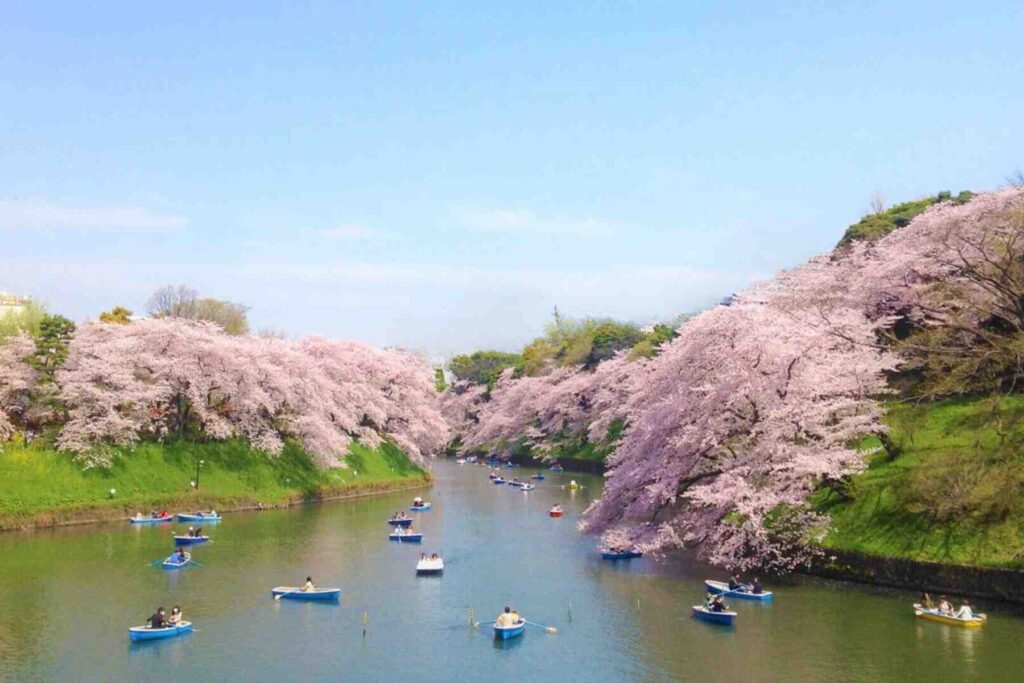
Picture this: The cool November air nips at your cheeks, but instead of autumn browns, the landscape around you is exploding in shades of soft pink. This isn’t Japan. This is Shillong, and you’ve arrived just in time for its famous Cherry Blossom Festival. If you’re wondering about the best time to attend Shillong Cherry Blossom Festival, you’ve come to the right place. This comprehensive guide will help you time your visit perfectly, discover the most Instagram-worthy spots, and plan an unforgettable trip to Meghalaya’s capital. Whether you’re a solo adventurer, planning a romantic getaway, or organizing a family vacation, we’ve got everything covered – from the science behind these stunning blooms to a complete 2-day itinerary. Why November? The Science Behind Meghalaya’s Autumn Blooms Here’s what makes Shillong special – while the world associates cherry blossoms with spring, Meghalaya’s Himalayan Cherry Trees (Prunus cerasoides) march to their own rhythm. These magnificent trees bloom in autumn, creating a phenomenon that’s uniquely Northeast Indian. The secret lies in the post-monsoon climate. After months of heavy rainfall, the retreating monsoon creates the perfect conditions – cooler temperatures, reduced humidity, and just the right amount of moisture in the soil. This triggers the trees to burst into their spectacular pink display. Dr. Alaric Lyngdoh, a botanist at North-Eastern Hill University, explains, “The receding monsoon triggers a unique hormonal response in these trees. Unlike their Japanese counterparts that need winter’s chill followed by spring warmth, our Prunus cerasoides responds to the dramatic shift from monsoon saturation to crisp, dry air.” This is why timing your Shillong Cherry Blossom Festival dates correctly is crucial – you’re working with nature’s precise schedule, not a man-made calendar. What is the Shillong Cherry Blossom Festival All About? The Shillong Cherry Blossom Festival isn’t just about pretty flowers (though they’re absolutely stunning). It’s become Northeast India’s premier autumn celebration, blending nature’s spectacular show with incredible music, authentic Khasi culture, and an energy that’ll keep you buzzing long after you return home. Picture this festival experience: You’re standing at the main stage at Polo Grounds, surrounded by thousands of music lovers, while indie bands from across India and international artists fill the air with melodies. Between sets, you’re sampling authentic Khasi delicacies like Jadoh (red rice with pork) and Dohneiiong (black sesame pork curry) from local food stalls. Local artisans showcase traditional handicrafts, and cultural performances bring centuries-old Khasi traditions to life. Festival Flashback Timeline Year Memorable Highlight 2016 Festival’s grand debut with local and international artists 2018 Collaboration with Japan’s Cherry Blossom Association 2019 Lou Majaw, the “Bob Dylan of India,” headlined the main stage 2021 Virtual celebration during pandemic – livestreamed to 50,000+ viewers 2023 Record attendance of over 40,000 visitors across three days The festival typically runs for three days, combining world-class music performances with the natural beauty of Meghalaya cherry blossom season. For the latest updates on this year’s lineup, always check the official Shillong Cherry Blossom Festival website. The Top 5 Spots to See the Cherry Blossoms 1. Ward’s Lake – The Crown Jewel Ward’s Lake is where the magic happens. The iconic white bridge surrounded by cherry trees creates reflections so perfect, you’ll think you’ve stepped into a painting. Pro Tip: Get here right when it opens at 8:30 AM. You’ll have the iconic white bridge all to yourself for that perfect reflection shot on the still water. The morning mist adds an ethereal quality that disappears once the crowds arrive. 2. Polo Grounds – Festival Central This is festival headquarters. While the main stage keeps the energy high, the surrounding cherry trees provide natural amphitheater seating with a view. Pro Tip: Arrive early on day one to scout the best photo spots before the crowd fills in. The trees on the eastern side catch the best morning light. 3. Umiam Lake – The Scenic Drive The 30-minute drive from Shillong to Umiam Lake is lined with cherry trees. It’s like driving through a pink tunnel. Pro Tip: Stop at the viewpoint near Barapani. The combination of the lake’s blue waters and pink blossoms creates a contrast that’s pure Instagram gold. 4. Road to Mawlynnong – The Hidden Route The journey to Asia’s cleanest village becomes even more magical during cherry blossom season. Pro Tip: Take the longer route via Pynursla. Local drivers know this road has the densest concentration of wild cherry trees, and you’ll often have stretches completely to yourself. 5. Shillong Golf Course – The Elevated Experience At 5,200 feet above sea level, this golf course offers panoramic views with cherry blossoms in the foreground. Pro Tip: Even if you don’t play golf, the clubhouse restaurant allows non-members to enjoy the view. Order their famous ginger tea and soak in the scenery. Interactive Element: Consider adding a map with pins for each location, including hidden gem spots like Laitumkhrah neighborhood where locals often gather for impromptu picnics under the blooms. Nailing the Timing: When is the Peak Bloom? Here’s the answer you came for: The best time to attend Shillong Cherry Blossom Festival is during the first two weeks of November. This is when you’ll catch the blooms at their absolute peak – full, vibrant, and before any weather can damage them. Historical Bloom Data Year Peak Bloom Start Peak Bloom End Weather Impact 2019 November 8 November 20 Perfect conditions 2020 November 5 November 18 Early bloom due to dry October 2021 November 12 November 25 Extended bloom period 2022 November 6 November 19 Normal cycle 2023 November 9 November 22 Slight delay due to late monsoon The blooms typically last for 10-15 days, but here’s what most travel guides won’t tell you – a sudden rainstorm can cut this window short. That’s why flexibility in your travel dates is key. Trust-Building Tip: Follow the festival’s official Facebook and Instagram pages (@shillongcherryblossom) starting from late October. Local photographers and festival organizers post real-time bloom updates, giving you the most accurate information for your Shillong travel guide planning. Your Travel

Best Time to Attend Shillong Cherry Blossom Festival: A Complete Travel Guide Read More »

when to visit Ghent best time of year

Best Time to Visit Ghent: Seasonal Weather, Festivals & Insider Tips for Indian Travelers

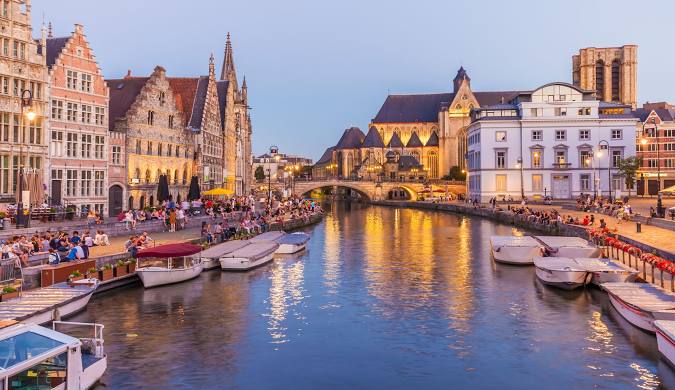
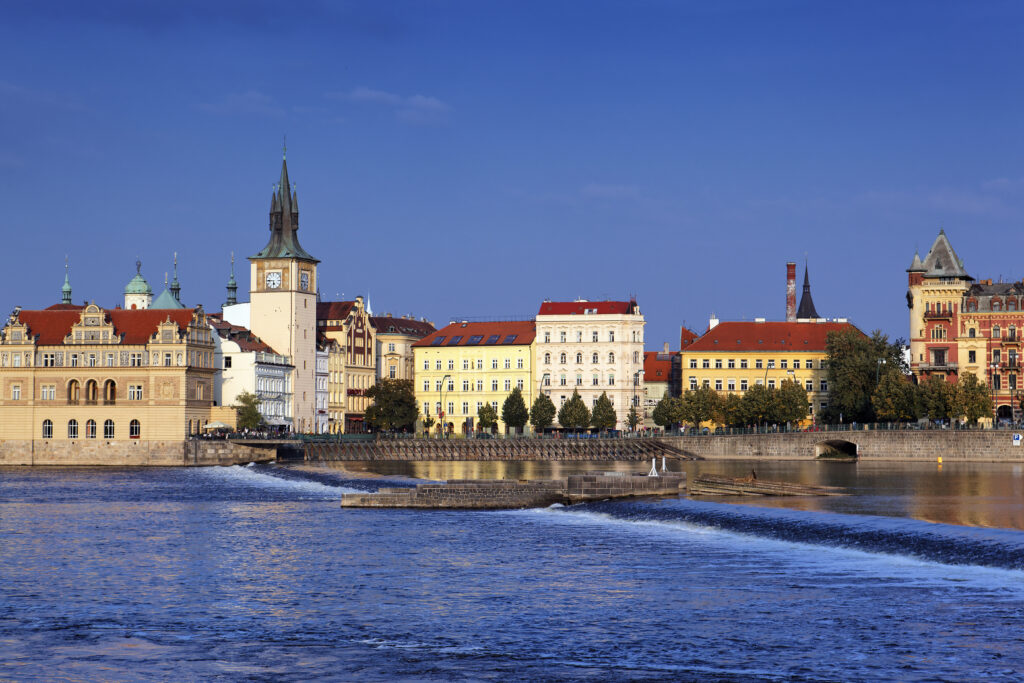
Forget Brussels for a second. Let me tell you about a city that truly captured my heart in Belgium: Ghent. While most travelers rush through Belgium hitting the obvious spots, I spent five magical days wandering Ghent’s cobblestone streets, and I can honestly say it’s one of Europe’s best-kept secrets. Picture this: medieval towers reflecting in tranquil canals, vibrant street art adorning ancient walls, and locals who actually smile when you ask for directions. Ghent perfectly balances historical grandeur with youthful energy, making it an ideal destination for Indian travelers seeking authentic European charm without the overwhelming crowds of Paris or Amsterdam. But here’s the million-rupee question every traveler asks: when should you actually go? The answer isn’t as simple as “avoid winter” or “summer is best.” Your perfect when to visit Ghent best time of year depends entirely on what kind of experience you’re after – whether you’re chasing vibrant festivals, hunting for budget deals, or simply want to stroll those Instagram-worthy canals in perfect weather. This guide will help you decode Ghent’s seasonal personality, navigate its festival calendar, and ultimately decide when this Belgian gem aligns perfectly with your travel dreams and budget. A Seasonal Guide to Ghent: Finding Your Perfect Weather Window Understanding Ghent weather by season is crucial for planning your trip. Each season offers a completely different experience, and honestly, I’ve loved the city in every season I’ve visited. Spring (March–May): For the Love of Blooms and Calm Spring in Ghent feels like the city is awakening from a peaceful slumber. From my experience visiting in April, there’s something magical about watching the medieval city come alive with fresh greenery and blooming flowers. The weather is pleasantly mild, with temperatures ranging from 8°C to 18°C. You’ll want to pack layers – mornings can be crisp, but afternoons often surprise you with warm sunshine. The famous Citadelpark transforms into a photographer’s paradise, with cherry blossoms and tulips creating stunning backdrops against the historic skyline. What I love most about spring is the relaxed pace. Tourist crowds haven’t fully arrived yet, which means you can actually enjoy peaceful moments at popular spots like Gravensteen Castle or St. Bavo’s Cathedral. The locals seem more willing to chat, and you’ll find outdoor café terraces slowly reopening as the weather warms. Spring festivals in Ghent include the spectacular Floralies flower show, which happens every five years and draws garden enthusiasts from across Europe. Even in non-Floralies years, the city’s parks and public gardens put on quite a show. Summer (June–August): For Festival Fun and Endless Daylight Summer in Ghent Belgium is pure energy. The sun doesn’t set until nearly 10 PM, giving you endless hours to explore. Temperatures range from 15°C to 25°C – perfect for long walks along the Graslei and Korenlei. This is festival season, and the city absolutely buzzes with activity. Street performers appear on every corner, outdoor markets expand, and the canal-side restaurants stay busy until late evening. The atmosphere is intoxicating, especially during the legendary Gentse Feesten in July. However, let’s be honest about the Ghent crowd levels during summer. Popular attractions can get busy, especially between 11 AM and 4 PM. Hotel prices peak, and you’ll need to book restaurants in advance. But if you’re someone who thrives on energy and doesn’t mind sharing those canal views with other travelers, summer is absolutely magical. The long daylight hours also mean you can start your sightseeing early (around 7 AM) when the city is still quiet, then take an afternoon break during the busiest hours. Autumn (September–November): For Cozy Vibes and Budget Travel Autumn might just be my favorite season in Ghent. The temperature drops to a comfortable 10°C to 16°C range, and the city takes on this gorgeous golden glow. Walking along the Leie River with autumn leaves floating on the water and medieval buildings bathed in soft light feels like stepping into a fairytale. This is prime time for Ghent off-season travel. Tourist crowds thin out significantly after early September, hotel prices drop, and restaurant reservations become easier to snag. It’s also when locals reclaim their city, giving you a more authentic glimpse into daily Belgian life. The weather is generally dry in September and October, though November can get rainy. Pack a good waterproof jacket and comfortable walking shoes. The occasional drizzle actually adds to the city’s romantic atmosphere – there’s something beautiful about watching raindrops create ripples on the canals. From a budget perspective, autumn offers excellent value. Flight prices from India typically drop after the summer rush, and accommodation costs can be 30-40% lower than peak season rates. Winter (December–February): For Festive Magic and Christmas Markets Winter in Ghent is not for everyone, but if you can handle cold weather (temperatures range from 2°C to 8°C), you’ll be rewarded with one of Europe’s most enchanting winter experiences. The Ghent Christmas market transforms the city center into a winter wonderland. Wooden chalets selling hot chocolate and glühwein line the squares, and the smell of waffles and roasted chestnuts fills the air. The medieval buildings, already impressive, become absolutely magical when illuminated by festive lights and occasional dustings of snow. Winter is definitely the cheap time to visit Ghent. Hotels offer their lowest rates, flights from India are significantly cheaper, and many restaurants have special winter menus at reduced prices. Just bundle up and embrace the cozy indoor culture – Ghent’s pubs, cafés, and museums become even more inviting when it’s cold outside. Ghent Seasonal Comparison Table Season Avg. Temp (°C) Crowd Level Travel Cost Key Highlights Spring (Mar-May) 8-18 Low-Medium Medium Blooming parks, mild weather, fewer crowds Summer (Jun-Aug) 15-25 High High Festivals, long days, vibrant atmosphere Autumn (Sep-Nov) 10-16 Medium-Low Low-Medium Golden scenery, budget-friendly, authentic local life Winter (Dec-Feb) 2-8 Low Low Christmas markets, cozy atmosphere, lowest prices Ghent’s Can’t-Miss Festivals & Events Timing your visit around events in Ghent Belgium can transform a good trip into an unforgettable experience. The city’s festival calendar is packed with unique celebrations

Best Time to Visit Ghent: Seasonal Weather, Festivals & Insider Tips for Indian Travelers Read More »

Tallinn

Best Time to Visit Tallinn from India: A Complete Seasonal & Travel Guide

Introduction: Why Tallinn is Your Next European Getaway Picture this: cobblestone streets echoing with medieval charm, towering Gothic spires piercing Baltic skies, and fairy-tale architecture that looks straight out of a storybook. This isn’t just another European city – this is Tallinn, Estonia’s captivating capital that’s quickly becoming the smart traveler’s alternative to overcrowded Western European destinations. For Indian travelers seeking an authentic European experience without breaking the bank, determining the best time to visit Tallinn from India can make the difference between a good trip and an unforgettable adventure. Unlike the predictable seasons we’re accustomed to in India, Tallinn offers dramatically different experiences throughout the year – from sun-drenched summer festivals to enchanting winter wonderlands that transform the medieval Old Town into something magical. Whether you’re drawn to budget-friendly spring blooms, vibrant summer energy, colorful autumn festivals, or cozy winter charm, timing your visit right means experiencing Tallinn at its absolute best while getting the most value from your journey from India. Tallinn’s Seasons: A Guide to Choosing Your Perfect Time Spring (April–May): Fresh, Blooming, and Budget-Friendly Spring arrives in Tallinn like a gentle awakening after the long Baltic winter. Tallinn spring travel offers one of the most rewarding experiences for budget-conscious Indian travelers, with significantly lower accommodation rates and fewer crowds than the peak summer months. Weather and Atmosphere: Temperatures range from 8°C to 16°C, perfect for comfortable sightseeing without the heavy winter coats. The city shakes off its winter slumber as locals emerge to fill sidewalk cafés, and the famous Tallinn parks and gardens burst into bloom. Kadriorg Park becomes a photographer’s dream with cherry blossoms and tulips creating stunning backdrops. Why Visit in Spring: Pack Smart: Light layers are essential. Bring a waterproof jacket for occasional spring showers, comfortable walking shoes, and don’t forget sunglasses – the Baltic sun can be surprisingly bright reflecting off medieval limestone walls. Summer (June–August): Endless Sunshine and Vibrant Energy Summer in Tallinn is pure magic, offering the ultimate Tallinn festival season experience that Indian travelers absolutely love. This is when the city truly comes alive with nearly 19 hours of daylight in June, creating an almost surreal atmosphere where evening feels like afternoon. Weather and Atmosphere: Temperatures hover comfortably between 18°C to 24°C – refreshingly pleasant compared to Indian summers. The famous White Nights phenomenon means you can enjoy Tallinn sightseeing well into the evening hours, with the golden hour lasting seemingly forever. Summer Highlights: The Trade-off: This is peak season, so expect higher prices for Tallinn affordable hotels and advance booking requirements. However, the extended daylight hours mean you get more sightseeing value for your money. Autumn (September–October): Colorful Charm and Cultural Festivals Tallinn seasonal travel reaches its cultural peak during autumn, offering Indian travelers a perfect blend of comfortable weather, stunning natural beauty, and world-class cultural events. The crowds thin out, but the city’s energy remains high with locals embracing the cozy autumn atmosphere. Weather and Atmosphere: Temperatures range from 12°C to 18°C in early autumn, gradually cooling to 5°C to 12°C by late October. The medieval Old Town becomes even more atmospheric as morning mists roll in from the Baltic Sea, creating an almost mystical ambiance. Autumn Attractions: Local Insider Tip: September is actually considered by many locals as the secret best time to visit – summer’s warmth lingers, but tourist prices begin to drop, and the city has a more authentic, lived-in feel. Winter (November–March): A Snowy, Festive Wonderland The Tallinn winter experience transforms the city into a real-life fairy tale that Indian travelers often describe as “exactly what Europe should look like.” While temperatures drop to -3°C to -8°C, the city’s medieval architecture draped in snow creates an atmosphere that’s both magical and surprisingly cozy. Winter Magic: Practical Considerations: Winter offers the lowest accommodation rates and the most authentic local experience, but daylight is limited (8 AM to 4 PM in December). Pack thermal layers, waterproof boots, and embrace the hygge lifestyle that makes Baltic winters so special. Must-See Attractions and Seasonal Activities Historic Old Town & Toompea Hill: A Year-Round Marvel Tallinn’s UNESCO World Heritage Old Town adapts beautifully to each season, offering completely different experiences throughout the year. In summer, the limestone walls glow golden in the extended daylight, while winter snow transforms the same streets into a medieval wonderland. Seasonal Variations: The cobblestone streets tell different stories depending on when you visit – summer brings outdoor markets and street performers, while winter offers the cozy warmth of medieval taverns and the famous Christmas market atmosphere. Kadriorg Park and Palace: Nature’s Seasonal Theater This baroque masterpiece, built by Peter the Great, showcases different personalities throughout the year. Tallinn parks and gardens enthusiasts will find Kadriorg particularly rewarding during spring and autumn transitions. Seasonal Highlights: Museums and Indoor Attractions: Weather-Independent Culture Tallinn’s Tallinn cultural attractions provide perfect alternatives during unpredictable weather. The Seaplane Harbour (Lennusadam) maritime museum offers interactive exhibits that fascinate visitors regardless of outside conditions, while the Kumu Art Museum showcases both Estonian and international contemporary art. Rainy Day Recommendations: Seasonal Events and Festivals Each season brings unique cultural experiences that enhance your visit: Essential Travel Tips for a Smooth Trip from India Flights and Schengen Visa: Your Gateway to Baltic Adventure Flight Routes: No direct flights operate between India and Tallinn, but excellent connections are available through major European hubs. The most convenient routes from Delhi, Mumbai, and Bangalore typically connect through: Schengen Visa Process: Estonia is part of the Schengen zone, making visa applications straightforward for Indian passport holders. Apply at the Estonian Embassy in New Delhi or through VFS Global centers in major Indian cities. Processing typically takes 15 working days, and the visa allows travel throughout the Schengen area. Required Documents: Where to Stay in Tallinn: Neighborhoods That Suit Indian Travelers Old Town: Perfect for first-time visitors wanting to be in the heart of everything. Tallinn affordable hotels in this area include boutique guesthouses and converted medieval buildings, though prices are higher during peak season. Kadriorg: Ideal

Best Time to Visit Tallinn from India: A Complete Seasonal & Travel Guide Read More »

Taj Mahal

Why the Taj Mahal is Famous: History, Architecture, and Visitor Guide

Have you ever seen a building that feels more like a poem? A story of love so profound it was literally set in stone? Standing majestically on the banks of the Yamuna River in Agra, India, the Taj Mahal isn’t just another tourist destination on your travel bucket list. This UNESCO World Heritage site has captured hearts and imaginations for nearly four centuries, earning its place as one of the most recognizable and beloved monuments in the world. More than just an architectural marvel, the Taj Mahal represents the pinnacle of Mughal artistry and serves as an eternal symbol of undying love. It’s a place where history comes alive, where every marble surface tells a story, and where millions of visitors each year find themselves moved to tears by its breathtaking beauty. For travelers from around the globe, the first glimpse of this ivory-white masterpiece emerging through the morning mist is a moment that stays with them forever. In this comprehensive guide, we’ll journey through the complete story of the Taj Mahal. We’ll explore its heartbreaking history, marvel at its architectural genius, and give you practical tips for your own visit, all based on thoroughly researched information from authoritative sources. Whether you’re planning your first trip to India or you’re simply curious about world heritage sites, this article will serve as your ultimate resource. So, let’s uncover the answer to the big question: What is the Taj Mahal famous for? Prepare to discover why this 17th-century monument continues to be celebrated as one of humanity’s greatest achievements. A Love Story for the Ages: The Real Story of the Taj Mahal Behind every great monument lies a great story, but few tales are as captivating as the one that gave birth to the Taj Mahal. This isn’t just architectural history – it’s a love story that has moved hearts for over 350 years. Our story begins in the opulent courts of the Mughal Empire with Emperor Shah Jahan, the fifth Mughal ruler, and his beloved wife, Arjumand Banu Begum, better known by her title Mumtaz Mahal, meaning “Chosen One of the Palace.” Theirs wasn’t an arranged marriage born of political necessity, but a genuine love match that blossomed into one of history’s most celebrated partnerships. Shah Jahan and Mumtaz Mahal were inseparable. She was his trusted confidante, accompanying him on military campaigns and serving as his closest advisor. Contemporary accounts describe their relationship as extraordinarily close, with the emperor seeking her counsel on matters of state and showering her with affection that was unusual for royal marriages of that era. Together, they had 14 children, though sadly, only seven survived to adulthood. The fairy tale took a tragic turn in 1631 when Mumtaz Mahal died during childbirth while giving birth to their daughter Gauharara Begum. The emperor was devastated beyond measure. Historical records describe Shah Jahan as being so grief-stricken that his hair turned white almost overnight, and he went into mourning for two years, during which he avoided public appearances and banned music and festivities from his court. But from this profound grief came an extraordinary promise. On her deathbed, Mumtaz Mahal is said to have asked her husband to build her a tomb that would be unlike anything the world had ever seen – a monument that would serve as an eternal symbol of their love. Shah Jahan vowed to create a paradise on Earth in her memory, and thus began one of history’s most ambitious architectural projects. The construction of the Taj Mahal began around 1632 and would consume 22 years of Shah Jahan’s life and an estimated 32 million rupees – an astronomical sum that would be worth billions in today’s currency. Imagine 20,000 artisans, sculptors, calligraphers, and craftsmen working tirelessly under the guidance of master architect Ustad Ahmad Lahori. The scale was breathtaking: precious materials were transported from across Asia by a fleet of over 1,000 elephants, including white marble from Makrana in Rajasthan, jasper from Punjab, jade and crystal from China, turquoise from Tibet, lapis lazuli from Afghanistan, sapphire from Sri Lanka, and carnelian from Arabia. The emperor spared no expense in his quest for perfection. He summoned the finest craftsmen from across his empire and beyond – Persian calligraphers, Florentine specialists in pietra dura (stone inlay work), and French and Italian experts in decorative arts. Each element was planned with meticulous attention to detail, from the perfectly proportioned dome to the intricate floral patterns that would adorn every surface. But the story doesn’t end with the completion of the mausoleum. Legend has it that Shah Jahan planned to build an identical black marble tomb for himself on the opposite side of the Yamuna River, connected to Mumtaz’s tomb by a bridge. However, fate intervened when his son Aurangzeb imprisoned him in 1658, ending these grandiose plans. Shah Jahan spent his final years under house arrest in Agra Fort, where he could gaze upon his beloved’s tomb through a window. When he died in 1666, he was buried beside Mumtaz Mahal in a simple ceremony, their love story finally complete. This profound narrative of love, loss, and remembrance is why the Taj Mahal resonates so deeply with visitors today. It’s not just a building – it’s the physical manifestation of one of history’s greatest love stories, a testament to the lengths one will go to honor the memory of a beloved partner. More Than a Building: Decoding the Genius of the Taj Mahal’s Architecture While the love story captures our hearts, it’s the architectural brilliance of the Taj Mahal that truly explains why this monument has captivated the world for centuries. Every element of its design represents a perfect fusion of Persian, Islamic, and Indian architectural traditions, creating something entirely unique and breathtakingly beautiful. The most striking feature is undoubtedly the building’s material: translucent Makrana marble. This isn’t just any stone – it’s famous for the way it seems to absorb and reflect light, making the Taj Mahal appear to change color throughout the

Why the Taj Mahal is Famous: History, Architecture, and Visitor Guide Read More »

jeju island, south Korean island famous for

Why is Jeju Island So Famous? A Complete Guide for Travelers

Table of Contents Quick Glace: Why is Jeju Island So Famous? Section Key Highlights Relevance for Travelers (India Focus) Unveiling Jeju’s Enchantment UNESCO World Natural Heritage, volcanic peaks, female divers (Haenyeo), myths & legends, blend of modern + traditional culture Sets Jeju apart as both cultural & natural destination Cultural Tapestry Creation myths (Samseonghyeol), Haenyeo divers (UNESCO heritage), Dol Hareubang statues, distinct dialect, shamanistic rituals Unique cultural immersion, strong attraction for culture-seekers & BTS fans Pop Culture (BTS Connection) BTS visits, filmed content, social media influence, Army pilgrimage site Big draw for younger travelers from India (K-pop fans) Nature’s Masterpiece Hallasan volcano (highest peak), lava tubes (Manjanggul), 368 oreums, beaches (Hyeopjae, Jungmun, Jusangjeolli cliffs), waterfalls (Cheonjiyeon, Jeongbang), winter snow on Hallasan Wide variety of landscapes and activities (trekking, photography, beaches) Food & Flavors Jeju Black Pork, abalone & sea urchin (Haenyeo harvest), Hallabong tangerines, omegi-tteok, communal dining traditions Strong appeal to Indian palates due to bold flavors & shared meals Jeju vs. Hawaii Jeju = raw, mystical, culturally immersive; Hawaii = tropical, commercial Jeju offers more authenticity + value for Indian travelers Unveiling Jeju’s Enchantment Picture this: you’re standing on an island where ancient myths dance with modern marvels, where volcanic peaks touch the clouds, and where the ocean whispers stories of legendary female divers. Welcome to Jeju Island, South Korea’s crown jewel, often called the “Island of the Gods.” But what exactly is Jeju Island famous for, and why should it be your next travel destination? This enchanting island, floating like a emerald gem in the Korea Strait, has captured hearts worldwide with its extraordinary blend of natural wonders and rich cultural heritage. Recognized by UNESCO as a World Natural Heritage site, Jeju Island stands as a testament to nature’s artistic prowess and human resilience. From its towering volcanic landscapes to its vibrant folklore, from its connection to global pop culture icons like BTS to its unique culinary treasures, Jeju offers an experience that’s both deeply authentic and refreshingly modern. What makes Jeju truly special isn’t just one thing—it’s the magical combination of volcanic landscapes sculpted over millennia, a matriarchal society unlike anywhere else in East Asia, pristine beaches that rival tropical paradises, and a culture so distinct it feels like stepping into another world entirely. Jeju’s Unique Cultural Tapestry Myths & Folklore: Where Legends Come Alive The myth of Jeju Island begins with three demigods who emerged from holes in the ground at a place called Samseonghyeol. These legendary figures—Go, Yang, and Bu—are said to be the founding fathers of Jeju, each marrying princesses who arrived by boat with seeds, livestock, and the knowledge of agriculture. This creation myth isn’t just ancient folklore; it reflects the island’s unique identity as a place where the mystical and practical intertwine. What struck me most about Jeju’s mythology is how it celebrates the power of women, embodied perfectly in the legendary Haenyeo—the “women of the sea.” These remarkable female divers, some well into their 80s, dive up to 20 meters deep without breathing apparatus to harvest seafood. Their tradition spans over 1,500 years, representing one of the world’s last remaining matriarchal societies. Watching a Haenyeo emerge from the depths with her catch is witnessing living history—a practice so extraordinary that UNESCO recognized it as an Intangible Cultural Heritage. The island is also famous for its Dol Hareubang, the iconic stone grandfathers that guard Jeju. These volcanic rock statues, with their distinctive expressions ranging from stern to whimsical, are believed to offer protection and fertility. You’ll find over 400 of these charming guardians scattered across the island, each with its own personality carved from Jeju’s native basalt. Traditions That Set Jeju Apart Jeju’s cultural uniqueness extends beyond its myths. The island has its own distinct dialect, so different from standard Korean that it’s almost a separate language. This linguistic isolation has preserved customs and traditions that disappeared elsewhere in Korea centuries ago. The shamanistic roots of Jeju culture remain strong, with village shamans (called “mudang”) still performing rituals for good harvests, safe fishing, and community well-being. These ceremonies, filled with colorful costumes, rhythmic music, and spirited dancing, offer visitors a glimpse into Korea’s spiritual heritage. Pop Culture Resonance: The BTS Connection Why is Jeju Island famous for the BTS Army? The answer lies in the global superstars’ genuine love for this island paradise. BTS members have visited Jeju multiple times, sharing their experiences through social media and variety shows, effectively introducing millions of fans worldwide to the island’s beauty. The group’s connection to Jeju goes beyond casual visits. They’ve filmed music videos against the island’s stunning backdrops, mentioned Jeju’s natural beauty in interviews, and some members have even purchased property there. This authentic endorsement from one of the world’s biggest music acts has made Jeju a pilgrimage site for the BTS Army, contributing significantly to the island’s tourism boom among young international travelers. Nature’s Masterpiece: Jeju’s Breathtaking Attractions Volcanic Wonders: A Geological Marvel Jeju’s volcanic origin is the foundation of its breathtaking beauty. Hallasan, South Korea’s highest peak at 1,947 meters, dominates the island’s center like a sleeping giant. This shield volcano, dormant for over 1,000 years, offers hiking trails that lead through diverse ecosystems—from subtropical forests at the base to alpine vegetation near the summit. The crater lake at the top, called Baengnokdam, mirrors the sky like nature’s own portal to the heavens. The island’s volcanic legacy extends underground through an intricate network of lava tubes. Manjanggul Cave, stretching over 9 kilometers, ranks among the world’s finest lava tube systems. Walking through these ancient tunnels, formed by flowing lava over 200,000 years ago, feels like journeying to the center of the Earth. The cave’s cathedral-like chambers and 7.6-meter-tall lava column create an otherworldly atmosphere that’s both humbling and awe-inspiring. Scattered across Jeju are 368 parasitic cones called “oreums”—smaller volcanic hills that create the island’s distinctive undulating landscape. Each oreum tells a story of ancient eruptions, and climbing them offers panoramic views of the island’s patchwork of fields, forests, and coastlines.

Why is Jeju Island So Famous? A Complete Guide for Travelers Read More »

things to do in tarkarli

Why Scuba Diving in Tarkarli?

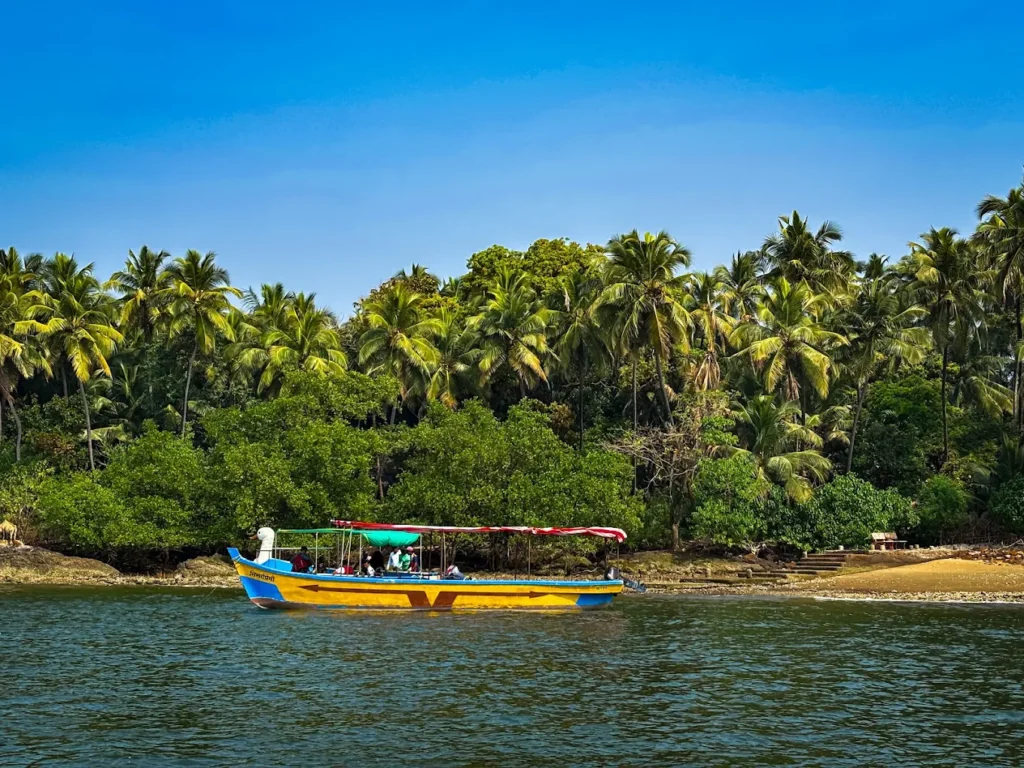
Yes, Tarkarli is an excellent and highly recommended destination for scuba diving, offering an unforgettable adventure into the underwater world. It is one of Tarkarli’s major tourist attractions due to its pristine white sands and crystal-clear waters, which are rich in marine biodiversity. So, Why Scuba Diving in Tarkarli? Let’s discover! You can explore exotic coral reefs, swim with diverse fish species, and even spot sea turtles. The waters are generally clear and warm, making it ideal for both beginner and experienced divers. For more in-depth information on diving levels (shallow vs. deep), safety measures, specific diving sites, the best time to visit, and available packages, please continue reading the comprehensive details provided below. Why Scuba Diving in Tarkarli? Scuba diving in Tarkarli offers an unforgettable adventure, allowing you to explore the opulent beauty of the underwater world. It introduces you to the mesmerizing charm of marine life and raises awareness about its importance and conservation. The clear, warm waters of Tarkarli are rich in marine biodiversity, making it an ideal location for both experienced divers and beginners. On a clear day, visibility can extend up to 20 feet deep, allowing for excellent viewing of the waterbed. When diving in Tarkarli, you can expect to: Diving Levels and Experiences Scuba diving services in Tarkarli cater to various experience levels: Initial training, often lasting 5-10 minutes, is provided before the dive, and participants can ascend anytime they feel uncomfortable. The general skills needed for scuba diving in Tarkarli are simple and can be learned in a couple of hours. Safety and Professionalism Your safety is a primary concern for diving organizers in Tarkarli. They ensure that everyone is ideally trained and mentored by M.T.D.C. (Maharashtra Tourism Development Corporation) before engaging in the water sport. Customers have praised the professionalism and knowledge of the coaches, feeling safe and secure throughout their dives. Pricing and Packages While specific prices may vary, the sources provide several figures: Various combo packages are also available, combining scuba diving with other water sports: Note: Some listed prices, like those in Source 122, were valid until May 2018, so current prices may differ. Scuba Diving Locations and Sites Scuba diving activities in Tarkarli are often operated near Daneshwar temple, Dandi beach, and close to Tarkarli, Malvan. Diving sites are spread around a 20 km circumference and include shallow and deep diving spots. Seven points are mentioned based on visibility: King’s garden point, Rewala point, Reti point, Dharan point, Juva Point, Achara point, and Chivla point. The Tarkarli Reef is also highlighted for its coral and marine life. Best Time for Scuba Diving The winter months, from October to March, are considered the ideal time for visiting Tarkarli and engaging in water sports like scuba diving. During this period, the pleasant temperatures (ranging from 17-32 degrees Celsius) are optimal for beach activities. Conversely, water sports are generally not fully functional during the monsoon season (July to September) due to heavy rainfall and harsh weather conditions. Summers (April to June) are least advisable due to scorching heat and humidity. Customer Experiences Visitors consistently rate scuba diving in Tarkarli highly, describing it as “superb” and an “amazing experience”. Many highlight the opportunity to see colorful fish and the beautiful underwater world. The inclusion of complimentary videos and pictures in packages is also a significant plus for many. For first-time divers, the experience is described as “awesome”. While some testimonials specifically mention “Scuba Diving In Mumbai,” the context within the provided sources places these reviews under Tarkarli’s offerings. More Things to do in TarkarliDiscovering Tarkarli: Maharashtra’s Serene Coastal Gem Tarkarli, a serene and tranquil village located in the Malvan region of Maharashtra’s Sindhudurg district, is an emerging hub for visitors seeking natural beauty, adventure, and relaxation. Bestowed with pristine Konkan Coastal lines, this charming village is a treasure trove for beach and nature lovers alike. Tarkarli offers unique and unmatched peace and tranquility, making it an ideal destination to soothe the mind and relax the soul. It is known for its white sand and clear waters of Tarkarli Beach and is a popular beach destination on the coast of the Arabian Sea. Best Time to Visit Tarkarli Tarkarli enjoys a pleasant climate throughout the year, attracting a large number of tourists. However, the winter months, from October to March, are considered the best time to visit Tarkarli. How to Get There Tarkarli is approximately 295 miles (475 kilometers) from Mumbai. While driving can be intimidating for tourists, most prefer rail travel. Accommodation Options Tarkarli offers a range of accommodation options, from budget homestays to upscale resorts. Things to Do in Tarkarli The list of activities in Tarkarli is extensive, promising never-ending fun and excitement for all types of visitors. Water Sports Tarkarli is a growing hub for water sports, particularly noted for its clear waters and marine life. Tsunami Island is a popular hub for water sports activities. Sightseeing & Exploration Tarkarli boasts numerous natural wonders and historical marvels. Shopping Tarkarli, being in the Malvan region, is known for its local specialties. Relaxation & Nature Tarkarli’s untouched and secluded beauty makes it a must-visit place for nature lovers and leisure seekers. Malvani Cuisine Malvani cuisine is the standard cuisine of the Konkan region of Maharashtra and Goa, known for its fiery seafood curries and unique spices. While predominantly non-vegetarian, it also features many vegetarian delicacies. Tips for Travelers Challenges/Considerations While Tarkarli offers a tropical escape, be aware of some potential challenges: Overall Potential Tarkarli is definitely on its way to becoming Maharashtra’s next sizzling beach destination while retaining its small-town charm. Its potential lies in: Tarkarli offers a chance to immerse in coastal life, connect with raw natural beauty, and indulge in water adventures against the Western Ghats backdrop, making it a highly recommended destination for those seeking tropical peace without overwhelming crowds. Here is a comprehensive list of frequently asked questions and answers about Tarkarli, drawing on the provided sources: Frequently Asked Questions about Tarkarli 1. What is Tarkarli known

Why Scuba Diving in Tarkarli? Read More »

How Safe is Malawi for Tourists? An In-Depth Guide to Visiting the Warm Heart of Africa

Malawi is often referred to as “The Warm Heart of Africa” due to its remarkably friendly and hospitable people, making it generally considered a safe and welcoming destination for travelers. Most visits are trouble-free, particularly for those on organized safaris. So let’s dive in to understand How Safe is Malawi for Tourists? However, like any travel destination, it’s crucial to be prepared and exercise caution. Key areas to be aware of include: Malawi offers unique safari experiences, stunning landscapes, and rich cultural encounters. To ensure a smooth and enjoyable trip, delve deeper into the detailed safety precautions, health guidelines, and cultural insights provided in the sources, as understanding these aspects will greatly enhance your visit to this incredible country. How Safe is Malawi for Tourists? I. Introduction: Malawi’s Reputation and Overall Safety Malawi is generally considered a safe country to visit, particularly for those on an organised safari. It is affectionately known as “The Warm Heart of Africa” due to the renowned friendliness and hospitality of its people. Annually, over 800,000 visitors enter Malawi, with most visits being trouble-free. Despite being a small, landlocked country, Malawi has garnered international recognition, being featured on Forbes, CNN Travel, and National Geographic as a great travel destination. Its Global Peace Index (GPI) score is comparable to France, and it ranks higher than America in the “Peace and Security” component. While largely safe, it is still advisable for tourists to exercise caution and be aware of potential risks. II. Crime and Security Risks Violent crime such as theft, burglary, armed robbery, and assault is common in Malawi. Petty theft and pickpocketing are also prevalent, especially around main bus stations in urban areas. There has been a reported increase in break-ins and violent assaults in major cities like Lilongwe, Blantyre, and Limbe. The risk of mugging and bag-snatching is also present. It is important to note that the Malawi Police Service has limited resources and abilities to deter and investigate crimes, assist victims, and apprehend criminals. While rare, criminal kidnappings for financial gain occasionally occur, and British Nationals have been targeted in some instances, indicating that kidnappers may also target foreigners, particularly business or wealthy individuals who are at an increased risk. A. Protecting Yourself and Your Belongings: Practical Precautions To minimise risks and enhance your safety, consider these practical precautions: III. Civil Unrest and Political Situation Demonstrations related to political and economic issues can occur in Malawi and may increase in frequency. During such events, tear gas is frequently deployed, and roads may be blocked. It is crucial to avoid large crowds and demonstrations and to monitor local media for updates on the situation. Keeping local and international travel plans under review is also advisable. IV. Common Tourist Scams in Malawi While generally friendly, some individuals may attempt common tourist scams. Being aware of these can help prevent negative experiences: V. Health and Medical Preparedness Before travelling to Malawi, it is crucial to consult a medical professional at least 8 weeks prior to your departure for vaccine recommendations and malaria prevention. Malaria persists year-round in Malawi. A yellow fever vaccination certificate is required only if you are arriving from a country with a risk of yellow fever. For instance, it is not required for US or Indian citizens travelling directly from their home countries. Other potential health risks in Malawi include mpox, biting insects, ticks, and altitude sickness in some parts of the country. Malawi experienced its largest cholera outbreak in late 2022 and early 2023, with cases likely to rise again during the rainy season (November to April). Tap water may not be safe to drink, especially in rural areas. Therefore, it is essential to exercise safe food and water habits, such as drinking bottled or boiled water and avoiding raw or undercooked foods to prevent foodborne and waterborne illnesses. General medical facilities throughout Malawi are basic, particularly in rural areas, and emergency services are limited. Many medical facilities will expect up-front payment for services. It is therefore paramount to have adequate travel health insurance that covers local treatment, medical evacuation, and repatriation. The Foreign, Commonwealth & Development Office (FCDO) provides a list of medical providers in Malawi where some staff speak English. Additionally, be aware of the legal status and regulation of prescribed medicines when travelling. It is advisable to carry basic medical supplies. VI. Safari and Wildlife Viewing Safety Malawi’s safari offerings have quietly evolved over the past decade, with significant conservation efforts led by organisations like African Parks transforming the country’s protected areas into thriving ecosystems. This has resulted in a personal, immersive, and refreshingly crowd-free safari experience. Top safari destinations include Liwonde National Park, Majete Wildlife Reserve, Nkhotakota Wildlife Reserve, and Nyika National Park, each offering unique wildlife viewing opportunities. Parks and reserves are generally very safe places to visit. However, it is crucial to follow your guide’s instructions without exception, as their expertise in animal behaviour and knowledge of the terrain make a critical difference to both your safari experience and your safety. Only leave your vehicle in designated safe areas as instructed by your guide. When on game drives, adherence to game drive etiquette is vital for safety and a positive experience for all: For clothing, wear neutral tones such as khaki, dark green, brown, or beige. Avoid bright colours, white, blue, and black in areas where tsetse flies are common, as they are attracted to these colours. Bring binoculars for spotting distant wildlife and enhancing your viewing experience. It’s important to manage expectations: animals are not everywhere, and you may only see them roughly a third of the time; the rest is about appreciating the beautiful landscapes and learning from your guide. VII. Transportation Safety Road travel in Malawi can be hazardous, with a high rate of road fatalities. Common hazards include potholes, animals, abandoned vehicles, cyclists, and vehicles without lights at night. There are frequent fuel shortages, so it is essential to plan ahead and ensure fuel availability for your route. Police in Malawi

How Safe is Malawi for Tourists? An In-Depth Guide to Visiting the Warm Heart of Africa Read More »

Lake Malawi, Africa

Lake Malawi: Africa’s Cradle of Biodiversity and a Lifeline Under Threat – A Travel Guide

Lake Malawi, a crucial freshwater resource for Malawi, Mozambique, and Tanzania, is facing several pressing environmental challenges. The most significant threats to its exceptional biodiversity and vital fisheries include overfishing, particularly due to illegal fishing methods like the use of fine mesh nets that capture young fish, leading to a decline in fish stocks and overall biodiversity. Pollution from agricultural runoff, domestic waste, and industrial discharge contributes to eutrophication and sedimentation within the lake. Additionally, climate change and deforestation in the surrounding catchment area exacerbate habitat degradation and impact the lake’s water quality. Invasive alien species are also identified as a serious and potentially irreversible threat to the native biodiversity. To address these issues, conservation efforts are multifaceted: For an in-depth exploration of each of these threats, the specific research informing conservation strategies, and the detailed policy implications for Lake Malawi’s future, please continue reading. Lake Malawi Welcome to Lake Malawi, often hailed as the “Jewel of the Rift Valley”! This magnificent body of freshwater, known also as Lake Nyasa in Tanzania and Lago Niassa in Mozambique, is far more than just a lake; it’s a vibrant ecosystem, a historical marvel, and a lifeline for millions. Situated within the East African Rift system, it stands as one of the impressive African Great Lakes. Its global importance stems not only from its sheer size but also from its unparalleled biodiversity. In fact, Lake Malawi is a recognised global biodiversity hotspot, boasting more fish species than any other lake on Earth. A Geographical and Geological Marvel Imagine a lake so ancient and vast that its origins stretch back millions of years. Lake Malawi is an ancient lake and a quintessential rift lake, formed by the titanic tectonic forces associated with the East African Rift Valley. Its basin is a series of tilted earth blocks, known as half-grabens, with an astonishing more than 4 kilometres of sediment beneath its deepest points, a testament to its immense age. This colossal lake is truly a sight to behold. It stretches an impressive 560 to 580 kilometres (350 to 360 miles) long, and up to about 75 kilometres (47 miles) wide at its broadest point. Covering a surface area of approximately 29,600 square kilometres (11,400 sq mi), it proudly ranks as the ninth largest lake by surface area globally. Beneath its shimmering surface, it plunges to a maximum depth of 706 metres (2,316 feet) in its north-central part, making it Africa’s second-deepest and the third-deepest lake in the world. With a total water volume estimated at 8,640 km³ (2,070 cu mi), it holds nearly 7% of the Earth’s available surface freshwater. The lake’s water dynamics are fascinating. Its primary inflow is the Ruhuhu River, with the Songwe River (on the Tanzania-Malawi border) also contributing significantly. However, its sole outflow is the Shire River, which eventually flows into the Zambezi River in Mozambique. A striking characteristic is that over 80% of water loss occurs due to evaporation, far exceeding the outflow from the Shire River. This leads to a very long flushing time, concentrating nutrients and chemicals within the lake. Lake Malawi is also a meromictic lake, meaning its layers of water don’t mix, with waters below 170–200 metres being anoxic. The surface water is generally warm, ranging from 24 to 29 degrees Celsius (75 to 84 degrees Fahrenheit), and is slightly alkaline. As you might imagine, a lake of this scale spans multiple nations. Its shorelines touch Malawi, Mozambique, and Tanzania. Interestingly, the exact position of the Malawi-Tanzania border within the lake has been a point of contention for years. Tanzania claims the border runs through the middle of the lake, while Malawi asserts control over all waters not in Mozambique, right up to the Tanzanian shoreline, citing the Heligoland Treaty of 1890. Malawi currently administers these waters. A Hotspot of Biodiversity: The Cichlid Phenomenon Lake Malawi’s most celebrated feature is its truly unparalleled fish diversity. It is home to more fish species than any other lake on Earth, with estimates ranging from at least 700 to over 1,000 species recorded, predominantly the famous cichlid fish. What makes this even more extraordinary is that an astonishing 99% of these cichlid species are endemic to the lake. This makes Lake Malawi a living laboratory, crucial for understanding evolutionary processes and adaptive radiation. When you gaze into its clear waters, you might spot various cichlid groups like the vibrant mbuna cichlids, usipa, and utaka. Some, like Aulonocara baenschi and Chindongo saulosi, are critically endangered due to their popularity in the ornamental fish trade. Beyond the cichlids, other significant fish families, such as Clariidae, Claroteidae, and Cyprinidae, also inhabit the lake, including the unique genus Bathyclarias. For those who rely on the lake for food, common catches include tilapia, sardines, and catfish. But the lake’s wonders extend beyond fish. Its waters and surrounding areas support a rich diversity of invertebrate life: On land and in the skies around the lake, the wetlands and forests support a vast array of wildlife, including Nile crocodiles, hippopotamuses, monkeys, and a large population of African fish eagles. Even the painted hunting dog, once thought extinct, has been sighted here. Life and Livelihoods: Human Dependence on the Lake For millions living along its shores, Lake Malawi is not just a natural wonder; it is the very backbone of their economic survival. Local communities in Malawi, Mozambique, and Tanzania are profoundly dependent on its resources for both fishing and agriculture. The fisheries are arguably the lake’s most vital asset. They provide an indispensable source of protein and contribute significantly to the regional economy, especially in Malawi. It is widely quoted that fish provides around 70% of the animal protein consumed by Malawians, a statistic that, while significant, dates back to the 1940s and merits updating. In 2015 alone, the fisheries sector directly employed an impressive 60,600 people in Malawi, with an additional 300,000 individuals engaged in related secondary activities such as fish processing, marketing, boat-building, and supplying fishing gear. The lucrative ornamental fish trade

Lake Malawi: Africa’s Cradle of Biodiversity and a Lifeline Under Threat – A Travel Guide Read More »

Lion image, sossusvlei safari

Unveiling the Magic of a Sossusvlei Safari: Your Ultimate Guide

Sossusvlei Safari The optimal time to visit Sossusvlei is during Namibia’s cooler, drier winter season, which spans from May to September, with June, July, and August being particularly recommended. This period offers crisp, clear mornings and evenings, which are ideal for activities such as hiking the towering dunes, and provides excellent conditions for photography, ensuring vibrant colours and minimal haze. While it is possible to experience a significant amount in a single day, it is highly recommended to allocate at least two to three nights in the Sesriem area. This allows for two full days within Sossusvlei, providing ample opportunity to explore thoroughly without rushing and to capture the best light during sunrise and sunset. For a comprehensive guide to planning your Sossusvlei adventure, including detailed itineraries, crucial driving tips for navigating the park’s unique terrain, strategic accommodation choices for optimal access, and insights into the most captivating photo opportunities and activities available, please continue reading for in-depth information. I. Introduction: Redefining “Safari” in Namibia’s Ancient Desert II. Exploring the Iconic Landscapes: Key Attractions and Activities III. Planning Your Sossusvlei Safari: Logistics and Practicalities IV. Packing Essentials for Your Desert Adventure V. Photography Tips: Capturing the Sossusvlei Dreamscape VI. Combining Sossusvlei with Other Namibian Destinations VII. Conclusion: An Unforgettable Journey into Namibia’s Soul Sossusvlei is truly a “natural wonder” and often described as a “photographer’s paradise”. The experience offers an “incredible sense of remoteness” and a deep connection with the “raw, ancient, and hypnotic” landscapes. A Sossusvlei safari is not just a trip; it’s an immersive journey into a unique and breathtaking part of the world, leaving you awe-struck and wanting to return. Think of a Sossusvlei safari as painting with light on an ancient canvas, where every shade and shadow tells a story of time and solitude. FAQ’s Analogy: Think of Sossusvlei as a magnificent, ancient outdoor art gallery. Each dune is a unique sculpture, constantly reshaped by the light and wind, while Deadvlei is the gallery’s haunting centrepiece, a permanent exhibit of time-frozen natural history. To fully appreciate this gallery, you need the right “lens” (the camera gear and photography tips), the right “guide” (knowing the best locations and times), and the right “wardrobe” (packing appropriately for the desert’s surprising conditions). And just like a gallery that might have special viewing hours for certain patrons, staying inside the park gives you early access to the best “lighting” for your visual masterpiece. Related Posts:

Unveiling the Magic of a Sossusvlei Safari: Your Ultimate Guide Read More »

Snowcap Mountain, Dibang Valley, Arunachal Pradesh

Dibang Valley: Your Complete Guide to Arunachal’s Mystical, Unexplored Heart

Picture this: You’re standing at the edge of one of India’s last great frontiers, where mist-shrouded mountains guard ancient secrets and indigenous communities live in harmony with pristine wilderness. Welcome to Dibang Valley, a mystical realm in Arunachal Pradesh that has remained largely untouched by mass tourism, offering intrepid travelers an authentic glimpse into India’s northeastern frontier. Recent attention from business magnate Anand Mahindra and growing whispers among adventure enthusiasts have begun to shine a spotlight on this remote paradise. Yet Dibang Valley remains deliciously unexplored, a destination where you can still experience the thrill of true discovery. This comprehensive guide will unlock everything you need to know about Dibang Valley tourism, from navigating the complex logistics to immersing yourself in the fascinating culture of the Idu-Mishmi people. If you’re seeking an adventure that goes beyond Instagram-worthy spots and delves into genuine cultural exchange and untamed wilderness, Dibang Valley beckons. This isn’t just another travel destination – it’s a transformative journey into one of Asia’s most pristine corners, where every step reveals something extraordinary. Why Visit Dibang Valley? The Call of the Wild Imagine a place where the Himalayas unfold in their most dramatic form, where ancient forests whisper stories of time immemorial, and where crystal-clear rivers carve through valleys that have remained unchanged for millennia. Dibang Valley is nature’s masterpiece, a canvas painted with emerald forests, snow-capped peaks, and meadows that burst with wildflowers during the brief but spectacular spring season. The Dibang River, one of the major tributaries of the mighty Brahmaputra, flows through this landscape like a silver thread binding together ecosystems of incredible diversity. From subtropical forests at lower elevations to alpine meadows kissing the sky, the valley harbors species found nowhere else on Earth. Rare orchids bloom in hidden corners, while elusive snow leopards patrol the higher reaches. This is what makes Dibang Valley an unexplored destination of unparalleled natural significance. But the valley’s true magic lies in its people. The Idu-Mishmi tribe, one of Northeast India’s most fascinating indigenous communities, calls this land home. Their deep spiritual connection to the mountains and forests has preserved both their culture and the environment for centuries. Visitors have the rare privilege of witnessing a way of life that remains largely untouched by globalization, where traditional knowledge systems guide daily life and ancient rituals honor the spirits of the land. The diverse Dibang Valley culture manifests in everything from intricate handwoven textiles to elaborate festivals that celebrate the changing seasons. The Idu-Mishmi people practice their ancestral faith, Aniism, which recognizes the sacred in every aspect of the natural world. Their traditional bamboo houses, perched on stilts and built without a single nail, demonstrate remarkable architectural wisdom adapted to the valley’s unique climate and terrain. What sets Dibang Valley apart from India’s crowded hill stations and commercialized destinations is its profound sense of peace and authenticity. Here, you won’t find traffic jams or tourist traps – instead, you’ll discover the rare luxury of silence, broken only by birdsong and the distant murmur of flowing water. This is adventure travel at its purest, where the journey itself becomes as meaningful as the destination. Planning Your Expedition: How to Reach Dibang Valley & Practicalities Reaching Dibang Valley requires careful planning and considerable patience, but the rewards are extraordinary. This section of our Dibang Valley travel guide covers everything you need to know about permits, transportation, timing, and logistics to ensure your journey unfolds smoothly. Permits: Your Gateway to the Valley Before dreaming of misty mornings in Anini Dibang Valley, every non-resident of Arunachal Pradesh must secure proper permits. Indian citizens require an Inner Line Permit (ILP), while foreign nationals need a Protected Area Permit (PAP). This isn’t bureaucratic red tape – it’s a protective measure ensuring responsible tourism in sensitive border regions. For Indian Citizens – Inner Line Permit (ILP): Apply online through the official Arunachal Pradesh government portal at least 15 days before travel. You’ll need passport-sized photographs, identity proof, and detailed travel itinerary. The permit typically costs around ₹100-200 and is valid for 15 days, with possible extensions. Processing usually takes 3-7 working days, but delays can occur during peak seasons. For Foreign Nationals – Protected Area Permit (PAP): Foreign visitors must apply through registered tour operators or the Foreigners Registration Office in Delhi, Kolkata, or Guwahati. The process is more complex and can take 4-6 weeks, requiring detailed documentation including passport copies, visa details, and a comprehensive itinerary. PAP applications must be submitted well in advance, especially during winter months when processing may be slower. Getting to the Region: The Journey Begins Nearest Airport: Dibrugarh Airport in Assam serves as the primary gateway, located approximately 150 kilometers from the Arunachal Pradesh border. Regular flights connect Dibrugarh to Delhi, Kolkata, and Guwahati. From the airport, hire a taxi or take a bus to reach Pasighat or Roing. Railway Connectivity: Tinsukia Railway Station, about 40 kilometers from Dibrugarh, offers train connections to major Indian cities. However, air travel remains the most efficient option for most visitors. Road Journey to Arunachal Pradesh: From Dibrugarh, the journey to Roing (Lower Dibang Valley district headquarters) takes 4-5 hours via well-maintained highways. This scenic drive offers your first taste of Northeast India’s incredible landscapes, with tea gardens giving way to dense forests as you approach the hills. The Final Push: How to Reach Dibang Valley’s Heart The real adventure begins at Roing, where you’ll arrange onward transportation to Anini, the administrative center of Upper Dibang Valley district. This 210-kilometer journey is perhaps India’s most spectacular and challenging road trip, taking 8-12 hours depending on weather and road conditions. Vehicle Options: The road to Anini winds through changing landscapes, from subtropical forests to temperate woodlands, finally reaching alpine environments above 2,000 meters. Expect multiple river crossings, narrow mountain roads, and occasional delays due to landslides or weather. The journey itself is an adventure, offering spectacular views and multiple photo opportunities. Best Time to Visit: Timing Your Adventure Peak Season (October to March): Clear skies

Dibang Valley: Your Complete Guide to Arunachal’s Mystical, Unexplored Heart Read More »