Travel Guide

khajjiar himachal pradesh

Khajjiar: Your Ultimate Guide to India’s Mini Switzerland

Your Complete Khajjiar Travel Guide (Mini Switzerland Tips) Nestled in the Chamba district of Himachal Pradesh, Khajjiar is renowned for its enchanting beauty—a saucer-shaped meadow surrounded by dense deodar forests, a shimmering lake, and majestic Himalayan vistas. Known as the “Mini Switzerland of India,” this hidden gem exudes both natural charm and cultural heritage. Officially recognized as one of only 160 places worldwide that resemble Switzerland (as marked by the Swiss Ambassador on July 7, 1992), Khajjiar offers travelers an experience that is as rich in history as it is in scenic allure. In this guide, we will explore Khajjiar’s history, attractions, activities, accommodation options, practical travel tips, and seasonal weather patterns. Whether you are planning a day trip from Dalhousie or a longer stay to savor the peaceful ambiance, read on for everything you need to know about Khajjiar Tourism, Khajjiar Sightseeing, and the best time to visit this Himalayan paradise. Introduction: Discover the Magic of Khajjiar Khajjiar captivates visitors with its picturesque landscapes—a vast green meadow with Khajjiar Lake at its heart and a backdrop of the formidable Dhauladhar ranges. Often compared to Switzerland for its immaculate beauty and serene environment, Khajjiar offers an oasis for travelers seeking an escape from bustling city life. From adventure sports such as paragliding and zorbing to peaceful nature walks and visits to ancient temples, there’s something here for everyone. Why Visit Khajjiar? The Allure of India’s Mini Switzerland A Natural Wonderland Khajjiar’s most irresistible draw is its natural beauty. The sweeping green meadows, bordered by dense deodar and pine forests, provide a perfect canvas against the dramatic Himalayan backdrop. The shimmering Khajjiar Lake adds a touch of tranquility, while the region’s ever-changing weather—from misty monsoons to snowy winters—ensures a distinct charm in every season. Rich History and Cultural Significance The history of Khajjiar is deeply intertwined with that of the Chamba region. Once a capital for the Rajput rulers and later influenced by Mughal, Sikh, and British colonial eras, its past is evident in heritage sites such as the 12th-century Khajji Nag Temple. This temple, with its intricate wood carvings and a blend of Hindu and Mughal architecture, offers a window into the spiritual legacy of the area. The tradition of naming the location “Khajjiar” itself stems from myth and history, making it a fascinating destination for cultural explorers. Adventure and Recreational Activities For the active traveler, Khajjiar provides a plethora of activities: A Glimpse into History Khajjiar’s history is as captivating as its landscapes. Historically a favorite summer retreat during the British colonial period, this hill station was developed alongside Dalhousie as an escape from the heat of the plains. The ancient Khajji Nag Temple, dedicated to the serpent deity, dates back to at least the 12th century and reflects the rich cultural syncretism of the region. Over the centuries, the influence of Rajput, Mughal, Sikh, and British administrations has left its mark on the local architecture and traditions, making Khajjiar a repository of historical narratives. Best Time to Visit Khajjiar: Weather and Seasons Understanding Khajjiar Weather is key to planning your visit. The region offers distinct seasonal experiences—each presenting its own charm: Season Months Temperature Range (°C) Weather & Activities Summer April – June 17 – 38 Pleasant, sunny days with cool, crisp nights. Ideal for trekking, paragliding, boating, and sightseeing at Khajjiar Lake. Monsoon July – September 24 – 34 Moderate rainfall gives way to lush greenery and misty hills. Perfect for nature walks, boating, and temple visits (e.g., Khajji Nag Temple). Winter November – March 6 – 27 (can drop sub-zero) Snowfall transforms Khajjiar into a winter wonderland. Great for snow treks, viewing the striking Lord Shiva Statue amidst snow, and experiencing true snowfall. How to Reach Khajjiar Khajjiar is well-connected, and getting there is part of the adventure. By Air By Train By Road Getting Around Khajjiar Within Khajjiar, transportation is simple: Top Attractions in Khajjiar Khajjiar offers a mix of natural beauty, spirituality, and adventure. Here are the must-see sights: 1. Khajjiar Lake 2. Khajji Nag Temple 3. Panch Pandav Tree 4. Kalatop Wildlife Sanctuary 5. Golden Devi Temple 6. Lord Shiva Statue Things to Do in Khajjiar: Activities and Experiences Adventure Sports Trekking and Nature Walks Cultural Immersion Accommodation in Khajjiar Khajjiar offers a range of options to suit every budget: Accommodation Type Examples Description Approximate Cost (INR per night) Luxury Hotels Fortune Khajjiar Plush rooms, modern amenities, scenic views, and premium services. 5,000 – 10,000 Heritage Guesthouses Deodar Manor Traditional charm, home-cooked meals, and cultural immersion in a quaint setting. 3,000 – 6,000 Budget Hotels Hotel Royal Residency, Shining Star Resort Basic amenities, comfortable stays near key attractions. 1,500 – 3,000 Homestays Himalayan Canvas, The Hosteller Khajjiar Authentic local hospitality with meals and guided tours, ideal for an immersive cultural experience. 1,000 – 2,500 Booking Tip:• Book in advance during peak seasons (Summer and Winter) as accommodations fill up quickly. Dining and Local Cuisine While dining options in Khajjiar may be limited compared to larger cities, you are sure to enjoy a delightful culinary experience: Nearby Attractions and Excursions Khajjiar’s location makes it an excellent base for exploring the surrounding region: Dalhousie Chamba Dainkund Peak Practical Travel Tips To ensure a hassle-free and memorable trip to Khajjiar, keep these suggestions in mind: Frequently Asked Questions (FAQs) Q1: What makes Khajjiar known as the “Mini Switzerland of India”?A: Khajjiar is dubbed the “Mini Switzerland of India” due to its striking resemblance to Swiss landscapes. Its lush green meadows, quaint lake, and the surrounding Himalayan backdrop create an ambiance reminiscent of the scenic beauty found in Switzerland. Q2: What is the best time to visit Khajjiar?A: Q3: How can I reach Khajjiar?A: Q4: How many days are enough to explore Khajjiar?A: While a day trip is possible, a 2-3 day visit is ideal to fully enjoy the attractions, activities, and the serene environment of Khajjiar. Q5: What activities are available in Khajjiar?A: You can enjoy a variety of activities including paragliding, zorbing, horse riding,

Khajjiar: Your Ultimate Guide to India’s Mini Switzerland Read More »
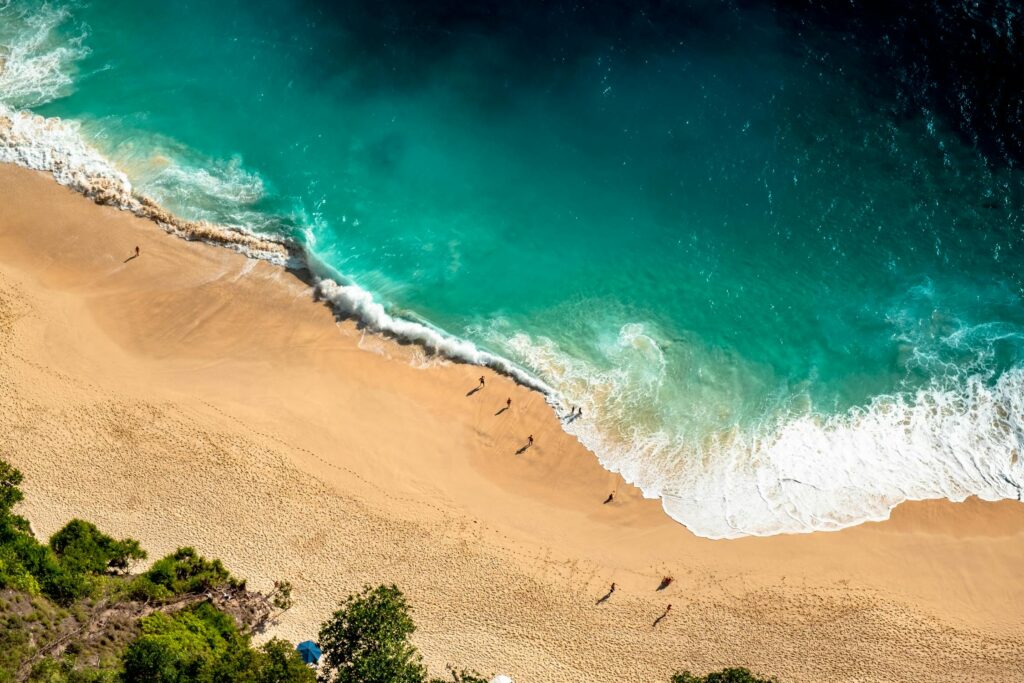
Sandy shores of Kuta Beach in Bali, bustling with surfers. Enjoy beach activities during your Bali vacation.

Your Essential Bali Travel Guide: Best Time to Visit, Flights from the USA, and First-Timer Tips

Looking for the ideal time for your Balinese escape? Generally, the dry season, from April to October, is considered best for sunny weather. For fewer crowds and pleasant conditions, you might consider the shoulder months of May, June, and September. Want to explore during the wet season for potentially lower prices and a quieter atmosphere? The months from November to March could be an option, just be prepared for more rain. Keep reading for a more detailed monthly breakdown and insights to help you pinpoint your perfect travel window! Bali Travel Guide for First-Timers: Best Time to Travel, Flights from the USA I. Introduction: Discovering the “Island of the Gods” Bali, often referred to as the “Island of the Gods,” is a captivating destination that conjures images of tranquil beaches, verdant rice paddies, and a vibrant culture. For travelers making their first journey from the USA, the enchantment of this Indonesian paradise is particularly strong. This guide is specifically designed to provide first-time visitors from the United States with all the essential knowledge required to plan an unforgettable Balinese adventure, addressing common queries about the best time to travel to Bali, understanding flights to Bali, and offering a comprehensive Bali travel guide for first timers. It is important to remember that Bali is a province and an island that forms part of the Republic of Indonesia, a large archipelago in Southeast Asia. Prepare to uncover the magic that awaits on this enchanting island as we delve into every crucial aspect to ensure a smooth and enriching travel experience. Bali Travel Guide: Quick Clarity Table for First-Time Visitors Category Key Information at a Glance Reader Action/Takeaway Best Time to Visit Dry Season (Apr-Oct): Sunny, best for beaches, surfing (West coast). Shoulder (May-Jun, Sep-Oct): Pleasant, fewer crowds, good deals. Wet (Nov-Mar): Rain, lush, quieter, budget-friendly. Decide based on your priorities: Weather preference vs. budget vs. crowd levels. Check monthly breakdown for specifics. Flights from USA No Direct Flights. Expect layovers in Asian hubs (Singapore, Hong Kong, Dubai, etc.). Flight time: 20+ hours. Airlines: Singapore, Emirates, Qatar, Cathay Pacific, etc. Prepare for a long journey. Factor in layover time. Use flight comparison sites. Book in advance for better deals. Visa & Entry (US) Visa on Arrival (VOA) for tourism (30 days, extendable). Passport: 6 months validity, blank pages. Return/onward ticket needed. VOA fee approx. $35 USD. Ensure passport validity and blank pages. Budget for VOA fee. Check latest visa rules before travel. Money Matters Currency: Indonesian Rupiah (IDR). Exchange USD to IDR in Bali (authorized changers/ATMs). Cards widely accepted in tourist areas, but carry cash. Exchange currency in Bali for better rates. Have cash for smaller places and tips. Inform your bank of travel dates. Bali Basics Bali is a province of Indonesia, not a country. “Island of the Gods,” Hindu culture. Capital: Denpasar. Cultural heart: Ubud. Understand Bali’s context within Indonesia. Be aware of the unique Hindu culture and local customs. Essential Customs Dress modestly at temples (cover shoulders/knees). “Om Swastiastu” greeting. Right hand for giving/receiving. Respect offerings (Canang Sari). Be mindful of public behavior. Show respect for Balinese culture. Learn basic phrases. Be aware of temple etiquette and general customs. Getting Around Taxis (Bluebird recommended, use meter). Ride-hailing apps (Grab/Gojek) popular, but some area restrictions. Traffic can be congested. Use metered taxis or ride-hailing for transport. Be patient with traffic, especially in tourist areas. Accommodation Wide range: Hostels to luxury villas. Popular areas: Kuta (budget), Seminyak/Nusa Dua (upscale), Ubud (wellness/nature). Book in advance, especially in peak season. Choose accommodation based on budget and preference. Book ahead to secure best options and prices. Top Things to See/Do Temples: Tanah Lot, Uluwatu, Tirta Empul, Besakih. Nature: Rice terraces, waterfalls, Mount Batur. Beaches: Kuta, Seminyak, Canggu, Nusa Dua, Uluwatu. Culture: Ubud, art villages, Kecak dance. Prioritize attractions based on your interests. Plan your itinerary to cover key highlights. Health & Safety Vaccinations recommended (Hepatitis A, Typhoid). Travel insurance essential. Drink bottled/filtered water. Be cautious with food. Petty crime in tourist areas. Respect animal safety. Licensed money changers only. Consult doctor for vaccinations. Get travel insurance. Be mindful of food/water safety and general safety precautions. Packing Essentials Light, tropical clothing. Sunscreen, insect repellent, medications. Rain jacket (wet season). Pack light and for the tropical climate. Don’t forget essentials for sun protection and health. Timing Your Trip: Finding the Best Time to Visit Bali Understanding Bali’s tropical climate and tourist seasons is key to planning your visit.A. Understanding Bali’s Tropical Climate and Seasons The Dry Season, generally spanning from April to October, is often considered the ideal time for outdoor pursuits. This period is typically characterised by sunny and breezy conditions with less rainfall and lower humidity, making it perfect for beach activities and water sports. The Wet Season, which typically runs from November to March, brings occasional heavy rains and higher humidity. While rainstorms can be sudden and intense, they often pass quickly, allowing for a mix of sun and showers. The landscapes during this time are often lush and vibrant.B. Navigating Bali’s Tourist Seasons The High Season in Bali generally falls between June to August and November to December. These periods typically see larger crowds and higher prices for both flights and accommodations. This aligns with summer vacations in Europe, America, and Australia, as well as the Christmas and New Year holidays. The Shoulder Seasons, which include April to May and September to October, are often considered by many as the best time to travel. During these months, you can expect pleasant weather with fewer tourists, potentially leading to better deals on accommodations. The Low Season, from January to March, typically experiences the highest chance of rainfall. This period offers the quietest atmosphere and often the most budget-friendly prices. C. Weather Conditions and Activities by Season Dry Season (April-October): This season is ideal for beaches and sunbathing. It is also a great time for surfing, with the west coast experiencing the best swells from June to August. Hiking and exploring the inland areas are also favorable due to the sunny days and reduced humidity. Conditions are generally good for diving and snorkelling as well. Wet Season (November-March): While rain can affect water clarity for diving and snorkelling and may make some hiking trails

Your Essential Bali Travel Guide: Best Time to Visit, Flights from the USA, and First-Timer Tips Read More »

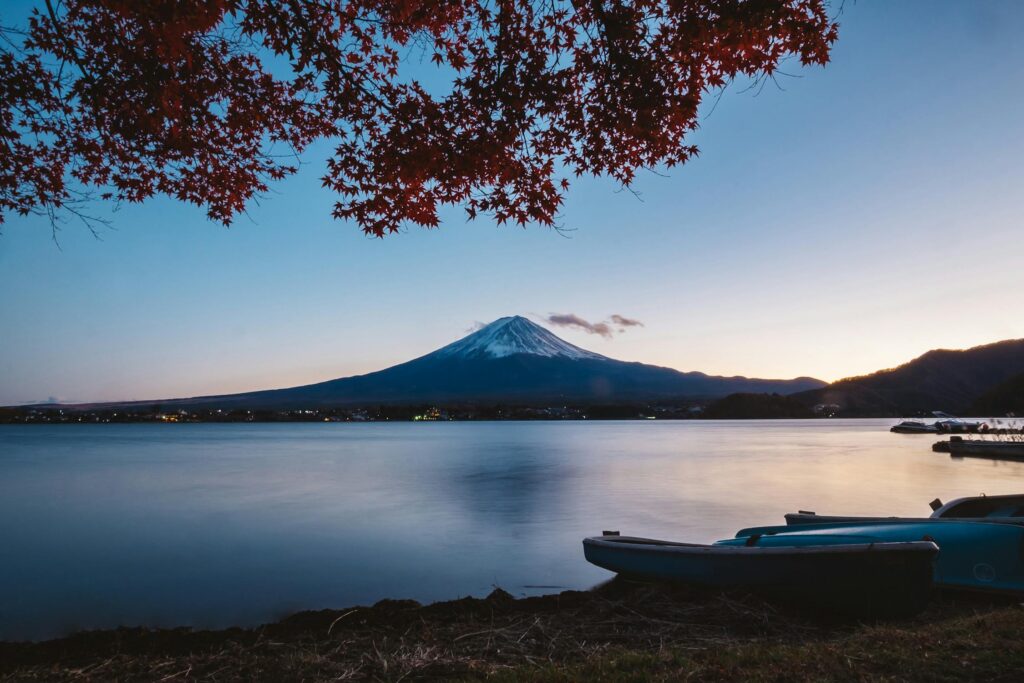
Mirror-like reflection of Mount Fuji in Lake Kawaguchiko, Yamanashi, Japan. A classic and serene view of Japan's iconic mountain.

Planning Your Perfect Japan Trip: Essential Tips and Insights for First-Time Visitors

  Travelling to Japan soon? Here are a few essential things to know before you go! Keep reading for more in-depth travel tips, including the best and worst times to visit, navigating transport, cultural etiquette, and much more to ensure a smooth and enjoyable trip to Japan! Japan, a captivating archipelago nation, presents a mesmerizing blend of ancient traditions and cutting-edge modernity. From the tranquil serenity of Kyoto’s temples to the vibrant energy of Tokyo’s bustling streets, the country offers a diverse array of experiences. This article serves as an essential resource, providing crucial information and tips for planning a smooth and enjoyable Japan trip, particularly for those visiting for the first time. Many first-timers opt for the popular tourist route, known as the golden route, which typically runs from Tokyo to Kyoto and then on to Osaka. Quick Guide to Essential Japan Trip Tips Topic Key Takeaway/Clarity Point Why it Matters/Further Detail Cash & Cards Carry cash & get a SUICA card. Cash is still vital, especially in smaller places. SUICA card simplifies local transport and convenience store purchases. Best Time to Visit Spring (cherry blossom) & Autumn (fall) are ideal, but busy. Enjoy beautiful scenery and comfortable weather. Be prepared for crowds. Avoid late June-early Sept (hot, humid, typhoon season). Golden Route Tokyo-Kyoto-Osaka is a great first-timer route. Covers major highlights and offers a good introduction to Japan’s blend of modern and traditional. Transportation Shinkansen (bullet train) is efficient for long distances. Book Shinkansen in advance, especially for luggage space and peak times. SUICA card is essential for local travel. JR Pass Likely not cost-effective for standard Golden Route. Price has increased. Only consider if you plan extensive train travel across Japan beyond the typical tourist routes. Budgeting Japan can be expensive; budget  100−100− 200 USD daily. Costs vary by city (Tokyo & Kyoto pricier). Food can be affordable if eating at convenience stores & local eateries. Transport (Shinkansen) impacts budget. Accommodation Variety of options: Hotels, Ryokans, Hostels. Consider Ryokans for cultural experience. Shibuya in Tokyo is central. Hotel rooms can be smaller than you’re used to. Food & Drink Konbini (convenience stores) are amazing & affordable. Great for quick, quality meals and snacks. Explore vending machines and local eateries for unique experiences. Try regional specialties & Ekiben on trains. Etiquette Be quiet in public, don’t eat while walking, no tipping. Show respect for Japanese culture. Quietness is valued. Tipping is not customary and can be considered rude. Booking Ahead Book popular activities & transport in advance. Essential during peak seasons. Use platforms like Klook for easy booking in your currency. Overtourism (Kyoto) Kyoto can be very crowded. Visit major temples early (5-6 am) or explore lesser-known areas for a more peaceful experience. Internet Access Get an eSIM for your phone. Essential for navigation, translation, and staying connected. Luggage on Shinkansen Book oversized luggage seats if needed. Ensure luggage is properly stored on Shinkansen. Platforms like Klook help with booking these seats. Safety Japan is very safe. Be mindful of surroundings and take basic safety precautions as you would anywhere. Visa Visa requirements vary by nationality. Check visa requirements based on your passport well in advance of your trip. E-visa options may be available for some nationalities. 1. When to Visit Japan: Navigating the Seasons Choosing the right time to visit can significantly impact your Japan trip. 2. Must-See Destinations: Exploring Japan’s Highlights Japan boasts a wealth of incredible destinations, but for many first-time visitors, the golden route is a natural starting point. 3. Getting Around Japan: Mastering the Transportation System Japan boasts an incredibly efficient and comprehensive transportation network. 4. Money Matters: Currency, Budgeting, and Payments Understanding Japan’s currency and budgeting is crucial for a smooth trip. 5. Accommodation in Japan: Finding Your Home Away From Home Japan offers a diverse range of accommodation options to suit various budgets and preferences. 6. Food and Drink: A Culinary Adventure Japanese cuisine is a major highlight of any trip. 7. Essential Things to Know Before You Go: Practical Tips Here are some crucial tips to keep in mind before and during your Japan trip. 8. Japanese Culture and Etiquette: Showing Respect Understanding and practicing basic Japanese etiquette will greatly enhance your travel experience and ensure you show respect to the local people. 9. Booking in Advance: Planning Ahead is Key Given Japan’s popularity, especially during peak seasons, booking activities and transportation well in advance is crucial. 10. Navigating Overtourism: Especially in Kyoto Overtourism can be a significant issue in popular destinations like Kyoto, especially during peak seasons like autumn. 11. Visa Information Visa requirements for Japan vary depending on your nationality. Conclusion A Japan trip promises a truly unique and unforgettable experience, blending the wonders of ancient culture with the excitement of modern life. By understanding the best times to visit, navigating the efficient transportation system, being mindful of your budget and Japanese etiquette, and remembering to book key aspects of your trip in advance, you can ensure a smooth and stress-free adventure in the Land of the Rising Sun. Use the tips and resources provided to craft your perfect Japan trip and create memories that will last a lifetime. FAQ’s  www.xploreheaven.com

Planning Your Perfect Japan Trip: Essential Tips and Insights for First-Time Visitors Read More »

Madagascar Travel: Discover the Eighth Continent

Looking for an unforgettable adventure? Madagascar, the “Eighth Continent”, boasts extraordinary wildlife found nowhere else on Earth and stunning landscapes from rainforests to beaches. To truly plan your Malagasy journey and discover everything from the best time to visit and transportation options to cultural insights and must-see locations, keep reading for in-depth information drawn from a variety of travel guides and resources. Madagascar, often lauded as the “Eighth Continent” owing to its extraordinary biodiversity, presents travellers with an unparalleled adventure that seamlessly blends pristine beaches, unique wildlife encounters, lush rainforests, and a rich tapestry of cultural heritage. Nestled off the south-eastern coast of Africa in the vast expanse of the Indian Ocean, this remarkable island nation holds the distinguished title of the world’s fourth-largest island, serving as a sanctuary for thousands of plant and animal species that exist nowhere else on Earth. With approximately 3,100 miles of captivating coastline, a remarkable diversity of landscapes, and a fascinating fusion of African, Arab, and French influences, Madagascar stands as a destination truly unlike any other, beckoning intrepid travellers to explore its wonders. This comprehensive travel guide aims to equip you with essential information for planning an unforgettable journey through this captivating country, from navigating transportation options and discovering must-visit destinations to immersing yourself in its vibrant culture and savouring its culinary delights. Why Visit Madagascar? Key Highlights: Madagascar’s singular geographic position, forged through millions of years of isolation, has nurtured the evolution of extraordinary ecosystems and a wealth of wildlife, establishing it as a premier destination for nature enthusiasts and adventure seekers. Planning Your Madagascar Adventure: Careful planning is paramount to ensure a smooth and rewarding travel experience in Madagascar. Exploring Madagascar’s Natural Wonders: Madagascar’s long isolation has fostered unique ecosystems, protected within its numerous national parks and reserves. Coastal Delights and Marine Activities: Madagascar’s extensive coastline offers a paradise for beach enthusiasts and water sports aficionados. Immersing Yourself in Malagasy Culture and Heritage: Madagascar’s cultural landscape is a rich tapestry woven from diverse influences. A Taste of Madagascar: Culinary Exploration: Malagasy cuisine is a delightful reflection of the island’s history and cultural crossroads. Malagasy cuisine Madagascar’s food is a tasty mix. You’ll find African, Asian, and European flavors. Romazava is a meat stew with greens. Ravitoto is stewed pork with manioc leaves. Rice is served with almost every meal. It’s a unique food experience. Malagasy food relies on rice, a main food served with most meals. Zebu, or humped cattle, is a key meat source. It shows up in stews and grilled dishes. Fish is easy to find near the coast. Many recipes use it. Common vegetables include spinach and local greens. Spices such as ginger, garlic, and chili add flavor. Romazava, the national dish, mixes zebu, greens, and tomatoes. People eat it with rice. Ravitoto is pork stewed with manioc leaves, a local favorite. Don’t miss eel with pork or pork with butter beans. Kitoza, dried and smoked meat or fish, is also worth a try. Practical Tips for Your Madagascar Trip: Preparation is key for a smooth and enjoyable journey through Madagascar. Travelling Responsibly in Madagascar: Given Madagascar’s exceptional biodiversity and environmental challenges, responsible tourism practices are crucial. Conclusion: Madagascar stands as a truly unique travel destination, where extraordinary biodiversity, distinctive landscapes, rich cultural traditions, and the warm hospitality of its people combine to create unforgettable experiences far from typical tourist routes. The island’s remarkable evolutionary history has gifted the world with plant and animal species found nowhere else, from the iconic lemurs to the ancient baobab trees. Beyond its natural wonders, Madagascar enchants visitors with its immersive cultural experiences, evident in its vibrant festivals, traditional villages, and culinary heritage. While travel within Madagascar may present certain challenges, these become part of the adventure, attracting those seeking authentic and off-the-beaten-path experiences. For travellers embracing flexibility, patience, and cultural openness, Madagascar offers remarkable rewards: pristine beaches, unparalleled wildlife encounters, genuine cultural exchanges, and breathtaking natural landscapes of immense ecological significance. As you explore this “true eighth continent“, remember the importance of responsible tourism, contributing to the preservation of its natural and cultural treasures for generations to come. Whether tracking lemurs through misty rainforests, snorkelling in crystal-clear waters, wandering through historic towns, or sharing meals with local families, a journey through Madagascar will undoubtedly leave you with lasting memories of a place unlike anywhere else – a land waiting to be explored with respect, wonder, and deep appreciation for its remarkable riches. Here is a comprehensive list of frequently asked questions and answers to help with your search intent about travelling to Madagascar: Frequently Asked Questions About Visiting Madagascar What are some of the environmental concerns in Madagascar, and how can I travel sustainably? Madagascar faces significant environmental challenges including deforestation, habitat loss, and climate change impacts. To travel sustainably, support conservation efforts through park entrance fees. Choose tour operators and accommodations committed to environmental sustainability and community involvement. Bring reusable water bottles and minimize single-use plastics. Respect traditional customs and purchase souvenirs directly from artisans. By understanding these frequently asked questions, you can begin to plan your adventure to Madagascar. For more in-depth information on any of these topics, please continue reading our travel blogs and updates. More Travel Blogs & Updates Travel literature genre of travel literature or travelogue encompasses outdoor literature, guide books, nature writing, and travel memoirs. One early travel memoirist

Madagascar Travel: Discover the Eighth Continent Read More »

Andaman & Nicobar: Paradise Unveiled – Your Ultimate Travel Guide to India’s Island Jewel

Intriguing Introduction – Discover a Tropical Wonderland Imagine a place where azure waters caress powdery white sands, where lush rainforests hum with life, and history whispers from every ancient ruin. Welcome to the Andaman & Nicobar Islands—a tropical paradise that has long captivated the hearts of adventurers and dreamers alike. Far from the busy mainland, this enchanting archipelago in the Bay of Bengal offers an unparalleled blend of relaxation, adventure, and cultural immersion. For years, these islands have been celebrated as one of India’s best-kept secrets, a hidden jewel waiting to be discovered. With over 572 islands, only 37 of which are inhabited, the Andamans promise a serene escape from the chaos of modern life. Here, every sunset feels like a painting, every dive reveals a vibrant underwater world, and every encounter with local traditions leaves you with a story to tell. This ultimate travel guide is designed for the independent traveler, the nature enthusiast, and the cultural explorer. Whether you’re planning to unwind on secluded beaches, dive into crystal-clear waters to explore coral reefs, or delve into the rich history that dates back to colonial times, our comprehensive guide will equip you with everything you need to plan an unforgettable journey. Get ready to explore a realm where pristine nature meets ancient mystery—where paradise is not just a dream, but a destination waiting for you. Unveiling the Andaman & Nicobar Islands: A Glimpse of Paradise Situated in the heart of the Bay of Bengal, the Andaman & Nicobar Islands are a captivating mosaic of natural beauty and cultural diversity. Although they are part of India, these islands offer a unique tropical environment that feels worlds away from the subcontinent. Located over 1,200 kilometers from mainland India, the Andamans form an archipelago comprising 572 islands, of which only 37 are inhabited, ensuring a largely unspoiled environment where nature still rules. Geography and Natural Wonders The islands are blessed with a geography that seems almost surreal—endless stretches of palm-fringed beaches, crystal-clear turquoise waters, and dense tropical rainforests. The Andaman group, with its dramatic cliffs and hidden coves, contrasts beautifully with the more laid-back Nicobar group, where indigenous cultures and lush landscapes blend seamlessly. The islands are also renowned for their vibrant coral reefs and diverse marine ecosystems, making them a mecca for scuba divers and snorkelers. A Rich Tapestry of Culture and History Port Blair, the capital of the Andaman & Nicobar Islands, stands as a testament to the region’s intriguing history. Once a penal colony under British rule, its Cellular Jail now serves as a national monument, offering a sobering glimpse into the past. Beyond the colonial relics, the islands are home to a fascinating mix of cultures—from the descendants of early settlers to the indigenous tribes of the Nicobars—each contributing to a rich cultural tapestry that is both diverse and captivating. Biodiversity and Conservation The Andamans are celebrated not only for their beauty but also for their biodiversity. These islands are home to endangered species such as the Green Turtle, Hawksbill Turtle, and Leatherback Turtle. Their waters also nurture the gentle Dugong, often referred to as the “angel of the sea.” Strict conservation measures, including a ban on commercial fishing in certain areas, have helped preserve these fragile ecosystems, making the islands a living laboratory of marine life. The Andaman & Nicobar Islands are a destination that marries the best of natural splendor, historical depth, and cultural richness—a true paradise lost in time and waiting to be explored by those who seek a genuine escape. Planning Your Heavenly Escape: A Practical Guide Embarking on a journey to the Andaman & Nicobar Islands requires thoughtful planning to fully appreciate their diverse offerings. Below is a comprehensive guide that covers everything from the best time to visit and transportation options to accommodation and permits. Best Time to Visit Andaman & Nicobar Understanding the climate is essential to make the most of your trip. The islands enjoy a tropical climate, which can be broadly divided into two seasons: Best Time to Visit for Different Activities Activity Best Time to Visit Reason Scuba Diving & Snorkeling November to April Clear visibility, calm seas Beach Relaxation November to March Sunny skies and pleasant weather Trekking & Nature Walks December to April Cooler temperatures, less humidity Water Sports December to April Ideal conditions for jet skiing, parasailing, etc. Cultural Tours November to April Comfortable climate for exploring historical sites How to Reach the Andaman & Nicobar Islands By Air:The primary gateway to the islands is Port Blair, served by direct flights from major Indian cities such as Delhi, Kolkata, Chennai, and Mumbai. Abu Dhabi International Airport and other international hubs also offer connecting flights. Airlines like Air India, IndiGo, and Vistara operate regular services to Port Blair. By Ferry:Once in Port Blair, inter-island travel is predominantly by ferry. Catamarans and government-run ferries connect Port Blair to popular islands such as Havelock (Swaraj Dweep) and Neil (Shaheed Dweep). It’s advisable to book your ferry tickets in advance through reliable platforms such as Ferryhopper or Direct Ferries. Accommodation Options The Andaman & Nicobar Islands offer a wide range of lodging choices to suit every budget: Permits and Regulations Additional Practical Tips By planning your trip carefully and understanding the logistical aspects, you can ensure a smooth, enjoyable journey to this enchanting paradise. Andaman Tour Package: Curating Your Dream Itinerary For travelers looking to maximize their experience in the Andaman & Nicobar Islands, booking a comprehensive tour package can simplify planning and offer better value. Here’s a look at how you might curate your dream itinerary based on duration and interests: Sample Itinerary Options 5-Day Beach Bliss Itinerary: 7-Day Adventure Escape Itinerary: 10-Day Cultural & Adventure Journey: Why Choose a Tour Package? Booking an Andaman tour package can be a stress-free way to experience the islands. These packages often include: For those seeking a hassle-free, immersive experience, an Andaman tour package is an excellent option to consider. Many travel agencies and online platforms offer customizable packages that

Andaman & Nicobar: Paradise Unveiled – Your Ultimate Travel Guide to India’s Island Jewel Read More »

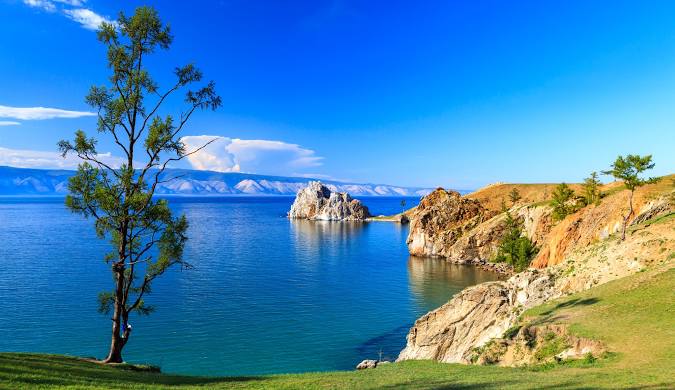
Lake Baikal, Siberia, Russia

Lake Baikal: The Pearl of Siberia

Lake Baikal: Siberia – Russia A Comprehensive Research Travel Guide Introduction Lake Baikal, the stunning “blue pearl” of Russia, stands as one of the most remarkable natural wonders on Earth. Located in southeastern Siberia near the Mongolian border, this crescent-shaped lake is the world’s deepest (1,700 meters) and oldest (25 million years) freshwater lake, containing an astonishing 20% of the world’s unfrozen freshwater reserves【3】. Designated as a UNESCO World Heritage Site, Lake Baikal is renowned for its crystal-clear waters that mirror Siberia’s wild beauty and its unique ecosystem, earning it the nickname “Galapagos of Russia”【23】. This comprehensive guide explores the diverse attractions, cultural experiences, and practical information for travelers seeking to discover this magnificent natural treasure, from thrilling winter adventures across its frozen surface to serene summer cruises, traditional Buryat cultural immersion, and encounters with endemic wildlife in one of the world’s most exceptional destinations. Geographical Significance and Natural Wonders The Jewel of Siberia: Facts and Figures Unique Ecosystem and Wildlife Lake Baikal’s isolation and age have fostered one of the world’s richest and most unusual freshwater ecosystems, making it invaluable for evolutionary science【3】. UNESCO Designation: Recognized for its extraordinary biodiversity, Lake Baikal is a living laboratory for evolutionary studies【3】. Seasonal Transformations Lake Baikal undergoes dramatic seasonal changes, offering different experiences throughout the year: Winter (December – April) Summer (June – September) Spring & Autumn Top Destinations Around Lake Baikal Irkutsk: The Gateway to Baikal Often called the “Paris of Siberia”, Irkutsk is the main access point to Lake Baikal【24】. Listvyanka Village: Tourist Hub Olkhon Island: The Heart of Baikal Activities and Experiences Water-Based Adventures Winter Adventures on Frozen Baikal Hiking & Trekking Conservation & Responsible Tourism Environmental Challenges How to Help Conclusion Lake Baikal stands as one of Earth’s most extraordinary natural treasures, offering visitors breathtaking landscapes, rare wildlife, and rich cultural heritage. Whether exploring its frozen surface in winter or cruising its tranquil waters in summer, a journey to Baikal is an experience like no other. Travel responsibly and discover why Baikal is called the Pearl of Siberia. References Baikal seal The Baikal seal (Pusa sibirica), also known as Lake Baikal seal or Baikal nerpa, is a species of earless seal endemic to Lake Baikal in Siberia, Russia A beautiful location in India, read more like this https://xploreheaven.com/chikhaldara/

Lake Baikal: The Pearl of Siberia Read More »

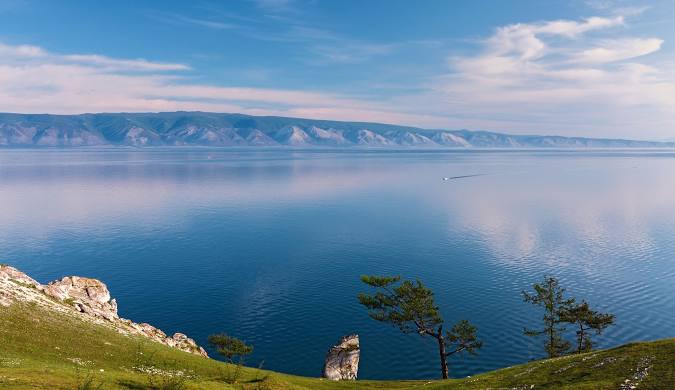
Lake Baikal in summer, showcasing its vast blue waters and surrounding Siberian taiga forests

Lake Baikal: Siberia’s Deep Blue Enigma

Lake Baikal: The Pearl of Siberia Have you ever wondered what it’s like to stand before a natural wonder so vast and ancient that it almost seems otherworldly? Welcome to Lake Baikal—the Pearl of Siberia. In this blog post, we’ll dive deep (pun intended) into what makes Lake Baikal not just the deepest freshwater lake in the world but also one of the most fascinating natural treasures on Earth. Whether you’re curious about its impressive lake Baikal depth, searching for a reliable lake Baikal map, or intrigued by the legends of a mysterious lake Baikal monster, this guide is for you. Introduction: Discovering the Magic of Lake Baikal Imagine a place where crystal-clear water meets rugged wilderness, where ancient myths mix with modern exploration, and where every ripple tells a story of geological wonder. Lake Baikal is exactly that—a breathtaking fusion of nature, culture, and science. Nestled in the heart of Siberia, this lake stretches for 636 kilometers and plunges to depths exceeding 1,600 meters. As you read on, you’ll learn not only why Lake Baikal is so deep but also why it continues to captivate travelers, researchers, and adventurers alike. From its geological origins to the enchanting legends that whisper about a mysterious lake Baikal monster, there’s so much to explore about this dynamic waterbody. So, let’s start our journey by understanding where exactly Lake Baikal is located and what makes it such an extraordinary site. Where is Lake Baikal Located? First things first: where is Lake Baikal located? This natural marvel sits in southeastern Siberia, Russia, bordering Mongolia. It is divided between the Irkutsk Oblast on the western side and the Republic of Buryatia on the eastern shore. Thanks to its remote location, Lake Baikal has preserved its pristine beauty and unique ecosystem over millions of years. For those planning a trip, the nearest major city is Irkutsk, often dubbed the “Paris of Siberia” for its charming blend of old-world architecture and modern comforts. If you’re ever wondering about a lake Baikal map for navigation, many travel guides and online resources—like the UNESCO World Heritage Site page—offer detailed maps that help you pinpoint key locations around the lake. The Geological Marvel: Why is Lake Baikal So Deep? One of the most intriguing questions about Lake Baikal is: why is Lake Baikal so deep? The answer lies in its fascinating geological history. A Rift Valley Like No Other Lake Baikal was formed by tectonic movements that created a massive rift valley. Unlike many other lakes that gradually fill with sediment, Baikal’s rift continues to expand by about 2 centimeters each year, preserving its extraordinary depth. This constant tectonic activity not only maintains the lake’s impressive depth (with measurements reaching over 1,600 meters) but also contributes to its unique underwater topography. An Ancient Laboratory At approximately 25 million years old, Lake Baikal is not just the deepest—it’s also one of the oldest lakes on Earth. This incredible age has allowed countless species to evolve in isolation, creating a living laboratory of evolution. As a result, over 1,500 species are found here, many of which are found nowhere else in the world. These insights into lake Baikal depth and the lake’s longevity offer researchers a glimpse into evolutionary processes that have been unfolding for millions of years. For more detailed scientific perspectives on its depth and origins, you might explore articles on Britannica and other academic sources. Unique Ecosystem and Rich Biodiversity Beyond its awe-inspiring depth, Lake Baikal is renowned for its vibrant ecosystem. The isolation and age of the lake have fostered an environment where endemic species flourish. Here’s what makes the lake’s ecosystem truly remarkable: These remarkable features not only contribute to the lake’s ecological importance but also provide ample opportunities for eco-tourism. Whether you’re a nature enthusiast or a casual traveler, Lake Baikal offers an unparalleled glimpse into a pristine, ancient ecosystem. Comparisons: Lake Baikal and Other Great Lakes To appreciate the majesty of Lake Baikal, it helps to compare it with other famous lakes around the world. Let’s take a look at some key comparisons: Characteristic Lake Baikal Great Lakes (e.g., Lake Superior) Other Famous Lakes (e.g., Lake Tanganyika) Depth 1,642+ meters ~406 meters (Lake Superior) ~1470 meters (Lake Tanganyika) Age 25+ million years 4,000 years (geologically young) 9-12 million years Biodiversity Over 1,500 endemic species Rich, but less isolated biodiversity High endemicity in some species Location Southeastern Siberia, Russia North America East Africa Geological Formation Rift valley (tectonic activity) Glacial origins Rift valley (tectonic activity) This table clearly highlights that Lake Baikal isn’t just another lake—it’s a unique geological phenomenon. Its depth and ancient formation set it apart from other renowned lakes, making it a must-visit destination for adventurers and scientists alike. The Mysterious Lake Baikal Monster Every great natural wonder comes with its share of legends, and Lake Baikal is no exception. Local folklore is rife with tales of a mysterious creature, sometimes referred to as the lake Baikal monster. While scientific evidence for such a creature remains elusive, these stories add a layer of mystique and cultural richness to the lake’s narrative. Many locals and adventurous tourists have reported strange sightings and unexplained movements in the water. Whether these are the products of vivid imaginations or hints of undiscovered species, the legend of the lake Baikal monster continues to intrigue both skeptics and believers. For more captivating stories and research insights, check out resources like Travel Triangle and other adventure travel blogs. Cultural Insights and Local Heritage One of the most charming aspects of visiting Lake Baikal is the opportunity to immerse yourself in the local culture. The region is home to the indigenous Buryat people, whose traditions and way of life have been shaped by the lake and its surroundings. Buryat Culture and Traditions These cultural dimensions add a human touch to the awe-inspiring natural beauty of the lake, making every visit an opportunity to learn and connect with the local way of life. Practical Travel Tips: Making the Most of Your

Lake Baikal: Siberia’s Deep Blue Enigma Read More »

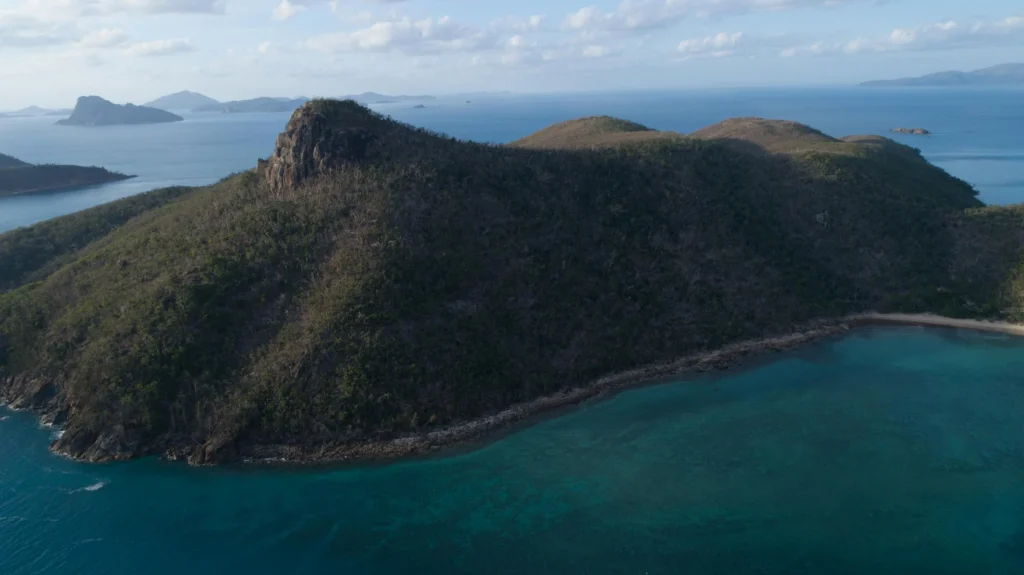
Whitsundays QLD, Australia

Whitsunday Islands Travel Blog: Inspiration & How-To Guides

Ahoy there, mateys! Get ready to hoist the sails and embark on an unforgettable adventure, because we’re diving deep into the dazzling world of the Whitsunday Islands. Imagine yourself gliding across waters so blue they seem Photoshopped, with the wind whipping through your hair and a horizon dotted with emerald isles. This isn’t just a vacation; it’s a call to the wild, a chance to reconnect with nature in its most breathtaking form. Welcome aboard “The Ultimate Guide to Sailing the Whitsunday Islands,” your compass to navigating this tropical wonderland. Whether you’re a seasoned sailor or a landlubber dreaming of your first voyage, this guide is your treasure map to planning a sailing escapade that will etch itself into your memory forever. Prepare to be thrilled, inspired, and utterly captivated by the magic of the Whitsundays! An Introduction to the Whitsundays: Nature’s Masterpiece Nestled snugly off the central coast of Queensland, Australia, lie the Whitsunday Islands – a masterpiece painted by nature herself. Approximately 900 kilometers north of bustling Brisbane, this stunning archipelago is a jewel in the crown of the Great Barrier Reef Marine Park. While often cited as comprising 74 islands, some sources even suggest the broader Whitsunday region encompasses over 90 isles! Stretching from Bowen in the north to the Repulse Islands in the south, they form a significant part of the Cumberland group, Australia’s largest offshore island chain. Amongst these island gems, Hamilton, Hayman, Hook, and Whitsunday stand out, the latter cradling the world-renowned Whitehaven Beach. Unlike coral cays found elsewhere along the Great Barrier Reef, the Whitsundays are continental islands, meaning they were once connected to the Australian mainland as part of a vast mountain range. Their formation story began around 110 million years ago, during a period of intense volcanic activity. Over a staggering 37 million years, volcanic eruptions layered ash and rock, which eventually solidified to form the islands’ bedrock foundation. Simultaneously, tectonic plate movements lifted the land, creating coastal mountain ranges that would, in time, become the Whitsundays. The final act in their creation unfolded around 10,000 years ago at the end of the last ice age. As glaciers melted, sea levels rose dramatically, submerging the lower parts of the mainland mountain range, leaving only the highest peaks as the picturesque Whitsunday Islands we admire today. Ancient coral reefs also played a part, contributing to the islands’ shaping by forming extensive limestone platforms beneath the sea. This intricate geological history, a blend of volcanic beginnings and rising oceans, sculpted the diverse landscapes that define the Whitsundays, from rugged coastlines to pristine sandy shores. Top Tourist Attractions and Activities Hold on tight, wanderlusters! Because we’re about to set sail for a destination that’s not just beautiful – it’s downright heavenly. Forget everything you think you know about island getaways, because the Whitsunday Islands are in a league of their own. Imagine this: You’re standing on the deck of your own sailboat, the warm Aussie sun kissing your skin, the turquoise water sparkling like a million diamonds beneath you. The wind catches your sails, and you glide effortlessly through a maze of emerald islands, each one more breathtaking than the last. Dolphins leap and play in your wake, vibrant coral reefs teem with life just beneath the surface, and powdery white beaches beckon you to unwind and soak it all in. This isn’t just a trip; it’s a dream come to life. And “The Ultimate Guide to Sailing the Whitsunday Islands” is your VIP ticket to making that dream a reality! Whether you’re a salty sea dog or have never set foot on a sailboat, get ready to be utterly blown away by this incredible corner of the world. Let’s dive in and chart your course to paradise! Discovering the Whitsundays: Where Magic Meets Majesty Picture this: off the sun-kissed coast of Queensland, Australia, a cluster of islands so stunning, they seem almost too perfect to be real. That’s the Whitsundays in a nutshell! Just a hop, skip, and a jump (well, about 900km north of Brisbane!) and you’ll find yourself in a tropical playground that’s part of the legendary Great Barrier Reef Marine Park. We’re talking about 74 islands (give or take a few, depending on who you ask!), each with its own unique personality and charm. Think lush rainforests cascading down to pristine shores, hidden coves begging to be explored, and waters so clear you can see straight to the bottom. And at the heart of it all? The icons: Hamilton Island (the buzzing hub), Hayman Island (pure luxury), Hook Island (adventure central), and Whitsunday Island, home to the one, the only, Whitehaven Beach. But these aren’t your typical coral islands – oh no! The Whitsundays are continental islands, meaning they were once part of the Australian mainland, ancient mountains sculpted by time and tide. Millions of years of volcanic activity, tectonic shifts, and rising sea levels have created this incredible archipelago, leaving behind a landscape that’s as diverse as it is beautiful. From rugged cliffs plunging into the ocean to those impossibly perfect stretches of white sand, the Whitsundays are a geological masterpiece waiting to be explored. And the story doesn’t stop there! For thousands of years, the Ngaro people have been the guardians of these islands, their ancient culture deeply intertwined with the land and sea. Their history is etched in rock art, middens, and sacred sites scattered throughout the Whitsundays, adding a layer of depth and soul to this already magical place. Captain Cook sailed through in 1770, naming them after Whitsunday, but the true story of these islands stretches back millennia, waiting for you to discover it. Unleash Your Inner Sailor: Adventures on the Azure Waters Okay, let’s get to the good stuff – the epic adventures that await you in the Whitsundays! And trust me, sailing here is not just an activity; it’s a rite of passage, a must-do experience that will redefine your idea of a vacation. Why is sailing the Whitsundays so darn incredible? Let me count the ways: Ready to dive into the details? Let’s explore the must-see spots and how to make your sailing dreams a reality! Must-See Wonders:

Whitsunday Islands Travel Blog: Inspiration & How-To Guides Read More »

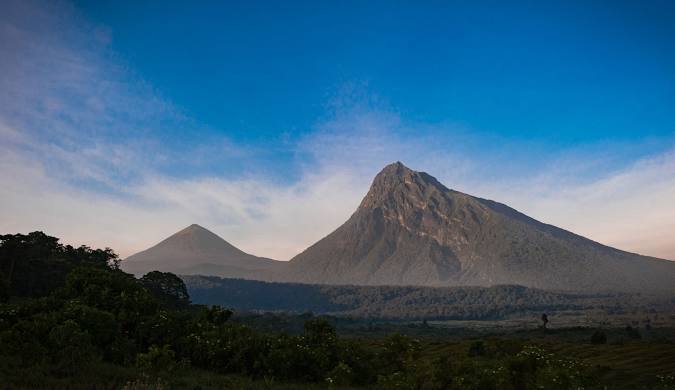
Maya Nord Congo.

Travel Tips for the Wild Paradise: Unforgettable Congo Wildlife Tours in Maya Nord

Venture into the heart of Africa’s most pristine wilderness, where emerald canopies stretch endlessly and wildlife thrives in its natural habitat. Maya Nord Congo Travel Blog: Explore, Plan Your Visit & Travel Tips Far from the well-trodden tourist paths of East Africa, deep within the verdant forests of the Republic of Congo, lies a truly wild and hidden gem that few travelers have discovered. Maya Nord, a natural forest clearing known locally as a “bai,” nestled within the expansive embrace of Odzala-Kokoua National Park, offers an unparalleled wildlife experience for those seeking adventure in its purest form. This is not your typical safari destination – Maya Nord beckons the adventurous and intrepid traveler, promising authentic encounters with untamed nature in one of Central Africa’s last great wilderness areas. Here, in this remote paradise, you’ll find yourself immersed in a world where wildlife roams freely, unaccustomed to human presence, creating opportunities for genuine wildlife observations that feel like discoveries. The journey to Maya Nord is as much a part of the adventure as the destination itself – a multi-stage expedition that takes you deep into the wild heart of the Congo Basin, one of the most biodiverse regions on our planet. Every step of this journey peels back another layer of Africa’s mystique, offering glimpses into ecosystems that remain largely untouched by modern development. For wildlife enthusiasts, photographers, conservationists, and adventure seekers alike, Maya Nord represents the ultimate off-the-beaten-path experience – a chance to witness some of Africa’s most fascinating species in their natural habitat, far from the crowds that characterize more popular safari destinations. Why Maya Nord is a Must-Visit for Wildlife Enthusiasts Odzala-Kokoua National Park, within which Maya Nord resides, stands as one of Central Africa’s most vital strongholds for conservation. This protected area is a realm of remarkable biodiversity, supporting a complete assembly of Congo rainforest megafauna and serving as a crucial habitat for endangered species. Extraordinary Biodiversity The park teems with life, boasting over 4,400 plant species, more than 440 bird species – a diversity that has earned it recognition as an Important Bird Area – and over 100 mammal species. This ecological richness creates a wildlife enthusiast’s paradise, where each day brings new and exciting encounters. The Magic of the Bais At the heart of this ecological wealth are the “bais” – natural forest clearings characterized by nutrient-rich soils that act as powerful magnets for wildlife. Maya Nord is one such clearing, a haven for some of Africa’s most captivating megafauna. These open spaces within the dense forest create perfect viewing platforms, drawing animals out from the shadowy undergrowth into full view. Research conducted at Maya Nord highlights its importance as a natural laboratory, particularly for studying the behavior of gorillas and elephants. Scientists have discovered that the mineral content in the soil plays a crucial role in food selection by Western lowland gorillas, explaining why these magnificent primates are drawn to these clearings. A Conservation Stronghold Odzala-Kokoua National Park represents a critical conservation area in Central Africa. The park’s importance extends beyond mere observation – it plays a vital role in preserving species facing threats across their range. By visiting Maya Nord, you’re not only witnessing incredible wildlife but also contributing to conservation efforts that help protect these vulnerable ecosystems for future generations. Wildlife Encounters in Maya Nord: What You Can Expect to See Maya Nord offers wildlife enthusiasts the chance to encounter some of Africa’s most magnificent yet elusive creatures in their natural habitat. Here’s what you might be lucky enough to spot during your Congo wildlife adventure: Western Lowland Gorillas One of the most compelling reasons to visit Maya Nord is the opportunity to observe Western lowland gorillas in their natural environment. Odzala-Kokoua provides significant refuge for these incredible primates, and Maya Nord has served as a crucial site for demographical and behavioral studies. While observations have indicated a concerning decrease in gorilla density in the northern part of the park since 2005, conservation efforts are ongoing to protect these magnificent creatures. Unlike mountain gorilla trekking in Rwanda or Uganda, encountering gorillas in the Congo offers a different, more wild experience. Here, you’ll observe them in a more natural setting, often visiting the bais to feed on mineral-rich vegetation. Forest Elephants The majestic African forest elephants are strongly drawn to bais like Maya Nord, utilizing these open spaces for vital social interactions and access to essential nutritional resources. Smaller and more elusive than their savannah cousins, forest elephants are a remarkable sight to behold as they emerge from the dense undergrowth into the clearing. The frequency with which elephants visit Maya Nord can vary considerably, adding an element of anticipation to each visit. When present, these intelligent pachyderms offer incredible viewing opportunities, with their complex social interactions on full display. Chimpanzees and Other Primates Our closest relatives in the animal kingdom, chimpanzees also inhabit the park’s forests. While more elusive than gorillas, catching a glimpse of these remarkable creatures is a truly special experience. Beyond chimps and gorillas, keep your eyes peeled for various monkey species such as De Brazza’s monkey, Angolan talapoin, mantled guereza, and the Tana River mangabey, each adding to the primate diversity of this remarkable ecosystem. Bongo and Other Forest Antelope The striking bongo, a forest antelope known for its beautiful striped coat, is another potential sighting in the forests surrounding Maya Nord. These shy creatures are rarely spotted in most safari destinations, making an encounter here all the more special. Other Remarkable Wildlife The rich biodiversity of Odzala-Kokoua means wildlife surprises abound. Forest buffalo might be seen wallowing in the muddy edges of the bai, while for the truly fortunate, a sighting of the elusive spotted hyena – a rare presence in this type of ecosystem – is also possible. Avian Diversity With over 440 bird species recorded in the park, birdwatchers will find themselves in paradise. The varied habitats, from dense forest to open bais, support an incredible diversity of avian life, making each excursion a

Travel Tips for the Wild Paradise: Unforgettable Congo Wildlife Tours in Maya Nord Read More »

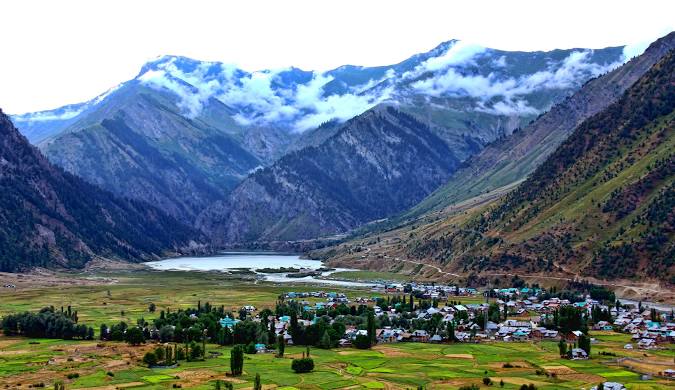
Gurez valley, Kashmir

Gurez Valley Kashmir Travel Blog | Your Ultimate Guide & Latest Updates

Gurez Valley Travel Blog: Explore Kashmir’s Hidden Gem Imagine venturing into a land where towering Himalayan peaks pierce the sky, where meandering rivers whisper ancient secrets, and where a centuries-old culture thrives amidst pristine natural beauty. Tucked away at an altitude of 8,000 feet in northern Jammu and Kashmir, Gurez Valley stands as one of the region’s most enchanting and underexplored destinations. Once shrouded in mystery and off-limits to outsiders for nearly six decades, this remote valley has finally emerged from isolation to reveal its spectacular charm. Gurez Valley is not your typical tourist hotspot. Far removed from the crowded itineraries of mainstream Kashmir, it offers a genuine encounter with nature and culture. Here, you’ll find ancient villages with traditional log and mud houses, a warm and hospitable Dard-Shin community that preserves its unique language and traditions, and landscapes so dramatic that every turn of the road feels like stepping into a living painting. In this comprehensive guide, we invite you to discover why Gurez Valley is a must-visit destination—a secret paradise for adventure seekers, history buffs, and anyone yearning for an authentic Himalayan experience. Get ready to be inspired by its untamed beauty and the timeless allure of a land that remains as wild as it is welcoming. Table of Quick Facts: Gurez Valley at a Glance Why Gurez Valley is a Must-Visit Gurez Valley is a destination that compels the traveler’s heart for many reasons. Here are four compelling factors that make Gurez Valley an unmissable hidden gem in Kashmir: 1. Unparalleled Natural Beauty Gurez Valley is a landscape of dramatic contrasts and breathtaking scenery. Surrounded by the mighty Himalayas, the valley offers a panoramic view of snow-capped peaks, verdant meadows, and pristine rivers. The Kishanganga River, with its crystal-clear waters, winds gracefully through the valley, enhancing the serene ambiance. The valley’s untouched nature, coupled with its high-altitude climate, creates a unique environment that is both invigorating and deeply calming. Whether it’s the wildflowers carpeting the slopes in spring, the lush greenery during summer, or the vibrant autumn hues that transform the valley into a photographer’s paradise, Gurez offers a visual feast that few destinations can match. 2. Rich Cultural Heritage Home to the Dard-Shin people, Gurez Valley boasts a cultural heritage that is as fascinating as its landscapes. The indigenous community, speaking the ancient Shina language and upholding traditions passed down through generations, offers visitors a glimpse into a way of life that remains remarkably unchanged. The local architecture, featuring traditional log and mud houses, and the warm hospitality of the people add to the valley’s authentic charm. Gurez is also linked to legendary figures such as Habba Khatoon, the “Nightingale of Kashmir,” whose legacy lives on in the iconic pyramid-shaped peak named in her honor. The blend of cultural heritage and local folklore transforms your visit into an enriching journey through time. 3. Adventure and Exploration For the intrepid traveler, Gurez Valley is an adventurer’s playground. The journey itself, starting from Srinagar and ascending through winding roads and steep mountain passes like Razdan Pass (which rises to an astonishing 11,672 feet), is an adventure filled with spectacular views. Once in the valley, myriad trekking routes lead through rugged terrain, offering challenges for both novice and experienced hikers. Whether you opt for the gentle Dawar to Habba Khatoon Peak trek or a more strenuous expedition through Tulail Valley, every trail promises rewarding vistas and encounters with nature’s raw power. Outdoor enthusiasts can also indulge in fishing, river rafting, and camping under the vast Himalayan sky. 4. Off-the-Beaten-Path Serenity Unlike many of Kashmir’s more frequented tourist destinations, Gurez Valley remains largely unspoiled by mass tourism. This relative isolation ensures a peaceful and intimate travel experience where you can disconnect from the digital world and reconnect with nature. The sparse population—just a handful of small settlements like Dawar, Bagtore, and Izmarg—adds to the valley’s charm, creating a tranquil atmosphere that is perfect for reflection, photography, and a genuine sense of escape. Here, time seems to slow down, inviting you to savor every moment of the journey and immerse yourself in a landscape that feels like a well-kept secret. Planning Your Gurez Valley Trip: A Practical Guide Embarking on a journey to Gurez Valley requires thoughtful planning, but the rewards are immeasurable. Below is a comprehensive guide to help you plan your visit: Where is Gurez Valley? Gurez Valley is located in the northern region of Jammu and Kashmir, India, at an altitude of around 8,000 feet. It lies approximately 123 km from Srinagar and is nestled in a remote part of the Himalayas, surrounded by towering peaks and lush meadows. The valley’s isolation has helped preserve its pristine beauty and unique culture. How to Reach Gurez Valley From Srinagar: Crossing the Razdan Pass: Best Time to Visit Gurez Valley Based on the research: Accommodation in Gurez Valley Accommodations in Gurez Valley are modest but authentic, providing a true taste of local life. Is Gurez Valley Safe? Gurez Valley is generally considered safe for tourists. The region is under military supervision due to its proximity to the Line of Control (LOC), but this also ensures security and a maintained peace. Standard travel precautions are advised—especially during high-altitude treks or unpredictable weather—but many visitors have safely enjoyed their journeys here. Always check local travel advisories and plan with a reputable tour operator if you’re unfamiliar with mountain travel. Permits: How to Obtain Necessary Documentation Top Things to See and Do in Gurez Valley (Itinerary) Gurez Valley offers a wealth of attractions and activities that cater to a variety of interests. Here are some of the top experiences you should include in your itinerary: 1. Dawar – The Heart of Gurez 2. Habba Khatoon Peak 3. Tulail Valley 4. Bagtore & Izmarg 5. Natural Attractions and Outdoor Adventures Essential Gurez Valley Travel Tips 1. Prepare for the Altitude 2. Pack Wisely 3. Respect Local Culture 4. Connectivity & Facilities 5. Plan Your Itinerary 6. Permits and Documentation Table of Clarity: Gurez

Gurez Valley Kashmir Travel Blog | Your Ultimate Guide & Latest Updates Read More »