 Skip to content
Why Is Unakoti Famous? 7 Mystical Rock Sculptures & Legends You Must Know
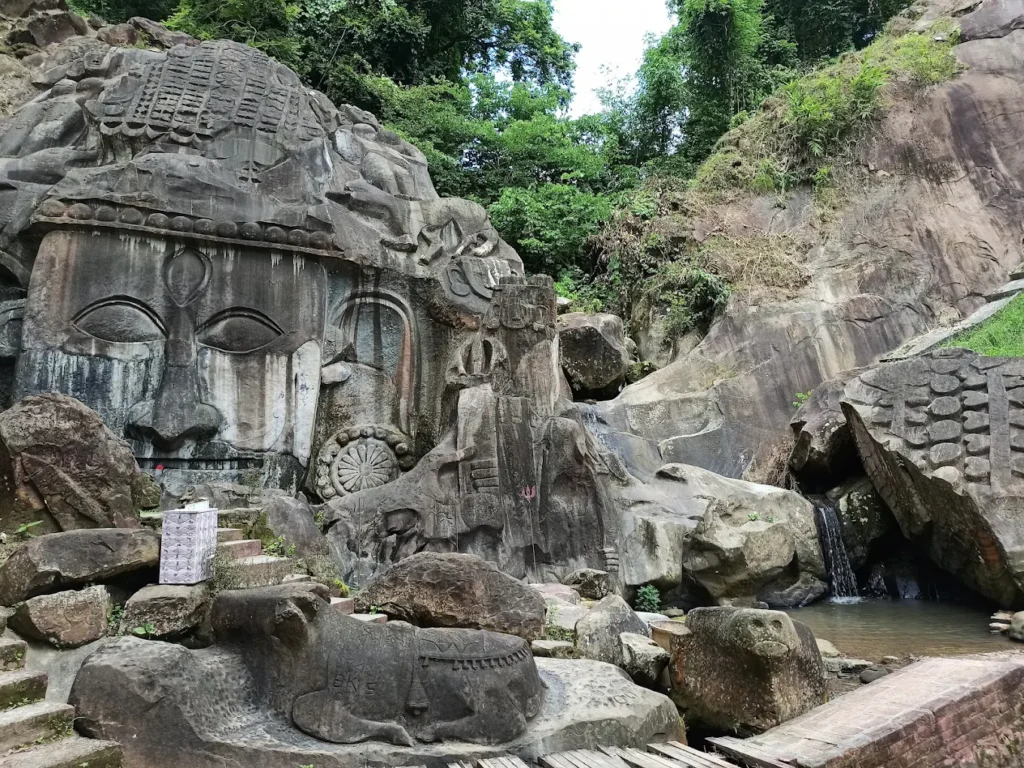
I’ll never forget the moment I stepped through the dense Tripura forest and saw it—a colossal stone face of Lord Shiva, nearly 30 feet tall, staring back at me through centuries of silence. The morning mist clung to the ancient rock, and I stood there, camera in hand, completely speechless. This wasn’t just another temple. This was Unakoti, and it felt like I’d stumbled upon a secret the mountains had been keeping for over a thousand years. So, why is Unakoti famous? The answer lies in its breathtaking collection of ancient rock-cut sculptures—nearly ten million (or “one less than a crore,” as the legend says)—carved directly into the hillside. This mystical site in northeastern India has captivated pilgrims, archaeologists, and travelers alike with its massive Shiva carvings, intriguing legends of divine curses, and deep spiritual significance as a Shaivite pilgrimage destination. Recently gaining global attention through its inclusion in the UNESCO World Heritage Tentative List, Unakoti is finally getting the recognition it deserves. In this guide, I’ll walk you through the seven mystical sculptures and legends that make Unakoti extraordinary, share practical tips for planning your visit, and show you how to experience this incredible heritage site responsibly. Whether you’re a history buff, a spiritual seeker, or simply someone who loves discovering India’s lesser-known treasures, Unakoti will leave you amazed. Detail Information Location Unakoti District, Tripura, Near Kailashahar Distance from Agartala ~178 km (4-5 hours by road) Famous For Ancient rock-cut sculptures, Shaivite pilgrimage site Main Attraction 30-foot Shiva head (Unakotiswara Kal Bhairava) Estimated Age 7th-9th century CE UNESCO Status Included in Tentative List for World Heritage Site Best Time to Visit October to March Entry Fee Nominal (₹10-20 for Indians) Time Required 2-3 hours Annual Festival Ashokastami Mela (April) What is the Real Story and Location of Unakoti? Let me paint you a picture. Unakoti sits nestled in the Unakoti district of Tripura, about 178 kilometers from the state capital, Agartala. The site is located near the town of Kailashahar, surrounded by lush, forested hills that seem to whisper ancient secrets with every breeze. The name “Unakoti” literally translates to “one less than a crore” (9,999,999) in Bengali. In the local Kokborok language spoken by Tripura’s indigenous communities, it’s called “Subrai Khung,” which carries similar mystical connotations. When you first arrive, you’ll understand why this name feels so fitting—the sheer number of carvings scattered across the hillside is overwhelming. As I walked the forest trails leading to the main sculptures, I was struck by the atmosphere. The sound of a nearby waterfall echoed through the trees, birds called from the canopy above, and everywhere you looked, ancient stone faces emerged from the rock. It genuinely feels like stepping back in time, to an era when devotion was expressed through monumental art and unwavering faith. The site isn’t just about the sculptures themselves—it’s about the experience of discovery. Unlike crowded tourist destinations, Unakoti retains an air of mystery and tranquility. You’ll find yourself wondering: Who carved these massive figures? How did they accomplish such precision with ancient tools? And most importantly, what stories were they trying to tell? What Are the Sculptures and Legends That Make Unakoti Famous? This is where Unakoti truly comes alive. The site isn’t just famous—it’s legendary. Let me take you through the seven incredible elements that answer the question: why is Unakoti famous? 1. The Awe-Inspiring Ancient Rock-Cut Sculptures The centerpiece of Unakoti is undoubtedly the magnificent Unakotiswara Kal Bhairava—a colossal Shiva head that measures approximately 30 feet in height, complete with a 10-foot ornate headdress. When I first stood before it, I had to crane my neck to take in the full scale. The level of detail is extraordinary: the serene expression on Shiva’s face, the intricate jewelry carved into the stone, the flowing locks that seem to merge with the hillside itself. But this isn’t the only masterpiece here. As you explore the site, you’ll encounter: The artistic technique used here is called bas-relief carving, where figures are sculpted to stand out from a flat background. Based on the style and regional historical records, archaeologists estimate these carvings date back to the 7th-9th centuries CE, though some experts suggest they could be even older. What amazed me most was the precision. Remember, these artists didn’t have modern tools—yet they created sculptures that have survived monsoons, earthquakes, and centuries of vegetation growth. 2. The Captivating Legend of Shiva’s Curse Every great heritage site has a story, but Unakoti’s legend is particularly enchanting. According to local mythology, Lord Shiva was traveling to Kashi (Varanasi) with one crore (ten million) gods and goddesses. They decided to rest for the night at this very spot in the Tripura hills. Before sleeping, Shiva instructed everyone to wake up before dawn so they could continue their pilgrimage. However, when morning came, only Shiva awoke on time. Frustrated by the laziness and disrespect of his divine companions, Shiva cursed them all to turn into stone sculptures, frozen at the very spot where they had overslept. The result? 99,99,999 stone carvings—one less than a crore. Only Shiva himself continued to Kashi, leaving behind this incredible testament to divine discipline. There’s also an alternate folklore that locals love to share. It tells of Kallu Kumhar, a devoted potter and sculptor who worshipped Lord Shiva with complete dedication. He carved these magnificent sculptures as an offering to his beloved deity, pouring his heart and soul into every chisel mark. Whether you believe in the divine curse or the devoted artist, these legends add layers of meaning to every sculpture you encounter. I found myself looking at each carving differently, wondering about the story behind it. 3. Its Deep Significance as a Pilgrimage Site (Tirtha) While tourists like us come for the art and mystery, for millions of devotees, Unakoti is first and foremost a sacred Shaivite pilgrimage site—a place dedicated to the worship of Lord Shiva. The spiritual energy here is palpable. When I visited, I saw pilgrims offering flowers and prayers
Why Is Unakoti Famous? 7 Mystical Rock Sculptures & Legends You Must Know Read More »
