 Skip to content
Okinawa Japan Travel Guide 2026: Culture, Beaches & Seasonal Blossoms (Ultimate Itinerary + Local Tips)
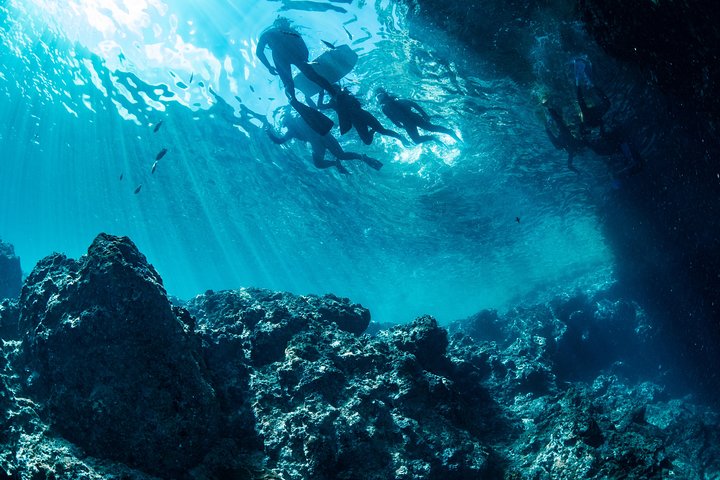
By Wahid Ali | Xplore Heaven | Updated: February 2026 Most people hear “Japan” and picture neon signs, bullet trains, and temple-dotted mountains. Okinawa Japan travel gives you something completely different — 160 islands spread across turquoise water, a subtropical climate that refuses to follow the mainland’s rulebook, and a living culture shaped by the ancient Ryukyu Kingdom that has nothing to do with samurai or sushi. People compare Okinawa to Hawaii — and sure, the beaches hold up. But Hawaii doesn’t come with UNESCO-listed castle ruins, a unique language, Bingata textile art that’s hundreds of years old, or food that borrows from China, Japan, and America all at once. And let’s be real — Okinawa is significantly more affordable than Hawaii, especially if you plan smart. At Astamb Holidays, we’ve routed hundreds of travellers through this archipelago, and every time, they come back wanting more. This Okinawa travel guide covers everything: the best time to visit, which islands to hit, what to eat, how to get around, and a 7-day itinerary you can actually use. 🌊 Why Okinawa Should Be on Your Travel Map Okinawa sits at the very southern tip of Japan, closer to Taiwan than to Tokyo. That geography shapes everything — the weather, the food, the people, and the pace of life. The beaches are genuinely world-class. The water around the Kerama Islands — known internationally as “Kerama Blue” — has some of the most stunning underwater visibility in Asia. Coral reefs here host manta rays, sea turtles, whale sharks, and more than 200 species of coral. Divers fly in from around the world specifically for this. The history goes deep. Okinawa was an independent kingdom — the Ryukyu Kingdom — for over 400 years before becoming part of Japan in 1879. That history shows up everywhere: in the food, the music, the pottery, the spiritual sites. You won’t find this version of Japan anywhere else. The “Blue Zone” factor. Okinawa is one of the world’s 5 Blue Zones — regions where people routinely live past 100 years old. Researchers attribute this to the plant-heavy local diet, active community culture, and a concept called ikigai (a strong sense of purpose). When you eat here, you’re literally tasting one of the healthiest food cultures on the planet. For travellers tired of the same Tokyo-Kyoto loop, Okinawa is the reset button Japan didn’t tell you about. 🌸 Best Time to Visit Okinawa — Seasonal & Blossoms Focus 🌸 Early Bloom & Cherry Blossom Season in Okinawa The best time to see cherry blossoms in Okinawa is mid-January to mid-February — weeks before they appear anywhere else in Japan. The variety here is Kanhizakura, a deep pink, almost tropical-looking bloom that grows on the hills of Nakijin Castle Ruins and Nago City. The famous Nago Cherry Blossom Festival draws crowds every year in late January. These blooms look nothing like the pale pink clouds of Tokyo’s Yoshino sakura. They’re vivid, full-coloured, and surrounded by subtropical greenery. If you want cherry blossoms without the mainland madness, January–February in Okinawa is your answer. 📌 Visit Okinawa Japan Official Site has updated bloom schedules and festival dates every season. ☀️ Okinawa Weather Month by Month — Seasonal Matrix Month Avg. Temp Conditions Best For January 17–21°C Mild, dry, breezy Cherry blossoms, whale watching, hiking February 17–23°C Mild, occasional rain Sakura festivals, diving, culture March 19–27°C Warming up, short rain showers Beach season opens, snorkelling begins April 22–29°C Warm, pleasant Hari boat races, outdoor sightseeing May 25–30°C Rainy season starts (tsuyu) Cultural sites; avoid Golden Week crowds June 28–32°C Hot, humid, rainy season ends late June Hydrangea gardens, beginning of dive season July 30–33°C Hot, humid, typhoon possible Beaches, snorkelling, Eisa Festival August 30–33°C Peak summer, typhoon risk highest Peak beach season — book in advance September 28–31°C Still warm, typhoon risk reducing Thinning crowds, manta ray season October 24–28°C Comfortable, drier Naha Tug-of-War Festival, cultural events November 20–24°C Cooling, pleasant Diving, outdoor activities, fewer tourists December 17–21°C Mild winter Whale watching begins, pottery festivals Typhoon season runs from July through September, peaking in August. About 3–4 typhoons make significant contact with Okinawa each year. If you travel during this window, buy travel insurance and stay flexible. The sweet spots: March–May and October–November. You get good weather, manageable crowds, and fair prices. 🥁 Okinawa Local Festivals — Calendar Highlights Okinawa’s festival culture is loud, colourful, and deeply rooted in Ryukyuan tradition. 🏝️ Top Islands & Regions to Explore 🏯 Okinawa Main Island (Okinawa Honto) The main island is where most travellers start — and for good reason. Naha, the capital, packs in culture, food, history, and nightlife along a 2km stretch of Kokusai Street (International Street). Shuri Castle in Naha is the big draw. The original Ryukyu Kingdom royal palace, built in the 14th century, was declared a UNESCO World Heritage Site in 2000 and devastated by fire in October 2019. The great news for 2026 travellers: the exterior of the iconic red Seiden main hall is now fully restored, and the castle is expected to fully reopen by autumn 2026. You can already visit the grounds, observe the final reconstruction stages from dedicated viewing decks, and experience the history in real time. Paid entry is ¥400 to view the reconstruction process up close. Sefa Utaki, located in southern Okinawa, is a sacred forest site and another UNESCO-listed Gusuku property. This ancient spiritual grove was the most important sacred space in the Ryukyu Kingdom. Walking through the limestone formations here feels genuinely removed from modern life. Cape Manzamo on the west coast offers some of the most photographed sea views on the island — dramatic limestone cliffs dropping straight into electric-blue water. Sunset here is something else. 🤿 Kerama Islands — Snorkelling & Diving in “Kerama Blue” Just 30–40 minutes by high-speed ferry from Naha’s Tomari Port, the Kerama Islands are accessible as a day trip or overnight stay. Zamami Island, Tokashiki Island, and Aka Island are the most visited. The water
