Uyuni Salt Flats Travel Guide
Imagine standing on a sea of white that stretches to infinity, where the sky kisses the ground in a perfect, dazzling mirror. You’re not dreaming—you’re in Bolivia’s Salar de Uyuni, the world’s largest salt desert. If you’re planning a trip to this otherworldly wonder, this uyuni salt flats travel guide will walk you through everything you need to know, from the mirror effect to altitude sickness prep, photography tricks to tour selection. Let’s get started on planning your adventure!
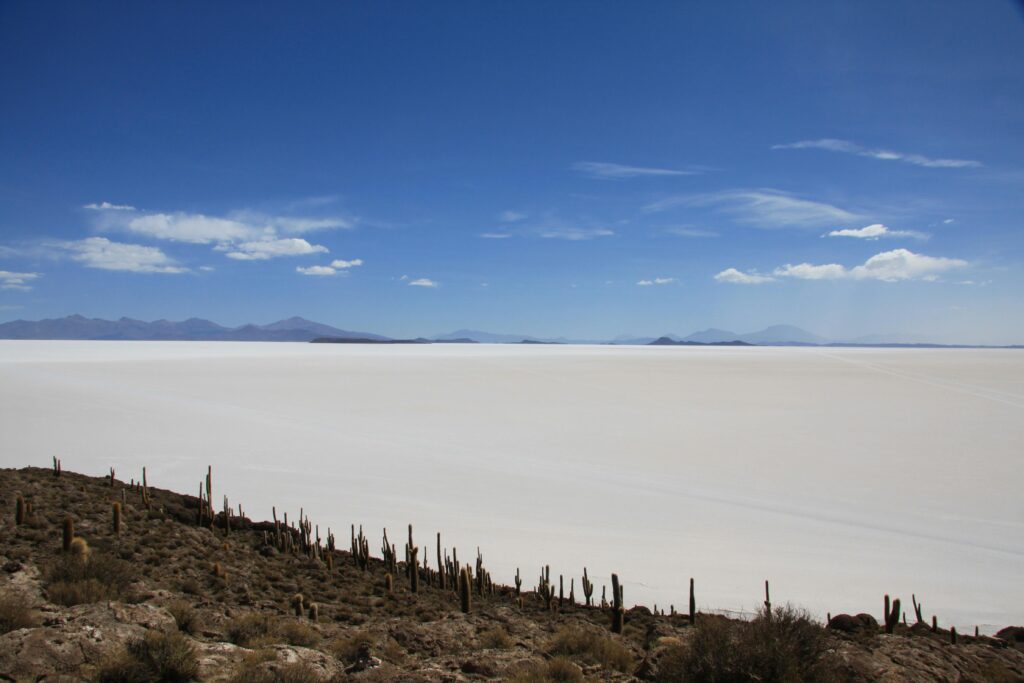
Quick Reference: Uyuni Salt Flats Travel Guide Essentials
| Category | Details |
|---|---|
| Location | Southwest Bolivia, Potosí Department |
| Size | 10,582 square kilometers (4,086 square miles) |
| Altitude | 3,656 meters (11,995 feet) above sea level |
| Best Time for Mirror Effect | January – April (rainy season) |
| Best Time for Dry Season | May – November |
| Average Tour Cost (1-Day) | $20-$40 USD |
| Average Tour Cost (3-Day) | $100-$150 USD |
| Nearest Town | Uyuni |
| Main Starting Points | Uyuni (Bolivia), San Pedro de Atacama (Chile), Tupiza (Bolivia) |
| Currency | Boliviano (BOB) – approximately 6.97 BOB = 1 USD |
| Essential Gear | Sunglasses, 50+ SPF sunscreen, layers, warm sleeping bag |
| Altitude Medication | Acetazolamide (Diamox) or Sorojchi pills |
What & Where Are the Uyuni Salt Flats? 🌍
The Salar de Uyuni isn’t just another pretty landscape—it’s a geological marvel that’ll blow your mind. This uyuni salt flats travel guide starts with the basics: what you’re actually looking at when you step onto that blinding white surface.
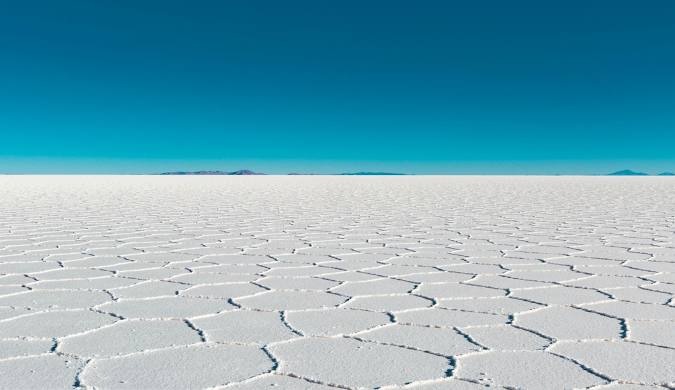
Bolivia’s salt flats sit in the Daniel Campos Province of Potosí, right near the crest of the Andes Mountains. At 10,582 square kilometers, it’s the world’s largest salt flat—so massive you can see it from space! The entire landscape holds an estimated 10 billion tonnes of salt, with layers sandwiched between sedimentary deposits reaching 10 meters deep at the center.
But here’s the fascinating part: millions of years ago, this wasn’t a desert of salt at all. The area was covered by prehistoric lakes—Lago Minchín and Lago Tauca—which eventually evaporated, leaving behind this stunning white crust. Today, beneath all that salt lies something even more valuable: approximately 70% of the world’s lithium reserves, the stuff that powers your smartphone and electric car.
The salt flats sit at a breathtaking 3,656 meters (11,995 feet) above sea level, which means altitude is something you’ll need to take seriously (more on that later). The landscape is so flat that it’s actually used to calibrate satellites—talk about precision!
Best Time to Visit & Weather Conditions 🌤️
Timing your trip right can make or break your Salar de Uyuni experience. Here’s the thing: there’s no single “best” time because it depends on what you want to see.
Chasing the Mirror Effect (Rainy Season) 💧
When: December to April (peak: January – March)
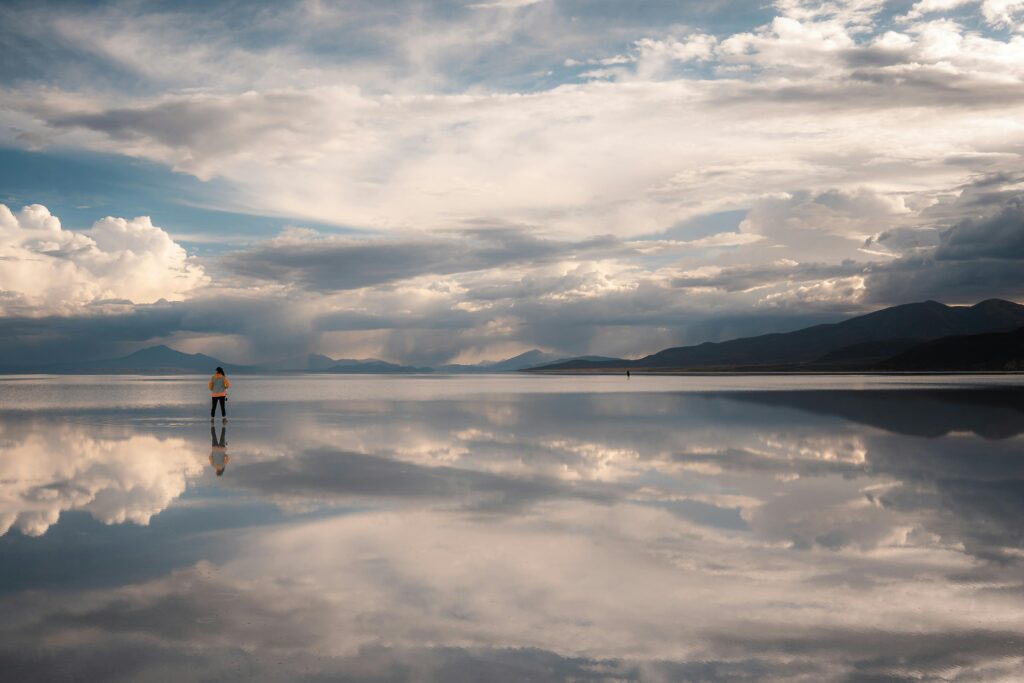
If you’ve seen those jaw-dropping photos where the sky and ground become one, you’re looking at the mirror effect. This happens during Bolivia’s rainy season when a thin layer of water (just a few inches) covers the salt flats, creating the world’s largest natural mirror.
Pros:
- Unbelievable reflection photography
- Surreal, dreamlike atmosphere
- Cooler daytime temperatures (15-20°C / 59-68°F)
Cons:
- Incahuasi Island might be inaccessible due to flooding
- Tours may get canceled in heavy rain (especially December-January)
- Roads can be muddy and challenging
- Some areas of the salt flats are off-limits for safety
The Pure White Adventure (Dry Season) ☀️
When: May to November (peak: June – August)
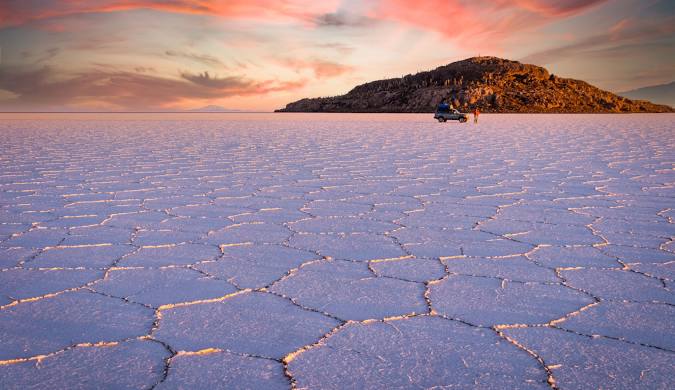
During the dry season, the water evaporates, revealing the iconic hexagonal salt patterns that look like nature’s own honeycomb design. The landscape transforms into an endless white desert under crystal-clear blue skies.
Pros:
- Access to all areas, including Incahuasi Island
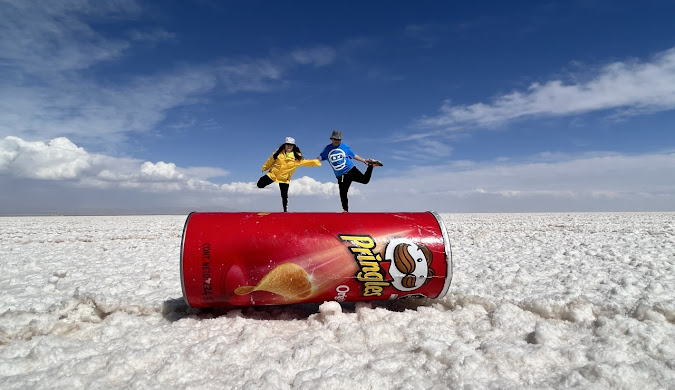
- Perfect conditions for perspective illusion photos
- Geometric salt patterns are visible
- Reliable weather for tours
Cons:
- No mirror effect (unless you’re lucky with lingering puddles)
- Much colder nights (-20°C / -4°F possible in winter)
- High season crowds (June-August)
- Slightly higher prices during peak months
The Secret Sweet Spot 🎯
Want the best of both worlds? Visit during the shoulder months—late March/early April or late November. You might catch both the mirror effect in some areas AND dry salt patterns in others. Plus, you’ll dodge the biggest crowds and sometimes score better deals on tours!
How to Get There & Starting Point Options 🚌✈️
Getting to the Uyuni salt flats requires some planning, but don’t worry—it’s totally doable! Here’s your complete breakdown.
Starting from La Paz (Most Common Route)
La Paz sits about 570 kilometers from Uyuni, and most travelers use this route.
Option 1: Overnight Bus (Most Popular)
- Companies: Todo Turismo (highly recommended), Trans Titicaca, Cruz del Norte
- Duration: 10-12 hours
- Cost: $30-$40 USD
- Schedule: Departs La Paz around 9 PM, arrives Uyuni by 7 AM
- Pro Tip: Book a “cama” (bed bus) with Todo Turismo for better comfort
Option 2: Flight
- Airlines: BoA, Amaszonas
- Duration: 1 hour
- Cost: Around $130 USD round-trip
- Perfect for: Travelers short on time or who hate long bus rides
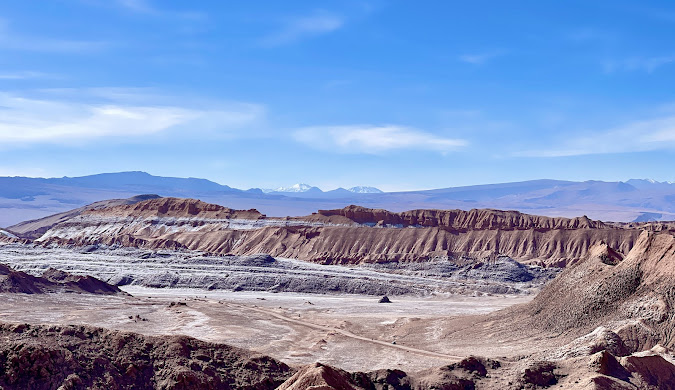
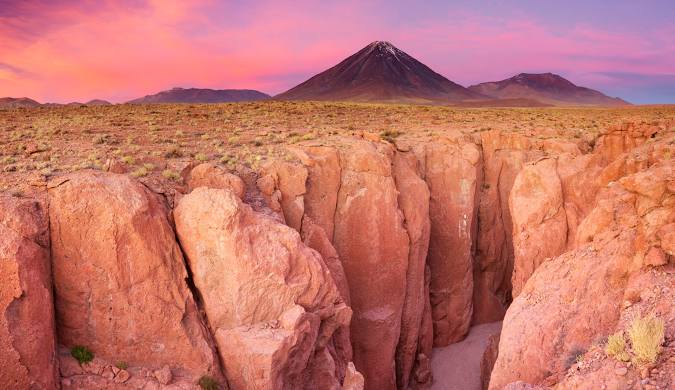
Starting from San Pedro de Atacama, Chile 🇨🇱
This route is popular for travelers coming from northern Chile or combining Bolivia with Chilean adventures.
Option 1: Multi-Day Tour (Recommended)
- 3-Day Tour: Starts San Pedro, ends Uyuni
- 4-Day Tour: Starts and ends San Pedro (returns to Chile)
- Cost: Typically $150-$250 USD
- Why it’s better: Avoids the logistical nightmare of bus border crossings
Option 2: Bus (Not Recommended)
- Company: Cruz del Norte
- Why skip it: Border crossings are complicated, multiple bus changes, exhausting journey
Comparison: Uyuni vs. San Pedro Starting Points
| Factor | Starting in Uyuni | Starting in San Pedro de Atacama |
|---|---|---|
| Cost | Cheaper ($20-150) | More expensive ($150-250) |
| Acclimatization | Better if coming from La Paz (also high altitude) | Challenging jump from 2,400m to 4,200m+ overnight |
| Tour Options | More variety (1-day to 4-day) | Mainly 3-4 day options |
| Border Hassles | None | Visa requirements for some nationalities |
| Best For | Budget travelers, more flexibility | Coming from Chile, scenic route through lagoons |
From Tupiza (Argentina Route)
If you’re traveling up from Argentina (via Villazón border), Tupiza makes an excellent starting point. The town sits at a lower altitude (2,800 meters), making it easier to acclimatize. Most operators recommend 4-day tours from Tupiza, with the Uyuni salt flats visited on the final day.
Choosing the Right Tour (3-4 Day Itinerary) 🚙
Let’s be honest: you can’t explore the Salar de Uyuni independently. The lack of roads, extreme remoteness, and harsh conditions make tours absolutely necessary. But here’s how to pick a good one.

Tour Length Options
1-Day Tours ($20-40 USD)
- Starts 10:30 AM, ends 5 PM
- Includes: Train Cemetery, Colchani village, salt production site, Incahuasi Island (if accessible), sunset
- Perfect for: Travelers short on time or tight budgets
- Limitation: You miss the incredible colored lagoons, geysers, and deserts
3-Day Tours ($100-150 USD) – Most Popular
- Day 1: Same as 1-day tour
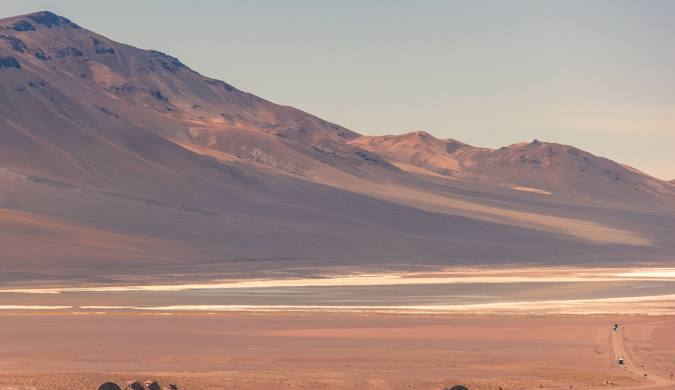
- Day 2: Chiguana Salt Flat, Cañapa and Hedionda lagoons (flamingos!), Siloli Desert
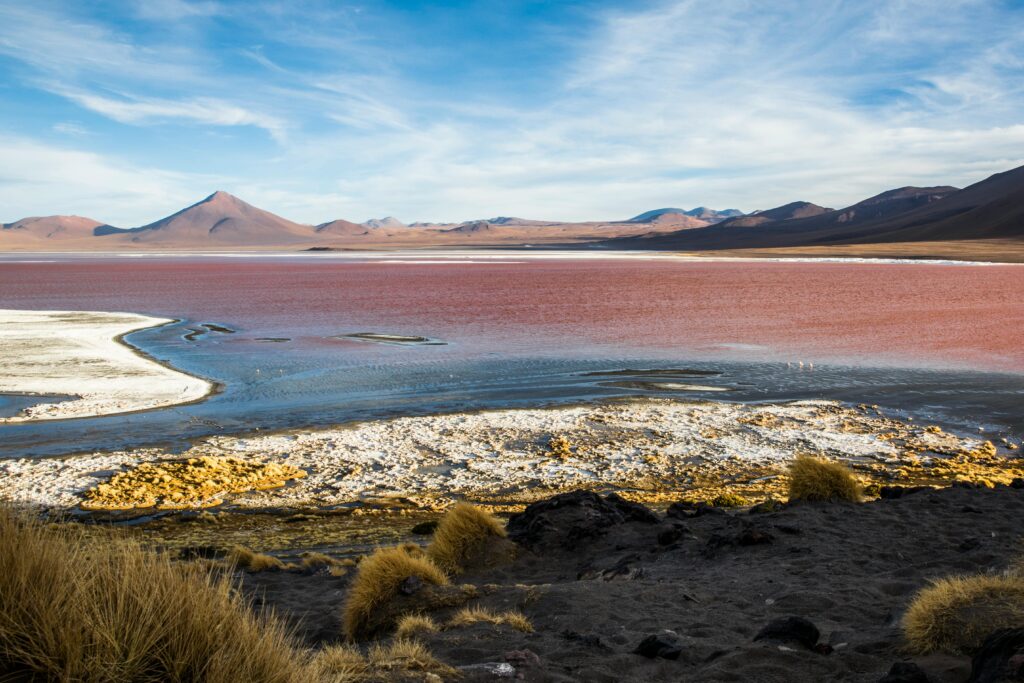
- Day 3: Morning geysers, Laguna Colorada (pink lake), hot springs, border drop-off option
- Includes: Transportation, meals, basic accommodation
- Best for: Full Bolivia salt flats tour experience
4-Day Tours ($180+ USD)
- Everything in the 3-day tour PLUS extra time for Tunupa Volcano, additional lagoons, stargazing
- Returns to starting point (San Pedro or Uyuni)
The Critical Safety Checklist ✅
Before booking ANY tour, ask these questions:
- Vehicle Condition: How old are the 4×4 vehicles? Do they carry spare tires?
- Driver Experience: Is your driver a certified mechanic? (Many of the best drivers are!)
- Emergency Equipment: Do they carry oxygen canisters, first-aid kit, satellite phone/radio?
- Group Size: Maximum 6 people per vehicle is standard
- Language: Does the guide speak English if you need it?
- Insurance: What’s covered if there’s an accident or altitude emergency?
- Reviews: Check TripAdvisor, Google Reviews, and travel forums
Red Flags to Avoid:
- Rock-bottom prices (often $15-20 for multi-day tours)
- No online presence or reviews
- Booking in Uyuni town without research (scams are common)
- Operators who won’t answer safety questions
Recommended Operators (based on traveler reviews):
- Andes Salt Expeditions: Known for vehicle maintenance and knowledgeable guides
- Red Planet Expeditions: Professional service, English-speaking guides
- Banjo Tours: Excellent guides, good safety record
- FindLocalTrips.com: Comparison site for booking reputable operators
Classic 3-Day Itinerary Breakdown
Day 1: Train Cemetery → Colchani → Salt Museum → Uyuni Salt Flats → Incahuasi Island (giant cacti!) → Sunset → Overnight in basic refuge (Colcha K area)
Day 2: Chiguana Salt Flat → Flamingo-filled lagoons (Cañapa, Hedionda) → Siloli Desert → Árbol de Piedra (rock tree) → Overnight near Laguna Colorada
Day 3: Sunrise at Laguna Colorada → Sol de Mañana geysers → Hot springs → Laguna Verde → Optional drop-off at Chilean border or return to Uyuni
What to Pack & How to Prepare (Altitude, Gear & Clothing) 🎒
This section could literally save your trip. I’m going to be very specific because the high altitude Bolivia travel environment is no joke.
Altitude Acclimatization: Your First Priority 🏔️
At 3,656 meters (11,995 feet), altitude sickness affects 30-50% of visitors. Some tours reach even higher—over 5,000 meters (16,400 feet)—at places like Laguna Colorada.
Symptoms to Watch For:
- Headache
- Nausea and dizziness
- Fatigue and weakness
- Shortness of breath
- Loss of appetite
- Sleep problems
How to Prepare:
- Acclimatize Gradually: Spend 2-3 days in La Paz (3,650m) or Cusco (3,400m) before heading to Uyuni
- Medication Options:
- Acetazolamide (Diamox): Start 24-48 hours before reaching altitude. Available by prescription in most countries, over-the-counter in Bolivia/Peru
- Sorojchi Pills: Local Bolivian remedy, available at any pharmacy for just a few dollars
- Ibuprofen/Paracetamol: For headache relief
- Coca Tea & Leaves: Traditional Andean remedy—chew coca leaves or drink coca tea upon arrival
- Hydration: Drink 3-4 liters of water daily (seriously, set reminders!)
- Avoid Alcohol: Dehydrates you and worsens symptoms
- Eat Light: Heavy meals are harder to digest at altitude
- Take It Slow: No strenuous activity for the first 24 hours
Emergency Action Plan: If symptoms worsen (extreme confusion, blue lips, inability to walk, chest tightness), you need to descend immediately and seek medical attention. Remember, you could be 6+ hours from a hospital in remote areas.
Essential Packing List 📋
Clothing (Layer System):
- Base Layer: Thermal underwear (top & bottom)
- Mid Layer: Fleece or down jacket
- Outer Layer: Windproof, waterproof jacket
- Pants: Hiking pants (quick-dry), thermal leggings
- Warm Hat: Covers ears (nights drop to -20°C in winter)
- Sun Hat: Wide-brimmed for daytime
- Gloves: Two pairs (one for daytime, one for night)
- Wool Socks: Multiple pairs
- Hiking Boots: Broken-in, waterproof
- Sandals: For hostel/hotel use
Sun Protection (CRITICAL):
- Sunglasses: UV400 protection minimum
- Sunscreen: SPF 50+ minimum (reapply every 2 hours!)
- Lip Balm: SPF 30+, multiple sticks
- Neck Gaiter/Buff: Protects face from sun and wind
Photography & Electronics:
- Camera: Extra batteries (cold drains them fast!)
- Phone: Download offline maps
- Power Bank: 20,000mAh+ capacity
- Headlamp: Essential for multi-day tours
- Waterproof Bags: For electronics
Personal Items:
- Toilet Paper: Trust me, you’ll need it (no facilities on the flats!)
- Hand Sanitizer: Large bottle
- Wet Wipes: For quick cleaning
- Medications: Altitude pills, pain relievers, any prescriptions
- Water Bottle: 2-liter capacity with purification tablets
- Snacks: Granola bars, chocolate, nuts (energy boosters)
- Sleeping Bag: Rated for -10°C minimum (many tours provide these, but they’re basic)
Photography Props (for perspective shots):
- Toy dinosaurs/animals
- Mini props (boots, jars, vehicles)
- Bright clothing for color contrast
Where to Stay & Unique Accommodation Options 🏨
Uyuni Town (Budget-Friendly Base)
Pros:
- Cheap accommodation ($10-30/night)
- Close to tour operators
- Restaurants and shops available
Recommended Budget Options:
- Piedra Blanca Backpackers Hostel: Dorms from $10, clean, central location
- Casa de Sal – Salt Hotel: In-town salt hotel option ($40-60), unique experience without the remote location
Cons:
- Uyuni town itself isn’t particularly charming
- Cold, dusty, and fairly basic
Salt Hotels (Unique Experience) 🧂
If you want to say “I slept in a hotel made entirely of salt,” here are your options:
Hotel Palacio de Sal (Luxury Option)
- Location: 25 km from Uyuni, on the shores of the salt flats
- Construction: Built from 1 million salt blocks—walls, floors, furniture, even beds!
- Price: $180-250/night
- Amenities: Spa, heated saltwater pool, sauna, jacuzzi, on-site restaurant
- Experience: 42 rooms with private bathrooms, stunning sunrise/sunset views
- Best For: Couples, luxury travelers, special occasions
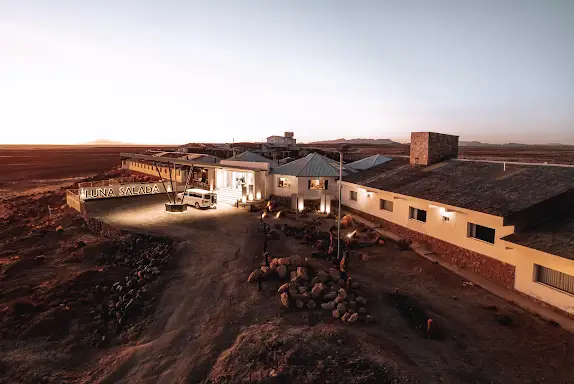
Hotel Luna Salada (Mid-Range Salt Hotel)
- Price: Similar to Palacio de Sal ($150-200/night)
- Rooms: Larger than Palacio de Sal, multiple room categories
- Views: Salt flat views or sunrise views depending on room type
Casa de Sal (Budget Salt Hotel in Town)
- Price: $40-60/night
- Location: Central Uyuni
- Experience: Salt block construction, more basic but authentic
Important Note: Don’t lick the walls! Tour groups need these hotels to stay structurally sound, and health concerns make this a bad idea anyway.
Photography & Experience Highlights 📸
This is where the Uyuni salt flats really shine—literally and figuratively!
Photographer’s Timeline (Maximize Your Shots)
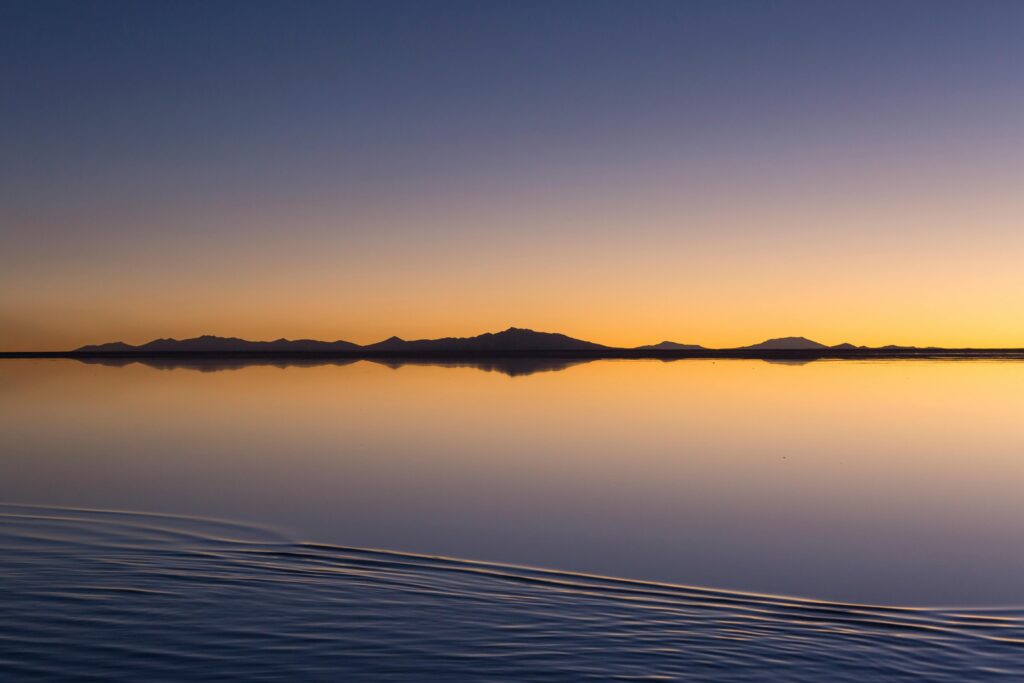
Pre-Dawn (5:30-6:30 AM):
- Stars still visible (especially during new moon)
- Milky Way photography opportunities
- Quietest time on the flats
Sunrise (6:30-7:30 AM):
- Best time for mirror effect reflections (during rainy season)
- Soft golden light on salt patterns (dry season)
- Few other tourists
Mid-Day (11 AM-2 PM):
- Perfect for perspective illusion photos
- Harsh light makes depth of field work
- Create dinosaur battles, giant props, impossible scenes
Sunset (5:30-7 PM):
- Cotton-candy skies reflected in water
- Warm colors across white salt
- Popular but worth the crowds
Night (7 PM onwards):
- Stargazing (minimal light pollution)
- Astrophotography paradise
- Some tours offer specialized Uyuni salt flats mirror effect night experiences
Signature Photo Spots 📷
Incahuasi Island (Isla del Pescado):
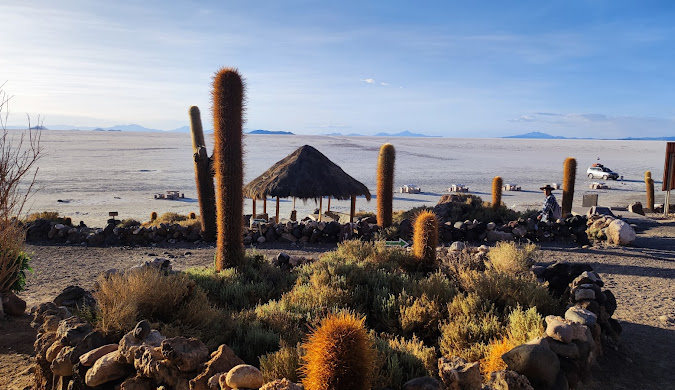
- Giant cacti reaching 10 meters high
- 360-degree salt flat views from the summit
- Entrance fee: $5 USD
- Pro Tip: Climb to the top for panoramic shots
- Not accessible during heavy rain season
Train Cemetery:
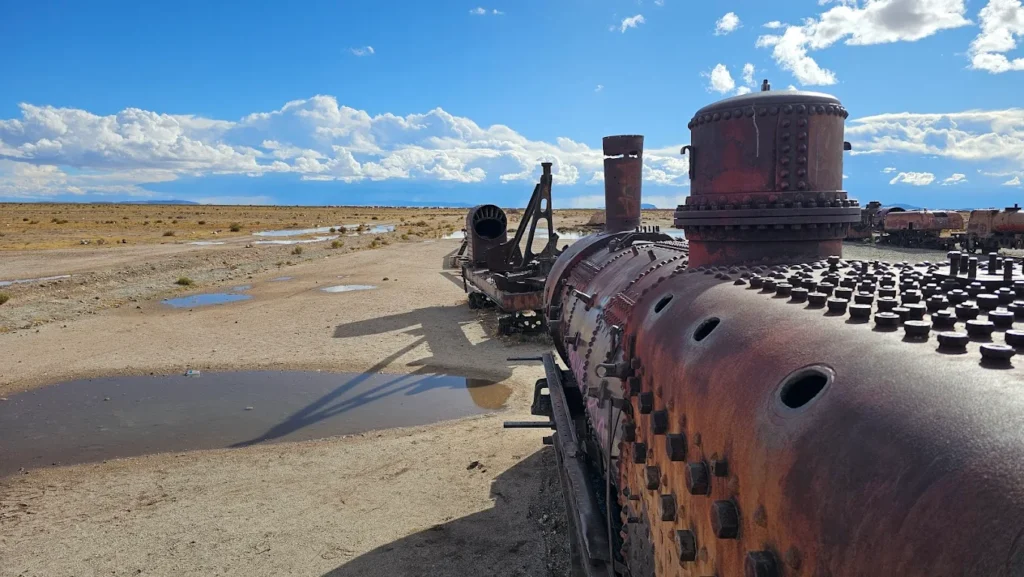
- Rusting locomotives from Bolivia’s mining boom
- Best light: Early morning or late afternoon
- Climb inside/on top for unique angles
- Located on the outskirts of Uyuni
Salt Production Site (Colchani):
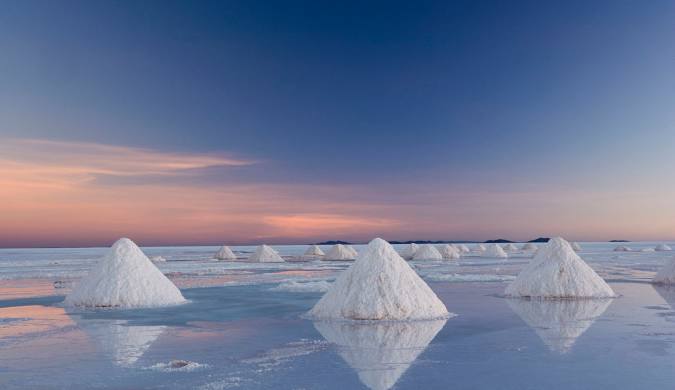
- Working salt extraction operations
- White salt pyramids
- Cultural photography opportunities
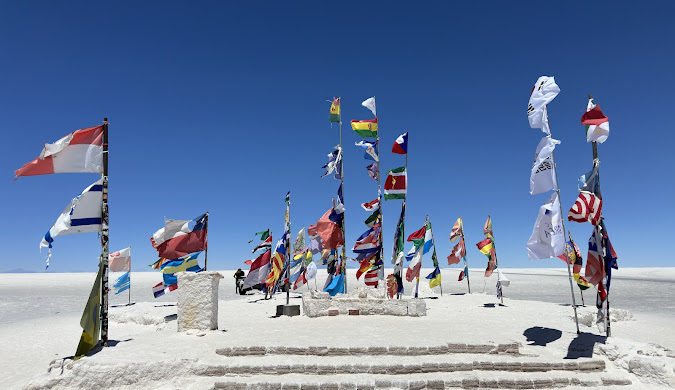
Flags of the World Plaza:
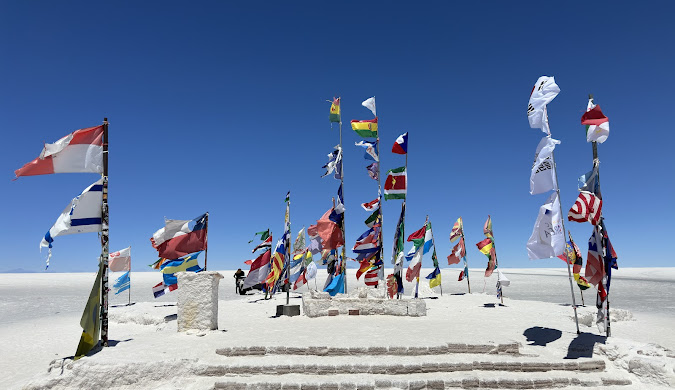
- Find your country’s flag (or bring your own!)
- Fun group photo spot
- Free to add your flag
Mastering Perspective Illusion Photos 🦖
Here’s the secret sauce for those viral-worthy shots:
Step 1: Get your camera LOW (flat on the ground if possible) Step 2: Place your prop close to the camera (1-2 feet away) Step 3: Position people far away (10-20 feet minimum) Step 4: Keep everything in the same visual plane (adjust prop height as needed) Step 5: Shoot, shoot, shoot! Take 20+ photos to get ONE perfect shot
Creative Ideas:
- Dinosaur eating your friend
- Standing in a giant jar
- Being crushed by boots
- Jumping into someone’s hand
- Sword fights with oversized props
- Group jump shots
Technical Tips:
- Use a wide-angle lens
- Shoot in aperture priority mode (f/8-f/11 for deeper depth of field)
- Can’t see your camera screen in the glare? Use a towel as a sunshade
- Work quickly—the sun is brutal
Health, Safety & Responsible Travel 🏥
Emergency Action Plan 🚨
Medical Facilities in Uyuni:
- Hospital on Avenida Potosí (basic but has 24/7 emergency room)
- Centros de Salud (health outposts) along tour routes
- Reality Check: You could be 6+ hours from proper medical care on multi-day tours
What Your Insurance Must Cover:
- Emergency evacuation from remote areas (including helicopter if necessary)
- Treatment at altitude above 3,000 meters
- Repatriation costs
- Bolivia-specific medical coverage
Emergency Numbers:
- Police: 110
- Ambulance: 118
- Tourist Police: +591 2 2225016
Leave No Trace: Protecting the Salt Flats 🌍
The Salar de Uyuni is a fragile ecosystem that needs your respect:
DO:
- Pack out ALL trash (including toilet paper in plastic bags)
- Use designated bathroom areas when available
- Stay on established routes
- Support eco-friendly tour operators
- Respect flamingo nesting areas (keep distance)
- Follow your guide’s instructions about sensitive areas
DON’T:
- Leave trash anywhere (it doesn’t decompose easily here)
- Drive off established paths
- Disturb wildlife
- Remove salt or rocks as souvenirs
- Scratch or carve into salt hotels or formations
- Use soap or shampoo in natural hot springs
Cultural Respect:
- The Bolivia salt flats are on indigenous Quechua and Aymara lands
- Support local communities by buying authentic handicrafts
- Ask permission before photographing local people
- Learn a few basic Spanish or Quechua phrases
Budgeting & Cost Breakdown 💰
Let’s talk money, because Uyuni salt flats trips can range from shoestring to splurge.
Budget Breakdown: Budget Traveler vs. Mid-Range Comfort
| Expense | Budget Traveler | Mid-Range Comfort |
|---|---|---|
| Transport to Uyuni | Overnight bus from La Paz: $35 | Flight from La Paz: $130 |
| Accommodation (pre/post tour) | Hostel dorm: $10/night | Private room: $40-60/night |
| 1-Day Salt Flat Tour | $20-25 | $38-50 (smaller group) |
| 3-Day Tour | $100-120 | $150-200 (better accommodations) |
| Food (per day, town) | $10-15 | $20-30 |
| Park Entrance Fees | Eduardo Abaroa Reserve: $21 | Eduardo Abaroa Reserve: $21 |
| Incahuasi Island: $5 | Incahuasi Island: $5 | |
| Tips for Guide/Driver | $10-15 (3-day tour) | $20-30 (3-day tour) |
| Salt Hotel Experience | Skip or budget option: $40 | Palacio de Sal: $180-250 |
| Total (3-day experience) | $230-300 | $450-650 |
Currency Notes:
- 1 USD = 6.97 BOB (Bolivianos) as of 2025
- Bring USD in cash (exchange in La Paz or Uyuni)
- ATMs in Uyuni often run out of money—don’t rely on them!
- Many tour operators accept payment in USD or BOB
Money-Saving Tips 💡
- Book tours online in advance (FindLocalTrips.com) rather than in Uyuni
- Travel during shoulder season (April or November) for better deals
- Join shared tours instead of private ones
- Stay in hostels and eat at local markets
- Skip the salt hotel stay (or just do one night)
- Bring your own snacks and refillable water bottle
Should You Stay in Uyuni Town? 🏘️
Short Answer: Only as long as you need to.
Things to Do in Uyuni:
- Visit the Train Cemetery (if not included in your tour)
- Shop for last-minute supplies
- Change money
- Book tours (though we recommend booking in advance)
- That’s… pretty much it
Pros of Staying:
- Cheap accommodation
- Central location for tour departures
- Restaurants and internet access
Cons:
- Cold, dusty, and not particularly interesting
- High-altitude discomfort without the scenery payoff
- Better to arrive the night before your tour and leave right after
Nearby Destinations to Connect 🗺️
Lake Titicaca (North)
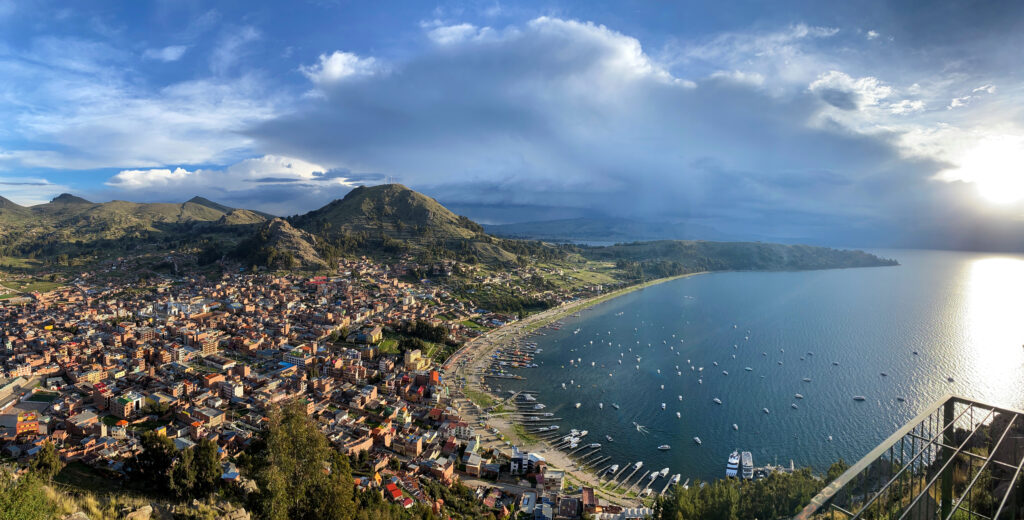
- 8-hour bus to La Paz, then continue to Copacabana/Titicaca
- World’s highest navigable lake
- Traditional islands and cultures
Chilean Atacama Desert (Southwest)
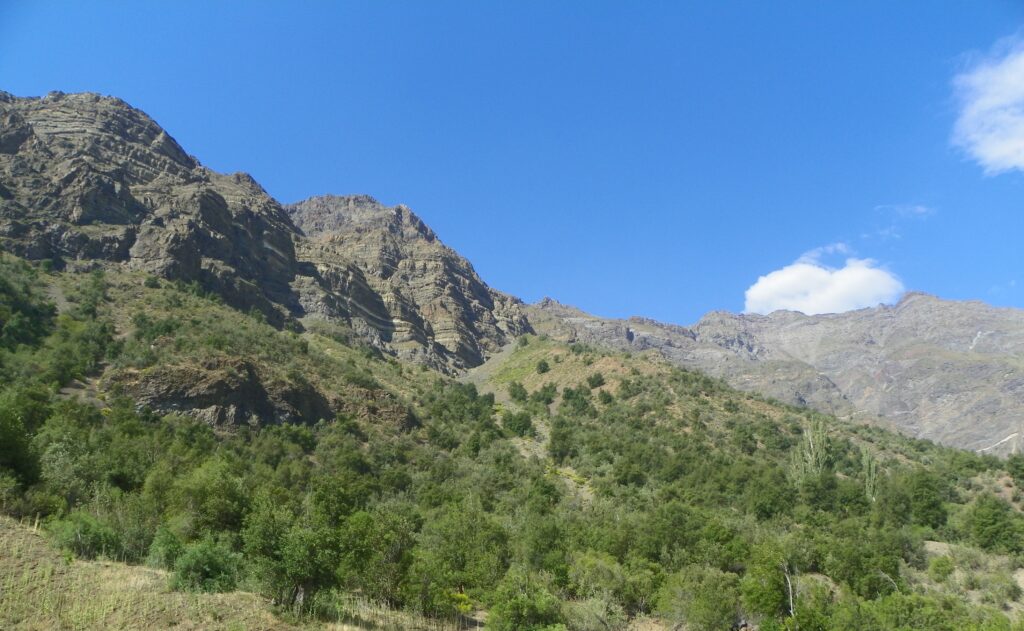
- Continue your 3-day tour to San Pedro de Atacama
- Valle de la Luna, geysers, more incredible deserts
Sucre (East)
- Constitutional capital of Bolivia
- Beautiful colonial architecture
- 8-10 hour bus ride (bring cushions—roads are rough!)
Potosí (East)
- Historic mining city
- UNESCO World Heritage Site
- 3-4 hour bus from Uyuni
FAQs – From Real Travelers ❓
Is the tour from Uyuni cheaper than from Chile?
Yes! Tours starting in Uyuni are significantly cheaper ($20-150) compared to starting in San Pedro de Atacama ($150-250). However, San Pedro tours include the border crossing logistics and often better vehicles. If you’re on a tight budget, start in Uyuni. If you value convenience and are already in Chile, San Pedro is fine.
What is the mirror effect on the salt flats, and when does it happen?
The mirror effect occurs when a thin layer of water (just a few inches) covers the salt flats, creating a perfect reflection of the sky. This happens during the rainy season (December-April), with the best chances in January through March. The effect is most dramatic during sunrise and sunset when the sky is painted with colors. Not every rainy season day will have perfect mirror conditions—it depends on rainfall and wind.
Can vegetarians find good food on the tour?
Yes, but you MUST inform your tour operator when booking. Most Bolivia salt flats tour operators accommodate vegetarians with rice, pasta, vegetables, soup, quinoa, and bread. However, remote refugios have limited ingredients, so don’t expect gourmet vegetarian cuisine. It’s smart to bring supplemental snacks (nuts, protein bars, dried fruit) for extra nutrition.
Is it safe to travel independently or do I need a tour?
You absolutely need a tour. Independent travel to the Salar de Uyuni is not recommended (and honestly, not practical) because:
- No roads or marked routes exist on the salt flats
- Extreme remoteness—you could be 100+ km from help
- Harsh environment (temperature extremes, altitude, sun exposure)
- Easy to get lost, especially during rainy season
- Emergency services are minimal
Even experienced adventure travelers take organized tours here. It’s not worth the risk.
How should I prepare for altitude sickness at Uyuni?
Preparation timeline:
1-2 Weeks Before:
- Consult your doctor about Acetazolamide (Diamox) prescription
- Start cardiovascular exercise if you’re sedentary
2-3 Days Before Arriving:
- Start taking Diamox (if prescribed)
- Spend time in La Paz, Cusco, or another high-altitude city to acclimatize gradually
Upon Arrival in Uyuni:
- Drink coca tea immediately
- Drink 3-4 liters of water daily
- Avoid alcohol and heavy meals
- Take it easy—no strenuous activity first day
- Keep Sorojchi pills, ibuprofen handy
- Listen to your body—if symptoms worsen, descend!
Remember: Even fit, healthy travelers can get altitude sickness. It’s not about fitness—it’s about how your body adapts to lower oxygen levels.
Alternative Routes & Hidden Gems 💎
Want to go beyond the standard tour? Here are some incredible add-ons:
Laguna Colorada (Red Lagoon)
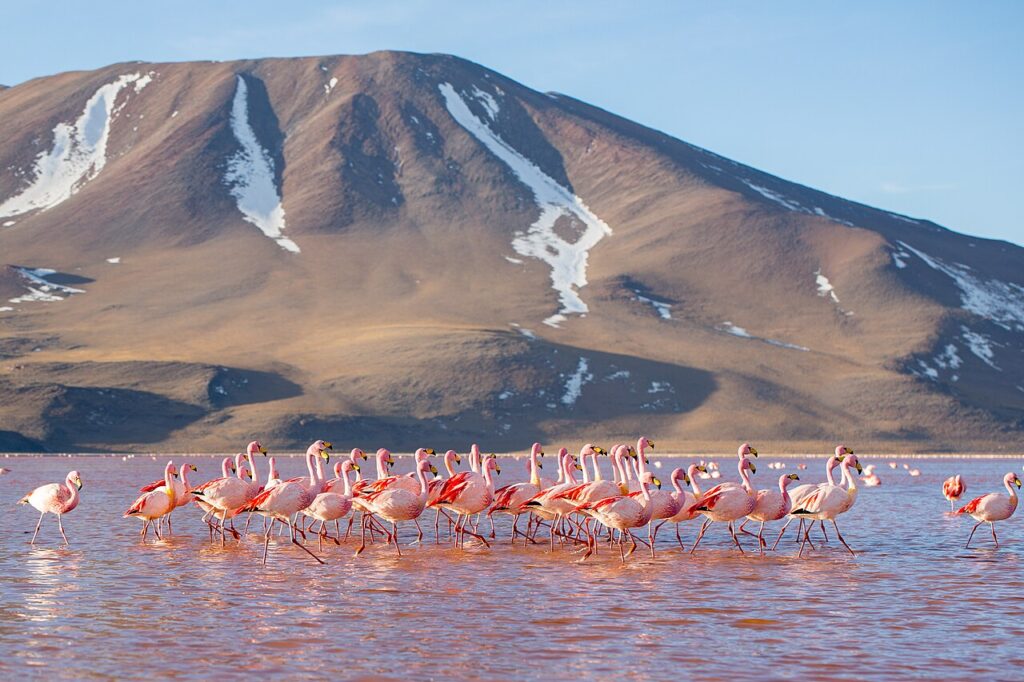
- Shocking crimson-red water (caused by algae)
- Thousands of James flamingos
- High-altitude lake at 4,278 meters
- Usually included in 3-day tours
Sol de Mañana Geysers
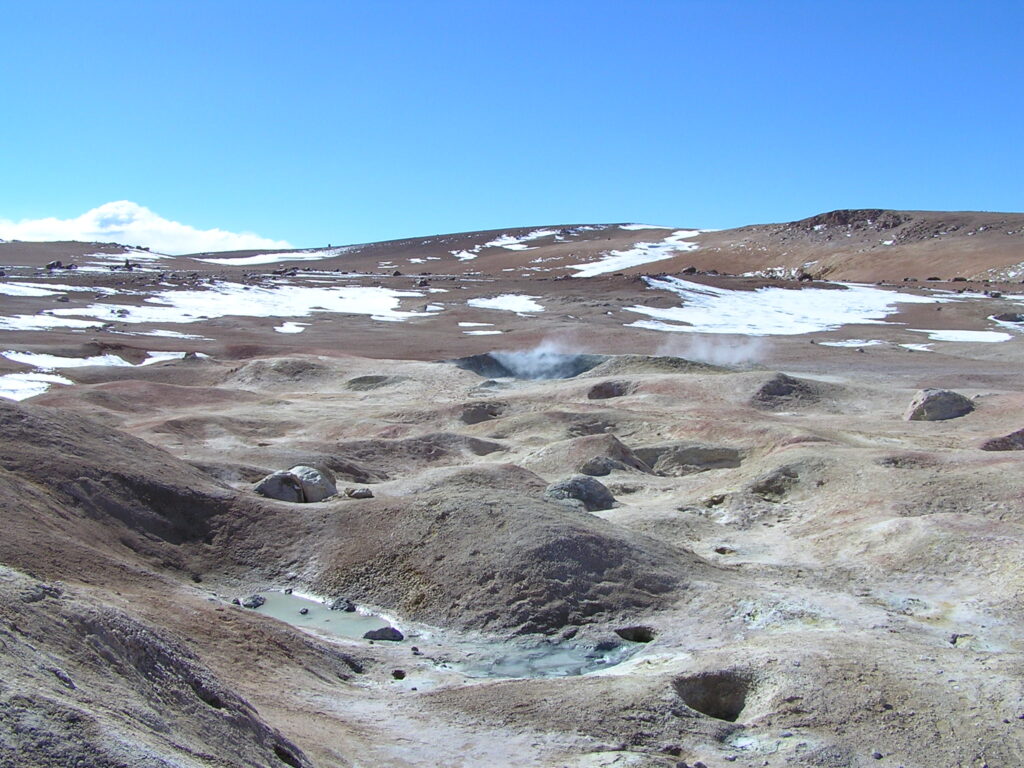
- Active geothermal field at 4,800 meters
- Boiling mud pools and steam vents
- Visit at sunrise for dramatic effect
- Smell of sulfur is intense!
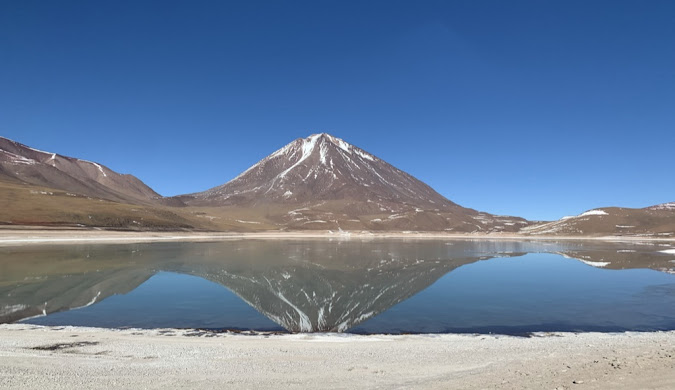
Laguna Verde (Green Lagoon)
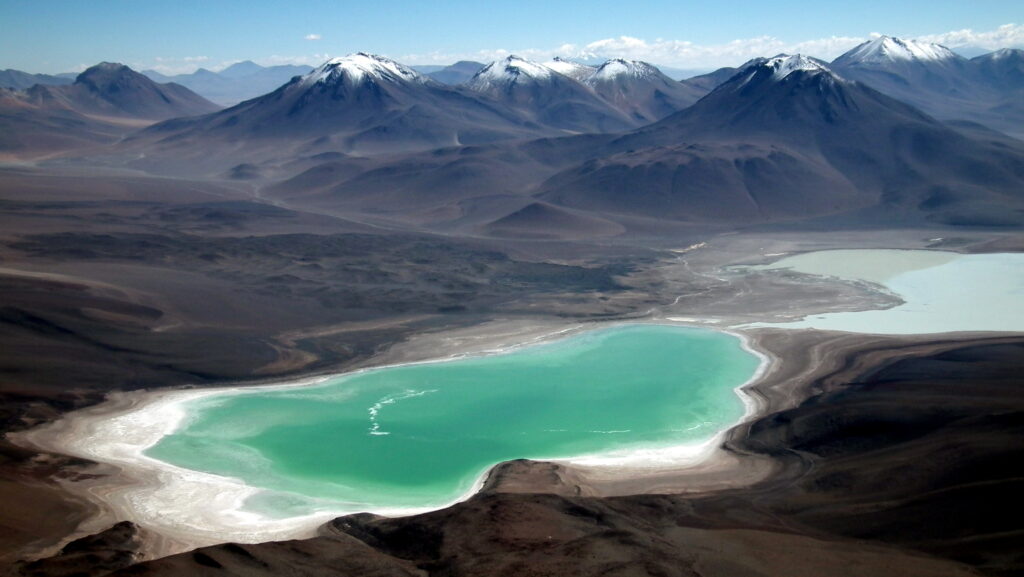
- Stunning emerald-green waters
- Located at the base of Licancabur Volcano
- Colors intensify when wind stirs minerals
- Near Chilean border
Árbol de Piedra (Stone Tree)
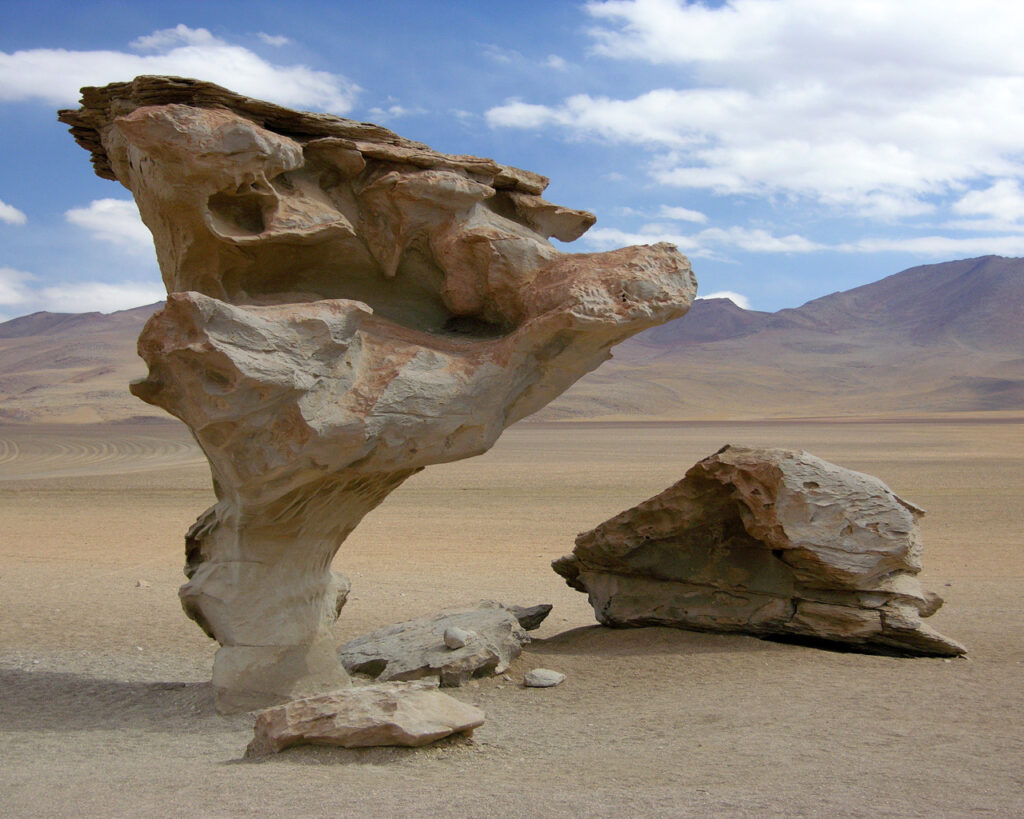
- Bizarre rock formation in Siloli Desert
- Shaped by centuries of wind erosion
- Looks like something from Dr. Seuss
- Perfect Instagram moment
Termas de Polques Hot Springs
- Natural hot springs surrounded by snow
- Relax at 4,400 meters altitude
- Water temperature around 30°C (86°F)
- Small entrance fee
Tunupa Volcano
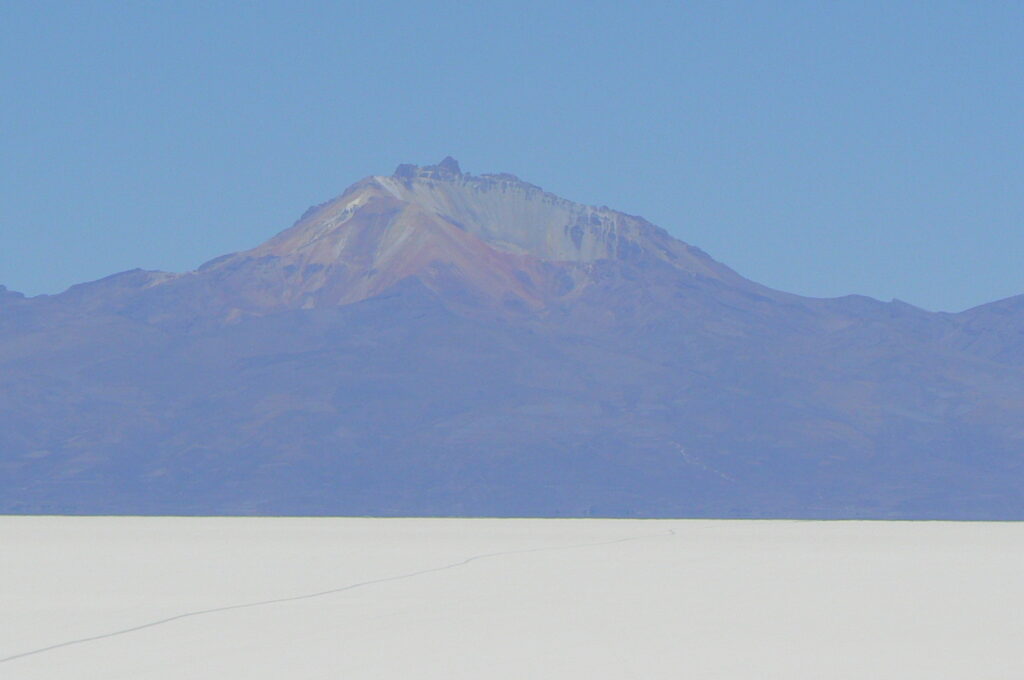
- Sacred mountain in Aymara culture
- Some tours include trekking opportunities
- Ancient mummies found in caves on slopes
- Panoramic salt flat views from summit
Summary & Final Pre-Departure Checklist ✅
You’ve made it to the end of this uyuni salt flats travel guide—congratulations! Let’s recap with your essential pre-departure checklist:
Before You Leave Home:
- ☐ Book accommodations in Uyuni or La Paz
- ☐ Reserve Bolivia salt flats tour online (reputable operator)
- ☐ Get travel insurance with high-altitude coverage
- ☐ Consult doctor about altitude sickness medication
- ☐ Purchase SPF 50+ sunscreen and UV400 sunglasses
- ☐ Download offline maps of Bolivia
- ☐ Arrange cash (USD for easy exchange)
- ☐ Pack thermal layers and warm sleeping bag
Upon Arrival in Bolivia:
- ☐ Spend 2-3 days acclimatizing in La Paz or similar altitude
- ☐ Buy Sorojchi pills at any pharmacy ($2-3)
- ☐ Confirm tour details and pickup time
- ☐ Stock up on snacks and water
- ☐ Charge all electronics and pack extra batteries
- ☐ Prepare your photography props for perspective shots
During Your Tour:
- ☐ Drink 3-4 liters of water daily
- ☐ Reapply sunscreen every 2 hours
- ☐ Respect the environment (pack out ALL trash)
- ☐ Listen to your body (altitude symptoms)
- ☐ Take a million photos—you’ll never forget this!
The Bottom Line 🎯
The Salar de Uyuni isn’t just a destination—it’s a once-in-a-lifetime experience that’ll redefine what you thought was possible on Planet Earth. Yes, the altitude is challenging. Yes, the accommodations are basic. Yes, those overnight buses will rattle your bones.
But when you’re standing on an infinite white mirror with the sky reflected at your feet, when you’re watching flamingos wade through pink lagoons, when you’re photographing the Milky Way with zero light pollution… you’ll understand why travelers from around the world make this journey.
This uyuni salt flats travel guide has armed you with everything you need to plan, prepare, and execute an incredible adventure. Now it’s your turn to experience the world’s largest salt flat, capture those epic photos, and create memories that’ll last forever.
Safe travels, and don’t forget to share your Bolivia salt flats tour photos with fellow adventurers back home! 🌟
References & Further Reading 📚
- National Geographic: Salar de Uyuni Travel Guide
- Bolivia Hop: Official Salt Flats Information
- Ruta Verde Tours: High Altitude Health in Bolivia
- Salar de Uyuni Official Website
- A Globe Well Travelled: La Paz to Uyuni Complete Guide
- Worldly Adventurer: Bolivian Salt Flats Experience
All travel information and pricing based on 2025 data. Costs and tour details may vary. Always verify current information with tour operators and official sources.
Have questions about your Uyuni salt flats trip? Drop a comment below and share your experience with fellow travelers!

Read More Articles;
- Alleppey Tourist Places: 25 Best Places to Visit in Alleppey Backwaters (2026 Travel Guide)
- Munnar Tourist Places: 20 Best Places to Visit in Munnar, Tea Gardens, Itinerary & Hidden Gems (2026 Travel Guide)
- Is Sardinia Worth Visiting? Complete Travel Guide to Sardinia, Italy
- What to Do in Gozo: 25 Best Things to Do in Gozo Malta (Hidden Gems + Local Tips)
- What to Do in Bali: Ultimate Travel Guide 2026 (Top Activities, Itineraries & Hidden Gems)