 Skip to content
 I still remember the first time I stepped off the bus in Vilcabamba, Ecuador – The Lost City, my lungs filling with air so crisp it felt medicinal. The emerald peaks of Mandango rose sharply against the impossibly blue Andean sky, and an elderly woman—easily in her nineties—strode past me carrying a basket of papayas without breaking stride. This wasn’t the tourist-packed Ecuador I’d expected. This was something else entirely: a place where time moved differently, where legends of people living to 120 weren’t just folklore but a tourism claim that sparked decades of scientific curiosity. Whether you’re a wellness seeker hunting for the world’s healthiest lifestyle, a hiker craving undiscovered trails, or a digital nomad searching for affordable paradise, Vilcabamba, Ecuador – The Lost City offers something rare in our hyperconnected world—a chance to truly disconnect and rediscover what living well actually means.
At XploreHeaven.com, we specialize in unearthing hidden gems that most guidebooks skip over, and this sacred valley in southern Ecuador might be our most intriguing find yet.
Quick Facts: About Vilcabamba, Ecuador – The Lost City at a Glance
| Detail | Information |
| Location | Loja Province, Southern Ecuador |
| Elevation | 1,500 meters (4,921 feet) |
| Climate | Eternal Spring (15-26°C / 59-79°F year-round) |
| Distance from Loja | 45 km (28 miles), 1.5 hours by bus |
| Distance from Quito | 650 km (404 miles), 12-14 hours by bus or 1-hour flight to Loja + transfer |
| Currency | US Dollar |
| Best Time to Visit | June to September (dry season) |
| Famous For | Longevity legends, hiking, wellness retreats, expat community |
| Primary Language | Spanish (some English in expat areas) |
| Population | Approximately 5,000 (including surrounding areas) |
Where Is Vilcabamba Ecuador – The Lost City?
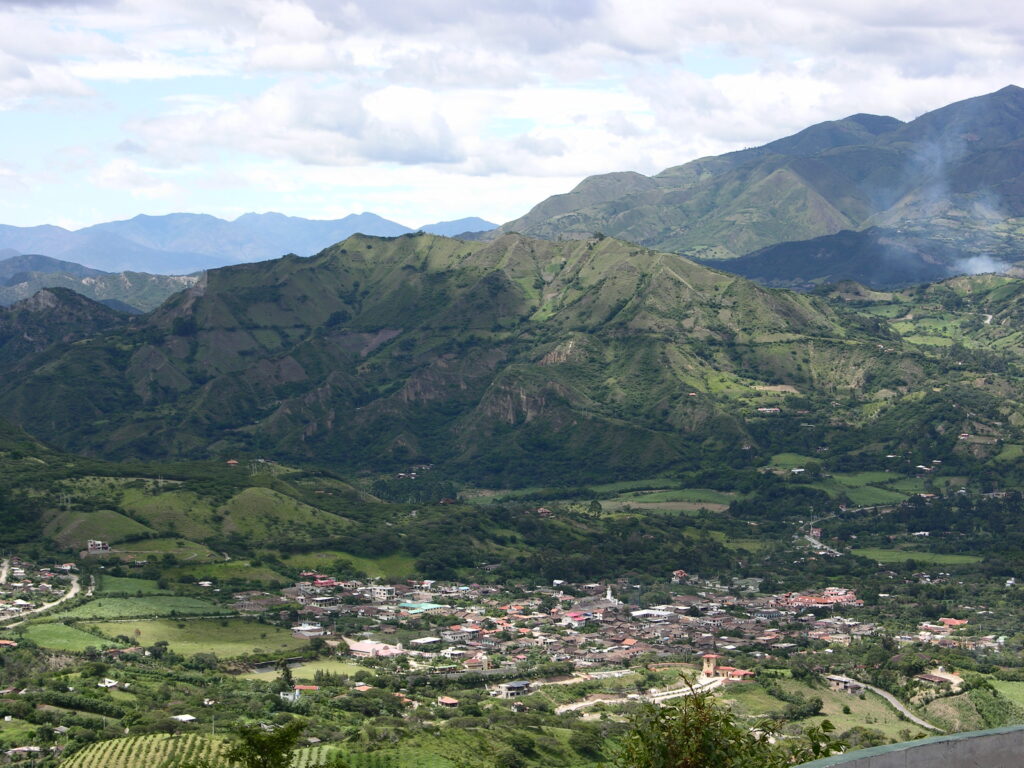
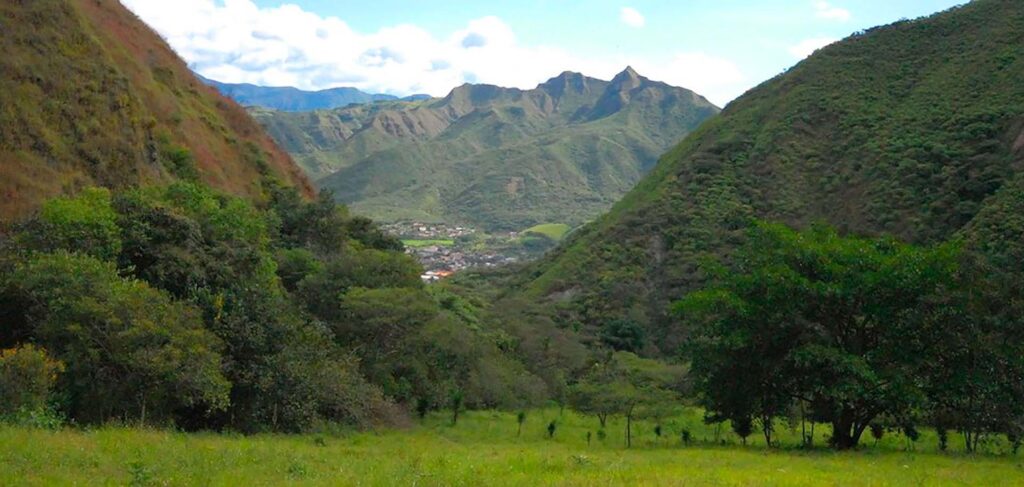
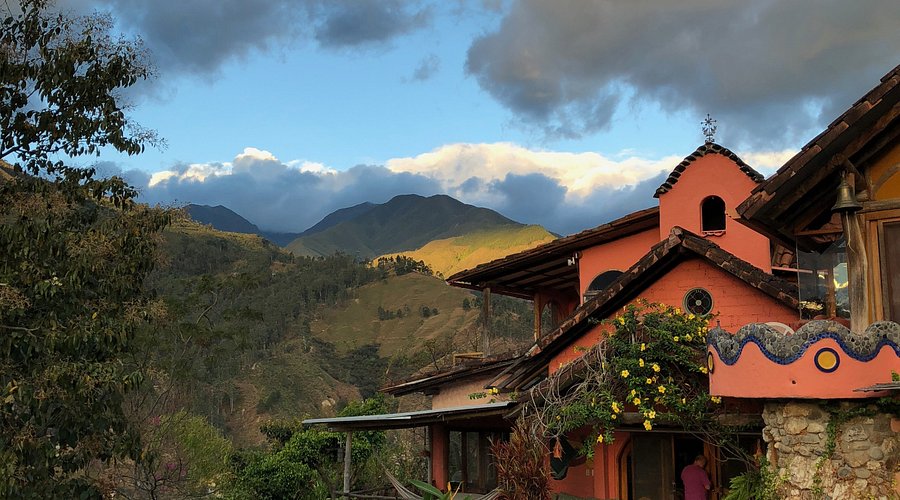
Vilcabamba, Ecuador – The Lost City sits tucked away in the Loja Province, cradled between the rugged foothills of the Andes Ecuador hidden valley system. About 45 kilometers south of the colonial city of Loja, this sacred valley feels like it exists outside the normal flow of time. The name itself—derived from the Quechua word “Huillcopamba” meaning “sacred valley”—hints at the reverence indigenous communities held for this land.
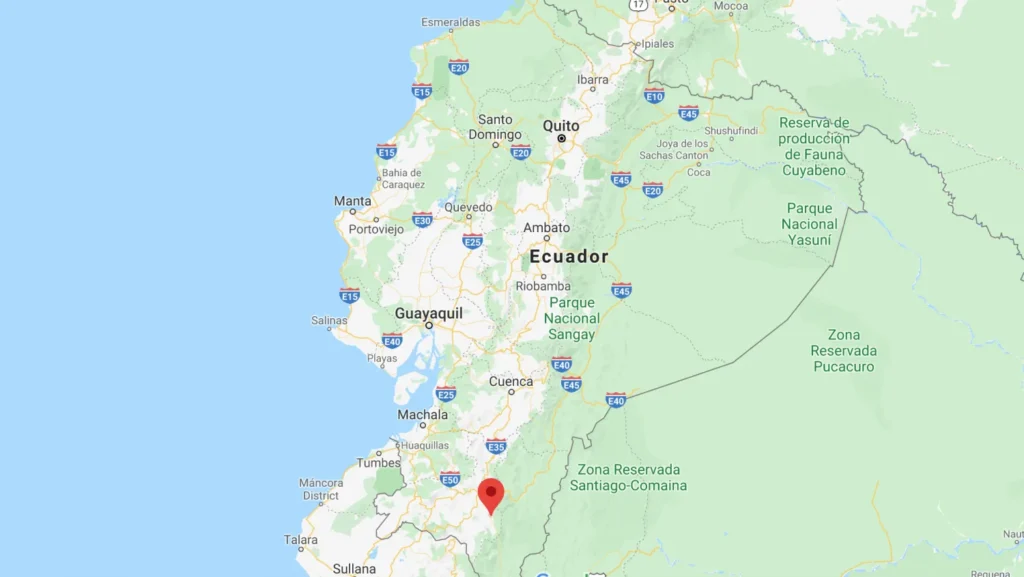
Getting here requires commitment, which is precisely why it remains unspoiled. From Quito, you’ll either endure a scenic but lengthy 12-14 hour bus journey through mountain passes and cloud forests, or you can fly to Loja (about an hour) and catch a local bus or taxi for the final leg. The road from Loja winds through eucalyptus groves and past small farms where horses graze freely. Cell service becomes spotty. The modern world starts to fade.
The valley itself stretches along the banks of the Chamba River, surrounded by peaks that shift from green to gold depending on the season. At 1,500 meters elevation, you’re high enough to enjoy cool mountain air without the harsh altitude effects of places like Quito or Cusco. The climate here earned Vilcabamba its nickname: the land of eternal spring.
Why “The Lost City”?
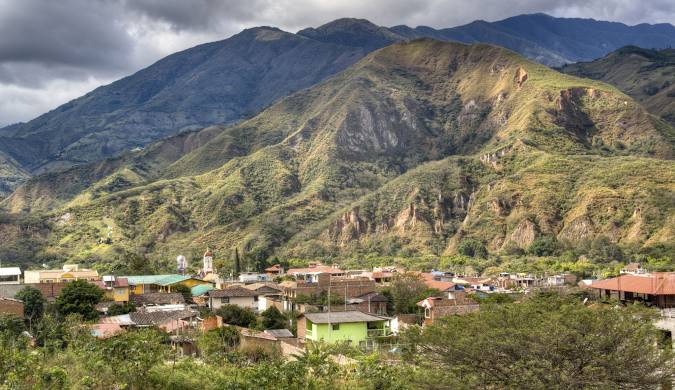
Let me clear something up right away: Vilcabamba, Ecuador – The Lost City isn’t a ruins site like Machu Picchu or the actual Lost City (Ciudad Perdida) in Colombia. There are no ancient stone temples hidden in the jungle here. Instead, the “Lost City” moniker captures something more subtle—a sense of being forgotten by time, a place that modernity somehow overlooked.
When I walked through the town square on my first evening, I understood. Old men in worn ponchos sat on benches, sharing jokes in Quechua-inflected Spanish. A farmer led his donkey down the cobblestone street. The only “chain” establishment was a single pharmacy. This wasn’t curated for Instagram—this was authentic smalltown Andean life continuing as it has for generations.
The indigenous Palta people inhabited these valleys long before Spanish conquest, and their descendants still farm the surrounding hillsides. The Spanish colonizers largely bypassed Vilcabamba because it lacked precious metals and proved difficult to access. This isolation preserved traditional agricultural practices and a slower pace of life that would later attract both scientists and seekers.
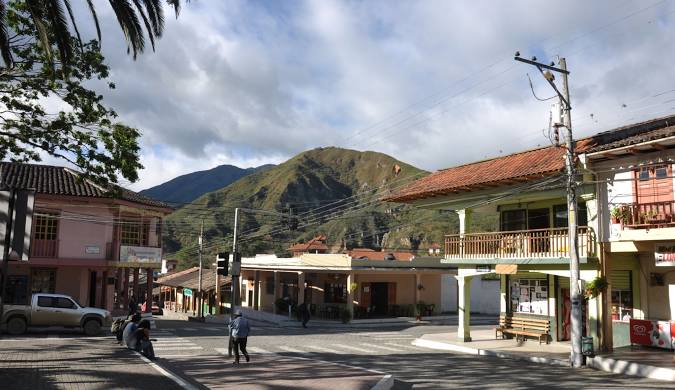
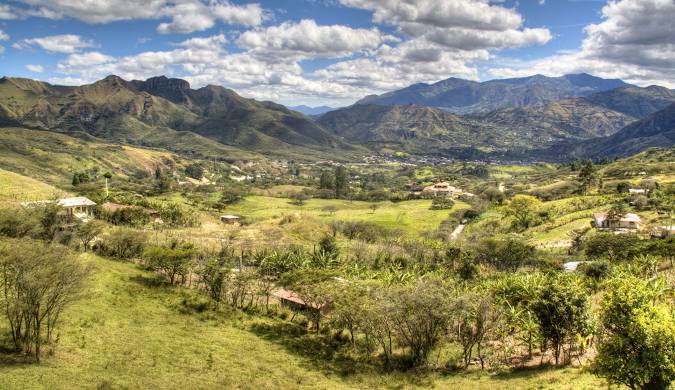
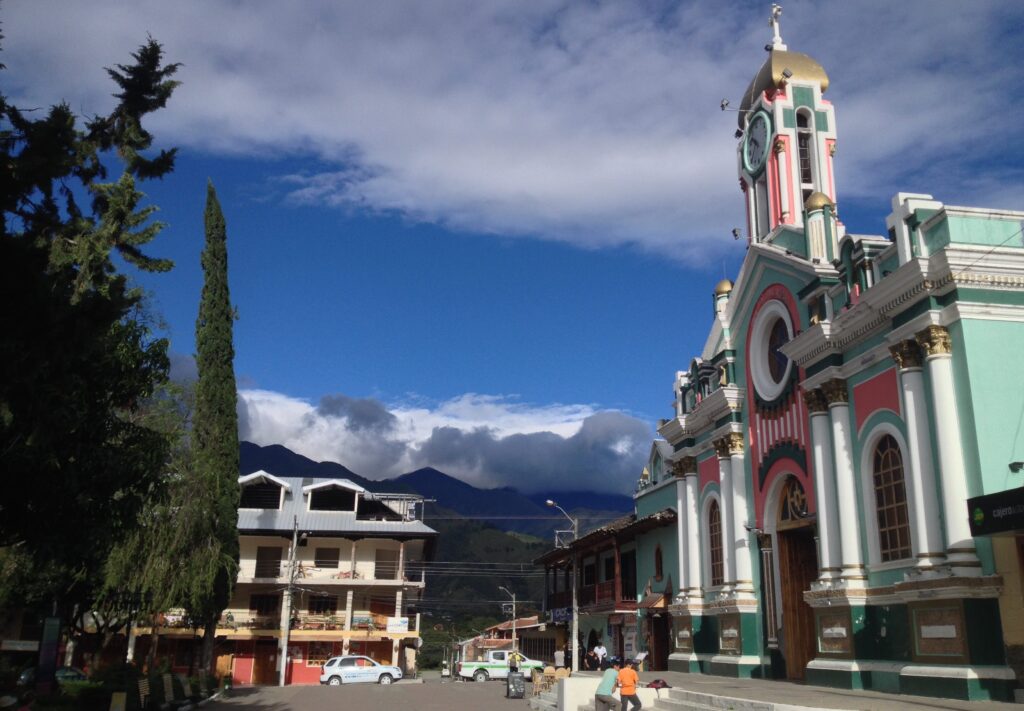
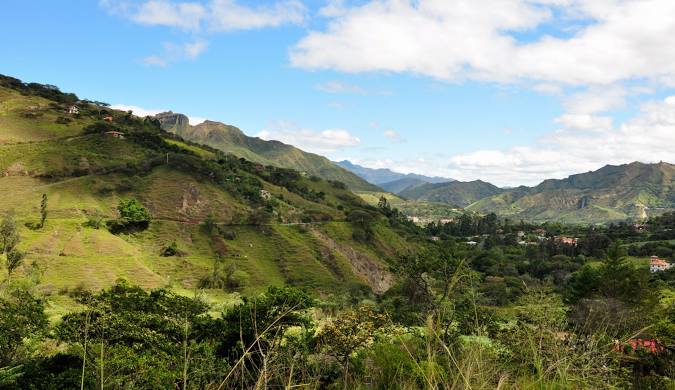
In the 1970s, when National Geographic and other outlets began publishing stories about the Valley of Longevity, the world suddenly took notice of this secluded paradise. Yet even today, it remains wonderfully off the beaten path—a true hidden gem for travelers willing to venture beyond the Galapagos-Quito-Cuenca circuit.
The Longevity Myth & Science
Here’s where things get fascinating—and where I need to separate fact from marketing hype.
The Legend: Starting in the 1950s, stories emerged about residents of Vilcabamba routinely living to 120, 130, even 140 years old. Dr. Miguel Salvador of Quito reportedly found dozens of centenarians in the valley. By the 1970s, journalists and researchers flooded in, dubbing it the Valley of Longevity and comparing it to other “Blue Zones” like Okinawa and Sardinia.
The Reality: Later scientific investigations—including work by Dr. Alexander Leaf from Harvard and demographic studies in the 1980s—revealed a less miraculous but still interesting truth [Link to Source: National Institutes of Health longevity studies]. Many age claims were exaggerated, often because residents lacked official birth certificates and conflated their ages with those of deceased relatives sharing the same name. The 140-year-old grandfather? Probably closer to 90.
But here’s what remains true: The elderly population in Vilcabamba exhibits remarkable vitality. I met Don Miguel, who claimed to be 103 (likely closer to 85), still tending his coffee plants and walking two miles daily to visit his grandchildren. The combination of factors—clean mineral-rich water from mountain streams, an active lifestyle farming steep hillsides, a plant-based diet heavy on legumes and corn, strong social bonds, and that perfect climate—creates genuine health benefits.
Modern researchers now focus on these lifestyle factors rather than record-breaking ages [Link to Source: Journal of Public Health Studies]. The longevity study Vilcabamba legacy isn’t about superhuman genetics but about how traditional mountain living naturally promotes wellness—a lesson increasingly valuable in our sedentary, processed-food world.
Nature, Climate & Environment That Support Well-being
The moment you arrive in Vilcabamba, you feel it—the air tastes different. Cleaner. Almost sweet.
The Eternal Spring Climate delivers consistent temperatures between 15-26°C (59-79°F) year-round. Unlike the sweltering Amazon lowlands just hours east or the chilly páramo highlands to the north, Vilcabamba’s climate creates a Goldilocks zone that feels perpetually comfortable. Mornings are cool enough for a light jacket. Afternoons warm up for hiking in a t-shirt. Evenings cool down again for sleeping under blankets without air conditioning.
The surrounding ecosystem is equally remarkable. Podocarpus National Park, one of the world’s most biodiverse protected areas, borders the valley to the east. Cloud forests transition into páramo grasslands across elevation gradients, creating habitat for spectacled bears, mountain tapirs, and over 600 bird species. When you hike the ridges above town, you’re literally walking through multiple ecosystems in a single day.
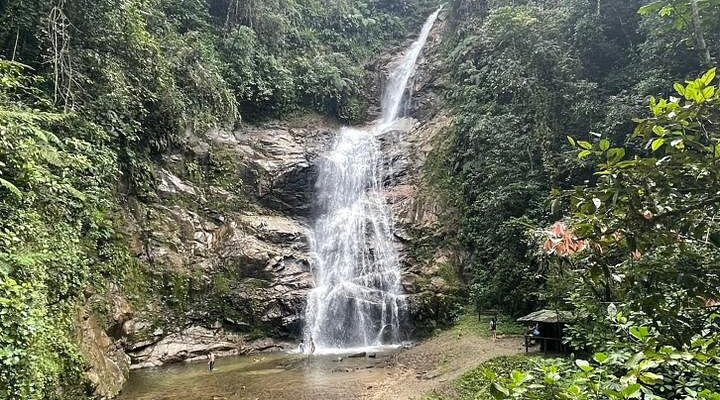
The water here deserves special mention. Mountain streams fed by glacial runoff and filtered through ancient rock carry high concentrations of minerals—particularly calcium and magnesium. I drank straight from a creek on the Mandango Trail (after a local assured me it was safe upstream from farms) and the taste was noticeably pure, almost mineral-sparkling. Many locals and expats credit this water for their health benefits, though scientific verification remains limited [Link to Source: Water quality studies Ecuador].
There’s also talk of high negative ion concentration in the air—those supposedly beneficial atmospheric particles found near waterfalls and forests. While the science on negative ions remains debated in mainstream medicine, spending days hiking near rushing rivers and through humid forests certainly made me feel more energized than any city environment ever has.
Travel Experience & Activities
Vilcabamba isn’t about ticking off tourist attractions—it’s about immersing yourself in a rhythm that prioritizes walking, eating well, and connecting with nature and community.
Hiking: The Mandango Trail (The Sleeping Inca)
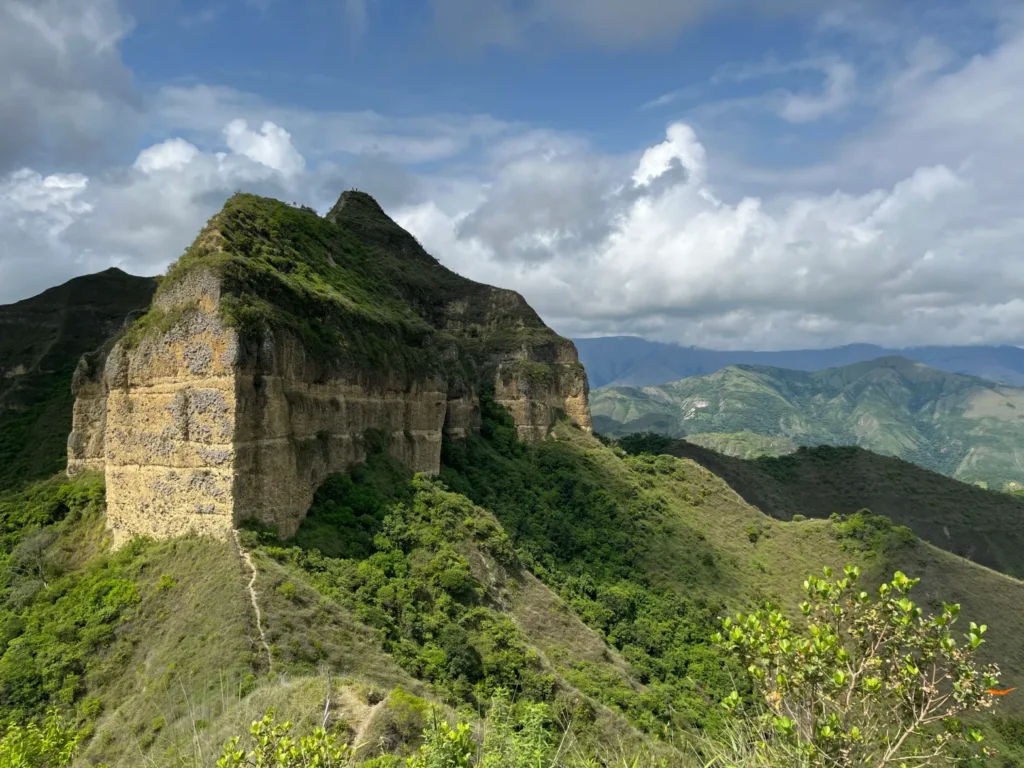
The signature hike here is Mandango, the mountain that dominates the valley’s skyline. Locals call it “The Sleeping Inca” because the ridgeline resembles a reclining figure. The trail climbs steeply—about 700 meters of elevation gain—through private farmland where you’ll pass grazing horses and cultivated coffee terraces.
I started at dawn to avoid afternoon heat. The path is clear but rugged, more scramble than stroll in places. After about two hours of huffing up switchbacks, I reached the ridgeline and understood why people move here. The valley spread below like a green quilt stitched with rivers. Peaks marched toward Peru in the south. Hawks circled on thermals below my feet.
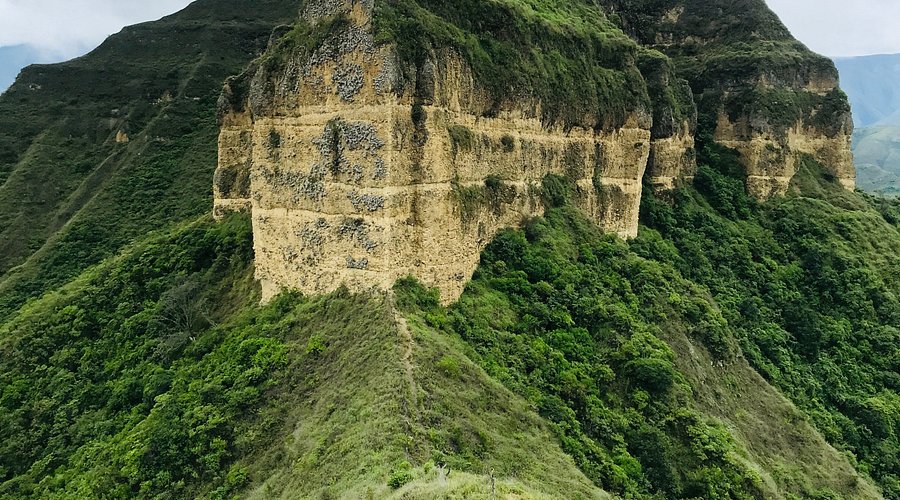
The summit push requires scrambling over rocks with decent exposure—not technical, but respect the height. At the top, I met a 70-year-old German expat who hikes Mandango twice weekly. “Better than any gym membership,” he told me, barely winded.
Vilcabamba hiking trails extend beyond Mandango. The Podocarpus National Park offers multi-day treks. Locals can guide you to waterfalls, sacred sites, and viewpoints that aren’t on any map. Always hire local guides when venturing into less-traveled areas—you support the community and avoid getting lost in cloud forest.
Culture: Sunday Market & Town Life
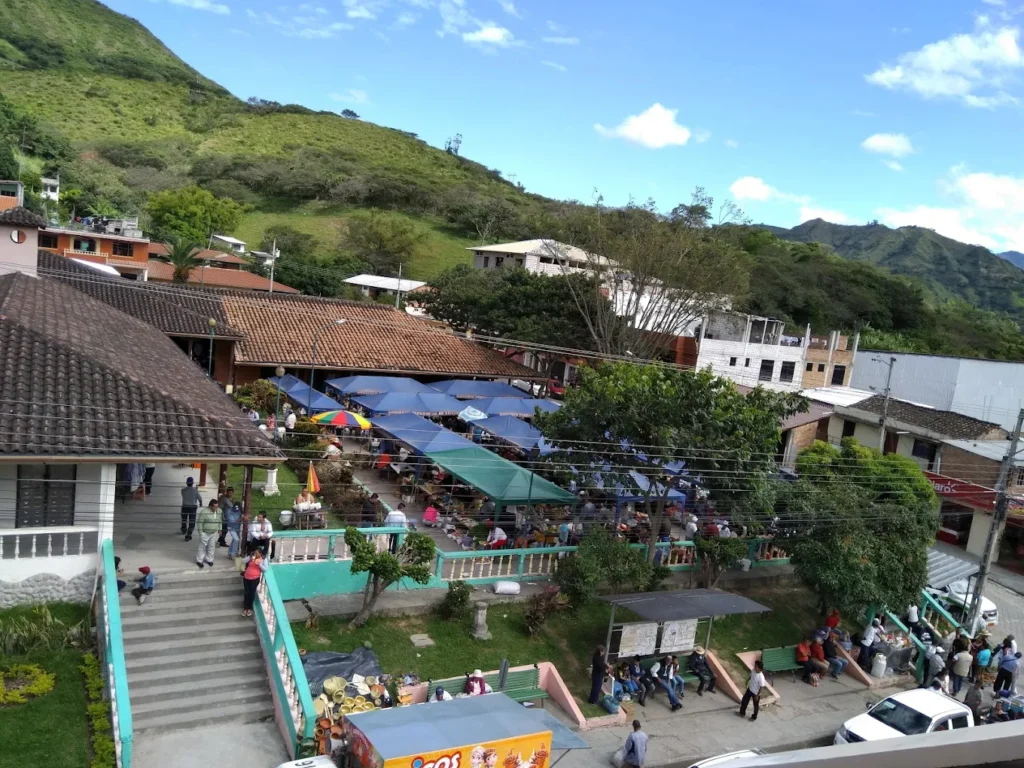
The Sunday market transforms the town square into a sensory explosion. Farmers from surrounding hillsides bring impossibly fresh produce—tomatoes still warm from the sun, corn in dozens of heirloom varieties, herbs I couldn’t identify. An elderly woman sold me a bag of naranjilla (a tart Andean fruit) and insisted I try her homemade juice. It tasted like sunshine mixed with citrus.
The market is also where you’ll see the cultural blend that now defines Vilcabamba. Indigenous farmers in traditional dress sell alongside expat entrepreneurs hawking organic kombucha and German-style bread. It’s simultaneously authentic and transformed—the reality of a small town adapting to international attention.
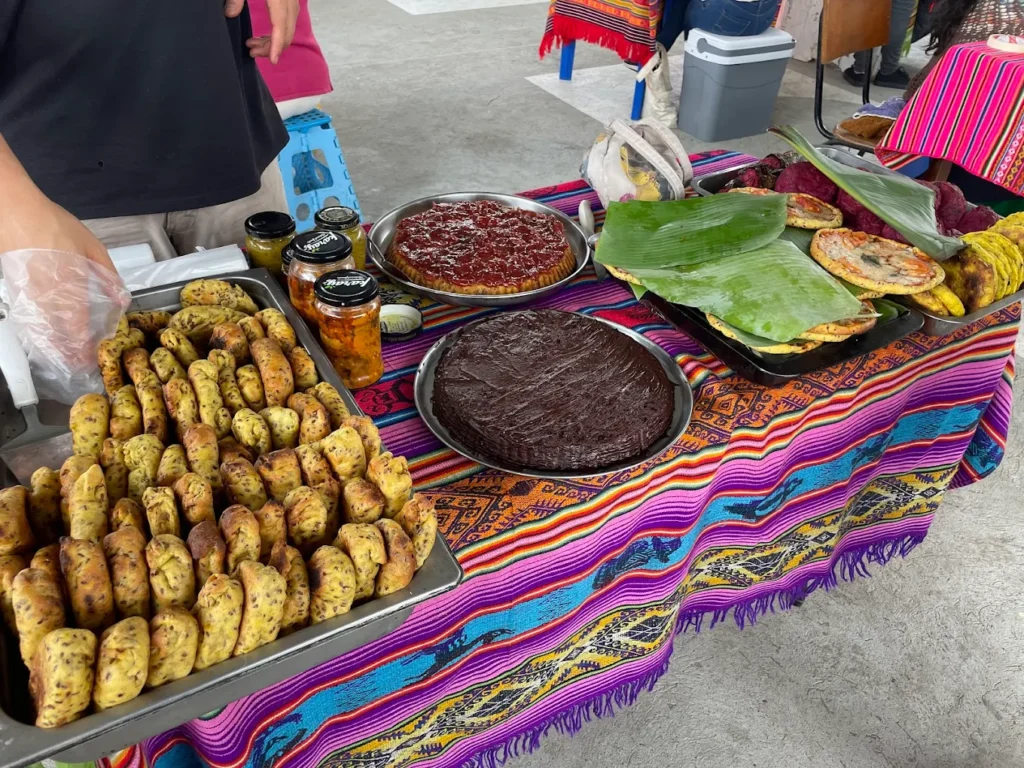
Don’t miss the local cafes around the square. I spent afternoons at Juice Factory (despite the touristy name) where a single-origin Vilcabamba coffee grown five kilometers away tastes like chocolate and cherries. The owner, a former architect from Boston, can tell you everything about the microclimates that make this Vilcabamba coffee farms region special.
Wellness: Yoga, Massage & Farm Tours
As a Vilcabamba wellness destination, the town has developed extensive offerings without tipping into the overly commercialized. You’ll find yoga studios, massage therapists (both Western and traditional sobadores), and various healing practitioners. Some offerings are excellent; some cater to New Age tourists with more enthusiasm than credentials. Ask locals or expats for recommendations.
I particularly enjoyed visiting Rumi Wilco Nature Reserve, an eco-retreat Vilcabamba Ecuador where you can tour organic cacao and coffee plantations, learn about permaculture, and sample chocolate made from beans grown on site. These farm experiences connect you to the agricultural traditions that support the healthy lifestyle here—you see exactly where your food comes from and how it’s grown.
Expat Life & Changing Dynamics
Let’s address the elephant in the valley: Vilcabamba has experienced significant demographic change over the past two decades, becoming a popular Ecuador retirement destination for North Americans and Europeans seeking affordable, healthy living.
The expat community Vilcabamba numbers in the hundreds now—retirees, digital nomads, yoga teachers, artists, and people simply wanting out of colder, more expensive countries. This influx has brought undeniable changes:
Positives:
- Economic opportunities for locals through tourism, construction, and services
- Infrastructure improvements (better roads, faster internet, more healthcare options)
- Cultural exchange and English language opportunities for local youth
- Support for environmental conservation projects
- Creative energy and diverse perspectives
Challenges:
- Vilcabamba real estate Ecuador prices have increased significantly, making land less affordable for young locals
- Some traditional culture is being diluted or commodified
- Tension between long-term residents and newcomers over development pace
- Risk of becoming another gentrified paradise that prices out the people who created its appeal
During my stay, I witnessed this tension firsthand. An Ecuadorian family-owned restaurant served authentic almuerzo (lunch sets) for three dollars, while a new expat-run vegan cafe charged eight dollars for a smoothie bowl. Both had their place, but the price disparity highlighted economic divides.
The most integrated expats I met were those who learned Spanish fluently, employed locals fairly, and participated genuinely in community life beyond just consumer transactions. They recognized they were guests in someone else’s home, not colonizers of a wellness paradise.
If you’re considering Vilcabamba as a retirement or relocation option, approach with cultural humility. This isn’t a blank canvas for your tropical fantasy—it’s a living community with deep roots that deserves respect.
Unique Value – What Makes This Post Different?
Most articles about Vilcabamba, Ecuador – The Lost City either romanticize the longevity myths or focus purely on expat real estate. Here’s what you won’t find elsewhere:
10 Questions to Ask Before Booking Accommodation in Vilcabamba:
- What’s the walking distance to town center? (Many eco-lodges are isolated without a vehicle)
- Is internet reliable if you need to work remotely? (Speeds vary drastically)
- Is the water source filtered or directly from the river? (Most is safe, but confirm)
- How close is the nearest medical facility? (Basic clinic in town; serious cases go to Loja)
- Does the property generate its own power? (Outages can occur during storms)
- What’s the mosquito and insect situation? (Varies by elevation and season)
- Is there a kitchen or do you rely on restaurants? (Cooking your own meals saves money)
- What’s the cancellation policy? (Smaller places may be less flexible)
- Does the host speak your language? (English is common but not universal)
- Are there hidden fees for laundry, hot water, etc.? (Clarify what’s included)
A Day at Hosteria Izhcayluma: Mini Case Study
To give you concrete expectations, here’s my typical day at one of Vilcabamba’s most established eco-lodges:
7:00 AM – Wake naturally without an alarm (the lack of noise pollution resets your sleep)
7:30 AM – Free yoga class on an open-air platform overlooking the valley
8:30 AM – Breakfast: fresh fruit, eggs from the property chickens, homemade bread, locally roasted coffee
10:00 AM – Hike to the property’s swimming pool fed by natural spring water (absolutely freezing but exhilarating)
12:30 PM – Walk 20 minutes into town for lunch at a local comedor (two-dollar meal with soup, rice, protein, and juice)
2:00 PM – Siesta in a hammock with a book
4:00 PM – Explore town, visit coffee farm, chat with artisans
6:30 PM – Dinner at the lodge or in town
8:00 PM – Stargazing (the light pollution is nearly zero)
9:30 PM – Asleep (you get tired when you actually move your body all day)
Cost for the day: About 35-40 dollars including accommodation, meals, and activities. This is the sweet spot Vilcabamba offers—quality experiences without luxury pricing.
Planning Your Trip: Practical Things to Know
Best Time to Visit
June to September offers the most reliable weather—dry, sunny days with cool nights. This is peak season, so book accommodation ahead.
October to May is the rainy season, though “rainy” in Vilcabamba means afternoon showers rather than all-day deluges. Trails get muddy, but everything turns brilliantly green. You’ll have the place to yourself and can negotiate better accommodation rates.
I visited in August (dry season) and enjoyed perfect hiking weather, though afternoons got warm. If I return, I’d try April to see the valley at its most lush.
Health & Safety
Altitude: At 1,500 meters, altitude sickness is rare but possible for particularly sensitive people. Stay hydrated and take it easy on arrival day.
Water Safety: Most accommodation has filtered water. In town, bottled water is readily available. I drank tap water at established places without issues, but sensitive stomachs should stick to filtered or bottled.
Mosquitos: Present but not overwhelming. Bring repellent for evening hours, especially near the river. Dengue and Zika exist in Ecuador but are more common in coastal/jungle regions.
Crime: Vilcabamba is remarkably safe. Standard precautions apply—don’t flash expensive items, watch your bag in crowded market areas—but violent crime is extremely rare. Solo travelers, including women, consistently report feeling secure [Link to Source: Ecuador travel safety statistics].
Healthcare: Basic medical clinic in town handles minor issues. Serious problems require going to Loja (1.5 hours). Travel insurance is essential.
Money Matters
Ecuador uses the US Dollar, making financial transactions easy for American travelers. Bring small bills—breaking a 20-dollar bill can be challenging in small shops. ATMs exist in town but sometimes run out of cash on weekends; withdraw what you need in Loja.
Budget travelers can easily spend 25-35 dollars daily (hostel, local meals, buses). Mid-range travelers spending 60-80 dollars daily enjoy private rooms, nicer restaurants, and guided tours. The incredible value is part of what makes Vilcabamba accessible to retirees and long-term travelers.
Ethical Travel Considerations
- Tip fairly: 10% is standard at restaurants; a dollar or two for guides on short walks
- Support local businesses: Mix your spending between local family-run places and expat establishments
- Learn basic Spanish: Even minimal effort is appreciated and opens authentic interactions
- Respect photography boundaries: Always ask permission before photographing people, especially indigenous community members
- Leave no trace: On hikes, pack out all trash and stay on established trails
- Buy directly from artisans: At the market, purchasing directly ensures more money reaches the producer
The challenge in places like Vilcabamba is ensuring tourism benefits the existing community rather than just extracting their culture for outsider profit. Be a conscious traveler, not just a consumer.
FAQ:
Your Vilcabamba Ecuador – The Lost City Questions Answered
Q: Is Vilcabamba Ecuador safe for solo travelers?
Yes, Vilcabamba is very safe for solo travelers, including women traveling alone. The Loja Province generally experiences low violent crime rates compared to Ecuador’s larger cities. The biggest safety concerns are minor theft (watch bags in crowded areas) and injury from hiking without proper preparation. The tight-knit community means people look out for each other. I met multiple solo female travelers who felt completely comfortable exploring alone. Always use common sense—don’t hike isolated trails alone, inform someone of your plans, and trust your instincts about situations and people.
Q: Why do people say residents of Vilcabamba live to 120 years?
The longevity claims were based on exaggerated ages due to lack of official birth records, but the elderly population does show remarkable health. In the mid-20th century, researchers encountered residents claiming to be 120-140 years old [Link to Source: Dr. Alexander Leaf Harvard studies]. Later demographic analysis revealed these ages were inflated—people confused their identities with deceased relatives or simply guessed without documentation. However, the underlying truth remains: the combination of clean water, active mountain lifestyle, plant-based traditional diet, strong community bonds, and the perfect climate of Vilcabamba does support exceptional health into advanced age. Think healthy 90-year-olds still farming, not 140-year-old superhumans.
Q: What is the best time of year to visit Vilcabamba Ecuador?
The best time to visit is June through September during the dry season when hiking conditions are optimal. This period offers sunny days with temperatures around 20-26°C (68-79°F) and minimal rain, perfect for the Vilcabamba hiking trails like Mandango. However, the rainy season (October-May) has advantages too—fewer tourists, lower accommodation prices, and the valley at its greenest. Rain typically comes as afternoon showers rather than all-day downpours. If you don’t mind occasional mud and want a more authentic local experience, visiting in the shoulder seasons (April-May or October-November) provides excellent value.
Q: What are the key activities and hikes in Vilcabamba?
The signature activity is hiking Mandango (The Sleeping Inca), a challenging 4-5 hour round trip climb offering panoramic valley views. Beyond that, you can explore Podocarpus National Park for cloud forest treks, visit Vilcabamba coffee farms for agricultural tours and tastings, swim in natural pools fed by mountain springs, attend the Sunday market for cultural immersion, take yoga and wellness classes, go horseback riding through surrounding countryside, and visit the Rumi Wilco nature reserve for permaculture education. The area caters to both active adventurers and wellness seekers looking to slow down and reset.
Q: How accessible is Vilcabamba transportation-wise?
Vilcabamba is moderately accessible but requires commitment to reach. From Quito, you can fly to Loja (1 hour, around 80-120 dollars) then take a bus or taxi 45km to Vilcabamba (1.5 hours, 2-5 dollars for bus, 25-30 dollars for private taxi). Alternatively, overnight buses run from Quito to Loja (12-14 hours, 15-25 dollars) with onward connections. From Guayaquil, buses to Loja take 8-10 hours. Once in town, everything is walkable, though some eco-lodges on hillsides may require short taxi rides (1-3 dollars). There are no rental car companies in Vilcabamba itself, but you can arrange drivers for day trips.
Q: Is real estate in Vilcabamba a good investment for expats?
Vilcabamba real estate offers affordable property compared to North America/Europe, but investment requires careful research and realistic expectations. Land and homes remain cheaper than most Western countries—you can find basic properties from 30,000-60,000 dollars and build inexpensively. However, the market is small, resale can be slow, and legal complexities exist (use a reputable lawyer). The expat community Vilcabamba has created demand, but this also means prices have risen significantly from a decade ago. If you’re buying for personal retirement/lifestyle rather than profit speculation, and you’re willing to integrate into the community long-term, it can work beautifully. Don’t expect quick financial returns or easy property management from abroad.
Q: What kind of diet and lifestyle do locals follow?
Traditional locals follow a plant-forward diet emphasizing corn, beans, quinoa, fresh vegetables, minimal processed foods, and small amounts of chicken or guinea pig (cuy). Daily activity includes walking steep terrain for farm work, which naturally provides cardiovascular exercise and leg strengthening. Social bonds remain strong—extended families live close together, and community gatherings are common. Stress levels appear lower due to slower pace and strong support networks. Older residents rarely exercised formally but stayed active through agricultural labor into their seventies and eighties. The combination of whole foods, constant moderate activity, clean environment, and social connection forms the lifestyle foundation that supports health more than any single magic factor.
Q: How credible is the longevity claim overall?
The extreme longevity claims (120+ years) are not credible, but the exceptional health of elderly residents is genuine and well-documented. Modern researchers classify Vilcabamba as having an unusually high proportion of healthy elderly people rather than record-breaking ages [Link to Source: demographic studies Ecuador]. The longevity study Vilcabamba legacy is valuable not for proving superhuman lifespan but for demonstrating how traditional mountain lifestyles naturally promote wellness factors recognized in modern health science—whole food diets, daily movement, strong social bonds, low stress, clean environment. Visit for the lifestyle lessons and the beautiful valley, not expecting to find 150-year-old residents.
Q: What accommodation types are available?
Options range from budget hostels (10-15 dollars/night) to mid-range eco-lodges (30-60 dollars/night) to upscale boutique hotels (80-150+ dollars/night). Many accommodations emphasize wellness features—yoga spaces, organic gardens, natural pools, massage services. Popular options include Hosteria Izhcayluma (established eco-lodge with pool and yoga), Rumi Wilco (nature reserve with cabins), Madre Tierra (sacred space resort), and various backpacker hostels in town center. For longer stays, apartment and house rentals are available (300-600 dollars/month for basic places). Book ahead during dry season (June-September) as the small town has limited capacity. Many places include breakfast and some offer full meal plans.
Q: How has tourism changed Vilcabamba?
Tourism has brought both benefits and challenges, transforming a quiet agricultural town into an international wellness destination and expat haven. Economically, tourism created jobs, improved infrastructure, and brought outside investment. Culturally, the town is now bilingual in many areas, with diverse restaurants, yoga studios, and services catering to international visitors. However, Vilcabamba real estate prices have risen, making land less affordable for local youth. Some traditional practices have been commercialized or lost. The town now navigates identity tension—balancing indigenous/Ecuadorian roots with the international community it’s become. Most long-term observers note tourism has been relatively gentle compared to places like Baños or Montañita, but vigilance is needed to prevent the valley from becoming just another gentrified expat colony.
Conclusion: Your Journey to Vilcabamba Ecuador – The Lost City
The fountain of youth doesn’t exist—not in Vilcabamba, Ecuador – The Lost City, not anywhere. But something almost as valuable does exist here: a living laboratory demonstrating that wellness doesn’t require expensive supplements, boutique fitness classes, or biohacking gadgets. It requires exactly what humans have always needed—clean air and water, whole foods grown nearby, daily movement through beautiful landscapes, meaningful connections with others, and time to simply be rather than constantly do.
Vilcabamba won’t cure you. It won’t magically add decades to your life. The longevity legends are exaggerated, the ages inflated by missing birth certificates and wishful thinking.
But if you arrive open to what this sacred valley actually offers rather than what marketing promised, you might discover something more profound than extended lifespan. You might find a template for living better during whatever years you have. You might remember what your body feels like when it moves naturally all day. You might taste food that actually tastes like something because it was grown in mineral-rich soil without chemicals. You might sleep deeper than you have in years because the only sounds are rivers and crickets instead of traffic and sirens.
I left Vilcabamba without discovering the secret to eternal life. But I did leave with a reminder that our modern lifestyles—sedentary, processed, stressed, disconnected—aren’t inevitable. They’re choices. And different choices create different outcomes.
Ready to find your own version of the fountain of youth? Pack your hiking boots for Vilcabamba, Ecuador – The Lost City. Just remember—the magic isn’t in the place itself, but in how you choose to live while you’re there.
About XploreHeaven: We uncover the world’s hidden gems where authentic culture, natural beauty, and transformative experiences await beyond the typical tourist trail. Follow our journey as we explore off-the-beaten-path destinations that remind us why we travel in the first place.

Read More Articles;
- Northeast India Tourism Guide 2026: Best Places, Itinerary, Cost & Hidden Gems
- Thailand Hidden Islands Travel Guide 2026: Secret Islands, Budget Itinerary & Crowd-Free Beaches for Indians
- Sri Lanka Travel Guide 2026 for Indians: ₹50K Budget, 7-Day Itinerary, Visa & Hidden Gems
- Bali Travel Guide 2026: Best Places, Itinerary, Budget & Hidden Gems (Complete Planner)
- Alleppey Tourist Places: 25 Best Places to Visit in Alleppey Backwaters (2026 Travel Guide)
