Looking for what to do in Adelaide Australia but not sure where to start? I’ve spent two decades organizing travel experiences across the globe, and let me tell you – Adelaide is having its moment. This South Australian capital just topped Yahoo! Creators’ 2026 Best Places to Travel list, beating out Kyoto and the Dolomites. That’s not hype; it’s a recognition of something special happening here.
In my experience managing tours at Astamb Holidays, Adelaide stands out as the perfect blend of accessible sophistication and genuine Aussie charm. You can hop on a tram from the city center and be at the beach in 20 minutes. World-class wine regions? They’re barely an hour away. This is what locals call the “20-minute city” – everything you need is ridiculously close.
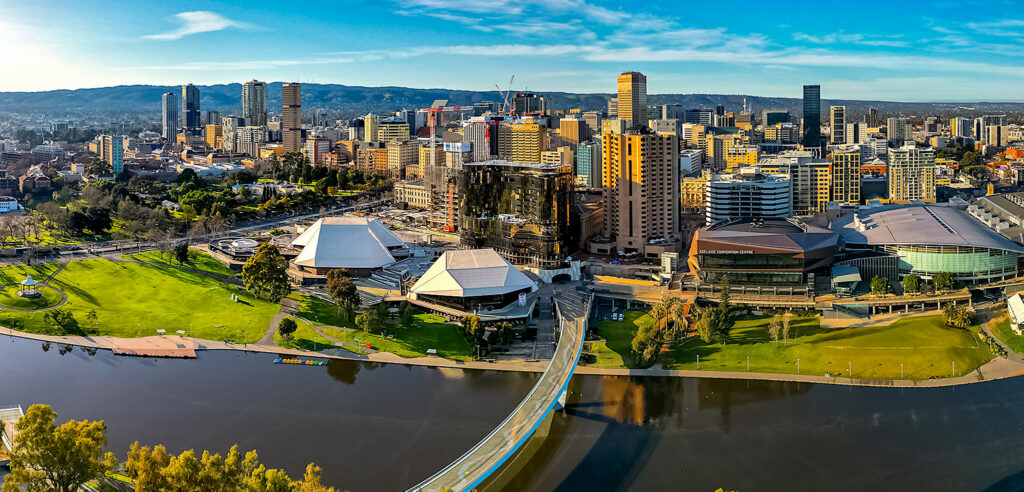
Here’s what makes 2026 the year to visit: the Adelaide Central Market is doubling in size with a $400 million expansion, new luxury hotels are opening, and the city’s festival calendar is packed. Whether you’re into wildlife, wine, art, or just great food, Adelaide delivers without the crowds you’d find in Sydney or Melbourne.
Is It Worth Visiting Adelaide, Australia?
Absolutely. Adelaide is worth visiting if you value quality experiences over tourist traps. This isn’t a city that screams for attention – it earns it through substance.
The “20-minute city” concept isn’t just marketing. From downtown Adelaide, you can reach Glenelg Beach in 20 minutes by tram, the Adelaide Hills in 20 minutes by car, and even the Barossa Valley in about an hour. Try doing that in Sydney or Melbourne.
What really sets Adelaide apart is its approachability. The city grid is walkable, the free city connector bus runs regularly, and locals actually make eye contact and chat. It’s a refreshing change from the hustle of bigger Australian cities.
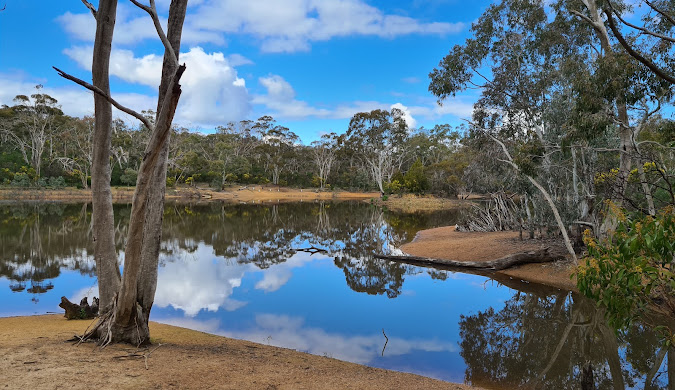

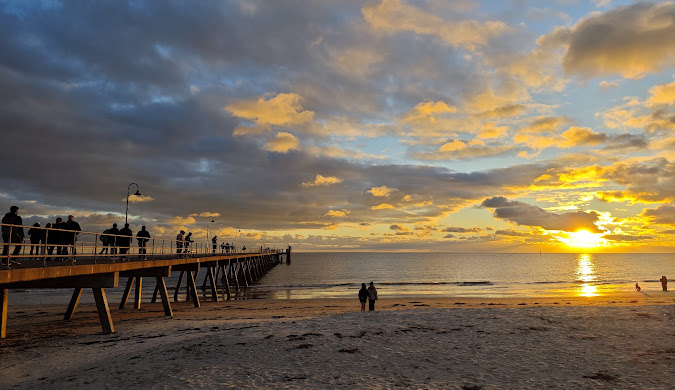
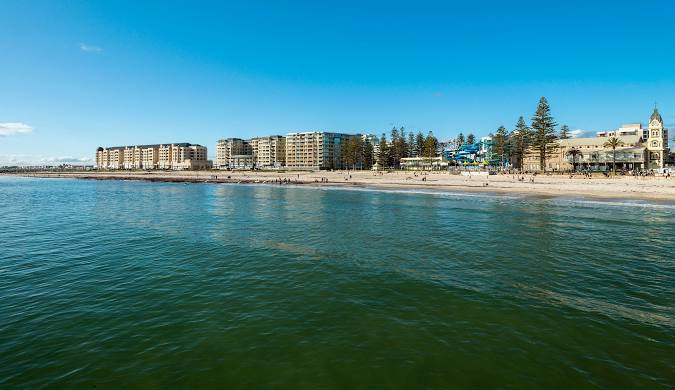
Plus, Adelaide was just named #1 Best Place to Travel in 2026 by both Yahoo! Creators and Condé Nast Traveler’s Oceania list. That recognition isn’t random – it reflects massive investments in tourism infrastructure and a food and wine scene that’s genuinely world-class.
What Is Adelaide Famous For?
Adelaide has earned its reputation across several distinct areas that make it stand out globally.
🎭 Festivals & Events (Fringe, OzAsia)
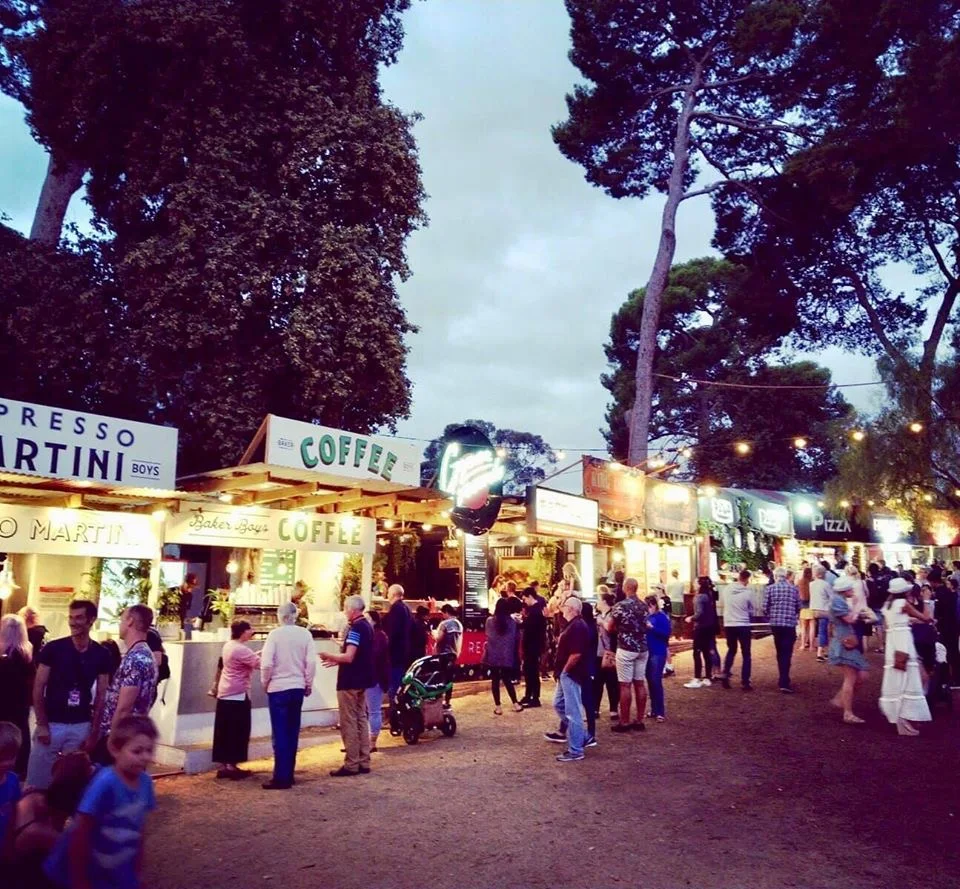
Adelaide is Australia’s festival capital, period. The Adelaide Fringe Festival runs from February 20-March 22, 2026, and it’s the world’s second-largest arts festival after Edinburgh. We’re talking 1,400+ shows, 6,000+ artists, and 500+ venues across 31 days. From underground comedy in hidden bars to world-class theater, the Fringe transforms the entire city.
The festival is completely open-access, meaning anyone can perform. This creates an electric mix of established acts and raw emerging talent. Main
hubs like The Garden of Unearthly Delights and Gluttony become temporary cultural villages with food, drinks, and performances running late into summer nights.

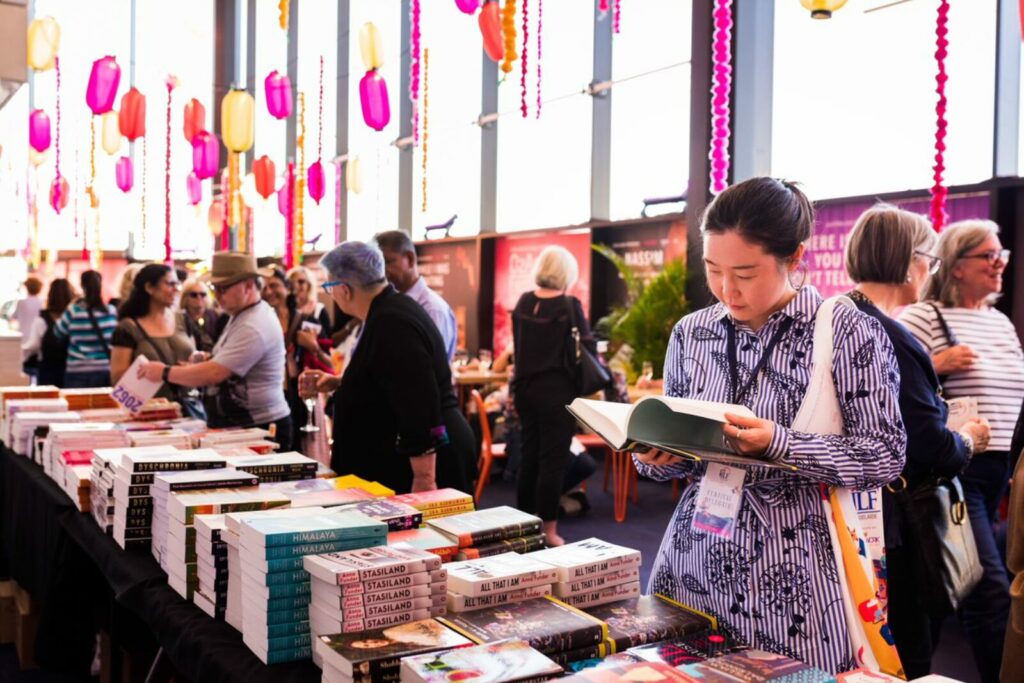
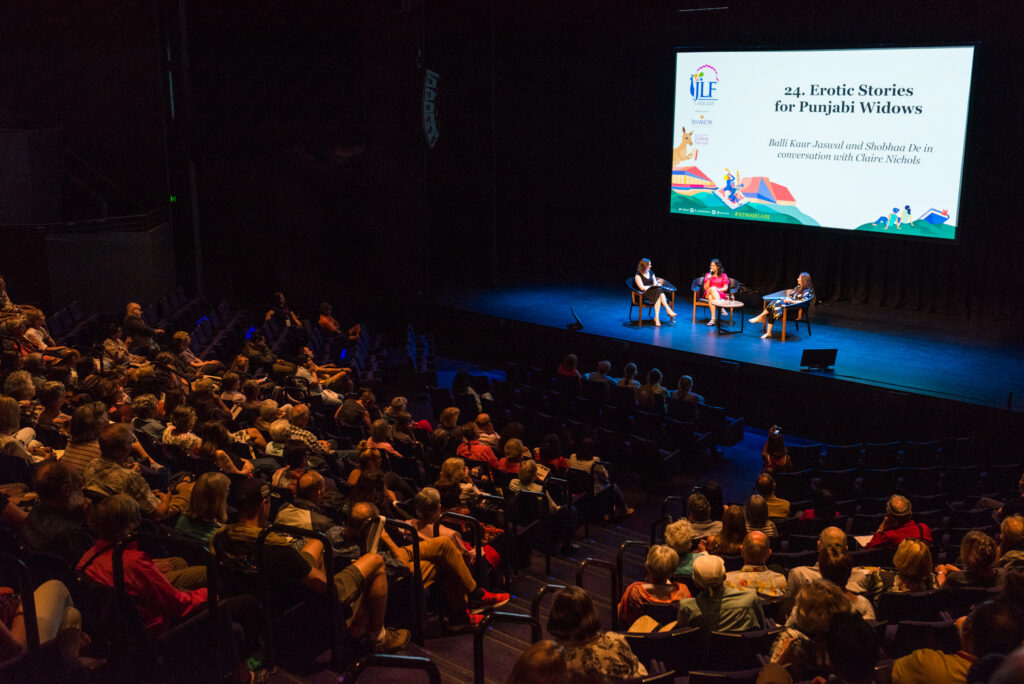
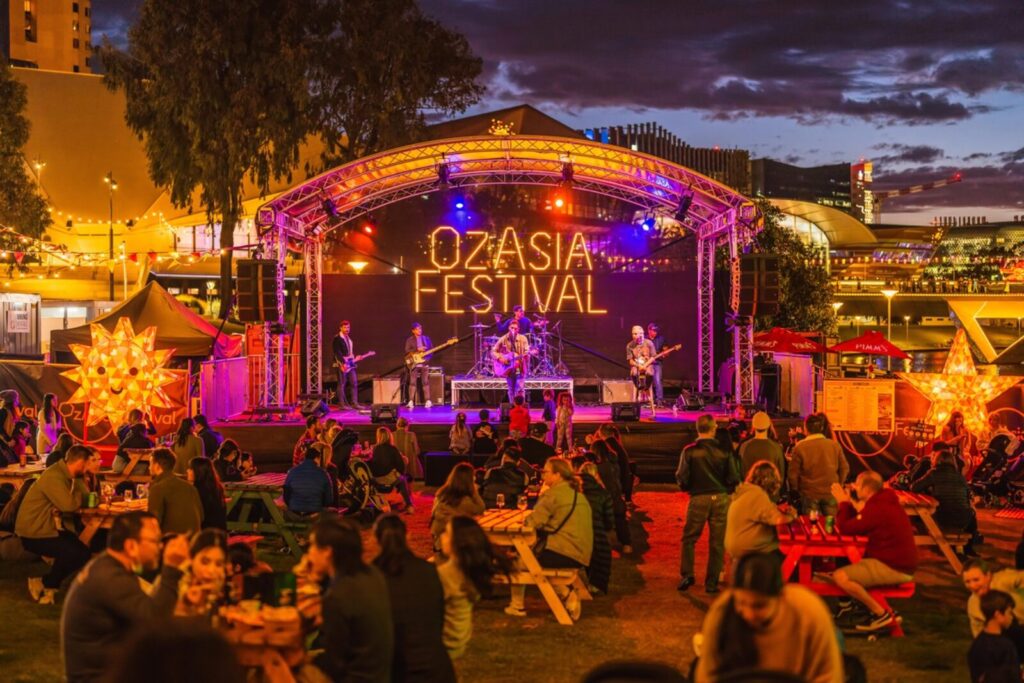
WOMADelaide (World of Music and Dance) and OzAsia Festival round out the cultural calendar, bringing global artists to Adelaide’s stages. In my years coordinating tours, I’ve never seen travelers disappointed by Adelaide’s festival scene.
🍷 World-Class Food & Wine (Central Market, Barossa)
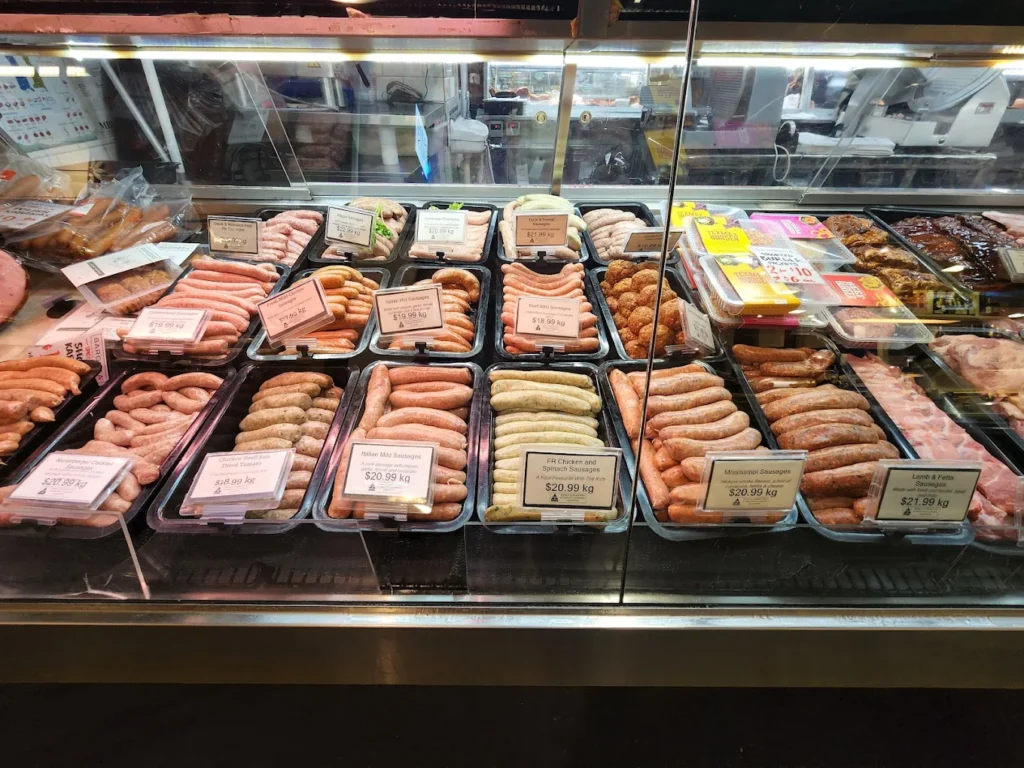
The Adelaide Central Market is South Australia’s most visited attraction, drawing 8 million visitors annually. The 2026 expansion will double its footprint to 6,760 square meters with 53 new tenancies, creating one of the Southern Hemisphere’s premier food destinations.
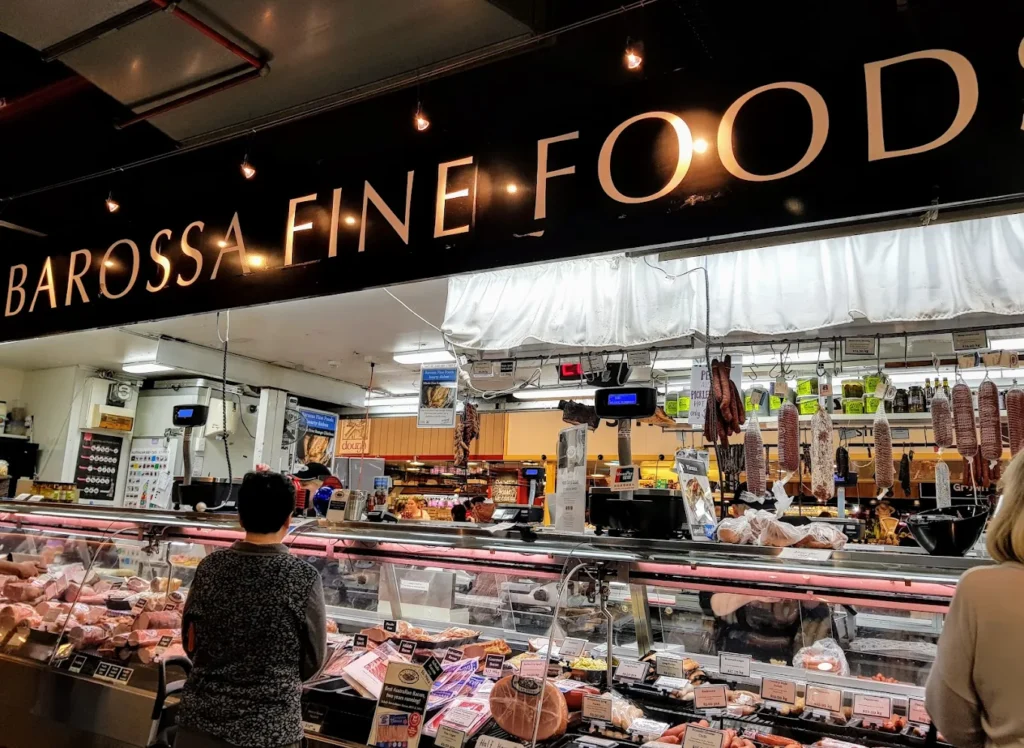
Beyond the market, Adelaide sits at the heart of Australia’s wine country. The Barossa Valley produces legendary Shiraz with 2021 being called one of the greatest vintages in the region’s history. McLaren Vale, just 38 kilometers south, offers Mediterranean climate wines and coastal charm. Both regions are day-trip accessible from Adelaide.
🏖️ Beaches, Parks & Outdoor Life
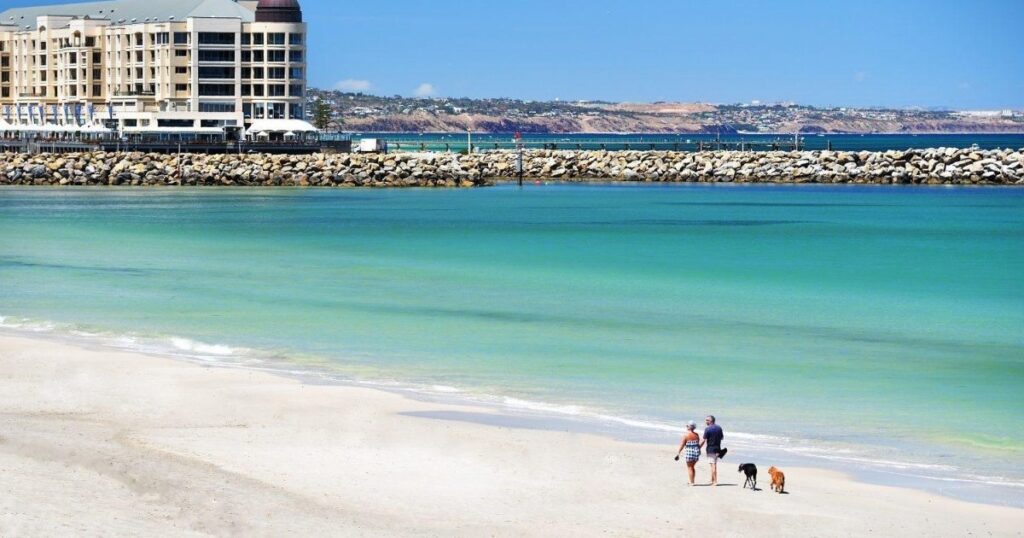
Glenelg Beach is Adelaide’s crown jewel – a 20-minute tram ride from the CBD delivers you to white sand, clear water, and the Moseley Beach Club (Australia’s only official beach bar). The Glenelg Jetty, originally built in 1859, stretches into Holdfast Bay and offers sunset views that’ll make your Instagram followers jealous.
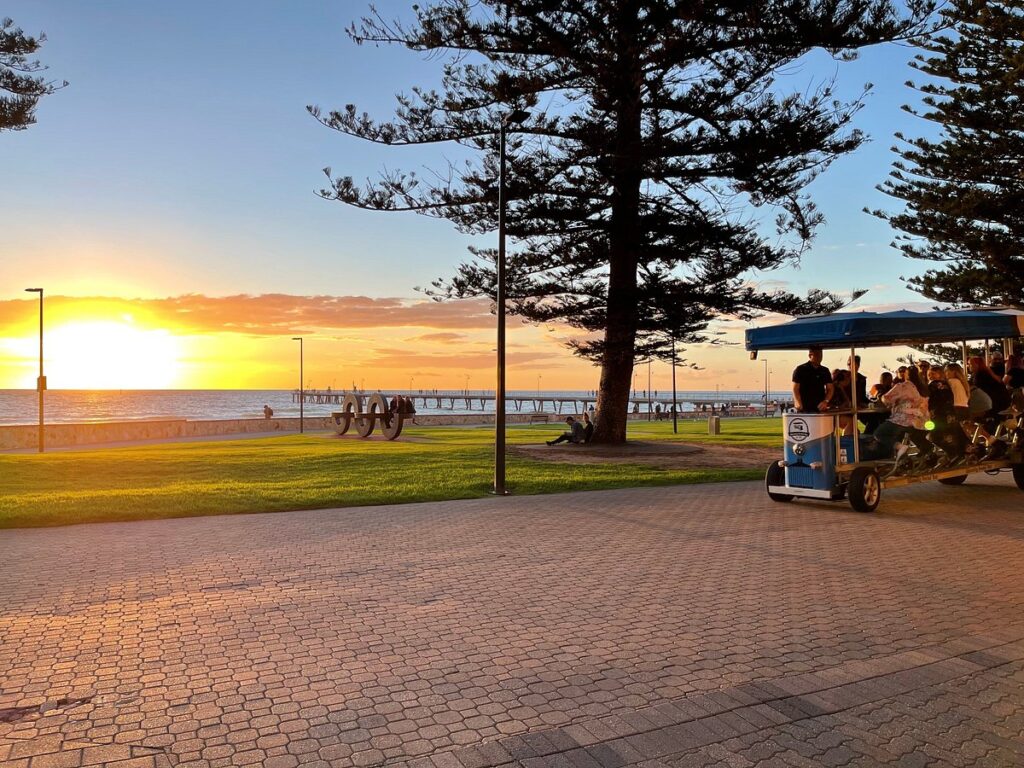
The city is surrounded by park lands – a green belt that separates the urban core from suburbs. Adelaide Botanic Garden showcases native and exotic plants in perfectly maintained grounds, while the River Torrens linear park provides cycling and walking paths through the city.
🪃 Indigenous Culture & Art (Focus on Tandanya & Kaurna Traditions)
Tandanya National Aboriginal Cultural Institute is Australia’s oldest Aboriginal-owned and operated multi-arts center, reopening in February 2026 after major renovations. The name comes from Tarndanya, the Kaurna people’s word for Adelaide, meaning “place of the red kangaroo.”
The Kaurna people are the traditional custodians of the Adelaide Plains. Their territory extends from Cape Jervis in the south to Port Wakefield in the north. The Kaurna Walking Trail links 17 significant sites along the River Torrens (Karrawirra Pari) to Victoria Square (Tarntanyangga), offering insights into thousands of years of continuous culture.
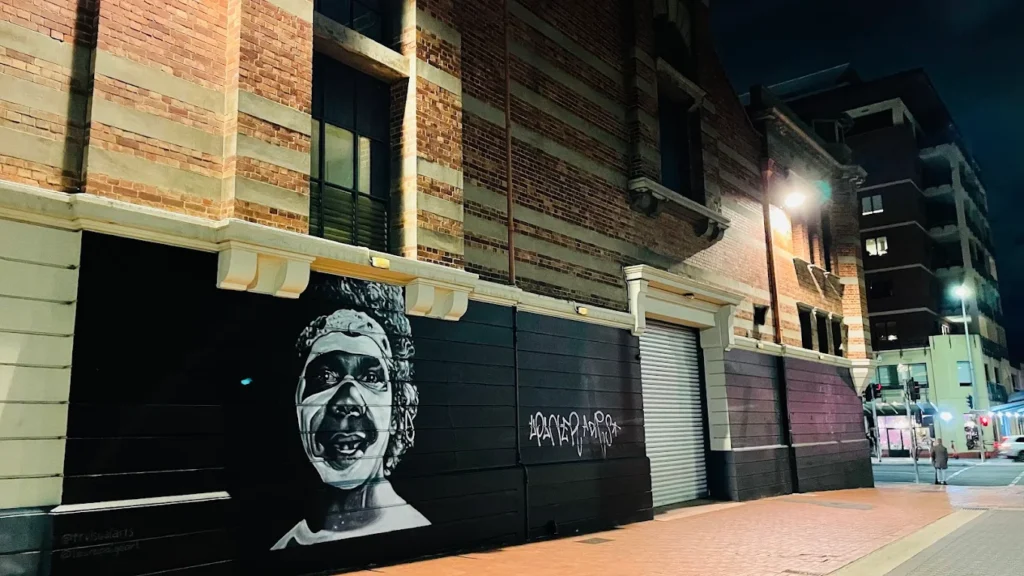
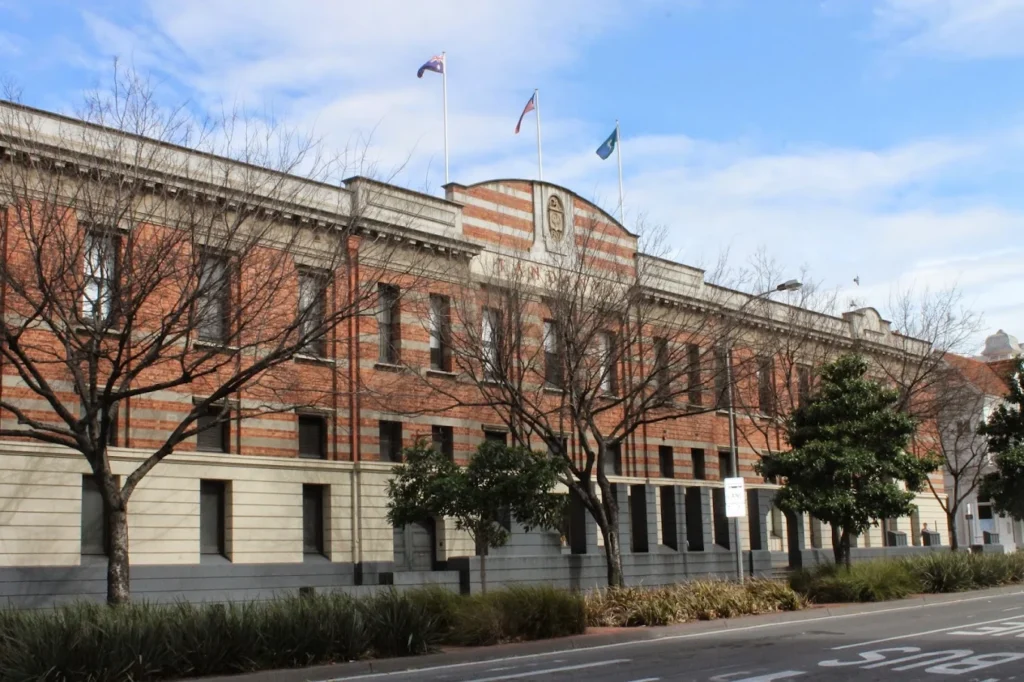
During Adelaide Fringe 2026, Tandanya will host performances with 55% Indigenous cast and crew, partnering with Gluttony to showcase First Nations music, theater, visual arts, and storytelling.
How Many Days in Adelaide Is Enough?
Here’s my honest take based on years of planning itineraries:
| Duration | What You Can Experience | Best For |
|---|---|---|
| 2-3 Days | City highlights, one beach day, one wine region | First-time visitors, quick getaways |
| 4-5 Days | City exploration, multiple wine regions, Adelaide Hills, Kangaroo Island day trip | Balanced experience |
| 1 Week | Deep dive into wine regions, 2-day Kangaroo Island, festivals, coastal drives | Wine lovers, nature enthusiasts |
Minimum recommendation: 3 days. This gives you time to experience the city’s culture, hit the beach, and explore one wine region without rushing.
If you’re visiting during Adelaide Fringe (February 20-March 22, 2026), add 1-2 extra days. The festival offerings are too good to squeeze into a packed itinerary.
What to Do in Adelaide for 3 Days — Itinerary
Day 1: Culture & City Exploration
Morning: Start at the Adelaide Central Market (open Tuesday, Thursday-Saturday, 7am-5:30pm; Friday 7am-9pm). Grab coffee from one of the artisan roasters and browse 70+ stalls selling everything from fresh produce to Haigh’s Chocolates (a South Australian institution since 1915).
Walk to North Terrace, Adelaide’s cultural boulevard. The Art Gallery of South Australia, South Australian Museum (free entry), and State Library are all here. The museum’s Aboriginal Australian Cultures Gallery is outstanding.
Afternoon: Explore Tandanya National Aboriginal Cultural Institute (reopening February 2026) for insights into Kaurna culture. Then wander through Rundle Mall for shopping and people-watching.
Evening: Dinner in one of Adelaide’s hidden laneway bars or at Shōbōsho, the Japanese izakaya that’s become a local favorite.
Day 2: Beaches & Seaside
Morning: Hop on the Glenelg Tram from Rundle Mall (runs every 15 minutes). The 35-minute ride is free within the city loop, then minimal cost to Glenelg.
Walk the Glenelg Jetty, built in 1859 and recently restored. The Bay Discovery Centre offers local history, while Jetty Road has cafes and boutique shopping.
Afternoon: Beach time! Glenelg Beach offers calm waters perfect for swimming, with lifeguards on duty. For adventure, book a dolphin swimming tour with Adelaide Ocean Safari or try stand-up paddleboarding.
Evening: Sunset drinks at Moseley Beach Club (summer season only), Australia’s only official bar on the beach. Watch the sun dip into Gulf St Vincent with toes in the sand.
Day 3: Wildlife & Wine
Morning: Choose your adventure:
- Kangaroo Island Day Trip: 16-hour tour including ferry, wildlife encounters at Seal Bay Conservation Park, and natural wonders like Remarkable Rocks
- Barossa Valley Wine Tour: Visit 3-4 cellar doors, lunch at a winery, explore 80+ options from iconic names to boutique producers
Afternoon/Evening: If you chose wine touring, you’ll return to Adelaide by late afternoon. If Kangaroo Island, you’ll arrive back around 9:30pm.
Pro tip from my years organizing tours: Book wine tours on weekdays when crowds are lighter and winemakers have more time to chat.
Best Things to Do in Adelaide Australia (By Interest)
🏛️ Must-See Attractions
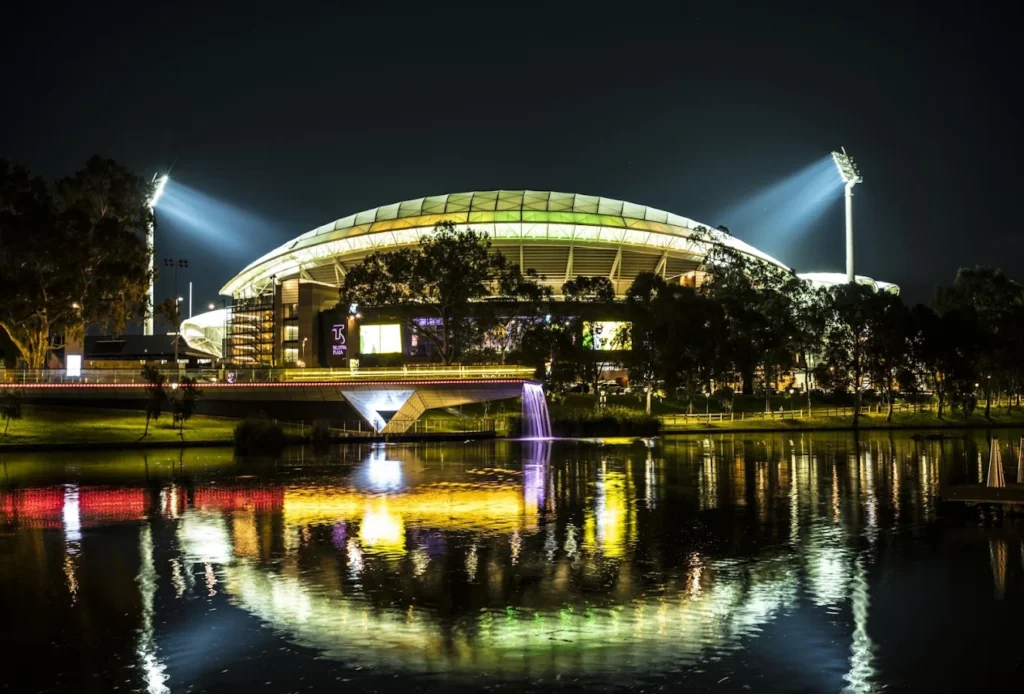
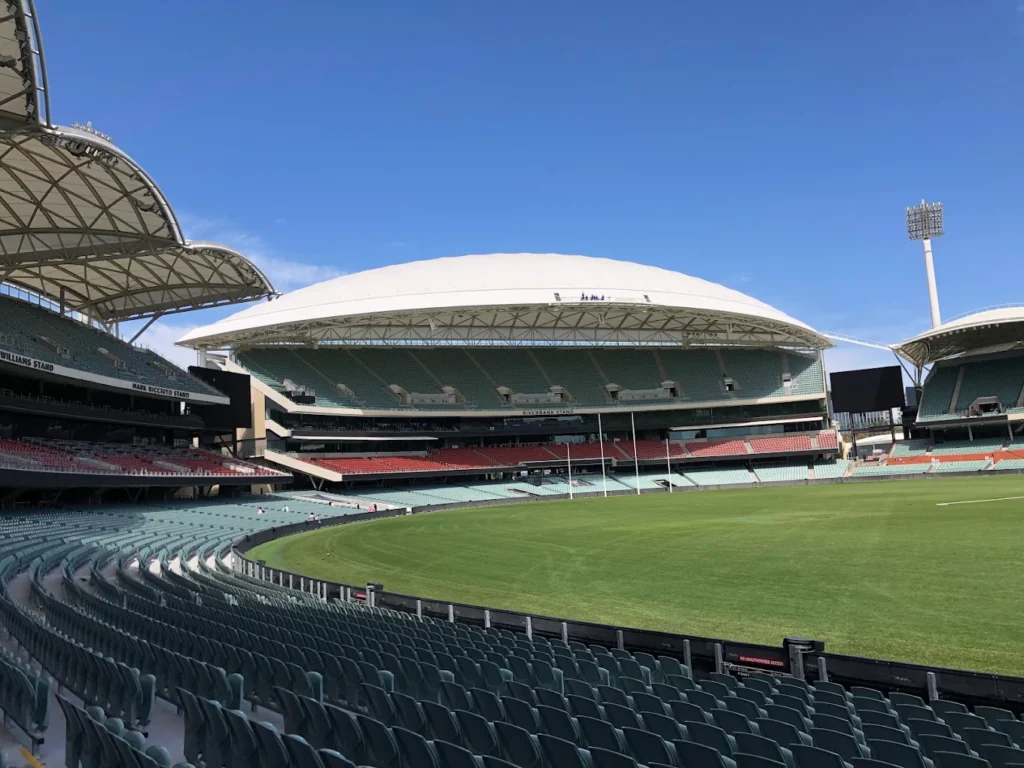
Adelaide Oval –
Australia’s most beautiful cricket ground hosts international cricket, AFL football, and concerts. The RoofClimb experience offers 360-degree views of the city and Adelaide Hills.
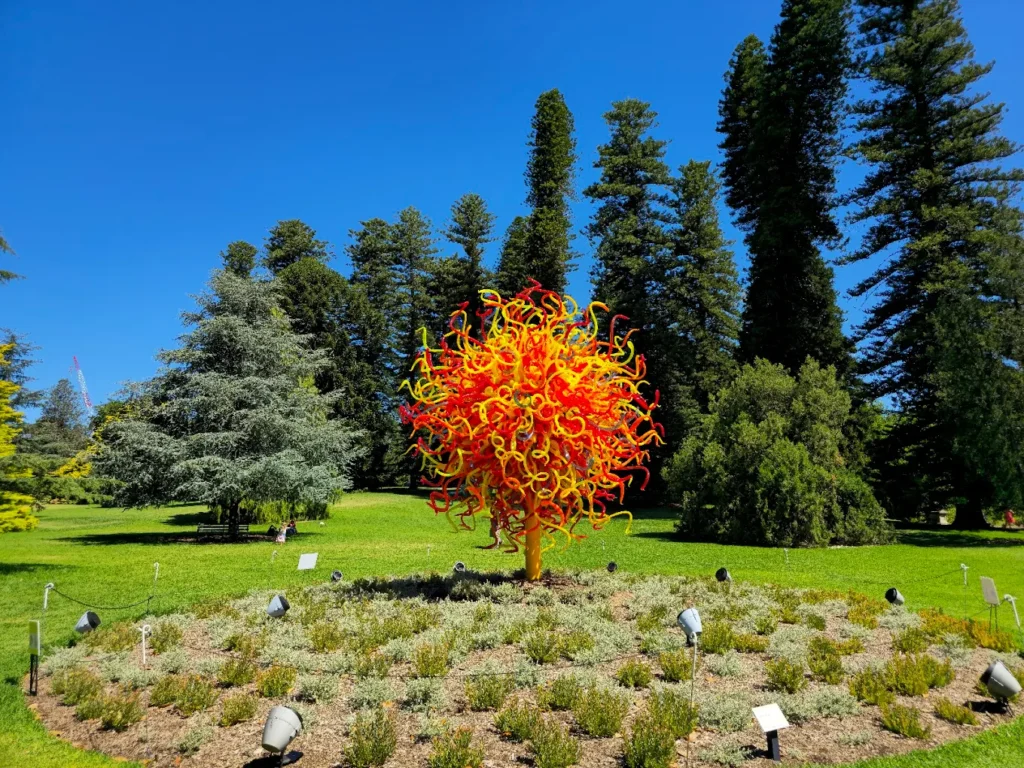
Adelaide Botanic Garden –
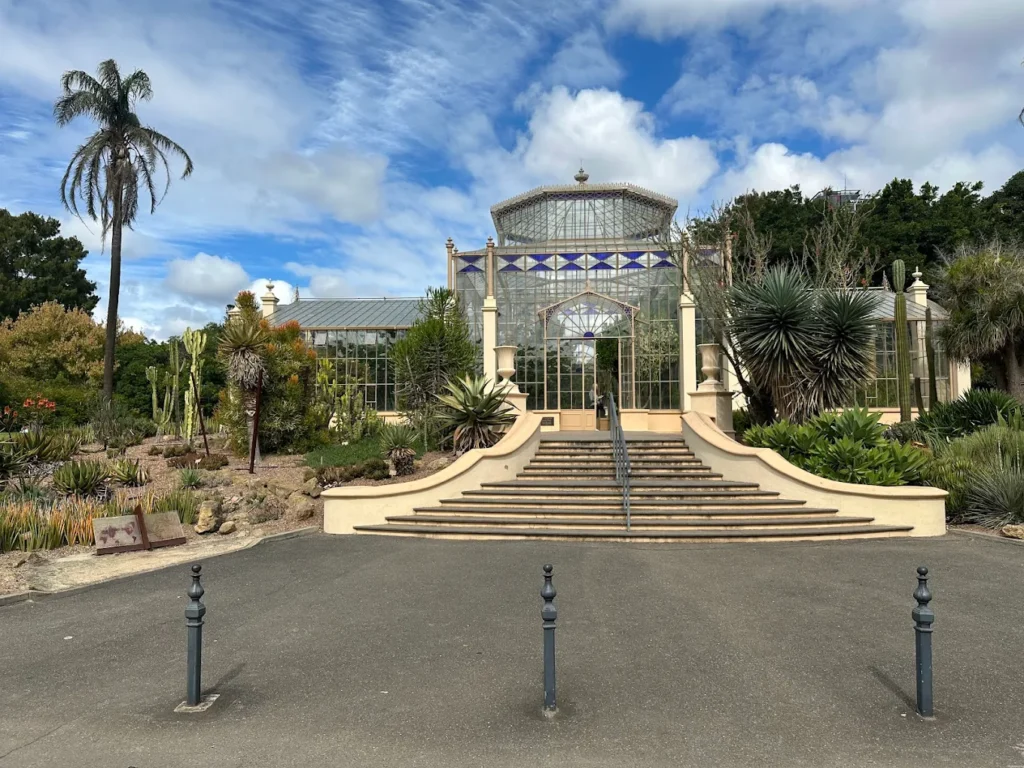
51 hectares of themed gardens including the stunning Bicentennial Conservatory, the largest single-span conservatory in the Southern Hemisphere.
Adelaide Central Market – Opening late 2026 with expanded footprint, Market Square development adds Australia’s first Treehouse Hotel, rooftop gardens, and 50+ new food tenancies.
🌿 Outdoor & Nature Activities
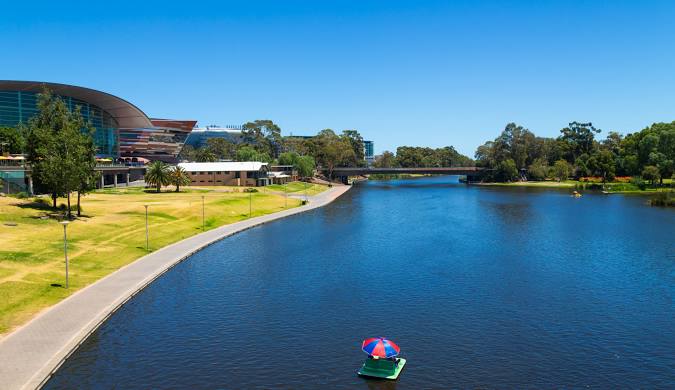
River Torrens – Rent a Popeye boat (those quirky green paddle boats) or cycle the Linear Park Trail that stretches for kilometers.
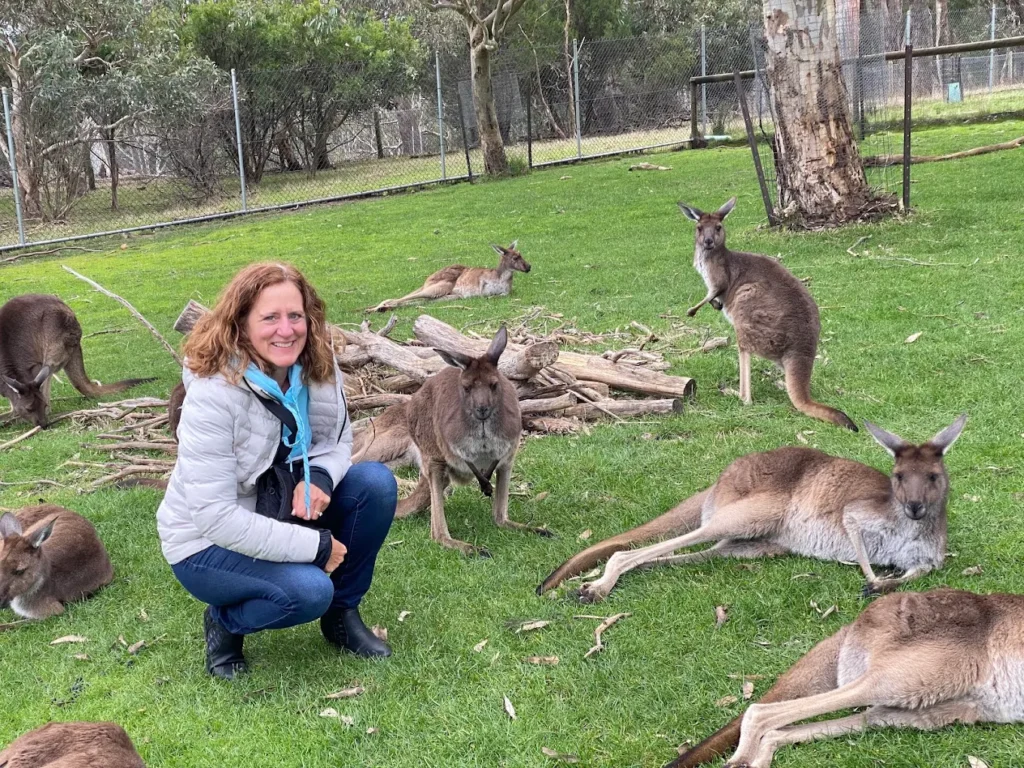
Cleland Wildlife Park – 20 minutes from city center in the Adelaide Hills. Walk among free-roaming kangaroos, hold a koala (extra fee), and see native Australian wildlife.
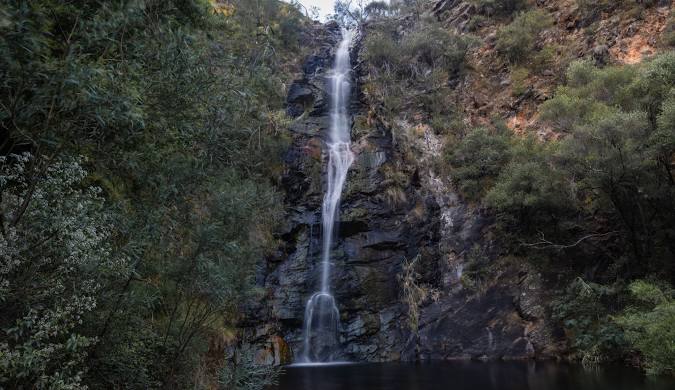
Waterfall Gully to Mount Lofty Summit – 3.5km hike gaining 400 meters elevation. Summit views extend across Adelaide to the coast.
🍷 Wine & Food Experiences
Barossa Valley (1 hour north) – 80+ cellar doors including iconic Penfolds, Henschke, and Seppeltsfield (home to 100-Year-Old Para Vintage Tawny 1925, rated 100 points in 2026 South Australian Wine Guide).
McLaren Vale (45 minutes south) – 70+ cellar doors with coastal views. d’Arenberg Cube offers structured tastings and the Alternative Realities Museum. SummerVines Festival (January 16-26, 2026) showcases regional wines and farm-to-table dining.
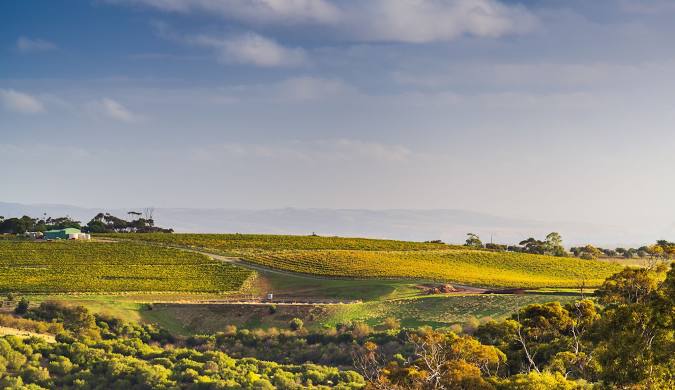
Adelaide Hills (25 minutes east) – Cool-climate wines, particularly Chardonnay and Sauvignon Blanc. Charming villages like Hahndorf (Australia’s oldest surviving German settlement) offer European vibes.
👨👩👧👦 Family-Friendly Things
The Beachouse, Glenelg – Indoor water park with slides, splash zones, and mini-golf. Perfect for hot days with young kids.
South Australian Museum – Free entry, with outstanding natural history displays. The Pacific Cultures and Australian Aboriginal Cultures galleries are world-class.
Adelaide Zoo – 8 hectares housing 3,000+ animals and 250 species. Giant pandas Wang Wang and Fu Ni are the stars.
🌃 Nightlife & Unique Things to Do
Peel Street & Leigh Street – Hidden laneway bars serving craft cocktails. Pink Moon Saloon and Maybe Mae are local favorites.
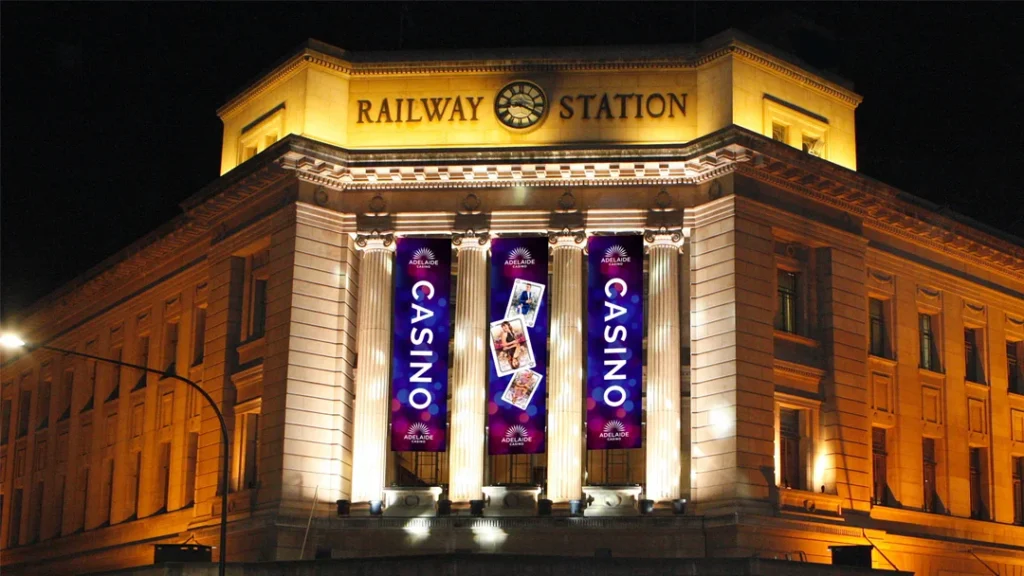
Adelaide Casino – For those feeling lucky, the casino on North Terrace offers gaming, dining, and entertainment.
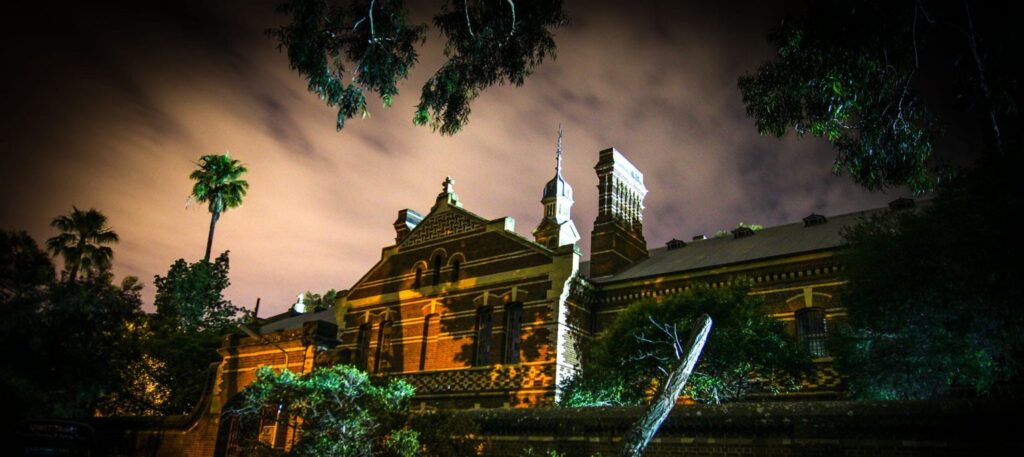
Ghost Tours – Z Ward at Glenside Hospital offers paranormal tours of South Australia’s last operating criminal lunatic asylum (closed in 1973). Not for the faint-hearted.
What Not to Miss in Adelaide
Here’s my insider list of experiences that separate tourists from travelers:
Sunrise at Glenelg Jetty – Skip the crowds. A 6am walk on the jetty as the sun rises over the hills is magical and you’ll have it mostly to yourself.
Secret Wine Bars – Ask locals about the latest hidden cellar doors. Adelaide’s wine scene constantly evolves with new boutique operations opening regularly.
Local Food Hacks – Adelaide Central Market on Friday nights (until 9pm) has a completely different vibe than daytime – live music, wine tastings, and a party atmosphere.
Free City Connector Bus – Route 99C loops through the CBD for free. It’s not advertised heavily to tourists, but locals use it constantly.
Adelaide Fringe Opening Night – If you’re in town for Fringe 2026 (February 20), the opening night street party is unforgettable. The entire East End becomes one massive celebration.

What Is There to See in Adelaide Australia?
Quick-scan list for planners:
✅ Adelaide Central Market – Fresh produce, artisan foods, 70+ stalls
✅ Glenelg Beach – White sand, historic jetty, beach bar
✅ Adelaide Oval – Iconic stadium, RoofClimb experience
✅ Tandanya Cultural Institute – Indigenous art and culture (reopens Feb 2026)
✅ Adelaide Botanic Garden – 51 hectares of themed gardens
✅ Barossa Valley – World-famous wine region, 80+ cellar doors
✅ McLaren Vale – Coastal wine region, Mediterranean vibes
✅ Kangaroo Island – Wildlife sanctuary, 3rd largest Australian island
✅ Adelaide Hills – Cool-climate wines, German villages
✅ South Australian Museum – Natural history, Aboriginal culture (free)
✅ North Terrace – Cultural boulevard, galleries, library
✅ River Torrens – Linear park, Popeye boats, cycling paths
✅ Cleland Wildlife Park – Kangaroos, koalas, native wildlife
✅ Rundle Mall – Shopping precinct, city center
✅ Adelaide Zoo – Giant pandas, 3,000+ animals
Must Do in Adelaide Australia (Insider Tips)
⏰ Best Time to Visit
February-March (summer/autumn) for Adelaide Fringe and warm beach weather. Temperatures range 25-30°C (77-86°F). This is peak season – book accommodation early.
September-November (spring) offers beautiful weather (18-24°C / 64-75°F), fewer crowds, and lower prices. Wine regions are spectacular with spring blooms.
Avoid January if you dislike extreme heat. Adelaide can hit 40°C+ (104°F+) during heat waves.
🚌 Transport Tips
Adelaide Metro runs buses, trains, and trams. The Glenelg Tram is the most useful for tourists – it runs from Victoria Square through Rundle Mall to Glenelg Beach.
Free City Connector (99C bus) loops the CBD every 15 minutes on weekdays, 30 minutes on weekends. It’s your best friend for getting around downtown.
MetroCard (rechargeable card) offers discounted fares versus cash tickets. Available at Adelaide Metro InfoCentres and many retailers.
Taxis and rideshares are readily available. Didi and Ola often have promotional discounts at Adelaide Airport.
🤝 Local Etiquette
Australians are friendly but direct. A simple “G’day” or “How’s it going?” goes a long way.
Tipping isn’t mandatory in Australia, but rounding up or 10% for excellent service is appreciated.
Sun protection is serious. Australia has the world’s highest skin cancer rates. Sunscreen, hat, and sunglasses are essentials, not suggestions.
Swimming safety – Only swim at patrolled beaches between the red and yellow flags. Adelaide’s beaches are generally safe, but riptides can occur.
What to Buy in Adelaide Australia
🍫 Haigh’s Chocolates
Founded in Adelaide in 1915, Haigh’s is Australia’s oldest family-owned chocolate maker. The Adelaide Central Market store offers free samples and beautifully packaged gifts. Their Dark Chocolate Frogs and Rocky Road are iconic.
🍷 Barossa Wine
Bring home a bottle (or case) from Barossa or McLaren Vale. Penfolds, Henschke, d’Arenberg, and Seppeltsfield all offer cellar door sales with expert advice on selections that travel well.
Pro tip: Many wineries ship internationally if you fall in love with more bottles than your luggage allows.
🎨 Authentic Indigenous Art
Tandanya (reopening February 2026) sells genuine Aboriginal and Torres Strait Islander artworks, with proceeds supporting artists and cultural programs. Look for authentication certificates to ensure you’re buying authentic pieces, not tourist knockoffs.
Arkaroola Aboriginal Art Gallery and other reputable dealers around North Terrace offer quality pieces ranging from affordable prints to investment-grade paintings.
🍯 Kangaroo Island Honey
Pure Ligurian bee honey from Kangaroo Island is unique to the region. Clifford’s Honey Farm products are available at Adelaide Central Market or direct from the island if you visit.
FAQs
Is Adelaide better than Sydney/Melbourne?
Different, not better or worse. Adelaide offers relaxed pace, accessibility, and value that Sydney and Melbourne can’t match. You won’t find Sydney’s iconic harbor or Melbourne’s laneway culture, but you also won’t battle crowds or pay premium prices for everything. If you value quality food and wine, easy beach access, and genuine local interactions, Adelaide wins.
Can Adelaide be a day trip base?
Yes, but you’ll miss the city itself. From Adelaide, Barossa Valley, McLaren Vale, Adelaide Hills, and Glenelg are all easy day trips. Kangaroo Island requires a full 16-hour day including ferry transfers. Base yourself in Adelaide and explore outward rather than rushing through.
Is Adelaide expensive?
Less expensive than Sydney or Melbourne. Expect meals at good restaurants for $25-40 per person, craft beer $8-12, coffee $4-5. Accommodation ranges from $100-150 for mid-range hotels to $300+ for luxury. Wine tours typically run $140-180 per person including tastings, lunch, and transport.
Public transport guide
Adelaide Metro operates buses, trains, and trams. MetroCard saves money versus cash fares. Single trip: $5.80 peak, $3.60 off-peak. Day pass: $10.80 for unlimited travel. The free city connector (99C) and Glenelg Tram within the CBD make getting around easy without a car.
Best time of year to visit?
February-March for festivals and summer weather, September-November for spring beauty and fewer crowds. June-August (winter) is quieter with cooler temperatures (10-16°C / 50-61°F) – perfect if you’re focused on wine regions and indoor attractions.
Adelaide in 2026 is having its moment. The Central Market expansion, Tandanya reopening, Adelaide Fringe, and international recognition as a top travel destination all coincide. The “20-minute city” delivers world-class experiences without the hassle of bigger capitals.
Whether you’re chasing world-famous wines, pristine beaches, Indigenous culture, or just great food, Adelaide offers it all within easy reach. The city’s approachability is its superpower – you can create an amazing trip without complex logistics or breaking the budget.
Pack your sunscreen, download the Adelaide Metro app, and prepare for a city that over-delivers on its promises.
About the Author: Wahid Ali
Wahid Ali is a seasoned travel professional and operations lead in the tourism industry with extensive experience in crafting travel experiences and destination insights. Based in Mumbai, he heads operations at Astamb Holidays, where he combines practical travel logistics expertise with engaging storytelling to help travelers explore hidden gems across India and beyond. His work blends expert travel planning with a passion for culturally rich and nature-oriented destinations.
Connect with him on LinkedIn: https://www.linkedin.com/in/wahid-ali-2aa84022/
References & Citations
This article is backed by authoritative sources, extensive research, and professional travel experience:
- Tourism Australia – Official Adelaide Guide: https://www.australia.com/en/places/adelaide-and-surrounds/guide-to-adelaide.html
- South Australia Tourism Commission: https://southaustralia.com
- Adelaide Fringe Official Website: https://adelaidefringe.com.au
- Adelaide Central Market Authority: https://adelaidecentralmarket.com.au
- City of Adelaide – Market Square Development: https://www.cityofadelaide.com.au/development-infrastructure/infrastructure/infrastructure-projects/market-square-and-central-market-expansion/
- Tandanya National Aboriginal Cultural Institute: https://www.tandanya.com.au
- Condé Nast Traveler – Best Places to Go in Oceania 2026: Referenced in Glam Adelaide coverage
- Yahoo! Creators – Best Places to Travel 2026: https://www.travelandtourworld.com/news/article/adelaide-tops-the-world-travel-list-for-2026
- SeaLink Kangaroo Island: https://www.sealink.com.au/kangaroo-island
- McLaren Vale Wine Region: https://mclarenvale.info
- Adelaide Metro Transport Information: https://adelaidemetro.com.au

Read More Articles;
- Okinawa Japan Travel Guide 2026: Culture, Beaches & Seasonal Blossoms (Ultimate Itinerary + Local Tips)
- Madeira Travel Guide 2026: Top Things to Do, Best Itineraries & Insider Tips
- Tinajani Canyon Peru: Ultimate Travel Guide to the Valley of Stone Giants, Elevation, Trails & FAQs
- Isla Suasi: The Complete Guide to Peru’s Private Lake Titicaca Island
- Ikara-Flinders Ranges — Complete Travel Guide for 2026