If you’re searching for what to do in Chiloé Island, you’ve just discovered Chile’s most magical destination. This mysterious archipelago off the southern coast combines ancient wooden churches, pristine rainforests, unique penguin colonies, and mouthwatering seafood traditions that you won’t find anywhere else on Earth.
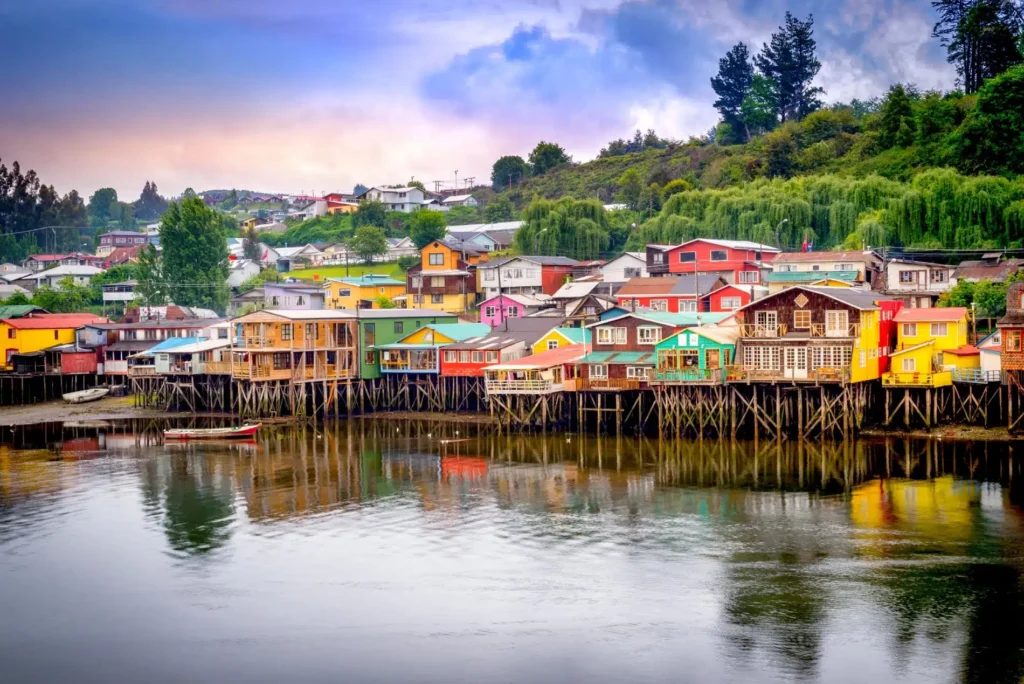
I’ve explored countless Chilean destinations, but Chiloé holds a special place in my travel memories. The moment the ferry crosses the Chacao Channel, you’ll feel like you’ve stepped into another world—one where myths and legends still shape daily life, where colorful stilt houses (palafitos) line the waterfront, and where the Mapuche culture blends seamlessly with Spanish colonial heritage.
This guide covers everything from UNESCO-listed churches to hidden beaches, helping you plan the perfect Chiloé adventure whether you have 2 days or 2 weeks.
Quick Reference: Chiloé Island at a Glance
| Category | Details |
| Location | Los Lagos Region, 700 miles south of Santiago |
| Best Time to Visit | December to March (summer season) |
| Main Towns | Castro, Ancud, Dalcahue, Chonchi, Quellón |
| Must-See Highlights | UNESCO wooden churches, Puñihuil penguins, curanto feast |
| Getting There | Ferry from Puerto Montt (30 mins) or direct flight to Castro |
| Budget | $50-80 USD per day (mid-range) |
| Weather | Rainy year-round; pack waterproof gear |
Why Visit Chiloé Island? 🌧️
Chiloé Island isn’t your typical Chilean destination—and that’s exactly why it’s incredible. While most travelers rush from Santiago to Patagonia, this 118-mile-long island rewards those who take the detour with experiences you simply can’t find elsewhere.
The Chiloé archipelago, Chile sits at the northern edge of Patagonia, separated from mainland Chile by the Chacao Channel. What makes it truly special is its cultural isolation. For centuries, Chiloé developed its own distinct identity, blending Mapuche culture Chiloé traditions with Spanish Jesuit influences. This cultural fusion created unique architectural styles, folklore filled with witches and ghost ships, and culinary traditions that predate European contact.
Here’s what makes Chiloé unforgettable: the weather. Locals joke about experiencing “four seasons in a day,” and they’re not exaggerating. The maritime climate brings frequent rain, mist, and dramatic cloud formations that create an almost mystical atmosphere. Bring layers and waterproof gear—you’ll need them. But this constant moisture also nourishes the Valdivian temperate rainforest, one of Earth’s rarest ecosystems, covering the western side of the island.
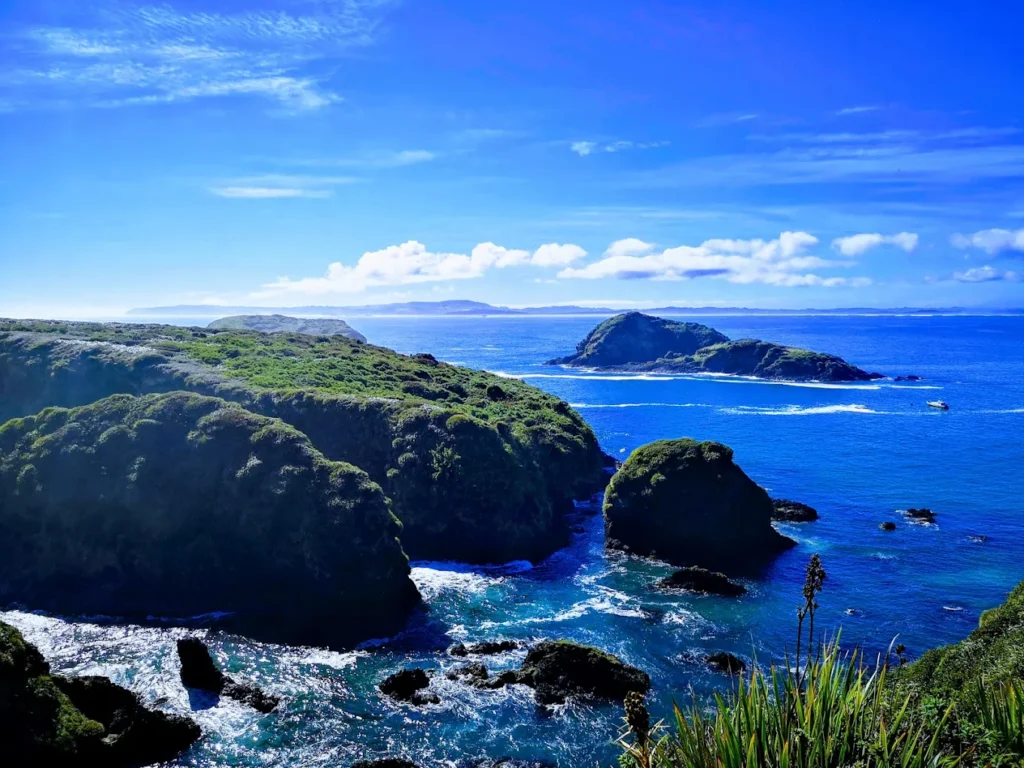
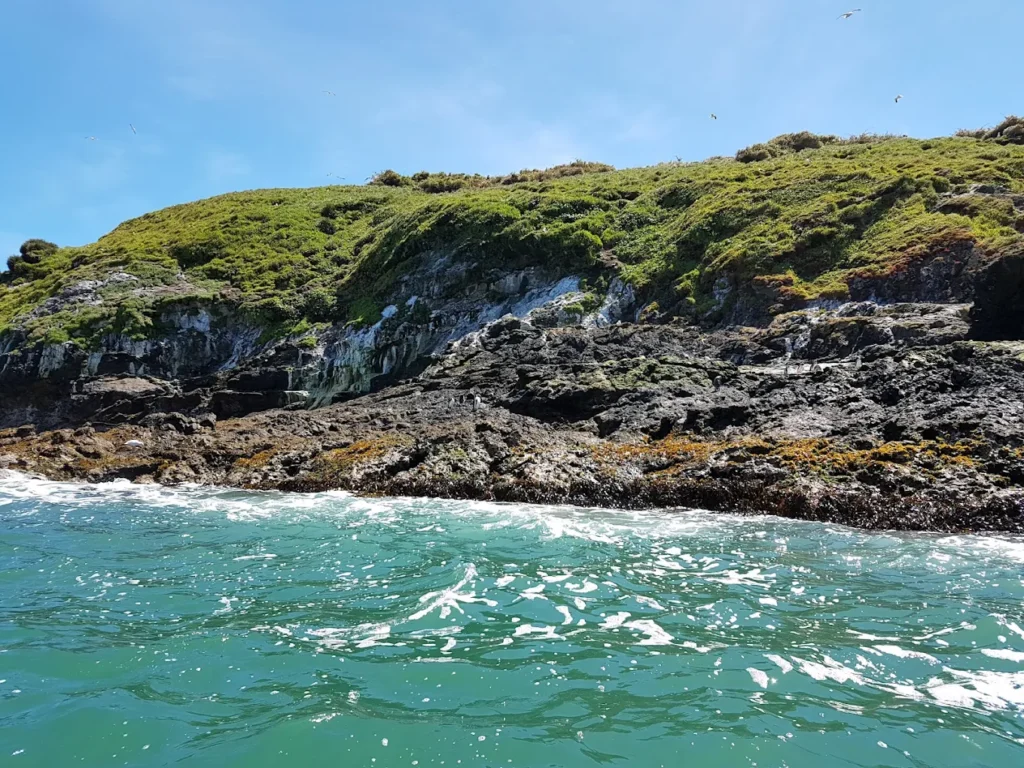
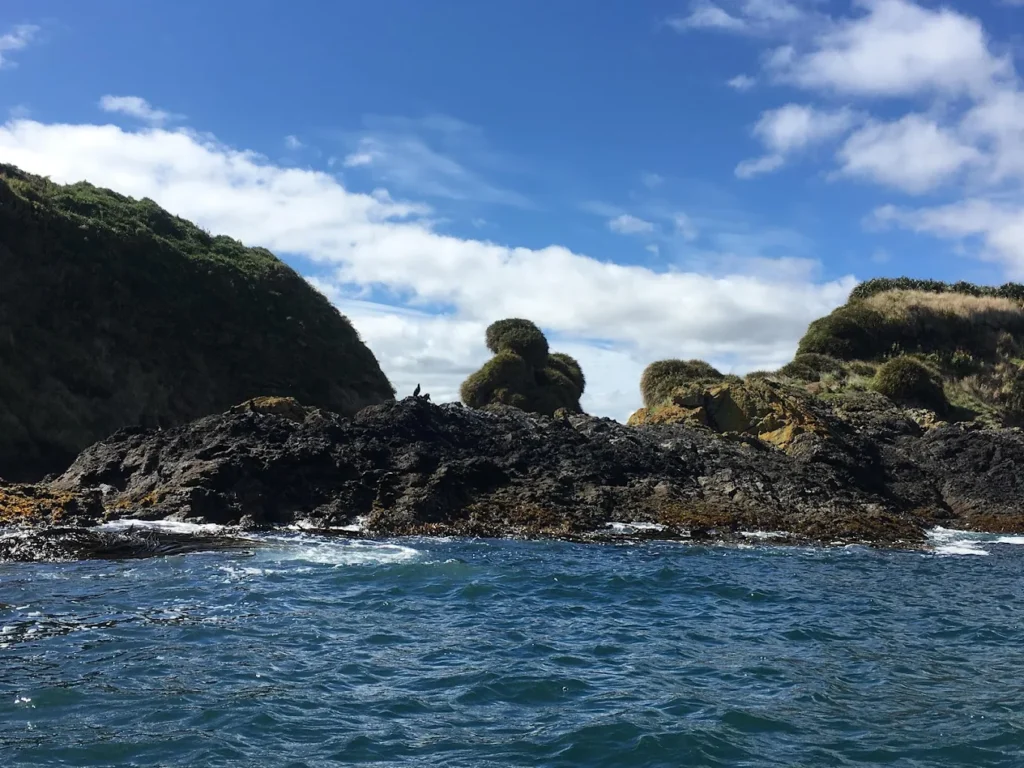
The landscape shifts dramatically as you explore. The eastern coast features gentle hills, colorful fishing villages, and calm inland seas perfect for kayaking. The western coast? Wild, rugged cliffs pounded by Pacific waves, with wind-bent forests that feel prehistoric. And down south, Tantauco Park Chiloé protects 291,000 acres of nearly untouched wilderness where Darwin’s foxes and pudú deer still roam.
Top Experiences on Chiloé Island You Can’t Miss 🏛️
Visit the UNESCO Wooden Churches ⛪
The wooden churches Chiloé UNESCO sites represent Latin America’s most unique ecclesiastical architecture. Between the 17th and 19th centuries, Jesuit missionaries established a “Circular Mission” system throughout the archipelago, traveling by boat to evangelize indigenous communities. When they needed permanent structures, local Chilote carpenters—masters at building wooden boats—applied their shipbuilding techniques to create churches without a single nail.
Sixteen of these wooden churches earned UNESCO World Heritage status in 2000, but over 150 still stand across the islands. The oldest is Santa María de Loreto in Achao (built in the 1730s), while the most photographed is San Francisco de Castro, with its striking yellow and purple facade overlooking the Plaza de Armas.
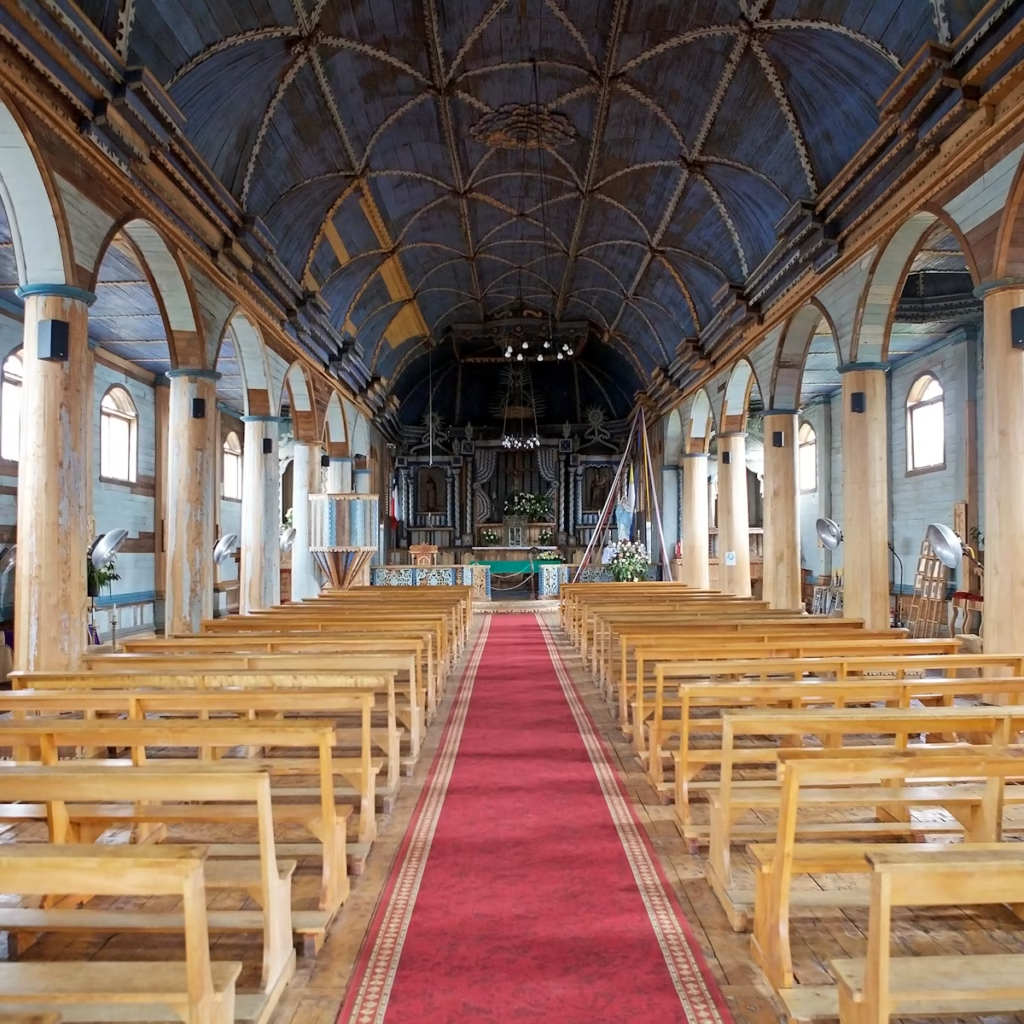
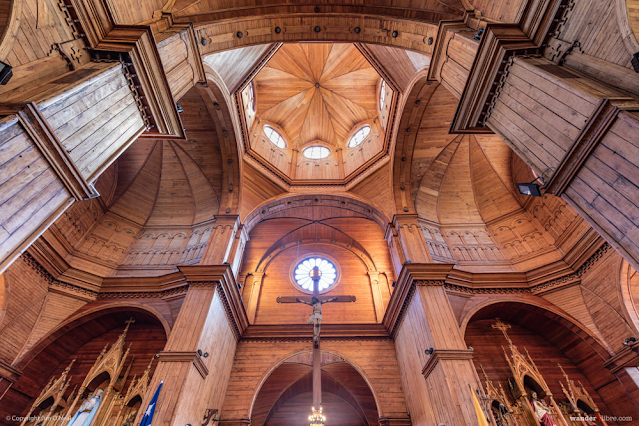
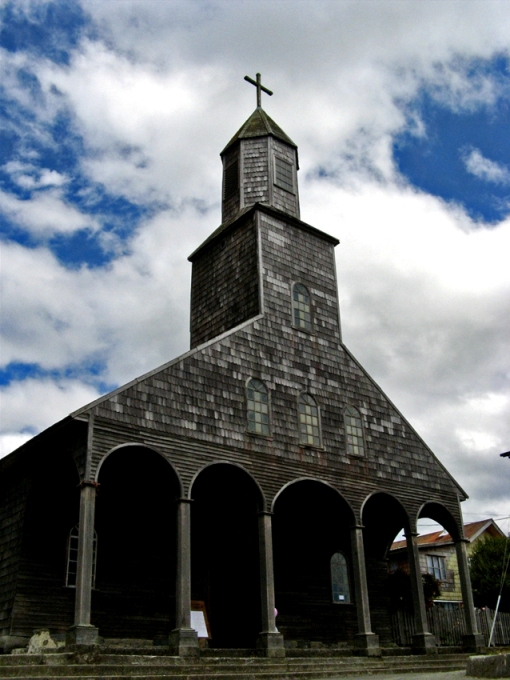
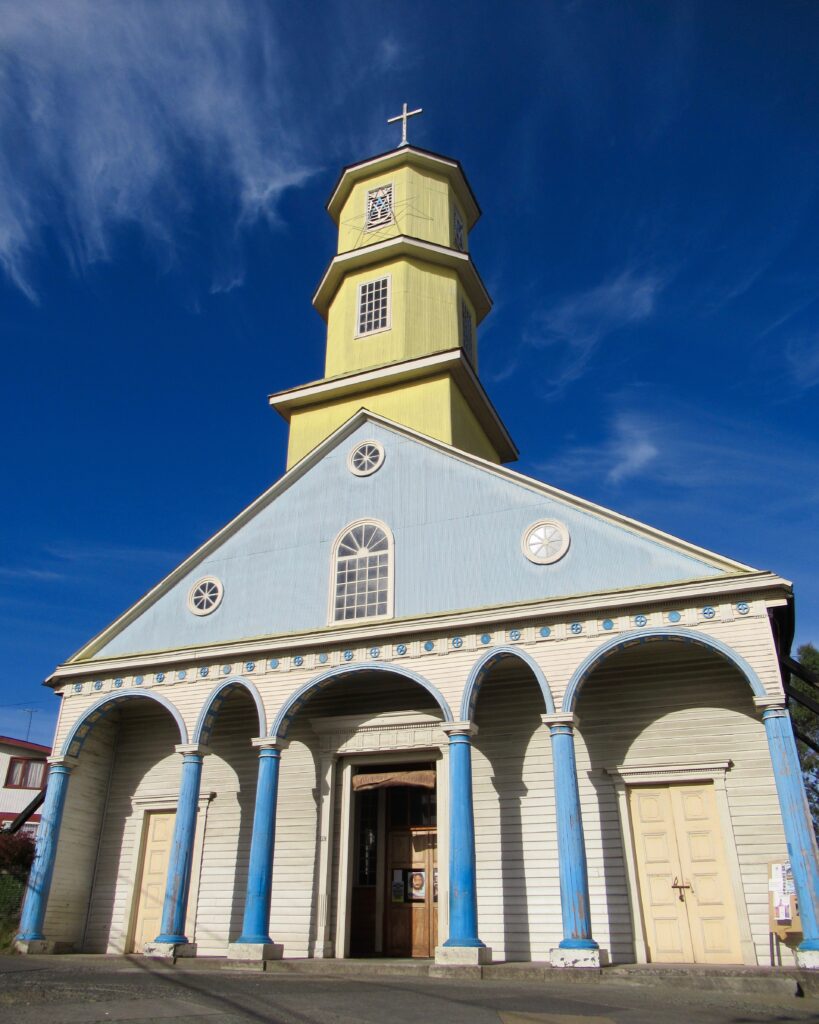
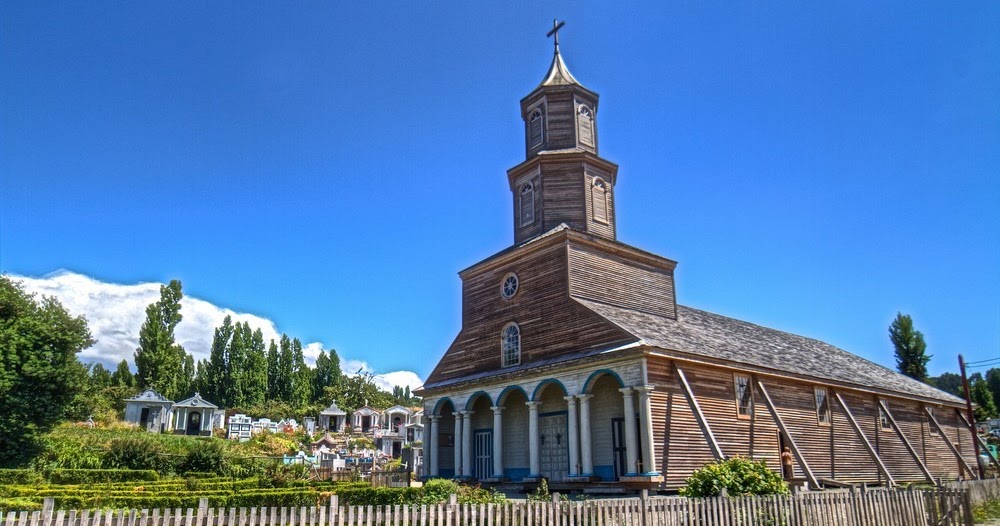
What’s remarkable about these churches isn’t just their construction—it’s how they blend European Baroque elements with indigenous craftsmanship. The vaulted ceilings mimic the ribs of boats, and the wooden shingles (made from alerce, coigüe, and larch) withstand Chiloé’s intense humidity. Many churches feature bright exterior colors—yellows, blues, oranges—that pop against the gray skies and green landscapes.
Pro tip: Visit Nuestra Señora del Patrocinio in Tenaún for the most Instagram-worthy shot. Its blue facade with painted stars is absolutely stunning, especially during golden hour. The churches in Dalcahue and Nercón (just 4 km from Castro) are also easily accessible and less crowded than Castro’s main church.
For photography enthusiasts, early morning offers the best light for capturing these architectural gems without tour groups. Most churches are open daily, though some smaller ones may only open for Sunday mass. Always dress respectfully when entering—these are active places of worship, not just tourist attractions.
Reference: UNESCO World Heritage Centre
Wildlife & Nature: Penguins and Primeval Forests 🐧
Penguin Colony at Islotes de Puñihuil
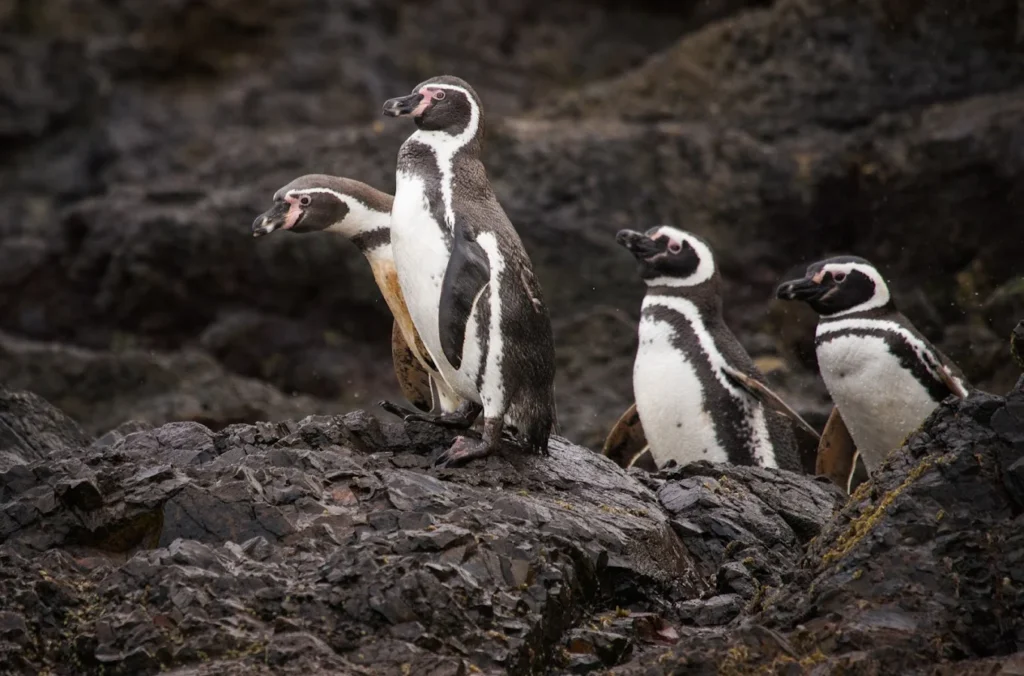
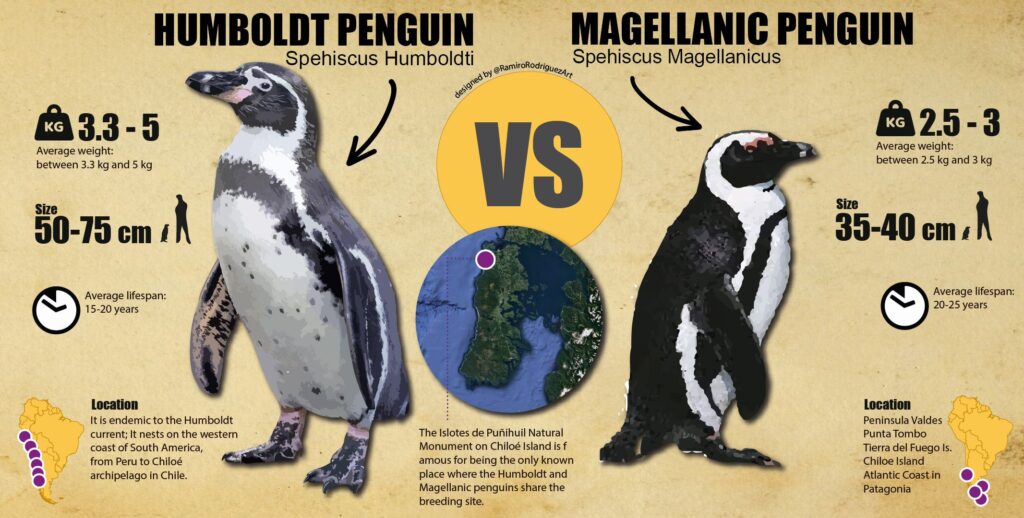
When wondering what to do in Chiloé Island, visiting the penguin colony Chiloé Island at Puñihuil tops most travelers’ lists—and for excellent reason. This is the only place on Earth where Humboldt and Magellanic penguins nest side by side, creating a unique wildlife spectacle.
The Islotes de Puñihuil Natural Monument, declared protected in 1999, consists of three rocky islets about 27 km southwest of Ancud. From October to March, thousands of penguins arrive to breed and raise their chicks. By January, you’ll see adorable penguin chicks waddling around alongside their parents.
Boat tours depart from Puñihuil Beach and last about 30 minutes, circling the islets while guides explain penguin behavior and point out other wildlife. You’ll also spot red-legged cormorants, Dominican gulls, Chilean dolphins, and occasionally sea otters (chungungos). The boats maintain a respectful distance from the nesting areas—bring binoculars or a zoom lens for close-up views.
Cost: 10,000 Chilean pesos ($10 USD) for adults, 5,000 pesos ($5 USD) for children
Best time: November through March, with January being peak chick season
Getting there: Drive 26 km from Ancud (40 minutes) or take a tour from Castro, Puerto Montt, or Puerto Varas
Reference: Go Patagonic – Puñihuil Guide
Tantauco Park: Into the Rainforest
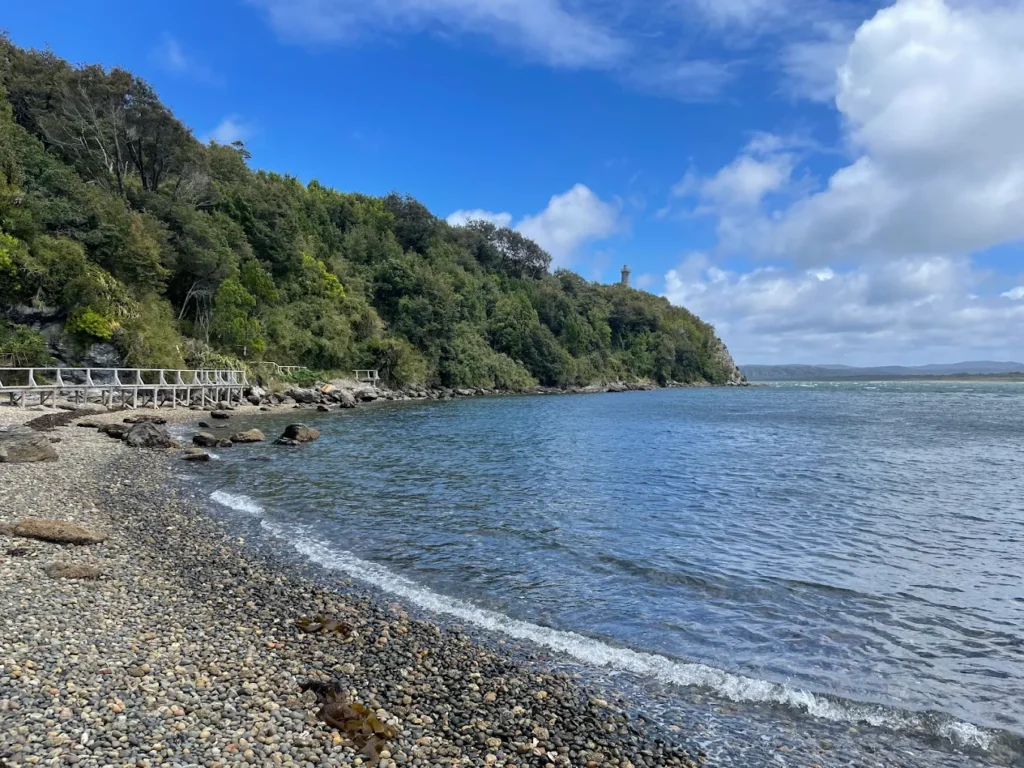
For serious nature lovers, Tantauco Park Chiloé offers Chile’s most remote and biodiverse hiking destination outside Torres del Paine. This 291,000-acre private reserve protects pristine Valdivian temperate rainforest, ancient Guaitecas cypress groves, and endangered species like Darwin’s fox and the tiny pudú deer.
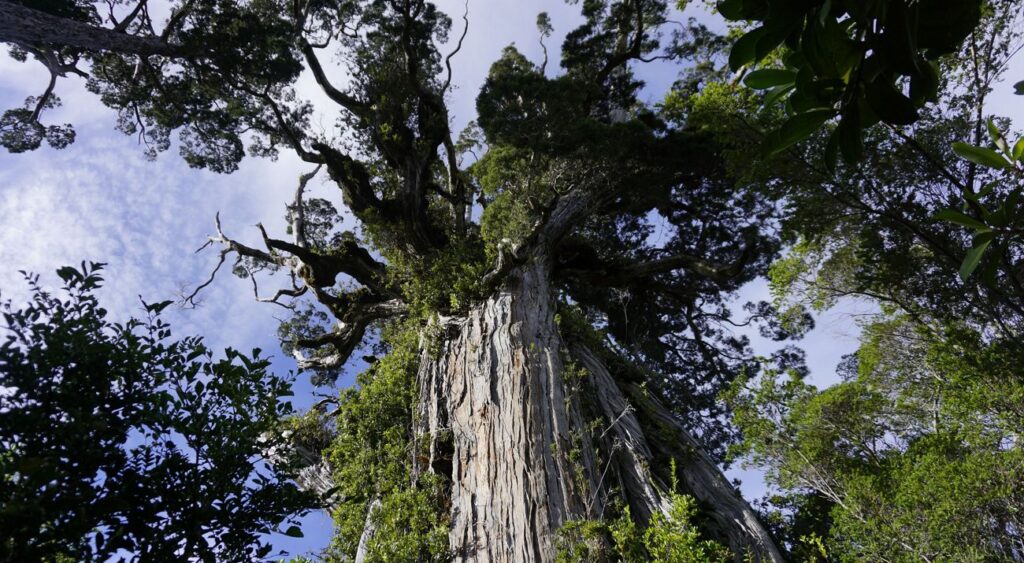
The park features 140 km of well-maintained trails ranging from easy day hikes to challenging multi-day treks. The famous Sendero Transversal (Transversal Trail) is a 52-km, 5-day hut-to-hut trek through the heart of the park, traversing moss-draped forests, peat bogs, mountain passes, and ending at a stunning Pacific coastline.
Even if you’re not up for multi-day trekking, the shorter trails near Lake Chaiguata offer incredible old-growth forest experiences. Expect to walk on wooden boardwalks through fern-covered landscapes that look like something from Jurassic Park. The ecosystem here is so intact that you might encounter 2,000-year-old trees and rare wildlife.
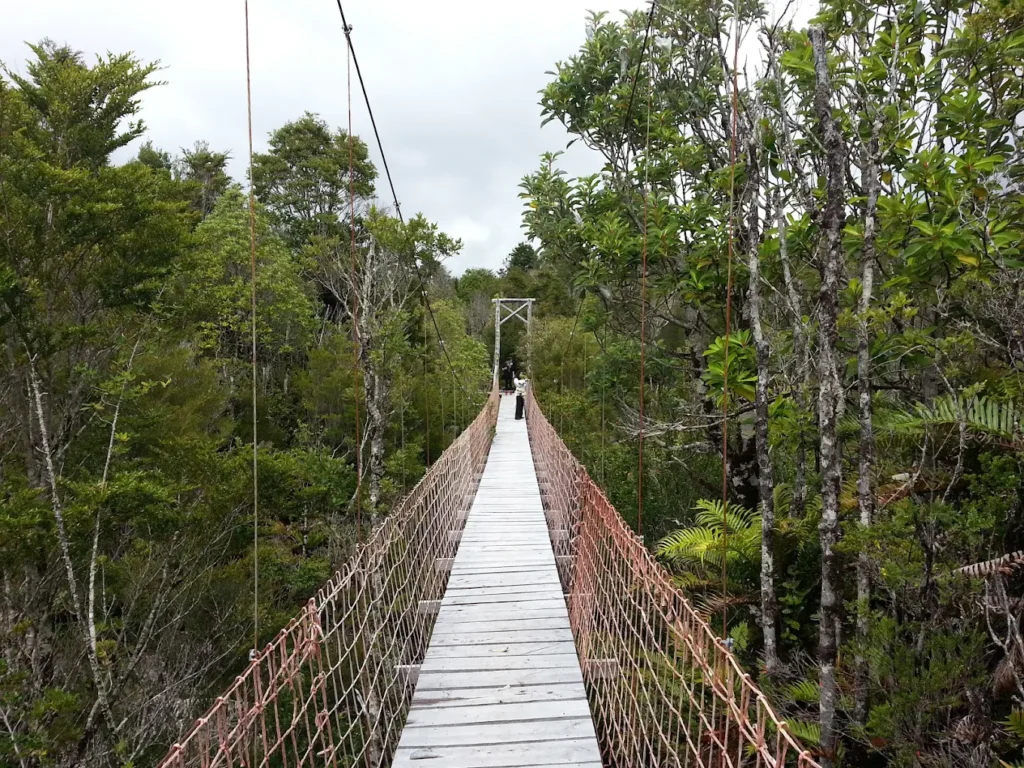
Important: Tantauco requires advance reservations for overnight stays. The weather is extremely wet (2,500mm annual rainfall), so bring quality rain gear. High-clearance or 4WD vehicles are recommended, especially during winter months.
Access: From Castro, drive south to Quellón, then follow signs to Tantauco (3-4 hours total). Entry at Yaldad has shorter trails; Chaiguata area has camping, domes, and trailheads.
Reference: Parque Tantauco Official Site
Culinary Immersion: Curanto and Chilote Cuisine 🍲
The absolute highlight of what to do in Chiloé Island culinarily is experiencing curanto dish, an ancient cooking method dating back over 11,000 years. This isn’t just a meal—it’s a cultural ceremony that brings communities together.
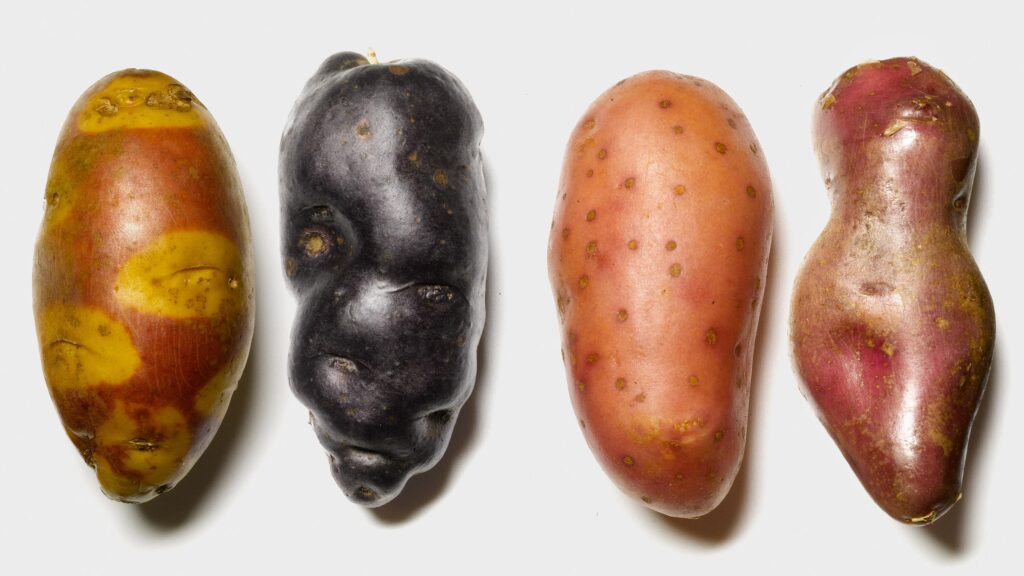
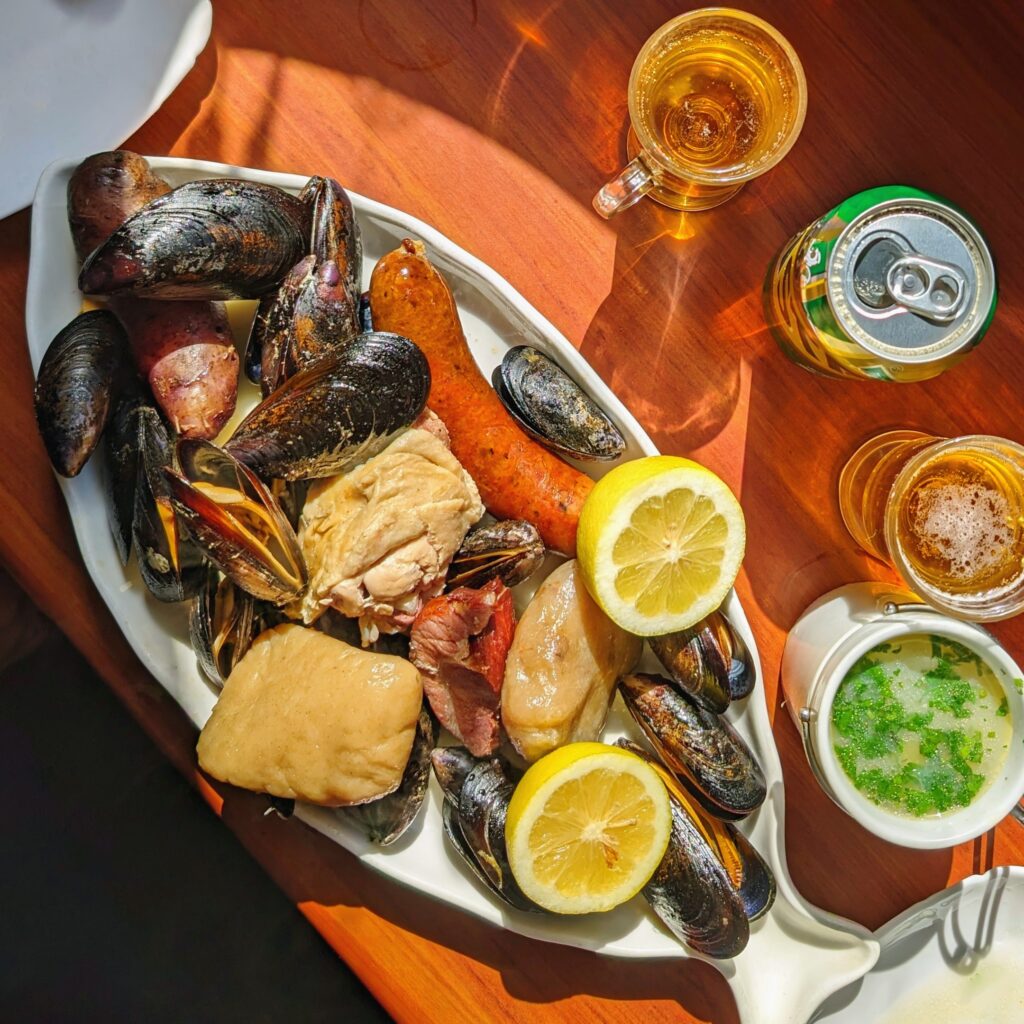
Traditional Chilote cuisine centers on curanto en hoyo (curanto in a pit). The process begins by digging a pit about half a meter deep, lining it with stones, and building a fire to heat them until they’re red-hot. Once the embers are cleared, cooks layer ingredients directly onto the hot stones: first come shellfish (mussels, clams, giant barnacles called picorocos), then smoked meats (pork ribs, sausage, chicken), followed by potatoes, and finally traditional potato dumplings called chapaleles and milcaos.
Everything gets covered with giant nalca leaves (Chilean wild rhubarb), then sealed with wet burlap sacks and earth chunks, creating a natural pressure cooker. The ingredients steam for 1-2 hours, infused with smoky flavors and the briny juices released by the seafood.
The result? An incredibly rich, satisfying feast that tastes like the ocean and the earth combined. Locals serve curanto with pebre (a Chilean salsa of cilantro, tomato, onion, and chili) and a cup of the intensely flavorful broth on the side.
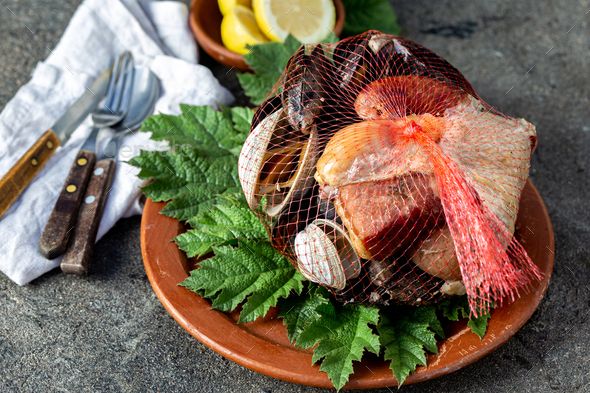
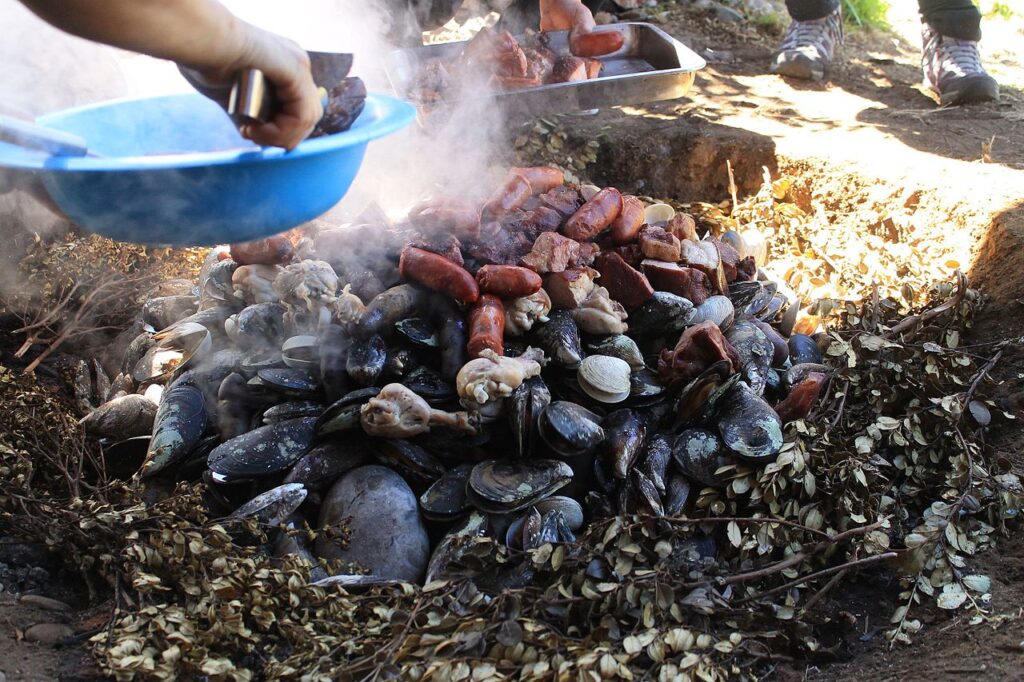
Where to try authentic curanto:
- Mesón Chilote (Ancud): Family-run quincho where you can watch the entire preparation process
- Dalcahue Cocinerías: The waterfront food stalls offer fresh seafood including curanto variations
- Restaurant Travesia (Castro): Modern take on traditional Chilote dishes
Pro tip: Curanto is always meant for sharing—portions are huge. If you’re traveling solo, the “pulmay” version (curanto cooked in a pot instead of a pit) is more practical and nearly as delicious. Also, try it alongside other Chilote specialties like cazuela (seafood stew), caldillo de congrio (conger eel soup), and the local oysters, which are some of Chile’s best.
During February, many towns hold traditional festivals where locals prepare massive community curantos. If you’re visiting then, ask your accommodation about festival dates—it’s an incredible cultural experience.
Reference: AFAR Magazine – How to Try Curanto
How to Plan Your Trip to Chiloé Island 🗓️
Best Time to Visit
What to do in Chiloé Island depends significantly on when you visit. The sweet spot is December through March (Southern Hemisphere summer), when temperatures reach 15-20°C (59-68°F) and rainfall decreases—though “decreased” still means 11-14 rainy days per month!
January-February brings several advantages: warmest weather, penguin chicks at Puñihuil, traditional festivals with music and dancing, and all tourism services operating at full capacity. However, it’s also peak season, meaning higher prices and crowded attractions.
November and March offer a compromise: pleasant spring/fall weather, fewer tourists, and most attractions still open. Penguin season runs October through March, so you won’t miss the wildlife highlights.
April-September (winter) sees temperatures drop to 8-10°C (46-50°F) with persistent rain and strong winds. Many tourism services reduce hours or close entirely. However, if you don’t mind wet, moody weather and want the churches and palafitos to yourself, winter has its charm. Just bring serious rain gear.
Insider tip: Pack for all conditions regardless of season. I’ve experienced sunshine, rain, wind, and fog all before lunch on Chiloé. Layers are essential—waterproof jacket, fleece, warm base layers, and good hiking boots with waterproof treatment.
Getting to Chiloé Island
Ferry from Puerto Montt to Chiloé
The classic route involves taking the ferry from Puerto Montt to Chiloé, which is actually much simpler than it sounds. From Puerto Montt, drive or take a bus southwest to Pargua (60 km, about 40 minutes). The ferries cross the Chacao Channel to Chacao on Chiloé Island, departing every 15-20 minutes from 7 AM to 11:30 PM, then hourly overnight.
Two companies operate the route: Transmarchilay (operating since 1971) and Cruz del Sur. The 30-minute crossing is scenic—watch for Magellanic penguins diving in the ferry’s wake!
Cost: Approximately $16 USD for vehicles (one-way); pedestrians often free or minimal charge. If you’re on a bus from Puerto Montt to Castro or Ancud, the ferry fee is included in your bus ticket, and you simply stay aboard.
Pro tip: If driving, don’t queue behind trucks and buses—go to the front left where ferry attendants can see you. They’ll fit you onto the next departure.
By Bus
Multiple companies run direct buses from Puerto Montt to Ancud (2 hours) and Castro (3-3.5 hours). Cruz del Sur, Queilen Bus, and ETM offer frequent departures. Buses ride directly onto the ferry, so you can stay in your seat or step out for photos during the crossing.
Overnight buses from Santiago take 15-17 hours, arriving in Chiloé by morning. While long, it’s a cost-effective option that saves a night’s accommodation.
By Plane
The fastest option: fly from Santiago to Mocopulli Airport (30 minutes north of Castro). Flight time is about 2 hours. Alternatively, fly to Puerto Montt and drive or bus to the ferry.
Kayaking Chiloé Coast
For the truly adventurous, kayaking Chiloé coast offers access to remote islands, hidden coves, and wildlife-rich channels. Several tour companies offer multi-day sea kayaking expeditions around the archipelago’s eastern inland sea, where calm waters make paddling accessible even for intermediate kayakers.
Popular routes include the channels around Quinchao Island, the dramatic Chepu River and sunken forest (created by a 1960 earthquake), and the fjords near Castro. You’ll paddle past traditional fishing villages, camp on deserted beaches, and experience Chiloé’s wilderness from water level.
Reference: Green Mochila – Ferry Guide
Where to Stay & How to Get Around 🏡
Castro: The Perfect Base
Most visitors use Castro town Chiloé as their central hub, and for good reason. As the island’s largest city (population 39,000), Castro offers the best selection of accommodations, restaurants, tour operators, and bus connections.
Stay near the waterfront to wake up to views of the famous palafitos—colorful stilt houses built over the water where fishermen can tie their boats below their homes. The neighborhood around Gamboa and Pedro Montt streets has the most photogenic examples.
Accommodation options:
- Budget: Hostels like Palafito Hostel or Hospedaje Yolanda ($15-30 USD/night)
- Mid-range: Palafito 1326 Hotel Boutique, Enjoy Chiloé ($60-100 USD/night)
- Luxury: Tierra Chiloé (from $400 USD/night)—stunning design overlooking Rilán Bay
Ancud (second-largest town) works well if you’re focused on the northern attractions like Puñihuil penguins and the Chepu area. It’s quieter than Castro with decent services but fewer accommodation choices.
For something truly unique, consider a rural farm stay at one of the working farms offering agrotourism. You’ll help with daily chores, share meals with families, and gain authentic insights into traditional Chilote life. Farms near Chonchi and Quellón offer these experiences.
Getting Around the Island
Rental car: The most flexible option. Roads are mostly paved between main towns, though some attractions require gravel roads. Rent in Puerto Montt, Puerto Varas, or directly in Castro/Ancud. Gas stations are sparse—always fuel up in main towns.
Public buses: Frequent and cheap between Castro, Ancud, Dalcahue, Chonchi, and Quellón. However, reaching remote beaches, some churches, or national parks by bus requires patience and research. Schedules are less frequent on weekends.
Colectivos: Shared taxis/vans that run set routes. Locals use them constantly, and they’re incredibly affordable. Just stand at the corner and flag down the one going your direction.
Tours: For Puñihuil penguins, UNESCO churches circuits, and national park visits, organized tours from Castro or Ancud eliminate transportation stress. English-speaking guides cost more but add valuable cultural context.
Reference: Journey Latin America – Planning Guide
Budget & Sustainable Travel Tips 💰
Daily Budget Breakdown
Budget traveler ($30-50 USD/day):
- Hostel dorm: $12-18
- Bus transportation: $5-10
- Meals at cocinerías/markets: $8-15
- Free attractions (churches, beach walks): $0
- Self-guided exploration
Mid-range traveler ($60-100 USD/day):
- Private room/boutique hotel: $40-70
- Rental car (split cost): $20-30
- Restaurant meals: $20-30
- Paid tours (penguins): $15-25
- Museum entries: $3-5
Luxury traveler ($200+ USD/day):
- Boutique lodge: $150-400
- Private guide/tours: $80-150
- Fine dining: $50-80
- Helicopter/private boat charters: Variable
Money-saving tips:
- Book accommodation directly, not through international platforms
- Eat at Dalcahue cocinerías instead of Castro tourist restaurants
- Take public buses between towns instead of tours
- Pack snacks and water—convenience stores are pricey
- Visit free churches instead of paying for generic city tours
Sustainable Tourism Chiloé
Sustainable tourism Chiloé isn’t just a buzzword here—it’s essential for preserving the island’s unique culture and fragile ecosystems. Here’s how to travel responsibly:
Support local artisans properly: When buying Chilote woolens, wooden crafts, or silver jewelry, purchase directly from artisans at markets in Dalcahue, Achao, or Castro’s feria artesanal. Ask about their techniques—many use natural dyes and traditional patterns passed down for generations. Fair prices for quality work start around $30-50 for sweaters, $10-20 for smaller items.
Respect indigenous traditions: The Huilliche people maintain cultural centers in communities like Quellón. When visiting these sites, follow protocols about photography and sacred spaces. Consider hiring indigenous guides who share traditional ecological knowledge.
Conservation efforts: Fundación Cultural Iglesias de Chiloé works tirelessly to restore and maintain the wooden churches, funded mostly by donations and volunteers. Entry to most churches is free, but consider donating. The Alfaguara Project focuses on marine conservation in Chiloé’s channels, protecting endangered Chilean dolphins and blue whale feeding grounds.
Minimize impact: Carry reusable water bottles and bags. Chiloé’s remote areas lack waste management infrastructure, so pack out all trash. When hiking in national parks, stay on marked trails to protect fragile moss-covered forests. Choose tour operators certified for eco-friendly practices.
Eat sustainably: Chiloé’s shellfish harvesting faces pressure from overfishing and climate change. Choose restaurants that source from responsible fishermen. Ask if they support local pequeños pescadores (small-scale fishermen) rather than industrial operations.
Hidden Gems & Off-The-Beaten-Track 🗺️
Beyond the famous churches and penguin colony, what to do in Chiloé Island includes discovering places most tourists never reach.
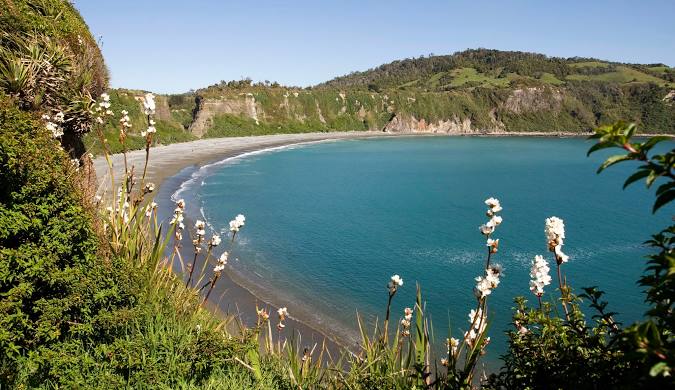
Chepu Beach and Sunken Forest: On the west coast near Ancud, the 1960 earthquake dropped this area several meters, flooding a cypress forest. Today, dead tree trunks rise from the water like ghostly sentinels. Kayak through the eerie “sunken forest” with local outfitters, watching for kingfishers and river otters. The trail to Chepu Beach (part of Chile’s Sendero de Chile) offers spectacular Pacific views through ancient forest tunnels.
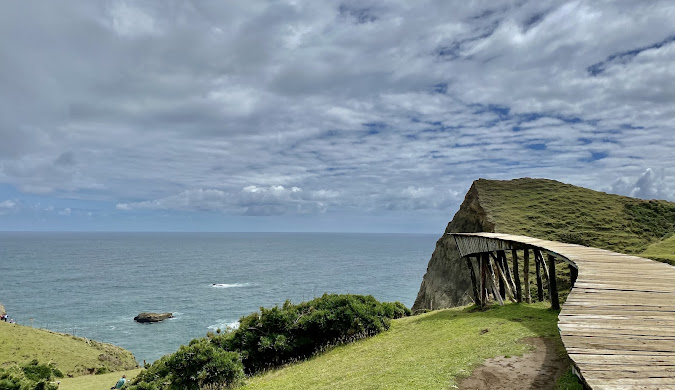
Muelle de las Almas: This wooden dock sculpture extends dramatically over cliffs at Cucao, representing the Chilote legend of souls crossing to the afterlife. The sunset views over the Pacific are absolutely otherworldly, especially when mist rolls in from the ocean.
Quinchao Island: Take the 5-minute ferry from Dalcahue to explore this quieter island. The church in Achao (oldest in Chiloé) is stunning, and the town has an authentic fishing village feel. Continue to Curaco de Vélez for panoramic views and local crafts without crowds.
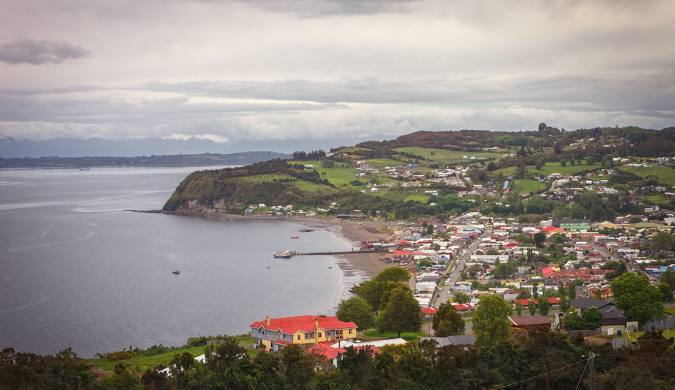
Isla Lemuy: Another short ferry ride from Chonchi leads to this remote island with three UNESCO churches and gorgeous coastal walks. Most tourists skip it, making it perfect for those seeking solitude.
February Festivals: Time your visit for February, and you’ll catch traditional festivals in villages across the island. These events feature folk music, traditional dances, curanto feasts, and competitions between families. The atmosphere feels genuinely local, not staged for tourists.
One Reddit traveler captured the essence perfectly: “We spent five or six days exploring the archipelago, and honestly, that slow pace was the key. Instead of rushing between highlighted attractions, we’d stop whenever something looked interesting—a random beach, a tiny church, a woman selling homemade jams. Those unplanned moments became our best memories.”
This approach exemplifies the Chilote philosophy of tranquilo—taking life slowly, savoring simple pleasures, and connecting with nature’s rhythms. Don’t try to “conquer” Chiloé in a whirlwind day trip. The island reveals its magic to those who linger.
Sample Itineraries (By Trip Length) 📅
2-Day Itinerary: Castro & Highlights
Day 1: Castro & Dalcahue
- Morning: Explore Castro’s palafitos and San Francisco Church
- Lunch: Mercado Municipal for fresh seafood
- Afternoon: Ferry to Quinchao Island, visit Achao church
- Evening: Return to Castro, dinner at local quincho
Day 2: Penguin Adventure
- Early departure for Puñihuil (2.5 hours from Castro)
- Morning boat tour of penguin colony
- Afternoon: Stop at Ancud for museum and coastal views
- Evening: Return to Castro or overnight in Ancud
5-Day Itinerary: Church Circuit & Nature
Day 1: Arrive Puerto Montt, ferry to Castro, explore palafitos Day 2: Church circuit—Dalcahue, Tenaún, Vilupulli, Chonchi (hire car or guide) Day 3: Full day at Chiloé National Park—hike Tepual trail to Pacific coast Day 4: Puñihuil penguins, return via Chepu Beach overlooks Day 5: Quinchao Island, curanto feast, departure
7-Day Itinerary: Deep Exploration
Days 1-2: Castro base—palafitos, churches, Quinchao Island, curanto experience Day 3: Dalcahue market, church circuit, Lemuy Island ferry Day 4: Drive north to Ancud, afternoon Puñihuil tour Day 5: Chepu area—sunken forest kayaking, coastal trail Day 6: Drive south to Tantauco Park, day hike to Chaiguata Lake Day 7: Return via Quellón, Muelle de las Almas at Cucao, departure
Travel times to note: Castro to Ancud (1 hour), Castro to Puñihuil (2.5 hours), Castro to Tantauco (3-4 hours), Castro to Cucao (1.5 hours).
FAQs About What to Do in Chiloé Island ❓
How many days should I spend on Chiloé Island?
Minimum 2 days to see highlights, ideally 4-5 days to explore properly without rushing, and 7+ days if you want to hike Tantauco or visit remote islands.
What to do in Chiloé Island if I only have one day?
Focus on Castro: explore palafitos, San Francisco Church, and Mercado Municipal for local food. If time allows, quick trip to nearby Nercón church or Dalcahue market.
Is Chiloé Island worth visiting?
Absolutely! Chiloé offers experiences you can’t find elsewhere in Chile: unique architecture, ancient cultural traditions, diverse wildlife, and stunning landscapes all in a compact area.
When is the best time to see penguins at Puñihuil?
October through March, with January being optimal for seeing penguin chicks. Humboldt and Magellanic penguins nest together only here.
How do I get from Puerto Montt to Chiloé Island?
Take a bus (3 hours to Castro) or drive to Pargua ferry terminal (40 mins), then ferry to Chacao (30 mins). Ferries run every 15-20 minutes during day, hourly at night.
What should I pack for Chiloé Island?
Waterproof jacket and pants, sturdy waterproof hiking boots, layers (fleece, warm base layer), hat, gloves (even in summer), sunscreen, and camera with zoom lens for wildlife.
Are the wooden churches free to visit?
Yes, most churches have free entry, though donations are appreciated to support restoration. Some may only open for Sunday mass or by appointment.
Can I do Chiloé Island without a car?
Yes, using public buses and tours, though you’ll have less flexibility. Castro-Ancud-Dalcahue routes have frequent buses. Remote locations require tours or colectivo arrangements.
What is curanto and where can I try it?
Curanto is an ancient pit-cooked feast of seafood, meats, and potato dumplings. Try at Mesón Chilote (Ancud), Dalcahue cocinerías, or ask hostels about traditional curanto events.
Is Chiloé Island safe for tourists?
Very safe. Chiloé has low crime rates and friendly locals. Standard precautions apply—don’t leave valuables visible in cars, especially at remote trailheads.
Final Thoughts & Travel Checklist ✅
What to do in Chiloé Island extends far beyond checking off tourist attractions. This archipelago invites you to slow down, embrace unpredictable weather, and discover a Chile that feels untouched by mainstream tourism. The magic lies in moments you can’t schedule: stumbling upon a tiny church on a remote island, sharing curanto with a local family, watching mist roll over primeval forests, or simply sitting on a palafito deck while fishing boats return at sunset.
Chiloé rewards curious travelers who venture beyond Castro’s main plaza. Every small town has its own character, every beach offers solitude, and locals genuinely enjoy sharing their culture with respectful visitors.
Before you go, complete this checklist:
- Book accommodation in Castro (especially for Jan-Feb peak season)
- Arrange car rental or research bus schedules
- Check Puñihuil tour availability for your dates
- Pack waterproof gear, layers, and sturdy boots
- Download offline maps of Chiloé
- Bring Chilean pesos—ATMs exist but can be temperamental
- Research current ferry schedules from Puerto Montt
- Pre-book Tantauco Park if planning multi-day trek
- Learn basic Spanish phrases (English limited outside main towns)
- Check Fundación Iglesias de Chiloé website for church access updates
Remember, Chiloé’s nickname is “Isla de la Tranquilidad” (Island of Tranquility). Don’t fight the rain or the island’s slower pace. Embrace it. Bring a good rain jacket and an open mind, and you’ll leave understanding why Chilotes are so proud of their mystical island home.
Ready to explore? Save this guide for your Chiloé adventure, share it with your travel companions, and subscribe to xploreheaven.com for more hidden gem destinations that go beyond typical tourist trails.
Your Turn: Have you visited Chiloé Island? What was your favorite experience? Share in the comments below!
References:
- UNESCO World Heritage Centre – Churches of Chiloé
- Go Patagonic – Complete Chiloé Travel Guide
- Parque Tantauco Official Site

Read More Articles;
- Каким образом электронные продукты адаптируются под мобильные устройства
- Каким путём диджитал сервисы адаптируются к изменениям
- Каким способом электронные решения создаются с анализом взаимодействий
- Indians Traveling Phu Quoc Advisory 2026: Visa Rules, Hidden Risks & Must-Know Travel Guidelines
- Northeast India Tourism Guide 2026: Best Places, Itinerary, Cost & Hidden Gems