There’s something magical about Lisbon that hits you the moment you arrive. The golden light bouncing off pastel-colored buildings, the smell of grilled sardines mixing with Atlantic sea breeze, and the sound of Fado music drifting through cobblestone alleys. In my 20 years of crafting travel experiences at Astamb Holidays, I’ve seen countless destinations rise and fall in popularity, but Lisbon, Portugal has maintained its charm while evolving into one of Europe’s most exciting cities for 2026. If you’re wondering what to do in Lisbon Portugal, you’ve come to the right place.
I’m Wahid Ali, and I lead operations at Astamb Holidays in Mumbai. I’ve personally guided hundreds of travelers through European adventures, and Lisbon consistently tops the list for first-timers and repeat visitors alike. The city offers an incredible mix of history, culture, food, and coastal beauty without the overwhelming crowds of Paris or Rome. Better yet, it’s surprisingly affordable compared to other Western European capitals.
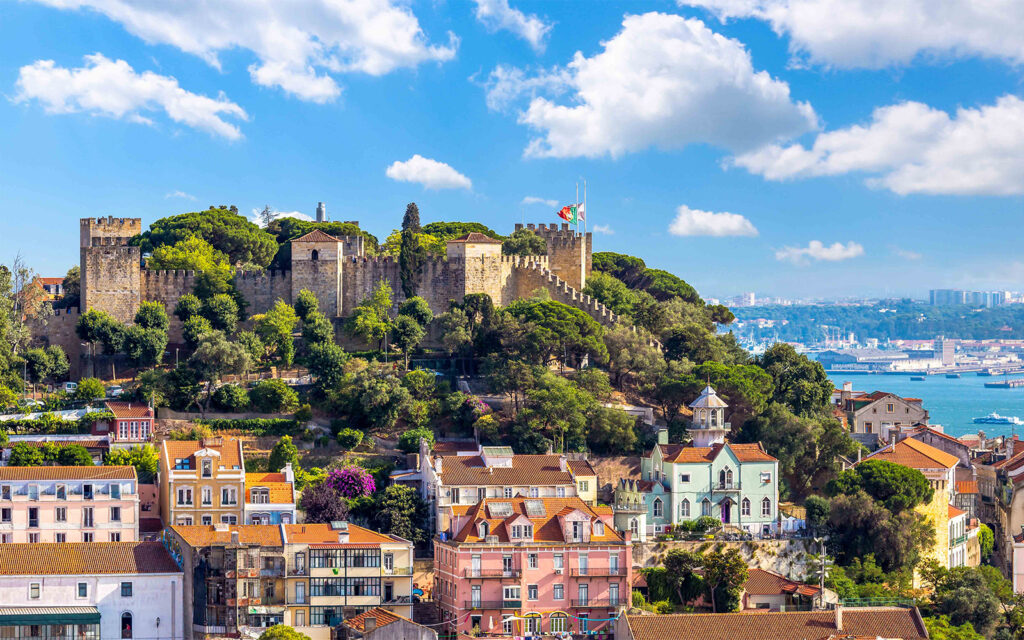
This guide draws from real travel experiences, current 2026 insights, and practical logistics that matter when you’re actually on the ground. Let’s get started with everything you need to know.
🏛️ Top Things to Do in Lisbon Portugal (The Must-See List)
Alfama: The Historic Heart of the City
Alfama is where Lisbon’s soul lives. This is the city’s oldest neighborhood, miraculously surviving the devastating 1755 earthquake that destroyed much of the capital. Walking through Alfama feels like stepping back 500 years – narrow lanes twist unpredictably, laundry hangs between windows, and elderly residents chat from their doorsteps.
Start your exploration at Miradouro de Santa Luzia, one of the best viewpoints overlooking the Tagus River and terracotta rooftops. From there, lose yourself in the maze of streets. Don’t worry about getting lost – it’s part of the experience. You’ll stumble upon hidden churches, tiny taverns, and local workshops where artisans still make traditional tiles by hand.
The neighborhood truly comes alive during the Santo António Festival in June, but it’s worth visiting year-round. In my experience managing tours, early morning (7-9 AM) or late afternoon (5-7 PM) offers the best light for photos and fewer crowds.
Castelo de São Jorge: Panoramic Views Worth the Climb
Perched atop Lisbon’s highest hill, Castelo de São Jorge has watched over the city since the 11th century. The Moorish fortress offers the single best 360-degree view of Lisbon, the Tagus River, and the 25 de Abril Bridge (which looks remarkably similar to San Francisco’s Golden Gate).
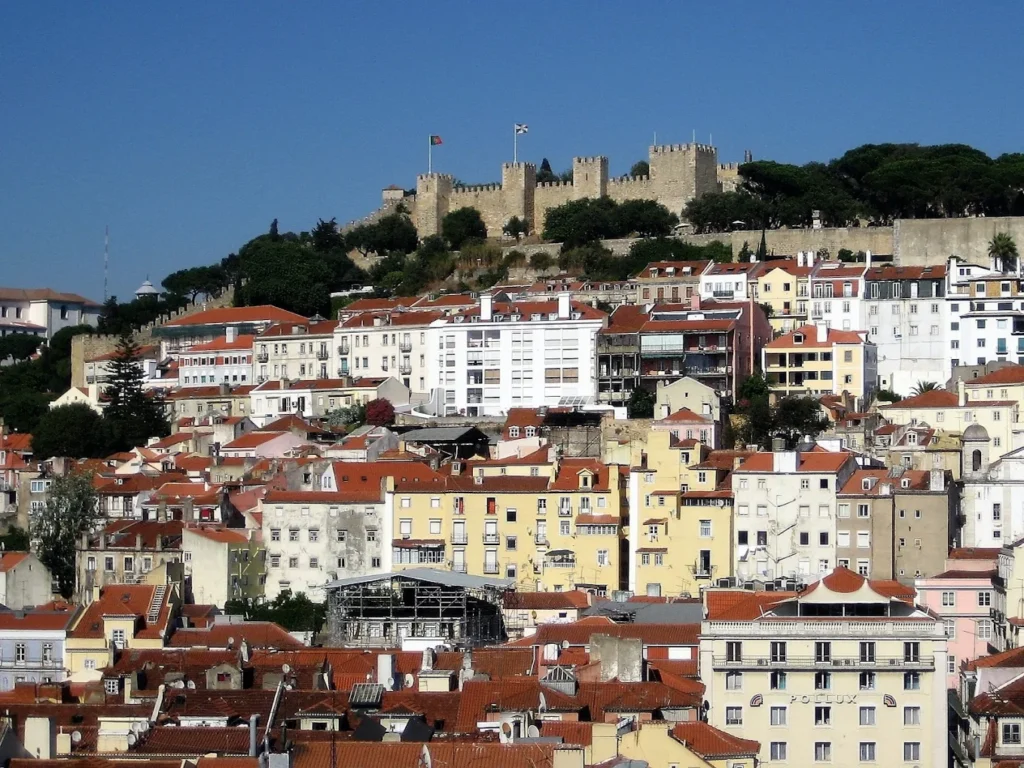
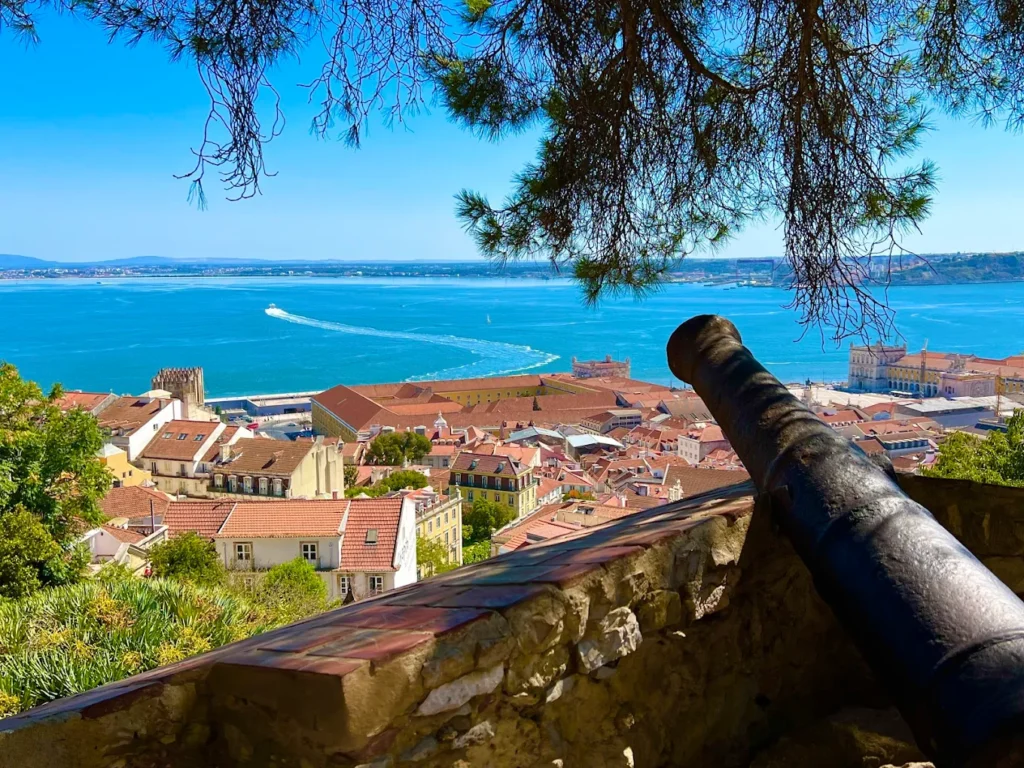
Entry fee: €15 per adult (2026 pricing)
Opening hours: 9 AM – 9 PM (summer), 9 AM – 6 PM (winter)
The castle grounds include peacocks wandering freely, archaeological ruins, and a camera obscura that projects live images of the city. Budget at least 90 minutes for your visit. Pro tip: Buy tickets online to skip the entrance queue, especially during April-October when tourist numbers peak.
Belém District: Where Portugal’s Golden Age Lives On
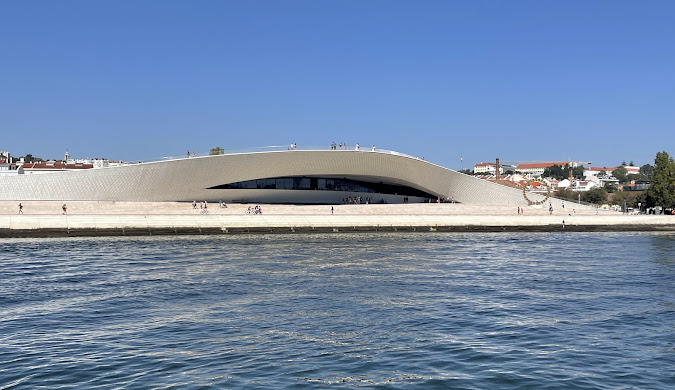
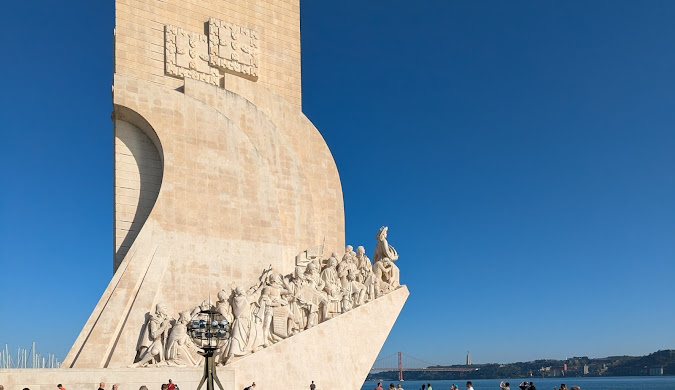
Belém sits about 6 kilometers west of central Lisbon along the Tagus River. This is where Portuguese explorers like Vasco da Gama departed on voyages that changed world history. The district houses two UNESCO World Heritage Sites and the most famous pastry shop in Portugal.
Belém Tower (Torre de Belém) is an architectural masterpiece built in 1519 to defend the city’s harbor. The Manueline-style fortress combines Gothic, Moorish, and Renaissance elements in a way you won’t see anywhere else. Arrive when it opens at 10 AM to avoid 2-hour waits later in the day.
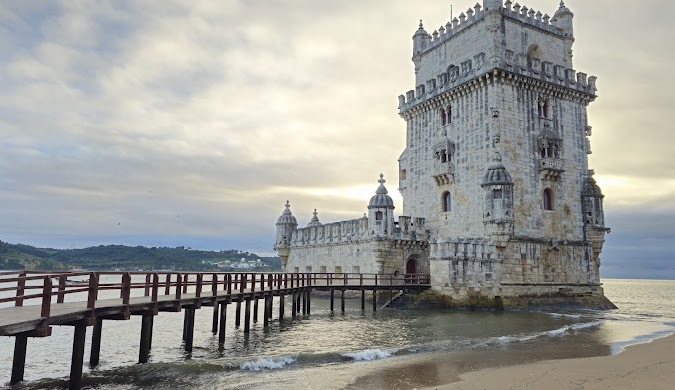
Entry: €8 per adult (€12 combo ticket with Jerónimos Monastery)
Just 500 meters away stands Mosteiro dos Jerónimos, a stunning 16th-century monastery where Vasco da Gama is buried. The intricate stonework took 100 years to complete, and the level of detail is extraordinary. The cloisters alone justify the visit – sunlight filters through carved stone arches creating patterns that shift throughout the day.
Opening hours: 10 AM – 6:30 PM (Tuesday-Sunday, closed Mondays)
Baixa & Chiado: Shopping, Culture, and City Energy
Baixa (Lower Town) is Lisbon’s downtown, rebuilt on a grid pattern after the 1755 earthquake. The Marquês de Pombal designed these streets to be earthquake-resistant – they’re actually built on wooden pilings that act as shock absorbers.
Rua Augusta is the main pedestrian street connecting Praça do Comércio (the grand waterfront square) to Rossio Square. Street performers, outdoor cafes, and shops line this bustling avenue. The Arco da Rua Augusta offers rooftop access for €3, providing excellent views without castle-level crowds.
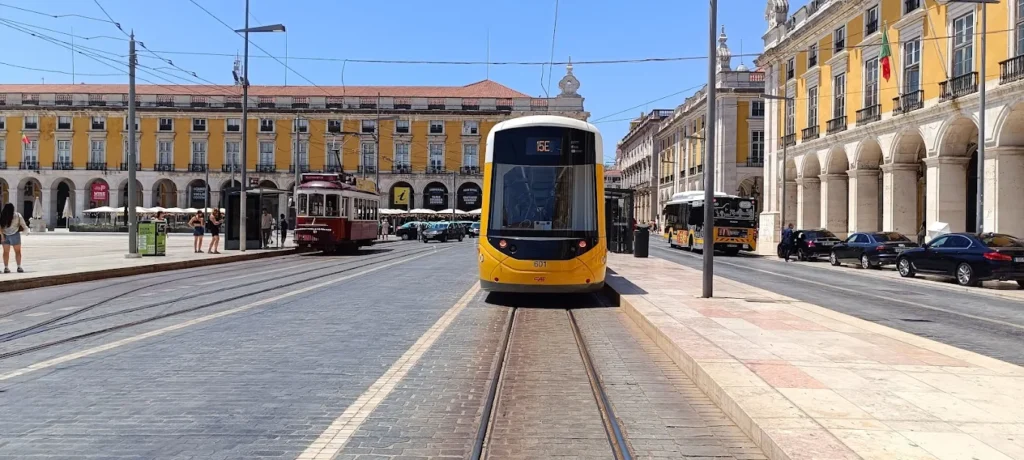
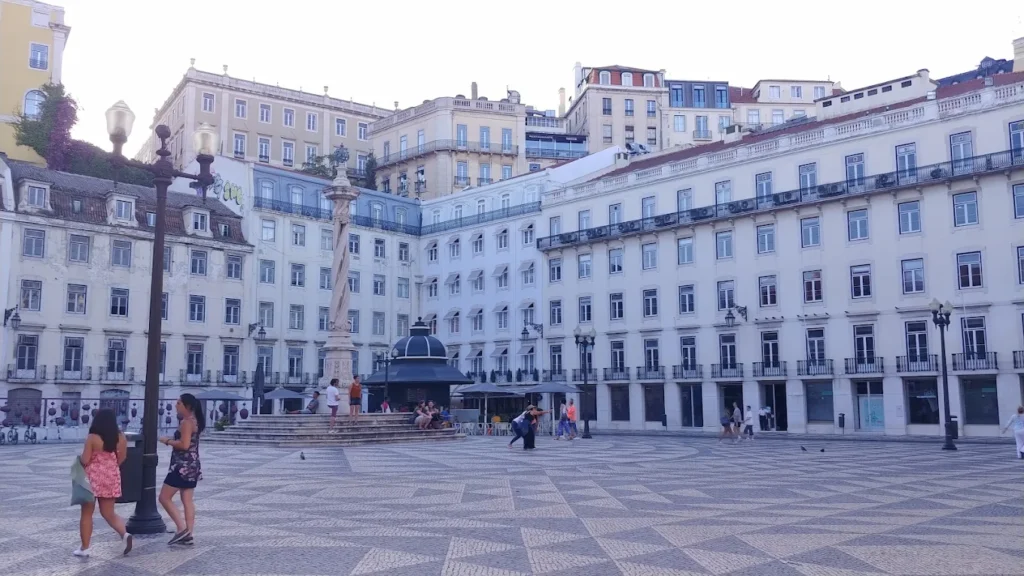
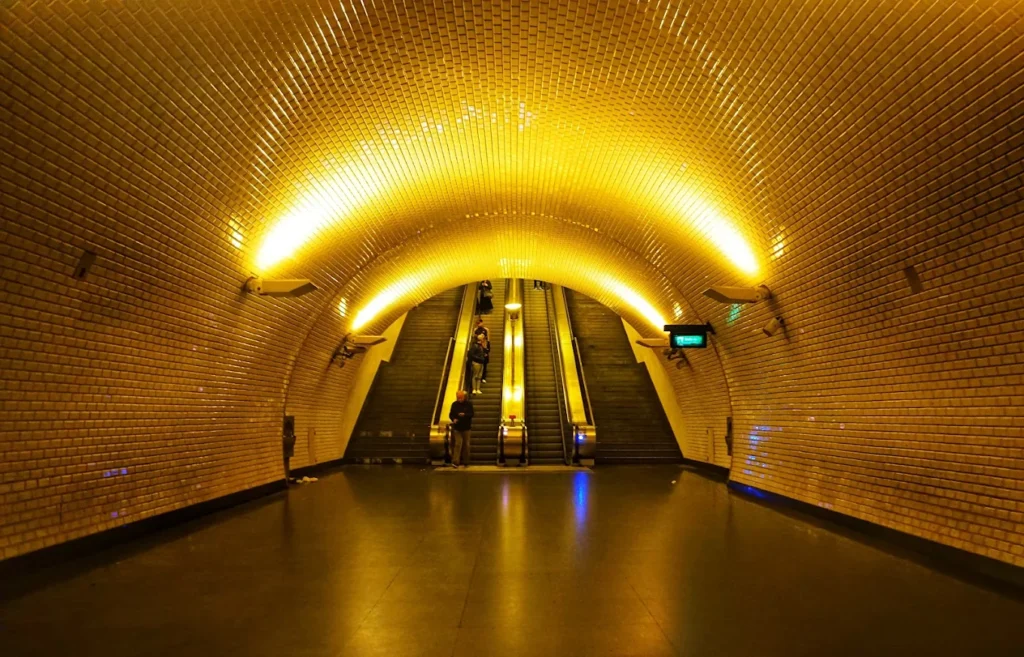
Chiado sits just uphill from Baixa and has a more sophisticated vibe. This is where Lisbon’s intellectuals historically gathered at cafes like A Brasileira, where a bronze statue of poet Fernando Pessoa still sits at an outdoor table. The neighborhood blends historic bookstores, designer boutiques, and contemporary art galleries.
Don’t miss Livraria Bertrand on Rua Garrett – it’s been operating since 1732 and holds the Guinness World Record as the oldest bookstore still in business.
Tram 28: The Iconic Yellow Journey
Tram 28 isn’t just transportation – it’s a 45-minute journey through Lisbon’s most photogenic neighborhoods. The vintage yellow trams date back to the 1930s, and they navigate impossibly narrow streets that modern vehicles can’t access.
The route runs from Martim Moniz through Graça, Alfama, Baixa, Estrela, and ends at Campo de Ourique. Locals actually use this as their daily commute, so respect that it’s functional public transport, not just a tourist attraction.
Fare: €3.00 per ride (or use a rechargeable Viva Viagem card for €1.50 per trip)
Best time to ride: 8-9 AM or after 7 PM to avoid peak tourist congestion
Watch your belongings carefully – pickpockets target distracted tourists on crowded trams. I recommend riding the full route once, then using regular metro or walking for other destinations.
🌊 Tagus River Sunset Cruise
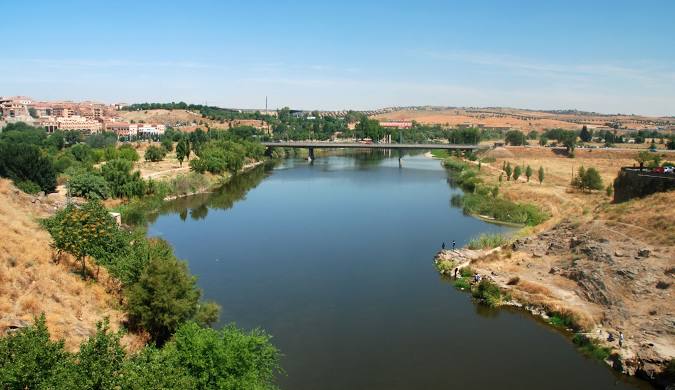
The Tagus River (locally called Rio Tejo) defines Lisbon’s character. An evening cruise offers unique perspectives of landmarks you’ve seen from land, plus that famous golden-hour light Lisbon is known for.
2-hour sunset cruises typically cost €25-€40 per person and include:
- Views of Cristo Rei statue (the Christ statue on the south bank)
- 25 de Abril Bridge from below
- Belém Tower from the water
- Praça do Comércio waterfront
- Complimentary Portuguese wine and light snacks
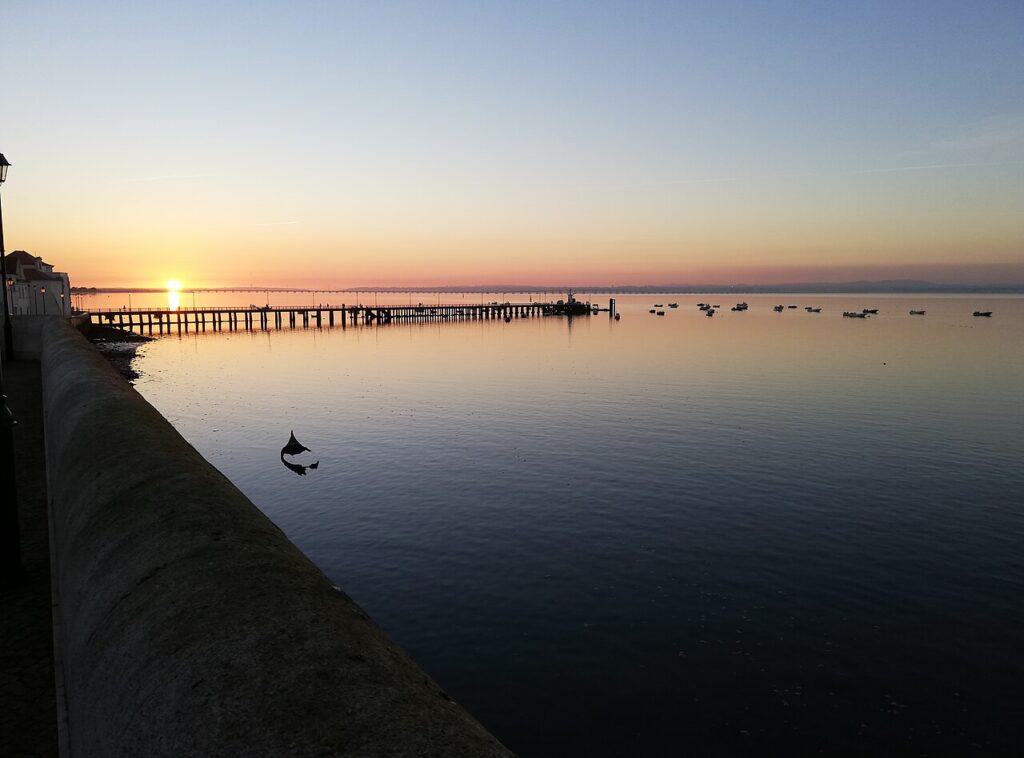
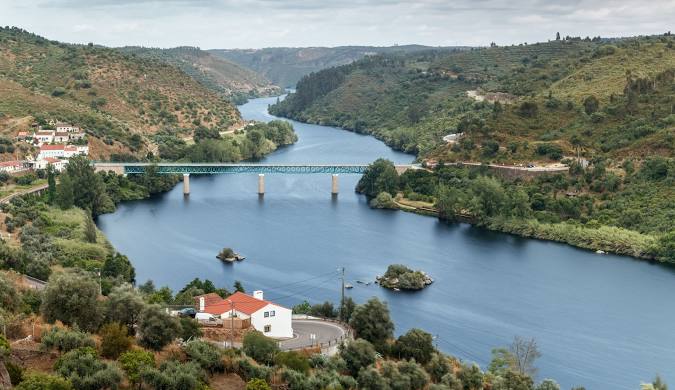
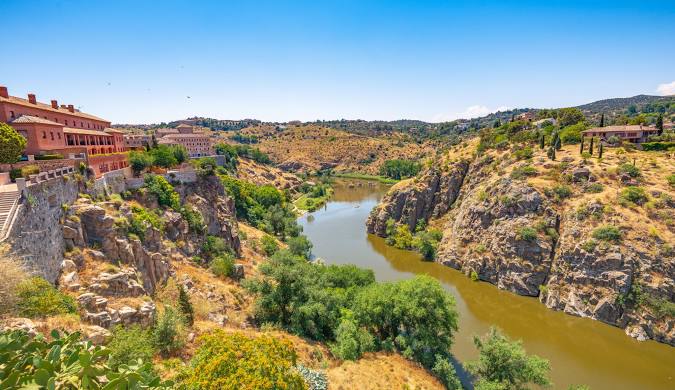
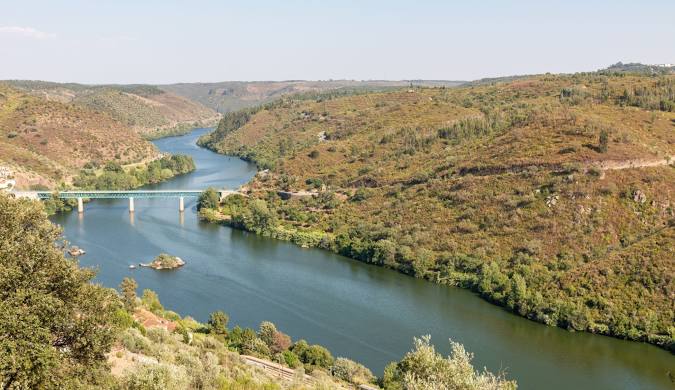
Book through reputable operators like Yellow Boat Tours or Lisbon by Boat. Cruises depart from Terreiro do Paço (near Praça do Comércio) around 5:30-6:30 PM depending on season.
🐠 Oceanário de Lisboa: Europe’s Best Aquarium
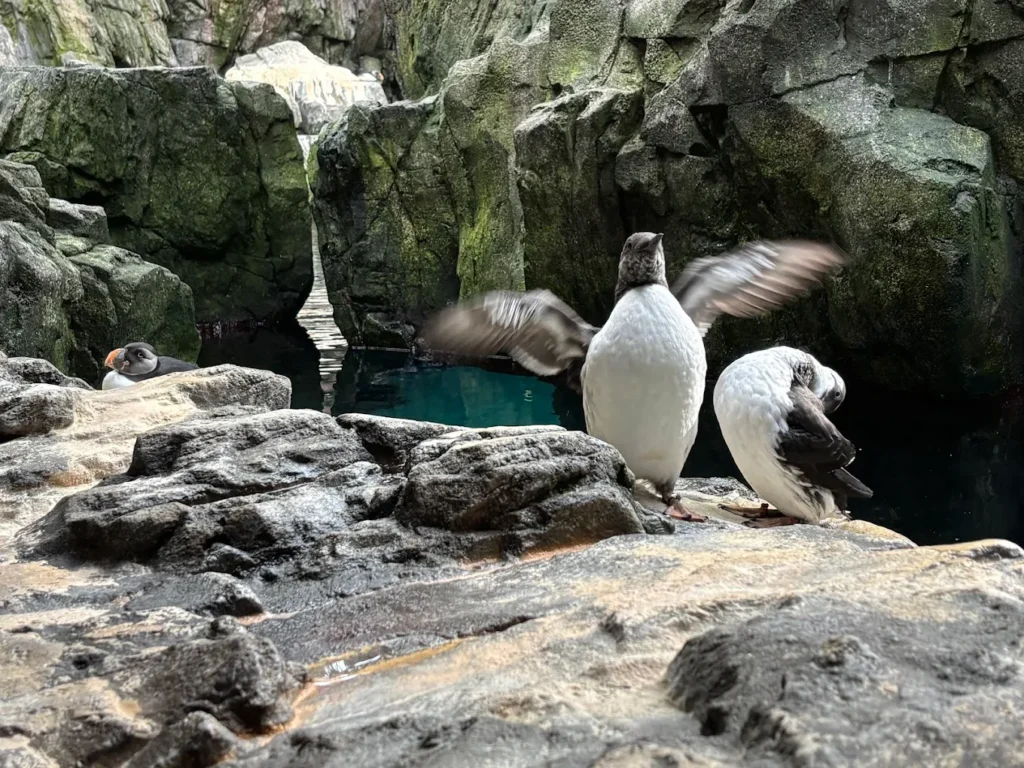
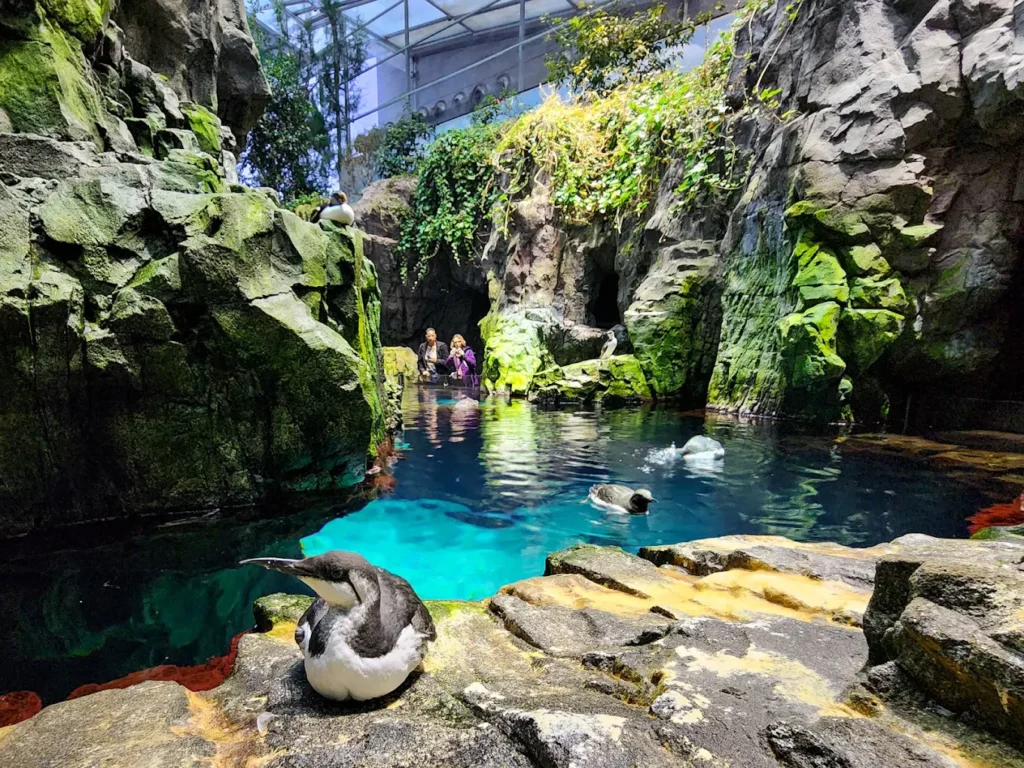
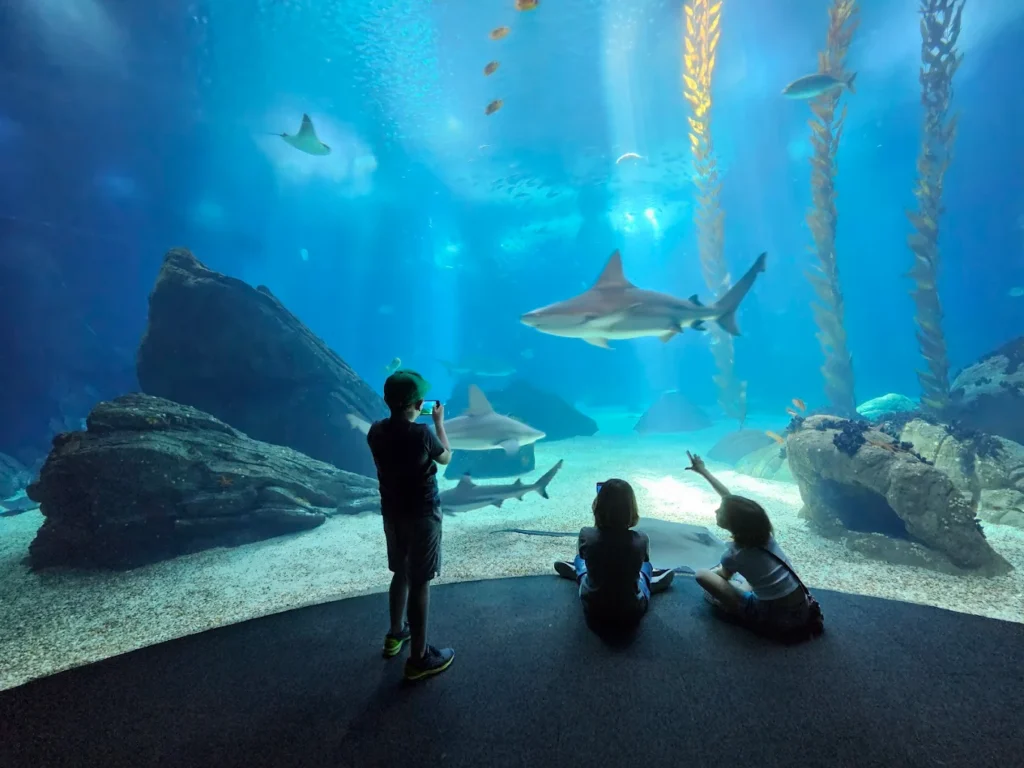
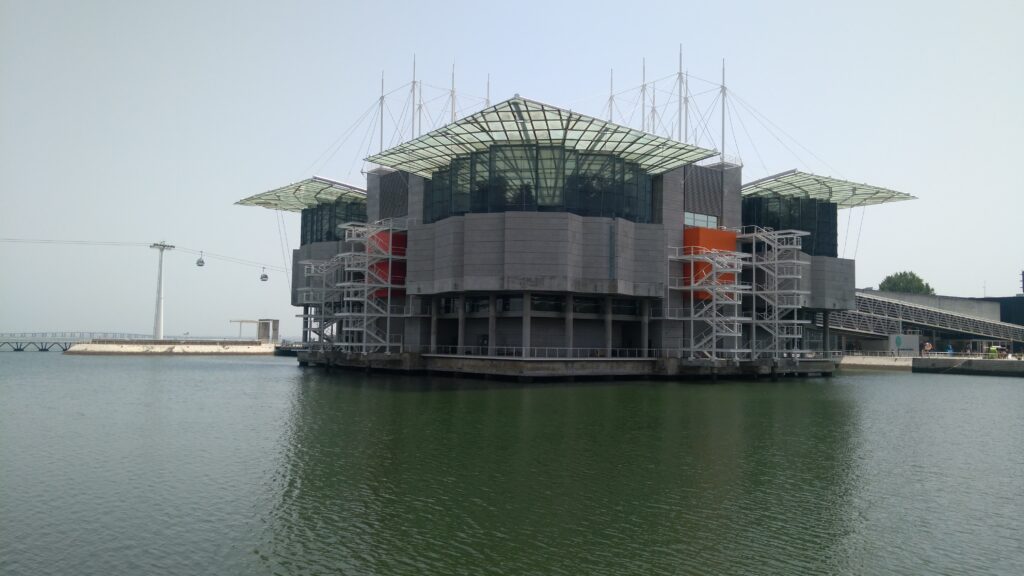
Oceanário de Lisboa consistently ranks among the world’s top aquariums and is absolutely worth visiting, especially if you’re traveling with family. Located in Parque das Nações (the modern northeastern district), the facility houses over 8,000 marine creatures representing 500 species.
The centerpiece is a massive 5-million-liter central tank that creates the illusion of a single ocean habitat. You’ll see sharks, manta rays, tuna, and schools of fish swimming together as they would in the open ocean. Surrounding exhibits recreate Atlantic, Pacific, Indian, and Antarctic marine ecosystems.


Admission: €22 adults, €15 youth (13-17), €10 children (3-12)
Hours: 10 AM – 8 PM daily
Time needed: 2-3 hours
Get there via Red Line metro to Oriente Station (the architectural masterpiece designed by Santiago Calatrava for Expo ’98).
🎨 The Museums: Coach, Tile, and Fado
Lisbon has world-class museums that rarely get the attention they deserve. Here are my top three:
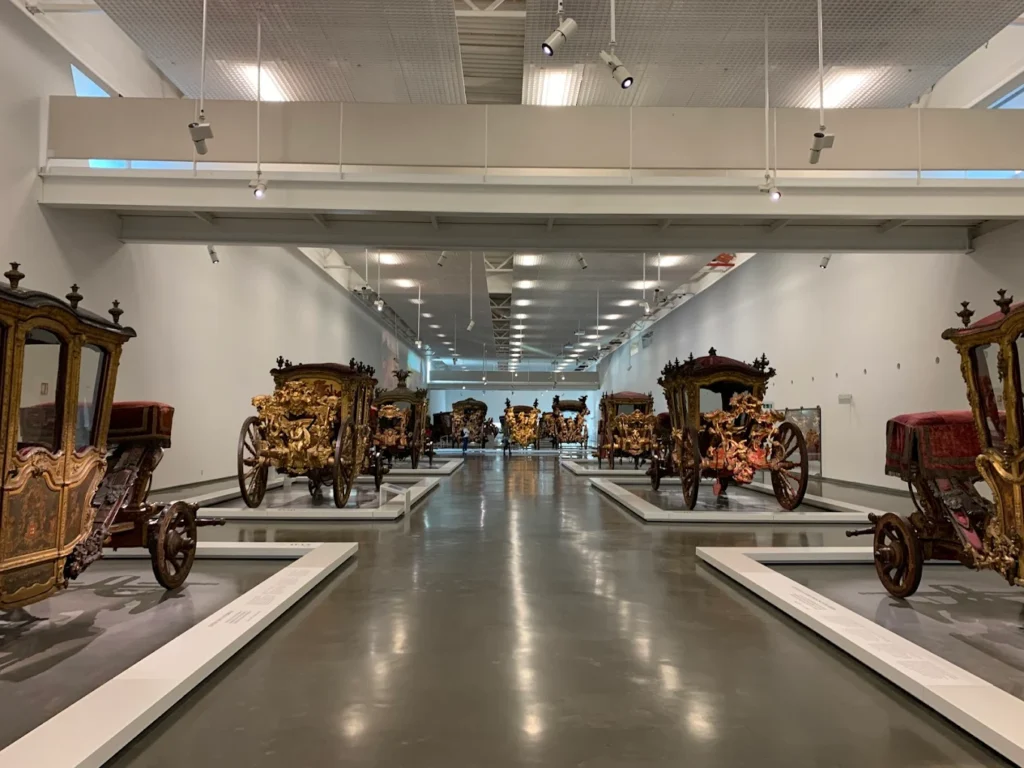
National Coach Museum (Museu Nacional dos Coches): Houses the world’s largest collection of royal carriages and ceremonial coaches dating back to the 16th century. The craftsmanship and gold-leaf detailing are extraordinary. Located in Belém, €10 entry.
National Tile Museum (Museu Nacional do Azulejo): Portuguese tiles (azulejos) are an art form, and this museum tells their story from Moorish origins through contemporary designs. The building itself is a 16th-century convent with stunning tilework. €5 entry, located in eastern Lisbon.


Fado Museum (Museu do Fado): Understanding Fado music helps you appreciate Lisbon’s soul. This Alfama museum traces the genre’s history through recordings, instruments, and personal stories of legendary fadistas (Fado singers). €5 entry, interactive exhibits available in English.
🛍️ Feira da Ladra: The Tuesday & Saturday Flea Market
Feira da Ladra (literally “Thieves’ Market”) is Lisbon’s oldest flea market, running since the 12th century. Every Tuesday and Saturday from 9 AM to 6 PM, vendors spread across Campo de Santa Clara in Alfama selling everything from antique tiles to vintage records to questionable electronics.
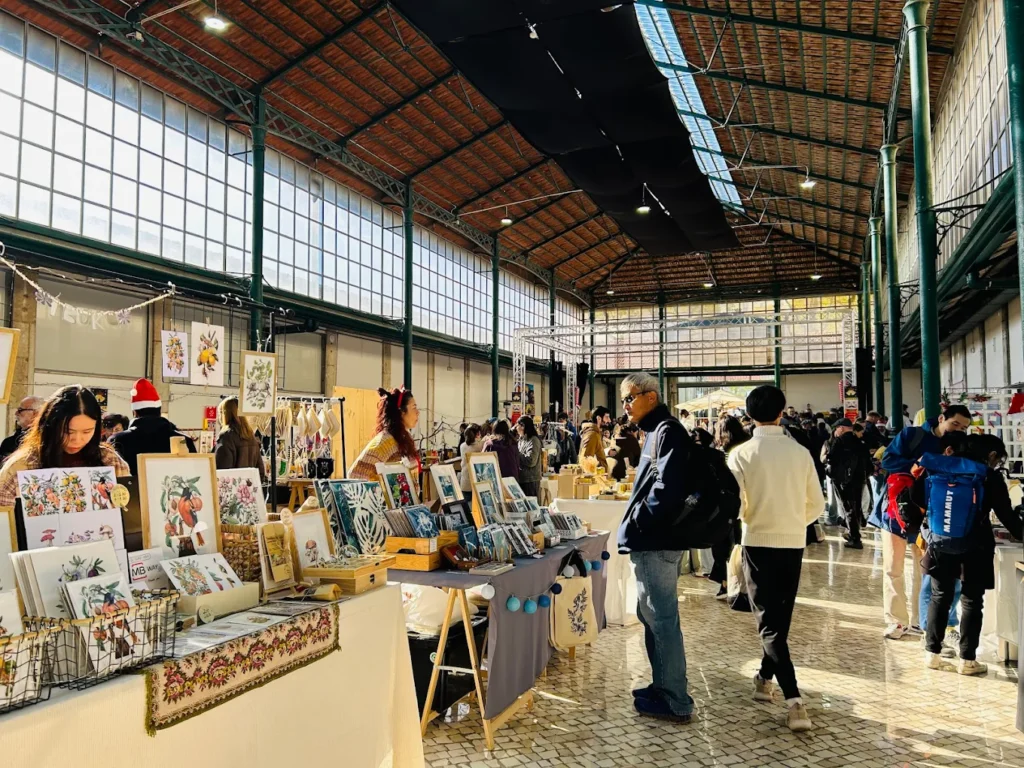
This is where locals shop for treasures, not a sanitized tourist market. You’ll find:
- Antique azulejos (tiles) – perfect souvenirs
- Vintage Portuguese books and postcards
- Traditional ceramics and cookware
- Retro clothing and accessories
- Fresh produce and food stalls
Arrive early (9-10 AM) for best selection. Bring cash – many vendors don’t accept cards. Bargaining is expected but keep it friendly.
🎵 Fado in Alfama: The Emotional Soul of Lisbon
You haven’t truly experienced Lisbon until you’ve heard live Fado. This Portuguese musical tradition expresses “saudade” – a deep, melancholic longing that doesn’t translate perfectly into English. The music combines Portuguese guitar, classical guitar, and powerful vocals that can move you to tears even if you don’t understand the lyrics.
Alfama is Fado’s birthplace and home to the most authentic venues. My top recommendations:
Clube de Fado: €30-€35 minimum consumption, located on Rua de São João da Praça. Professional fadistas perform in an intimate setting.
Sr. Fado de Alfama: Slightly less touristy, €25 minimum. Family-run establishment with home-style Portuguese cooking.

A Baiuca: The most local experience, tiny venue, no reservations, €25-€30 for dinner and show.
Important etiquette: When the fadista begins singing, absolute silence is expected. No talking, no photos, no phone use. This isn’t background music – Fado demands your complete attention and respect.
Shows typically start around 9 PM and run until midnight or later. Make reservations 2-3 days ahead during peak season.
🍴 Best Food & Drink Experiences in Lisbon
The Great Pastel de Nata Quest
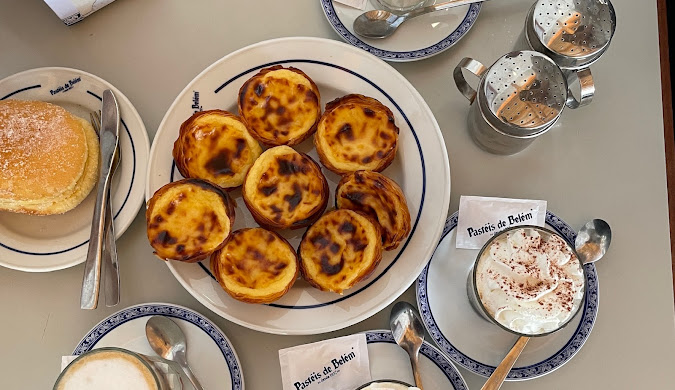
Pastel de nata (custard tart) is Portugal’s most famous dessert, and Lisbon is ground zero. The debate rages: Pastéis de Belém or Manteigaria?
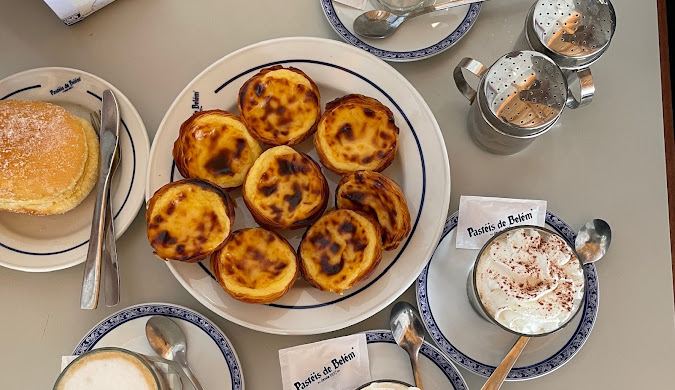
Pastéis de Belém is the original, using a secret recipe since 1837. Located next to Jerónimos Monastery, this blue-tiled bakery produces over 20,000 tarts daily. The pastries here are called Pastéis de Belém (not pastel de nata) – only this bakery can use that name.
Cost: €1.40 per tart
Line wait: 15-45 minutes depending on time of day
Insider tip: Enter through the back door to the takeaway counter for faster service
Manteigaria represents the modern challenger. They have two locations (one in Bairro Alto, one near Time Out Market) with open kitchens where you watch tarts being made. The pastry is slightly crispier, the custard a touch sweeter.
Cost: €1.20 per tart
Wait time: Usually 5-10 minutes
My honest opinion after trying both dozens of times? Pastéis de Belém has a slight edge in flavor complexity, but Manteigaria offers better value and convenience. Try both and decide for yourself.
Petiscos and Portuguese Wine
Petiscos are Portugal’s answer to Spanish tapas – small plates designed for sharing. The best petiscos experiences happen at neighborhood tascas (traditional taverns) where locals gather after work.
Try these dishes:
- Peixinhos da horta: Green beans fried in tempura-style batter
- Ameijoas à Bulhão Pato: Clams in white wine, garlic, and cilantro
- Pataniscas de bacalhau: Cod fritters with crispy edges
- Presunto: Portuguese cured ham similar to Spanish jamón
- Queijo da Serra: Creamy mountain cheese from Serra da Estrela
Pair these with Portuguese wines that offer incredible quality at reasonable prices:
Vinho Verde: Light, slightly sparkling white wine perfect for hot days (€3-€5 per glass)
Douro reds: Full-bodied wines from the same region that produces Port (€4-€7 per glass)
Alentejo whites: Crisp and mineral-driven (€3.50-€6 per glass)
Recommended tascas:
- Taberna da Rua das Flores (reservations required)
- Tasca do Chico (tiny, authentic, cash only)
- Zé da Mouraria (excellent grilled sardines in season)
The 2026 Rooftop Scene
Lisbon’s rooftop bar culture has exploded in recent years. These spots offer sunset views with cocktails and lighter crowds than ground-level tourist areas.
Park Bar: Built on top of a parking garage in Bairro Alto. €6-€9 cocktails, 360-degree views, relaxed vibe. No reservations – arrive by 6 PM for sunset seating.
TOPO Chiado: Modern rooftop with Tagus River views. €8-€12 cocktails, small plates available, DJs on weekends. Can get crowded after 9 PM.
Rio Maravilha: Located in LX Factory (a creative hub in converted industrial buildings). €7-€10 drinks, artistic crowd, great sunset views over the river.
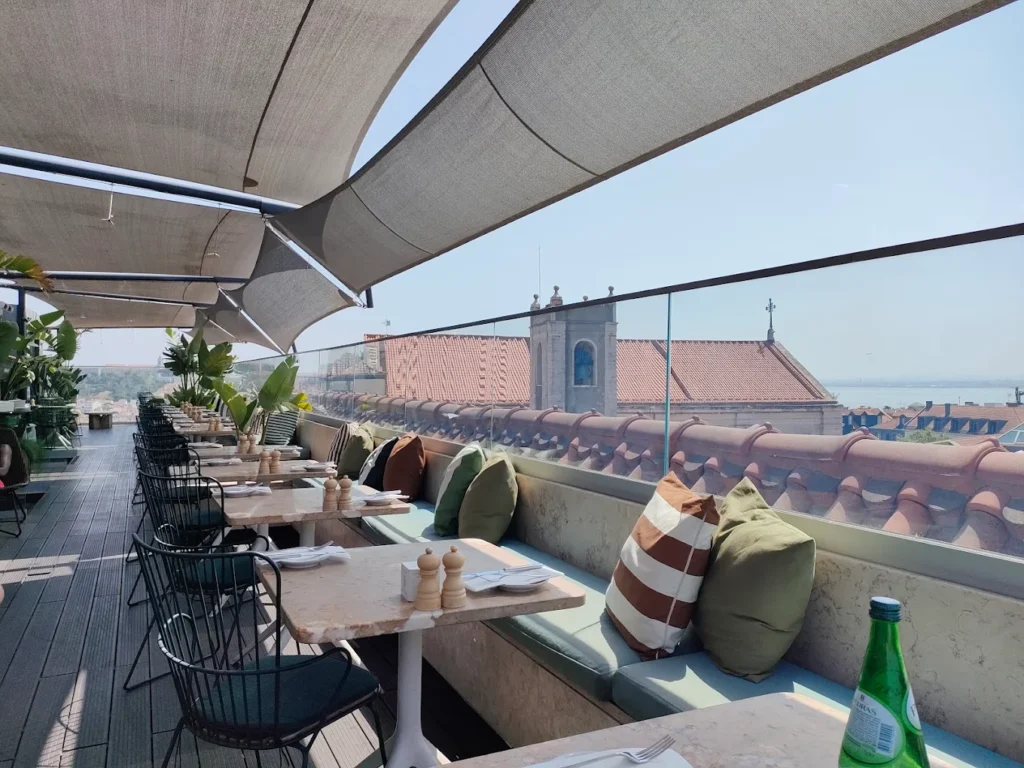
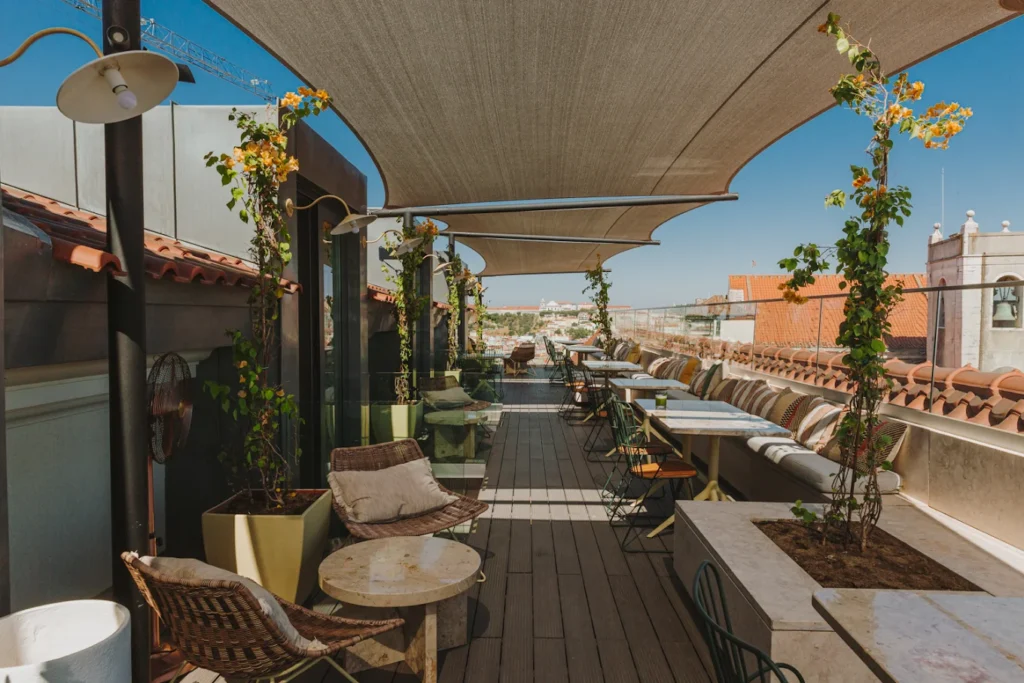
Dress code: Smart casual. Lisbon isn’t as formal as some European cities, but avoid beach attire at upscale venues.
📅 Itineraries: What to Do in Lisbon Portugal by Trip Length
1-Day: The “Fast & Famous” Route
If you only have 24 hours in Lisbon, this route hits the essential highlights:
Morning (8 AM – 12 PM):
- 8:00 AM: Pastel de nata and coffee at Pastéis de Belém
- 9:00 AM: Explore Belém Tower (arrive at opening)
- 10:30 AM: Visit Jerónimos Monastery
- 11:45 AM: Quick stop at Monument to the Discoveries
Afternoon (12 PM – 6 PM):
- 12:30 PM: Lunch at Time Out Market in Cais do Sodré (food hall with stalls from Lisbon’s top chefs)
- 2:30 PM: Ride Tram 28 through historic neighborhoods
- 4:00 PM: Explore Alfama, visit Castelo de São Jorge
Evening (6 PM – Late):
- 6:30 PM: Sunset at Miradouro da Senhora do Monte or Miradouro da Graça
- 8:00 PM: Dinner in Alfama or Bairro Alto
- 9:30 PM: Live Fado performance
This is an aggressive schedule requiring good walking shoes and minimal breaks.
3-Day: The “Deep Dive”
Three days lets you experience Lisbon properly without constant rushing.
Day 1 – Historic Core:
- Morning: Alfama wandering, São Jorge Castle
- Afternoon: Baixa and Chiado shopping, Elevador de Santa Justa ride
- Evening: Bairro Alto dinner and nightlife
Day 2 – Belém & Riverside:
- Morning: Belém district (Tower, Monastery, Coach Museum)
- Afternoon: LX Factory exploration, lunch at creative food stalls
- Evening: Tagus River sunset cruise, seafood dinner at Cais do Sodré
Day 3 – Culture & Local Life:
- Morning: National Tile Museum or Gulbenkian Museum (world-class art collection)
- Afternoon: Feira da Ladra (if Tuesday/Saturday) or Parque das Nações and Oceanário
- Evening: Fado in Mouraria or Alfama
This pace allows for leisurely meals, spontaneous discoveries, and rest breaks.
5-Day: Including Sintra and Cascais
Five days enables day trips to nearby destinations that complement the Lisbon experience.
Days 1-3: Follow the 3-day itinerary above
Day 4 – Sintra: Sintra sits 27 kilometers west of Lisbon in the Sintra Mountains. This UNESCO World Heritage town is famous for fairytale palaces and mystical forests.
Getting there: Train from Rossio Station (€2.30 each way, 40 minutes)
Must-see in Sintra:
- Pena Palace: Romanticist castle in bright yellows and reds, perched on a mountaintop (€14 entry)
- Quinta da Regaleira: Gothic palace with mysterious wells and underground tunnels (€10 entry)
- Moorish Castle: 8th-century ruins with panoramic views (€8 entry)
Time management: You can realistically visit 2-3 sites in a day trip. Start early (8 AM train) to beat crowds. Pena Palace can have 2-hour waits by noon in summer.
Day 5 – Cascais & Coastal Beauty: Cascais is a charming coastal town 30 kilometers west of Lisbon, historically where Portuguese royalty vacationed.
Getting there: Train from Cais do Sodré (€2.30 each way, 40 minutes)
The train route hugs the Tagus River and Atlantic coast, passing through Estoril (famous for its casino where Ian Fleming found inspiration for James Bond).
In Cascais:
- Walk the coastal promenade to Boca do Inferno (“Mouth of Hell” – dramatic cliff formations)
- Beach time at Praia da Rainha or Praia da Conceição
- Fresh seafood lunch at waterfront restaurants
- Browse the marina and historic town center
You can combine Cascais with Cabo da Roca (Europe’s westernmost point) via local bus 403 if you have a car or join a tour.
🎯 Practical Travel Tips Before You Go
When is the Best Time to Visit Lisbon?
Best overall: April-May and September-October offer warm weather, fewer crowds, and lower prices than peak summer.
Month-by-month breakdown:
| Month | Avg Temp | Crowd Level | Pricing | Notes |
|---|---|---|---|---|
| January-February | 15°C (59°F) | Low | Budget-friendly | Rainy season, some attractions have reduced hours |
| March-April | 18°C (64°F) | Moderate | Good value | Flowers blooming, comfortable walking weather |
| May-June | 22°C (72°F) | High | Peak prices | Santo António Festival in June, excellent weather |
| July-August | 28°C (82°F) | Very High | Peak prices | Hot, crowded, beach season |
| September-October | 23°C (73°F) | Moderate-High | Mid-range | Ideal temperatures, ocean still warm |
| November-December | 17°C (63°F) | Low-Moderate | Good value | Christmas markets, mild winter |
Summer (June-August) brings heat waves where temperatures can hit 35-40°C (95-104°F). The city isn’t designed for extreme heat – air conditioning is less common than in hotter European destinations.
Is Lisbon Walkable?
Yes, but with caveats. Lisbon is built on seven hills, so you’ll do serious climbing. The historic center is compact enough to walk, but you’ll need:
Proper footwear: Those Instagram-famous cobblestones are treacherous in heels or smooth-soled shoes. Wear comfortable walking shoes with grip.
Public transport supplements: Use the metro, trams, and elevadores (funiculars) to handle the steep climbs. The Elevador da Glória connects Baixa to Bairro Alto, saving you a knee-crushing uphill walk.
Average daily walking: Expect 12,000-18,000 steps per day if you’re actively sightseeing. That’s 9-13 kilometers (5.5-8 miles).
Accessibility note: The hills and cobblestones make Lisbon challenging for wheelchair users or those with mobility limitations. Modern attractions like Parque das Nações are much more accessible.
Is Lisbon Safe at Night?
Lisbon is one of Europe’s safest capitals. I’ve walked through Alfama, Bairro Alto, and Baixa after midnight countless times without issues.
Safety level: Very safe compared to most European cities.
Common concerns:
- Pickpocketing: The biggest risk, especially on Tram 28, at viewpoints, and in crowded tourist areas
- Bag snatching: Rare but happens in poorly lit areas
- Scams: Restaurant bills padding, fake petitions, friendship bracelet scams near monuments
Safety tips:
- Keep valuables in front pockets or cross-body bags
- Don’t leave bags on chairs at outdoor cafes
- Be cautious around crowds at major attractions
- Avoid completely deserted streets late at night (stick to areas with some foot traffic)
- Women solo travelers consistently rate Lisbon as comfortable and safe
Emergency number: 112 (police, ambulance, fire)
What’s a Realistic Budget for Lisbon?
Lisbon remains affordable compared to Paris, London, or Amsterdam, but prices have risen significantly since 2020.
Daily Budget Breakdown (2026 prices per person):
Budget Traveler:
- Hostel bed: €20-€35
- Meals (budget restaurants, markets): €25-€35
- Public transport day pass: €6.50
- Attractions (1-2 per day): €10-€20
- Total: €60-€95 per day
Mid-Range Traveler:
- 3-star hotel or Airbnb: €80-€120
- Meals (mix of casual and mid-range restaurants): €50-€70
- Transport and short taxi rides: €12-€20
- Attractions (2-3 per day): €20-€40
- Total: €160-€250 per day
Luxury Traveler:
- 4-5 star hotel: €200-€400+
- Fine dining experiences: €100-€150
- Private tours and taxis: €50-€100
- Premium attractions and experiences: €60-€100
- Total: €400-€750+ per day
Specific Costs:
- Coffee (espresso): €0.80-€1.20
- Pastel de nata: €1.20-€1.40
- Beer (draft, local bar): €2.00-€4.00
- Lunch (casual restaurant): €10-€15
- Dinner (mid-range): €20-€35
- Tram/metro single ride: €1.50 (with card), €3.00 (paper ticket)
- Taxi (airport to center): €15-€25 vs €1.50 metro ride
Money-saving tips:
- Buy a 7-day unlimited transport pass for €38.50 if staying 5+ days
- Lunch at Time Out Market for chef-quality food at casual prices
- Free museum entry on first Sunday of each month at many national museums
- Drink coffee at the bar instead of seated service (cheaper)
🌍 Local Culture & Interaction
Etiquette and Cultural Norms
Portuguese people are generally warm and welcoming, especially in Lisbon’s international atmosphere. Understanding basic etiquette enhances your experience:
Greetings: Use “Bom dia” (good morning), “Boa tarde” (good afternoon), and “Boa noite” (good evening). A simple greeting before asking questions or making purchases is expected.
Meal timing: Lunch runs 12:30-2:30 PM, dinner starts 8-9 PM or later. Dining before 7:30 PM marks you as a tourist. Restaurants serving dinner at 6 PM are specifically catering to foreigners.
Tipping: Not mandatory but appreciated. 5-10% for good service at restaurants. Round up taxi fares. Leave €1-€2 for housekeeping at hotels.
Noise levels: Portuguese conversations are naturally louder and more animated than Northern European interactions. Don’t interpret volume as arguing – it’s normal communication style.
Respect for Fado: As mentioned earlier, complete silence during Fado performances is non-negotiable. This cultural tradition demands reverence.
Beach conduct: Portuguese beaches are relaxed about topless sunbathing for women. Speedos are normal men’s swimwear. Full nudity is reserved for designated beaches.
English Proficiency in Lisbon
English is widely spoken in Lisbon, especially among younger generations and anyone working in tourism. Most people under 40 have functional English from school education.
Where English works: Hotels, restaurants in tourist areas, shops, museums, metro stations, tour operators, taxi drivers (usually), younger locals
Where Portuguese helps: Neighborhood tascas, traditional markets, elderly shopkeepers, suburban areas, government offices
Useful Portuguese phrases:
- Por favor (please)
- Obrigado/Obrigada (thank you – men say obrigado, women say obrigada)
- Desculpe (excuse me/sorry)
- Não falo português (I don’t speak Portuguese)
- Fala inglês? (Do you speak English?)
- A conta, por favor (The bill, please)
Portuguese appreciate when visitors attempt their language, even just basic phrases. You’ll get warmer service with “Bom dia” than launching straight into English.
How to Dress in Lisbon
Lisbon’s dress code is casual-smart, less formal than Paris or Milan but more put-together than typical American casual.
For sightseeing:
- Comfortable walking shoes (essential for cobblestones)
- Lightweight layers (Atlantic breeze can be cool even in summer)
- Sun protection (hat, sunglasses, sunscreen)
- Light scarf for church visits (modest shoulder coverage)
For restaurants:
- Casual restaurants: Jeans and nice top perfectly acceptable
- Mid-range dining: Smart casual (no shorts, no flip-flops)
- Fine dining: Business casual minimum (collared shirt for men, dress or equivalent for women)
For nightlife:
- Bairro Alto bars: Very casual, anything goes
- Rooftop bars: Smart casual, avoid athletic wear
- Clubs: More dressed up, some venues enforce dress codes
Seasonal considerations:
- Summer: Light, breathable fabrics. Temperatures hit 30-35°C (86-95°F)
- Winter: Light jacket or sweater. Rarely below 10°C (50°F) but rain is common
- Shoulder seasons: Layers are key – warm days, cool evenings
Locals tend to dress slightly more formally than Americans or British tourists. You’ll blend in better with neat casual clothing rather than athletic wear or beach attire outside beach areas.
💎 Hidden Gems & Less-Touristy Experiences
Arrábida Natural Park: Coastal Paradise 45 Minutes Away
While everyone else day-trips to Sintra, consider Arrábida Natural Park on the Setúbal Peninsula. Located 45 kilometers south of Lisbon, this protected area features dramatic limestone cliffs, secluded beaches, and crystal-clear waters rivaling the Algarve.
How to visit: Rent a car (no direct public transport) or book a small-group tour. The drive from Lisbon takes 45-60 minutes via A2 highway.
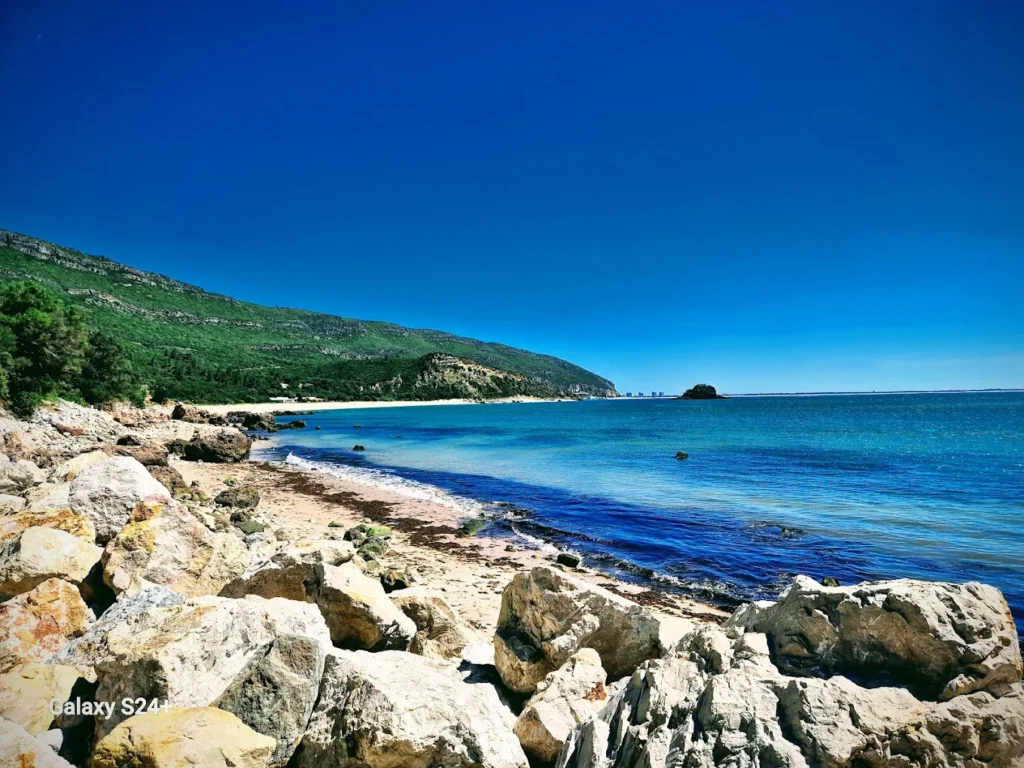
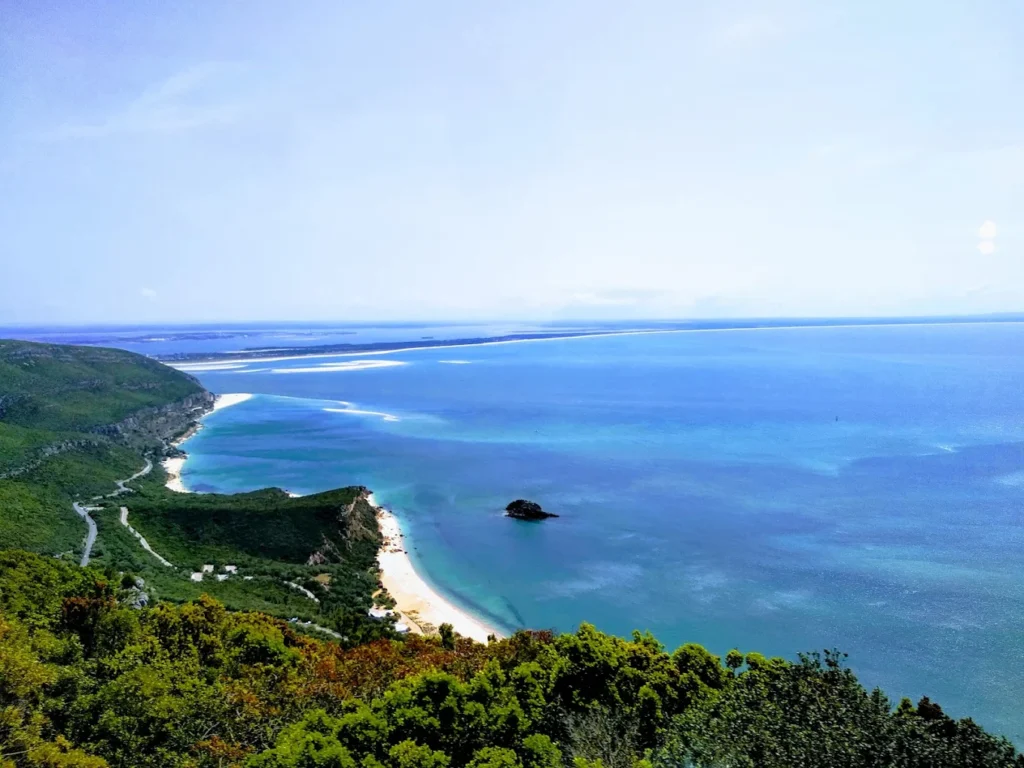
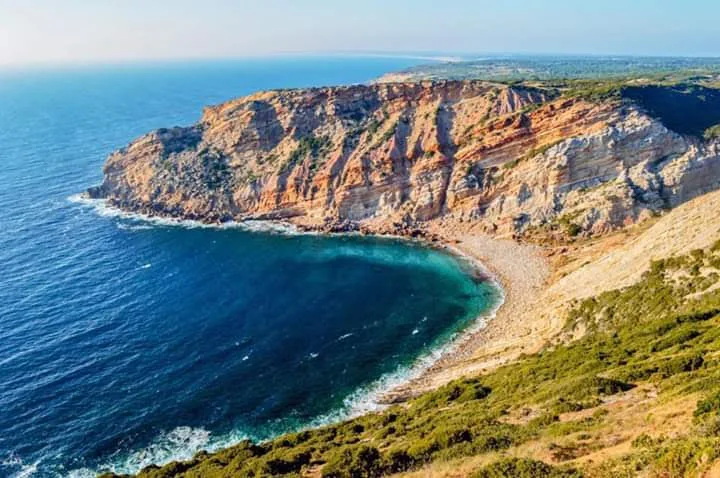
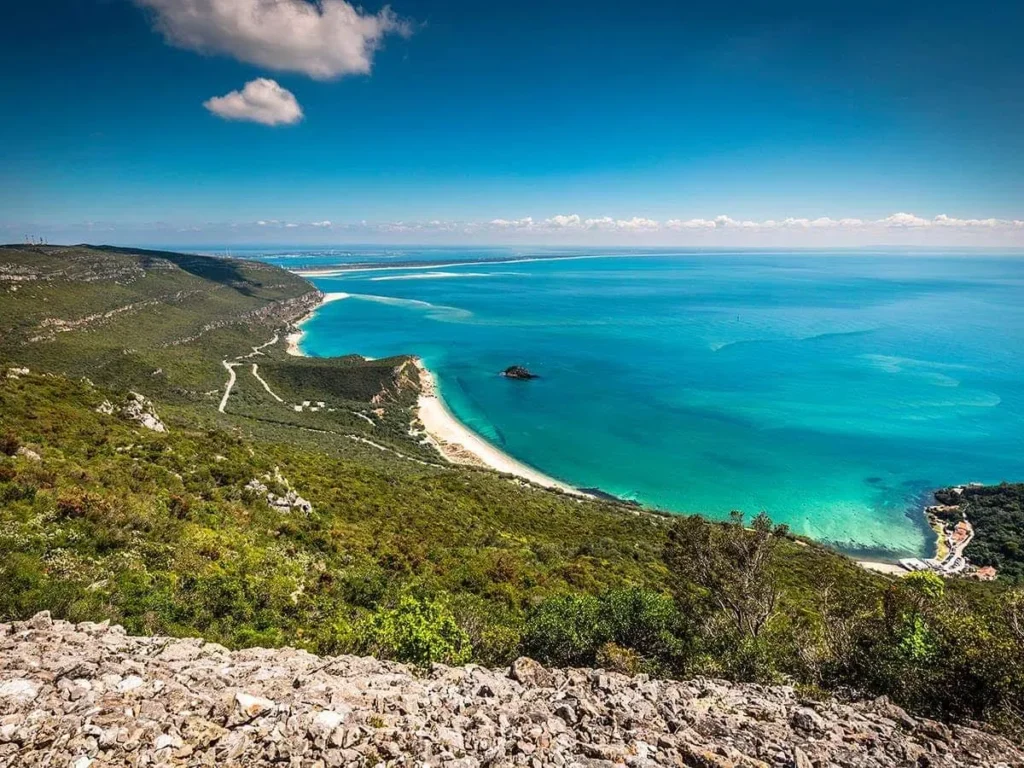
Highlights:
- Praia dos Galapinhos: Voted one of Europe’s best beaches, tiny and pristine
- Praia do Portinho da Arrábida: Calm, family-friendly, amazing snorkeling
- Serra da Arrábida: Hiking trails with panoramic coastal views
- José Maria da Fonseca Winery: Tour and tasting in Azeitão village (€10-€15)
Best for: Beach lovers seeking quieter alternatives to crowded Cascais beaches. May-September offers best weather for swimming.
The Secret Miradouros (Viewpoints)
Lisbon has dozens of viewpoints, but most tourists only visit the famous ones. These lesser-known miradouros offer equally stunning views with fraction of the crowds:
Miradouro da Nossa Senhora do Monte: The highest viewpoint in Lisbon, sunset views over the entire city, popular with locals, small kiosk serving drinks.
Jardim do Torel: Hidden garden terrace in Intendente neighborhood, Art Deco fountain, peaceful escape from tourist crowds.
Miradouro de Santa Catarina: Youth hangout spot at sunset, street performers, affordable drinks, authentic local atmosphere.
Miradouro do Recolhimento: Tiny balcony viewpoint in Alfama, almost no tourists, perfect for sunrise photography.
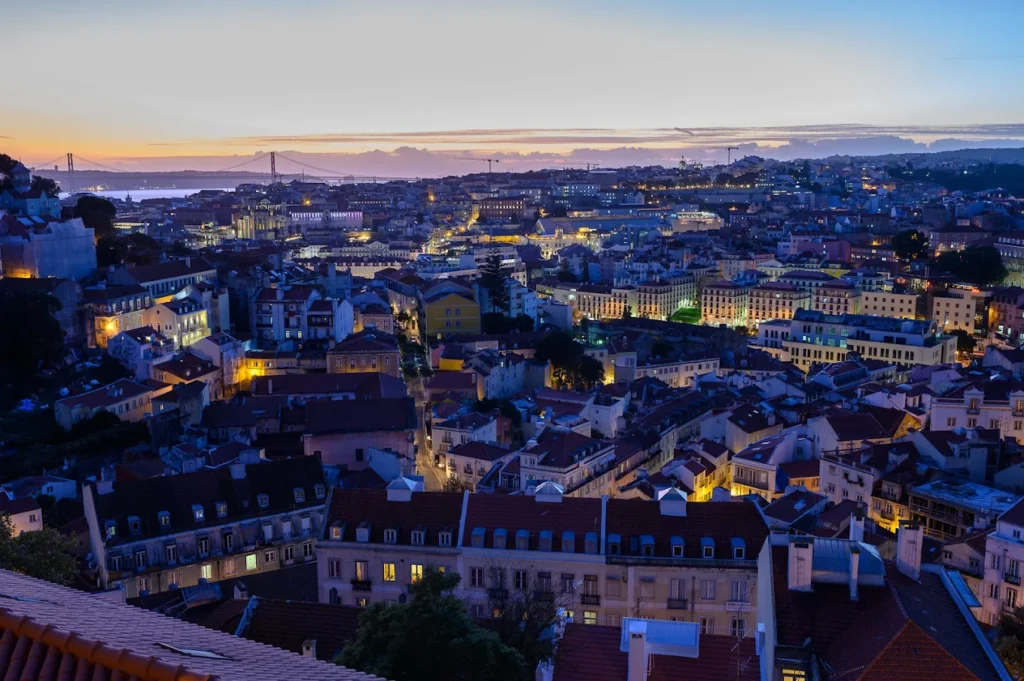
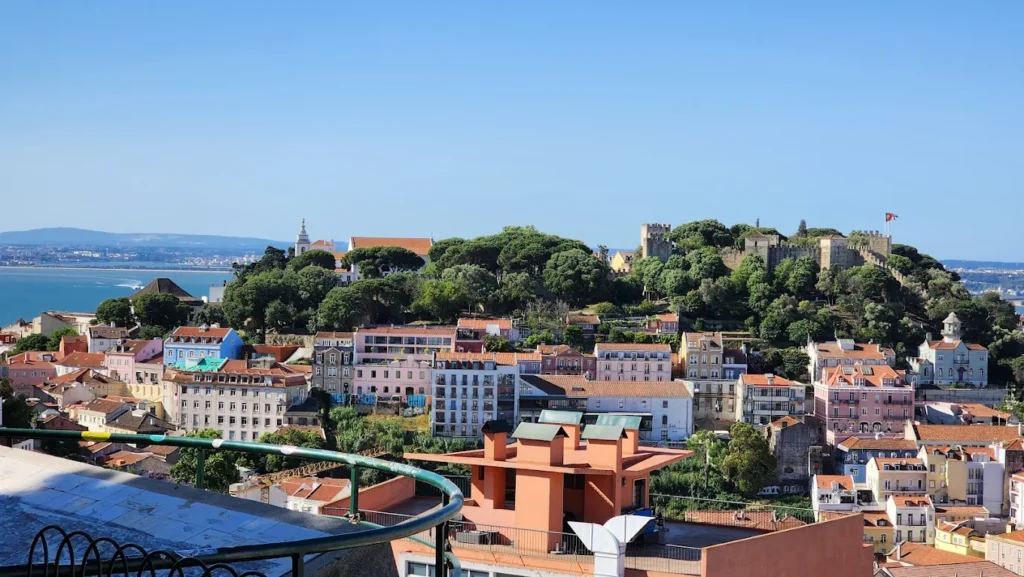
Pro tip: Download the Miradouros de Lisboa app (free) which maps all viewpoints with details and user photos.
LX Factory: Creative Hub in Industrial Setting
LX Factory occupies converted textile factory buildings under the 25 de Abril Bridge. This alternative cultural space houses art studios, indie bookstores, design shops, street art, and creative food and drink venues.
Location: Rua Rodrigues de Faria 103, Alcântara district
Access: 15-minute walk from Cais do Sodré or tram 15E
Why visit:
- Ler Devagar: Stunning bookstore in former printing press with bicycles suspended from ceiling
- Sunday market: Vintage goods, local crafts, food stalls (every Sunday 10 AM-7 PM)
- Street art: Constantly changing murals from Portuguese and international artists
- Restaurants: From vegan cafes to gourmet burgers to craft cocktails
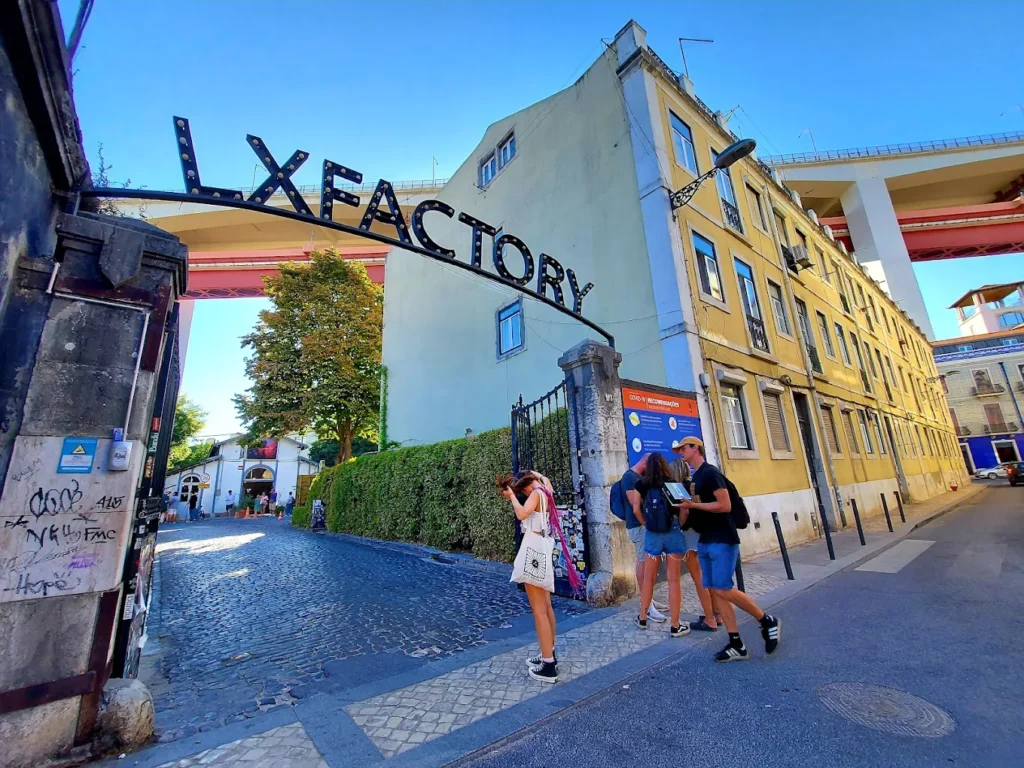
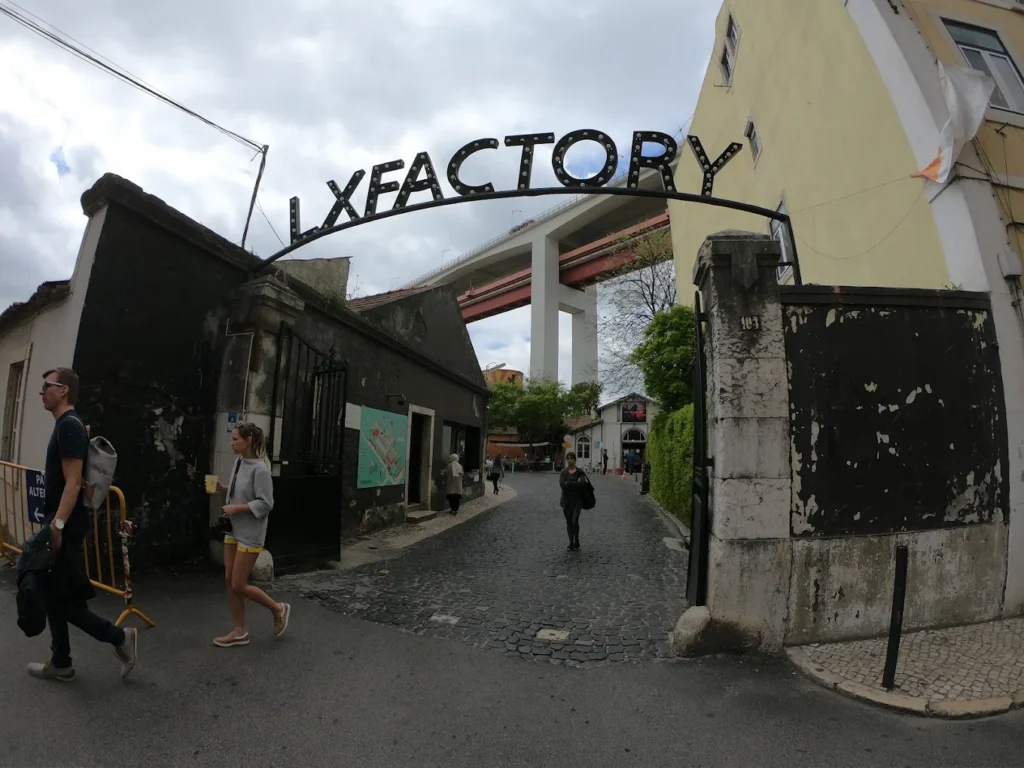
LX Factory represents modern Lisbon – creative, entrepreneurial, and international. The contrast between industrial architecture and contemporary culture makes it special.
Best time: Saturday-Sunday when most shops and the market operate. Some venues close Monday-Tuesday.
Mouraria: Multicultural Heart
Mouraria (the Moorish Quarter) sits northeast of Alfama and remains authentically multicultural. This is where African, Asian, and South American immigrants live alongside old Portuguese families.
What makes it special:
- Genuine neighborhood life away from tourist circuits
- International restaurants: Cape Verdean, Bangladeshi, Brazilian, Chinese all within few blocks
- Fado birthplace: Less touristy Fado houses than Alfama
- Street art: Bordalo II’s famous trash animal sculptures
- Martim Moniz Square: Multicultural gathering point, weekend markets

Walking route: Start at Martim Moniz, wander up Rua do Benformoso, explore the maze of residential streets, end at Miradouro da Nossa Senhora do Monte for sunset.
Food recommendation: Cantinho do Aziz for Mozambican piri-piri chicken (€12-€18 for generous portions).
Safety note: Mouraria has rougher edges than tourist areas but is generally safe during daytime and early evening. Use normal urban awareness.
Mercado de Campo de Ourique
While Time Out Market dominates the food hall conversation, Mercado de Campo de Ourique offers a more local experience in a residential neighborhood.
Location: Campo de Ourique (western Lisbon, tram 28 stops nearby)
Hours: 10 AM – 11 PM daily
This renovated traditional market maintains working butchers, fishmongers, and produce stalls alongside modern food counters serving everything from sushi to wine and cheese to Portuguese comfort food.
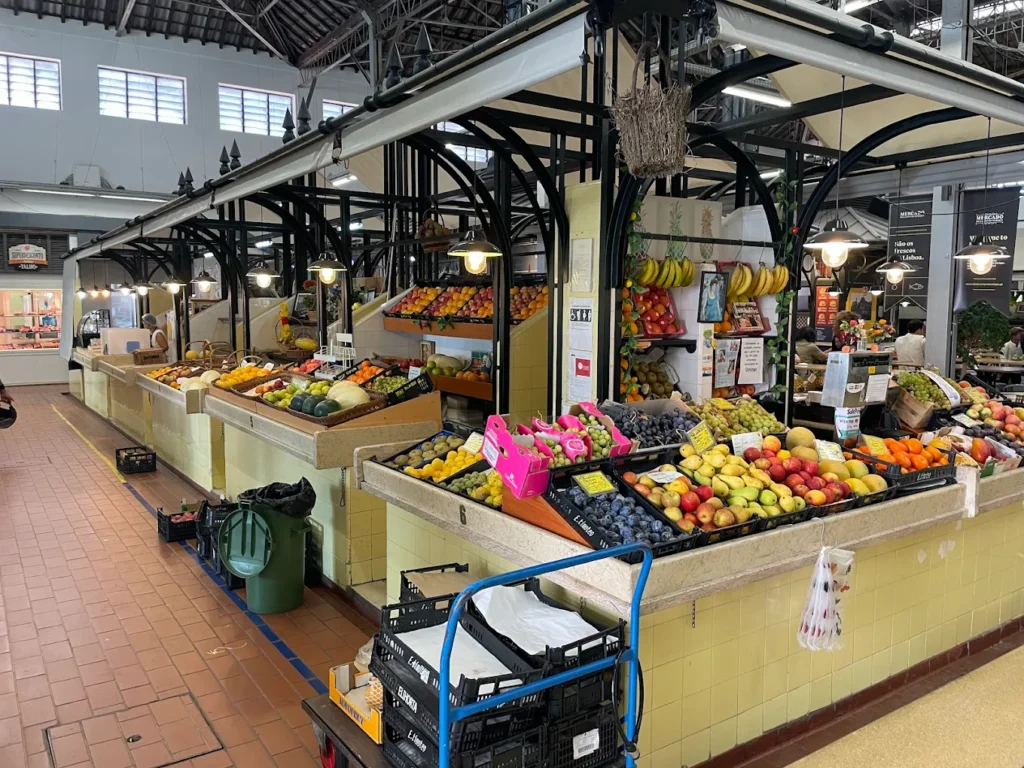
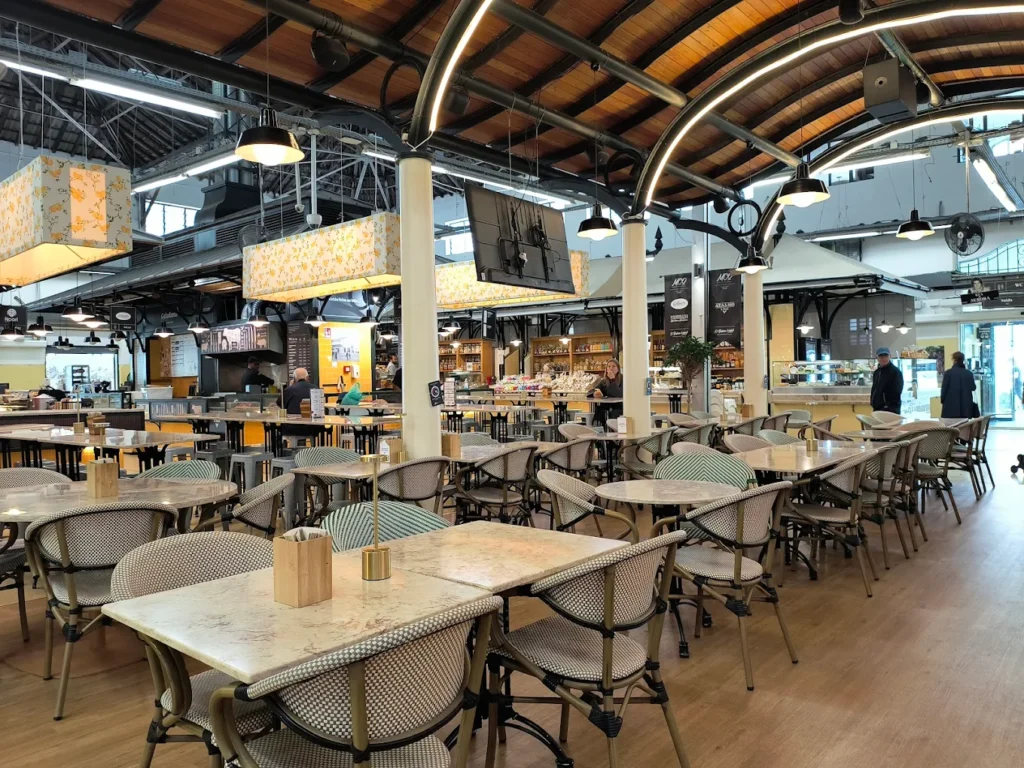
Why it’s better for some visitors:
- Fewer tourists, mostly Portuguese families and neighborhood regulars
- Lower prices than Time Out Market
- Authentic atmosphere balancing old and new Lisbon
- Outdoor seating in central courtyard
Try O Talho for quality Portuguese steaks at reasonable prices, or A Cultura do Hambúrguer for gourmet burgers (€8-€12).
❓ FAQs: What People Ask About Lisbon
What are the absolute must-dos in Lisbon?
Answer: Alfama exploration, São Jorge Castle, Belém Tower, Jerónimos Monastery, Tram 28, pastel de nata at Pastéis de Belém, and live Fado music.
The combination of historic neighborhoods, iconic monuments, local food, and cultural experiences gives you authentic Lisbon. You could skip some museums or modern districts and still have a great trip, but these seven experiences capture what makes Lisbon special.
What should I NOT do in Lisbon?
Answer: Don’t eat in Rossio Square restaurants, don’t only visit tourist areas, don’t skip public transport in favor of constant taxis, and don’t compare Portugal to Spain (locals find it annoying).
Rossio and Praça do Comércio restaurants are overpriced and mediocre – walk two blocks in any direction for better food at half the price. Venture beyond the Baixa-Chiado-Alfama triangle to see real Lisbon. The metro is efficient, modern, and cheap – use it. And while Portugal and Spain share the Iberian Peninsula, they have distinct cultures, languages, and histories. Portuguese people appreciate when visitors recognize this.
Is Lisbon friendly to US citizens and other international visitors?
Answer: Yes, extremely friendly. Lisbon is one of Europe’s most welcoming capitals with strong international tourism infrastructure and English proficiency.
Portuguese people generally have positive views of American, British, Canadian, and other English-speaking tourists. The city has centuries of experience as a port city connecting Europe, Africa, and the Americas, creating an open, cosmopolitan atmosphere. Anti-American sentiment is virtually non-existent unlike in some European cities.
US citizens don’t need visas for stays under 90 days within the Schengen Area. Starting 2025, you’ll need ETIAS authorization (simple online form, €7, valid three years) before travel.
How far is the beach from Lisbon?
Answer: Costa da Caparica beaches are 20 kilometers (30-40 minutes by car), Cascais beaches 30 kilometers (40 minutes by train), and city beaches like Carcavelos are accessible within 20-30 minutes.
Lisbon sits on the Tagus River estuary, not directly on the ocean. However, excellent beaches are easily reachable:
Closest ocean beach: Carcavelos – train from Cais do Sodré (25 minutes, €2.30), popular with surfers and families
Best beach variety: Costa da Caparica – 20+ kilometers of sandy beaches south of the Tagus, take ferry to Cacilhas then bus 135 (total €3-4, 45 minutes)
Most scenic: Cascais-Estoril coast – charming beaches mixed with town atmosphere, 40-minute train from Cais do Sodré
Summer weekends get crowded at all these beaches. Weekdays or shoulder season (May-June, September) offer better experiences.
Do I need to speak Portuguese?
Answer: No, English works well in tourist areas, but learning basic phrases enhances your experience and earns local appreciation.
Most Lisbon residents under 50 speak functional English. Restaurant menus in tourist areas include English translations. Museums and attractions provide English information. However, some traditional tascas, markets, and suburban areas operate primarily in Portuguese.
Download Google Translate app with offline Portuguese for situations where English isn’t available. The camera translate function works on menus and signs.
Is 3 days enough for Lisbon?
Answer: Yes, 3 days covers major highlights comfortably, but 5-7 days allows proper exploration including day trips to Sintra, Cascais, or Arrábida.
3 days gives you time for historic neighborhoods, major monuments, museums, food experiences, and nightlife without constant rushing. You’ll cover about 70-80% of what most visitors want to see.
5+ days lets you experience Lisbon more like a resident – leisurely meals, repeat visits to favorite neighborhoods, day trips to nearby destinations, and discoveries beyond tourist circuits.
Can I drink tap water in Lisbon?
Answer: Yes, Lisbon’s tap water is safe, clean, and meets EU standards. Drink freely from taps to save money and reduce plastic waste.
Some visitors notice slight chlorine taste due to water treatment, but it’s completely safe. Restaurants provide bottled water by default (they make money on it), but you can request “água da torneira” (tap water) for free. Most Portuguese people drink tap water at home.
What’s the best way from the airport to the city center?
Answer: Red Line metro (€1.50 with Viva Viagem card, 20 minutes) is fastest and cheapest, Aerobus (€4, 30-40 minutes) goes directly to major hotels, and taxis cost €15-€25 (15-25 minutes depending on traffic and destination).
The metro runs 6:30 AM – 1:00 AM daily. If your flight arrives outside these hours, take an official taxi (cream-colored with green roof) or pre-book an Uber/Bolt (€10-€18).
Avoid unlicensed taxis approaching you in the terminal – they’ll overcharge significantly.
Final Words: Your Lisbon Adventure Awaits
After two decades of helping travelers discover incredible destinations, I can say with confidence that Lisbon offers something truly special. The city balances historic significance with modern energy, authentic culture with welcoming tourism infrastructure, and European sophistication with refreshing affordability.
What to do in Lisbon Portugal isn’t just about checking monuments off a list. It’s about getting lost in Alfama’s winding streets and stumbling upon a tiny tavern where the grilled sardines are perfect. It’s standing in São Jorge Castle at sunset watching the city glow golden. It’s feeling your heart swell unexpectedly during a Fado performance even though you don’t understand the words. It’s tasting your tenth pastel de nata and still debating whether Pastéis de Belém or Manteigaria wins.
The beauty of Lisbon is that it rewards both careful planning and spontaneous wandering. Use this guide as your foundation, but leave room for serendipity. Some of my best Lisbon memories came from unplanned detours – a neighborhood festival we happened upon, a viewpoint we found by following local footsteps, a restaurant recommended by our Airbnb host.
2026 is an excellent time to visit. The city has recovered from pandemic disruptions, tourism infrastructure is better than ever, and Portugal continues investing in preserving its heritage while embracing sustainable growth. You’re visiting at the right moment.
Whether you have one day or one week, whether you’re traveling solo, as a couple, with family, or with friends, Lisbon will surprise and delight you. Pack comfortable shoes, bring your appetite (for both food and experiences), and prepare to fall in love with one of Europe’s most captivating capitals.
For more detailed European travel guides, hidden gem destinations, and practical planning advice, explore more articles at Xplore Heaven. Safe travels, and enjoy every moment in magical Lisbon!
References & Citations
This comprehensive guide to what to do in Lisbon Portugal is backed by authoritative sources, extensive research, and 20 years of hands-on travel industry experience:
- Visit Portugal Official Tourism Board – National tourism information and destination data
https://www.visitportugal.com/ - Turismo de Lisboa – Official Lisbon tourism and visitor statistics
https://www.visitlisboa.com/ - Parques de Sintra-Monte da Lua – Official information for Sintra palaces and monuments
https://www.parquesintra.pt/ - PORTAS (Portuguese Public Transport Authority) – Metro, tram, and train schedules and pricing
https://www.portalviva.pt/ - Oceanário de Lisboa – Official aquarium information and visitor guidelines
https://www.oceanario.pt/ - Museu Nacional do Azulejo – National Tile Museum official site
http://www.museudoazulejo.gov.pt/ - IPMA (Portuguese Institute for Sea and Atmosphere) – Climate data and weather patterns
https://www.ipma.pt/ - UNESCO World Heritage Centre – Information on Belém monuments and Sintra Cultural Landscape
https://whc.unesco.org/ - Direção-Geral do Património Cultural – Portuguese cultural heritage and monument preservation
http://www.patrimoniocultural.gov.pt/ - Pastéis de Belém Official – Historic bakery information
https://pasteisdebelem.pt/ - Time Out Market Lisboa – Food hall vendor information and hours
https://www.timeoutmarket.com/lisbon/ - LX Factory – Creative hub event schedules and tenant directory
https://lxfactory.com/ - Carris (Lisbon Public Transport) – Tram 28 routes and operational details
https://www.carris.pt/ - Comboios de Portugal – Train services to Sintra, Cascais, and surrounding areas
https://www.cp.pt/ - Portuguese Tourism Institute – Safety statistics and visitor trend data
https://travelbi.turismodeportugal.pt/ - European Travel Information and Authorization System (ETIAS) – Visa waiver program details
https://www.etias.com/ - U.S. Department of State – Portugal Travel Advisory – Safety information for American travelers
https://travel.state.gov/content/travel/en/international-travel/International-Travel-Country-Information-Pages/Portugal.html - Instituto Nacional de Estatística (Statistics Portugal) – Demographic and tourism economic data
https://www.ine.pt/ - Parque Natural da Arrábida – Natural park regulations and conservation information
https://natural.pt/protected-areas/parque-natural-da-arrabida - Museu do Fado – Fado history and cultural significance
http://www.museudofado.pt/
This article combines information from these authoritative sources with practical, on-the-ground travel experience accumulated through managing hundreds of European tours and conducting firsthand destination research in Lisbon across multiple seasons and years.
BY:

Read More Articles;
- Okinawa Japan Travel Guide 2026: Culture, Beaches & Seasonal Blossoms (Ultimate Itinerary + Local Tips)
- Madeira Travel Guide 2026: Top Things to Do, Best Itineraries & Insider Tips
- Tinajani Canyon Peru: Ultimate Travel Guide to the Valley of Stone Giants, Elevation, Trails & FAQs
- Isla Suasi: The Complete Guide to Peru’s Private Lake Titicaca Island
- Ikara-Flinders Ranges — Complete Travel Guide for 2026