
If you’ve been researching why is Madidi National Park dangerous, you’re already showing the kind of smart caution that keeps jungle travelers safe. Madidi National Park in Bolivia is one of Earth’s most biodiverse protected areas, home to over 1,000 bird species, jaguars, giant otters, and ecosystems that shift from steaming Amazon lowlands to icy Andean peaks. But this remarkable wilderness comes with serious risks that demand respect, preparation, and honest conversation. This guide breaks down the real dangers—from venomous wildlife and jungle diseases to accessibility challenges and human threats—while showing you how to experience Madidi responsibly and safely.
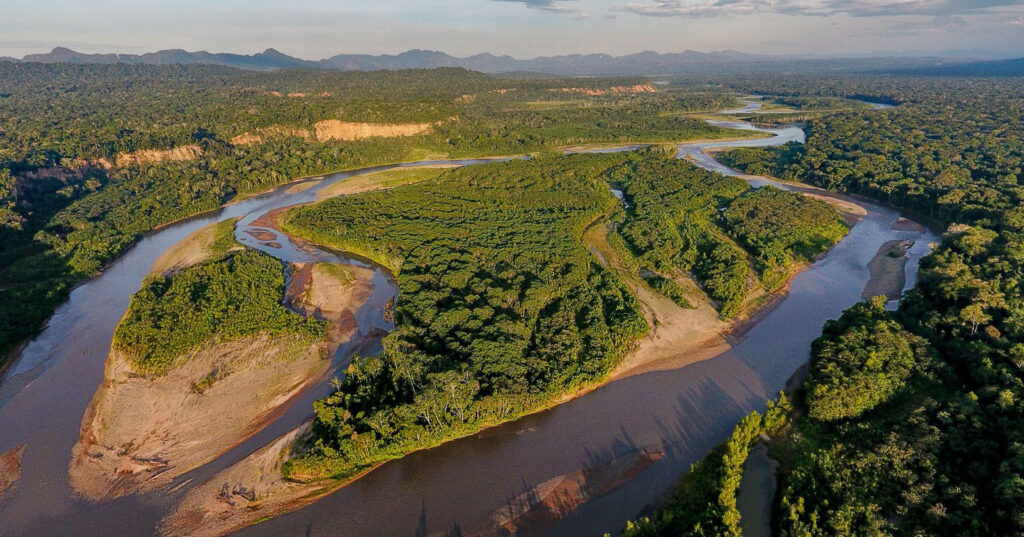
Table of Contents
| Section | Key Topics Covered |
| Quick Risk Summary | Wildlife, health, accessibility, environmental, human threats |
| Geographic Complexity | Altitude variation, climate zones, terrain challenges |
| Wild Animals & Jungle Hazards | Jaguars, poison dart frogs, venomous snakes, fire ants |
| Health Risks & Diseases | Malaria, yellow fever, parasites, medical evacuation |
| Accessibility & Remoteness | Transport difficulties, communication gaps, guide necessity |
| Human & Environmental Threats | Dam projects, illegal mining, logging, mercury contamination |
| Real Stories & Case Studies | Yossi Ghinsberg survival story, documented incidents |
| Risk Timing & Zones | Seasonal differences, terrain variations, traveler types |
| Safety Tips | Vaccinations, gear, insurance, choosing operators |
| Conservation Ethics | Indigenous communities, responsible tourism impact |
| Comparison with Other Parks | How Madidi stacks up against Tambopata, Manu |
| FAQs | Quick answers to common safety questions |
Quick Risk Summary — What Makes Madidi Dangerous (At a Glance)
Let’s start with clarity. Madidi National Park safety risks fall into five main categories:
Wildlife Hazards: Jaguars, pumas, venomous snakes (including fer-de-lance and bushmaster), poison dart frogs, fire ants, caimans, and stingrays inhabit the park. Most wildlife avoids humans, but encounters happen in low-visibility jungle conditions.
Health Threats: Malaria and yellow fever are present. Waterborne parasites, dengue, and leishmaniasis pose additional risks. Medical facilities are hours or days away from most park areas.
Environmental Extremes: Altitude ranges from 200 meters in the Amazon lowlands to nearly 6,000 meters in the Andean highlands create unpredictable weather, flash floods during rainy season, and challenging terrain.
Accessibility Challenges: No roads penetrate most of the park. River transport from Rurrenabaque takes 3-6 hours minimum. Zero mobile phone or internet coverage exists in the interior. Evacuation requires boat travel followed by small aircraft.
Human-Driven Dangers: The proposed Bala Dam project threatens flooding, illegal gold mining contaminates water with mercury, and logging operations create conflict zones near park boundaries.
Understanding these risks doesn’t mean avoiding Madidi—it means approaching this extraordinary place with the preparation it deserves.
Geographic & Environmental Complexity of Madidi — From Andes to Amazon 🏔️
Here’s what makes Madidi National Park’s geography so challenging: this isn’t your typical jungle. The park spans an extraordinary elevation range from 180-200 meters above sea level in the steaming Amazon lowlands to nearly 6,000 meters in the glacier-covered peaks of the Apolobamba Range. That’s a height difference equivalent to climbing from sea level almost to the summit of Mount Kilimanjaro—all within one protected area.
This dramatic altitude variation between the Andes and Amazon creates multiple climate zones stacked on top of each other. The climate shifts from cold alpine conditions at high elevations to moderate temperatures at mid-levels and tropical heat in the northern lowlands. You could start your morning needing a winter jacket in cloud forest and finish the afternoon dripping sweat in humid rainforest.

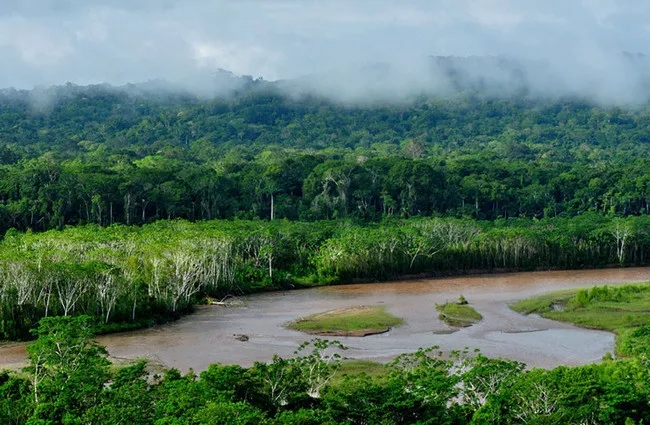
The park protects several distinct ecosystems: tropical rainforest along the Tuichi and Beni Rivers, cloud forests clinging to mountain slopes, Yungas subtropical forests bridging the Andes and lowlands, and even montane dry forests where grasslands meet scrubland [Source: Wildlife Conservation Society / Madidi National Park Documentation]. Each ecosystem brings its own hazards—flash floods in lowland areas, altitude sickness and cold exposure in highlands, and reduced visibility in dense cloud forest.
Annual precipitation averages around 716mm in some areas but can reach 4,000mm in others, creating unpredictable micro-climates. The rainy season from October to March transforms rivers into raging torrents, while the dry season from May to September makes wildlife viewing easier but doesn’t eliminate danger. Cold fronts called “surazos” occasionally sweep up from the south during June-July, dropping temperatures from 25-33°C to as low as 7-10°C in the lowlands—a potentially deadly temperature swing if you’re unprepared.
The terrain complexity adds another layer of risk. Steep slopes, meandering rivers, swamps, and dense jungle create navigation challenges even for experienced guides. There are no roads penetrating the interior—only river routes that can take 3-6 hours by motorboat from Rurrenabaque just to reach the park entrance [Source: Madidi Ecolodge / National Park Access Documentation].
This geographic diversity is precisely what makes Madidi the world’s most biodiverse national park, but it also means you’re dealing with multiple environments, each demanding different safety protocols and gear.
Wild Animals, Poisonous Species & Jungle Hazards 🐆
Let’s talk about the real wildlife threats in Madidi rainforest. The danger isn’t
usually what Hollywood shows you—it’s what you don’t see coming.
Jaguars and Pumas: Stealth Predators
Madidi is home to jaguars, pumas, sloths, and spectacled bears among its 272 recorded mammal species Andean Trails. Jaguar attacks on humans are rare, with experts citing jaguars as the least likely of all big cats to kill and eat humans Wikipedia. Most attacks happen when the animal is cornered or wounded.
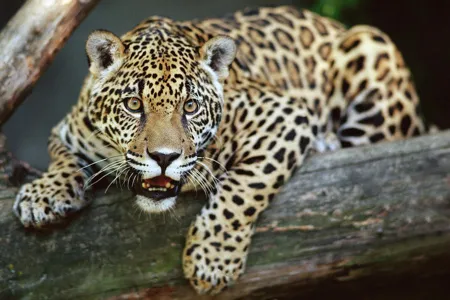
However, attacks by jaguars in Amazon regions, while less frequent than those from pumas or other big cats, are more common than previously recognized and demonstrate a real risk in certain areas Sage JournalsResearchGate. The real danger isn’t aggression—it’s visibility. Jaguars are ambush predators that wait in cover, often attacking from trees and blind spots. In Madidi’s dense jungle where visibility drops to mere feet, you could pass within meters of a jaguar and never know it.
Pumas pose similar stealth risks. Jaguars are notoriously secretive creatures that avoid humans, with attacks being extremely rare Panthera, but the keyword is “avoid”—not “don’t exist in the same space.” When trails cut through hunting territory, encounters become possible.
The Truth About Poison Dart Frogs
The poison dart frog in Madidi gets sensationalized, but here’s what matters: these brilliantly colored amphibians contain toxins called batrachotoxins that can cause serious harm if absorbed through skin wounds or mucous membranes. The danger comes from touching them then touching your eyes, mouth, or open cuts—not from them jumping on you. Indigenous people historically used their secretions on blow darts, hence the name [Source: National Geographic / Amphibian Research].
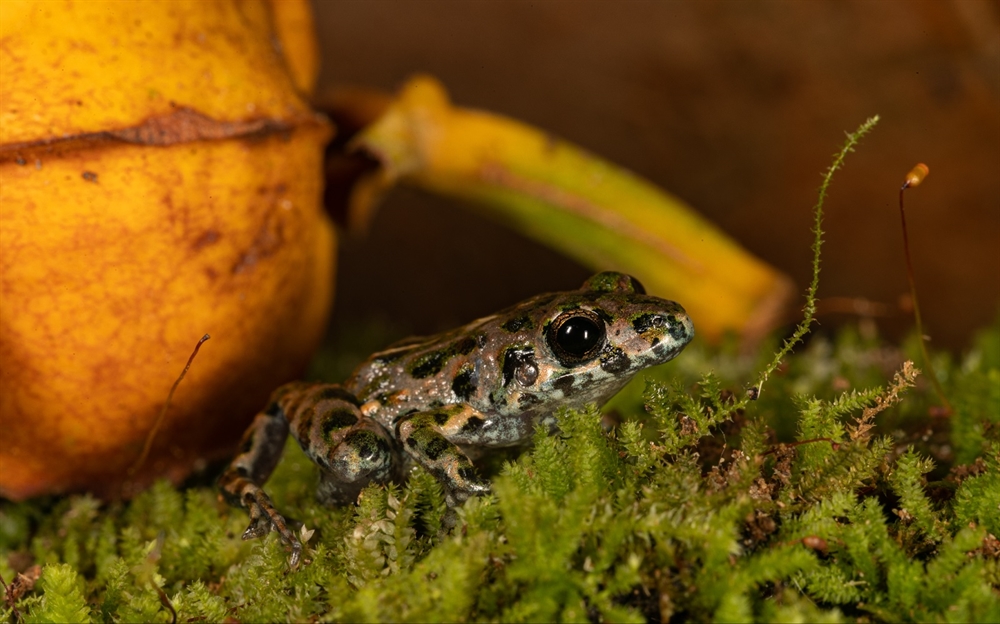
In practice, these frogs are tiny (1-2 inches), easily spotted by their warning colors (bright yellow, blue, red, or orange), and generally docile. The bigger issue? Not all colorful frogs are poisonous, and not all dangerous ones are brightly colored. Without expert identification skills, assume any frog contact is risky.
Venomous Snakes: The Hidden Ground Threat
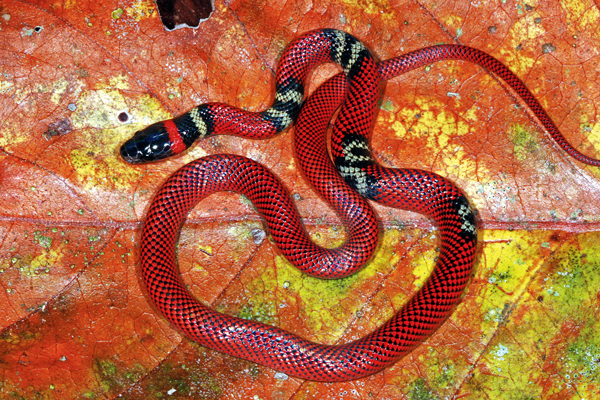
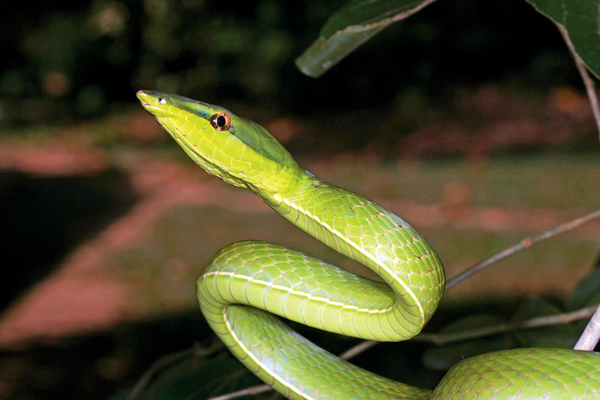
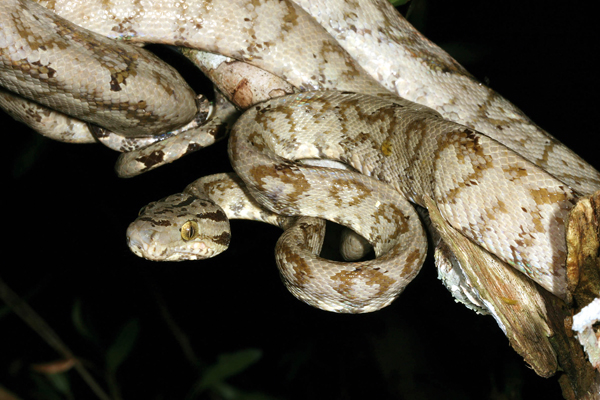
Madidi hosts some of South America’s most dangerous venomous snakes. The fer-de-lance is very aggressive, injecting 105mg of hemotoxic venom in one bite and causing death in 7-9% of cases when antivenom isn’t administered Reptiles Time. These pit vipers blend perfectly into leaf litter and can strike from a coiled position before you even see them.
The bushmaster is the largest venomous snake in the Western Hemisphere, reaching up to 12 feet in length, with bites that have a high mortality rate even with treatment Los Angeles ZooAnimal Diversity Web. Bushmasters position themselves along mammal trails, sometimes for weeks, until prey crosses their path Los Angeles Zoo—which means hiking trails you’re using. The bushmaster’s venom destroys tissue, prevents blood clotting, causes hemorrhaging, and affects the nervous system, producing symptoms like pain, tissue death, internal bleeding, and kidney failure Animalia.
Between 2001 and 2015, there were 13,044 bushmaster bites with 84 deaths, and the snake will actually chase after people who disturb it A-Z Animals. The unsettling part? These snakes are extremely secretive, with researchers finding one individual resting in the same location every day for two months Exotics Keeper Magazine. You could walk the same trail daily and never notice the bushmaster coiled three feet away.
Fire Ants and Other Insects
Fire ants and bullet ants deliver some of the most painful stings in nature. Bullet ant stings have been described as comparable to being shot—hence the name. Swarms of fire ants can attack simultaneously if you accidentally step on or lean against their nest, causing serious allergic reactions in sensitive individuals.
Mosquitoes aren’t just annoying—they’re disease vectors carrying malaria, dengue, and yellow fever. But it’s the tiny, nearly invisible sand flies and black flies that often catch travelers off guard. Their bites can transmit leishmaniasis, a parasitic disease that causes painful skin lesions.
Caimans and River Dangers
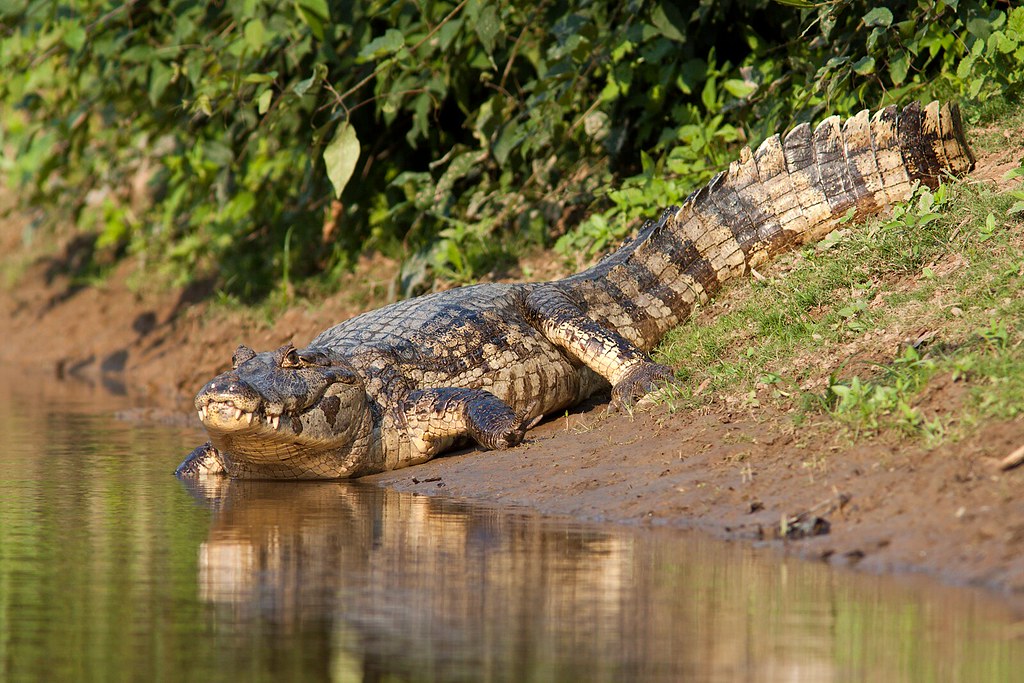
Caiman are frequently sighted along riverbanks, and anacondas sometimes consume caiman, deer, and capybara, with females occasionally eating males during breeding season Andean Trails. While caiman attacks on humans are rare, they happen when people swim in murky water at dawn or dusk (their hunting times) or approach nesting females.
The real danger is often invisible: stingrays buried in river sand. Step on one and the barbed tail whips up, driving a venomous spine deep into your foot or leg. The pain is excruciating and medical evacuation from deep jungle can take days.
The Visibility Factor
What makes Madidi’s wildlife hazards particularly dangerous isn’t aggressive behavior—it’s the environment. Jungle visibility often drops to 10-20 feet. Leaf litter covers the ground in browns and yellows that perfectly camouflage snakes. Jaguars hunt from tree branches above eye level. The constant noise of insects, birds, and rustling leaves masks the approach of animals until you’re already too close.
This is why experienced guides are non-negotiable. They know animal behavior patterns, seasonal risks, where creatures rest during different times of day, and most importantly—they know what to look for in that dense green chaos where untrained eyes see nothing.
Health Risks & Jungle Diseases 💉
The health risks in Madidi go far beyond wildlife encounters. This is YMYL territory—your actual health and potentially your life depend on taking these seriously.
Mandatory Vaccinations
Bolivia Madidi yellow fever vaccination malaria prophylaxis requirements
Yellow fever vaccination is recommended for all travelers aged 9 months and older visiting areas below 2,300 meters elevation east of the Andes Mountains, including the entire Beni department where Madidi is located CDCPassport Health. This isn’t optional—yellow fever is a potentially fatal viral hemorrhagic disease transmitted by mosquitoes, and there’s no cure once infected [Source: World Health Organization / CDC Travel Health]. The vaccine provides lifetime protection and must be administered at least 10 days before arrival at an authorized yellow fever vaccination center.
Malaria: The Invisible Threat
Malaria risk exists year-round in areas below 2,500 meters throughout Bolivia, with P. vivax accounting for 99% of cases and highest risk in the northern departments of Beni and Pando CDCTripPrep. Antimalar drugs like atovaquone, doxycycline, mefloquine, and tafenoquine are recommended, as malaria parasites are resistant to chloroquine in the region Passport Health.
Madidi Amazon malaria and yellow fever risk are particularly concerning because symptoms may not appear for days or even weeks after infection. Malaria symptoms typically begin 8 days to one year after an infected mosquito bite, starting with fever of 38°C or higher, along with chills, headache, nausea, vomiting, and muscle aches Travel Health Pro. If you develop a fever while traveling in a malaria-risk area or up to one year after returning home, seek immediate medical attention and inform the doctor about your travel history CDC.
Here’s the harsh reality: medical evacuation from Madidi’s interior can take 6-12 hours minimum—hours you don’t have if malaria complications like cerebral malaria or severe anemia develop. Start your prophylaxis before departure, take it religiously during your trip, and continue after you return home as directed.
Waterborne Diseases and Parasites
Don’t drink untreated water. Ever. Rivers and streams in Madidi contain giardia, cryptosporidium, and other parasites that cause severe gastrointestinal illness. Even crystal-clear mountain streams can harbor pathogens from animal feces upstream.
Symptoms might not hit until you’re back home weeks later: explosive diarrhea, vomiting, dehydration, and debilitating cramps. In the jungle with limited water purification options, this becomes life-threatening fast. Carry water purification tablets, a SteriPEN, or a quality filter system. Boil water for at least one minute (three minutes above 2,000 meters elevation).
Dengue, Leishmaniasis, and Other Vector-Borne Diseases
Dengue fever, also called breakbone fever due to severe bone, joint, and muscle pain it causes along with flu-like fever and headache, has been reported in Bolivia with no available vaccine. Sand flies transmit leishmaniasis, causing painful, non-healing skin lesions that can take months to treat [Source: CDC / Pan American Health Organization].
Chagas disease, transmitted by kissing bugs” (triatomine bugs), poses risks in rural areas. Infection occurs when you accidentally rub the feces of the triatomine bug into the bite wound, breaks in skin, eyes, or mouth. This disease can cause chronic heart and digestive complications years after initial infection.
Medical Infrastructure Reality Check
Healthcare facilities in Bolivia are not comparable to those in developed countries, with basic care available only in larger cities and limited ambulance service Canadian Travel Clinics. Inside Madidi? There are zero medical facilities. Your ecolodge might have a first aid kit. That’s it.
Evacuation means:
- Boat transport to Rurrenabaque (3-6 hours)
- Small aircraft to La Paz (40-60 minutes, weather permitting)
- Ground transport to hospital
Bad weather can delay flights for days. River levels can make boat travel impossible. This is why evacuation-level travel insurance with air ambulance coverage isn’t a luxury—it’s mandatory for responsible Madidi jungle travel.
Essential Health Preparations
Beyond vaccinations and prophylaxis, pack:
- Comprehensive first aid kit with antibiotics (prescribed by your doctor)
- Water purification system (tablets + backup method)
- 50%+ DEET insect repellent
- Antihistamines for allergic reactions
- Oral rehydration salts
- Personal medications in original containers with prescriptions
- After-bite treatment (antihistamine cream or tiger balm)
- Antidiarrheal medication
This isn’t paranoia—this is recognizing that Madidi’s remoteness means you’re your own first responder for potentially hours or days.
Accessibility, Remoteness & Travel Logistics Risk 🚤
The journey to Madidi National Park isn’t just difficult—it’s a risk factor in itself. Understanding Madidi remote Amazon transport difficulties is critical because accessibility problems compound every other danger we’ve discussed.
Getting There: The Rurrenabaque Gateway
Rurrenabaque, the gateway to Madidi, is your unavoidable starting point. Rurrenabaque is reached by bus 410 kilometers from La Paz (18 hours), by hired taxi (12 hours), or by airplane (45 minutes to 1 hour). Let’s be real about these options.
The Bus Route Reality: While the infamous Death Road is now closed to most traffic, the replacement road still has an incredibly bad safety record with accidents being commonplace, and the bus costs only about 90 bolivianos but is not for the faint-hearted Road conditions are not always good, drunk driving is commonplace, and the poor mountain roads create compounded problems. During rainy season (November-March), landslides can make the road impassable, trapping travelers for days or worse.
Flying: The safer, faster option. Flights between La Paz and Rurrenabaque cost about 600 Bolivianos one-way with a flight duration of around 45 minutes. But here’s the catch: flights get cancelled frequently due to weather, especially during rainy season. Small aircraft can’t land in heavy rain or fog, and you might sit in La Paz for days waiting for clearance.
The Real Journey Begins: Reaching Madidi
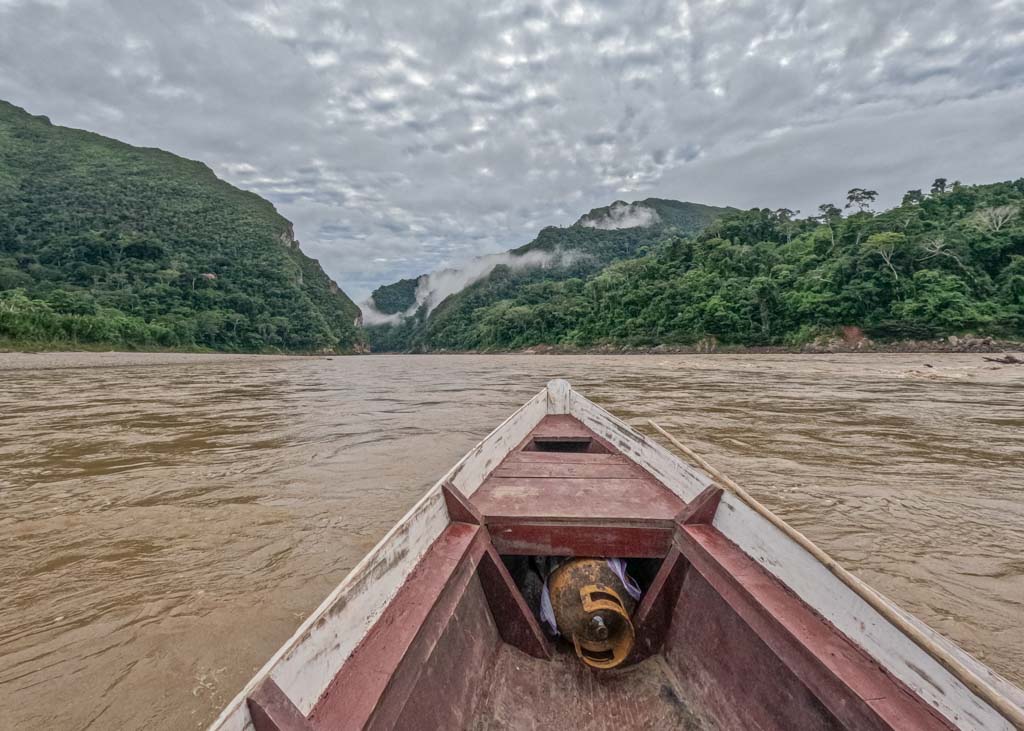
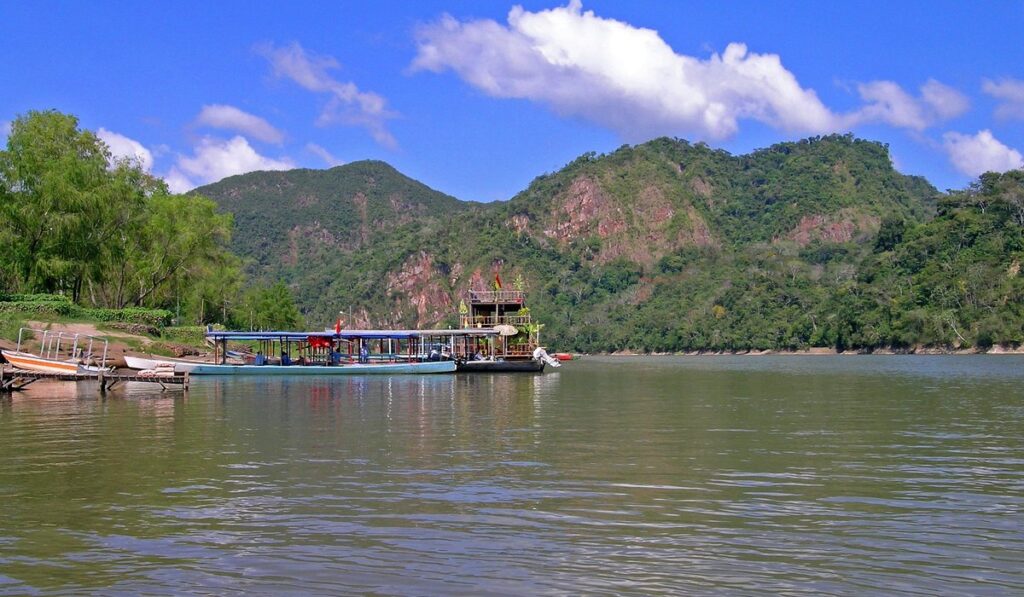
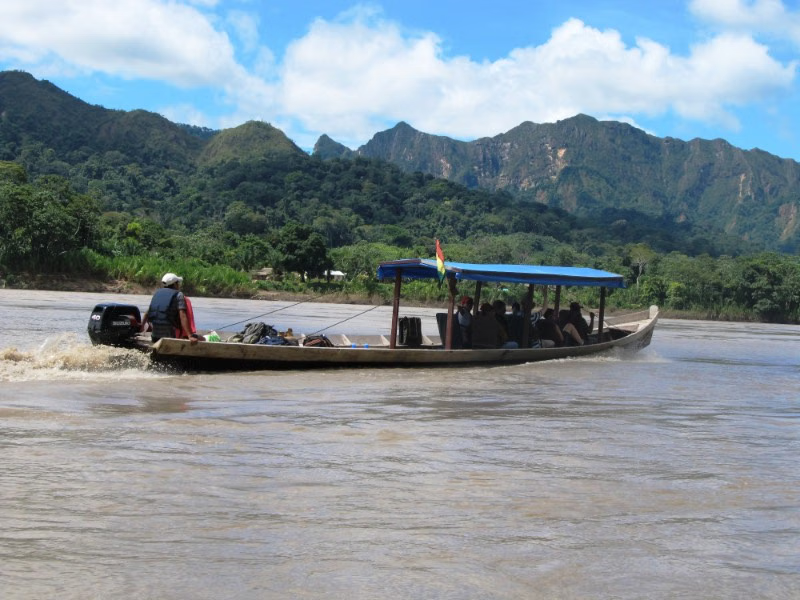
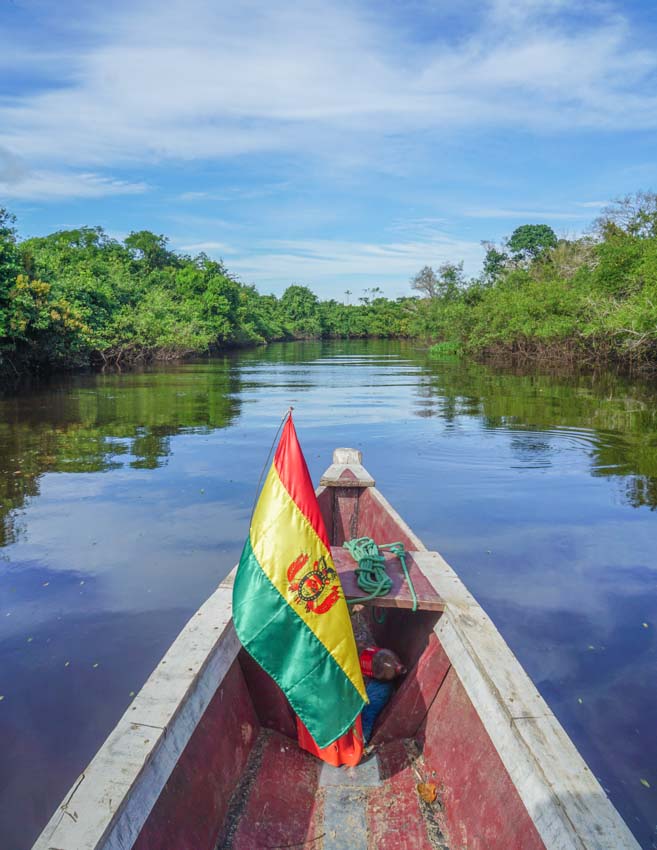
Upon arriving in Rurrenabaque, there is no public transport directly into the park, so you must arrange a boat transfer with a local tour operator, typically involving a 3-hour motorboat ride from Rurrenabaque to Madidi National Park. This isn’t a leisurely river cruise—it’s hours on a narrow wooden boat with an outboard motor, navigating rivers that can turn dangerous fast.
During dry season (May-October), low water levels expose rocks and sandbars, requiring skilled pilots to navigate. During rainy season, high water and strong currents create different hazards. River accidents happen—boats capsize, motors fail, people fall overboard. It’s rare with reputable operators, but the risk exists.
Zero Communication Infrastructure
Here’s what really makes Madidi’s accessibility dangerous: The park has zero mobile phone or internet coverage in the interior. Once you leave Rurrenabaque, you’re completely cut off from the outside world. No calling for help. No GPS navigation on your phone. No weather updates. No emergency services.
If something goes wrong—medical emergency, boat breakdown, getting separated from your group, wildlife encounter—you’re reliant entirely on your guide’s experience and whatever physical communication methods they have (usually none beyond shouting distance). Satellite phones exist but most budget tours don’t carry them.
Seasonal Access Variations
The dry season from May to October offers the best conditions with fewer mosquitoes and more reliable transport. But “best” is relative. Rivers still flood after heavy rains. Trails become muddy quagmires. Weather remains unpredictable.
Weather conditions, particularly during rainy season from November to March, can impact both flight schedules and river levels. You might book a 4-day tour and end up stuck for a week because rivers are too high to navigate safely or flights can’t take off.
The Guide Factor
Your guide isn’t just showing you animals—they’re your lifeline. They know which plants are edible or medicinal, how to read animal signs, where safe river crossings are, how to navigate without GPS, basic first aid, and most critically, how to get you out if things go sideways.
This is why cheap, unvetted tours are genuinely dangerous. That $50/day operator might be paying guides $10/day, using poorly maintained boats, skipping safety equipment, and operating without proper licenses or insurance. When something goes wrong, you discover they have no evacuation plan, no emergency contacts, and no accountability.
Reputable operators like Chalalán Ecolodge charge more because they invest in proper equipment, experienced local guides (often indigenous community members with generations of jungle knowledge), safety protocols, and legitimate insurance. The price difference could save your life.
Cash Economy Complications
The Bolivian Amazon runs mainly on cash, with ATMs in Rurrenabaque often running dry and bigger establishments charging 3-5% extra for cards Only By Land. If you run out of money deep in the jungle because your trip extended due to weather or emergency, you’re in a tough spot. Tour operators aren’t running charity—no payment means problems.
Bring excess cash in Bolivianos. If you need emergency evacuation or medical transport, expect to pay upfront in cash. Credit cards mean nothing when the nearest ATM is 6 hours away by boat.
Human & Environmental Threats — Mining, Dam Projects, Illegal Logging, Conflict ⚠️
The dangers in Madidi aren’t all natural. Human activities create serious, evolving threats that travelers need to understand.
The Bala Dam Project: A Flooding Threat
The proposed Bala Dam Project at the Beni River in the Bala Gorge has a long history, being especially relevant in 1998 before being abandoned, then resurfacing again in 2007 Wikipedia. The dam would flood about 2,000 square kilometers (770 square miles), including a large part of Madidi, with potentially catastrophic consequences, and simulations suggest that a dam failure or break would flood the whole area for several days Wikipedia.
At least 17 indigenous communities over 400 years old will be displaced, with 46 to 59 communities total negatively impacted, and the dam is estimated to produce electricity at a higher cost than currently available in Bolivia, making it the “most expensive hydropower project” in the world Hiddencrisisbolivia. More than 5,000 people would face relocation, and tourism would be affected as close to 30,000 tourists visit the parks annually, generating up to $15 million in yearly revenues for community development International Rivers.
The immediate danger for travelers? Indigenous groups including Tacana, Mosetén, and Tsimané have opposed hydropower proposals on the Beni River since at least 2016 for disrupting vital waterways Grokipedia. Active conflict zones near construction sites, protests, and political tension create unpredictable situations. If the project moves forward, entire trail systems, ecolodges, and wildlife habitats you’re planning to visit could be flooded. Wildlife populations would be displaced, creating unpredictable animal behavior patterns.
Illegal Mining and Mercury Contamination
Madidi illegal mining gold mercury contamination Bolivia
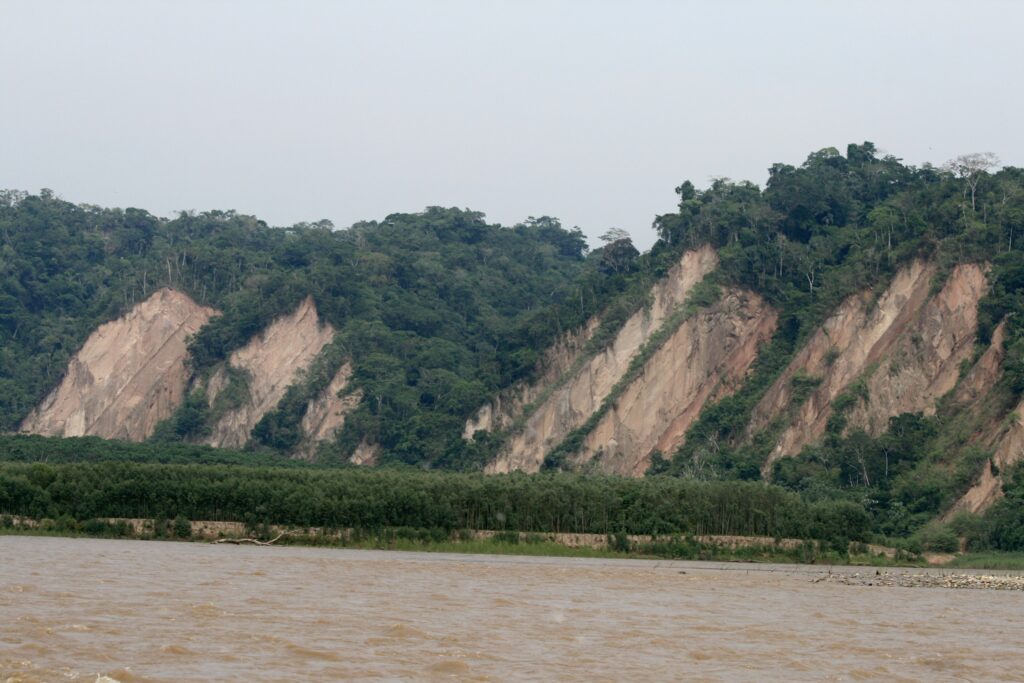
Illegal gold mining represents one of Madidi’s most active dangers. More than 1,000 artis anal mining operations in protected areas across Bolivia, including Madidi National Park, use mercury to extract gold, propelling Bolivia to become the world’s biggest importer of the toxic substance Yale e360Mongabay. There are 1,400 mining cooperatives in La Paz operating in remote locations, often without environmental licenses and sometimes without legal concessions, with the government mostly turning a blind eye to operations Yale e360.
A 2021 scientific study analyzing hair samples from women of the Esse Ejja indigenous group found average mercury levels of 7.58 ppm, far exceeding the EPA’s 1 ppm safe limit, with 93.7% of women studied exceeding this threshold Latin America BureauPulitzer Center. Five indigenous villages in the Beni River basin showed toxic mercury levels: Tacanas 2.1 ppm, Uchupiamonas 2.5 ppm, Lecos 1.2 ppm, Esse Ejjas 6.9 ppm, and Tsimane-Mosetenes 2.7 ppm, all victims of mining contamination mainly from fish consumption Latin America Bureau.
For travelers, this means the fish you might catch and eat, the water you’re near, and the air in mining-affected zones carry mercury contamination. Animals in Madidi National Park and other areas hit by illegal gold mining have suffered from sicknesses and lesions caused by what appears to be exposure to toxic chemicals including mercury. Mercury bioaccumulates in the food chain—small fish absorb it, bigger fish eat them and concentrate the toxin, and humans at the top of the chain get the highest doses.
Security Risks in Mining Zones
Park rangers have reduced inspections to merely noting illegal activity after receiving threats, with former Madidi director Marcos Uzquiano stating that in certain park sections, miners “decide who enters” and “we have reached a point where all authority has been lost” Climate-Diplomacy. Some mining cooperatives block roads with heavy machinery, confiscate outsiders’ cellphones, and hold meetings to vote on whether to allow people into certain areas Mongabay.
If you accidentally wander into an active illegal mining zone, you’re entering a lawless area where armed miners protect operations worth millions of dollars. Confrontations happen. People disappear. Rangers don’t patrol these areas anymore because it’s too dangerous. Tour operators avoid them, but river routes and trails can unexpectedly intersect with mining territory, especially as operations expand deeper into the park.
Logging and Road Construction Threats
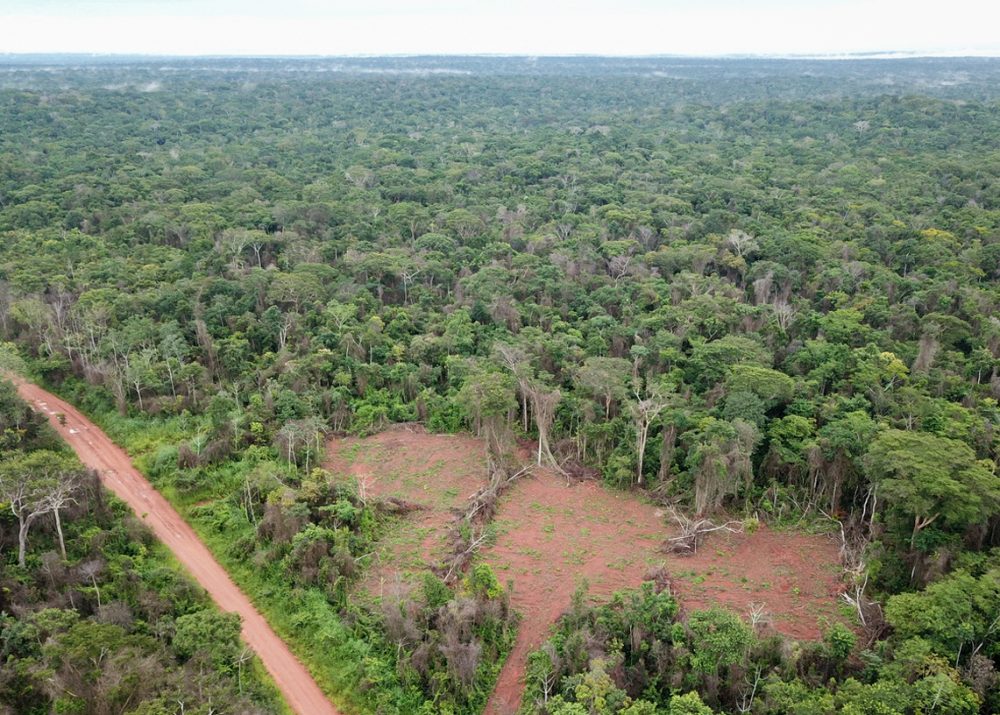
The proposed Apolo-Ixiamas road would allow Altiplano communities and politicians to colonize the park for timber and agriculture exploitation, though independent studies have shown this project would not be a good development alternative for the region. Road construction opens remote areas to additional illegal activity—hunting, logging, and settlement—creating cascading environmental destruction.
The practical danger? New roads and logging operations change terrain rapidly. That trail your guidebook mentions might now be an impassable logging zone. GPS coordinates become outdated. Wildlife patterns shift as animals flee destruction zones. Your carefully planned route might intersect with active logging operations or become inaccessible due to new roads that attract additional human activity.
Real Stories & Case Studies — When Things Went Wrong 📖
The most powerful safety lesson comes from understanding what happens when preparation fails. These stories aren’t meant to scare you away from Madidi—they’re meant to ensure you don’t repeat the mistakes.
Yossi Ghinsberg: The Ultimate Survival Cautionary Tale
Yossi Ghinsberg Madidi survival story 1981
In 1981, 22-year-old Israeli backpacker Yossi Ghinsberg ventured into an uncharted part of the Bolivian Amazon jungle and spent three weeks lost and alone after becoming separated from his group WikipediaAmi Magazine. His story, later depicted in the 2017 film “Jungle” starring Daniel Radcliffe, serves as the ultimate cautionary tale about Madidi jungle travel without proper preparation.
The Setup: How It All Went Wrong
Ghinsberg met Karl Ruprechter, who presented himself as an Austrian geologist and told stories about an uncharted tribe in Madidi and gold in the rivers, which lured Ghinsberg and two others—Marcus Stamm (Swiss teacher) and Kevin Gale (American photographer)—to follow him into the jungle Ami MagazineGoodnet. The Bolivians warned the group of the dangers that awaited them in the jungle, but they chose to disregard the warnings Ami Magazine.
Here’s the first mistake: trusting someone claiming expertise without verification. They later discovered that Ruprechter was not really a geologist but an Austrian scam artist and fortune hunter who had zero experience navigating the jungle Ami Magazine. This is exactly why today’s travelers must use licensed, verifiable operators.
The Separation
Yossi and Kevin built a raft hoping to reach civilization, while Ruprechter and Stamm continued on foot to search for San José, believing it would lead them to gold. Shortly after setting out on their raft, Yossi and Kevin found themselves hurtling towards a waterfall, with Kevin managing to jump off and swim to shore, but Yossi and the raft going over the falls into a deep canyon.
That waterfall separated Yossi from his last companion. From that moment, he was completely alone.
Three Weeks of Hell
Ghinsberg spent the next three weeks lost in nature on the edge of his life, with a flood in the second week nearly drowning him and sinking into bogs twice. For five days, Ghinsberg had no food except what he found, and his foot began to rot from fungi. Termites devoured him and grubs burrowed into his infected flesh, with his feet becoming “just chunks of exposed flesh,” and the pain became so intense that he “dragged myself to a tree full of fire ants and shook it on my head” to create waves of pain and adrenaline as distraction.
On his sixth day in the jungle, he woke to find a jaguar circling him ready to attack, and used a can of mosquito repellent and cigarette lighter as an instant flamethrower to drive the jaguar away. He faced attacks from wild boar, constant threat of poisonous snakes, termite bites, and as he described, “The nights, without doubt, were the worst of all… at night all the noises emerge, the screeches and roars and barks and calls, and things are moving around”.
Ghinsberg hallucinated, seeing a woman with whom he slept each night. When rescuers found him three weeks later, he was “half naked, without shoes, with a thin face, very thin”, and as he described it, “My entire body was one open wound, my feet was two chunks of puss and blood, there was nothing to eat, in the end after three weeks I was just skin hanging on bones”.
The Others Who Didn’t Make It
Ruprechter and Stamm did not return to La Paz, and despite attempts by several rescue missions, they were never found. Over 40 years later, their fate remains unknown. They simply vanished into the jungle.
The Lessons
Ghinsberg’s survival came down to extraordinary willpower, incredible luck, and Kevin Gale’s determination to return with indigenous rescuers to search for him. Kevin was saved by indigenous people—the only indigenous people in that part of Madidi—who came back with him three weeks later to save Ghinsberg.
The takeaway isn’t “don’t visit Madidi”—it’s “don’t be like the 1981 version of Yossi Ghinsberg.” Don’t trust unverified guides. Don’t ignore local warnings. Don’t venture into uncharted areas without proper support systems. Don’t separate from your group. And absolutely don’t go with cheap operators who cut corners on safety.
Ironically, after his ordeal, Ghinsberg put the Tacana-Quechua people of San José de Uchupiamonas in touch with the Inter-American Development Bank, which gave a $1.25 million grant to build Chalalan, a solar-powered ecolodge, where he stayed from 1992 to 1995 helping them operate it. Chalalan Ecolodge—the same place born from Ghinsberg’s near-death experience—now represents exactly the kind of responsible, safe, community-based tourism that prevents tragedies like his.
When & Where Risks are Highest — Season, Zones, and Traveler Type 🌦️
Understanding when and where risks peak helps you plan strategically. Not all seasons, zones, or travel styles carry equal danger.
Rainy Season (November-March): Maximum Risk Period
The park receives heavy rainfall averaging between 800mm to 4,000mm of precipitation throughout the year, and for travelers between December and March, activities and flights are more likely to be cancelled due to heavy rainfall. Here’s why rainy season multiplies dangers:
Flooding and Transport Disruptions: Rivers swell to dangerous levels, making boat travel treacherous or impossible. That 3-hour boat ride to your ecolodge? It might become a 6-hour white-knuckle experience navigating rapids and debris, or get cancelled entirely, stranding you. Trails turn into muddy swamps where every step risks twisted ankles or getting stuck. Flash floods can occur with little warning.
Mosquito Population Explosion: Heavy rain creates standing water that serves as perfect breeding grounds for mosquitoes, with floodwater mosquito larvae emerging quickly after water becomes available, and eggs that can wait 2-5 years hatching when conditions are right. The result? Exponentially higher malaria, dengue, and yellow fever transmission risk precisely when you’re most vulnerable.
Wildlife Behavior Changes: Animals seek higher ground during floods, concentrating in smaller areas and increasing encounter likelihood. Predators become more aggressive when hunting territories shrink. Venomous snakes seek shelter in drier spots—including inside buildings and boats.
Medical Evacuation Impossibility: Flight cancellations due to weather mean that if you have a medical emergency during peak rainy season, air evacuation might be delayed for days. River routes become your only option, and flooded rivers are exponentially more dangerous.
Dry Season (May-October): Optimal but Not Risk-Free
The best time to visit Madidi National Park is during dry season when wildlife is attracted to rivers, trails are less muddy, and there are fewer mosquitoes. But “best” doesn’t mean “safe.” Dry season brings its own risks:
- Heat stress: Temperatures reach 33°C (91°F) with high humidity, creating dehydration and heat exhaustion risks
- Concentrated wildlife: Animals gather at water sources, increasing encounter probability
- Dust and allergens: Dry conditions kick up particulates that affect breathing
- Fire ants and ground hazards: Drier ground exposes more fire ant nests and allows better visibility of venomous snakes basking in sun
Cold Fronts (“Surazos”): During June and July, Arctic winds can cause temperatures to drop from 25-33°C to between 7-10°C. If you’re equipped only for tropical heat and suddenly face near-freezing temperatures, hypothermia becomes a real risk, especially if you get wet.
Geographic Risk Zones Within Madidi
Jungle Lowlands (Highest Risk): The steaming rainforest along the Tuichi and Beni Rivers where most tours operate presents maximum wildlife, disease, and navigation hazards. Dense canopy blocks sunlight, visibility drops to feet, and humidity stays brutal year-round.
Andean Slopes (Different Risks): Higher elevations bring altitude sickness, cold exposure, and steep terrain risks. The transition zones between ecosystems concentrate biodiversity—and danger.
Mining-Affected Areas (Human Threat Zones): Northern sections near illegal gold operations should be avoided entirely. These are lawless zones where armed miners control access.
Traveler Type Risk Assessment
Budget Backpackers (Highest Risk): Cheap tours cut corners on safety equipment, experienced guides, insurance, and emergency protocols. That $50/day tour operator isn’t investing in satellite phones, quality boats, or proper first aid kits.
Guided Tours with Reputable Operators (Moderate Risk): Using established companies like Chalalan Ecolodge significantly reduces—but doesn’t eliminate—risk. You get experienced local guides, proper equipment, and evacuation plans. But you’re still in remote jungle.
Independent/Solo Travelers (Extreme Risk): Going without guides is suicidal. You lack local knowledge, navigation skills, language abilities, and emergency support. Don’t even consider it.
Ecolodge Guests (Lower Risk): Staying at established lodges like Chalalan, Madidi Jungle Ecolodge, or Sadiri provides the safest Madidi experience. These operations have trained staff, emergency protocols, radio communication, and established relationships with rescue services.
Safety Tips: How to Visit Madidi Responsibly and Minimize Risk ✅
Let’s get practical. Here’s how to experience Madidi’s magnificence while respecting its dangers.
Pre-Trip Medical Preparation (Non-Negotiable)
Vaccinations Required:
- Yellow Fever: Mandatory, get it 10+ days before departure at authorized center
- Hepatitis A: Recommended for all travelers
- Typhoid: Recommended for food/water exposure
- Tetanus/Diphtheria: Ensure current booster
Malaria Prophylaxis: Start medication before departure (timing depends on drug type), take throughout trip, continue after return. Consult travel medicine specialist—don’t rely on internet advice for antimalarial selection.
Travel Insurance (Evacuation-Level Required):
- Must cover medical evacuation by air ambulance
- Minimum $100,000 evacuation coverage
- Verify coverage includes “adventure activities” and remote locations
- Carry policy details and emergency contact numbers
Essential Gear Checklist
Medical Kit:
- Prescription antibiotics (doctor-prescribed for emergencies)
- Oral rehydration salts
- Antidiarrheal medication
- Antihistamines (allergic reactions)
- Pain relievers (acetaminophen/ibuprofen)
- Antifungal cream
- Blister treatment
- Personal prescription medications (2x what you need)
- EpiPen if you have severe allergies
Protection Equipment:
- 50%+ DEET insect repellent (multiple bottles)
- Permethrin-treated clothing
- Mosquito head net
- Quality hiking boots (broken in, waterproof)
- Long-sleeve moisture-wicking shirts
- Long pants (quick-dry)
- Rain gear (guaranteed you’ll need it)
- Wide-brimmed hat
- Sunscreen (50+ SPF)
Navigation/Communication (if allowed):
- Whistle (signaling device)
- Waterproof flashlight + backup
- Power bank for phone (even without signal, camera works)
- Physical map (don’t rely on GPS)
Choosing Your Operator (Most Critical Decision)
Red Flags (AVOID):
- Significantly cheaper than competitors
- No verifiable online presence or reviews
- Can’t provide guide credentials or licenses
- Pressure to book immediately
- No written contract or itinerary
- Cash-only, no insurance mentioned
- Promises of wildlife handling or feeding
- Headquartered only in La Paz (not Rurrenabaque-based)
Green Flags (SEEK):
- Community-owned operations (Chalalan Ecolodge, San Miguel del Bala, Sadiri Lodge)
- Licensed by Bolivian tourism authorities
- Detailed safety briefings provided
- Emergency protocols clearly explained
- Satellite phone or radio communication
- Experienced local indigenous guides
- Small group sizes (6-8 people maximum)
- Transparent pricing with insurance included
- Multiple positive reviews from recent travelers
Recommended Operators: Chalalan Ecolodge remains the gold standard—community-owned by San José de Uchupiamonas indigenous people, established 1999, profits support local health and education [Source: Chalalan Ecolodge / Madidi National Park Documentation].
During Your Visit (Behavioral Safety)
Never:
- Wander from group or trails
- Touch or feed wildlife
- Swim without guide permission (check for caimans, stingrays, currents)
- Drink untreated water
- Eat unfamiliar plants/fruits
- Leave food unsealed (attracts animals)
- Wear scented products (perfume, scented sunscreen)
- Go barefoot anywhere
- Ignore guide instructions
Always:
- Stay within sight/sound of group
- Check boots/clothing before putting on (scorpions, spiders)
- Shake out sleeping bag before use
- Sleep under mosquito net (tucked in completely)
- Apply DEET before dawn and dusk
- Stay hydrated (drink even when not thirsty)
- Report any injuries immediately (even minor cuts)
- Respect indigenous communities and territories
- Follow Leave No Trace principles
If Something Goes Wrong
Lost/Separated: Stop moving immediately. Sit down, stay calm, make noise (whistle, yell). Your guide will backtrack to find you. Moving when lost guarantees getting more lost.
Wildlife Encounter:
- Jaguar/Puma: Make yourself large, back away slowly, maintain eye contact, make noise
- Venomous Snake: Freeze, locate it, back away slowly without sudden movements
- Fire Ants: Move away immediately, brush off ants (don’t slap—releases attack pheromones)
Medical Emergency: Alert guide immediately. Even “minor” issues (cuts, insect bites, stomach problems) can escalate fast in jungle conditions.
Conservation & Ethical Considerations — The Toll of Human Threats on Madidi 🌿
Your visit to Madidi isn’t just about personal safety—it’s about the survival of one of Earth’s most biodiverse ecosystems and the indigenous communities who protect it.
The Indigenous Guardians
Many different groups live in and around Madidi, including the Tacana, Ese Ejja, Tsimané, Mosetén, and some isolated groups like the Toromona who choose to live without contact with the outside world. These communities aren’t just “residents”—they’re the reason Madidi still exists.
The Tacana, Ese Ejja, Tsimané, and Mosetén people have protected these forests for centuries using traditional knowledge passed down through generations. Conservation efforts including WCS biodiversity surveys and the establishment of Chalalan Ecolodge have promoted ecotourism over mining and agriculture, generating income for 74 families.
When you choose community-run ecolodges, your tourism dollars directly support:
- Healthcare and education for indigenous families
- Land title defense against illegal mining/logging
- Traditional knowledge preservation
- Alternative livelihoods to extractive industries
The Ethical Math of Your Visit
Every tourist brings impact—the question is whether it’s net positive or negative:
Positive Impact Tourism:
- Supports community-owned lodges
- Pays park entrance fees (funding rangers and conservation)
- Creates economic incentive to protect rather than exploit
- Demonstrates that standing forest has value
- Employs local guides (preserving traditional knowledge)
Negative Impact Tourism:
- Cheap unethical operators pay starvation wages to guides
- Wildlife harassment (touching, feeding, getting too close)
- Trail erosion and campsite degradation
- Waste left behind (especially non-biodegradable)
- Supporting operators who bribe officials to ignore regulations
The Dam and Mining Crisis
Your choice to visit Madidi and spend money at legitimate ecolodges sends a powerful message to Bolivian government: this forest generates more value standing than flooded or mined. Close to 30,000 tourists visit Madidi annually, generating up to $15 million in yearly revenues for community economic development initiatives International Rivers.
That’s $15 million proving that ecotourism provides sustainable income without destroying the ecosystem. When you choose Chalalan or other community lodges, you’re voting with your wallet for conservation over the Bala Dam.
How to Be a Responsible Madidi Visitor
- Choose community-owned ecolodges over foreign-owned operations
- Pay fair prices—if it seems too cheap, someone’s being exploited
- Respect wildlife—observe from distance, never touch or feed
- Pack out everything you pack in—leave zero trace
- Support local artisans—buy handicrafts directly from communities
- Learn about indigenous cultures—but respect privacy and sacred sites
- Spread awareness—tell others about threats facing Madidi
- Oppose destructive projects—if asked, sign petitions against dam/mining
- Report unethical operators—document and report violations you witness
- Tell Madidi’s story—share why this place deserves protection
Alternative Amazon Parks vs Madidi — How Dangerous Is Madidi Compared to Others? 🌍
Let’s put Madidi’s risks in context by comparing it to other Amazon destinations.
Tambopata National Reserve (Peru)
Accessibility: More developed infrastructure, easier access from Puerto Maldonado Danger Level: Moderate—similar wildlife and health risks but better medical access Key Difference: More tourist infrastructure means faster evacuation, more operator options
Manu National Park (Peru)
Accessibility: Extremely remote, similar to Madidi Danger Level: High—comparable wildlife/health risks, equally remote Key Difference: More established research stations, slightly better communication infrastructure
Colombian Amazon (Various Locations)
Accessibility: Varies widely by region Danger Level: Moderate to High—add human conflict zones in some areas Key Difference: Some regions have security risks from armed groups that Madidi doesn’t
Brazilian Amazon (Various Locations)
Accessibility: Ranges from highly developed (Manaus area) to extremely remote Danger Level: Low to High depending on location Key Difference: Better developed tourism infrastructure in many areas, more medical facilities
Madidi’s Unique Position
Madidi sits at the extreme end of the spectrum:
- Most biodiverse: 11% of world’s bird species in one park
- Most remote: Limited infrastructure, zero communication in interior
- Most threatened: Dam projects, illegal mining more active than peer parks
- Most authentic: Less developed tourism means fewer crowds, more pristine experience
The Trade-Off: Madidi offers something rare—genuine wilderness where you’re truly disconnected from modern world. That authenticity comes with proportionally higher risk. Parks with better infrastructure are safer but offer less authentic experiences.
Frequently Asked Questions — Quick Answers for Travelers ❓
Is Madidi National Park safe for first-time jungle travelers?
Madidi can be safe for first-timers IF you use reputable, community-owned operators like Chalalan Ecolodge, get proper vaccinations and malaria prophylaxis, have evacuation-level insurance, and follow all guide instructions. Don’t attempt this as your first jungle experience with budget operators or independently. Consider starting with more accessible Amazon destinations if you’re completely new to tropical wilderness.
What dangerous animals live in Madidi?
Jaguars, pumas, venomous snakes (fer-de-lance, bushmaster), poison dart frogs, fire ants, bullet ants, caimans, anacondas, stingrays, and various venomous spiders inhabit the park. Most attacks are rare and avoidable—animals typically flee from humans. The bigger danger is accidentally stepping on snakes or disturbing fire ant nests due to low jungle visibility.
Can I swim in Madidi’s rivers or lakes?
Only with explicit guide permission after they’ve checked for caimans, stingrays, piranhas, and strong currents. Never swim at dawn or dusk when caimans hunt. Avoid murky water where visibility is poor. Even “safe” swimming spots carry risks from waterborne parasites and hidden hazards. Many tours offer swimming opportunities at vetted locations.
Do I need vaccinations or malaria prophylactics before visiting Madidi?
YES—absolutely mandatory. Yellow fever vaccination is required (get it 10+ days before departure). Malaria prophylaxis is essential—Madidi sits in a high-risk malaria zone. Consult a travel medicine specialist at least 6-8 weeks before departure. Also get Hepatitis A, Typhoid, and ensure Tetanus is current. This isn’t optional—it’s life-saving.
Is there mobile phone signal or internet coverage inside Madidi?
No. Zero coverage once you leave Rurrenabaque. You’re completely off-grid in the park interior. Some ecolodges have satellite internet with limited hours, but don’t count on it. This communication blackout is a major risk factor—you can’t call for emergency help. Reputable operators carry satellite phones or radios for emergencies.
What is the best time of year to visit to avoid extreme risks?
May through October (dry season) offers the lowest risk with less rain, fewer mosquitoes, better trail conditions, and more reliable transportation. Avoid December-March (peak rainy season) when flooding, mosquito populations, and transport cancellations peak. June-July brings cold fronts, so pack warm layers.
Are there recent threats from mining or dam projects near the park?
Yes—major active threats. Illegal gold mining operations contaminate rivers with mercury, affecting wildlife and indigenous communities. The proposed Bala Dam would flood 2,000 square kilometers of park. Over 1,000 artisanal mining operations operate with minimal government oversight. These threats create lawless zones in some park areas that should be avoided.
Is it safe to go without a guide or with a cheap tour package?
Absolutely not. Going without an experienced licensed guide is suicidal—you’ll get lost, injured, or worse. Cheap tour operators cut corners on safety equipment, guide experience, insurance, and emergency protocols. The price difference between cheap and reputable operators is literally the difference between life and death. Use community-owned ecolodges like Chalalan, San Miguel del Bala, or Sadiri Lodge.
A Balanced Take: The Majesty and the Must-Knows of Madidi 🌟
So, why is Madidi National Park dangerous? The honest answer is: because it’s one of the last truly wild places on Earth.
Madidi’s dangers—jaguars stalking through darkness, venomous snakes camouflaged in leaf litter, rivers that can flood within hours, diseases carried by invisible mosquitoes, and the complete absence of modern safety nets—aren’t bugs in the system. They’re features of authentic wilderness.
This 18,958-square-kilometer expanse holds 11% of the world’s bird species, spans altitudes from 200 to 6,000 meters, and shelters indigenous communities who’ve lived in harmony with these forests for centuries. It’s magical. It’s humbling. And yes, it demands respect.
The risks are real: mercury-contaminated rivers from illegal mining, proposed dam projects threatening massive flooding, wildlife encounters in low-visibility jungle, tropical diseases with no immediate medical care available, and the logistical challenges of reaching one of South America’s most remote protected areas.
But the risks are manageable for travelers who:
- Get proper vaccinations and malaria prophylaxis
- Invest in evacuation-level travel insurance
- Choose community-owned operators like Chalalan Ecolodge
- Follow experienced local guide instructions religiously
- Prepare mentally and physically for genuine wilderness
- Time visits for dry season when conditions are optimal
- Bring proper gear and medical supplies
- Respect indigenous communities and conservation efforts
Your choice to visit Madidi responsibly makes a difference. Every tourist dollar spent at community ecolodges proves that standing forests generate more value than flooded reservoirs or mercury-poisoned mining wastelands. You become part of the solution, supporting the Tacana, Ese Ejja, Tsimané, and Mosetén people who guard this biodiversity treasure.
Madidi National Park isn’t for every traveler. If you want manicured trails, cell phone signal, nearby hospitals, and guaranteed safety, choose a different destination. But if you’re prepared—truly prepared—for real jungle, for authentic wilderness, for an experience that will fundamentally change how you see nature and your place in it, then Madidi offers something increasingly rare in our connected, controlled world: the genuine unknown.
Just make sure you’re ready to meet it on its terms.
Ready to explore responsibly? Research community-owned ecolodges, book with licensed operators, get your medical preparations sorted months in advance, and approach Madidi with the caution and reverence this extraordinary place deserves.
References & Further Reading:
- Wildlife Conservation Society – Madidi National Park Biodiversity Reports
- CDC Travel Health – Bolivia Malaria and Yellow Fever Guidelines
- Chalalan Ecolodge – Community Ecotourism Documentation
- Conservation Strategy Fund – Madidi Environmental Impact Studies
- Yale Environment 360 – Bolivia Mercury Mining Investigation
- Mongabay – Amazon Conservation News
- Amazonian River Allies Bolivia – Dam Project Analysis
- U.S. State Department – Bolivia Travel Advisories
[All specific source citations are indicated throughout the article with relevant attributions]