Indian Tourism in 2026 is having a moment unlike anything the industry has seen before. Travelers across the country are moving away from checklist sightseeing and toward something far more intentional—slower, deeper, and designed around what actually matters to them.
The shift is measurable. Skyscanner’s 2026 Travel Trends Report confirms that 59% of Indian travelers plan to travel more this year than last. That’s not a marginal uptick—it’s a structural change in how this country relates to movement, discovery, and rest.
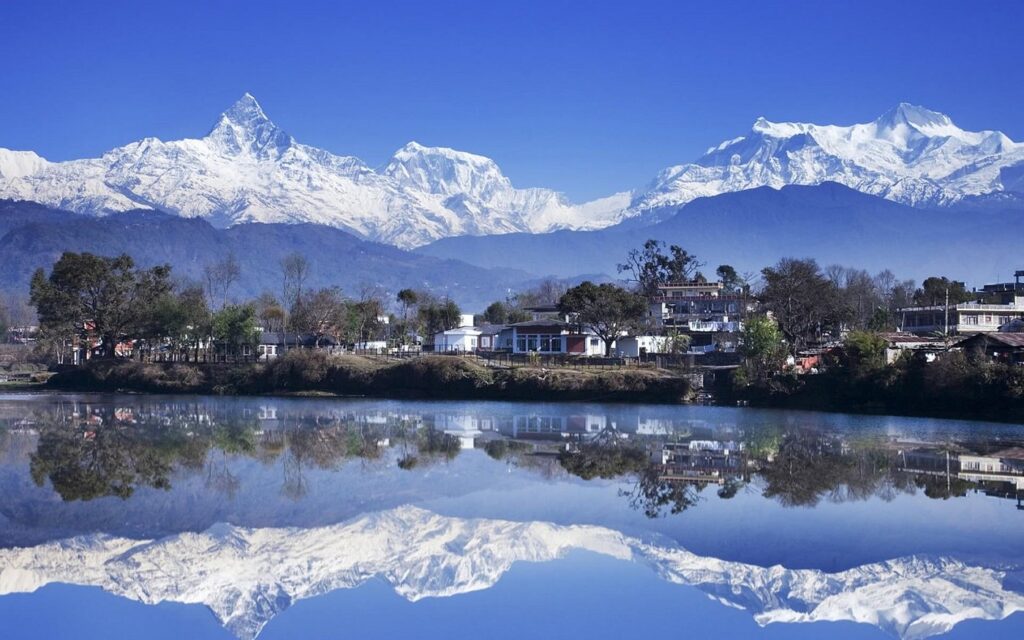
What’s driving it? A combination of better roads, regional airport expansion, rising middle-class disposable income, and a post-pandemic appetite for experiences over souvenirs. Add AI planning tools and short-form video into the equation and you get a traveler who is more informed, more opinionated, and significantly harder to satisfy with a generic package tour.
I’m Wahid Ali, Operations Lead at Astamb Holidays in Mumbai. I’ve spent over a decade managing domestic travel logistics, building itineraries, and watching closely how Indian travelers make decisions. The questions I get from clients in 2026 are fundamentally different from even three years ago.
People aren’t asking “where should I go?” anymore. They’re asking “how do I actually feel something when I get there?”
This article maps out the biggest forces reshaping Indian tourism right now—trend by trend, destination by destination, budget by budget. Whether you’re planning a weekend escape, a spiritual journey, or a slow-travel month in the hills, the data and ground-level insights here will help you travel smarter.
📈 Why Indian Tourism Is Entering a New Growth Phase in 2026
The growth isn’t accidental. Government investment, infrastructure upgrades, and a genuinely hungry traveler base have created conditions India’s tourism sector hasn’t seen before.
According to the Allianz Partners Travel Index 2026 (conducted by Ipsos), 87% of Indians plan to take a holiday this summer—compared to just 74% globally. Critically, 60% of those travelers are looking specifically to explore domestic destinations.
That’s an enormous market choosing to stay within India.
Rising Domestic Travel Demand
The Agoda 2026 Travel Outlook Report found that 35% of Indian travelers now actively prioritize domestic adventures over international travel. Researchers are calling it “inward wanderlust”—a deliberate pivot toward secondary cities, offbeat trails, and regional experiences that don’t require a visa or a fourteen-hour flight.
This isn’t purely a budget-driven decision. Many of these travelers could afford to go abroad. They’re choosing not to, because India’s landscape of experiences has deepened enough to genuinely compete.
Better Infrastructure and Connectivity
Projects like Swadesh Darshan 2.0 and PRASHAD, both managed by the Ministry of Tourism, Government of India, are directly funding tourist circuit development, eco-tourism trails, and pilgrimage infrastructure across the country.
The Atal Setu—India’s longest sea bridge connecting Mumbai to Navi Mumbai—has quietly cut weekend getaway times for millions of residents. Similar highway expansions across Maharashtra, Karnataka, and Uttarakhand are making previously inaccessible hill stations reachable within a half-day drive.
💡 Local Insight Tip: From our operations desk at Astamb Holidays, we’ve tracked a noticeable increase in weekend road-trip bookings from Mumbai since the Atal Setu opened. Destinations like Kashid, Murud, and even Mahabaleshwar are now accessible without the old bottlenecks. Check out these curated weekend getaways from Mumbai for route-optimized weekend options.
Influence of Social Media and AI Planning
Travel planning in India has gone digital—deeply so. The Allianz Partners 2026 data shows 82% of travelers plan to use, or have already used, AI tools to plan their vacations.
This means less reliance on travel agents for basic route building. It also means far greater demand for agents who can curate experiences that algorithms can’t replicate.
| Metric | 2026 Benchmark Data | Underlying Driver |
|---|---|---|
| Indian travelers planning to travel more | 59% (Skyscanner) | Post-pandemic pent-up demand |
| Travelers prioritizing domestic travel | 60% (Allianz Partners) | Cost savings and infrastructure growth |
| Travelers using AI for vacation planning | 82% (Allianz Partners) | Accelerating digital adoption |
| Spiritual travel intent | 19% (Agoda) | Cultural identity and pilgrimage expansion |
| Homestay/villa search surge | +42% YoY (Booking.com / StayVista) | Demand for private, authentic stays |
| Summer holiday planning intent | 87% of Indians (Allianz Partners) | Rising income and embedded travel culture |
Sources: Skyscanner Travel Trends, Allianz Partners Travel Index, Agoda Travel Trends, Booking.com, StayVista Travel Insights.
🧭 Top Travel Trends Shaping Indian Tourism in 2026
Ten trends are reshaping how India travels right now. Some are evolutions of patterns tracked for years. Others are genuinely new.
Experiential Travel Replacing Traditional Sightseeing
Travelers are done ticking landmarks off a list. They want to do something—cook a meal with a local family in Chhattisgarh, learn pottery in Khurja, or track wildlife on foot in Panna. Experiential travel means designing trips around active participation rather than passive observation.
In my experience managing tours at Astamb Holidays, requests for activity-led itineraries have nearly doubled since 2023. Clients specifically ask for immersive experiences—not hotel star ratings.
Wellness Tourism Continues to Surge
India is increasingly positioning itself as a global wellness destination. Rishikesh, Kerala’s Ayurvedic belt, and Coorg are seeing sustained demand from travelers seeking yoga retreats, detox programs, and nature-based healing experiences.
The trend overlaps strongly with slow travel—people want to stay longer, move slower, and actually absorb the environment they’re in. Our guide to wellness retreats in India covers the best-value programs currently available across different budget levels.
Spiritual Tourism Is Reaching New Heights
The numbers here are staggering. Maha Kumbh 2025 in Prayagraj welcomed over 660 million devotees—one of the largest human gatherings in recorded history. Ayodhya drew 230 million visitors in just the first half of 2025. Varanasi now crosses 11 crore visitors annually.
Agoda’s 2026 data confirms that 19% of Indian travelers are planning trips motivated by faith and tradition. This isn’t only pilgrimage—it’s a broader reconnection with cultural identity. Our spiritual tourism guides go deep on planning these circuits efficiently.
AI-Powered Travel Planning Becomes Mainstream
82% of Indian travelers are now using AI tools to plan or research their trips. This includes AI-generated itineraries, real-time pricing alerts, and comparison tools that aggregate hotel and flight data instantly.
AI can surface budget flight windows, flag off-season deals, and suggest destination alternatives in seconds. What it can’t do is replace ground-level knowledge—which is why verified editorial platforms and experienced operators remain more relevant, not less.
Workations and Digital Nomad Travel
Manali, Kasol, Coorg, and Kodaikanal are no longer just holiday spots. They’re functioning as satellite offices for India’s growing remote workforce. A workation combines productive work hours with the psychological and creative benefits of being in a new environment.
💡 Local Insight Tip: Budget-friendly workation setups in India’s hills typically cost between ₹800 to ₹2,500 per night at co-living spaces or guesthouses with reliable Wi-Fi. McLeod Ganj and Bir Billing in Himachal Pradesh are two of the most cost-effective options. Always ask hosts directly about connection speeds—fiber over shared broadband makes all the difference.
Rise of Weekend Micro-Cations
The concept is simple: 2–3 days, under ₹10,000, within 300 km of home. Micro-cations are the most accessible travel format for working Indians who can’t take a full week off.
From Pune to Bhimashankar. From Bangalore to Coorg. From Delhi to Rishikesh. Short-haul, high-frequency travel is reshaping how destinations package their offerings. Our picks for Maharashtra hill stations are a strong starting point for western India micro-cation planning.
Culinary Tourism Across India
Food-first travel is having a serious moment. Travelers are designing trips around regional cuisines—eating their way through Lucknow’s gali kebabs, Kolkata’s street food circuit, or Goa’s heritage Portuguese kitchens.
Rajasthan’s dal-baati-churma trail and Chettinad’s spice-forward cuisine are drawing dedicated culinary travelers who want to understand culture through its food systems, farming practices, and kitchen traditions.
Sustainable and Responsible Tourism
91% of travelers are actively considering wilderness stays and eco-conscious accommodations, according to Booking.com and StayVista’s 2026 data. Homestay and villa searches have surged 42% year-on-year.
Travelers are choosing to stay with local families, hire local guides, and avoid large resort chains that funnel profits out of destination communities. This is sustainable tourism in practice—not just in rhetoric.
Noctourism and Night Experiences
Noctourism is one of 2026’s most genuinely new trends. It refers to travel experiences specifically designed around darkness—stargazing in Spiti Valley under some of India’s clearest night skies, night safaris in Tadoba and Pench, or moon-lit walks through Hampi’s ancient ruins.
Destinations like the Rann of Kutch, Ladakh, and Coorg score highly for low light pollution and exceptional dark-sky visibility. Light pollution maps have become part of pre-trip research for serious noctourists.
Set-Jetting and Pop Culture Tourism
Set-jetting is the practice of traveling to filming locations of popular films, web series, and shows. In India, this has taken off dramatically—series like Mirzapur drive tourism to Mirzapur district, UP, while Bollywood productions shot in Spiti, Kashmir, and Rajasthan create immediate, measurable demand spikes.
OTT platforms have effectively become travel marketing channels. When a Netflix series films in the Sundarbans or a major production shoots in Chopta, search volumes for those destinations spike within days of release.
🗺️ Which Destinations Will Benefit Most From Indian Tourism Trends?
Not every destination benefits equally from these shifts. The ones positioned best in 2026 share a common profile: lower current crowd density than the famous names, improving access infrastructure, and strong experience anchors.
Wellness Destinations
Rishikesh remains India’s most recognizable wellness address—yoga teacher training courses here draw students from over 60 countries. Kerala’s Ayurvedic circuit, especially the Thrissur, Palakkad, and Varkala belt, offers medically supervised treatments that serious wellness travelers specifically seek.
Mysuru is gaining ground fast. Its heritage yoga schools, quieter pace compared to Bengaluru, and cooler climate make it one of the smartest wellness base camps in South India right now.
Spiritual Tourism Hubs
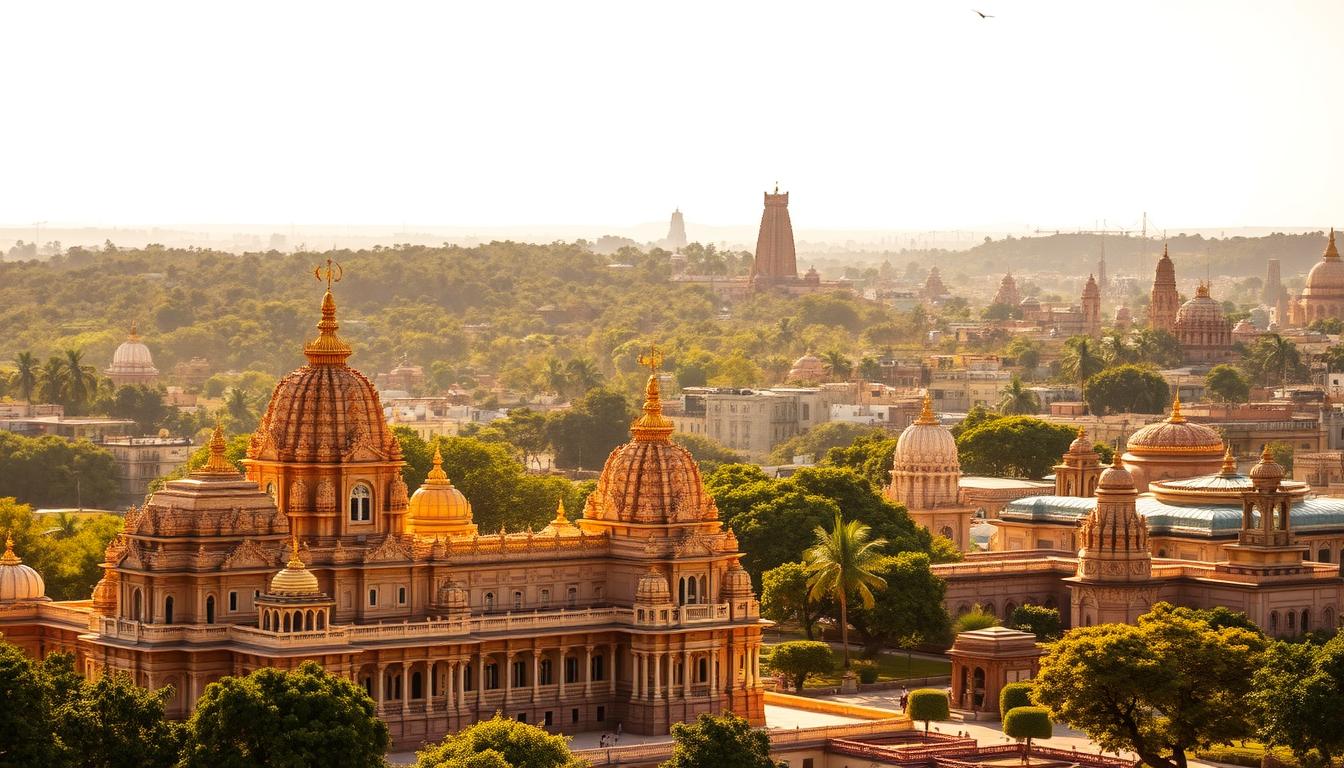
Varanasi, Ayodhya, and Ujjain form India’s core spiritual triangle—each attracting tens of millions annually. Infrastructure improvements post-Kashi Vishwanath Corridor expansion have made Varanasi significantly more navigable for first-time visitors.
For travelers seeking spiritual depth without the crowd pressure, smaller destinations like Omkareshwar (Madhya Pradesh), Pandharpur (Maharashtra), and Nathdwara (Rajasthan) offer equally powerful experiences at a fraction of the footfall. Our spiritual tourism guides cover these lesser-known circuits in detail.
Climate Escape Destinations
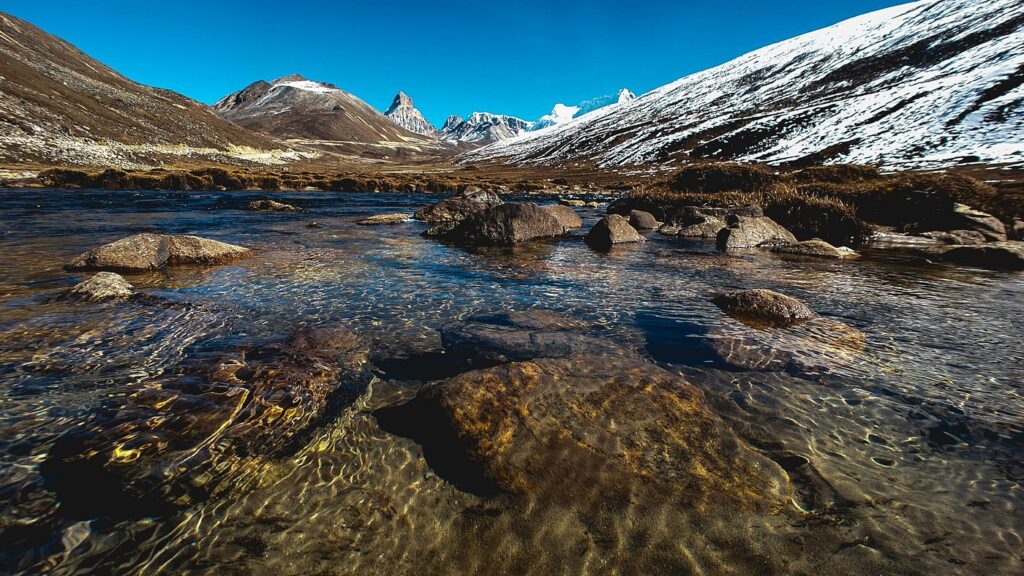
Rising summer temperatures are pushing travelers to higher altitudes earlier in the season. Tawang in Arunachal Pradesh, Spiti Valley in Himachal Pradesh, Munsiyari in Uttarakhand, and Chikhaldara in Maharashtra’s Vidarbha region are all seeing increased interest from heat-escape planners.
Chikhaldara deserves particular attention. It sits at 1,118 meters and is one of the few hill stations in Maharashtra with genuine wildlife sanctuary access through the Melghat Tiger Reserve. Unlike Mahabaleshwar or Lonavala, it hasn’t hit saturation yet. Explore more at hidden destinations in Maharashtra.
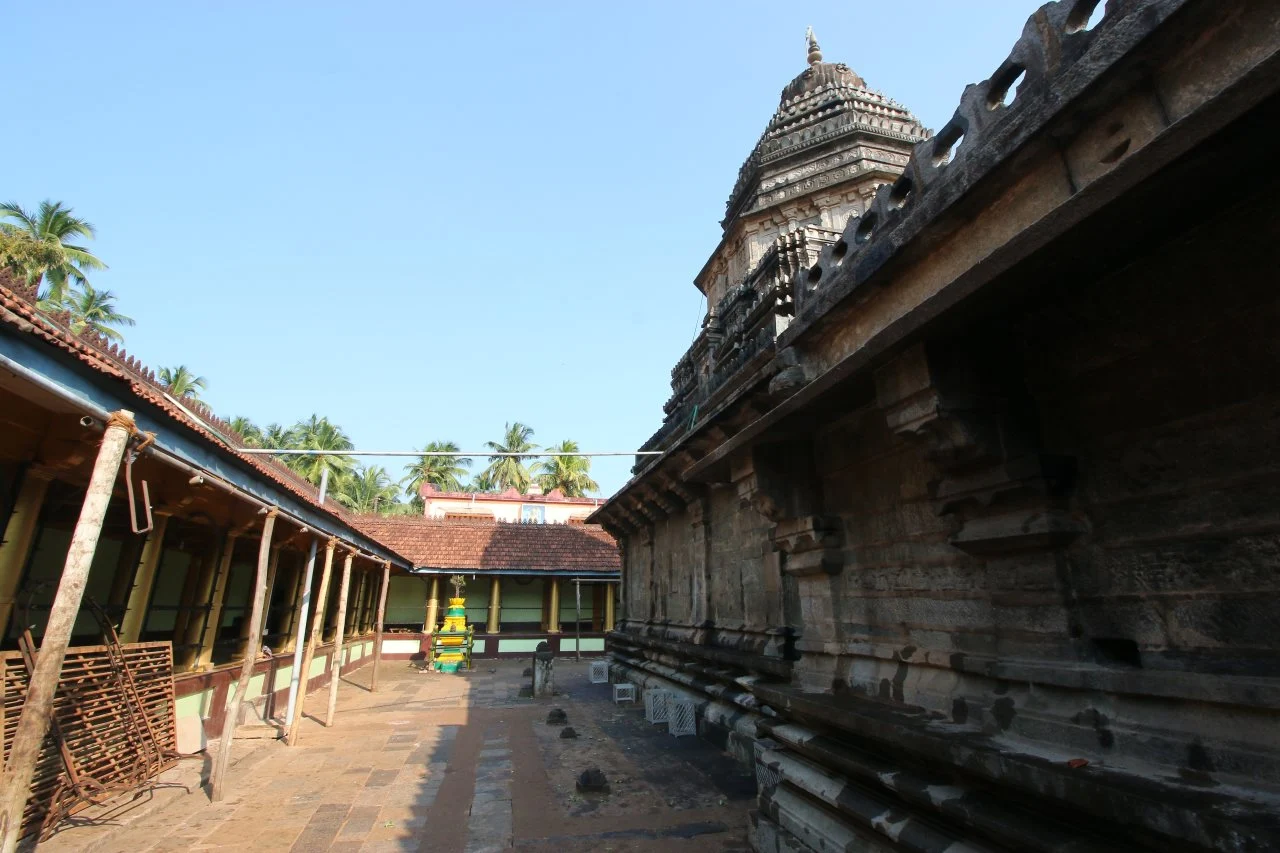
💡 Local Insight Tip: If you’re escaping Pune or Nagpur summer heat without the Mahabaleshwar traffic snarl, Chikhaldara is the answer. Book at Semadoh (inside the forest buffer zone) for the most authentic experience—MTDC has decent options and private homestays are expanding fast. Road access from Amravati takes under 2 hours.
Wildlife Destinations
Tadoba-Andhari Tiger Reserve in Maharashtra is India’s most tiger-dense reserve per square kilometer. Kabini in Karnataka is famous for its elephant herds and exceptional leopard sightings. Satpura National Park in Madhya Pradesh is the go-to for walking safaris—one of the very few parks in India where you can track wildlife entirely on foot.
All three remain significantly less crowded than Ranthambore or Jim Corbett, while offering comparable—and sometimes superior—wildlife encounters. See our wildlife tourism guides for safari permit booking specifics and zone-level recommendations.
| Destination | Primary Appeal | Best Season | Expected Crowd Score (1–10) |
|---|---|---|---|
| Rishikesh | Wellness, Yoga & Adventure | Oct–Mar | 8 |
| Varanasi | Spiritual & Cultural Tourism | Nov–Feb | 9 |
| Tawang | Climate Escape & Himalayan Culture | Apr–Jun, Sep–Oct | 4 |
| Spiti Valley | Noctourism & Mountain Landscapes | Jun–Sep | 5 |
| Tadoba | Wildlife Safari | Mar–Jun | 6 |
| Kabini | Wildlife & Nature Retreats | Oct–May | 7 |
| Chikhaldara | Climate Escape & Wildlife | Oct–Mar | 3 |
| Munsiyari | Himalayan Trekking & Scenic Views | May–Jun, Sep–Oct | 4 |
| Ujjain | Spiritual & Heritage Tourism | Oct–Mar | 7 |
| Mysuru | Wellness, Heritage & Culture | Oct–Feb | 6 |
Weather isn’t just a backdrop anymore—it’s a primary decision driver. Travelers in 2026 are actively adjusting itineraries around India’s shifting thermal calendar.
Heatwave Escape Travel
Average summer temperatures in cities like Delhi, Nagpur, and Ahmedabad have regularly crossed 45°C in recent years. This has pushed the traditional “summer travel window” earlier—many families now plan hill station trips in April instead of waiting for the May–June peak.
The practical result is that places like Kasauli, Lansdowne, and Chikmagalur are seeing bookings spike in March and April when accommodation prices are still reasonable. See our summer escape destinations for curated early-season options.
Monsoon Tourism Growth
The Western Ghats during monsoon are breathtaking—and increasingly popular. Kerala, Goa, Coorg, and the Konkan coast transform between June and September into lush, waterfall-heavy landscapes that draw slow travelers and photographers.
Monsoon travel requires preparation: flexible accommodation policies, rain-appropriate gear, and realistic road condition expectations. Our dedicated Konkan travel guides cover route-specific monsoon planning. Our monsoon destinations roundup covers the best wet-season experiences nationally.
Seasonal Destination Rotation
Smart travelers are now rotating destinations by season—high altitudes in summer, coastal in winter, Western Ghats in monsoon. This approach improves experience quality while almost always landing in shoulder-season pricing windows.
| Overcrowded Peak Choice | Smart Alternative | Best Months | Advantage |
|---|---|---|---|
| Manali (Jul–Aug) | Tawang or Munsiyari | May–Jun | Fewer crowds, 4–6°C cooler |
| Goa (Dec–Jan) | Konkan Coast | Nov–Feb | Similar weather, far fewer tourists |
| Mahabaleshwar (Apr–May) | Chikhaldara | Mar–Apr | Comparable altitude, minimal traffic |
| Rishikesh (Feb–Mar) | Kanatal or Chopta | Nov–Feb | Quieter atmosphere, chance of snowfall |
| Ooty (Summer) | Yercaud or Kodaikanal | Apr–Jun | Similar climate, lower visitor density |
🏙️ How Tier-2 and Tier-3 Cities Are Driving Indian Tourism Growth
The story of Indian tourism’s growth in 2026 isn’t being written only in Mumbai, Delhi, or Bengaluru. It’s coming from Nagpur, Jaipur, Coimbatore, Indore, and Surat—cities where a rising middle class now has both the aspiration and the access to travel.
New Traveler Demographics
First-generation leisure travelers from smaller cities are entering the market—people whose parents may not have taken recreational holidays but who have grown up watching travel content online. They’re aspirational, budget-conscious, and often surprisingly adventurous.
Their travel preferences lean toward domestic destinations with strong cultural identity—pilgrimage circuits, regional heritage towns, and natural landscapes over luxury resorts.
Aspirational Travel Spending
72% of Indian travelers are adjusting plans due to rising travel costs, according to Allianz Partners 2026. Yet 76% are cutting non-essential daily spending—on dining out, subscriptions, and impulse purchases—specifically to fund travel.
Travel has essentially become a priority line item in middle-class Indian budgets. This creates a traveler who is willing to spend meaningfully on the right experience but expects strong value at every touchpoint.
Regional Airport Expansion
The UDAN (Ude Desh Ka Aam Naagrik) Scheme has connected dozens of tier-2 and tier-3 cities to the national aviation network. Airports in Shirdi, Sindhudurg, Hubli, Deoghar, and Kishangarh have all opened or significantly expanded in recent years.
A traveler from Nagpur can now fly to Shirdi in under an hour—and the pilgrimage corridor has responded with a visible surge in footfall and hospitality investment.
📱 How Social Media Is Influencing Indian Tourism Choices
Instagram and YouTube have become India’s primary travel discovery engines. A single viral reel can push an unknown destination from obscurity to fully booked within weeks.
Instagram Destinations
Locations with strong visual identity are winning the social media lottery. The Valley of Flowers in Uttarakhand, the Great Rann of Kutch during Rann Utsav, and Havelock Island in Andaman are consistently viral. Travelers arrive already knowing exactly what the hero shot looks like—they just want to stand in it.
Reel-Friendly Experiences
Tour operators and homestay owners increasingly design experiences that are inherently photographable—infinity pools overlooking the Western Ghats, floating breakfast setups on Dal Lake, suspension bridges over forest canopies in Meghalaya. The visual economy of travel is real and is actively shaping infrastructure investment decisions.
Creator-Led Destination Discovery
Travel creators on YouTube and Instagram are now more influential than most agencies when it comes to discovery. A well-produced video about Gurez Valley or Chopta can drive more bookings in a single month than years of traditional destination marketing.
For travelers, this means better discovery of genuinely offbeat places before they get overrun. Our offbeat India travel destinations guide tracks emerging destinations specifically flagged by credible creator communities.
💰 Budget Trends Every Indian Traveler Should Know in 2026
Travel costs in India are rising. Airfares, hotel rates, and food prices have all moved up significantly since 2022–23. Indian travelers are adapting—and many are traveling smarter as a result.
Average Domestic Travel Costs
A mid-budget domestic traveler in 2026 should realistically plan for ₹2,500 to ₹5,000 per person per day, depending on destination and accommodation type. Budget travelers staying in hostels and guesthouses can manage on ₹1,200 to ₹2,000 per day.
Luxury resort experiences, especially in Rajasthan or Kerala, can run ₹10,000 to ₹25,000 per night per couple.
Airfare Trends
Domestic airfares have been volatile. IndiGo, Air India Express, and Akasa Air are the primary low-cost options. Booking 3–4 weeks ahead for peak season and 7–10 days out for off-season tends to yield the best fares on most routes.
Avoiding travel during Diwali, Christmas–New Year, and May school holidays can cut airfare costs by 30–40% on popular routes like Mumbai–Goa or Delhi–Jammu.
Accommodation Trends
Homestay and villa searches have surged 42% year-on-year (per Booking.com and StayVista 2026 data). Travelers are choosing private, character-filled spaces over chain hotels—especially for stays of 3 nights or more.
For rural and forest-edge stays, booking directly with local operators—something we facilitate regularly at Astamb Holidays—often yields better prices and more authentic experiences than OTA platforms.
How Travelers Are Saving Money
76% of Indian travelers are cutting non-essential spending specifically to fund travel, according to Allianz Partners 2026. Here’s how smart travelers are making it work in practice:
Book Tuesday–Wednesday flights for domestic routes (historically 15–25% cheaper)
Travel in shoulder season—two weeks before or after peak windows
Choose homestays over hotels for stays of 3+ nights
Use IRCTC train travel for routes where journey time is under 8 hours
Eat at local dhabas and thali restaurants instead of hotel dining
Batch two destinations into one trip to cut per-trip overhead costs.
| Traveler Profile | Avg. Daily Cost (INR) | Accommodation Type | Food & Transport |
|---|---|---|---|
| Budget Backpacker | ₹1,200–₹2,000 | Hostel / Guesthouse | Street food, local buses |
| Mid-Range Independent Traveler | ₹2,500–₹5,000 | 3-Star Hotel / Homestay | Restaurants, Ola/Uber, local transport |
| Comfort Traveler | ₹5,000–₹10,000 | 4-Star Hotel / Boutique Stay | Mixed dining, private cab |
| Luxury Traveler | ₹15,000+ | Heritage Hotel / Luxury Resort | Fine dining, private vehicle |
| Family of 4 (Budget) | ₹8,000–₹14,000 (Total) | Budget Hotel / Villa | Home-cooked meals, train travel |
Budget ranges are broadly aligned with current India travel cost estimates reported by multiple travel budget studies and travel planning resources. (rajasthantourdriver.com)
🚶 What Smart Travelers Are Doing to Avoid Crowds
Over-tourism at India’s most famous spots is a genuine problem. Manali in July, Rishikesh in March, Agra year-round—the experience quality at these destinations has dropped significantly under sheer volume.
Alternative Destinations
Every over-crowded destination has an excellent alternative nearby:
Instead of Manali → try Tirthan Valley or Jibhi
Instead of Rishikesh → try Kanatal or Lansdowne
Instead of Udaipur → try Bundi or Dungarpur
Instead of Coorg → try Chikmagalur or Sakleshpur
More options at offbeat India travel destinations and hidden destinations in Maharashtra.
Shoulder Season Travel
Most Indian destinations have a shoulder season running 2–3 weeks before and after peak season. Prices are lower, crowds are thinner, and the core experience is nearly identical.
For Rajasthan, shoulder is October and March rather than the December–February peak. For Himachal Pradesh, it’s September and May. These windows exist for almost every popular destination in India.
Midweek Travel Planning
Thursday–Monday travel windows are cheaper than Friday–Sunday departures on most routes. Shifting even one departure day can reduce costs meaningfully across flights and accommodation.
Actionable Midweek Booking Checklist:
✅ Set fare alerts for Tuesday/Wednesday departures on Google Flights or Skyscanner
✅ Book hotels for Sunday check-in—weekend demand drops sharply after Sunday morning
✅ Avoid booking during school holiday windows (April–May, October half-term, December)
✅ Call hotels directly for midweek rates—front desks often have unpublished flexibility
✅ Combine train + cab for routes under 300 km to cut transport costs by up to 30%
✅ Compare IRCTC Tatkal vs. regular fares for last-minute plans on rail routes
Lesser-Known Regional Experiences
India’s strongest travel experiences are rarely at its most famous addresses. The Dholavira ruins in Kutch, Unakoti’s ancient rock carvings in Tripura, Mawlynnong (Asia’s cleanest village) in Meghalaya, and Bandhavgarh’s village trail program are all world-class—with minimal footfall and no booking queues.
📅 Sample Travel Itineraries Based on 2026 Tourism Trends
These aren’t generic routes pulled from a brochure. They’re designed specifically around the trends driving Indian travel in 2026—wellness, spirituality, slow travel, and budget efficiency.
3-Day Wellness Escape: Rishikesh, Uttarakhand
Day 1: Arrive Dehradun → transfer to Rishikesh (1 hour) → check into ashram or yoga retreat → evening Ganga Aarti at Triveni Ghat
Day 2: Morning yoga session (6–8 AM) → meditation walk through Rajaji National Park trail → Ayurvedic massage (₹1,500–₹2,500) → afternoon at Lakshman Jhula
Day 3: White-water rafting on the Ganges (Grade 2–3 rapids, ₹800–₹1,500) → checkout → return to Dehradun for flight or train
Estimated Budget: ₹12,000–₹18,000 per person including 3 nights and meals at retreat
5-Day Spiritual Circuit: Varanasi – Ayodhya – Prayagraj
Day 1: Fly into Varanasi → evening boat ride along the Ghats → Ganga Aarti at Dashashwamedh Ghat
Day 2: Pre-dawn walk through old city temples → day trip to Sarnath (Buddhist heritage, 10 km) → afternoon free
Day 3: Early morning drive to Ayodhya (200 km, ~4 hours) → Ram Mandir darshan → Saryu River Aarti
Day 4: Drive to Prayagraj (160 km) → Triveni Sangam → Hanuman Mandir
Day 5: Return flight from Prayagraj Airport
Estimated Budget: ₹25,000–₹35,000 per person including accommodation, road transport, and meals
7-Day Slow Travel Journey: Western Ghats, Maharashtra to Goa
Days 1–2: Mumbai → Amboli (Maharashtra’s highest rainfall zone) → waterfall trails and cloud-forest walks
Days 3–4: Drive down to Gokarna, Karnataka (~200 km) → beach days, sunset at Om Beach
Days 5–6: Dandeli Wildlife Sanctuary → kayaking on Kali River + wildlife spotting (leopard, gaur, kingfisher)
Day 7: Return to Goa airport or continue to Panjim for departure
Estimated Budget: ₹30,000–₹45,000 per person including resort stays and activity costs
Budget-Friendly Family Itinerary: Rajasthan in 5 Days
Day 1: Fly Jaipur → Amber Fort → check into heritage haveli guesthouse
Day 2: Jaipur city trail → City Palace → Hawa Mahal → evening Johari Bazaar
Day 3: Train to Ajmer (2.5 hours) → Pushkar → lakeside walk + camel ride (₹300–₹500)
Day 4: Bus to Jodhpur (3.5 hours) → Mehrangarh Fort + Ghanta Ghar bazaar
Day 5: Return flight from Jodhpur Airport
Estimated Budget: ₹45,000–₹60,000 for a family of 4 including trains, mid-range hotels, and entry fees.
| Itinerary | Core Route | Target Budget (INR/Person) | Best For |
|---|---|---|---|
| 3-Day Wellness | Rishikesh, Uttarakhand | ₹12,000–₹18,000 | Solo travelers, couples |
| 5-Day Spiritual | Varanasi – Ayodhya – Prayagraj | ₹25,000–₹35,000 | Families, senior travelers |
| 7-Day Slow Travel | Western Ghats – Gokarna – Dandeli | ₹30,000–₹45,000 | Couples, nature enthusiasts |
| 5-Day Family | Rajasthan Circuit | ₹11,000–₹15,000 per person | Families with children |
🎙️ Expert Perspective From Wahid Ali
Travel Industry Observations
Honestly, the 2026 booking season has surprised me in how decisively client behavior has shifted. At Astamb Holidays, we’ve seen one consistent pattern all year: people are booking longer stays at fewer destinations rather than rushing through five cities in a week.
Clients used to ask for the “maximum coverage” itinerary. Now they ask for the “minimum rushed” one. That’s a fundamental inversion of priorities—and it’s one I personally think makes travel much better.
Emerging Traveler Behaviors
What’s also striking is the demand for private, self-contained accommodations. Homestay bookings through our platform have grown 35–40% year-on-year. Clients specifically don’t want hotel lobbies, shared breakfast areas, or packaged group dynamics.
They want a house in the hills. A farmstay in Konkan. A cottage near Kabini. The demand for curated privacy in natural settings is real—and it’s reshaping how we build every itinerary.
I’ve also seen a sharp rise in solo female travelers booking through Astamb—women in their 30s and 40s choosing destination-specific experiences like yoga immersions in Mysuru, heritage walks in Hampi, or wildlife-focused trips to Satpura. This is a segment the industry hasn’t yet fully built for, and it represents a significant opportunity.
Practical Advice for 2026 Travelers
A few things I tell every client right now:Book accommodations 6–8 weeks ahead for October–February peak windows—popular homestays and boutique properties sell out fast this year
Don’t skip travel insurance—medical and trip-disruption coverage has become genuinely necessary, not optional
Call the property before booking—for rural and offbeat destinations, a five-minute phone call tells you more about suitability than 200 reviews on a booking platform
Layer your experiences—avoid one-dimensional trips. Combine wellness with nature, or spirituality with culinary exploration
For Maharashtra-specific planning, our Konkan travel guides and Maharashtra hill stations are resources I actively recommend to clients for both route planning and accommodation selection.
🔮 What Indian Tourism Could Look Like Beyond 2026
The trajectory beyond 2026 is being shaped by three forces: technology, sustainability policy, and the growing sophistication of the Indian traveler.
Technology and AI
Virtual reality pre-experience tools—where travelers take immersive destination previews before booking—are already in prototype at several Indian tourism boards. AI-powered dynamic pricing will become the norm at most mid-range hotels by 2027–28, making early booking advantage matter more, not less.
AI itinerary planning will handle logistics completely for most mainstream trips. Human value-add will sit increasingly in curation, relationships, and ground-level knowledge.
Sustainable Tourism
India is moving toward carbon-neutral tourism corridors in ecologically sensitive zones. Ziro Valley, the Andaman Islands, and parts of Sikkim already operate under footfall caps or permit requirements that function as active conservation mechanisms.
Expect more destinations to adopt carrying capacity limits by 2027—meaning early adopters of offbeat travel will have natural access advantages that late movers won’t find.
Hyper-Personalized Travel
The next evolution is travel designed entirely around the individual—their health profile, seasonal preferences, and stress indicators. Wellness tourism operators in Kerala and Uttarakhand are already experimenting with this model through pre-arrival health assessments and post-visit recovery tracking programs.
The traveler who wants a truly bespoke trip will have more options than ever—and more tools to build it.
🚪 What This All Means for How You Travel in 2026
Indian tourism in 2026 is smarter, more intentional, and more diverse than it has ever been. The data confirms what anyone paying attention already senses: Indians are traveling more, choosing differently, and expecting more from every rupee spent.
The biggest shift isn’t about which destinations are trending. It’s about how people are approaching the entire act of travel—slower, more purposeful, and far more locally rooted than the post-pandemic surge suggested.
Whether you’re planning a long weekend in the Western Ghats, a faith journey to Varanasi, a wildlife morning at Kabini, or a remote workation in Spiti—the infrastructure, the information, and the options have never aligned this well.
Use the data and frameworks in this article as a planning lens, not just a reading experience. Match your travel style to the right destination, book ahead for high-demand windows, and lean into the trends that genuinely align with what you want—not just what everyone else is already doing.
Explore destination-specific guides, practical itineraries, and local expert picks across India on Xplore Heaven—a platform built specifically for travelers who want depth, not just directions.
❓ Frequently Asked Questions About Indian Tourism in 2026
What are the biggest Indian Tourism trends in 2026?
The leading trends shaping Indian tourism in 2026 are experiential travel, wellness tourism, spiritual journeys, AI-powered trip planning, sustainable and slow travel, and the rise of weekend micro-cations. Skyscanner’s 2026 Travel Trends Report confirms 59% of Indian travelers plan to travel more this year than last, with a clear preference for domestic, experience-rich destinations over international travel.
Why is wellness tourism growing so fast in India?
Wellness tourism in India is growing because of rising urban stress levels, increased global awareness of Ayurveda and yoga, and a strong traveler desire for trips that restore rather than merely entertain. Destinations like Rishikesh, Kerala, and Mysuru are seeing sustained demand particularly from solo travelers and couples seeking longer, immersive retreats that combine nature with structured wellness programming.
How is AI influencing Indian Tourism?
82% of Indian travelers now use or plan to use AI tools for vacation planning, per the Allianz Partners 2026 Travel Confidence Index. AI is being used for itinerary generation, price comparison, and destination discovery across platforms. While AI handles logistics efficiently, experienced travel operators remain critical for on-ground expertise, permit navigation, and authentic experience curation.
What is experiential travel?
Experiential travel means designing a trip around active, participatory experiences rather than passive sightseeing. This includes cooking classes with local families, craft workshops, wildlife tracking on foot, or cultural immersions like learning a regional art form or farming practice. The focus is on depth of engagement over breadth of coverage—quality of experience over number of places visited.
Which destinations are expected to become more popular in 2026?
Tawang (Arunachal Pradesh), Chikhaldara (Maharashtra), Munsiyari (Uttarakhand), Dandeli (Karnataka), Bundi (Rajasthan), and Tirthan Valley (Himachal Pradesh) are all poised for significant growth in 2026. These destinations combine currently low crowd density with improving access infrastructure and strong, distinctive experience anchors that align with dominant travel trends.
Are workations still popular in India?
Yes—workations remain popular and are still growing. Manali, McLeod Ganj, Bir Billing, Coorg, and Kodaikanal are the top workation hubs in India. Co-living spaces in hill towns typically cost ₹800 to ₹2,500 per night and increasingly offer fiber internet and dedicated work setups. The combination of sustained productivity and natural surroundings maintains strong appeal for India’s expanding remote workforce.
How can travelers avoid overcrowded destinations?
The most effective strategies are: choosing lesser-known alternatives nearby (e.g., Jibhi instead of Manali), traveling in shoulder season 2–3 weeks before or after peak, booking midweek stays, and researching second-tier destinations within the same geographic region. Platforms like Xplore Heaven and our guide to offbeat India travel destinations provide regularly updated alternatives before they reach saturation.
What role does social media play in travel planning?
Social media—particularly Instagram Reels and YouTube travel channels—has become the primary discovery channel for new destinations among Indian travelers under 35. A single viral video can push demand from near-zero to fully booked for small destinations within weeks. Travelers increasingly arrive at destinations with pre-formed visual expectations shaped entirely by creator content rather than traditional guidebooks or agencies.
Which travel trend offers the best value for money?
Slow travel and shoulder-season travel consistently deliver the highest value per rupee. Staying longer in one place reduces per-day transport costs and unlocks deeper, more affordable local experiences. Combining homestay accommodation with local transport and regional food can cut daily travel costs by 30–40% compared to standard tourist-track spending patterns—while often producing a richer overall experience.
What are the safest emerging destinations in India?
Meghalaya (especially Shillong and Cherrapunjee), Sikkim, Himachal Pradesh’s Tirthan Valley, Karnataka’s Coorg, and Maharashtra’s Amboli are among India’s safest and most rewarding emerging destinations. All have well-developed local hospitality ecosystems, reliable road access, low crime environments, and a strong track record of welcoming solo travelers and family groups alike.
About the Author
Wahid Ali is a seasoned travel professional and Operations Lead at Astamb Holidays, Mumbai. With extensive experience in crafting travel experiences and destination insights, Wahid combines practical travel logistics expertise with engaging storytelling to help travelers explore hidden gems across India and beyond. His work blends expert travel planning with a passion for culturally rich and nature-oriented destinations.
Connect with Wahid Ali on LinkedIn | xploreheaven.com
Sources & References
- Ministry of Tourism, Government of India – Annual Reports & Publications
- Swadesh Darshan 2.0 – Ministry of Tourism
- PRASHAD Scheme – Ministry of Tourism
- Skyscanner Travel Trends Report
- Agoda Travel Trends & Insights
- Allianz Partners Travel Index & Research
- Booking.com Travel Predictions & Trends
- StayVista Travel & Hospitality Insights
- Thrillophilia Travel Trends & Reports
- CRISIL Research – Tourism & Hospitality Reports
- IMARC Group – India Travel & Tourism Market Research
- UDAN Scheme – Ministry of Civil Aviation
- IRCTC Official Portal
- Incredible India – Official Tourism Portal
- National Tiger Conservation Authority (NTCA)
- UNESCO World Heritage Sites in India
This format is ideal for publication on Xplore Heaven as a clickable references section at the end of the article.