
Destination Guides

Maharashtra Temperature May 2026: Why Toranmal Hill Stattion (14°C) Is the Coolest Escape from the Heatwave

By Imran Mulla | Founder, TravelJunctions.in | 17 Years in the Travel Industry Let me be straight with you. The Maharashtra temperature in May 2026 is brutal. I have been running tours across this state for 17 years, and this year’s heat is one of the worst I’ve seen. Nagpur is hitting 43–45°C. Pune crossed 38°C earlier this week. Mumbai feels like a pressure cooker with no lid. If you are sitting in one of these cities right now — sweating, irritable, desperately scrolling for somewhere to breathe — I have exactly the answer you need. Toranmal Hill Station. It’s sitting at 14°C as you read this. And most people have no idea it even exists. What Is the Current Maharashtra Temperature in May 2026? Direct Answer: In May 2026, Maharashtra is experiencing above-normal temperatures across most of the state. Vidarbha and Marathwada are seeing 43–45°C, Pune hovers around 37–40°C, and Mumbai is battling suffocating heat and humidity. The IMD has confirmed above-normal heatwave days for Maharashtra this month. Maharashtra in May is always hot — that’s nothing new. But May 2026 is tracking differently. The India Meteorological Department (IMD) in its monthly outlook confirmed that above-normal heatwave days are likely over parts of Gujarat and Maharashtra during this period. Minimum temperatures too are expected to stay above normal across most of the state — meaning even the nights are not giving any relief. Here’s a quick snapshot of what’s happening right now across the state: City / Region Day Temperature (May 2026) Night Temperature Humidity Nagpur 43–45°C 28–30°C Moderate Pune 37–40°C 22–25°C Low–Moderate Mumbai 33–36°C 26–28°C Very High Nashik 36–39°C 22–24°C Low Aurangabad 40–42°C 26–28°C Low Toranmal 14–28°C 13–16°C Low–Comfortable That last row is not a typo. Toranmal is cooler than your AC room. Why Is Maharashtra Experiencing Extreme Heat in May 2026? Direct Answer: Maharashtra’s extreme heat in May 2026 is driven by evolving El Niño-like conditions over the equatorial Pacific, above-normal minimum temperatures nationwide, and the typical pre-monsoon dry air mass that blankets interior Maharashtra. IMD has officially flagged above-normal heatwave risk for the state. The science here is straightforward. The IMD’s May 2026 forecast points to ENSO-neutral conditions shifting toward El Niño, which suppresses rainfall and allows temperatures to climb faster and stay higher. When that happens, interior Maharashtra — particularly Vidarbha and Marathwada — gets absolutely cooked. The dry, flat terrain has no forest cover to moderate temperatures. The sun hits the ground directly, and the heat bounces back up. Three big reasons it feels worse this year: Which Cities Are the Hottest in Maharashtra Right Now? Direct Answer: As of May 2026, Nagpur is the hottest city in Maharashtra at 43–45°C, followed by Aurangabad and Nanded at 40–42°C. Pune is crossing 38–40°C consistently. Mumbai may feel more tolerable temperature-wise, but extreme humidity makes it feel like 40°C or more. From my experience running tours across Maharashtra, here’s the ground truth — and it’s worse than the numbers suggest: Nagpur (43–45°C): Known as the “Orange City” but in May it earns a different nickname. Heat here is dry but intense. Standing outside between 11 AM and 5 PM is genuinely dangerous. I never schedule stops in Nagpur in May. Pune (37–40°C): Pune used to pride itself on being cooler than Mumbai. That advantage has been shrinking every year. In early May 2026, forecasts show 38.4°C — above its historical average. If you’re in Pune, you know what I mean. Mumbai (33–36°C + High Humidity): The number looks smaller, but the humidity makes it feel like a sauna that you can’t leave. The IMD flagged hot and humid weather conditions for Konkan through the first week of May. Walking outside at noon in Mumbai in May is not advisable for anyone above 50. Which Is the Coolest Place in Maharashtra Right Now? (Toranmal Explained) Direct Answer: Toranmal is the coolest place in Maharashtra in May 2026, recording minimum temperatures of around 14°C and maximum temperatures of 28°C. It sits at approximately 1,150 meters above sea level in the Satpura Range of Nandurbar district — far from the crowds of Lonavala and Mahabaleshwar. I’ve taken groups to Toranmal twice in the last three years, and both times the reaction was the same: “Why did nobody tell us about this place?” Toranmal is tucked away in the Satpura Range in Nandurbar district, right near the Maharashtra–Madhya Pradesh border. While the rest of the state is melting, Toranmal sits at roughly 1,150 metres above sea level with thick forest cover on all sides. In May 2026, it is recording lows of 14°C and highs of around 28°C — making it the single coolest destination in all of Maharashtra during this heatwave. And here’s the best part: almost nobody goes there in May. No traffic jams on the ghat. No overpriced hotels. No queues at restaurants. Just cool air, green hills, and actual peace. Why Is Toranmal Hill Station So Cool Even in Peak Summer? Direct Answer: Toranmal stays cool in summer because of its elevation of approximately 1,150 metres in the Satpura Range, its dense forest cover that keeps the plateau shaded, and its unusual microclimate that actually receives more rainfall in summer than during the monsoon months. These factors together keep temperatures 15–20°C cooler than Nagpur or Pune. Three things make Toranmal climatically special: 1. Elevation: At ~1,150 metres, it is Maharashtra’s second highest and second coldest hill station. Every 100 metres of gain drops temperatures by about 0.65°C. Do the math — that’s roughly a 7–10°C natural drop compared to the plains below. 2. Plateau + Forest Shield: Toranmal sits on a natural plateau shaped almost like a soccer field — a geographical quirk that traps cool air and moisture. Dense Satpura forests surround it on all sides, blocking direct sunlight and acting as a natural air-conditioner. 3. Unusual Climate Pattern: This is the part that surprises most travelers. Toranmal actually receives more rainfall during summer than during the monsoon months — a rare Koppen-classified microclimate.

Maharashtra Temperature May 2026: Why Toranmal Hill Stattion (14°C) Is the Coolest Escape from the Heatwave Read More »

Long Weekend Guide 2026: Best Short Trips from Thane for Maharashtra Day

By Imran Mulla | Founder, Travel Junctions | Published on XploreHeaven.com Maharashtra Day 2026 is landing on a Friday — May 1st. That means you get a clean, beautiful 3-day long weekend from Friday to Sunday without burning a single leave. I’ve been planning group tours and getaways from this region for 17 years, and I’ll tell you straight — this is one of the best windows in the entire year to travel. Not too hot if you leave early. Roads clear by dawn. And the destinations? Ready and waiting. This long weekend guide is built specifically for travelers starting from Thane — not generic “Mumbai” tips you’ve already read a hundred times. Real routes. Real timings. Real budgets. Let’s get into it. What is a Long Weekend Guide & Why is Maharashtra Day Perfect for Travel? A long weekend guide is a practical travel plan built around a public holiday that falls adjacent to the weekend, giving travelers 3 or more consecutive days off without taking paid leave. For Maharashtra Day 2026, the holiday falls on Friday, May 1st, creating a natural 3-day break from May 1 to May 3. Maharashtra Day — also called Maharashtra Din — celebrates the formation of the state of Maharashtra on May 1, 1960. In 2026, it falls on a Friday, giving you a seamless Friday–Saturday–Sunday break. Add Buddha Purnima (also May 1, 2026) and International Labour Day falling on the same date, and you’ve got triple-confirmed holiday status. Government offices, schools, and most private firms will be closed. For anyone in Thane — whether you’re a student, a freelancer working from home, or a young professional — this is your cue. Start planning now. Accommodation near popular spots will fill up fast. Which Are the Best Short Trips from Thane for This Long Weekend Guide? Here are 3 tried-and-tested destinations I personally recommend for the May 1–3, 2026 long weekend. Each one suits a different traveler type. 1. Lonavala – Best for Scenic Relaxation Travel Time from Thane: Approximately 1.5 to 2 hours via NH48 (Mumbai–Pune Expressway). Leave from Thane’s Ghodbunder Road side, merge onto the Eastern Express Highway toward Airoli, cross Vashi, and you’re on NH48 before Panvel. Distance is around 82–90 km. Early morning departure keeps you well under 2 hours. Lonavala is the classic weekend escape. But here’s what most blogs skip: May in Lonavala is pre-monsoon, meaning the landscapes are dry but the weather is manageable if you leave before 6:30 AM. Post 11 AM, it gets warm. Plan accordingly. Crisp 2-Day Itinerary: Day 1 (Friday, May 1): Day 2 (Saturday, May 2): Budget Estimate (Per Person): 2. Igatpuri – Best for Nature & Peace If you haven’t been to Igatpuri, you’ve been missing out. Seriously. I take groups there year-round and it never disappoints. It sits around 100 km from Thane via the Eastern Express Highway → Bhiwandi → Shahapur → Kasara Ghat route. Drive time is typically 2 to 2.5 hours. Expert Edge — The Hidden Spot: Most tourists stop at the famous Vipassana centre or Bhawali Dam. But few know about Camel Valley — the plateau visible right opposite the Ghatandevi Temple on the highway. No entry fee. Zero crowds. Breathtaking views of the Sahyadri ridgeline. If you visit in the very early morning, the valley fills with soft mist. I’ve taken groups there at 7 AM and watched jaws drop. Another lesser-known stop: Drive 6 km off the highway through the village of Pimpri past Igatpuri to reach Bhawali Dam. Lush green fields, hay stacks, and mountain backdrops — it’s the kind of scenery that doesn’t feel real. Traffic Avoidance Tips for Kasara Ghat: The Kasara Ghat (Thal Ghat) section on the Mumbai–Nashik Highway has separate 2-lane roads for each direction since 2009, so head-on traffic is gone. That said, the ghat still gets congested on holiday weekends after 9:00 AM. 3. Alibaug – Best for Beach Getaway Alibaug is the beach pick for this long weekend. And the transport question — Ro-Ro Ferry or road via Pen? — actually has a nuanced answer depending on your group size and budget. Option A: Ro-Ro Ferry (M2M Ferries) from Ferry Wharf, Mumbai The M2M Ro-Ro Ferry departs from Bhaucha Dhakka (Ferry Wharf) near Mazgaon and reaches Mandwa Jetty in about 60–75 minutes. From Thane, reach Ferry Wharf via the Eastern Express Highway — roughly 40–50 minutes in early morning traffic. The Ro-Ro runs year-round, 7 days a week, making it the most reliable option. Once you dock at Mandwa, you’re just 19 km from Alibaug town. Option B: Road via Pen (NH66) From Thane, take the Eastern Express Highway → Vashi → Panvel → NH66 → Pen → Alibaug. Total distance: approximately 120–130 km. Drive time in normal conditions: 2.5 to 3 hours. During long weekends? Expect 4 hours or more near Panvel and Pen. Cost vs. Crowd Comparison: Mode Solo Traveler (Approx.) Group of 4 (Approx.) Time Ro-Ro Ferry (foot passenger) ₹360 + local taxi ₹300 ₹1,440 ferry + shared taxi ₹600 ~2 hrs total Ro-Ro Ferry (with car) ₹1,200 car + ₹360/person ₹1,200 + ₹1,440 = ₹2,640 ~2.5 hrs total Road via Pen (car) ₹800–₹1,000 fuel/toll ₹800–₹1,000 shared 3–4+ hrs My honest pick: For a group of 4 or more, take your car on the Ro-Ro. The time saving is massive and the per-head cost becomes very reasonable. Solo travelers or couples? Take the passenger ferry — cheaper and faster. How to Plan a Perfect Long Weekend Trip from Thane? (Step-by-Step Guide) Planning a long weekend trip doesn’t need to be complicated. Here’s the exact checklist I give every first-time traveler in my tours: Step 1 — Book early (at least 2 weeks ahead) Accommodation near Lonavala, Igatpuri, and Alibaug gets sold out fast around long weekends. Book by mid-April at the latest. Step 2 — Transport confirmation Confirm your mode of travel. For Alibaug Ro-Ro, book ferry slots online. For road trips, check vehicle condition, fuel, and tyre pressure. Step 3

Long Weekend Guide 2026: Best Short Trips from Thane for Maharashtra Day Read More »

Ooty Best Time to Visit (2026): Month-Wise Guide, Weather, Budget & Travel Tips

You know that feeling when the Mumbai heat is absolutely suffocating, your AC is working overtime, and all you want is to wake up to cold mountain air and a cup of freshly brewed Nilgiri tea? That’s exactly when I start planning my next trip to Ooty. And trust me, after two decades of sending thousands of travellers to this hill station, I can tell you — knowing the Ooty best time to visit makes ALL the difference between a holiday you’ll rave about and one you’ll want to forget. Whether you’re coming from Bangalore, Chennai, Hyderabad, or Mumbai, this month-wise Ooty climate guide will tell you exactly when to go, what to expect, and how to get the most out of every rupee you spend. 🗓️ Ooty Best Time to Visit — Quick Answer for Travellers The best time to visit Ooty is between March and June (peak season) or October to February (off-peak/romantic season). If you want a budget trip with fewer crowds, July to September is your window. Quick picks based on your goal: 🌿 Why Timing Matters When Planning Your Ooty Trip I’ve been to Ooty in every single month of the year. And I can tell you — the Nilgiri Hills in January feel nothing like the Nilgiris in July. This isn’t just about rain or sunshine. It’s about the whole vibe. In March, the Botanical Garden is bursting with colour, the roads are clear, and you can actually see Doddabetta Peak without squinting through thick fog. In July, those same roads can be slick with rain, leeches pop up on forest trails, and visibility can drop to almost nothing on hairpin bends. But then — the entire valley turns an electric shade of green that honestly looks unreal. The practical side matters too. Peak summer weekends see traffic jams stretching for kilometres near Ooty Lake. Winter fog means you need an extra hour on mountain roads after sunset. And the famous Nilgiri Mountain Railway — the UNESCO-listed toy train — sometimes suspends services during heavy rains. Pack accordingly. April afternoons can surprise you with a chill once the sun dips. January nights near Doddabetta can drop close to 5°C. Always carry a light jacket, no matter when you go. 🌤️ Ooty Best Time to Visit Based on Seasons 🌼 Ooty Best Time to Visit in Summer (March–May) This is Ooty’s peak tourist season, and for good reason. Temperatures sit between a comfortable 15°C and 25°C during the day — perfect when the rest of South India is baking at 40°C+. Schools are on holiday, families flood in from Chennai and Bangalore, and the whole town feels alive. The big highlight? The Ooty Summer Festival, usually held in May, featuring the famous Flower Show at the Government Botanical Garden. Think hundreds of flower varieties, hot air balloon displays, and boat races on Ooty Lake. It’s genuinely spectacular. The honest reality: April and May are crowded. Hotels charge 30–50% more than off-season rates. You need to book accommodation and the Nilgiri Mountain Railway tickets (via IRCTC) at least 4–6 weeks in advance. Weekends in May near Ooty Lake can feel more like a city market than a hill station. My tip: If you must visit in peak season, travel on weekdays and arrive by Thursday. The crowds thin out significantly Monday to Thursday. 🌧️ Ooty Best Time to Visit in Monsoon (June–September) Here’s the truth most travel blogs won’t tell you: monsoon Ooty is massively underrated. Yes, it rains — sometimes heavily. But between July and September, the Nilgiri Hills transform into something that looks straight out of a National Geographic cover. Waterfalls like Pykara are absolutely roaring. The tea plantations are a shade of green so rich it almost looks painted. Temperatures drop to a cool 12°C to 20°C, and you might have entire viewpoints to yourself. Is June a good time to visit Ooty? Early June (before the monsoon fully kicks in) is actually a sweet spot — pleasant weather, lower prices, and manageable crowds. By late July, you should check road and weather conditions before heading out. What to watch out for: leeches on forest trails after heavy rain, slippery roads especially near sharp curves, and the occasional landslide alert. The toy train sometimes runs reduced services in heavy rain. Always carry insect repellent and waterproof footwear. Is Ooty in monsoon worth it? For couples, nature lovers, and photographers — absolutely yes. For families with small kids or seniors — plan for indoor backup options. ❄️ Ooty Best Time to Visit in Winter (October–February) This is the season I recommend most to honeymooners and couples. October and November give you the best of both worlds — the post-monsoon greenery is still fresh, the skies are clear, and the famous “Second Season” brings a second bloom to Ooty’s gardens. By December and January, things get properly cold. Nights near Doddabetta Peak can drop to 5°C or lower. Early mornings sometimes bring frost on the racecourse grounds. It looks magical — thin mist sitting over the valley, the smell of eucalyptus in cold air. It’s incredibly romantic. Pack heavy woolens, thermals, gloves, and a beanie for December and January trips. Nothing ruins a romantic getaway faster than shivering through dinner because you packed only a light sweater. 📊 Ooty Best Time to Visit Month Wise (Detailed Breakdown) Here’s the complete Ooty weather month-wise breakdown I use when advising travellers at Astamb Holidays: Month Avg Temp (Day/Night) Rainfall Crowd Level Wahid’s Recommendation January 21°C / 5°C Low Moderate ❤️ Romantic, carry heavy woolens February 22°C / 7°C Low Low–Moderate 📸 Best for photography & clear skies March 24°C / 10°C Low High ✅ Great weather, book hotels in advance April 25°C / 13°C Light Very High ⚠️ Peak crowds, weekday travel only May 25°C / 14°C Light–Moderate Very High 🌸 Flower Festival — book 6 weeks ahead June 20°C / 12°C Moderate–Heavy Low 💰 Budget sweet spot, early June is best July 18°C / 12°C

Ooty Best Time to Visit (2026): Month-Wise Guide, Weather, Budget & Travel Tips Read More »

Maldives Water Villa Guide 2026: Price, Best Resorts & Is It Worth It? (Budget to Luxury)

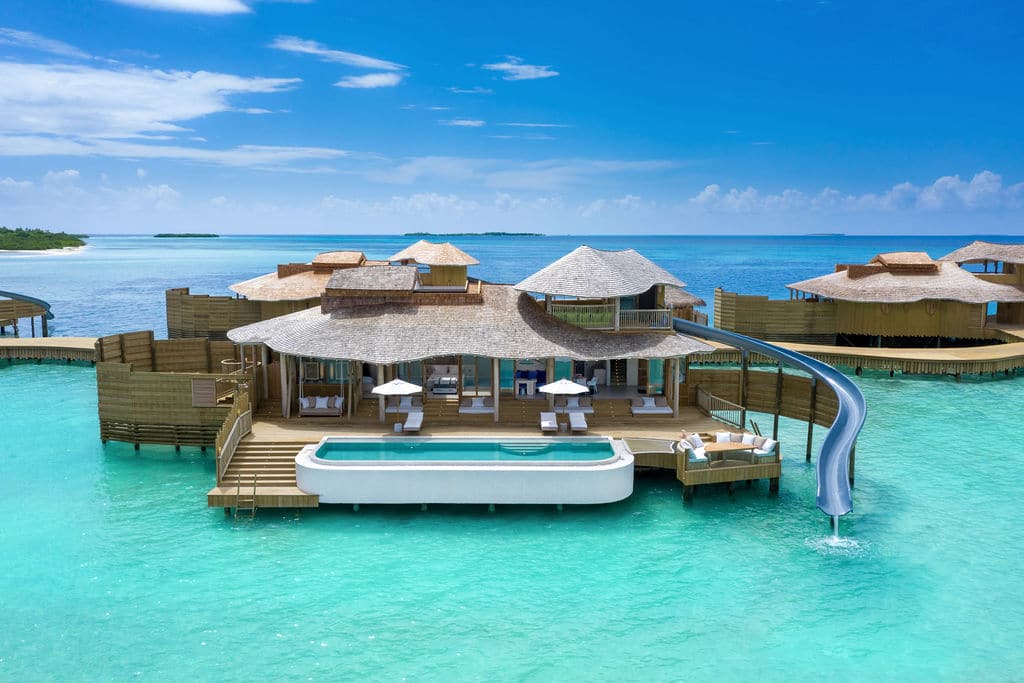
You’ve seen it a hundred times on Instagram. That picture-perfect hut sitting right above a turquoise lagoon, with a glass floor panel letting you stare straight down at colourful fish. You think to yourself — “I want that.” And then you open a booking site, see the price, and your jaw drops. I get it. I’ve been there. In my 20 years managing travel operations at Astamb Holidays, Mumbai, I’ve sent hundreds of couples and families to the Maldives — and every single one of them started with the same question: “Wahid, is a Maldives water villa actually worth the money?” So here’s my honest answer, all of it. In this guide, I’m breaking down exactly how much a Maldives water villa costs in 2026, which resorts give you the best value, and the smart booking tricks that can save you lakhs on your trip. Whether you’re planning a honeymoon on a budget or going all-out for a luxury anniversary, this guide is for you. 🏝️ What is a Maldives Water Villa? (Quick Answer) A Maldives water villa — also called an overwater bungalow or overwater villa — is a private accommodation unit built on stilts directly above the lagoon of a resort island in the Indian Ocean. You step off your deck straight into the sea. The Maldives is globally recognised as the pioneer of this style of accommodation, with the concept dating back to the 1960s on Kurumba Island. These villas typically feature glass floor panels, private sun decks, direct water access, and sweeping unobstructed views of the ocean. They are not shared with anyone. Every unit is a private island experience in itself. ✨ Why the Maldives Water Villa Experience Is So Popular Let me be straight with you — the Maldives water villa became a cultural phenomenon, not just a travel product. Here’s why it keeps topping bucket lists worldwide. Privacy is number one. You are literally surrounded by water. Your nearest neighbour could be 50 to 100 metres away. There’s no pool crowding, no noisy corridors, no one telling you to move your sunbed. Just you, the ocean, and total silence (except for the waves). Then there’s the Instagram factor. Look, I’m not going to pretend this doesn’t matter. It does. The overwater villa shot is one of the most shared travel images in the world. Staying in one feels like living inside the photo. For honeymooners, it’s the gold standard. In my experience managing honeymoon packages from Mumbai, Maldives water villas account for over 60% of bookings. Couples want that sunrise from the deck with a coffee in hand, a private plunge pool, and a candlelit dinner over the water. And the bucket-list psychology is real. For a lot of travellers — especially urban professionals from India, the UK, and the UAE — this is a once-in-a-lifetime splurge. People save for months, even years, for this experience. That emotional investment makes the memory hit differently. 🏠 Types of Maldives Water Villas Explained Not all water villas are created equal. Here’s what you’re actually choosing between when you book: 1. Basic Water Villa Entry-level overwater accommodation. Private deck, ocean views, direct water access. Usually no private pool. Great for first-timers who want the experience without spending a fortune. Prices start from around $300/night. 2. Water Villa with Private Pool A step up — and honestly, my personal favourite recommendation for honeymoon couples. You get a plunge pool right on your deck, so you can take a dip without going into the lagoon. These typically start from $600–$800/night. 3. Luxury Overwater Suite Think: personal butler, glass-floor bathtub, wine cellar, slide directly into the lagoon. Resorts like Soneva Jani and Waldorf Astoria Maldives offer these. Budget: $1,500–$3,000+/night. 4. Family Overwater Villa Two-bedroom configurations with shallow-water access, safety features for kids, and kid-friendly layouts. Resorts like Sun Siyam Iru Fushi and Dhigali Maldives do this well. Prices range from $700–$1,200/night. 💰 Maldives Water Villa Price Guide 2026 (Full Breakdown) Here’s what you’ll realistically pay per night in 2026, across different budget levels: Budget Tier Nightly Rate (USD) Nightly Rate (INR approx.) Example Resorts Budget $300 – $500 ₹25,000 – ₹42,000 Sun Siyam Olhuveli, Centara Ras Fushi, Villa Park Mid-Range $600 – $1,000 ₹50,000 – ₹83,000 Baros Maldives, Anantara Veli, Dhigali Maldives Luxury $1,200 – $2,000 ₹1,00,000 – ₹1,67,000 Conrad Maldives, Ozen Life Maadhoo, Waldorf Astoria Ultra-Luxury $2,000+ ₹1,67,000+ Soneva Jani, Four Seasons, One&Only Reethi Rah Note: Rates are approximate and vary by season, meal plan, and room type. Always verify directly with the resort or a trusted travel agent. ⚠️ Hidden Costs Most Blogs Don’t Tell You This is the part that trips people up the most. I’ve had clients budget ₹3 lakh for a Maldives trip, only to realise after booking that the seaplane transfer alone costs more than their flight from India. Here’s what’s NOT included in most villa prices: Seaplane Transfers: This is the big one. If your resort is in a remote atoll (Ari, Baa, Noonu, etc.), you’ll likely need a seaplane from Velana International Airport in Malé. The cost? Typically $290 – $700 per person, round trip. For a couple, that’s $580 – $1,400 just to reach your resort. Some ultra-luxury properties charge $900+ per person. Always — always — ask before booking. Speedboat Transfers: For resorts closer to Malé (North and South Malé Atolls), speedboats are the option. These are far more affordable at $100 – $200 per person, round trip. Meal Plans: Food in the Maldives is expensive. There are no local restaurants on a private resort island. An à la carte dinner for two can cost $100 – $200. A half-board (breakfast + dinner) plan adds roughly $100 – $150 per person per day. All-inclusive plans exist and can save you a lot — resorts like Sun Siyam Olhuveli offer these. Government Taxes (GST + Tourism Tax): Maldives charges a 16% Tourism Goods and Services Tax (TGST) on accommodation, plus a Green Tax of $6 per person per day
Maldives Water Villa Guide 2026: Price, Best Resorts & Is It Worth It? (Budget to Luxury) Read More »

Indians Traveling Phu Quoc Advisory 2026: Visa Rules, Hidden Risks & Must-Know Travel Guidelines

Every week at Astamb Holidays, I get at least a dozen calls from excited travelers asking about Phu Quoc. And honestly, I get it. The island is gorgeous — white sand beaches, crystal-clear water, fresh seafood, and a surprisingly chill vibe. But here’s what worries me as someone who handles travel operations daily: a lot of Indians are flying to Phu Quoc without fully understanding the rules. The Indians traveling Phu Quoc advisory issued by the Embassy of India in Hanoi on April 6, 2026, changes things significantly. Before you book those flights, please read this. It could save your trip — or your passport. 🛂 What Is the Latest Indians Traveling Phu Quoc Advisory in 2026? As of April 6, 2026, the Embassy of India in Hanoi issued a formal advisory warning Indian nationals about the risks of traveling to Phu Quoc Island on a visa-free basis. While Phu Quoc does allow 30-day visa-free entry for Indians under its Special Economic Zone rules, the exemption is strictly limited to the island. Any movement to mainland Vietnam — even in an emergency — without a valid Vietnam e-visa can lead to serious immigration complications, travel restrictions, and legal delays. My take: This is not a scare tactic. This is the Indian government telling you to be careful. Read the full advisory on the official Embassy of India in Vietnam page before you travel. ✅ Can Indians Travel to Phu Quoc Without a Visa in 2026? Yes — but with strict conditions. Indians can visit Phu Quoc Island visa-free for up to 30 days because Phu Quoc is classified as a Special Economic Zone (SEZ) under Vietnam law, a status it has held since 2005. This means the island has its own entry rules separate from the rest of Vietnam. However — and this is crucial — this visa exemption does not give you access to mainland Vietnam. It covers Phu Quoc only. The moment you step onto mainland Vietnamese soil (even at Ho Chi Minh City’s Tan Son Nhat International Airport for immigration), you need a valid visa. 📋 What Are the Visa-Free Rules Indians Must Follow in Phu Quoc? Here are the exact conditions you must meet to use the Phu Quoc visa-free entry: One thing I tell every client: print your return ticket. Immigration officers at Phu Quoc International Airport will ask for it. Having it only on your phone is a risk — what if your battery is dead? ⚠️ What Happens If Indians Break Phu Quoc Visa Rules? This is the section most travel agents skip. Let me walk you through three real-world scenarios I’ve seen or been told about: Scenario 1: Your Flight Routes Via Ho Chi Minh City You book a “cheap” flight from Mumbai → HCMC → Phu Quoc. You land at Tan Son Nhat International Airport and need to clear immigration to catch your domestic connection. You have no Vietnam e-visa. You get stopped, questioned, and potentially denied boarding to Phu Quoc — or sent back to India. Scenario 2: A Medical Emergency Forces You to the Mainland You’re on Phu Quoc, you fall sick, and the local hospital can’t handle it. The nearest major hospital is in Ho Chi Minh City. But you entered on a visa-free stamp — no mainland access. Without a valid Vietnam visa, getting that emergency transfer approved involves immigration complications that can cost you precious hours. The Embassy of India advisory specifically highlights this risk. Scenario 3: Your Return Flight Gets Cancelled Airlines cancel flights. It happens. If your only return option reroutes through Hanoi or HCMC for a domestic-to-international transfer, you may be stuck. Without a mainland Vietnam visa, you cannot legally transit through immigration. You’re in a legal grey zone, and the Vietnam Immigration office won’t be sympathetic just because your airline messed up. The Embassy of India has directly stated: “If you are required to travel to mainland Vietnam for reasons as mentioned above, please understand that there could be immigration-related complications.” 🛡️ Is It Safe for Indians to Travel to Phu Quoc Right Now? Yes, Phu Quoc is generally safe — but safety has layers: Physically: Phu Quoc is one of Vietnam’s safest tourist destinations. Petty crime is low compared to major Southeast Asian cities. The local population is friendly toward Indian tourists. Weather: The dry season runs from November to April, making it peak time to visit. May to October is the monsoon season — seas get rough, and some water activities shut down. Legally: This is where caution is needed. As a visa-free traveler, you have zero buffer if plans change. One flight cancellation, one health issue, one wrong turn can put you in a complicated spot with Vietnam Immigration authorities. My recommendation: Travel with a valid Vietnam e-visa even if you’re only planning to stay on Phu Quoc. It gives you a safety net that the visa-free route simply doesn’t. 💡 Should Indians Apply for a Vietnam Visa Instead? Wahid Ali’s honest recommendation: Yes, get the e-visa. Here’s the comparison that makes it clear: Factor Phu Quoc Visa-Free Vietnam E-Visa ($25 USD) Cost Free ~₹2,100 (~$25 USD) Processing Time Instant on arrival 3–5 working days Coverage Phu Quoc Island only All of Vietnam Emergency Protection None Full mainland access Flight Flexibility Direct to PQC only Any Vietnam airport Peace of Mind Low High Valid Duration 30 days Up to 90 days For ₹2,100, you get 90-day multi-entry access to all of Vietnam, the freedom to explore Ho Chi Minh City, Hanoi, or Da Nang before or after Phu Quoc, and — most importantly — you’re covered if anything goes wrong. In my 20 years of running travel operations, I’ve never once regretted advising a client to spend a little extra on a visa. I have, however, received panicked calls from people who didn’t. Apply through the official Vietnam Immigration Portal: https://evisa.xuatnhapcanh.gov.vn ✈️ Best Travel Routes Indians Must Follow Safe Route 1: Direct International Flights to Phu Quoc (PQC)

Indians Traveling Phu Quoc Advisory 2026: Visa Rules, Hidden Risks & Must-Know Travel Guidelines Read More »

Bali Travel Guide 2026: Best Places, Itinerary, Budget & Hidden Gems (Complete Planner)

By Wahid Ali | Operations Lead, Astamb Holidays, Mumbai If you’ve been scrolling through Instagram reels of rice terraces, cliffside temples, and infinity pools, chances are your feed just handed you the perfect excuse to finally book that Bali travel guide you’ve been Googling. And trust me — Bali in 2026 is worth every rupee. I’ve been in the travel industry for 20 years, and I’ve sent hundreds of Indian families, couples, and solo travelers to Bali from my operations desk at Astamb Holidays in Mumbai. I’ve seen first-timers come back completely transformed, and I’ve also seen people make expensive, avoidable mistakes. This guide covers both sides — so you arrive informed and leave with memories, not regrets. 🗺️ Bali Travel Guide 2026 (Quick Summary) Quick Facts Box — Bali at a Glance 📌 Detail ✅ Answer What is Bali famous for? Hindu temples, terraced rice fields, surf beaches, yoga retreats, and affordable luxury Best time to visit April–June and September–October (dry season, lower crowds) How many days are enough? 5–7 days for a first trip; 10 days to go deeper Average cost from India (7 days) ₹80,000–₹1.5 lakh per person (mid-range); ₹60,000 budget; ₹2.5 lakh+ luxury Is it safe for Indians? Yes — Bali is one of Southeast Asia’s safest destinations for Indian travelers Visa required? Yes — Visa on Arrival (e-VOA), costs IDR 500,000 (~₹2,700) Currency Indonesian Rupiah (IDR) — 1 INR ≈ 185 IDR (March 2026) Airport Ngurah Rai International Airport, Denpasar (DPS) Getting around Gojek/Grab app, private drivers, scooter rentals 🌟 Why Bali is the #1 Travel Destination in 2026 There’s a reason Bali keeps topping every “Best Destinations” list — and it’s not just the aesthetic. For Indian travelers specifically, Bali hits differently. The island is the only Hindu-majority province in Indonesia, and the moment you spot a temple decorated with offerings that look like a mix of Diwali and a village puja, something clicks. The Balinese version of Hinduism — a beautiful blend of Indian Shaivism, Buddhism, and local animism — will feel both familiar and wonderfully foreign. Seeing devotees leave flower offerings at temple gates reminded me of our own traditions back home, but with a distinctly Balinese soul. Beyond culture, the affordability factor is real. Once you’re past the flight cost, daily expenses in Bali can actually be cheaper than peak-season Goa. A private villa with a pool can cost as little as ₹6,000–₹10,000 per night. A full-day private driver runs around ₹2,700–₹3,500. A delicious plate of Nasi Goreng (Balinese fried rice) at a local warung? Under ₹200. And in 2026, Bali is investing heavily in infrastructure while still protecting its culture. It’s the sweet spot where modernity and tradition coexist — and that balance won’t last forever. 🏛️ Best Places to Visit in Bali Travel Guide 1. Ubud — Bali’s Cultural Soul Why visit: Ubud is where Bali’s spiritual depth really shows. Rice terraces, the Sacred Monkey Forest Sanctuary, traditional Balinese dance performances, and some of the best cooking classes in Southeast Asia — all in one town. Best time: April–October. Avoid heavy monsoon (December–January) when treks get slippery. Insider Tip from Wahid: Most tourists do the famous Tegallalang Rice Terraces at 10 AM — wrong move. Go at 7 AM before the photo crowds arrive and before the midday heat hits. The light is soft, the terraces are quiet, and the farmers are actually working. That’s the real Ubud. 2. Uluwatu — Cliffs, Temples & Surf Why visit: Perched on a 70-metre cliff on Bali’s southern tip, Pura Luhur Uluwatu is one of Bali’s 6 key directional temples. The sunset Kecak fire dance performed right at the cliff edge at 6 PM daily is one of those moments that’s genuinely hard to describe. Best time: May–September for clearest skies. The sunset is best between May and August. Insider Tip from Wahid: Watch your belongings around the temple monkeys — they are clever and will grab sunglasses, phones, and hats without warning. Leave valuables in your driver’s car. And get your Kecak tickets in advance (₹250–₹350 per person) — they sell out fast during peak season. 3. Canggu — Digital Nomads, Surf & Café Culture Why visit: Canggu is the cool, laid-back alternative to the party scene of Kuta. Think specialty coffee shops, world-class surf at Batu Bolong Beach, rice paddy walks, and beach clubs like La Brisa and The Lawn where the crowd is younger and the vibe is creative. Best time: April–October for best surf and outdoor café weather. Insider Tip from Wahid: Canggu traffic is notorious — possibly Bali’s worst. Schedule your outings before 9 AM or after 7 PM to avoid being stuck for hours. For couples wanting a relaxed Canggu day, rent a private driver (₹2,700–₹3,200/day) rather than a scooter. 4. Seminyak — Upscale Bali, Done Right Why visit: Seminyak is where Bali does luxury best. High-end boutiques, rooftop beach clubs, fine dining restaurants, and long stretches of golden beach. Potato Head Beach Club and Ku De Ta are iconic sunset spots. Best time: May–September. This area stays busy year-round but peak months bring crowds. Insider Tip from Wahid: For Indian travelers who want Instagram-worthy experiences without blowing the budget, book your beach club day-pass midweek. Weekend pricing at top clubs can jump 30–40%. A Tuesday afternoon at Potato Head is just as beautiful — and your Aperol Spritz costs less. 5. Nusa Penida — The Wild Card Why visit: A 45-minute speedboat ride from Sanur, Nusa Penida is Bali’s most dramatic island. Kelingking Beach (that T-Rex shaped cliff you’ve seen everywhere), Angel’s Billabong, and Broken Beach are genuinely jaw-dropping in person. Best time: April–October. Boat transfers get dangerous during wet season swells. Insider Tip from Wahid: Book your boat through a reputable operator only — Nusa Penida boat crossings have had safety incidents with unlicensed operators. Use GetYourGuide or your hotel’s recommended services. Also: Kelingking Beach viewpoint has no railing — keep a safe distance from the edge. 💎 Hidden Gems in Bali Travel

Bali Travel Guide 2026: Best Places, Itinerary, Budget & Hidden Gems (Complete Planner) Read More »

What to Do in Bali: Ultimate Travel Guide 2026 (Top Activities, Itineraries & Hidden Gems)

Bali travel guide — picture this: You’re sitting cross-legged on the edge of a rice terrace in Ubud, a warm cup of Balinese coffee in your hands, watching mist drift across the valley at golden hour. Monks chant somewhere below. A rooster crows. Time feels like it’s moved somewhere else entirely. I’m Wahid Ali, Operations Head at Astamb Holidays, Mumbai — and I have been sending travelers to Bali for over 20 years. I have watched this island go from a backpacker’s secret to one of the world’s most loved destinations. But here’s the thing: Bali in 2026 is a different animal from what it was even five years ago. The pandemic reset everything. The island slowed down, cleared out, and quietly became more intentional about tourism. Today’s Bali is calmer, more organized, and — if you know where to go — still deeply raw and real. There are new entry rules (the All Indonesia Arrival Card is now mandatory), a ₹150,000 IDR (~$10) tourism levy, and the Visa on Arrival is IDR 500,000 (~$35). Plan ahead, and your trip will be seamless. Whether you have 5 days or 14, this guide covers everything — iconic spots, off-beat villages, real budgets, and the stuff most travel blogs won’t tell you. 🏛️ Must-Do Things in Bali (Iconic Experiences) Quick Answer: The top must-do experiences in Bali include watching the Kecak Fire Dance at Uluwatu Temple (arrive by 5:30 PM), walking the Tegallalang Rice Terraces before 8 AM, exploring the Sacred Monkey Forest Sanctuary in Ubud, and spending a day at Waterbom Bali — one of Asia’s best water parks. Uluwatu Temple & Kecak Dance — Perched 70 meters above the Indian Ocean on a limestone cliff, Uluwatu Temple is possibly the most dramatic sunset spot in all of Asia. The nightly Kecak Dance starts at 6:00 PM and costs around IDR 150,000 (~$9). My tip: arrive by 5:00 PM to grab a cliff-side seat and watch the sky change colors behind the dancers. It is theatrical, spiritual, and genuinely unforgettable. Tegallalang Rice Terraces — Skip the midday crowd and hit Tegallalang before 8:00 AM. The entrance area can get packed by mid-morning, but early risers get the soft light and near-empty terraces. Entry is free, but vendors along the path charge a IDR 15,000–30,000 walk-through fee. Worth every rupiah for the views. Sacred Monkey Forest Sanctuary — Don’t go in flip-flops. Seriously. The Monkey Forest in Ubud is home to over 700 Balinese long-tailed macaques and entry costs IDR 80,000 (~$5). Keep your sunglasses on your face, not your head — the monkeys are fast. Visit before 9:00 AM for fewer crowds. Waterbom Bali — Located in Kuta, this water park is consistently rated as one of the best in Asia. Day passes run around IDR 600,000–700,000 (~$40) depending on the season. Go on a weekday to avoid weekend queues. 🏖️ Best Beaches in Bali Quick Answer: Bali’s best beaches cater to every traveler — Kuta for beginner surfers, Seminyak for sundowners and beach clubs, and Pandawa Beach for dramatic cliffs and calmer waters. Each has a distinct energy and is worth a visit. Kuta Beach — The OG of Bali beaches. Kuta is where most travelers learn to surf. Schools like Rip Curl School of Surf run beginner lessons from $25–$35 including board and instructor. The waves are consistent and friendly for beginners. Sunsets here paint the sky in shades of orange and deep purple — and there is always a Bintang in hand nearby. Seminyak Beach — If Kuta is the party zone, Seminyak is where you go to feel fancy without breaking the bank. The beach stretches wide and clean, and iconic beach clubs like Ku De Ta and Potato Head Beach Club are right on the sand. The sunsets from Seminyak are legendary — show up by 5:30 PM and claim your spot. Pandawa Beach — Hidden behind towering limestone cliffs, Pandawa was once a secret and is now a well-known gem. The cliffs are carved with statues of the five Pandawa brothers from Hindu mythology. The water is calmer here than at Kuta — great for a swim. Entry is IDR 10,000 (~$0.60). Go on a weekday if possible. 🎭 Cultural & Local Experiences Quick Answer: Bali’s culture runs deep. From mesmerizing traditional dances and village markets full of life to the Penjor festival and the daily Canang Sari offerings, immersing yourself in Balinese culture will leave you genuinely moved. One of the things I love most about sending people to Bali is watching them come back changed by the culture, not just the beaches. Bali’s Hindu traditions are woven into every moment of daily life. Traditional Dance Performances — Beyond the Kecak at Uluwatu, look for Barong Dance performances in Batubulan village (starts at 9:30 AM daily, around IDR 100,000). The Barong represents good triumphing over evil and it’s one of the most visually rich performances you’ll see anywhere. Warungs & Local Markets — A warung is a small family-run restaurant, and eating at one is probably the best decision you’ll make in Bali. Expect dishes like Nasi Goreng (fried rice), Mie Goreng (fried noodles), and Babi Guling (suckling pig) for IDR 20,000–40,000 ($1.50–$2.50). Visit Ubud Traditional Art Market early — by 8:00 AM before it gets packed with tour groups. Canang Sari — The Daily Offering — You will see small woven palm-leaf baskets filled with flowers, rice, and incense on every doorstep, shop entrance, and temple step. These are Canang Sari — offerings Balinese Hindus make to the gods each morning. Please do not step on or photograph them disrespectfully. They are sacred, not props. This small act of awareness means the world to locals. Penjor Festival (Galungan) — If your trip coincides with Galungan (a Balinese Hindu festival occurring every 210 days), you will see tall, curved bamboo poles called Penjor lining every road, decorated with palm leaves and offerings. It is breathtaking and very few tourists time their trips around

What to Do in Bali: Ultimate Travel Guide 2026 (Top Activities, Itineraries & Hidden Gems) Read More »

Phillip Island, Victoria: Ultimate Travel Guide (Wildlife, Best Time to Visit & Insider Tips)

Just 90 minutes from Melbourne, Phillip Island, Victoria is one of Australia’s most loved wildlife destinations. This small island packs a massive punch with its famous Penguin Parade, stunning beaches, and unique Australian animals. Whether you’re planning a family holiday, a solo adventure, or a romantic weekend, Phillip Island offers something special for everyone. In my experience managing tours across Australia for the past 20 years at Astamb Holidays, I’ve seen travelers from all over the world fall in love with this place. The island combines natural beauty, amazing wildlife experiences, and great food—all within easy reach of Melbourne. Let me walk you through everything you need to know to plan the perfect trip. 🌟 What is So Special About Phillip Island? Quick Answer: Phillip Island is home to the world’s largest little penguin colony, Australia’s biggest fur seal colony at Seal Rocks, and some of Victoria’s best surf beaches. The island offers up-close wildlife encounters, dramatic coastal scenery, and family-friendly attractions—all just 140 kilometers from Melbourne. Phillip Island stands out for three main reasons: wildlife, landscapes, and accessibility. Wildlife You Won’t Find Anywhere Else The star attraction is definitely the Penguin Parade. Every single night of the year, hundreds of tiny little penguins (also called fairy penguins) waddle out of the ocean and return to their sand dune burrows. These blue-and-white birds are the smallest penguin species in the world, standing just 33 centimeters tall. The Penguin Parade at Summerland Beach has been running since 1920, and it’s still as magical today as it was a century ago. But the penguins aren’t the only stars. Seal Rocks is home to around 16,000 to 20,000 Australian fur seals—the largest colony in the country. You can watch them from the Nobbies Centre boardwalks, where they lounge on the rocks, play in the waves, and raise their pups during autumn. The Koala Conservation Centre lets you walk through treetop boardwalks to see wild koalas munching eucalyptus leaves at eye level. And Churchill Island offers a working heritage farm where kids can milk cows, watch sheep shearing, and meet Highland cattle with their impressive horns. Stunning Coastal Landscapes Phillip Island’s coastline is seriously beautiful. The northern beaches facing Western Port Bay have calm, shallow waters perfect for families. Cowes Beach is the main swimming spot with cafes and shops right on the waterfront. The southern coast is wild and dramatic. Cape Woolamai—the island’s highest point—offers world-class surf breaks and walking tracks with ocean views. The Nobbies rock formations and blowhole showcase the power of the Southern Ocean, especially when waves crash into the cliffs. The island is part of the UNESCO Western Port Biosphere Reserve, which protects its unique marine environment and wildlife habitats. Towns, Culture & Local Life Cowes is the main town, and it has a proper seaside holiday vibe. Thompson Avenue is lined with restaurants, fish-and-chip shops, boutique stores, and bars serving local wines. The Cowes Jetty is great for sunset strolls and watching local anglers bring in their catch. San Remo—the gateway town on the mainland side—is famous for its daily pelican feeding at 12:00 PM. The Fisherman’s Co-op restaurant serves some of the freshest fish and chips in Victoria, with outdoor tables overlooking the water. The island has a strong farming heritage, and you’ll still see working farms alongside tourist attractions. Churchill Island was the site of Victoria’s first European farm in 1801, and today it preserves traditional farming methods. 🎯 What Can You See & Do on Phillip Island, Victoria? Penguin Parade: The Must-See Experience The Penguin Parade is the reason most people visit Phillip Island, and it truly lives up to the hype. Here’s what you need to know: Timing: The penguins return to shore every night just after sunset. Arrival times vary by season—from around 5:15 PM in June to 8:45 PM in January. Always check the official penguin arrival calendar before your visit. Tickets & Prices: Book online in advance, especially during summer and school holidays. General viewing costs AUD 33 for adults, AUD 16.50 for children (4-15 years), and AUD 82.50 for a family pass (2 adults + 2 children). Australian pensioners pay AUD 23.10. The Experience: You’ll watch from tiered grandstands overlooking Summerland Beach as groups of penguins emerge from the waves. They waddle across the sand in small groups, calling to each other with adorable yapping sounds. After the main parade, you can walk along boardwalks through the colony and watch penguins up close as they find their burrows. Photography Rules: This is important—no cameras, phones, or flash photography are allowed after sunset. The penguins have sensitive eyes, and bright lights can disorient them. The rule is strictly enforced to protect the birds. Insider Tips: Arrive at least one hour before penguin arrival time. This gives you time to explore the excellent visitor center with its penguin displays, grab food at the cafe, and find good seats. During summer (December-January), seats fill fast—arrive even earlier or you might end up standing. What to Wear: Even in summer, bring warm layers, a jacket, and a blanket. The evening sea breeze off Bass Strait can be cold. In winter, dress like you’re going to a footy match in freezing weather—thermal layers, warm hat, gloves, and a windproof jacket. The Nobbies Centre & Seal Watching The Nobbies offers some of the most dramatic coastal scenery on Phillip Island. This rocky headland at Point Grant features boardwalks, viewing platforms, and the famous blowhole. Seal Rocks sit just offshore, and you can spot hundreds of Australian fur seals lounging on the rocks or swimming. The colony has recovered from near-extinction in the 1800s when hunters nearly wiped them out for their fur. Today, with around 16,000-20,000 seals, it’s Australia’s largest colony. The 500-meter boardwalk winds along clifftops with stunning views. You’ll see the Nobbies rock formations, the powerful blowhole (when conditions are right), and possibly migrating humpback whales during winter (June-August). The Nobbies Centre has free entry and features educational displays about local marine life,

Phillip Island, Victoria: Ultimate Travel Guide (Wildlife, Best Time to Visit & Insider Tips) Read More »

Things to Do in Port Stephens – Best Attractions, Itineraries & Insider Tips

Picture this: 26 pristine beaches, the largest moving sand dunes in the Southern Hemisphere, and over 140 resident bottlenose dolphins waiting to welcome you. That’s Port Stephens – your ultimate coastal escape just 2.5 hours north of Sydney. If you’re wondering about things to do in Port Stephens, you’re in for a treat. I’ve spent years crafting travel experiences across NSW, and this sparkling harbour never fails to impress. From free beach days to thrilling wildlife encounters, romantic sunsets to family adventures, this guide covers everything you need to plan the perfect trip. Whether you’re a budget traveler, adventure seeker, or planning a family getaway, Port Stephens delivers unforgettable experiences without the Sydney crowds. Why Port Stephens is Worth Visiting 🌊 Is Port Stephens worth going to? Absolutely, and here’s why. Port Stephens isn’t just another beach destination. This 134-square-kilometer natural harbour – three times larger than Sydney Harbour – offers a unique combination of marine wildlife, adventure activities, and coastal beauty that’s hard to match anywhere else in NSW. Here’s what makes it special: In my experience managing tours across Australia, Port Stephens consistently ranks as one of the most versatile destinations. You can fill an entire week here or enjoy a perfect day trip from Sydney. The bay’s calm waters make it ideal for families, while adventure activities like sandboarding and dolphin swimming attract thrill-seekers from around the world. The best part? Unlike crowded Sydney beaches, Port Stephens retains its laid-back coastal charm. You’ll find space to breathe, genuine local hospitality, and that authentic Australian beach experience. How to Spend a Day in Port Stephens ⏰ How do I spend a day in Port Stephens? Here’s my tried-and-tested 1-Day Itinerary that captures the best of what this region offers. 06:00 AM – Sunrise at Zenith Beach Start early to beat the crowds. Drive to Zenith Beach via Zenith Beach Loop Road off Nelson Bay Road. This sheltered beach between Tomaree Mountain and Stephens Peak glows beautifully at sunrise. The aquamarine water and golden sand create perfect photo opportunities. Pack a thermos of coffee and enjoy the tranquility before the day begins. 08:00 AM – Tomaree Head Summit Hike Just 5 minutes from Zenith Beach, tackle the Tomaree Head Summit Walk. This 2.2 km return hike takes 45-60 minutes and rewards you with 360-degree views from 161 meters above sea level. You’ll see all of Port Stephens spread below, offshore islands, and if you’re lucky, dolphins playing in the waves. Wear proper hiking shoes – the track includes steep sections and stairs. 10:30 AM – Dolphin or Whale Watching Cruise Head to d’Albora Marina in Nelson Bay for a 1.5-2 hour cruise. Multiple operators like Moonshadow TQC Cruises, Imagine Cruises, and Aquamarine Adventures offer daily departures. Expect to pay $50-$65 for dolphin watching (year-round) or $60-$75 for whale watching (May-November). The success rate for dolphin sightings is an impressive 99%. 01:00 PM – Lunch in Nelson Bay Refuel at one of Nelson Bay’s waterfront restaurants. I recommend Little Beach Boathouse for fresh seafood with harbor views, or grab fish and chips from a local takeaway and enjoy them at Dutchmans Beach Reserve. 02:30 PM – Stockton Sand Dunes Adventure Drive 15 minutes to Birubi Beach in Anna Bay. You have two options here: The 32 km of undulating sand dunes create a surreal desert landscape. Some dunes reach heights of 50 meters! 05:00 PM – Sunset at Gan Gan Lookout End your day at Gan Gan Hill Lookout in Nelson Bay. This easily accessible viewpoint offers sweeping panoramic views of the entire Port Stephens region. Watch the sun set over the water while planning your return visit. The golden hour light here is absolutely magical. 07:00 PM – Dinner with a View Finish with dinner at Rick Stein at Bannisters in Soldiers Point for a special treat, or try Seabreeze Hotel in Nelson Bay for excellent bistro food with water views. Make sure to try the local oysters – they’re some of the freshest you’ll find anywhere. Things to Do in Port Stephens – Must-See Attractions 🏖️ Beaches & Coastal Walks Port Stephens’ 26 beaches each have their own personality. Here are the ones you can’t miss: Zenith Beach sits at the foot of Tomaree Mountain, sheltered by headlands creating gentle surf perfect for swimming. The brilliant aquamarine water and soft white sand make it one of the most photogenic beaches in NSW. Fingal Bay features a stunning C-shaped beach stretching over 1 kilometer. At low tide, a sandbar connects the mainland to Shark Island – you can walk across, but check tide times and exercise caution. The beach is popular with surfers and offers spectacular views of Fingal Island and its 1862-built lighthouse. Shoal Bay curves 2.5 kilometers from Nelson Head to Tomaree Head. This calm harbor-facing beach is ideal for families, kayaking, and stand-up paddleboarding. The crystal-clear water lets you see the sandy bottom even from your kayak. One Mile Beach offers a wilder experience with striking rocky coastline framing the surf beach. It’s great for surfers and long beach walks. The southern end tends to have gentler, longer waves perfect for learning to surf. Birubi Beach at Anna Bay marks the start of the massive Stockton Beach. This patrolled surf beach offers both swimming and access to the famous sand dunes. The beach cafe, Crest Birubi Beach, serves excellent coffee with ocean views. Stand-up paddleboarding (SUP) and surf lessons are available at most major beaches. Check with Port Stephens Surf School for lessons starting from $75 per person. Wildlife & Marine Experiences 🐬 Dolphin Spotting (Year-Round) Port Stephens earned its title as “Dolphin Capital of Australia” for good reason. Over 140 bottlenose dolphins live in these waters year-round. You’ll spot them from shore at Nelson Bay, Shoal Bay, and Fingal Bay, but boat tours offer closer encounters. Daily dolphin watching cruises depart from d’Albora Marina in Nelson Bay. Most tours last 1.5-2 hours and include boom net swimming – a unique experience where you’re towed

Things to Do in Port Stephens – Best Attractions, Itineraries & Insider Tips Read More »

What to Do in Perth Australia — Ultimate 2026 Travel Guide

Looking for what to do in Perth Australia in 2026? You’re in for a treat! Perth is capturing hearts worldwide as one of Australia’s most exciting destinations, and I can tell you from 20 years managing tours across this incredible city—it’s hitting its stride like never before. Perth blends sun-soaked beaches with urban energy, world-class wine regions within 25 minutes of the CBD, and those famous quokka selfies on Rottnest Island. In my experience coordinating trips through Astamb Holidays, Perth consistently surprises travelers who expect just another Australian city. Instead, they discover a Mediterranean-style paradise that’s both laid-back and thrilling. This guide covers everything: itineraries, hidden gems, practical costs, and insider secrets you won’t find in generic guides. Whether you’re planning a 3-day city escape or a 5-day adventure through Perth’s surrounding wonders, you’ll get actionable advice from someone who’s actually navigated these streets, beaches, and wine valleys countless times. 🌟 Is Perth, Australia Worth Visiting? Yes, absolutely—Perth is worth visiting in 2026. The city offers Australia’s best weather (300+ sunny days annually), stunning beaches minutes from downtown, and a quality-of-life vibe that Sydney and Melbourne can’t match. Perth consistently ranks high in global livability indexes. The Mediterranean climate means hot, dry summers (December-February) and mild winters, making it perfect for year-round exploration. Unlike the east coast’s crowded tourist circuits, Perth feels spacious and accessible. What makes Perth special in 2026? New luxury hotels like the Hyde Perth (opening March 2026), the Perth Sky Sculpture Park (spring 2026), and expanded direct flights from Europe via Rome-Perth services make it more connected than ever. The city’s investing heavily in cultural precincts, with the WA Museum Boola Bardip and renovated waterfront areas transforming the urban experience. From managing tour groups, I’ve noticed Perth appeals to travelers seeking authenticity over Instagram-perfect scenes. The locals are genuinely friendly, the pace is relaxed, and you can actually afford a decent meal near the beach—something becoming rare in Australian cities. 🏖️ What is Perth Best Known For? Perth is famous for three things: pristine coastline, the Swan River, and Rottnest Island’s quokkas. The Coast: Perth’s 19 beaches stretch along the Indian Ocean, offering some of Australia’s cleanest sand and clearest water. Cottesloe Beach draws families and swimmers, while Scarborough Beach attracts surfers and sunset chasers. You can watch the sun sink into the ocean—a rarity in Australia where most major cities face east. Swan River: This natural waterway curves through the city, creating recreational spaces and stunning viewpoints. The river connects Perth to Fremantle and provides ferry routes, cycling paths, and waterfront dining from Elizabeth Quay to Matilda Bay. Quokka Island: Rottnest Island sits 18 kilometers offshore, home to the world’s happiest-looking marsupials. The car-free island features 63 beaches, crystal-clear snorkeling spots, and cycling routes around a landscape that feels untouched by time. Perth’s emerging coffee and nightlife culture rivals Melbourne’s. Northbridge, the entertainment district, pulses with small bars, live music venues, and diverse restaurants. The wine regions—especially Swan Valley—produce world-class wines just 25 minutes from the city center. 🎯 Best Things to Do in Perth Australia — Top Attractions 🌳 Nature & Outdoor Experiences Kings Park: Australia’s Largest Inner-City Green Space Kings Park covers 400 hectares (bigger than New York’s Central Park) and sits just 1.5 kilometers from Perth’s CBD. This isn’t just a park—it’s a conservation area with 267 hectares of native bushland. What to see: Entry is completely FREE. The spring wildflower display (September-November) transforms the gardens into a kaleidoscope of colors—over 12,000 species bloom during this period. I recommend arriving early morning when kangaroos occasionally hop through the bushland sections. Getting there: Take the free Route 935 bus or Blue CAT from Perth CBD. Parking is free for up to 4 hours. Rottnest Island: Quokka Selfies and Pristine Beaches Rottnest Island (locals call it “Rotto”) is Western Australia’s most photographed destination thanks to quokkas—small marsupials with permanent “smiles.” The island operates entirely car-free, perfect for cycling between hidden coves and snorkel spots. Ferry options: Book ferries through Rottnest Express, SeaLink, or Rottnest Fast Ferries. I always recommend the Fremantle departure—it’s faster and you can explore Fremantle before or after your island adventure. Top activities: Pack your own snacks—island food prices run high. Rent snorkel gear on the mainland to save money. Cottesloe & Scarborough Beaches: Where Perth Lives Cottesloe Beach is Perth’s postcard-perfect swimming spot. The protected bay offers calm water, grassy terraces for picnics, and the iconic Indiana Tea House restaurant perched on the sand. Families love the gentle waves and lifeguard patrols. Scarborough Beach underwent a $100 million redevelopment and now features modern facilities, surf breaks, and a bustling promenade. The amphitheater hosts free concerts during summer, and the restaurants along the esplanade serve everything from fish and chips to fine dining. Pro tip: Visit Cottesloe for swimming and sunset photos. Choose Scarborough for surfing lessons ($60-80 for 2 hours) and the vibrant beach club atmosphere. AQWA: Journey Through Australia’s Largest Aquarium The Aquarium of Western Australia (AQWA) at Hillarys Boat Harbour showcases marine life from Western Australia’s 12,000-kilometer coastline. The star attraction is the 98-meter underwater tunnel where you glide on a conveyor belt beneath 3 million liters of seawater, watching giant sharks, stingrays, and sea turtles swim overhead. Entry fees (2026): Highlights: Open 9am-4pm daily. Budget 2-3 hours for a complete visit. The on-site cafe serves lunch with harbor views. 🎨 Cultural & Urban Experiences Perth Cultural Centre: Where Art Meets History The Perth Cultural Centre in Northbridge brings together several world-class institutions in one walkable precinct: WA Museum Boola Bardip (“many stories” in Noongar language) opened in 2020 as a state-of-the-art museum exploring Western Australia’s natural and cultural history. The dinosaur exhibits, Aboriginal heritage displays, and interactive galleries make it Perth’s must-see cultural attraction. Entry is FREE. Art Gallery of Western Australia houses extensive Aboriginal art collections and rotating international exhibitions. Free entry, open 10am-5pm (closed Tuesdays). Perth Institute of Contemporary Arts (PICA) showcases cutting-edge visual and performance art in a converted heritage building. I always

What to Do in Perth Australia — Ultimate 2026 Travel Guide Read More »