Destination Guides

Tallinn

Best Time to Visit Tallinn from India: A Complete Seasonal & Travel Guide

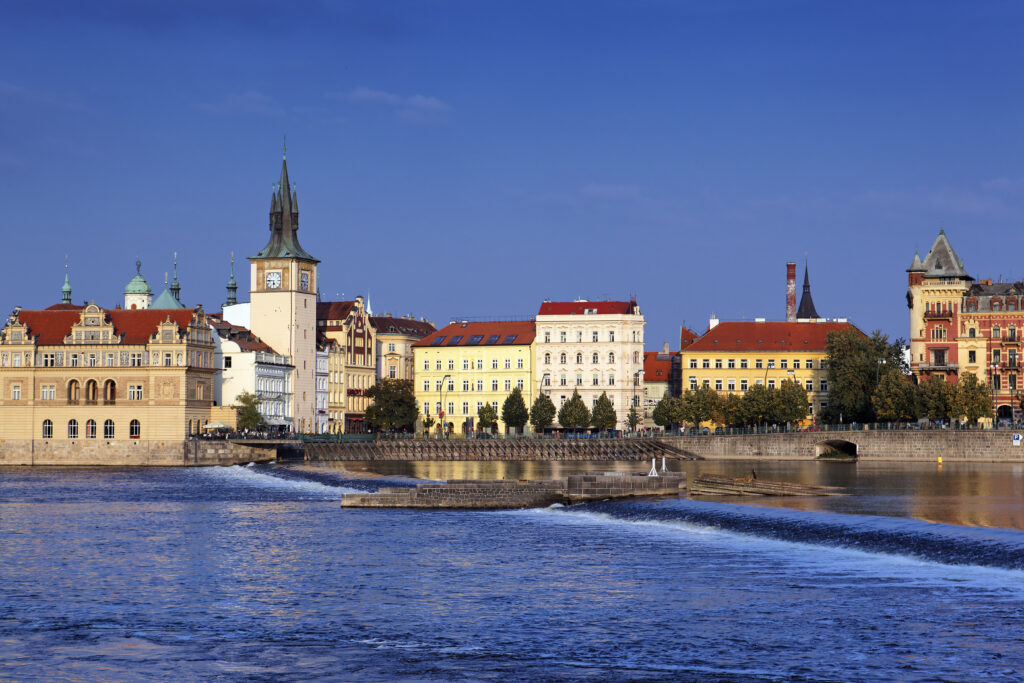
Introduction: Why Tallinn is Your Next European Getaway Picture this: cobblestone streets echoing with medieval charm, towering Gothic spires piercing Baltic skies, and fairy-tale architecture that looks straight out of a storybook. This isn’t just another European city – this is Tallinn, Estonia’s captivating capital that’s quickly becoming the smart traveler’s alternative to overcrowded Western European destinations. For Indian travelers seeking an authentic European experience without breaking the bank, determining the best time to visit Tallinn from India can make the difference between a good trip and an unforgettable adventure. Unlike the predictable seasons we’re accustomed to in India, Tallinn offers dramatically different experiences throughout the year – from sun-drenched summer festivals to enchanting winter wonderlands that transform the medieval Old Town into something magical. Whether you’re drawn to budget-friendly spring blooms, vibrant summer energy, colorful autumn festivals, or cozy winter charm, timing your visit right means experiencing Tallinn at its absolute best while getting the most value from your journey from India. Tallinn’s Seasons: A Guide to Choosing Your Perfect Time Spring (April–May): Fresh, Blooming, and Budget-Friendly Spring arrives in Tallinn like a gentle awakening after the long Baltic winter. Tallinn spring travel offers one of the most rewarding experiences for budget-conscious Indian travelers, with significantly lower accommodation rates and fewer crowds than the peak summer months. Weather and Atmosphere: Temperatures range from 8°C to 16°C, perfect for comfortable sightseeing without the heavy winter coats. The city shakes off its winter slumber as locals emerge to fill sidewalk cafés, and the famous Tallinn parks and gardens burst into bloom. Kadriorg Park becomes a photographer’s dream with cherry blossoms and tulips creating stunning backdrops. Why Visit in Spring: Pack Smart: Light layers are essential. Bring a waterproof jacket for occasional spring showers, comfortable walking shoes, and don’t forget sunglasses – the Baltic sun can be surprisingly bright reflecting off medieval limestone walls. Summer (June–August): Endless Sunshine and Vibrant Energy Summer in Tallinn is pure magic, offering the ultimate Tallinn festival season experience that Indian travelers absolutely love. This is when the city truly comes alive with nearly 19 hours of daylight in June, creating an almost surreal atmosphere where evening feels like afternoon. Weather and Atmosphere: Temperatures hover comfortably between 18°C to 24°C – refreshingly pleasant compared to Indian summers. The famous White Nights phenomenon means you can enjoy Tallinn sightseeing well into the evening hours, with the golden hour lasting seemingly forever. Summer Highlights: The Trade-off: This is peak season, so expect higher prices for Tallinn affordable hotels and advance booking requirements. However, the extended daylight hours mean you get more sightseeing value for your money. Autumn (September–October): Colorful Charm and Cultural Festivals Tallinn seasonal travel reaches its cultural peak during autumn, offering Indian travelers a perfect blend of comfortable weather, stunning natural beauty, and world-class cultural events. The crowds thin out, but the city’s energy remains high with locals embracing the cozy autumn atmosphere. Weather and Atmosphere: Temperatures range from 12°C to 18°C in early autumn, gradually cooling to 5°C to 12°C by late October. The medieval Old Town becomes even more atmospheric as morning mists roll in from the Baltic Sea, creating an almost mystical ambiance. Autumn Attractions: Local Insider Tip: September is actually considered by many locals as the secret best time to visit – summer’s warmth lingers, but tourist prices begin to drop, and the city has a more authentic, lived-in feel. Winter (November–March): A Snowy, Festive Wonderland The Tallinn winter experience transforms the city into a real-life fairy tale that Indian travelers often describe as “exactly what Europe should look like.” While temperatures drop to -3°C to -8°C, the city’s medieval architecture draped in snow creates an atmosphere that’s both magical and surprisingly cozy. Winter Magic: Practical Considerations: Winter offers the lowest accommodation rates and the most authentic local experience, but daylight is limited (8 AM to 4 PM in December). Pack thermal layers, waterproof boots, and embrace the hygge lifestyle that makes Baltic winters so special. Must-See Attractions and Seasonal Activities Historic Old Town & Toompea Hill: A Year-Round Marvel Tallinn’s UNESCO World Heritage Old Town adapts beautifully to each season, offering completely different experiences throughout the year. In summer, the limestone walls glow golden in the extended daylight, while winter snow transforms the same streets into a medieval wonderland. Seasonal Variations: The cobblestone streets tell different stories depending on when you visit – summer brings outdoor markets and street performers, while winter offers the cozy warmth of medieval taverns and the famous Christmas market atmosphere. Kadriorg Park and Palace: Nature’s Seasonal Theater This baroque masterpiece, built by Peter the Great, showcases different personalities throughout the year. Tallinn parks and gardens enthusiasts will find Kadriorg particularly rewarding during spring and autumn transitions. Seasonal Highlights: Museums and Indoor Attractions: Weather-Independent Culture Tallinn’s Tallinn cultural attractions provide perfect alternatives during unpredictable weather. The Seaplane Harbour (Lennusadam) maritime museum offers interactive exhibits that fascinate visitors regardless of outside conditions, while the Kumu Art Museum showcases both Estonian and international contemporary art. Rainy Day Recommendations: Seasonal Events and Festivals Each season brings unique cultural experiences that enhance your visit: Essential Travel Tips for a Smooth Trip from India Flights and Schengen Visa: Your Gateway to Baltic Adventure Flight Routes: No direct flights operate between India and Tallinn, but excellent connections are available through major European hubs. The most convenient routes from Delhi, Mumbai, and Bangalore typically connect through: Schengen Visa Process: Estonia is part of the Schengen zone, making visa applications straightforward for Indian passport holders. Apply at the Estonian Embassy in New Delhi or through VFS Global centers in major Indian cities. Processing typically takes 15 working days, and the visa allows travel throughout the Schengen area. Required Documents: Where to Stay in Tallinn: Neighborhoods That Suit Indian Travelers Old Town: Perfect for first-time visitors wanting to be in the heart of everything. Tallinn affordable hotels in this area include boutique guesthouses and converted medieval buildings, though prices are higher during peak season. Kadriorg: Ideal

Best Time to Visit Tallinn from India: A Complete Seasonal & Travel Guide Read More »

jeju island, south Korean island famous for

Why is Jeju Island So Famous? A Complete Guide for Travelers

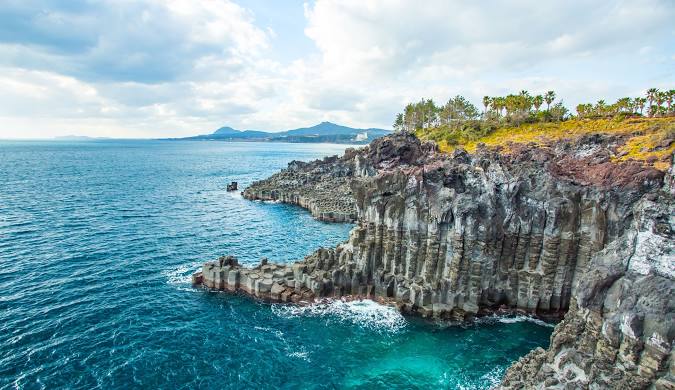
Table of Contents Quick Glace: Why is Jeju Island So Famous? Section Key Highlights Relevance for Travelers (India Focus) Unveiling Jeju’s Enchantment UNESCO World Natural Heritage, volcanic peaks, female divers (Haenyeo), myths & legends, blend of modern + traditional culture Sets Jeju apart as both cultural & natural destination Cultural Tapestry Creation myths (Samseonghyeol), Haenyeo divers (UNESCO heritage), Dol Hareubang statues, distinct dialect, shamanistic rituals Unique cultural immersion, strong attraction for culture-seekers & BTS fans Pop Culture (BTS Connection) BTS visits, filmed content, social media influence, Army pilgrimage site Big draw for younger travelers from India (K-pop fans) Nature’s Masterpiece Hallasan volcano (highest peak), lava tubes (Manjanggul), 368 oreums, beaches (Hyeopjae, Jungmun, Jusangjeolli cliffs), waterfalls (Cheonjiyeon, Jeongbang), winter snow on Hallasan Wide variety of landscapes and activities (trekking, photography, beaches) Food & Flavors Jeju Black Pork, abalone & sea urchin (Haenyeo harvest), Hallabong tangerines, omegi-tteok, communal dining traditions Strong appeal to Indian palates due to bold flavors & shared meals Jeju vs. Hawaii Jeju = raw, mystical, culturally immersive; Hawaii = tropical, commercial Jeju offers more authenticity + value for Indian travelers Unveiling Jeju’s Enchantment Picture this: you’re standing on an island where ancient myths dance with modern marvels, where volcanic peaks touch the clouds, and where the ocean whispers stories of legendary female divers. Welcome to Jeju Island, South Korea’s crown jewel, often called the “Island of the Gods.” But what exactly is Jeju Island famous for, and why should it be your next travel destination? This enchanting island, floating like a emerald gem in the Korea Strait, has captured hearts worldwide with its extraordinary blend of natural wonders and rich cultural heritage. Recognized by UNESCO as a World Natural Heritage site, Jeju Island stands as a testament to nature’s artistic prowess and human resilience. From its towering volcanic landscapes to its vibrant folklore, from its connection to global pop culture icons like BTS to its unique culinary treasures, Jeju offers an experience that’s both deeply authentic and refreshingly modern. What makes Jeju truly special isn’t just one thing—it’s the magical combination of volcanic landscapes sculpted over millennia, a matriarchal society unlike anywhere else in East Asia, pristine beaches that rival tropical paradises, and a culture so distinct it feels like stepping into another world entirely. Jeju’s Unique Cultural Tapestry Myths & Folklore: Where Legends Come Alive The myth of Jeju Island begins with three demigods who emerged from holes in the ground at a place called Samseonghyeol. These legendary figures—Go, Yang, and Bu—are said to be the founding fathers of Jeju, each marrying princesses who arrived by boat with seeds, livestock, and the knowledge of agriculture. This creation myth isn’t just ancient folklore; it reflects the island’s unique identity as a place where the mystical and practical intertwine. What struck me most about Jeju’s mythology is how it celebrates the power of women, embodied perfectly in the legendary Haenyeo—the “women of the sea.” These remarkable female divers, some well into their 80s, dive up to 20 meters deep without breathing apparatus to harvest seafood. Their tradition spans over 1,500 years, representing one of the world’s last remaining matriarchal societies. Watching a Haenyeo emerge from the depths with her catch is witnessing living history—a practice so extraordinary that UNESCO recognized it as an Intangible Cultural Heritage. The island is also famous for its Dol Hareubang, the iconic stone grandfathers that guard Jeju. These volcanic rock statues, with their distinctive expressions ranging from stern to whimsical, are believed to offer protection and fertility. You’ll find over 400 of these charming guardians scattered across the island, each with its own personality carved from Jeju’s native basalt. Traditions That Set Jeju Apart Jeju’s cultural uniqueness extends beyond its myths. The island has its own distinct dialect, so different from standard Korean that it’s almost a separate language. This linguistic isolation has preserved customs and traditions that disappeared elsewhere in Korea centuries ago. The shamanistic roots of Jeju culture remain strong, with village shamans (called “mudang”) still performing rituals for good harvests, safe fishing, and community well-being. These ceremonies, filled with colorful costumes, rhythmic music, and spirited dancing, offer visitors a glimpse into Korea’s spiritual heritage. Pop Culture Resonance: The BTS Connection Why is Jeju Island famous for the BTS Army? The answer lies in the global superstars’ genuine love for this island paradise. BTS members have visited Jeju multiple times, sharing their experiences through social media and variety shows, effectively introducing millions of fans worldwide to the island’s beauty. The group’s connection to Jeju goes beyond casual visits. They’ve filmed music videos against the island’s stunning backdrops, mentioned Jeju’s natural beauty in interviews, and some members have even purchased property there. This authentic endorsement from one of the world’s biggest music acts has made Jeju a pilgrimage site for the BTS Army, contributing significantly to the island’s tourism boom among young international travelers. Nature’s Masterpiece: Jeju’s Breathtaking Attractions Volcanic Wonders: A Geological Marvel Jeju’s volcanic origin is the foundation of its breathtaking beauty. Hallasan, South Korea’s highest peak at 1,947 meters, dominates the island’s center like a sleeping giant. This shield volcano, dormant for over 1,000 years, offers hiking trails that lead through diverse ecosystems—from subtropical forests at the base to alpine vegetation near the summit. The crater lake at the top, called Baengnokdam, mirrors the sky like nature’s own portal to the heavens. The island’s volcanic legacy extends underground through an intricate network of lava tubes. Manjanggul Cave, stretching over 9 kilometers, ranks among the world’s finest lava tube systems. Walking through these ancient tunnels, formed by flowing lava over 200,000 years ago, feels like journeying to the center of the Earth. The cave’s cathedral-like chambers and 7.6-meter-tall lava column create an otherworldly atmosphere that’s both humbling and awe-inspiring. Scattered across Jeju are 368 parasitic cones called “oreums”—smaller volcanic hills that create the island’s distinctive undulating landscape. Each oreum tells a story of ancient eruptions, and climbing them offers panoramic views of the island’s patchwork of fields, forests, and coastlines.

Why is Jeju Island So Famous? A Complete Guide for Travelers Read More »

How Safe is Malawi for Tourists? An In-Depth Guide to Visiting the Warm Heart of Africa

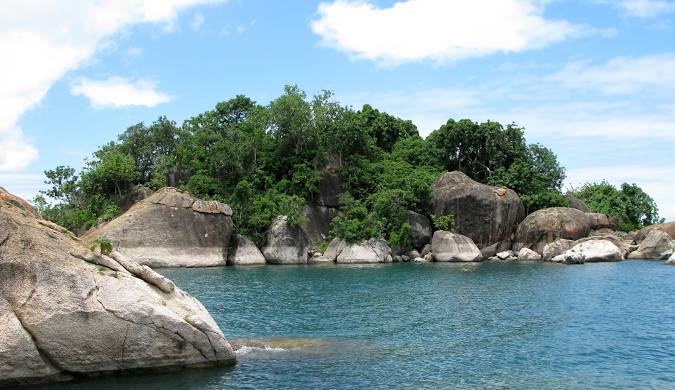
Malawi is often referred to as “The Warm Heart of Africa” due to its remarkably friendly and hospitable people, making it generally considered a safe and welcoming destination for travelers. Most visits are trouble-free, particularly for those on organized safaris. So let’s dive in to understand How Safe is Malawi for Tourists? However, like any travel destination, it’s crucial to be prepared and exercise caution. Key areas to be aware of include: Malawi offers unique safari experiences, stunning landscapes, and rich cultural encounters. To ensure a smooth and enjoyable trip, delve deeper into the detailed safety precautions, health guidelines, and cultural insights provided in the sources, as understanding these aspects will greatly enhance your visit to this incredible country. How Safe is Malawi for Tourists? I. Introduction: Malawi’s Reputation and Overall Safety Malawi is generally considered a safe country to visit, particularly for those on an organised safari. It is affectionately known as “The Warm Heart of Africa” due to the renowned friendliness and hospitality of its people. Annually, over 800,000 visitors enter Malawi, with most visits being trouble-free. Despite being a small, landlocked country, Malawi has garnered international recognition, being featured on Forbes, CNN Travel, and National Geographic as a great travel destination. Its Global Peace Index (GPI) score is comparable to France, and it ranks higher than America in the “Peace and Security” component. While largely safe, it is still advisable for tourists to exercise caution and be aware of potential risks. II. Crime and Security Risks Violent crime such as theft, burglary, armed robbery, and assault is common in Malawi. Petty theft and pickpocketing are also prevalent, especially around main bus stations in urban areas. There has been a reported increase in break-ins and violent assaults in major cities like Lilongwe, Blantyre, and Limbe. The risk of mugging and bag-snatching is also present. It is important to note that the Malawi Police Service has limited resources and abilities to deter and investigate crimes, assist victims, and apprehend criminals. While rare, criminal kidnappings for financial gain occasionally occur, and British Nationals have been targeted in some instances, indicating that kidnappers may also target foreigners, particularly business or wealthy individuals who are at an increased risk. A. Protecting Yourself and Your Belongings: Practical Precautions To minimise risks and enhance your safety, consider these practical precautions: III. Civil Unrest and Political Situation Demonstrations related to political and economic issues can occur in Malawi and may increase in frequency. During such events, tear gas is frequently deployed, and roads may be blocked. It is crucial to avoid large crowds and demonstrations and to monitor local media for updates on the situation. Keeping local and international travel plans under review is also advisable. IV. Common Tourist Scams in Malawi While generally friendly, some individuals may attempt common tourist scams. Being aware of these can help prevent negative experiences: V. Health and Medical Preparedness Before travelling to Malawi, it is crucial to consult a medical professional at least 8 weeks prior to your departure for vaccine recommendations and malaria prevention. Malaria persists year-round in Malawi. A yellow fever vaccination certificate is required only if you are arriving from a country with a risk of yellow fever. For instance, it is not required for US or Indian citizens travelling directly from their home countries. Other potential health risks in Malawi include mpox, biting insects, ticks, and altitude sickness in some parts of the country. Malawi experienced its largest cholera outbreak in late 2022 and early 2023, with cases likely to rise again during the rainy season (November to April). Tap water may not be safe to drink, especially in rural areas. Therefore, it is essential to exercise safe food and water habits, such as drinking bottled or boiled water and avoiding raw or undercooked foods to prevent foodborne and waterborne illnesses. General medical facilities throughout Malawi are basic, particularly in rural areas, and emergency services are limited. Many medical facilities will expect up-front payment for services. It is therefore paramount to have adequate travel health insurance that covers local treatment, medical evacuation, and repatriation. The Foreign, Commonwealth & Development Office (FCDO) provides a list of medical providers in Malawi where some staff speak English. Additionally, be aware of the legal status and regulation of prescribed medicines when travelling. It is advisable to carry basic medical supplies. VI. Safari and Wildlife Viewing Safety Malawi’s safari offerings have quietly evolved over the past decade, with significant conservation efforts led by organisations like African Parks transforming the country’s protected areas into thriving ecosystems. This has resulted in a personal, immersive, and refreshingly crowd-free safari experience. Top safari destinations include Liwonde National Park, Majete Wildlife Reserve, Nkhotakota Wildlife Reserve, and Nyika National Park, each offering unique wildlife viewing opportunities. Parks and reserves are generally very safe places to visit. However, it is crucial to follow your guide’s instructions without exception, as their expertise in animal behaviour and knowledge of the terrain make a critical difference to both your safari experience and your safety. Only leave your vehicle in designated safe areas as instructed by your guide. When on game drives, adherence to game drive etiquette is vital for safety and a positive experience for all: For clothing, wear neutral tones such as khaki, dark green, brown, or beige. Avoid bright colours, white, blue, and black in areas where tsetse flies are common, as they are attracted to these colours. Bring binoculars for spotting distant wildlife and enhancing your viewing experience. It’s important to manage expectations: animals are not everywhere, and you may only see them roughly a third of the time; the rest is about appreciating the beautiful landscapes and learning from your guide. VII. Transportation Safety Road travel in Malawi can be hazardous, with a high rate of road fatalities. Common hazards include potholes, animals, abandoned vehicles, cyclists, and vehicles without lights at night. There are frequent fuel shortages, so it is essential to plan ahead and ensure fuel availability for your route. Police in Malawi

How Safe is Malawi for Tourists? An In-Depth Guide to Visiting the Warm Heart of Africa Read More »

What to do in Dubai for a Week

Explore Dubai in 7 Days: Your Ultimate Itinerary

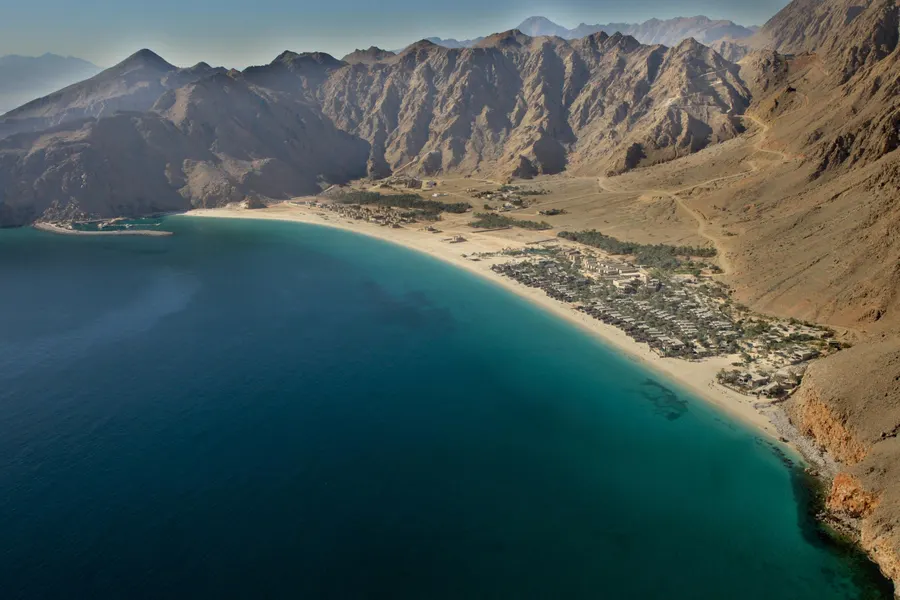
Dubai welcomes over 16 million visitors annually, yet fewer than 8% venture beyond its iconic skyscrapers to discover its authentic cultural heartbeat. This seven-day journey redefines Middle Eastern exploration, blending luxury with tradition across seven Emirates and neighboring Oman. Your adventure begins where most tours end – in the vibrant intersections of ancient heritage and cutting-edge innovation. United Airlines business class travelers recently completed this ambitious route, proving you can experience both Bedouin traditions and futuristic cityscapes without rushing. Imagine sipping Arabic coffee in 18th-century forts before sunset cocktails atop the world’s tallest building – this itinerary makes it possible. Each day builds like a masterclass in Arabian discovery. You’ll navigate spice-scented souks one morning and marvel at AI-controlled metro systems the next. The real magic lies in curated moments: dune-bashing through ruby-red deserts, private museum tours with historians, and tasting fusion cuisine that spans millennia. Key Takeaways Combine modern marvels with cultural immersion across seven diverse Emirates Access exclusive experiences through strategic business-class travel perks Discover hidden oases and archaeological sites most visitors miss Balance iconic landmarks with authentic local interactions Optimize transit time between destinations using premium air routes Experience Oman’s mountain villages as a seamless extension of your UAE journey Introduction: Dubai’s Blend of Modernity and Tradition Dubai’s skyline tells two stories: glass towers pierce clouds while century-old wind towers channel desert breezes. This city in the United Arab Emirates masterfully balances its Bedouin roots with 22nd-century ambitions. Wander through Al Fahidi district, where mud-brick homes stand minutes from AI-powered metro stations. The culture here thrives on contrasts. Gold souks sparkle beside textile markets filled with Indian silks, reflecting the Middle East’s deep trade connections. Over 200 nationalities contribute to daily life, creating neighborhoods where mosque prayers blend with Bollywood beats. Aspect Traditional Modern Architecture Barjeel wind towers Rotating skyscrapers Commerce Dhows carrying dates Drone delivery hubs Cultural Influences Arabic coffee rituals Global fusion restaurants Your itinerary gains depth through these layers. Watch artisans craft wooden dhows using techniques unchanged for generations, then marvel at 3D-printed office complexes. The United Arab heritage shines brightest where old meets new – like the Dubai Frame, literally bridging past and future. This guide reveals how to experience both worlds authentically. Savor camel milk chocolate in restored merchant houses, then discuss AI trends with local tech pioneers. Every moment becomes a conversation across centuries. Day One – Discovering Old Dubai and the Historic Dubai Creek Begin your journey where the city’s story first unfolded—along the shimmering waters of Dubai Creek. This natural saltwater inlet fueled trade routes long before skyscrapers dominated the horizon. Watch wooden abras glide like water beetles, carrying passengers for just 1 dirham across the historic divide. A Walking Tour of Heritage and Culture Step into Al Seef district’s recreated wind towers and narrow alleys, where the past feels vividly present. Local guides at the Sheikh Mohammed Centre for Cultural Understanding reveal why Emirati men wear crisp white kanduras and how gender-separated spaces shaped daily life. “Our traditions adapt without disappearing,” explains a historian during tours of restored merchant houses. Experiencing the Spice and Gold Souks Let cinnamon-scented breezes guide you through the market’s kaleidoscope of saffron pyramids and rose-petal mounds. Vendors offer tasting spoons of date honey while photographers snap vibrant spice displays. Three blocks east, the gold souk’s window displays glitter with 24-karat necklaces—each piece government-certified for purity. Experience Spice Souk Gold Souk Signature Find Iranian dried limes Emirati-inspired jewelry Bargaining Style Playful haggling Fixed prices with discounts Cultural Tip Sample before buying Request assay certificates Refuel at Al Fanar Restaurant, where camel meat burgers and luqaimat dumplings showcase Bedouin flavors. As dusk paints the creek gold, join fishermen mending nets—a timeless scene against Dubai’s modern skyline. Your one day here becomes a masterclass in Arabian culture’s enduring spirit. Day Two – Skyscrapers, Shopping, and Iconic Landmarks Downtown Dubai redefines urban ambition with glass giants casting shadows over man-made lakes. This district pulses with energy day and night, offering more architectural wonders than some countries boast nationwide. Urban Wonderland Exploration The Dubai Mall astonishes with scale and surprises. Beyond 1,200 luxury boutiques, you’ll find aquatic marvels like a 10-million-liter aquarium and Olympic-sized ice rink. “Our goal was to create a city within a city,” shares a mall architect, nodding to the Jurassic-era dinosaur skeleton guarding the fashion district. Touch the Sky Reaching the Burj Khalifa‘s observation deck becomes an event itself. Smart travelers book tickets online to bypass winding queues. The elevator’s 60-second ascent to the 124th floor features starry animations mirroring the building‘s record-breaking height. Feature Downtown Dubai Las Vegas Strip Total Area 2.2 sq miles 4.2 sq miles Tallest Structure 2,722 ft 1,149 ft Annual Visitors 80 million 42 million From the cloud-piercing deck, watch the city‘s grid dissolve into desert waves. This view explains why 85% of tower residents hail from abroad – Emirati citizens typically prefer spacious villas funded by government housing programs. As twilight paints the skyline gold, the fountain show below dances to Arabic symphonies. Your day among giants concludes with a vital lesson: in the United Arab Emirates, even gravity-defying achievements remain grounded in cultural pride. Day Three – A Day Trip Beyond: The Musandam Peninsula, Oman Your day trip unveils Arabia’s wild side as you cross into Oman’s northernmost territory. This geological wonderland features limestone cliffs plunging into turquoise water, creating a landscape more reminiscent of Baja California than the Arabian Peninsula. Crossing Borders for a Scenic Dhow Cruise The journey becomes part of the adventure. After passing through Sharjah’s art districts and Ras Al Khaimah’s mountain roads, border agents stamp passports with practiced efficiency. “This enclave showcases how cultures shift with geography,” notes a local guide as you approach Khasab harbor. Traditional Omani dhows await with plush cushions and sun-shaded decks. As engines hum to life, dolphins race alongside the wooden hull. The fjord-like khors (inlets) reveal secret beaches and 2,000-foot cliffs striped with mineral deposits. Choose your aquatic adventure: Snorkel above coral gardens teeming with

Explore Dubai in 7 Days: Your Ultimate Itinerary Read More »