Eastern Europe & Central Asia Travel

Explore travel guides, itineraries, places to visit, and travel tips across Eastern Europe and Central Asia, including Russia, Kazakhstan, Azerbaijan, Georgia, Armenia, Ukraine, Uzbekistan, and more.

Things to Do in Almaty: The Ultimate Travel Guide to Kazakhstan’s Most Exciting City

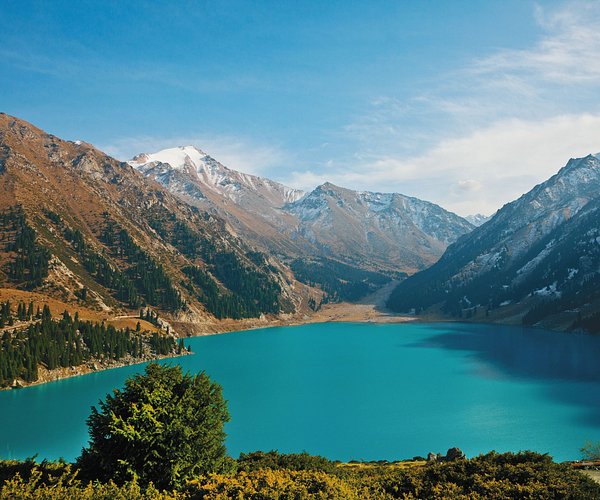
If you haven’t added Almaty to your travel list yet, you’re missing one of Central Asia’s most genuinely rewarding city experiences. The things to do in Almaty range from riding a cable car above a mountain lake to wandering Soviet-era parks and eating dumplings at a bazaar that’s been running since the 1800s. It’s a city that surprises you at every turn. I’m Wahid Ali, Operations Lead at Astamb Holidays in Mumbai, and over the past few years I’ve helped dozens of Indian travelers plan their first trip to Kazakhstan. The feedback is consistently the same: Almaty delivers far more than people expect for the money they spend. This guide pulls together everything I’ve learned from on-the-ground research and client feedback — from the best nature day trips to how much you’ll actually spend each day. 📍 Things to Do in Almaty: Quick List of the Top Experiences Top attractions at a glance Here are the best things to do in Almaty, covering nature, culture, and city highlights in one place: Best experiences by traveler type Traveler Type Top Picks Nature lovers Big Almaty Lake, Kolsai Lakes, Charyn Canyon, Kaindy Lake First-timers Kok Tobe, Medeu, Shymbulak, Panfilov Park Culture seekers Green Bazaar, Arbat Street, Central State Museum Budget travelers Panfilov Park, Green Bazaar, Medeu (off-peak) Adventure seekers Shymbulak skiing, Charyn Canyon trekking, Kolsai Lakes overnight Families Kok Tobe, Medeu, Almaty Zoo, Gorky Park 🏔️ Why Almaty Is Becoming One of Asia’s Most Underrated Travel Destinations The mountain-city advantage Very few cities in Asia let you go from a coffee shop to a ski resort in under an hour. Almaty sits at the foot of the Tian Shan mountain range, which means the landscape changes dramatically within a short drive. On a clear day, the snow-capped peaks are visible from the city centre itself. The city also has a functioning metro, a well-established café culture, and a surprisingly strong food scene. It manages to feel cosmopolitan without losing its Central Asian character. How Almaty compares with Tbilisi and Baku Almaty is frequently left out of conversations that include Tbilisi (Georgia) and Baku (Azerbaijan) as emerging city break destinations. That’s starting to change, and for good reason. Factor Almaty Tbilisi Baku Mountain access Excellent (ski resort 30 min away) Good (Kazbegi, 2.5 hrs) Limited Daily cost (INR) ₹2,500–4,500 ₹3,000–5,500 ₹3,500–6,000 Visa for Indians 14-day visa-free Visa on arrival Visa on arrival English spoken Moderate Moderate Limited International flights Direct from Delhi/Mumbai Via Istanbul/Dubai Via Dubai Nature day trips Outstanding Good Average Almaty wins on value and nature access. The 14-day visa-free entry for Indian passport holders is a huge practical advantage that Tbilisi and Baku can’t match right now. 🌲 Things to Do in Almaty for Nature Lovers Nature is where Almaty genuinely stands apart. Within a half-day’s drive, you can reach lakes, canyons, and mountain forests that feel completely wild. Here’s how to plan each major nature destination properly. Big Almaty Lake Big Almaty Lake (Bolshoye Almatinskoye Ozero) sits at 2,510 metres elevation and is about 15 km south of the city centre. The water shifts between deep blue and jade green depending on the season and light conditions. Access rules matter here. The road to the lake passes through a restricted zone managed by the Institute of Ionosphere. Private vehicles require a permit, and the rules have tightened in recent years. The cleanest option is to book a shared or private tour through a local agency — they handle the permit paperwork and know the access checkpoints. If you’re going independently, take a taxi to the lower viewpoint at Kosmostantsiya and walk the last 4 km uphill. It’s a manageable hike on a clear day and entirely worth the effort. Best visiting time: Early morning between 7 AM and 9 AM to avoid crowds and get the clearest views. Kolsai Lakes Kolsai Lakes is a three-lake system located about 280 km southeast of Almaty, near the Kyrgyzstan border. The first lake is accessible by a short walk; reaching the second lake takes around 3–4 hours of hiking through pine forest. The third lake sits just inside the border zone and requires a special permit. Most travelers do the first and second lakes comfortably as a day trip if they depart Almaty by 6 AM. An overnight stay in Saty village is recommended if you want to reach the third lake or do the full trail at a relaxed pace. Shared taxis and group tours from Almaty’s Sairan Bus Terminal run regularly in summer. Kaindy Lake Kaindy Lake is about 130 km from Kolsai and 380 km from Almaty. What makes it extraordinary is the submerged forest — spruce trees standing in the lake, their trunks preserved by the cold water, with bare branches poking above the surface. The lake was formed after a 1911 earthquake triggered a landslide that dammed a river. Getting there requires a 4×4 vehicle. The road from Saty village is rough and frequently flooded in spring. Do not attempt this in a standard car. Most tour operators in Almaty bundle Kaindy with a Kolsai Lakes day trip, which makes logistical and financial sense. Charyn Canyon Charyn Canyon is the most dramatic landscape accessible from Almaty — a 150-km-long gorge carved by the Charyn River, located about 200 km east of the city. The most-visited section is the Valley of Castles, where sandstone formations rise up to 150 metres from the canyon floor. The drive takes around 2.5 to 3 hours from Almaty. Most visitors do a 3-km loop trail along the canyon floor, which takes about 1.5 hours. It’s a moderate walk but can feel intense in summer heat — carry at least 1.5 litres of water per person. Nature Spots Comparison Table Destination Travel Time from Almaty Difficulty Optimal Visit Time Crowd Score (1–10) Big Almaty Lake 45 min Easy–Moderate 7 AM – 9 AM 7/10 Kolsai Lakes (Lake 1 & 2) 4–5 hrs Moderate 8 AM start 5/10 Kaindy Lake 5–6 hrs Moderate

Things to Do in Almaty: The Ultimate Travel Guide to Kazakhstan’s Most Exciting City Read More »
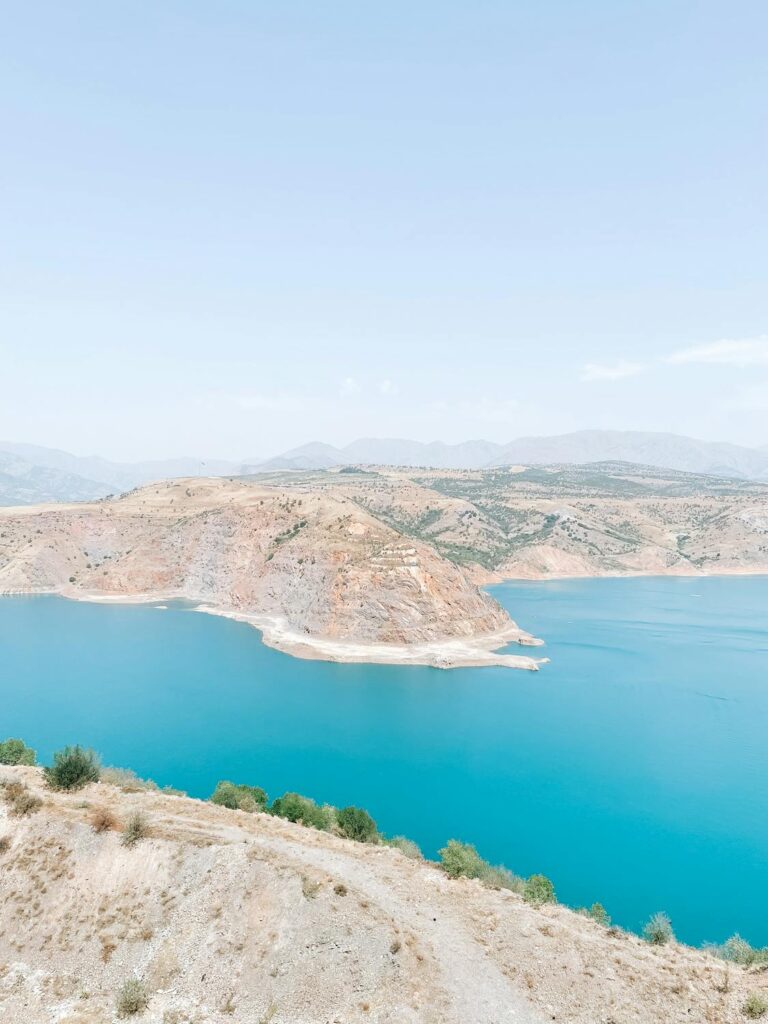
Scenic view of Charvak Lake's turquoise waters surrounded by arid hills in Uzbekistan

Best Time to Visit Uzbekistan 2025: Weather, Seasons & Travel Tips

First-Timer’s Guide to Uzbekistan: Everything You Need to Know Before You Go (2025 Edition) Considering a trip to Uzbekistan? This fascinating Central Asian country offers a rich history and stunning Silk Road monuments in cities like Samarkand, Bukhara, and Khiva. Known for its welcoming people, Uzbekistan presents a unique travel experience. Keep reading for essential information on getting there, what to see and do, and important travel tips to help you plan your journey! Uzbekistan is emerging as one of the most talked-about travel destinations for 2025. With its rich Silk Road heritage, awe-inspiring architecture, and authentic cultural experiences, this Central Asian gem offers first-time travelers a refreshing change from the usual tourist hotspots. Whether you are drawn to historic cities like Samarkand and Bukhara, the mystique of the Kyzylkum Desert, or the vibrant bazaars of Tashkent, our guide will help you navigate everything – from visas and flights to local customs and safety tips. Below, you will find a concise reference table summarizing the key takeaways from the article, followed by detailed sections that delve into every aspect you need to consider before embarking on your Uzbek adventure. Quick Access Table of Key Information Section Key Information Why Choose Uzbekistan? A trending, off-the-beaten-path destination with Silk Road history, unique architecture, and authentic culture that offers fewer crowds and immersive local experiences. Navigating Uzbekistan E-visa availability for many nationalities, efficient local transport options, and recommendations on flights (arriving in Tashkent is easiest). Culture, Customs & Etiquette Embrace local traditions—dress modestly in religious areas, respect local customs, and explore traditional hospitality. Must-See Cities & Regions Top destinations include Samarkand, Bukhara, Khiva, and Tashkent, along with natural attractions like Aydarkul Lake and the vast Kyzylkum Desert. What to Pack Seasonal clothing (think light layers for spring/autumn), culturally appropriate attire, sun protection, and comfortable footwear for city walking and desert exploration. Money Matters Budget-friendly with affordable accommodation and dining; local currency is the Uzbekistani Som. Plan for e-payment options and be mindful of exchange rates. Staying Connected E-SIM cards and portable Wi-Fi solutions are widely recommended for a smooth travel experience. Safety Tips Uzbekistan is considered safe, though common travel safety precautions—such as avoiding isolated areas at night and keeping valuables secure—are advised. Seasonal Guide Best times to visit are spring (April–May) and autumn (September–November), as these periods offer pleasant weather and fewer crowds compared to the peak summer heat or winter chill. Visa Information For many visitors (including Indians), obtaining an e-visa is fast and efficient. Ensure you have a valid passport, completed application, and all required documents. Unique Experiences Enjoy a yurt stay in the Kyzylkum Desert, explore bustling local markets, and immerse yourself in Uzbekistan’s Islamic heritage by visiting sacred sites like Khast Imam Square. Personal Travel Stories Expect warm hospitality, serendipitous encounters, and memorable personal journeys along the ancient Silk Road. Introduction Uzbekistan, once a crossroads of trade along the Silk Road, has redefined itself as a vibrant, culturally rich travel destination perfect for the year 2025. With a remarkable blend of history, tradition, and modernity, the nation is now capturing the imagination of adventurers, culture enthusiasts, and budget travelers alike. This guide provides all the practical information you need—whether it’s navigating visa procedures, selecting the best time to travel, or understanding local customs—to ensure that your journey to Uzbekistan is as seamless and rewarding as possible. As global travel trends evolve and many seek unique, authentic experiences away from overcrowded tourist spots, Uzbekistan offers an antidote to the conventional. It invites first-time visitors to step into a world where every corner tells a story of ancient empires, majestic mosques, bustling markets, and the legendary Silk Road. This detailed guide will address common travel anxieties by offering insights and practical tips, so you can plan and enjoy your trip with confidence. Why Choose Uzbekistan for Your Next Adventure? A Destination with Deep Historical Roots Travelers are increasingly drawn to destinations with authentic historical narratives, and Uzbekistan stands out as a fascinating case. Home to some of the world’s most mesmerizing examples of Islamic architecture, Uzbekistan’s cities have preserved the legacy of ancient empires. From the majestic madrasahs of Samarkand to the fortified walls of Khiva’s Itchan Kala, the country serves as an open-air museum where every street corner and building tells a story. Trending for 2025 As supported by research and travel trend reports, Uzbekistan is one of the top trending destinations for 2025. With growing interest spurred by articles from BBC Travel and travel trend analysts, the country has seen increasing numbers of international visitors each year. Its popularity is largely attributed to the fact that it offers a rare combination of well-preserved history, cultural diversity, and relatively untapped natural beauty. Many travelers are excited by the idea of exploring destinations that still maintain an air of mystery and authenticity while being safe, accessible, and budget-friendly. Off-the-Beaten-Path Yet Modern Despite its ancient heritage, modern Uzbekistan provides travel comforts that meet international standards. The country is steadily developing its tourism infrastructure, including upgraded airports, improved roads, and a growing number of hotels and restaurants that respect both tradition and modern quality expectations. This blend of the old and the new makes Uzbekistan an ideal destination for first-time visitors seeking to balance adventure with comfort. Navigating Uzbekistan: Visa, Flights, and Getting Around Easy and Accessible Entry One of the first questions travelers have is: “Do I need a visa?” The good news is that Uzbekistan has streamlined its visa process significantly. Many travelers, including those from India and various other countries, can now apply for an e-visa easily. This digital transformation means you can avoid long queues and paperwork at embassies. The e-visa application usually requires a scan of your passport, a recent photograph, and a filled-out form—once approved, you will receive an electronic copy that you must present on arrival. Arrival and Departure Points The capital city, Tashkent, is the primary international gateway into Uzbekistan. Tashkent International Airport is well-connected to numerous global hubs, making it the easiest

Best Time to Visit Uzbekistan 2025: Weather, Seasons & Travel Tips Read More »

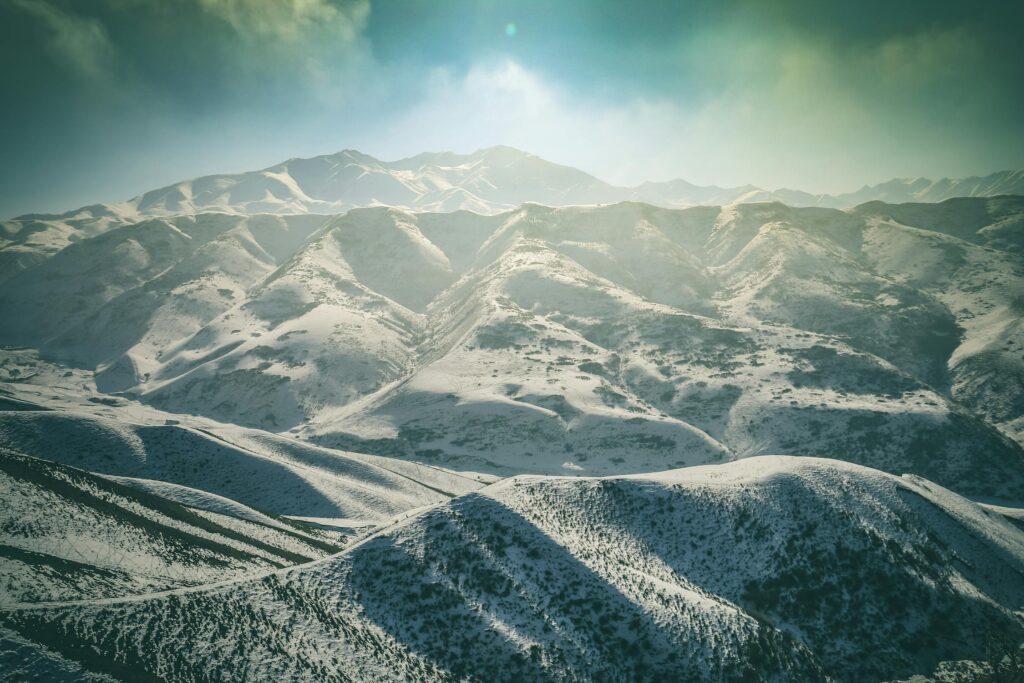
Panoramic vista of the Tian Shan mountains in Kyrgyzstan, showcasing rugged peaks and alpine meadows.

Kyrgyzstan: A Comprehensive Guide for Budget-Conscious Indian Travelers

Kyrgyzstan: A Comprehensive Guide for Budget-Conscious Indian Travelers Have you ever dreamed of a place where majestic mountains, ancient history, and vibrant culture blend seamlessly with affordability and adventure? Welcome to Kyrgyzstan—a hidden gem in Central Asia that offers Indian travelers an experience like no other. Whether you’re a student, a backpacker, or simply someone who loves discovering offbeat destinations, this guide will take you through every aspect of planning your trip—from visa tips and transport to the best time to visit and must-see attractions. In this comprehensive guide, we will explore why Kyrgyzstan has become a hotspot for budget travelers. We’ll answer key questions such as the details of kyrgyzstan visa for indians, reveal the secrets behind its incredible landscapes, and provide practical tips for an unforgettable journey. So, grab a cup of chai and let’s embark on this adventure together! Introduction: The Allure of Kyrgyzstan Kyrgyzstan, officially the Kyrgyz Republic, is a landlocked country in the heart of Central Asia. Often called the “Switzerland of Central Asia” due to its dramatic mountain ranges, over 80% of its terrain is covered by the majestic Tian Shan and Pamir ranges. For budget-conscious Indian travelers, Kyrgyzstan offers a unique combination of rugged natural beauty, rich cultural heritage, and unbeatable value. What sets Kyrgyzstan apart is not just its scenic vistas or its historical significance along the ancient Silk Road—it’s also the genuine warmth of its people and the ease of travel. With affordable accommodation, inexpensive local cuisine, and friendly transport options, this destination allows you to immerse yourself in local life without burning a hole in your pocket. And yes, we’ll also cover important details like kyrgyzstan visa for indians to make your travel planning even smoother. Where is Kyrgyzstan Located? Unveiling the Heart of Central Asia Geography and Regional Context So, where is Kyrgyzstan located? Nestled between Kazakhstan to the north, Uzbekistan to the west, Tajikistan to the south, and China to the east, Kyrgyzstan lies at the crossroads of various cultures and historical trade routes. This strategic location has shaped its diverse heritage and traditions, making it a fascinating melting pot of Turkic, Mongol, and Russian influences. For those planning your journey, a detailed Kyrgyzstan map is essential. It not only helps you visualize the country’s diverse geography—from expansive steppes to rugged highlands—but also guides you through the main travel hubs and cultural centers like Bishkek, the capital city. Why Its Location Matters Kyrgyzstan’s location is a major draw for Indian travelers. The country’s position along the ancient Silk Road means that its history is filled with tales of caravans, trade, and cultural exchange. For Indian tourists, this connection can feel familiar—reminding you of the historical ties that have long linked India with Central Asia. This cultural affinity, combined with modern travel conveniences, makes Kyrgyzstan an appealing destination for those seeking both adventure and comfort. Navigating the Visa Process: Your Guide to Kyrgyzstan Visa for Indians One of the most frequently asked questions by Indian travelers is about the visa process. Let’s demystify it: Visa Options for Indian Citizens For the most up-to-date and detailed information, you can visit the official Kyrgyz visa portal. This streamlined process makes obtaining a kyrgyzstan visa for indians simpler than ever. The Best Time to Visit Kyrgyzstan: When to Experience the Magic Timing is everything when planning your trip. So, what’s the best time to visit Kyrgyzstan? Seasonal Breakdown For more detailed insights into seasonal weather patterns, check out resources like Lonely Planet’s guide to Kyrgyzstan and Steppes Travel. Budget Breakdown: Maximizing Your Money in Kyrgyzstan Traveling on a budget doesn’t mean sacrificing experiences. In Kyrgyzstan, you can enjoy a rich travel experience without breaking the bank. Let’s break down the costs: Flights International flight prices vary depending on the season and booking time. Here are some rough estimates for round-trip fares from major Indian cities: Airlines like Air Astana, Air Arabia, and Turkish Airlines offer competitive fares, often with layovers in Dubai, Istanbul, or Almaty. For the latest deals, visit sites like Kayak. Visa and Entry Accommodation Kyrgyzstan offers a range of lodging options suited for every budget: Websites like Booking.com and Hostelworld are great for finding affordable accommodation. Food Local food in Kyrgyzstan is both delicious and wallet-friendly: Transportation Getting around in Kyrgyzstan is economical: Activities and Entrance Fees Many of Kyrgyzstan’s attractions are very affordable: For an overall picture of daily expenses, refer to the table below, which outlines a sample 7-day itinerary’s costs: Day Location Estimated Cost (INR) Estimated Cost (USD) 1 Bishkek 1,700 – 2,200 20 – 26 2 Bishkek 1,600 – 2,000 19 – 24 3 Ala Archa National Park 1,800 – 2,300 22 – 28 4 Issyk-Kul (Cholpon-Ata) 2,000 – 2,600 24 – 31 5 Issyk-Kul 1,800 – 2,400 22 – 29 6 Bokonbaevo 2,300 – 2,800 28 – 34 7 Bishkek (Departure) 1,000 – 1,500 12 – 18 Total   12,200 – 15,800 146 – 190 Note: These estimates exclude international flight costs and visa fees. Daily expenses typically average between ₹1,745 and ₹2,260 (roughly $21 – $27). Planning Your Itinerary: A Detailed 7-Day Travel Plan To help you maximize your experience while keeping costs low, here’s a comprehensive 7-day itinerary specifically designed for budget-conscious Indian travelers. Day 1: Arrival in Bishkek Day 2: Exploring Bishkek and Cultural Immersion Day 3: A Day Trip to Ala Archa National Park Day 4: Journey to Issyk-Kul (Cholpon-Ata) Day 5: Exploring Issyk-Kul and Cultural Sites Day 6: Immersion in Bokonbaevo and Local Traditions Day 7: Return to Bishkek and Departure This detailed itinerary is designed to give you a taste of everything Kyrgyzstan has to offer, while keeping expenses in check. It also leaves some room for spontaneity—because sometimes the best adventures happen when you deviate from the plan. Key Comparisons and Insights: Kyrgyzstan Versus Other Destinations To truly appreciate what Kyrgyzstan brings to the table, let’s compare it with some other popular travel destinations: Feature Kyrgyzstan Southeast Asia (e.g., Thailand) Europe (e.g., Italy) Affordability Extremely budget-friendly;

Kyrgyzstan: A Comprehensive Guide for Budget-Conscious Indian Travelers Read More »

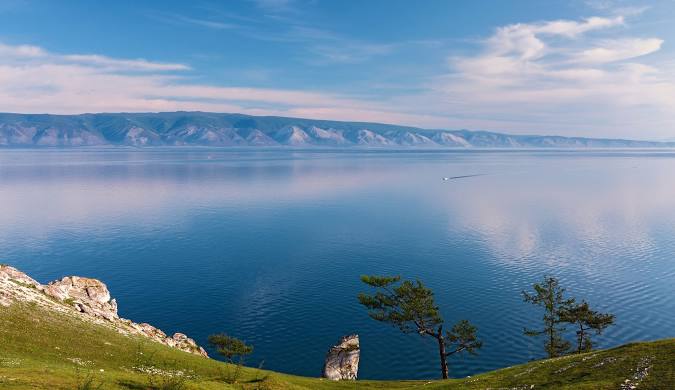
Lake Baikal, Siberia, Russia

Lake Baikal: The Pearl of Siberia

Lake Baikal: Siberia – Russia A Comprehensive Research Travel Guide Introduction Lake Baikal, the stunning “blue pearl” of Russia, stands as one of the most remarkable natural wonders on Earth. Located in southeastern Siberia near the Mongolian border, this crescent-shaped lake is the world’s deepest (1,700 meters) and oldest (25 million years) freshwater lake, containing an astonishing 20% of the world’s unfrozen freshwater reserves【3】. Designated as a UNESCO World Heritage Site, Lake Baikal is renowned for its crystal-clear waters that mirror Siberia’s wild beauty and its unique ecosystem, earning it the nickname “Galapagos of Russia”【23】. This comprehensive guide explores the diverse attractions, cultural experiences, and practical information for travelers seeking to discover this magnificent natural treasure, from thrilling winter adventures across its frozen surface to serene summer cruises, traditional Buryat cultural immersion, and encounters with endemic wildlife in one of the world’s most exceptional destinations. Geographical Significance and Natural Wonders The Jewel of Siberia: Facts and Figures Unique Ecosystem and Wildlife Lake Baikal’s isolation and age have fostered one of the world’s richest and most unusual freshwater ecosystems, making it invaluable for evolutionary science【3】. UNESCO Designation: Recognized for its extraordinary biodiversity, Lake Baikal is a living laboratory for evolutionary studies【3】. Seasonal Transformations Lake Baikal undergoes dramatic seasonal changes, offering different experiences throughout the year: Winter (December – April) Summer (June – September) Spring & Autumn Top Destinations Around Lake Baikal Irkutsk: The Gateway to Baikal Often called the “Paris of Siberia”, Irkutsk is the main access point to Lake Baikal【24】. Listvyanka Village: Tourist Hub Olkhon Island: The Heart of Baikal Activities and Experiences Water-Based Adventures Winter Adventures on Frozen Baikal Hiking & Trekking Conservation & Responsible Tourism Environmental Challenges How to Help Conclusion Lake Baikal stands as one of Earth’s most extraordinary natural treasures, offering visitors breathtaking landscapes, rare wildlife, and rich cultural heritage. Whether exploring its frozen surface in winter or cruising its tranquil waters in summer, a journey to Baikal is an experience like no other. Travel responsibly and discover why Baikal is called the Pearl of Siberia. References Baikal seal The Baikal seal (Pusa sibirica), also known as Lake Baikal seal or Baikal nerpa, is a species of earless seal endemic to Lake Baikal in Siberia, Russia A beautiful location in India, read more like this https://xploreheaven.com/chikhaldara/

Lake Baikal: The Pearl of Siberia Read More »

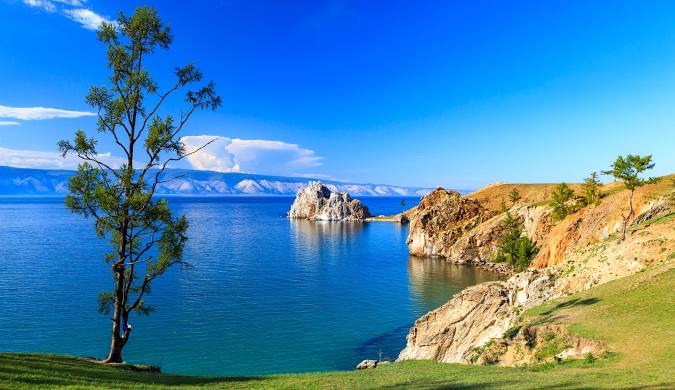
Lake Baikal in summer, showcasing its vast blue waters and surrounding Siberian taiga forests

Lake Baikal: Siberia’s Deep Blue Enigma

Lake Baikal: The Pearl of Siberia Have you ever wondered what it’s like to stand before a natural wonder so vast and ancient that it almost seems otherworldly? Welcome to Lake Baikal—the Pearl of Siberia. In this blog post, we’ll dive deep (pun intended) into what makes Lake Baikal not just the deepest freshwater lake in the world but also one of the most fascinating natural treasures on Earth. Whether you’re curious about its impressive lake Baikal depth, searching for a reliable lake Baikal map, or intrigued by the legends of a mysterious lake Baikal monster, this guide is for you. Introduction: Discovering the Magic of Lake Baikal Imagine a place where crystal-clear water meets rugged wilderness, where ancient myths mix with modern exploration, and where every ripple tells a story of geological wonder. Lake Baikal is exactly that—a breathtaking fusion of nature, culture, and science. Nestled in the heart of Siberia, this lake stretches for 636 kilometers and plunges to depths exceeding 1,600 meters. As you read on, you’ll learn not only why Lake Baikal is so deep but also why it continues to captivate travelers, researchers, and adventurers alike. From its geological origins to the enchanting legends that whisper about a mysterious lake Baikal monster, there’s so much to explore about this dynamic waterbody. So, let’s start our journey by understanding where exactly Lake Baikal is located and what makes it such an extraordinary site. Where is Lake Baikal Located? First things first: where is Lake Baikal located? This natural marvel sits in southeastern Siberia, Russia, bordering Mongolia. It is divided between the Irkutsk Oblast on the western side and the Republic of Buryatia on the eastern shore. Thanks to its remote location, Lake Baikal has preserved its pristine beauty and unique ecosystem over millions of years. For those planning a trip, the nearest major city is Irkutsk, often dubbed the “Paris of Siberia” for its charming blend of old-world architecture and modern comforts. If you’re ever wondering about a lake Baikal map for navigation, many travel guides and online resources—like the UNESCO World Heritage Site page—offer detailed maps that help you pinpoint key locations around the lake. The Geological Marvel: Why is Lake Baikal So Deep? One of the most intriguing questions about Lake Baikal is: why is Lake Baikal so deep? The answer lies in its fascinating geological history. A Rift Valley Like No Other Lake Baikal was formed by tectonic movements that created a massive rift valley. Unlike many other lakes that gradually fill with sediment, Baikal’s rift continues to expand by about 2 centimeters each year, preserving its extraordinary depth. This constant tectonic activity not only maintains the lake’s impressive depth (with measurements reaching over 1,600 meters) but also contributes to its unique underwater topography. An Ancient Laboratory At approximately 25 million years old, Lake Baikal is not just the deepest—it’s also one of the oldest lakes on Earth. This incredible age has allowed countless species to evolve in isolation, creating a living laboratory of evolution. As a result, over 1,500 species are found here, many of which are found nowhere else in the world. These insights into lake Baikal depth and the lake’s longevity offer researchers a glimpse into evolutionary processes that have been unfolding for millions of years. For more detailed scientific perspectives on its depth and origins, you might explore articles on Britannica and other academic sources. Unique Ecosystem and Rich Biodiversity Beyond its awe-inspiring depth, Lake Baikal is renowned for its vibrant ecosystem. The isolation and age of the lake have fostered an environment where endemic species flourish. Here’s what makes the lake’s ecosystem truly remarkable: These remarkable features not only contribute to the lake’s ecological importance but also provide ample opportunities for eco-tourism. Whether you’re a nature enthusiast or a casual traveler, Lake Baikal offers an unparalleled glimpse into a pristine, ancient ecosystem. Comparisons: Lake Baikal and Other Great Lakes To appreciate the majesty of Lake Baikal, it helps to compare it with other famous lakes around the world. Let’s take a look at some key comparisons: Characteristic Lake Baikal Great Lakes (e.g., Lake Superior) Other Famous Lakes (e.g., Lake Tanganyika) Depth 1,642+ meters ~406 meters (Lake Superior) ~1470 meters (Lake Tanganyika) Age 25+ million years 4,000 years (geologically young) 9-12 million years Biodiversity Over 1,500 endemic species Rich, but less isolated biodiversity High endemicity in some species Location Southeastern Siberia, Russia North America East Africa Geological Formation Rift valley (tectonic activity) Glacial origins Rift valley (tectonic activity) This table clearly highlights that Lake Baikal isn’t just another lake—it’s a unique geological phenomenon. Its depth and ancient formation set it apart from other renowned lakes, making it a must-visit destination for adventurers and scientists alike. The Mysterious Lake Baikal Monster Every great natural wonder comes with its share of legends, and Lake Baikal is no exception. Local folklore is rife with tales of a mysterious creature, sometimes referred to as the lake Baikal monster. While scientific evidence for such a creature remains elusive, these stories add a layer of mystique and cultural richness to the lake’s narrative. Many locals and adventurous tourists have reported strange sightings and unexplained movements in the water. Whether these are the products of vivid imaginations or hints of undiscovered species, the legend of the lake Baikal monster continues to intrigue both skeptics and believers. For more captivating stories and research insights, check out resources like Travel Triangle and other adventure travel blogs. Cultural Insights and Local Heritage One of the most charming aspects of visiting Lake Baikal is the opportunity to immerse yourself in the local culture. The region is home to the indigenous Buryat people, whose traditions and way of life have been shaped by the lake and its surroundings. Buryat Culture and Traditions These cultural dimensions add a human touch to the awe-inspiring natural beauty of the lake, making every visit an opportunity to learn and connect with the local way of life. Practical Travel Tips: Making the Most of Your

Lake Baikal: Siberia’s Deep Blue Enigma Read More »

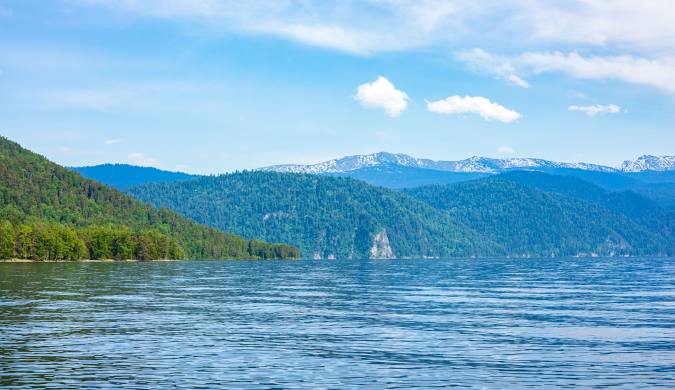
Lake Teletskoye, Altai Mountains, Russia, Tourist Destination.

Lake Teletskoye and Altai Travel Blog: Inspiration & Tips

Introduction: A Hidden Paradise Awaits Forget the usual tourist traps! Have you heard whispers of a Siberian secret, a hidden gem sparkling amidst towering mountains and ancient forests? Prepare to be captivated by Lake Teletskoye, Russia’s ‘Little Baikal’ – a place so breathtaking, it will redefine your definition of ‘stunning’. As your feet touch the shores of this pristine alpine lake, you’ll understand why the indigenous people named it “Altyn-Köl” – the Golden Lake. This isn’t just another pretty destination; it’s a UNESCO World Heritage treasure that has somehow remained under the radar of mass tourism, making it the perfect escape for adventurous souls seeking authentic experiences. Stretching 77km through the heart of the rugged Altai Mountains, with depths plunging to 325 meters, Lake Teletskoye stands as one of the 15 deepest lakes on our planet. Yet it’s not just its impressive statistics that will leave you speechless – it’s the raw, untamed beauty that unfolds in every direction. This is Siberia at its most magnificent, and I’m about to share why you need to put this extraordinary destination at the top of your travel bucket list. The Breathtaking Beauty of Lake Teletskoye A Natural Masterpiece Picture this: crystal-clear waters so transparent you can see up to 14 meters below the surface, mirroring the dramatic peaks of the surrounding Altai Mountains. Dense taiga forests cascade down steep slopes, creating a fjord-like landscape that rivals Norway’s famous vistas. The air – crisp, clean, and scented with pine – fills your lungs as you stand in awe of nature’s masterpiece. Lake Teletskoye isn’t just beautiful; it’s otherworldly. The play of light across its surface transforms throughout the day – from the soft golden hues of sunrise reflecting off the northern shore to the fiery spectacle of sunset illuminating the northeastern ridgeline. When the morning mist hovers just above the water, creating an ethereal veil between mountains and lake, you’ll understand why this place is often described as mystical. A Symphony for the Senses The experience of Lake Teletskoye engages all your senses. The gentle lapping of waves against the shore provides a soothing soundtrack, occasionally punctuated by the distant roar of one of the many waterfalls that feed the lake. In spring, the vibrant purple blooms of maralnik (Rhododendron dauricum) create splashes of color against the emerald forests, while the earthy scent of the taiga mingles with the fresh mountain air. Touch the cool, pristine waters – among the clearest in the world – and feel the connection to one of nature’s most unspoiled environments. This is wilderness in its purest form, a place where you can truly disconnect from the chaos of modern life and reconnect with the natural world. A Landscape of Contrasts What makes Lake Teletskoye truly unique is its stunning variety of landscapes within a relatively compact area. The northern end, where most visitors base themselves in the village of Artybash, offers easier access and more developed facilities. But venture south by boat, and you’ll discover a wilder, more remote world where civilization seems to disappear entirely. The lake forms the centerpiece of the Altai Nature Reserve, established in 1932 and now protecting one of Russia’s most important biodiversity hotspots. As part of the “Golden Mountains of Altai” UNESCO World Heritage Site, Lake Teletskoye represents the crown jewel in a region often called “The Country of the Blue Lakes” – home to over 7,000 lakes of various sizes. Adventures Await: What to Do at Lake Teletskoye Essential Boat Cruises No visit to Lake Teletskoye is complete without experiencing its beauty from the water. Boat cruises represent the quintessential Lake Teletskoye experience, offering access to remote areas and spectacular scenery impossible to reach by land. Several operators provide journeys ranging from three to seven hours, with the most popular being a 3-3.5 hour cruise visiting multiple waterfalls. During peak summer, boats depart regularly from two piers on the Artybash side of the lake. Choose between faster hydrofoil vessels for efficiency or traditional boats for a more leisurely appreciation of the stunning landscapes. Standard itineraries include visits to the Estyuba and Kishte waterfalls, along with the famous Korbu waterfall – often described as the “pearl of Lake Teletskoye.” These cruises also typically include viewings of fascinating natural formations like Stone Bay, the Island of Love, and the intriguing Stone Monkey rock formation. As you glide across the crystal-clear waters, knowledgeable guides share insights about the lake’s ecology, history, and the legends that surround this mysterious body of water. Magnificent Waterfalls Lake Teletskoye’s surroundings boast several spectacular waterfalls that draw visitors from around the world: Hiking & Trekking Adventures The mountains surrounding Lake Teletskoye offer hiking opportunities for all levels of experience. Several ecological trails wind through the forests, providing intimate encounters with the region’s remarkable biodiversity. These paths range from gentle walks suitable for families to more challenging treks for experienced hikers. For those seeking panoramic views, consider these notable viewpoints: Water Activities & Beyond Beyond cruises and hiking, Lake Teletskoye offers numerous additional activities: Planning Your Trip to Lake Teletskoye How to Get There Reaching this remote paradise requires some effort, which ultimately adds to its unspoiled charm. The journey typically begins with a flight to Gorno-Altaisk, the capital of the Altai Republic. From there, travelers embark on a roughly 200-kilometer transfer through stunning mountain terrain, a journey that takes approximately four hours in vehicles designed to handle the challenging roads. The final approach to the lake involves a winding descent with an elevation change of one kilometer from summit to base. Upon arrival, visitors must register at a checkpoint entrance, as this is a specially protected natural area. For those traveling from other parts of Russia, some tour operators offer transfers from cities like Byisk, which include stops at cultural attractions such as the museum of Gorno-Altaisk. The journey itself becomes part of the adventure, with breathtaking scenery and mountain passes providing a spectacular introduction to the Altai region. Best Time to Visit Lake Teletskoye offers distinct

Lake Teletskoye and Altai Travel Blog: Inspiration & Tips Read More »