Europe Travel

Explore Europe travel guides, itineraries, places to visit, travel tips, cultural experiences, and destination insights for popular countries and cities across Europe.

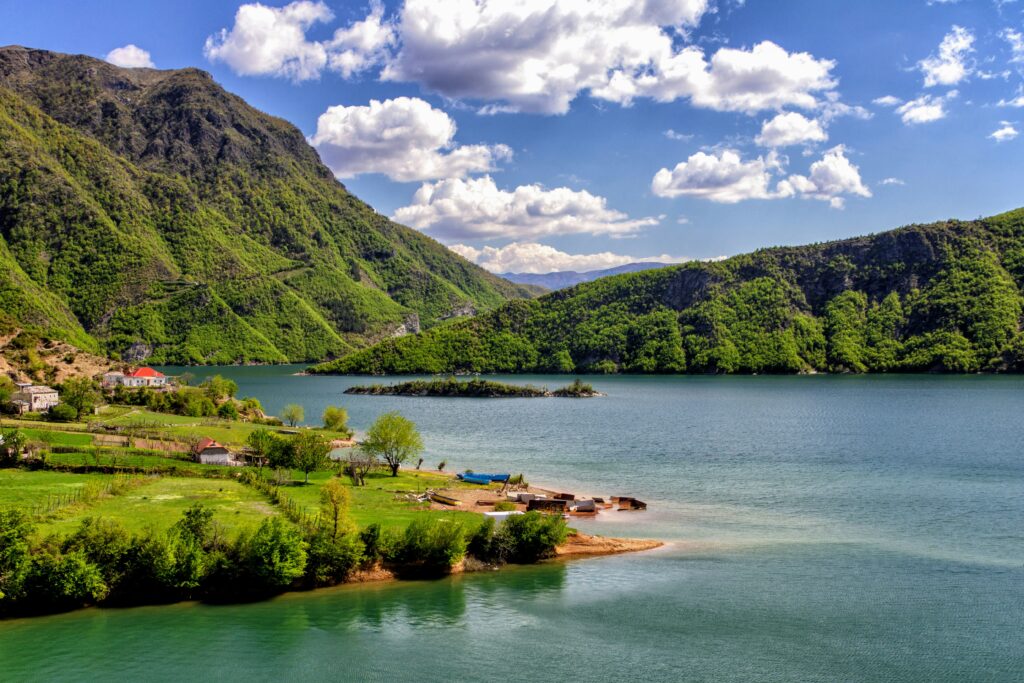
Is Albania Safe to Visit in 2026? Complete Tourist Safety Guide

By Mr. Imran Mulla | Founder, TravelJunctions.in | Contributing Expert, XploreHeaven.com Quick Answer: Is Albania safe to visit? Yes — Albania is genuinely safe for tourists in 2026. Violent crime against visitors is extremely rare. The real risks are petty theft in crowded spots, chaotic driving, and the occasional taxi overcharge. With basic travel awareness, most visitors leave with nothing but great stories and an urge to return. I get asked this question almost every week. Someone planning their summer, a solo female traveler looking for something off the beaten track, or a budget backpacker who has already done Greece and Croatia and is wondering where to go next. The answer I always give is the same — stop overthinking it and go. I have been in the travel industry for 17 years. I have worked with thousands of travelers across South Asia, Europe, and the Balkans. And I can tell you with full confidence that Albania — sitting quietly on the Adriatic Sea along the Balkan Peninsula — is one of the most underrated, genuinely welcoming destinations on the planet right now. The media gave it a rough reputation for decades. That reputation belongs to a different era. 2026 Albania is not the Albania of the 1990s, and it is time travelers understood that difference. Is Albania Safe to Visit for Tourists in 2026? Albania is safe to visit for tourists in 2026. Violent crime against foreigners is nearly non-existent, tourism is growing fast, and locals are known for their deep-rooted code of hospitality. Most travelers have completely trouble-free experiences from the moment they land to the moment they fly out. Tourism numbers tell the story. Albania welcomed record visitor arrivals in 2024–2025, with travelers from Germany, Italy, the UK, and the United States making up a growing share. The government has actively invested in tourist infrastructure, and cities like Tirana and Sarandë are increasingly polished, walkable, and traveler-friendly. There is a deeply embedded cultural concept here called Besa — an ancient Albanian code of honor that essentially means a guest is sacred. You are not just tolerated as a tourist. You are protected. That is not marketing language. I have seen it in action — locals going out of their way to walk a confused traveler to their destination, guesthouse owners staying up to sort out travel issues. It is real, and it shapes the entire traveler experience. Quick Albania Safety Score — 2026 Safety Category Risk Level Notes Violent Crime 🟢 Very Low Rare; tourists almost never targeted Petty Theft / Pickpocketing 🟡 Low–Moderate Mainly in busy markets & bus stations Solo Travel Safety 🟢 Low Welcoming culture; community-protective attitude Solo Female Safety 🟡 Low–Moderate Generally safe; some cultural awareness needed Night Safety (Cities) 🟢 Low Blloku district, Tirana & coastal towns are lively and safe Road Safety 🔴 Moderate–High Biggest real risk; erratic drivers, poor mountain roads Scam Risk 🟡 Low–Moderate Taxi overcharging is the most common issue Public Transport 🟡 Low Safe but unorganized; furgons run on their own schedule Natural Hazards 🟡 Low–Moderate Wildfires (Apr–Oct), winter flooding in the north Why Albania’s Safety Reputation Is Often Misunderstood Albania’s bad reputation comes from the 1990s — not from today. After the fall of communism in 1991, the country went through a chaotic period of economic collapse and social instability. That era — combined with Hollywood’s portrayal of “Albanian crime” in films like Taken — burned a negative image into the Western imagination. That image simply does not reflect modern Albania. Here is the critical distinction that travelers need to understand: organized crime networks in Albania are internal and targeted. Disputes happen between rival groups — not between criminals and tourists. The U.S. State Department currently lists Albania as a Level 2: Exercise Increased Caution destination, primarily because of organized crime activity. But — and this matters enormously — that same advisory notes that tourists are not widely targeted as crime victims. <br> 📌 Expert Note: A Level 2 advisory from the U.S. State Department is the same rating given to France, Germany, and Italy. It does not mean “don’t go.” It means “be aware.” The UK Foreign, Commonwealth & Development Office (FCDO) gives standard travel safety guidance for Albania, noting that while crime and violence exist in some areas, reports of crime specifically targeting foreigners are rare. Albania had just 34 homicides in 2023 — a record low — in a country of approximately 2.8 million people. That translates to a homicide rate of roughly 1.39 per 100,000, which is lower than the United States, Mexico, and many Western European cities. What Are the Biggest Safety Risks in Albania? Honest travel writing means telling you what actually goes wrong — not just what could theoretically go wrong. Here is the real breakdown. Pickpocketing in Tourist Areas Pickpocketing is the most common crime tourists encounter in Albania, though it remains far less prevalent than in cities like Rome, Barcelona, or Paris. It tends to happen in busy markets, bus stations, and crowded public spaces rather than on the street. Keep your phone in a front pocket. Use a crossbody bag. Do not wave your wallet around in a market. Standard stuff — the same precautions you would take anywhere in Europe. Taxi Overcharging Scams Unofficial and metered taxis in Albania are the number one scam tourists encounter. Drivers — particularly near airports and ferry terminals — may quote inflated prices or run a tampered meter. The fix is simple. For Tirana Airport, the official fixed rate to the city center is 2,500 ALL (approximately €25). Look for the official yellow airport taxis operated by Auto Holiday Albania. Better yet, download Lux Taxi or Bee Taxi — Albania’s reliable ride-hailing apps — and book via WhatsApp for rates of 1,100–1,500 ALL (€11–€15). Always agree on the price before you get in. Dangerous Mountain Roads Mountain roads in Albania — particularly in the north, around Theth and Valbona, and on the coastal Vlorë–Sarandë pass — require careful

Is Albania Safe to Visit in 2026? Complete Tourist Safety Guide Read More »
Switzerland Tour 2026: Complete Guide, Itinerary, Cost from India & Hidden Travel Hacks

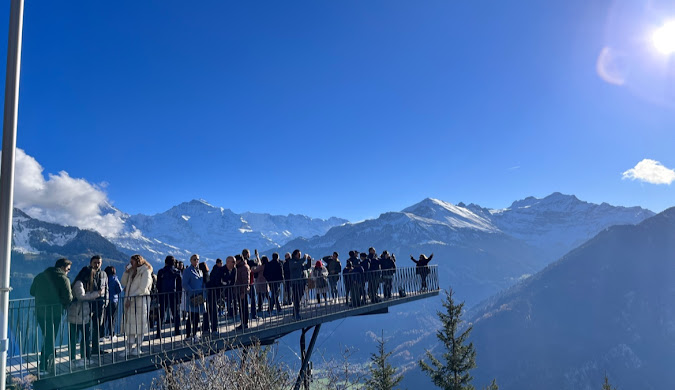
If you have ever watched a Bollywood film set against sweeping green meadows, snow-capped peaks, and shimmering blue lakes — you were watching Switzerland. And trust me, when you finally stand there in person, no camera does it justice. I have been organising Switzerland tour packages from Mumbai for over two decades at Astamb Holidays, and every single time a client returns, they say the same thing: “Wahid bhai, pictures toh kuch nahi hain — you have to be there.” Switzerland tour bookings from India have surged significantly in 2026, and there are very clear reasons why. This guide covers everything you need — the best places, a 7–10 day Switzerland itinerary, exact Switzerland trip cost from India, the truth about the Swiss Travel Pass, and practical tips that most travel blogs simply miss. Whether you are planning a Switzerland honeymoon tour or a family holiday, read this before you book anything. 🌟 Why Switzerland Tour is Trending in 2026? Switzerland has always been aspirational for Indian travellers. But 2026 is different. Here is why enquiries at our office have hit an all-time high: Luxury + Scenic Travel in One Place Switzerland combines world-class infrastructure with scenery that genuinely makes your jaw drop. The Matterhorn in Zermatt, the glacier at Jungfraujoch, the lakeside promenades of Lucerne — these are not ordinary tourist spots. They are experiences. Indian travellers aged 25–45, especially urban professionals from Mumbai, Delhi, and Bangalore, are willing to invest in quality memories rather than just ticking off countries. Social Media’s Role Instagram and YouTube reels from Interlaken, Grindelwald, and Lauterbrunnen have given Switzerland massive organic visibility. Our clients often walk in with specific reels saved on their phones saying, “I want to stand exactly there.” That level of intent-driven travel planning is new, and Switzerland is a major beneficiary. Safe, Clean, and Easy to Navigate Switzerland consistently ranks among the safest countries in Europe. For Indian families and honeymooners especially, this matters enormously. Trains run on time (yes, every time), signage is multilingual, and English is widely spoken at all tourist spots. For a first-time international traveller from India, Switzerland is actually one of the more approachable European destinations. 🗺️ What Are the Best Places to Visit in Switzerland Tour? A Switzerland tour covers multiple destinations, each offering something completely different. Here are the must-visit cities and towns for Indian travellers: 1. Interlaken Interlaken sits between two pristine lakes — Lake Thun and Lake Brienz — with the Eiger, Mönch, and Jungfrau peaks staring down at you. It is the adventure capital of Switzerland. Paragliding over green valleys, river rafting, and skydiving are big here. It also serves as your base for the Jungfraujoch day trip. I always tell my clients: spend at least 2 nights in Interlaken — it earns every minute. 2. Zermatt Zermatt is home to the iconic Matterhorn — that pyramid-shaped peak you have seen on Toblerone chocolate packaging. The town itself is car-free, which gives it an almost magical quiet quality. In summer, it is spectacular for hiking. In winter, the skiing is world-class. The Gornergrat Railway ride to 3,089 metres above sea level is one of the most scenic train journeys you will ever take. Book your train in advance — it fills up fast, especially from June to August. 3. Lucerne If Interlaken is adventure and Zermatt is raw Alpine drama, then Lucerne is the charming, romantic middle ground. The medieval Chapel Bridge, the Lion Monument, and the blue-green waters of Lake Lucerne are unmissable. Many of our Mumbai-based clients say Lucerne felt the most “European” to them — cobblestoned streets, outdoor cafes, and a very walkable old town. Day trips to Mount Pilatus and Mount Rigi start from here. 4. Jungfraujoch — Top of Europe At 3,454 metres, Jungfraujoch is the highest railway station in Europe. The views of the Aletsch Glacier from the Sphinx Observatory are genuinely breathtaking. It is a significant investment — the round trip from Interlaken can cost around ₹23,000–₹26,000 per person (with Swiss Pass discount included) — but it is non-negotiable on any proper Switzerland tour. Go early in the morning to beat clouds and crowds. 5. Zurich Most Indian travellers land in Zurich and treat it as just a transit point. That is a mistake. Zurich is Switzerland’s largest city and offers a brilliant mix of the old town (Altstadt), the Bahnhofstrasse shopping street, and world-class museums. Spend your first and last nights here. It also gives you easy rail access to the rest of Switzerland. [Internal Link: Europe trip guide] 📅 What is the Ideal Switzerland Tour Itinerary for 7–10 Days? For Indian travellers flying in from Mumbai or Delhi, 7–10 days is the sweet spot. Here is a well-paced itinerary: Day Location Key Activities Day 1 Arrive Zurich Check in, Altstadt walk, dinner by Limmat River Day 2 Zurich Bahnhofstrasse, Zurich Lake cruise, Swiss National Museum Day 3 Zurich → Lucerne Chapel Bridge, Lion Monument, Lake Lucerne boat ride Day 4 Lucerne Day trip to Mount Pilatus or Mount Rigi (cable car) Day 5 Lucerne → Interlaken Arrive, explore Interlaken town, paragliding optional Day 6 Interlaken Full-day trip to Jungfraujoch (Top of Europe) Day 7 Interlaken → Zermatt Scenic train ride, Matterhorn views, Gornergrat Railway Day 8 Zermatt Hiking trails, Glacier Paradise cable car, local dining Day 9 Zermatt → Zurich Travel back, last-minute shopping, hotel near airport Day 10 Depart Zurich Morning flight back to India Pro tip from my experience: Do not try to pack more than 3 major cities in 7 days. I have seen clients do 5 cities in 7 days and they spend more time on trains than actually experiencing the places. Quality over quantity — always. 💰 What is the Switzerland Tour Cost from India in 2026? For a 7-day Switzerland tour from India, the total cost per person ranges from ₹1,50,000 (budget) to ₹5,00,000+ (luxury). A mid-range couple trip for 7–8 days typically costs ₹3,00,000 to ₹3,50,000 per person, inclusive of flights, visa,

Switzerland Tour 2026: Complete Guide, Itinerary, Cost from India & Hidden Travel Hacks Read More »

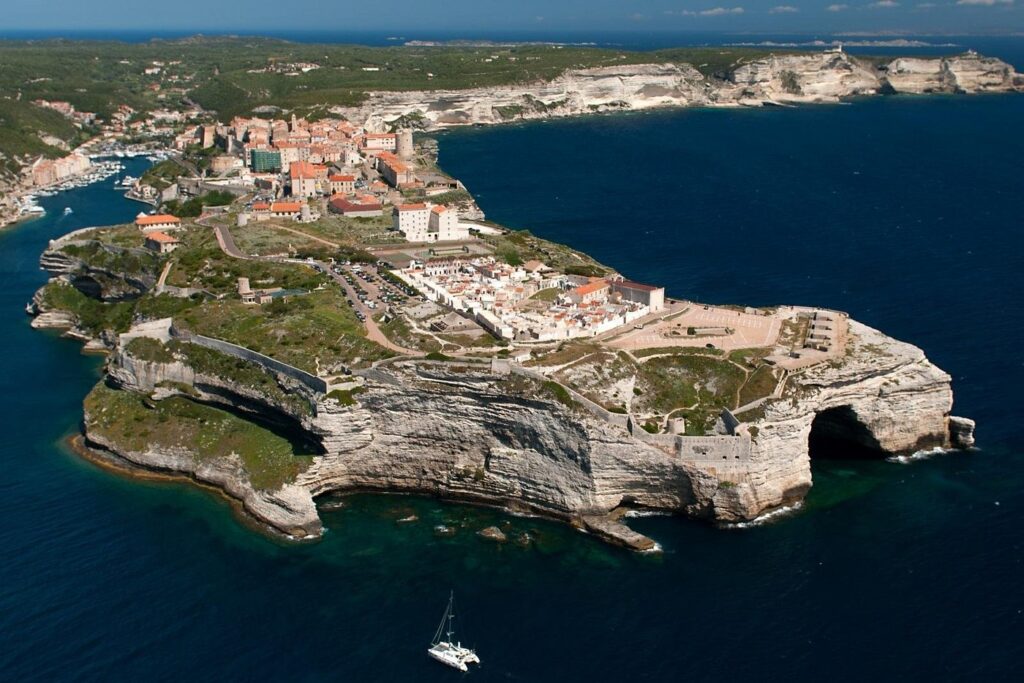
Is Sardinia Worth Visiting? Complete Travel Guide to Sardinia, Italy

By Wahid Ali | Operations Lead, Astamb Holidays, Mumbai | Published on xploreheaven.com Let me be honest with you. When clients at Astamb Holidays ask me, “Wahid, should I skip Sardinia and just go to Amalfi?” — I tell them the same thing every time: you’d be making a mistake. Is Sardinia worth visiting? In my 20 years of planning trips across the Mediterranean, few islands have left my clients as genuinely speechless as this one. The water colour is almost unreal, the food is seriously underrated, and the history will knock you sideways. But let’s get into it properly — because you deserve more than just hype. 🔍 Featured Snippet: Is Sardinia Worth Visiting? Yes, Sardinia is absolutely worth visiting in 2026. Italy’s second-largest island offers Caribbean-quality beaches, ancient Nuragic history dating back to 1800 BC, and authentic cuisine — all at prices far lower than the Amalfi Coast. It rewards travellers who rent a car and explore beyond the crowds. 🌊 Is Sardinia Worth Visiting for Travelers in 2026? Short answer: Yes — and 2026 might be the best year yet. Sardinia is continuing its path of tourism maturation in 2026, with a growing focus on attracting visitors year-round — the island no longer wants to be just a summer destination for luxury beach seekers, but aims to diversify travel routes and offer alternative activities even beyond summer. That means less overcrowding in spring and autumn, more local experiences on offer, and better value for your money if you time it right. One thing I always tell first-timers: don’t go in August unless you’re okay with paying peak prices and sharing the best beaches with half of Italy. May, June, and September are the sweet spots. The water is warm, the crowds are thinner, and your budget will stretch much further. In the category of overall attractiveness, Sardinia ranks 30th out of 979 islands worldwide in 2026, scoring around 86 out of 100 points — driven by its wealth of activities, accommodation quality, restaurants, and infrastructure. 🗺️ Where Is Sardinia and Why Is It Famous? Sardinia (Sardegna in Italian) is the second-largest island in the Mediterranean after Sicily, located 200 km west of mainland Italy — roughly at the same latitude as Rome. Interestingly, southern Sardinia is as close to the coast of Africa as it is to the Italian mainland. It sits south of the French island of Corsica and has three international airports: Cagliari, Olbia, and Alghero. So why is Sardinia famous? Three big reasons: As D.H. Lawrence once wrote in his travel book Sea and Sardinia — “Sardinia is different.” And he was right. The island blends white beaches, turquoise waters, leisurely lunches, traditional villages, and shepherds tending their flocks in rugged mountains — all in one place. 🏆 Why Is Sardinia Worth Visiting? (The 17 Reasons) 🏖️ Reason 1–4: Crystal-Clear Mediterranean Beaches Trust me on this — the first time you see Cala Goloritzé, you will question whether you’re still in Europe. Cala Goloritzé was designated a national monument in 1995 and was awarded the title of the world’s most beautiful beach in 2025. Reachable only on foot via a panoramic trail descending from the Golgo plateau, it features a famous stone arch that frames its crystal-clear turquoise waters. Other beaches that will leave you stunned: Sardinia’s turquoise waters and white-sand beaches genuinely rival those in the Caribbean, with the added bonus of rugged hilltops dotted with ancient villages just a short drive away. 🏛️ Reason 5–6: Ancient Nuragic History This is the reason most travellers miss — and it’s a big one. The Nuragic civilization developed in Sardinia during the Bronze Age, starting around 1800 BC. Today, more than 7,000 nuraghe (stone tower-fortresses) dot the Sardinian landscape. Among the most famous is Su Nuraxi at Barumini, which is a UNESCO World Heritage Site. The Nuragic civilization outlived its Minoan and Mycenaean counterparts, with some scholars dating its existence from the 18th century BCE to the 6th century CE. One mistake travellers make is skipping Su Nuraxi because it’s a bit inland. Don’t do it. It’s one of the most atmospheric ancient sites in the whole Mediterranean — and there are almost no crowds. 🍽️ Reason 7–9: Authentic Sardinian Cuisine I have eaten my way through a lot of Italy. Sardinian food hits differently. Signature dishes include Culurgiones (a ravioli stuffed with ricotta), Porceddu (spit-roasted suckling pig), and Macarrones de busa — a popular local pasta. Many restaurants offer cooking classes so you can recreate these dishes at home. Don’t miss: Research by Professor Luca Deiana from the University of Sassari has found a strong link between moderate Cannonau consumption and the exceptional longevity of centenarians living in Sardinia’s Blue Zone. 🚗 Reason 10–12: Scenic Road Trips and Coastal Drives Sardinia is made for road trips. I genuinely recommend renting a car from day one. The drive along the SS125 — known as the “Orientale Sarda” — cuts through dramatic gorges, hugs cliff edges above turquoise coves, and connects the east coast from Cagliari all the way north to Olbia. It’s one of the most beautiful drives in Europe, full stop. Other iconic routes: 🕊️ Reason 13–17: Less Crowded Than Other Italian Destinations This is a big one for my clients who are tired of pushing through crowds in Positano or fighting for space on the Amalfi Coast. Sardinia has only 1.5 million inhabitants compared to Sicily’s 5 million, and most of the island’s interior is largely uninhabited. The coast has many small towns and villages, but much of the island is gloriously empty. You also get: 📍 What Are the Best Places to Visit in Sardinia? ⛵ Costa Smeralda — Luxury & Yachts The Costa Smeralda (Emerald Coast) in the northeast is Sardinia’s glam capital. Think superyachts, celebrity-spotting, and crystal-clear bays lined with pink granite boulders. Porto Cervo in Costa Smeralda is known for its upscale resorts, designer boutiques, and gourmet restaurants — the place to be for luxurious, glamorous travel. I

Is Sardinia Worth Visiting? Complete Travel Guide to Sardinia, Italy Read More »

What to Do in Gozo: 25 Best Things to Do in Gozo Malta (Hidden Gems + Local Tips)

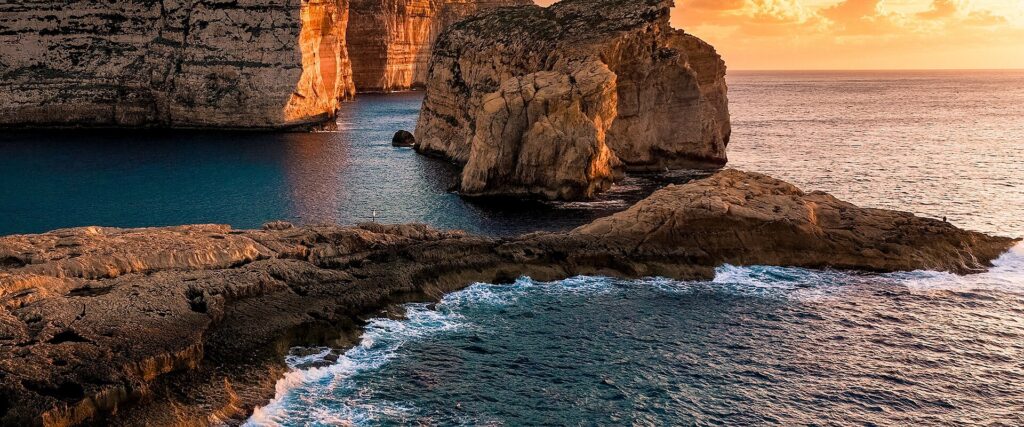
By Wahid Ali | Travel Operations Expert, Astamb Holidays | XploreHeaven.com I’ve helped thousands of travelers plan their Malta holidays at Astamb Holidays, and the question I get asked most often is — “Is Gozo worth the extra ferry ride?” My answer is always the same: Gozo is not just worth it. It’s the best part of Malta. What to do in Gozo is one of the most searched travel questions for good reason. Gozo, Malta’s greener, quieter sister island, packs ancient temples, vivid beaches, hidden caves, world-class dive sites, and charming stone villages into just 67 square kilometres. If you want fewer tourist crowds and more soul, this is your island. This guide covers the 25 best things to do in Gozo Malta, from iconic landmarks to the hidden gems that most travelers never find. 🌟 Why Gozo Is One of Europe’s Trending Mediterranean Islands Gozo has exploded on social media in the last few years — and for good reason. Every corner of this island is a photo waiting to happen. From the geometric salt pans of Marsalforn at golden hour to the turquoise waters at Ramla Bay, Instagram and TikTok feeds have turned this once-overlooked island into a must-visit Mediterranean destination. But the real reason experienced travelers prefer Gozo over the main island of Malta is simple: it feels genuinely different. Malta can feel dense and urban. Gozo feels like stepping back into a slower, more authentic way of life. Fields are still hand-tilled. Fishermen still sit for hours in their luzzu boats. Village squares are quiet on weekday mornings. In my years running tours at Astamb Holidays, travelers who include Gozo in their Malta itinerary consistently rate it as the highlight of their trip. The island’s rustic charm, combined with dramatic cliffs and crystal-clear water, makes it one of Europe’s most rewarding short-break destinations right now. 🗺️ What to Do in Gozo for First-Time Visitors Gozo offers a mix of historical sites, scenic beaches, and natural landscapes. Popular activities include visiting the Citadel in Victoria, relaxing at Ramla Bay, exploring Dwejra Bay, hiking coastal cliffs, and discovering hidden gems like Tal-Mixta Cave and the Marsalforn salt pans. Whether you have one day or a full week, this island rewards curious travelers. Start with the Cittadella for sweeping views, then head to the coast. Each village in Gozo has its own personality, and even a short drive reveals prehistoric temples, baroque churches, and secret coves that feel entirely your own. 🏛️ Best Historical Attractions to Visit in Gozo 1. Explore the Citadel in Victoria (Cittadella) The Citadel in Victoria — also called the Cittadella — is the centerpiece of Gozo island things to do. This medieval fortress sits high on a hill in Victoria (Rabat), Gozo’s capital, and offers 360-degree views of the entire island and the Mediterranean beyond. Inside the walls, you’ll find the Cathedral of the Assumption, the old prison, and several small museums. Walk the full perimeter of the bastions — it takes about 20 minutes and is completely worth it. Go early in the morning before the tour groups arrive. By 9:30 AM on a summer day, it fills up fast. 📌 Tip: Entry to the Citadel walls is free. Individual museums charge a small fee. Check the Heritage Malta website for updated hours and ticket prices. 2. Visit the Ġgantija Temples If there’s one Gozo attraction that genuinely stops people in their tracks, it’s the Ġgantija Temples in Xaghra. Built around 3,600 BCE, these megalithic structures are older than both the Egyptian Pyramids and Stonehenge — making them among the oldest free-standing structures on Earth. The name comes from the Maltese word for giant, because locals once believed only giants could have built something so massive. The site is listed as a UNESCO World Heritage Site and the attached museum is excellent. Budget at least 1.5 hours here. 📌 Tip: Wear comfortable shoes — the ground is uneven. You can visit using the Discover Gozo Combo Ticket from Heritage Malta, which covers multiple sites and saves money. 3. Discover Ta’ Kola Windmill The Ta’ Kola Windmill in Xaghra is one of the best-preserved grain windmills in Malta. It dates back to 1725 and gives you a real sense of how Gozitans lived centuries ago. The interior has been beautifully restored and is open to the public. A short visit, but genuinely interesting — especially for families. 4. Visit Ta’ Pinu Basilica Ta’ Pinu Basilica, located between Gharb and San Lawrenz, is one of the most important religious sites in the entire Maltese archipelago. The story behind it is remarkable: in 1883, a local woman named Carmela Grima reportedly heard a miraculous voice calling her from this small chapel. After several reported miracles, the current neo-Romanesque basilica was built between 1920 and 1931. Today, pilgrims come from across the world. The walls inside are lined with votive offerings — crutches, photographs, letters — from people who claim miracles happened after praying here. Even if you’re not religious, the atmosphere inside is deeply moving. 🌊 Best Natural Wonders and Scenic Places in Gozo 5. Dwejra Bay and the Blue Hole Dwejra Bay on Gozo’s west coast is where the famous Azure Window once stood before it collapsed in a storm in March 2017. But Dwejra is far from finished. The area is now famous for the Blue Hole — a natural underwater sinkhole about 15 metres deep and 10 metres wide, rated as one of the top scuba diving spots in Europe. The Blue Hole connects to the open sea via a natural limestone arch about 6 metres underwater. Divers report seeing groupers, octopuses, and barracudas here regularly. Even if you’re not diving, the rocky landscape around Dwejra is dramatic and worth a long visit. 📌 Tip: Check sea conditions before diving here. Strong winds can create rough currents. The site is best in April–October. 6. Inland Sea Lagoon Right next to Dwejra Bay is the Inland Sea — a small lagoon connected

What to Do in Gozo: 25 Best Things to Do in Gozo Malta (Hidden Gems + Local Tips) Read More »

Madeira Travel Guide 2026: Top Things to Do, Best Itineraries and Insider Tips

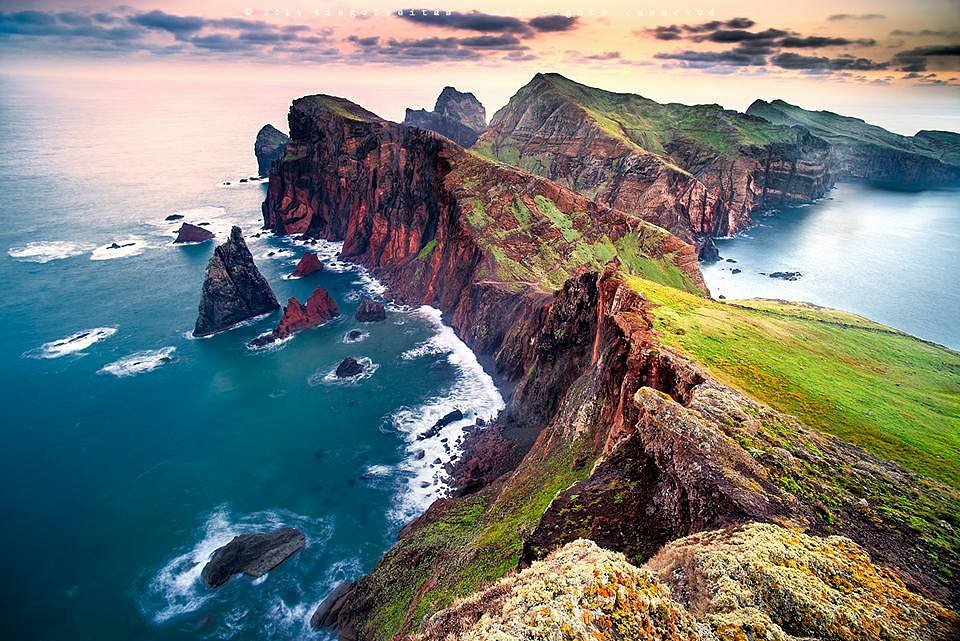
Picture this: An island where you can hike above the clouds at sunrise and swim in volcanic lava pools by sunset. Where the Madeira travel guide you’re holding tells you about a place that just beat destinations worldwide to become TripAdvisor’s #1 Trending Destination for 2026. I’m Wahid Ali, Operations Lead at Astamb Holidays in Mumbai, and in my 20 years managing tours to incredible places, Madeira keeps surprising me with how it balances adventure with accessibility. But here’s what’s different in 2026: New hiking permit requirements have just kicked in (yes, you now need to book and pay for popular trails), flight capacity from the UK has jumped 17%, and the island that was once a “retiree haven” is now pulling in digital nomads, adventure seekers, and families who want something beyond cookie-cutter beach resorts. The rules have changed, the crowds are building—but if you plan smart, 2026 is the perfect year to experience Madeira before everyone else catches on. What Makes Madeira the #1 Trending Travel Destination in 2026? Madeira claimed the world’s top trending destination spot in 2026 because it offers dramatic volcanic landscapes, year-round mild weather, and authentic Portuguese culture without the overwhelming crowds of Spain’s Canary Islands or Greece’s hotspots. Based on over 8 million traveler reviews, TripAdvisor recognized Madeira for consistently strong feedback across hotels, attractions, and restaurants throughout 2025. Here’s why the island is having its moment: It’s evolved from a cruise ship stopover into an adventure capital. In the morning, you’re scaling 1,818-meter peaks like Pico do Arieiro. By afternoon, you’re canyoning through waterfalls. The shift I’ve noticed managing tours? Madeira now attracts the 30-60+ demographic looking for active holidays, not just passive sunshine. With Portugal’s digital nomad visa program and Funchal’s growing coworking scene, remote workers are sticking around for months, not days. The island’s appeal also lies in what it doesn’t have: mass tourism infrastructure. No mega-resorts lining every beach. No all-inclusive complexes. Just authentic villages, locally-run restaurants, and trails that genuinely challenge you. It’s the “Hawaii of Europe” without Hawaii’s price tag or crowds. Madeira Travel Overview: Climate, Culture & First Impressions Climate: The “Eternal Spring” Reality Madeira maintains subtropical temperatures ranging from 15-16°C (59-61°F) in winter to 25-26°C (77-79°F) in summer, earning its “Eternal Spring” nickname. But don’t mistake “mild” for “monotonous”—the island has microclimates. The north coast receives more rain and wind than the sheltered southern coast where Funchal sits. Mountains above 1,500 meters can see fog and even occasional winter snow. Season Temperature Range Rainfall Best For Winter (Dec-Feb) 15-20°C (59-68°F) Moderate-High Hiking, avoiding crowds Spring (Mar-May) 16-22°C (61-72°F) Low-Moderate Flower Festival, perfect weather Summer (Jun-Sep) 22-26°C (72-79°F) Very Low Swimming, outdoor activities Autumn (Oct-Nov) 20-24°C (68-75°F) Low-Moderate Wine harvest, shoulder season From my experience managing tours, April-May and September-October offer the sweet spot: warm weather, minimal rain, and fewer tourists than the July-August peak. Culture & First Impressions Madeira blends Portuguese mainland traditions with island isolation. You’ll hear Portuguese everywhere (though English is widely spoken in tourist areas), taste fortified wines that predate sherry, and see Santana’s triangular thatched houses that look like they’re from a fairytale. The vibe? Relaxed but not sleepy. Safe—Portugal ranks as one of Europe’s safest countries—but steep. Seriously, everything in Funchal is uphill or downhill. Best Places to Visit in Madeira (Top Attractions) Funchal & Botanical Garden Start in the capital. The Monte Palace Tropical Garden (covering 70,000 m²) captivates with exotic flora, Japanese koi ponds, and Monte Palace Museum. Get there via the Funchal-Monte Cable Car—the 20-minute ride offers sweeping city views. One-way costs €12.50 for adults, round-trip €18. Pro tip from the tours I run: Don’t wear denim on this trip. If you plan the famous Monte Toboggan ride back down (those wicker basket sleds steered by carreiros in white uniforms), you’ll get sweaty. And yes, it’s touristy—but genuinely fun. Cabo Girão Skywalk At 580 meters above sea level, Cabo Girão is Europe’s highest sea cliff. The glass floor viewing platform costs just €2 per person (free for residents and kids under 12). You’ll either love the adrenaline rush or hate the vertigo. Either way, grab an aperol spritz at the cliff-top café afterward. Pico do Arieiro & Pico Ruivo Madeira’s third-highest peak (1,818m) offers sunrise views that justify the 5:30 AM wake-up call. The PR1 trail connecting Pico do Arieiro to Pico Ruivo (1,862m, the island’s highest) is the “stairway to heaven” hike everyone talks about. Critical 2026 Update: This trail closed in August 2024 for safety improvements and reopens April 2026. When it does, new fees apply: €10.50 for independent hikers, €7 if you book through a licensed operator. Porto Moniz Natural Pools On the northwest coast, volcanic rock formations create natural swimming pools filled with Atlantic Ocean water. It’s swimmable year-round thanks to Madeira’s climate, though summer (June-September) is warmest. Entry is free, though parking nearby runs €3-5. Santana Traditional Houses The triangular A-frame thatched houses (Casas de Santana) with red doors are Madeira’s most photographed structures. They’re not just tourist props—locals lived in these until the 1980s. Santana itself makes a great lunch stop when exploring the north coast. Top Unique Local Experiences & Hidden Gems Monte Toboggan Ride (Carros de Cesto) Since the 1850s, these wicker basket sleds have transported locals (and now tourists) down 2 km of Monte’s steep streets. Two drivers in traditional white outfits and straw hats steer using their rubber-soled boots as brakes. It costs around €25-30 per person for a 10-minute ride. Tourist trap? Absolutely. Worth it? Also yes. Authentic Food Markets Mercado dos Lavradores in Funchal is the main farmers market—vibrant, fragrant, but prices reflect its popularity. Expect vendors to charge tourists more than locals for fruit. For better value, visit smaller village markets or the Ponta do Sol market on Saturdays. Off-Beat Local Taverns Skip hotel bars for poncha. Real poncha comes from rustic tabernas like Taberna da Poncha in Serra de Água—a tiny stone hut plastered with business cards from past visitors. The owner

Madeira Travel Guide 2026: Top Things to Do, Best Itineraries and Insider Tips Read More »

What to Do in Lisbon Portugal: Ultimate 2026 Travel Guide + Best Things to See & Experience

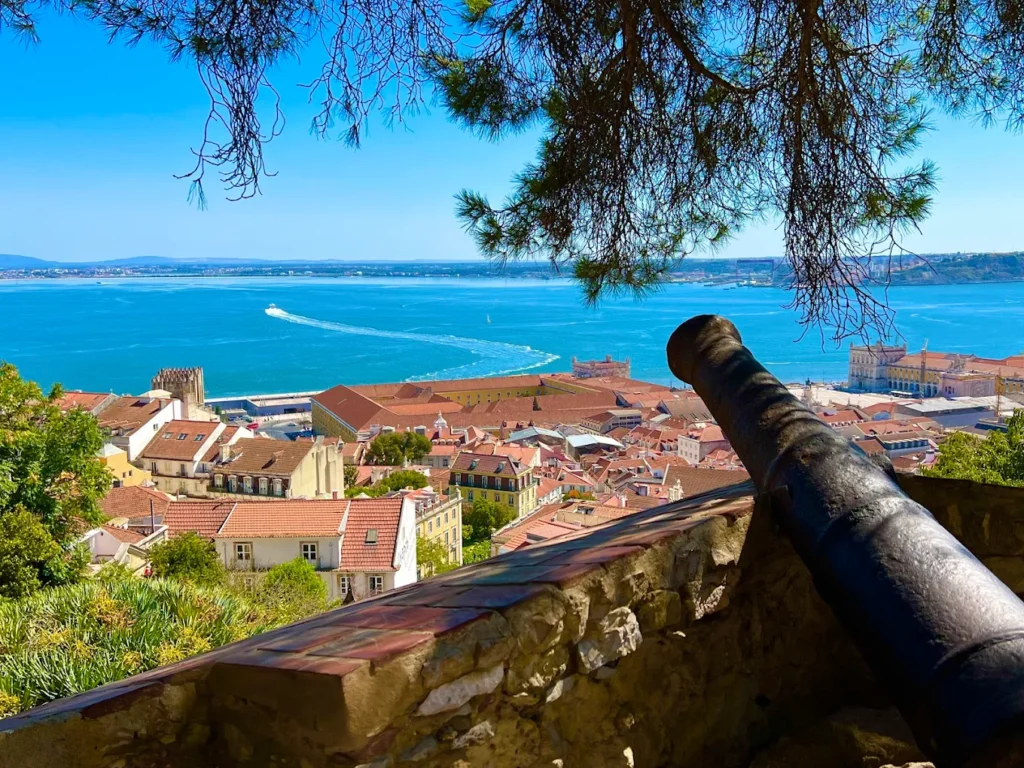
There’s something magical about Lisbon that hits you the moment you arrive. The golden light bouncing off pastel-colored buildings, the smell of grilled sardines mixing with Atlantic sea breeze, and the sound of Fado music drifting through cobblestone alleys. In my 20 years of crafting travel experiences at Astamb Holidays, I’ve seen countless destinations rise and fall in popularity, but Lisbon, Portugal has maintained its charm while evolving into one of Europe’s most exciting cities for 2026. If you’re wondering what to do in Lisbon Portugal, you’ve come to the right place. I’m Wahid Ali, and I lead operations at Astamb Holidays in Mumbai. I’ve personally guided hundreds of travelers through European adventures, and Lisbon consistently tops the list for first-timers and repeat visitors alike. The city offers an incredible mix of history, culture, food, and coastal beauty without the overwhelming crowds of Paris or Rome. Better yet, it’s surprisingly affordable compared to other Western European capitals. This guide draws from real travel experiences, current 2026 insights, and practical logistics that matter when you’re actually on the ground. Let’s get started with everything you need to know. 🏛️ Top Things to Do in Lisbon Portugal (The Must-See List) Alfama: The Historic Heart of the City Alfama is where Lisbon’s soul lives. This is the city’s oldest neighborhood, miraculously surviving the devastating 1755 earthquake that destroyed much of the capital. Walking through Alfama feels like stepping back 500 years – narrow lanes twist unpredictably, laundry hangs between windows, and elderly residents chat from their doorsteps. Start your exploration at Miradouro de Santa Luzia, one of the best viewpoints overlooking the Tagus River and terracotta rooftops. From there, lose yourself in the maze of streets. Don’t worry about getting lost – it’s part of the experience. You’ll stumble upon hidden churches, tiny taverns, and local workshops where artisans still make traditional tiles by hand. The neighborhood truly comes alive during the Santo António Festival in June, but it’s worth visiting year-round. In my experience managing tours, early morning (7-9 AM) or late afternoon (5-7 PM) offers the best light for photos and fewer crowds. Castelo de São Jorge: Panoramic Views Worth the Climb Perched atop Lisbon’s highest hill, Castelo de São Jorge has watched over the city since the 11th century. The Moorish fortress offers the single best 360-degree view of Lisbon, the Tagus River, and the 25 de Abril Bridge (which looks remarkably similar to San Francisco’s Golden Gate). Entry fee: €15 per adult (2026 pricing)Opening hours: 9 AM – 9 PM (summer), 9 AM – 6 PM (winter) The castle grounds include peacocks wandering freely, archaeological ruins, and a camera obscura that projects live images of the city. Budget at least 90 minutes for your visit. Pro tip: Buy tickets online to skip the entrance queue, especially during April-October when tourist numbers peak. Belém District: Where Portugal’s Golden Age Lives On Belém sits about 6 kilometers west of central Lisbon along the Tagus River. This is where Portuguese explorers like Vasco da Gama departed on voyages that changed world history. The district houses two UNESCO World Heritage Sites and the most famous pastry shop in Portugal. Belém Tower (Torre de Belém) is an architectural masterpiece built in 1519 to defend the city’s harbor. The Manueline-style fortress combines Gothic, Moorish, and Renaissance elements in a way you won’t see anywhere else. Arrive when it opens at 10 AM to avoid 2-hour waits later in the day. Entry: €8 per adult (€12 combo ticket with Jerónimos Monastery) Just 500 meters away stands Mosteiro dos Jerónimos, a stunning 16th-century monastery where Vasco da Gama is buried. The intricate stonework took 100 years to complete, and the level of detail is extraordinary. The cloisters alone justify the visit – sunlight filters through carved stone arches creating patterns that shift throughout the day. Opening hours: 10 AM – 6:30 PM (Tuesday-Sunday, closed Mondays) Baixa & Chiado: Shopping, Culture, and City Energy Baixa (Lower Town) is Lisbon’s downtown, rebuilt on a grid pattern after the 1755 earthquake. The Marquês de Pombal designed these streets to be earthquake-resistant – they’re actually built on wooden pilings that act as shock absorbers. Rua Augusta is the main pedestrian street connecting Praça do Comércio (the grand waterfront square) to Rossio Square. Street performers, outdoor cafes, and shops line this bustling avenue. The Arco da Rua Augusta offers rooftop access for €3, providing excellent views without castle-level crowds. Chiado sits just uphill from Baixa and has a more sophisticated vibe. This is where Lisbon’s intellectuals historically gathered at cafes like A Brasileira, where a bronze statue of poet Fernando Pessoa still sits at an outdoor table. The neighborhood blends historic bookstores, designer boutiques, and contemporary art galleries. Don’t miss Livraria Bertrand on Rua Garrett – it’s been operating since 1732 and holds the Guinness World Record as the oldest bookstore still in business. Tram 28: The Iconic Yellow Journey Tram 28 isn’t just transportation – it’s a 45-minute journey through Lisbon’s most photogenic neighborhoods. The vintage yellow trams date back to the 1930s, and they navigate impossibly narrow streets that modern vehicles can’t access. The route runs from Martim Moniz through Graça, Alfama, Baixa, Estrela, and ends at Campo de Ourique. Locals actually use this as their daily commute, so respect that it’s functional public transport, not just a tourist attraction. Fare: €3.00 per ride (or use a rechargeable Viva Viagem card for €1.50 per trip)Best time to ride: 8-9 AM or after 7 PM to avoid peak tourist congestion Watch your belongings carefully – pickpockets target distracted tourists on crowded trams. I recommend riding the full route once, then using regular metro or walking for other destinations. 🌊 Tagus River Sunset Cruise The Tagus River (locally called Rio Tejo) defines Lisbon’s character. An evening cruise offers unique perspectives of landmarks you’ve seen from land, plus that famous golden-hour light Lisbon is known for. 2-hour sunset cruises typically cost €25-€40 per person and include: Book through reputable operators like Yellow

What to Do in Lisbon Portugal: Ultimate 2026 Travel Guide + Best Things to See & Experience Read More »

How to Get to Lofoten Islands: The Complete Step-by-Step Guide from 0 to Arctic Adventure

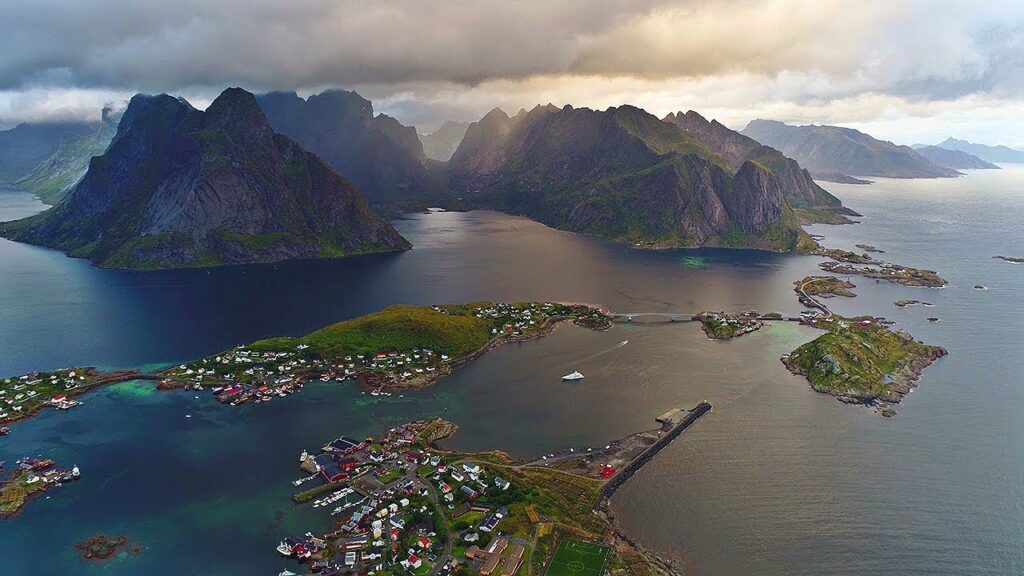
Picture this: jagged mountain peaks rising straight from turquoise waters, red fishing cabins perched on stilts, and roads that twist through scenery so dramatic you’ll forget to blink. That’s Lofoten—a chain of islands inside the Arctic Circle that looks like it was sketched by someone who’d never heard the word “subtle.” Getting to this Norwegian wonderland isn’t exactly like hopping on a subway. But here’s the good news: how to get to Lofoten Islands is way more straightforward than you’d think for such a remote destination. Whether you’re flying from New York, Mumbai, or Tokyo, this guide breaks down every ferry, flight, and mountain pass between you and one of Europe’s most jaw-dropping adventures. We’ll cover everything: the best routes from major cities, whether to fly or ferry from Bodø to Lofoten, how to snag a rental car Lofoten style, what a Lofoten itinerary 7 days looks like, and honest cost breakdowns. Plus, we’ve got insider tricks that’ll save you money and help you avoid the rookie mistakes that leave travelers stranded at a ferry terminal. Let’s get you to the Arctic. Why Lofoten Deserves the Journey First, let’s talk about why you’re even considering this trip. Lofoten archipelago travel isn’t for people who want easy beach resorts. This is for adventurers who get excited about standing on a mountain trail at midnight while the sun refuses to set. It’s for photographers who want to capture the Northern Lights Lofoten dancing above a fishing village Reine that looks straight out of a fairytale. The islands sit 200 kilometers north of the Arctic Circle, connected by bridges and tunnels that make the whole chain feel like one continuous adventure. The weather? Unpredictable. One minute you’re hiking Lofoten hiking trails in sunshine, the next you’re dodging horizontal rain. But that wild weather creates the dramatic light that makes every photo look like a National Geographic cover. From beaches in Lofoten like Kvalvika and Haukland (yes, Caribbean-colored water in the Arctic—seriously) to the vertical granite walls of fjords in Lofoten like Trollfjord, this place packs more scenery per square mile than anywhere else in Scandinavia. The remoteness is real, but it’s achievable. Thousands of travelers make it here every year, and with this guide, you will too. First Step: Getting to Norway (From Outside Europe) Major Gateway Cities Your Lofoten Islands Norway access journey starts with getting to Norway. For most international travelers, that means flying into one of these hubs: For travelers from Asia: A typical route from Mumbai or Delhi would be Mumbai → Oslo (via Dubai, Doha, or a European hub like Amsterdam) → Bodø → Lofoten. Flight time is roughly 12-16 hours total, not counting layovers. For American travelers: Direct flights from New York, Chicago, or Los Angeles to Oslo are your best bet. Norwegian Air and SAS offer competitive rates. From the U.S., you’re looking at 8-10 hours to Oslo. Visa & Practical Basics Norway is part of the Schengen Area. Most travelers need a Schengen visa (applied for through Norwegian embassies), which allows 90 days of travel within the zone. Americans, Canadians, Australians, and many Asian passport holders can check specific requirements at Norway’s official immigration site. Currency: Norwegian Krone (NOK). Credit cards are accepted everywhere, but it helps to have a small amount of cash for remote spots. Pro tip: Book a multi-city ticket. For example: fly into Oslo, spend a day exploring, then continue north. Or fly into Oslo and out of Tromsø to create a Northern Norway road trip loop. Primary Access Point: Oslo → Bodø Here’s where your journey gets real: Bodø is the jumping-off point for Lofoten. This coastal city sits right on the mainland across from the islands, and it’s the hub for ferries and regional flights heading to the archipelago. Getting to Bodø From Oslo, you have two main options: Booking tip: Norwegian domestic flights can get expensive if booked last-minute. Book 2-3 months ahead for the best prices. SAS often has sales during shoulder seasons (May, September). The Loop Strategy Here’s an insider move: Don’t book a round-trip to Bodø. Instead, fly into Bodø but fly out from Narvik/Harstad Airport (EVE) on the northern end of Lofoten. This creates a one-way route through the islands without backtracking. It adds maybe $30-50 to your ticket cost but saves a full day of travel time. How to Get from Bodø to Lofoten Islands This is the crucial leg. You’ve got three main options, and your choice depends on budget, time, and whether you want a car. Quick Comparison Table Method Time Cost (USD) Experience Best For Ferry (Car) 3-4 hours $100-150 (with car) Scenic, dolphins, mountains Road trippers, photographers Ferry (Walk-on) 3-4 hours $25-40 Budget-friendly, relaxing Public transport users Flight to Leknes/Svolvær 25-35 min $100-180 Fastest, aerial views Time-crunched travelers Drive via E10 5-6 hours Gas only (~$40) Ultimate scenic route Loop itinerary travelers Option 1: Ferry from Bodø to Moskenes The Bodø to Lofoten ferry is run by Torghatten Nord and sails to Moskenes on the southern tip of Lofoten. Details: Why take the ferry? On a clear day, you’ll sail past dramatic coastal mountains, potentially spot wildlife (we saw orcas on our September crossing), and arrive at Moskenes ready to explore the southern villages like Å and Reine. The ferry also serves as your “scenic introduction” to Lofoten. Pack snacks, grab a window seat, and keep your camera ready. Option 2: Fly to Leknes or Svolvær If time matters more than budget, fly. Widerøe operates short regional flights from Bodø. These tiny prop planes hold 30-40 people, and the views during takeoff are insane—you’re essentially flying at eye level with the mountains. Cost: $100-180 one-wayPro: Saves 3+ hours compared to the ferryCon: More expensive, and you’ll miss the ocean journey Option 3: Drive the E10 Highway For those coming from the north or doing a larger Norway loop, you can drive onto Lofoten via the E10 highway. The road connects through bridges and tunnels from the mainland. From

How to Get to Lofoten Islands: The Complete Step-by-Step Guide from 0 to Arctic Adventure Read More »

Discover 15 Unforgettable Things to Do in Matera, Italy – Your Ultimate Sassi Adventure

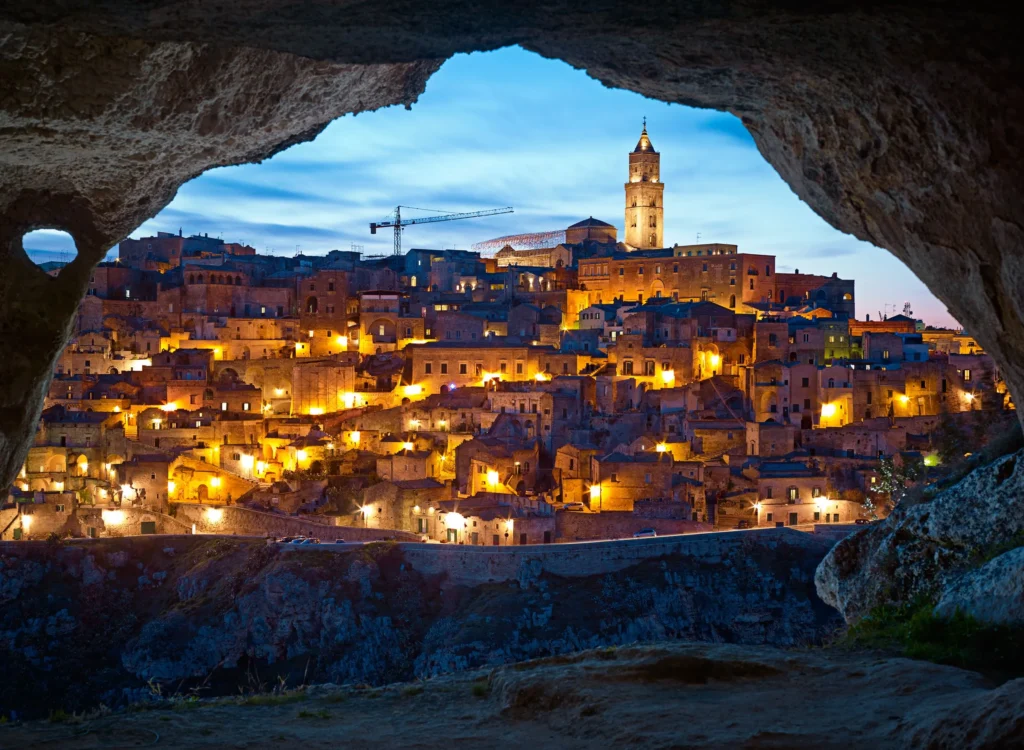
Picture this: a city carved entirely from stone, where homes are sculpted into limestone cliffs, and narrow alleyways wind through ancient cave dwellings that have sheltered families for over 9,000 years. Welcome to Matera, Italy – a place so breathtaking that it feels like stepping onto another planet (fun fact: it’s been the filming location for multiple biblical movies!). While Rome, Florence, and Venice grab most of the spotlight, Matera quietly sits in Italy’s heel, offering something you won’t find anywhere else on Earth. This isn’t just another pretty Italian town with cobblestone streets and gelato shops. This is one of the world’s oldest continuously inhabited cities, where you can literally sleep in a cave hotel, hike through dramatic ravines, and watch the sunset paint ancient stone houses in shades of honey and gold. If you’re searching for the best things to do in Matera Italy, you’ve landed in the right place. This guide goes way beyond the basics. I’m sharing hidden viewpoints the tour groups miss, family-run bakeries where you can watch bread-making traditions that haven’t changed in centuries, and trails that lead to secret cave churches. Ready to explore the Sassi di Matera? Let’s go! Quick Guide to Matera at a Glance Category Details Best Time to Visit April-May & September-October (spring & fall) Recommended Stay 2-3 days Getting There Train/bus from Bari (1-1.5 hours) Walking Difficulty Moderate to challenging (many stairs & hills) Must-Try Food Pane di Matera, crapiata, peperoni cruschi UNESCO Status World Heritage Site since 1993 Region Basilicata, Southern Italy Budget Level €€ (Moderate) Parking Limited; use designated lots outside city center 1. Get Wonderfully Lost in the Sassi Districts: Barisano & Caveoso The heart and soul of Matera beats in its two ancient neighborhoods: Sassi Barisano and Sassi Caveoso. These aren’t your typical Italian quarters – they’re entire districts of cave dwellings stacked on top of each other like a three-dimensional puzzle made of stone. Sassi Barisano sits on the western side and is slightly more polished. You’ll find more shops, restaurants, and restored cave homes here. Many buildings have beautiful facades hiding the cave rooms behind them. It’s perfect for your first introduction to Matera’s unique architecture. On the flip side, Sassi Caveoso on the eastern slope feels rawer and more authentic. The caves here look exactly as they did decades ago – rough-hewn stone, tiny doorways, and staircases that seem to lead nowhere. This district gives you the truest sense of what life was like when thousands of families lived in these stone shelters. Your Insider Game Plan: The magic happens during golden hour – that’s early morning (around 7-8 AM) or late afternoon (5-7 PM depending on season). The warm light makes the honey-colored stone absolutely glow, and you’ll have the narrow streets mostly to yourself before the tour groups arrive. Here’s a secret most visitors miss: head to Piazza San Pietro Caveoso early in the morning. Grab a coffee from the small bar there, sit on the stone steps, and watch the city wake up. It’s one of the quietest spots in Matera, tucked away from the main tourist flow. From here, explore the maze of stairs and passages leading downward – you’ll discover hidden courtyards, ancient cisterns, and doorways that frame perfect views of the ravine. Pro tip: Wear comfortable walking shoes with good grip. These stone streets get slippery, and you’ll be climbing up and down all day! 2. Travel Back in Time: Matera’s Must-See Museums To truly understand Matera, you need to know its story. Until the 1950s, more than 15,000 people lived in the Sassi without running water or electricity. Families shared their cave homes with livestock, diseases spread easily, and life was incredibly hard. The Italian government eventually relocated everyone, and the Sassi sat abandoned for decades before being reborn as the cultural treasure you see today. Casa Grotta di Vico Solitario Start your historical journey at Casa Grotta (Cave House), a perfectly preserved cave dwelling that shows exactly how families lived before the evacuation. You’ll see the stone bed where entire families slept, the manger where the donkey stayed (yes, inside the house!), and the simple tools used for daily survival. The Museum of Rural Life takes this experience deeper, displaying farm equipment, traditional clothing, and photographs that bring Matera’s past to life. These museums aren’t huge, but they pack an emotional punch. (Official Matera Tourism) Make It Interactive: Several local artisans and bakers offer hands-on workshops where you can learn traditional crafts or bake Pane di Matera yourself. Check out Casa del Gusto for bread-making sessions or pottery workshops at Artigianato Lucano. These experiences transform history from something you observe into something you participate in. Practical details: Most museums charge €3-5 for entry. You can find combo tickets at the tourist office that cover multiple sites for around €10-12. Visit museums in the afternoon when everyone else is out exploring – you’ll have more space and time to really absorb the experience. 3. Sleep Like a Cave Dweller (But Way More Comfortable) Let’s be honest – staying in a cave hotel Matera is probably the coolest accommodation experience you’ll ever have. These aren’t rustic, uncomfortable caves. Modern cave hotels blend ancient stone architecture with heated floors, rainfall showers, and sometimes even jacuzzis carved into the rock! My Top Cave Hotel Picks: Luxury Pick: Sextantio Le Grotte della CivitaThis place is jaw-dropping. Each cave suite is unique, featuring original frescoes, stone alcoves, and furnishings made by local craftsmen. Some rooms have private terraces overlooking the Sassi. It’s pricey (€300-500/night), but if you’re celebrating something special, this is it. (Sextantio Official Site) Mid-Range Marvel: Sant’Angelo Luxury ResortPerched on the edge of the ravine, Sant’Angelo gives you that luxury feeling without breaking the bank (€150-250/night). The cave rooms have modern amenities, and the breakfast terrace has views that’ll make your Instagram followers jealous. Budget-Friendly Gem: Locanda di San MartinoDon’t let the lower price fool you (€80-130/night) – this hotel offers comfortable cave rooms with personality.

Discover 15 Unforgettable Things to Do in Matera, Italy – Your Ultimate Sassi Adventure Read More »

Tbilisi Travel Guide 2025: 10 Must-See Sights, Best Eats & Hidden Local Gems

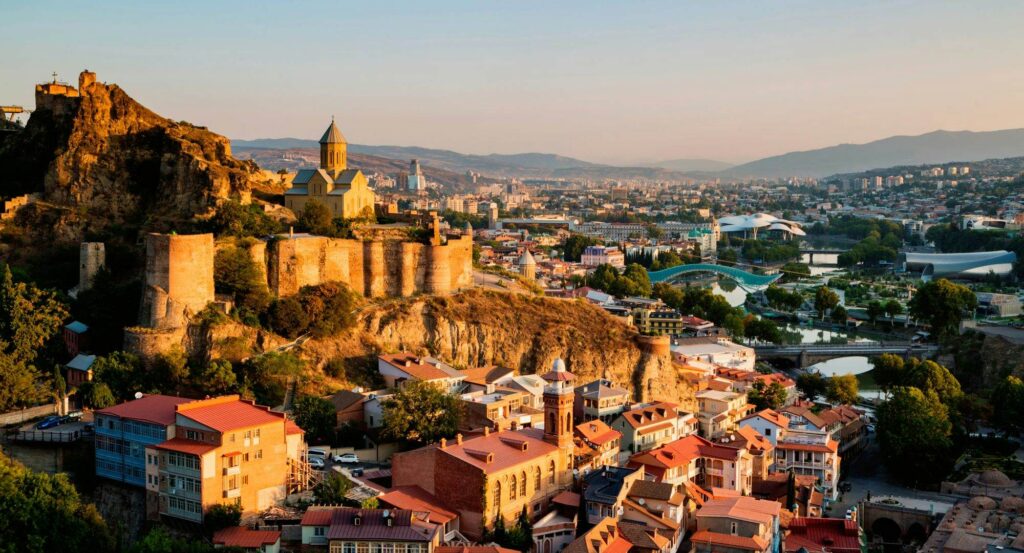
I’ll never forget the moment I stepped into Tbilisi’s Old Town for the first time. The smell of freshly baked bread mixed with sulfur from the ancient baths, church bells echoing off worn cobblestones, and balconies overflowing with laundry and flowers created this beautiful chaos I’d never experienced anywhere else. This city doesn’t try to impress you with polished perfection – it wins you over with raw authenticity and heart. Tbilisi has quietly become one of Eastern Europe’s hottest destinations, and after spending considerable time exploring every corner of this Georgian capital, I understand why. It’s where centuries-old wine cellars sit beneath hipster coffee shops, where grandmas sell churchkhela next to trendy boutiques, and where you can have an incredible meal for the price of a coffee back home. This Tbilisi travel guide will show you exactly what to do in Tbilisi – from the must-sees everyone raves about to the spots only locals know. Quick Tbilisi Overview Category Details Best Time to Visit April-June & September-October (mild weather, fewer crowds) Recommended Stay 3-4 days minimum Daily Budget Budget: $30-50 / Mid-range: $60-100 / Luxury: $150+ Currency Georgian Lari (GEL) – roughly 2.7 GEL = $1 USD Airport Tbilisi International Airport (TBS) Language Georgian (English widely spoken in tourist areas) Safety Level Very safe, including for solo female travelers Must-Try Foods Khinkali, Khachapuri, Churchkhela Getting Around Walking + Metro + Bolt rides 1. Snapshot: Why Visit Tbilisi Now The secret’s out about Tbilisi, but thankfully, this city hasn’t lost its soul to tourism. Digital nomads have discovered it offers lightning-fast wifi, co-working spaces in converted Soviet factories, and living costs that won’t drain your savings account. I’ve met remote workers from Japan, Brazil, and Canada who extended their two-week trips into two-month stays. What makes Tbilisi special? It’s this incredible bohemian charm mixed with genuine warmth. Georgians take their hospitality seriously – you’ll rarely leave a conversation without an invitation to someone’s home for dinner. The city gives you this perfect balance: ancient sulfur baths from the 17th century stand across from graffiti-covered art spaces, while babushkas selling herbs at morning markets share sidewalks with specialty coffee roasters. When to visit Tbilisi really depends on what you’re after. Spring (April-June) brings pleasant temperatures around 20-25°C, blooming gardens, and outdoor terrace season. Autumn (September-October) offers stunning foliage and grape harvest season – perfect timing for wine lovers. Summer gets hot (30°C+) but the city buzzes with festivals and rooftop bars. Winter sees fewer tourists and lower prices, though some attractions have reduced hours. Here’s what sold me on Tbilisi: incredible value for money. A feast that would cost $100 in Western Europe runs you $20-30 here. Wine flows cheaper than water (literally sometimes). Your dollar, euro, or pound stretches beautifully without sacrificing quality. 2. Top 10 Must-See Attractions (With Fresh Insider Tips) #1: Old Town (Altstadt) – Where History Lives Forget following a map in Tbilisi’s Old Town – seriously, put it away. The magic happens when you wander aimlessly through narrow streets where buildings lean into each other like old friends. You’ll spot Persian-style wooden balconies, Art Nouveau facades, and Soviet-era brutalism all on the same block. The architecture tells Georgia’s complicated history better than any guidebook. Best time to visit: Early morning (7-9 AM) before tour groups arrive, or late afternoon when golden light hits the balconies. Insider Tip: Duck into the residential courtyards along Leselidze Street. Locals don’t mind respectful visitors, and these hidden spaces show authentic Tbilisi life – hanging laundry, potted herbs, neighbors chatting over coffee. #2: Mtatsminda Park – Views That’ll Make Your Camera Cry The funicular ride up to Mtatsminda Park is half the fun. This vintage railway, built in 1905, climbs the mountain while you watch Tbilisi shrink below. Once you’re up there, the panoramic city views are absolutely stunning. On clear days, you can see the Caucasus Mountains in the distance. The park itself has a retro amusement park vibe with restaurants and walking paths. Best time to visit: Sunset (around 6-7 PM depending on season) for those Instagram-worthy golden hour shots, or after dark when the city lights twinkle below. Insider Tip: Skip the overpriced restaurants at the top. Grab snacks from a supermarket beforehand and picnic on the observation deck. The view costs nothing, and the experience is way more memorable than mediocre tourist-trap food. #3: Dry Bridge Market – Treasure Hunting Like a Pro Every Saturday and Sunday, the Dry Bridge Market transforms into this amazing jumble of Soviet memorabilia, vintage cameras, traditional crafts, and absolute randomness. I’ve seen everything from Stalin portraits to grandma’s old jewelry boxes to actual Soviet military medals. Even if you don’t buy anything, watching the local barter culture is entertainment itself. Dealers drink tea from thermoses, argue prices with passion, and share stories about every item. Best time to visit: Saturday morning (9-11 AM) when vendors are still setting up and negotiating is friendliest. Insider Tip: Vendors expect bargaining – offering 50-60% of the asking price isn’t insulting, it’s part of the dance. Also, bring small bills (20-50 GEL notes). Breaking a 100 GEL note for a 5 GEL trinket makes things awkward. #4: Mother of Georgia Statue (Kartlis Deda) – The City’s Guardian This aluminum warrior stands 20 meters tall on the Sololaki ridge, watching over Tbilisi with a sword in one hand (for enemies) and a bowl of wine in the other (for friends). Very Georgian, right? The statue itself is cool, but honestly, the view from the Sololaki ridge is why you make this climb. The whole city spreads out below like a living map. Best time to visit: Late afternoon (4-6 PM) when the light is softer and you can stay through sunset. Insider Tip: You can hike up (20-25 minutes, moderately steep) or take a taxi to save energy for more exploring. The walk down through the old neighborhoods shows you local life most tourists miss – corner shops, neighborhood cats, babushkas selling fresh herbs from their

Tbilisi Travel Guide 2025: 10 Must-See Sights, Best Eats & Hidden Local Gems Read More »

Is Albania Safe for Solo Female Travelers? Real Stories + Smart Safety Tips

When I first told my friends I was heading to Albania solo, their reactions ranged from “Where’s that?” to “Is that even safe?” I get it. Albania doesn’t exactly scream “popular tourist destination” like Paris or Barcelona. Its post-communist history and Hollywood portrayals have given it an unfair reputation. But here’s the truth: Albania is generally safe for solo female travelers when you travel smart and stay aware of your surroundings. This guide isn’t about sugar-coating things or scaring you away. I’m giving you the real deal—balanced perspectives, honest experiences from women who’ve been there, practical safety tips for solo women travelers, and insider advice you won’t find in generic travel guides. By the end, you’ll know exactly what to expect and how to make your Albanian adventure both amazing and secure. Quick Albania Safety Overview Category Details Overall Safety Rating Generally safe – Level 2 (Exercise Increased Caution) Crime Rate Low – 1.2 per 100,000 (lower than US) Best for Solo Women Yes – ranked #49 safest globally for solo females Main Concerns Petty theft, street harassment (minimal), road safety Visa Required? No – 90 days visa-free for US/UK/EU citizens Emergency Numbers Police: 129, Ambulance: 127, General: 112 Budget Level Very affordable – €30-50/day Best Time to Visit May-September (beaches), Year-round (cities) Why More Women Are Choosing Albania for Solo Travel Albania is having a moment, and for good reason. This hidden Balkan gem is attracting solo female travelers in droves, and once you see what it offers, you’ll understand why. The Appeal is Real Albania hits that sweet spot every budget traveler dreams about—stunning scenery without the tourist prices. We’re talking turquoise beaches that rival Greece (seriously, Ksamil looks like the Maldives), dramatic mountain peaks in the Albanian Alps, and UNESCO World Heritage towns where you can wander ancient cobblestone streets virtually alone. Your money goes ridiculously far here. A delicious meal costs €5-8, hostels start at €10/night, and you can stay in charming guesthouses for €15-25. But beyond the affordability, it’s the Albanian hospitality that wins hearts. The concept of “besa”—a traditional code of honor—runs deep here. Locals treat guests with incredible warmth and respect. Don’t be surprised if someone invites you for coffee after you ask for directions, or if a restaurant owner insists on walking you to your bus stop. How Does Albania Compare to Other Balkan Countries? If you’re planning a Balkans trip, female travel in the Balkans is generally safe across the board. Albania’s safety in Albania profile is similar to Montenegro and North Macedonia. Croatia gets more tourists and has more developed infrastructure, but Albania offers that raw, undiscovered feeling that makes you feel like an explorer rather than a tourist. The crime rates are comparable—actually, Albania’s intentional homicide rate is approximately 1.2 per 100,000 people, which is comparable to Poland and safer than the United States. The Real Safety Picture in Albania Let’s talk numbers and facts, not fear-mongering. Crime Rates: What You Actually Need to Know Here’s something that might surprise you: Albania recorded 33,845 offenses in 2023, which is near a 10-year low, with homicides dropping to 34 and pickpocketing falling 17% from 2020 to 2023. Violent crime against tourists is extremely rare. The U.S. Department of State maintains a Level 2 advisory (Exercise Increased Caution) for Albania due to crime connected to drug activity and organized crime, but here’s the important part—this organized crime stays within criminal networks and doesn’t spill over to tourists. Petty crime like pickpocketing is your main concern, especially in crowded areas like: Putting It in Perspective To give you context, Albania’s crime rate is lower than many Western European capitals. You’re statistically safer walking around Tirana than you are in parts of Rome, Barcelona, or even major U.S. cities. Expats in Tirana report feeling safe walking in the city center during the day and even at night, with petty theft being far less frequent than in major tourist cities. Tourism’s Double-Edged Sword Albania’s tourism boom is helping and hurting safety in Albania. The positive: better infrastructure, more English speakers, improved roads (well, in some areas), and increased police presence in tourist zones. The negative: more tourists mean more opportunities for scams and inflated prices. During peak summer season in places like Saranda, you’ll need to negotiate taxi prices and double-check restaurant bills. Female-Specific Safety Considerations This is the section you really came for, so let’s get specific about what women travelling alone in Albania can expect. Street Harassment: The Reality I’m not going to lie—you might experience some street harassment in Albania. It’s typically staring, catcalls, or unwanted comments, especially in larger cities. Some women report persistent attention from men in gyms or beaches. However, this is rarely aggressive or threatening. After politely declining offers from men in Saranda and Ksamil, they left her alone with no issues, and these encounters were not harassing or intimidating. How to Handle Unwanted Attention: Cultural Norms and Dress Code Albania is more conservative than Western Europe, especially outside Tirana. Here’s what works: In Tirana and Coastal Areas: Pretty relaxed. You’ll see Albanian women in everything from modest clothing to Western fashion. Tank tops and shorts are fine during summer. In Rural Areas and Religious Sites: Cover your knees and shoulders. When visiting mosques, you’ll need to cover your hair (scarves are usually provided). This isn’t just about respect—it helps you blend in and reduces unwanted attention. Pro tip: Carry a lightweight scarf or shawl in your daypack. It’s perfect for entering religious sites and can serve as sun protection. Women’s Healthcare and Medical Needs Good news: health and medical care in Albania is accessible, especially in cities. Pharmacies (“farmaci”) are everywhere, and pharmacists often speak English. You can get birth control, feminine hygiene products, and over-the-counter medications easily. Most international brands are available. Important Numbers to Save: The U.S. Department of State notes that law enforcement’s ability to protect and assist travelers is limited in some remote areas, so travelers should remain aware of their

Is Albania Safe for Solo Female Travelers? Real Stories + Smart Safety Tips Read More »