Europe Travel

Explore Europe travel guides, itineraries, places to visit, travel tips, cultural experiences, and destination insights for popular countries and cities across Europe.

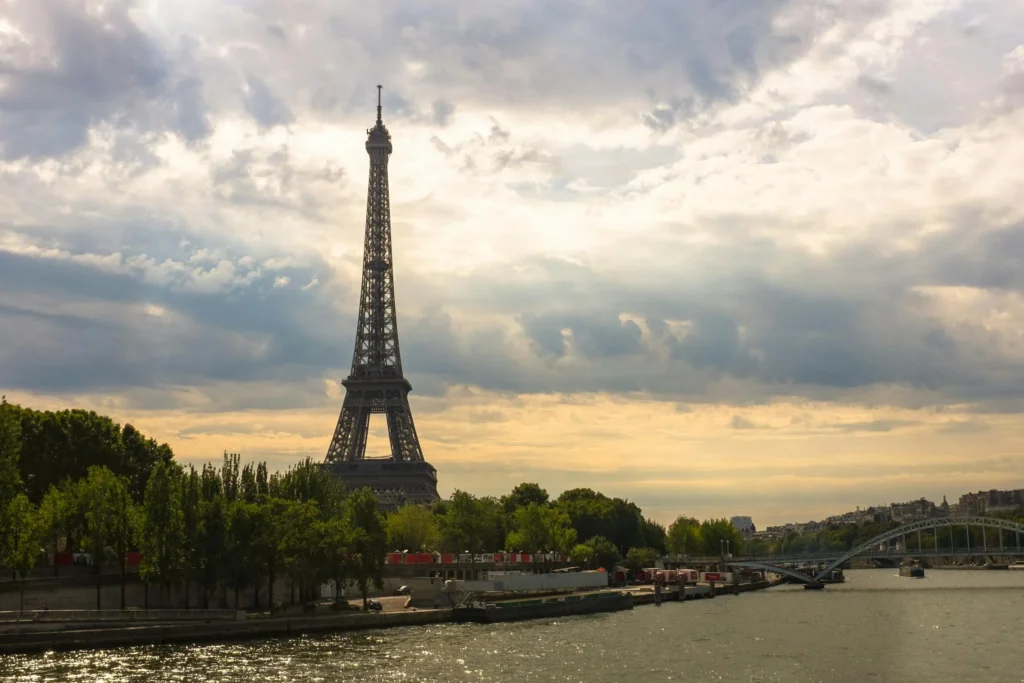
Eiffel Tower viewed from across the Seine River in Paris under a dramatic cloudy sky - Paris travel inspiration.

Paris: Your Comprehensive Guide to the City of Light

Planning your trip to Paris? You’ll need to think about costs, getting around, and where to stay. On average, a week’s trip for two could cost around $7,500. The Metro is a key way to travel. Central areas are often preferred for accommodation. For all the in-depth details on how to budget, navigate transport, find the perfect place to stay, and much more, keep reading this comprehensive guide to Paris. Is Paris Expensive for a Trip? (Budgeting Your Parisian Adventure) Budgeting for Paris can seem challenging, but with the right insights, you can plan a trip that fits your wallet. Here’s a breakdown of common cost queries and tips on how to manage expenses: By planning carefully and keeping these details in mind, you can enjoy the enchantment of Paris without overspending. What I Wish I Knew Before Going to Paris (Essential Tips & Etiquette) Entering a new culture comes with a set of dos and don’ts. Here’s the lowdown on practical tips and etiquette that every US traveler should know before setting foot in Paris: These insider tips help ensure your journey is smooth, respectful, and culturally enriching. Is There Anything Fun to Do in Paris? (Exploring the City of Lights) Attraction Description Highlights Eiffel Tower Soaring iron icon, built in the 1880s, offers panoramic city views. Best early morning to beat crowds, direct elevator to top costs 35 EUR. Louvre Museum World’s largest museum, 73,000 sq m, 403 rooms, 33,000 artworks showcased. Home to Mona Lisa, Venus de Milo; Paris Museum Pass covers entry. Notre-Dame Cathedral Gothic masterpiece, recently reopened after 2019 fire restoration. Features spared 16 statues, picnic views from Seine riverbank. Versailles Palace Former royal residence, 10 million visitors/year, includes Trianon estate. Best on weekdays, guided tours 55 EUR, skip-the-line recommended. Montmartre and Sacré-Cœur Artistic district, basilica with city views, one functioning windmill. Evening stairs for sunset, buskers, food tours available. Champs-Élysées and Arc de Triomphe Grand boulevard leading to triumphal arch, sweeping city views. Usually no line at Arc de Triomphe, part of orientation walk. Sainte-Chapelle 12th-century chapel with glorious stained glass, book tickets to skip lines. Wait over 1 hour without advance booking. Orsay Museum Nineteenth-century art, Europe’s greatest Impressionist collection. 3 million visitors/year, skip-the-line tickets available. Père Lachaise Cemetery 44 hectares, 70,000 burial plots, 3 million annual visitors, celebrity graves. Guided tours 20 EUR, lasts 3 hours, closes at 5:30 PM. Latin Quarter Oldest district, Roman and Medieval vestiges, home to Sorbonne (founded 1253). Explore Arènes de Lutèce, Church of Saint Séverin, vibrant nightlife. Accommodation Options Paris offers a range of accommodations, from luxury hotels to budget-friendly stays. Below is a table of top hotels, based on Condé Nast Traveler, Vogue, and Tripadvisor: Hotel Name Amenities Neighborhood Price Range Additional Notes Le Bristol Restaurants, bars, pool, spa, fitness center 8th Luxury Five-star, exceptional service, perfect for special occasions. Saint James Paris Restaurant, bar, pool, fitness center, spa 16th Luxury Luxurious with spa, ideal for relaxation. Le Grand Mazarin Restaurant, bar, pool, spa 4th Boutique Chic, in Marais, great for cultural immersion. Maison Proust Restaurants, bars, pool, spa 3rd Boutique Literary-themed, stylish, central location. The Peninsula Paris Restaurants, bars, pool, spa, rooftop terrace 16th Luxury Grand hotel, panoramic views, high-tech amenities. Cheval Blanc Paris Restaurants, bars, pool, spa, fitness center 1st Luxury Historic charm, in Samaritaine, buzzy atmosphere. Bulgari Paris Restaurant, bar, pool, fitness center, spa, salon 8th Luxury Stunning views, luxury experience. Le Meurice Full-service spa, restaurants, health club 1st Luxury Historic, event spaces, ideal for business travelers. Shangri-La Paris Restaurants, bars, café, fitness center, pool, spa 16th Luxury Panoramic Eiffel Tower views, car service available. Hotel de Londres Eiffel Basic amenities, budget-friendly 7th Budget Near Eiffel Tower, affordable for travelers (Tripadvisor). Popular neighborhoods include the 8th arrondissement for landmarks and the 6th for a local experience. For budget options, consider Hotel Augustin – Astotel, starting at $86 (Tripadvisor). Transportation and Getting Around Paris has an efficient public transportation system, ideal for navigating the city: Hold onto metro tickets until exiting, as fines apply for not having proof of purchase (U.S. News Travel). Shopping and Local Markets Paris is a shopper’s paradise, with options for all budgets: Nightlife and Entertainment Paris’s nightlife is vibrant, offering a range of experiences: Hidden Gems For off-the-beaten-path experiences, consider: Local Cuisine and Dining Paris is a gastronomic capital, offering a range of dining experiences from Michelin-starred restaurants to casual bistros. Below are the top dining spots, based on Time Out Paris and Eater guides: Restaurant Cuisine/Type Neighborhood Price Range Must-Try Dish Additional Notes Le Clarence Haute cuisine Champs-Élysées $$$$ Seasonal menu (tempura shrimp, baby eels, grilled red mullet) Crystal chandeliers, natural wine pairings, lunch menus more affordable. Septime Modern French Roquette $$$ Scallops with bone marrow, grilled sweetbread with harissa Michelin-starred, wine pairings, bucket-list experience. Le Servan France-Asia fusion Roquette $$$ Grilled sweetbreads with Thai sauce Cozy, unpretentious, Burgundy wines, welcoming atmosphere. Juveniles Bistro 1st $$ – Best for rubbing elbows with locals, lively atmosphere. Bistrot des Tournelles Bistro 4th $$$ – Book second service to avoid rush, excellent wine list. Quinsou Gallic feast 6th $$$ – Memorable meal, not insanely expensive, book in advance. Joséphine Chez Dumonet Classic French 6th $$$ Grand Marnier soufflé for dessert Timeless spot, book in advance for classic experience. Arnaud Nicolas French 7th $$$ Best pate en croute in Paris Known for exquisite pate, perfect for foodies. Clamato Casual 11th $$ – No reservations, go at 7 PM or after 10 PM to beat lines. Must-try dishes include croissants, macarons, escargot, and coq au vin, available at local markets like Marché d’Aligre and bistros. For unique experiences, consider dinner cruises on the Seine, like Don Juan II with a 5-course menu (Lonely Planet). Changes for Visitors in 2025: You can find information about what might be different for visitors in 2025 at resources like https://www.lonelyplanet.com/news/visiting-paris-whats-different-202512 and https://theearfultower.com/2025/01/12/ten-fun-things-to-do-in-paris-in-2025/12 . Paris is also becoming a ’15-minute city’ Frequently Asked Questions About Visiting Paris The Paris area was first inhabited by the Parisii

Paris: Your Comprehensive Guide to the City of Light Read More »

Samothrace Island, Greece

Explore Greece and Samothraki: Your Travel Blog for Inspiration and Updates

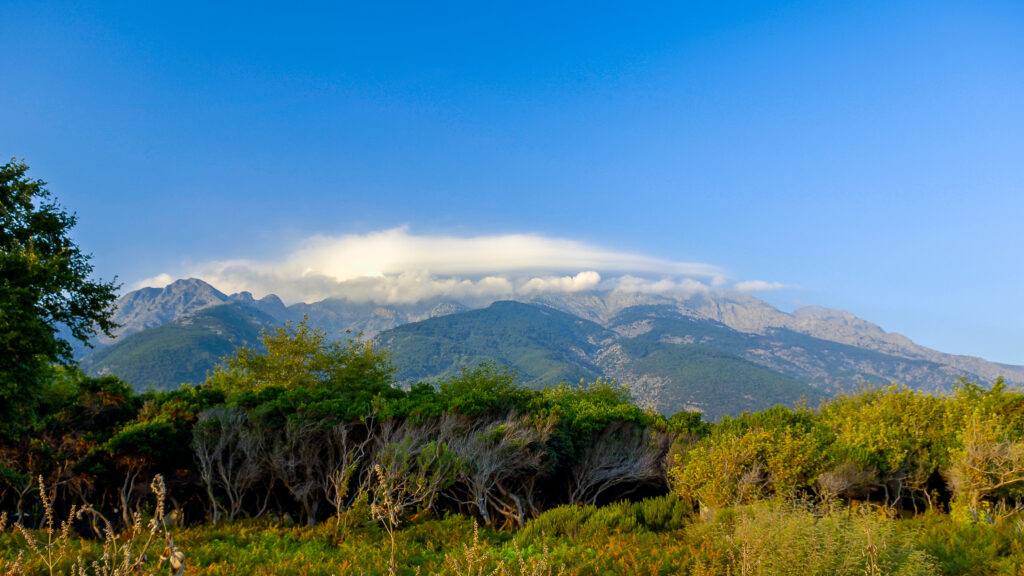
Discover Samothraki, Greece: Maps, Travel Tips, and the Latest Blog Updates for Your Adventure Nestled in the Northern Aegean, Samothraki, Greece is one of the Mediterranean’s best-kept secrets. Known for its dramatic landscapes, ancient mysteries, and authentic Greek island charm, Samothraki remains a hidden gem for those willing to stray off the beaten path. In this guide, we’ll take you through every step of planning your journey—from choosing the best transportation to exploring local tips and cultural insights—so you can experience the island’s magic firsthand. Throughout this post, you’ll find detailed comparisons, practical advice, and key insights that will help you navigate your trip with ease. Whether you’re a seasoned traveler, an adventure seeker, or a culture enthusiast, this comprehensive guide is designed to make your trip to Samothraki, Greece both enjoyable and memorable. Table of Contents Introduction: Why Visit Samothraki? Samothraki is not your typical Greek island destination. Its allure lies in the untouched beauty and authenticity that few places in the Mediterranean can offer. From its towering mountains—most notably Mount Fengari (locally known as Mount Saos)—to the refreshing waterfalls and secluded natural pools, every corner of this island tells a story of nature’s grandeur and ancient mythologies. Travelers are drawn here not just for the scenery, but also for the immersive experience of local life, the historical significance of its archaeological sites (like the Sanctuary of the Great Gods), and the island’s sustainable approach to tourism. If you’re seeking an escape from the overcrowded tourist hotspots and crave an authentic Greek island adventure, Samothraki, Greece should be at the top of your list. Understanding Samothraki: The Hidden Gem of Greece Geographical and Cultural Overview Located in the northern Aegean Sea, Samothraki spans approximately 178 square kilometers. With a modest population of just over 2,500 residents, the island exudes a sense of intimacy and tranquility rarely found in more commercialized destinations. The island’s dramatic terrain—defined by rugged mountains, deep gorges, and cascading waterfalls—creates a landscape that is as challenging as it is beautiful. The island is steeped in mythology and ancient history. It was once revered as a sacred site with its famous Sanctuary of the Great Gods, where mysterious initiation rituals were performed. The myth of the Winged Victory of Samothrace, now a centerpiece at the Louvre in Paris, further accentuates the island’s historical and cultural resonance. This blend of natural beauty and historical depth makes Samothraki, Greece a destination that captivates both the heart and the mind. For a deeper dive into Samothraki’s history and geographical features, you can explore resources such as the Wikipedia page on Samothrace and this dedicated Samothraki site which provide rich details about the island’s past and present. Planning Your Journey: Transportation Options Getting to Samothraki, Greece might require a bit more planning than visiting some of the more accessible Greek islands. The island’s relative remoteness has helped preserve its unspoiled charm, and it’s this very characteristic that makes the journey an integral part of the experience. Here’s a breakdown of the primary transportation options available: Ferry Travel The most popular way to reach Samothraki is by ferry. Most ferries depart from Alexandroupoli, a well-connected port city in northeastern Greece. The ferry ride typically takes about two hours, offering picturesque views of the Aegean Sea. Although schedules might vary by season, ferries run year-round with increased frequency during the summer months. Key Points for Ferry Travel: Air Travel While there is no airport on Samothraki, air travel can be a viable option if you plan to fly into Greece and then make your way to the island. The nearest airports are located in Alexandroupoli or Thessaloniki, from where you can take a connecting bus or drive to Alexandroupoli for your ferry departure. Tips for Air Travel: By Car and Bus For travelers who prefer driving or using public transportation, there are options to reach Alexandroupoli by car or bus from major Greek cities like Athens or Thessaloniki. This option is ideal for those who enjoy a scenic road trip and the flexibility to explore along the way. Advantages of Car or Bus Travel: On the Island: Local Transportation and Getting Around Once you set foot on Samothraki, your adventure has only just begun. The island’s rugged terrain, characterized by narrow mountain roads and scenic hiking trails, calls for a flexible and adventurous approach to getting around. Local Transport Options For more detailed information on local transportation and tips, check out Ferryhopper’s guide to Samothraki which offers practical insights on navigating the island. Comparing Transportation Options To help you decide on the best mode of travel based on your needs and preferences, here is a quick comparison table summarizing the main transportation methods to Samothraki, Greece: Mode of Transport Duration Cost Pros Cons Ferry ~2 hours Moderate Scenic journey, frequent departures Weather dependent, limited schedule in winter Air + Ground Varies Moderate to High Faster overall travel, good for long distances Requires transfers, additional ground travel costs Car/Bus to Alexandroupoli + Ferry Varies Budget-Friendly Flexibility, scenic road trip opportunity Longer travel time, may require navigation Local Rentals (on island) N/A Moderate Flexibility to explore remote areas Limited to island once you arrive, road conditions This table provides a clear snapshot of your options, allowing you to weigh the benefits and potential drawbacks of each method. By planning your trip according to your personal travel style and budget, you can ensure a seamless journey to this captivating destination. Travel Tips and Practical Considerations 1. Booking in Advance Whether you choose to travel by ferry or combine air travel with ground transport, it’s best to book your tickets well in advance—especially during the high season (June to September). Early booking can help you secure the best fares and preferred travel dates. For ferry schedules, websites like Direct Ferries offer comprehensive details. 2. Weather and Seasonal Considerations Samothraki experiences a Mediterranean climate, but its mountainous terrain means that weather can be unpredictable. Summers are generally hot and dry along the coast, while the mountainous interior

Explore Greece and Samothraki: Your Travel Blog for Inspiration and Updates Read More »

Zigora Valley

Zagoria Valley Travel Blog: Inspiration & Latest Albanian Adventures

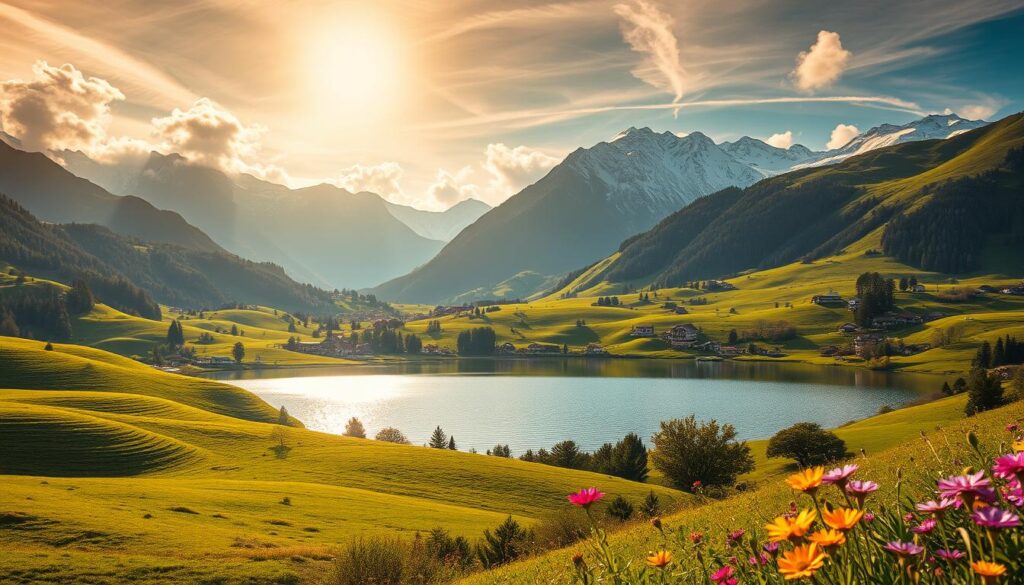
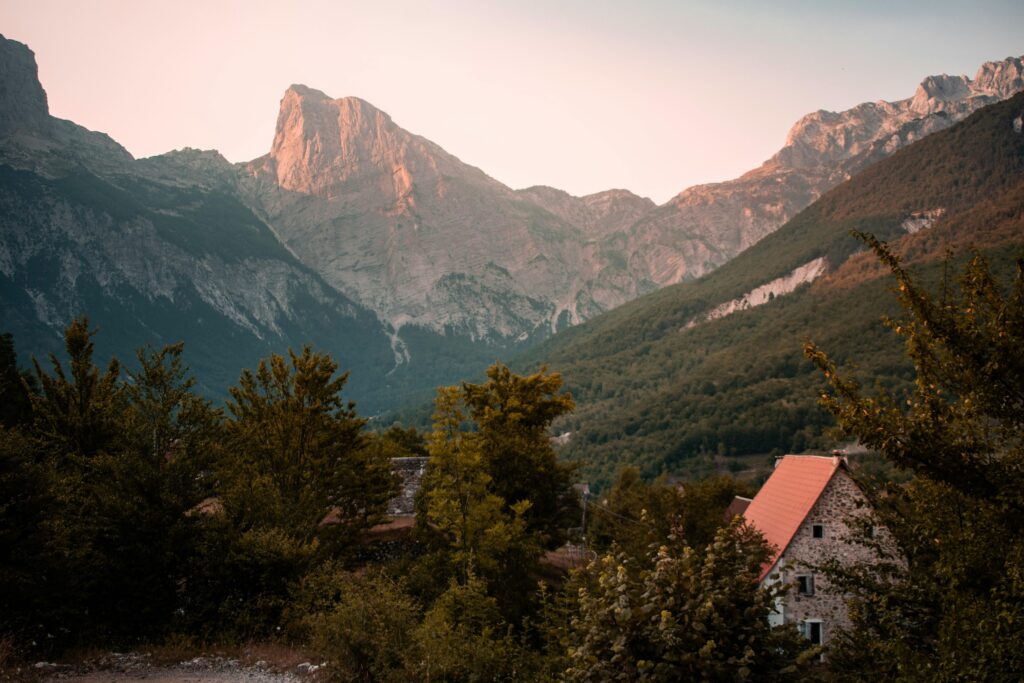
Latest Travel Blog Updates: Your Guide to Exploring Zagoria Nature Park Imagine a land where time seems to slow, where mist-shrouded mountains cradle ancient stone villages, and the air carries whispers of forgotten traditions. As European destinations become ever more crowded, a secret corner of Albania stands untouched by mass tourism—Zagoria Valley. Nestled deep between parallel mountain ridges in southern Albania, Zagoria (meaning “behind the mountains”) is a realm of authentic charm and raw natural beauty. In this hidden valley, nature and culture coalesce in an almost mystical harmony. Here, centuries-old stone houses, cobblestone streets, and time-worn Orthodox churches form a living tapestry of history. The valley’s unspoiled landscapes—from lush meadows to rugged mountain trails—invite travelers to embark on a journey not only through space but also through time. This travel blog post is your gateway to discovering why Zagoria Valley is Europe’s most authentic hidden gem—a destination where offbeat travel transforms into a deeply personal adventure filled with genuine local encounters and unforgettable memories. Zagoria’s Secret Charm: Why “Hidden Gem” is an Understatement Zagoria Valley’s status as a hidden gem is not simply due to its remoteness but also because of its unyielding preservation of tradition and nature. Unlike many popular European destinations where modernity has slowly overtaken heritage, Zagoria remains largely untouched. Its isolation has kept mass tourism at bay, allowing local culture and natural landscapes to thrive in their most authentic form. The valley is accessible only through winding, often challenging roads that contribute to its mystique—an aspect that, while limiting, is a blessing in disguise for travelers seeking a truly off-the-beaten-path experience. Here, every village, every ancient stone bridge, and every pastoral scene tells a story steeped in history. The preservation of traditional lifestyles in villages like Sheper, Peshtan, and Limarë is remarkable. Local residents continue age-old customs, from handcrafted stone work to authentic culinary practices passed down through generations. This hidden status not only preserves Zagoria’s unique character but also offers visitors a peaceful retreat from the overwhelming crowds of mainstream Europe. In Zagoria, you can immerse yourself in genuine human connections, experience the slow pace of life, and witness a landscape that remains as wild and enchanting as it was centuries ago. Journey Through Time: Exploring Zagoria’s Soulful Villages Embarking on a journey through Zagoria Valley is like stepping into a living museum where each village holds a distinct chapter of Albania’s history. Let’s take a virtual tour of some key villages and cultural landmarks that define the soul of Zagoria. Hoshovë and Sheper: Gateways to Authenticity In the heart of the valley, the village of Sheper serves as a primary gateway for exploration. Accessible via a gravel road from the Çajupi Plateau, Sheper is often the first stop for travelers venturing into Zagoria. Despite its modest size, the village pulsates with life. Narrow cobblestone streets meander past traditional stone houses that have stood the test of time. Here, every building is a testament to age-old craftsmanship, with locally sourced stone seamlessly integrated into the rugged landscape. A short distance away, Hoshovë enchants visitors with its serene atmosphere and historical charm. Imagine wandering through alleys where time has gently etched its passage on weathered walls and doorframes. Local legends speak of ancient families who once ruled these lands, their stories passed on through generations in hushed tones and festive songs. Peshtan: Where History Comes Alive Peshtan is not merely a village—it is a living archive of the valley’s turbulent past. This village bears witness to significant historical events, including battles fought during World War II. Local guides, such as Mira and her husband—both educators in the village—offer intimate tours that bring these historical narratives to life. They recount tales of valor and sacrifice, of a time when the echoes of conflict mingled with the resilient spirit of the locals. Visiting Peshtan is like watching history unfold before your eyes. Ancient monuments and remnants of wartime fortifications stand side by side with daily village life, reminding you that the past is not far away. The blend of somber history and vibrant community life here provides an experience that is as educational as it is moving. Limarë: The Bridge Between Past and Present Connecting Peshtan to other parts of the valley is Limarë, a village known for its iconic stone bridge over the Deshnica River. Constructed during the nineteenth century by the renowned Albanian leader Ali Pashe Tepelena, the bridge is a masterpiece of engineering and aesthetics. Its robust, weathered arches and meticulously laid stones serve as a tangible link between the rich traditions of Zagoria’s past and the present-day lives of its inhabitants. Walking across this bridge, you can almost hear the echoes of ancient traders and pilgrims who once traversed these paths. The structure stands as a symbol of the ingenuity of past generations and offers panoramic views of the river valley below, framed by the imposing peaks that encircle the region. Cultural Immersion Through Local Architecture and Traditions Zagoria’s villages are adorned with striking Orthodox churches, each a sentinel of faith and history. These churches, built in traditional stone architecture, are more than mere places of worship—they are community centers where local traditions and folklore are nurtured. The delicate carvings on church doors and the faded frescoes inside serve as reminders of a bygone era when spirituality was interwoven with daily life. Moreover, the local residents take pride in their crafts and culinary heritage. Strolling through the villages, you might be invited to sample homemade bread, locally brewed raki, or even participate in age-old crafting techniques. The warmth and hospitality of the Zagorian people create an immersive cultural experience, ensuring that every visitor leaves with a deeper understanding of Albanian mountain life. The Iconic Stone Bridges of Zagoria No exploration of Zagoria would be complete without marveling at its legendary stone bridges. These structures, built to connect isolated villages, are feats of engineering that blend seamlessly into the natural landscape. Each bridge tells its own story—a story of connection, resilience, and the

Zagoria Valley Travel Blog: Inspiration & Latest Albanian Adventures Read More »