Uncovering the Hidden Treasures of Champaner-Pavagadh Archaeological Park: A Journey Through Time in Gujarat
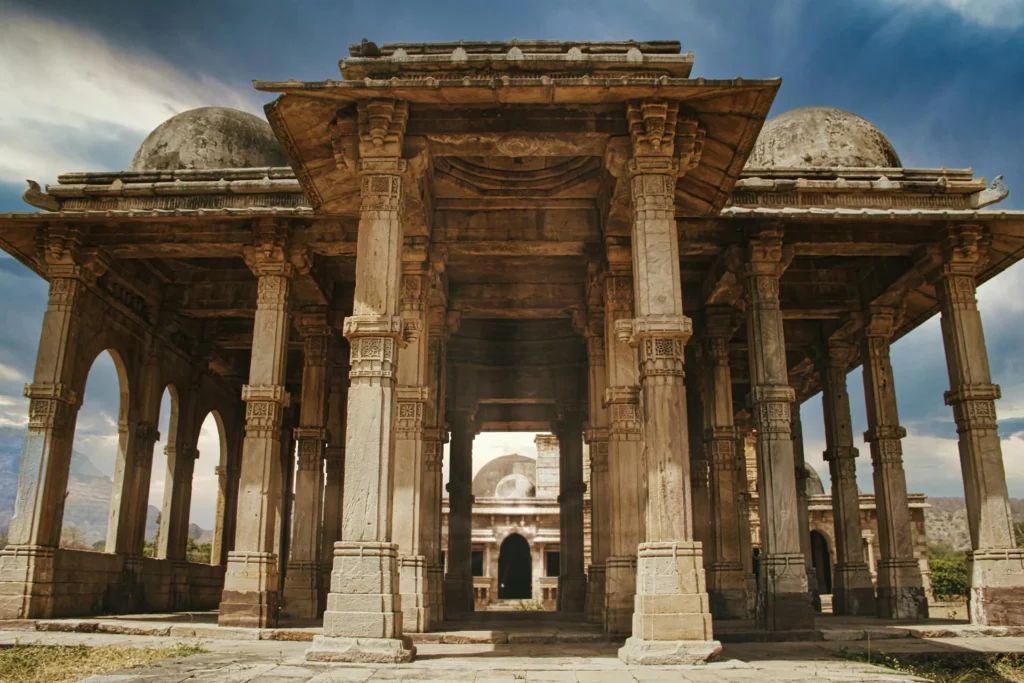
Champaner-Pavagadh Archaeological Park, nestled in Gujarat’s Panchmahal district, is a breathtaking blend of history, architecture, and natural beauty. Yet, despite its UNESCO World Heritage status, this ancient complex remains one of India’s most underexplored destinations. Imagine walking through a living museum where every ruin tells a story—a narrative that spans centuries of Rajput valor, Islamic architectural brilliance, and spiritual traditions that continue to inspire devotion. Whether you’re a history buff, an architecture enthusiast, or a curious traveler eager for a unique adventure, Champaner-Pavagadh offers an immersive journey that transforms ordinary sightseeing into an extraordinary experience. In this article, we’ll delve deep into the layered history, architectural marvels, hidden gems, and practical travel insights for exploring Champaner-Pavagadh Archaeological Park. Prepare to be transported through time and space, as you uncover the secrets of this offbeat treasure in Gujarat. Why Explore Offbeat Destinations Like Champaner-Pavagadh? A Living Chronicle of India’s Past Champaner-Pavagadh is much more than a collection of ancient ruins. It is a dynamic landscape where the vestiges of powerful civilizations coexist with living traditions. Originally established during the Rajput era, the site gained prominence when Pavagadh became the capital for the Chauhan Rajputs around the early 14th century. The subsequent conquest by Mahmud Begada of the Gujarat Sultanate in 1484 not only reshaped the political landscape but also infused the region with an exquisite fusion of Hindu and Islamic architectural styles. This historical transition is captured in the ruins that have withstood the test of time—structures that remain remarkably intact and offer a genuine window into medieval Gujarat’s cultural and military ingenuity. Beyond the Beaten Track While iconic destinations in India often capture global attention, Champaner-Pavagadh remains a hidden gem for offbeat travel enthusiasts. The park’s relative isolation, combined with limited commercial tourism infrastructure, allows visitors to experience a more authentic and unspoiled historical atmosphere. Here, the focus is on genuine exploration—each step reveals intricate carvings, innovative water management systems, and the subtle interplay between past and present. In this respect, Champaner-Pavagadh offers not only an adventure through ancient urban design but also a contemplative journey into the layers of cultural heritage. Unveiling the Hidden Gems of Champaner-Pavagadh Archaeological Park Architectural Marvels: The Fusion of Traditions One of the most striking aspects of Champaner-Pavagadh is its seamless blend of architectural influences. The ruins here are a testimony to the innovative fusion of Hindu structural elements with Islamic spatial and decorative concepts. The Jami Masjid: A Masterpiece of Syncretism At the heart of the site stands the Jami Masjid, the principal mosque of medieval Champaner. Its magnificently carved entrance porch and elegant pillared corridors lead into a serene courtyard that reflects the artistry of its era. The dual minarets and multiple domes not only provide an imposing silhouette but also create a rhythmic visual cadence that mesmerizes visitors. Intricate stone carvings and finely latticed windows allow light to filter in ever-changing patterns, transforming the mosque’s interior throughout the day. For more on its architectural significance, check out the UNESCO nomination document. Lesser-Known Marvels Beyond the Jami Masjid, hidden gems await the discerning traveler: The Layered History: From Rajput Rule to a UNESCO Treasure Champaner-Pavagadh’s history is a dramatic saga of conquest, cultural synthesis, and eventual decline. Initially a stronghold for the Chauhan Rajputs, the site became a symbol of strategic and religious importance. When Mahmud Begada captured the fortress in 1484, he transformed it into a thriving urban center that combined military, administrative, and cultural functions. Under Begada’s patronage, Champaner flourished with mosques, palaces, and sophisticated water management systems. These innovations were not merely functional but also artistic expressions of a new cultural paradigm where Islamic and indigenous influences merged harmoniously. Despite the subsequent Mughal conquest and the eventual decline of the city, the accidental abandonment of Champaner-Pavagadh has preserved its archaeological record almost as a time capsule—offering visitors an undisturbed glimpse into its illustrious past. Hidden Gems: Beyond the Major Monuments While the grand mosques and temples are the park’s headline attractions, several lesser-known structures provide deeper insights into the region’s history: Cultural Immersion: Engaging with Living Heritage Champaner-Pavagadh is not frozen in time; it is a living cultural landscape where contemporary traditions merge with historical legacies. The Kalika Mata Temple: Spiritual Continuity Dominating the summit of Pavagadh Hill, the Kalika Mata Temple is a vibrant religious center that draws thousands of devotees each year. During festivals like Navratri, the temple becomes a hub of devotional fervor, with colorful processions, traditional music, and ritualistic offerings. This active spiritual practice connects modern-day worshippers with centuries of tradition, underscoring the park’s role as a dynamic, living heritage site. Local Folklore and Traditional Performances Traditional folk dances and songs—such as Garbas—capture the oral history of the region, preserving the narratives of Rajput valor and the cultural transitions that shaped Champaner. These performances offer a multisensory experience that enhances the historical ruins, turning them into stages where the past is celebrated and remembered. The Living Village of Champaner Within the archaeological park, the modern village of Champaner illustrates how contemporary communities adapt to and coexist with ancient heritage. Local residents engage in pilgrimage-related economic activities and maintain traditional crafts, offering visitors a chance to witness heritage in action. Interacting with these communities provides a richer, more authentic understanding of how history and modernity intertwine in this unique locale. Practical Travel Insights for Visiting Champaner-Pavagadh For history enthusiasts and curious travelers alike, planning a visit to Champaner-Pavagadh Archaeological Park requires some foresight. Here are essential tips to maximize your experience: Getting There and Around Accommodation Options While the immediate vicinity of Champaner-Pavagadh offers limited lodging, there are several options nearby: Navigating the Site Given the expansive and vertical layout of the archaeological park: What to Pack Hidden Gems – A Table for Clarity Below is a table comparing key aspects of Champaner-Pavagadh Archaeological Park to help you plan your visit: Aspect Champaner-Pavagadh Notes Best Time to Visit October – February (cool and pleasant) Avoid the blazing heat of March to May Travel Accessibility Nearest