Escaping Mumbai’s 38°C Humidity: Why the Satpura Range Is Maharashtra’s Coolest Hideout This Week
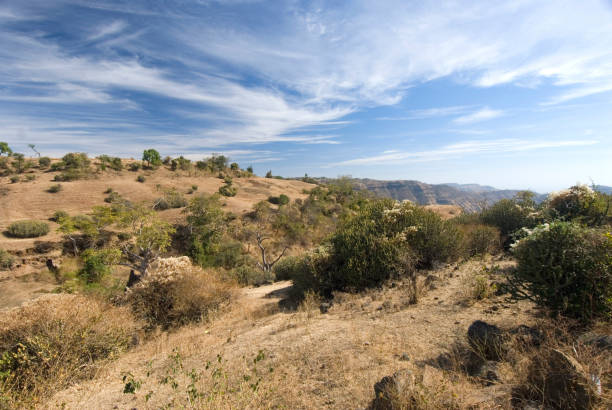
Mumbai in late May is relentless. The air feels dense, the asphalt radiates heat back at you by 10 AM, and even ceiling fans seem to push warm soup around instead of breeze. If you’ve been refreshing weather apps hoping for relief that isn’t coming, the Satpura Range — Maharashtra’s quiet, forested highland corridor — is sitting at a consistent 24°C to 28°C right now, and most people in the city have no idea. In my experience planning tours at Astamb Holidays, this is exactly the week when travelers start calling us in desperation. They’ve tried Lonavala — too crowded, too commercialized. Mahabaleshwar — same story, but with worse traffic on the Mumbai–Pune Expressway. What they actually need is a forest escape with cooler air, zero tourist chaos, and real wilderness around them. The Satpura Range delivers all three, and right now, before the southwest monsoon closes some access roads in mid-June, is one of the best windows to go. 🌡️ Why the Satpura Range Feels Cooler Than Mumbai During Summer Forest Canopy Cooling Effect The Satpura landscape is dominated by dry deciduous forests — teak, mahua, tendu, and sal. These tree canopies intercept solar radiation before it hits the ground. On a clear summer afternoon, temperatures beneath the forest cover can feel 4°C to 6°C lower than open clearings nearby. This isn’t just shade. Transpiration from dense tree cover adds a light moisture buffer to the air without tipping into coastal humidity. The result is a forest microclimate that feels genuinely breathable, even in May. Elevation Advantage Chikhaldara, the only hill station inside the Satpura range in Maharashtra, sits at an elevation of 1,118 meters above sea level. The broader Satpura plateau reaches peaks of approximately 1,178 meters at Dhupgarh (in the Pachmarhi sector of Madhya Pradesh). Standard atmospheric lapse rate gives you roughly 0.65°C drop per 100 meters of elevation gained. This alone accounts for a 6–7°C difference compared to Mumbai’s sea-level position. Dry Heat vs Coastal Humidity This is the key distinction most travelers miss. Mumbai’s summer discomfort isn’t just about temperature — it’s about relative humidity consistently above 70–80% in May and June. Your sweat doesn’t evaporate. You just stay wet and hot. The Satpura forests sit in a rain shadow zone for pre-monsoon winds, giving you dry-bulb temperatures that are already lower — but more importantly, relative humidity between 30–45% during late May. A 30°C day with 35% humidity feels far more comfortable than a 32°C day with 78% humidity. That difference is what makes forest travel genuinely restorative. Why Evenings Feel Dramatically Cooler After 6 PM in Chikhaldara or Semadoh (inside Melghat Tiger Reserve), temperatures routinely drop to 18°C to 22°C. Elevation and forest cover both contribute to rapid radiative cooling once the sun drops. Travelers who’ve visited Lonavala expecting this kind of evening relief are usually disappointed — the Western Ghats retain coastal moisture well into the night. Satpura evenings are genuinely crisp by comparison. Temperature and Humidity Comparison: Mumbai vs Chikhaldara (Late May) Parameter Mumbai (Sea Level) Chikhaldara (1,118 m) Average Max Temp 34–38°C 26–30°C Average Min Temp 27–29°C 18–22°C Relative Humidity 72–82% 30–45% Feels Like (Midday) 40–44°C 27–30°C Average UV Index High (9–11) Moderate (6–8) Evening Comfort Low High Sources: India Meteorological Department (IMD) historical normals, May 2020–2025. 📍 Where Is the Satpura Range in Maharashtra? Geographic Spread The Satpura Range runs roughly east to west across central India, forming a natural highland barrier between the Narmada River to the north and the Tapi River to the south. In Maharashtra, the range primarily covers the Amravati division — including Chikhaldara, Dharni, and the Melghat forest landscape. The Maharashtra portion of the Satpura occupies approximately 9,000 sq km of protected and semi-protected forest, making it one of the largest continuous wild zones in the state. Maharashtra–Madhya Pradesh Connection The range doesn’t stop at state borders. Cross into Madhya Pradesh and you enter the Pachmarhi Biosphere Reserve — a UNESCO-designated zone and one of India’s premier highland destinations. Pachmarhi town sits at 1,067 meters and is technically part of the same geological and ecological system. For travelers with extra days, a Maharashtra–MP loop through Chikhaldara → Pachmarhi is a remarkable road trip that stays within the Satpura ecosystem throughout. Access Corridors Difference Between Satpura and Western Ghats Climate The Western Ghats face the Arabian Sea directly, absorbing moisture-laden winds that arrive in June. They’re lush and spectacular in monsoon but genuinely sticky during the pre-monsoon phase. The Satpura, positioned further inland and in a partial rain shadow, gives you dry highland air in May. There’s no ocean influence. It’s a completely different climate character — and right now, that works massively in your favor. 🗺️ Best Places to Visit in the Satpura Range This Week Chikhaldara — Maharashtra’s Most Underrated Cool-Weather Escape Chikhaldara is the only hill station in Vidarbha region and one of the few truly quiet ones in Maharashtra. The town sits inside the Amravati district, surrounded by the Gugamal National Park and its forested ridgelines. Current temperatures hover between 25–29°C in the daytime and drop to 18–20°C at night. There’s no commercial strip mall. The main attractions — Bhimkund, Hurricane Point, Gavilgad Fort, and Pandit Nehru Botanical Garden — are spread across forested terrain that rewards slow exploration. The viewpoints here face into deep forested valleys. On clear mornings, you can see mist sitting low in the valleys below. That visual alone is worth the drive from Mumbai. [Local Insight Tip] The Gugamal Forest Guest House books out quickly for May weekends. Contact the Maharashtra Forest Department divisional office in Amravati at least 10–14 days in advance. Weekday bookings as of May 2026 remain relatively easy. Melghat Tiger Reserve — Forest Air and Wildlife Melghat Tiger Reserve covers roughly 1,677 sq km of mixed forest in the Amravati and Akola districts. It’s one of India’s original Project Tiger reserves, established in 1974, and it remains far less publicized than Ranthambore or Bandhavgarh despite offering genuine wilderness. The main entry