
Assam

Northeast India Tourism Guide 2026: Best Places, Itinerary, Cost & Hidden Gems

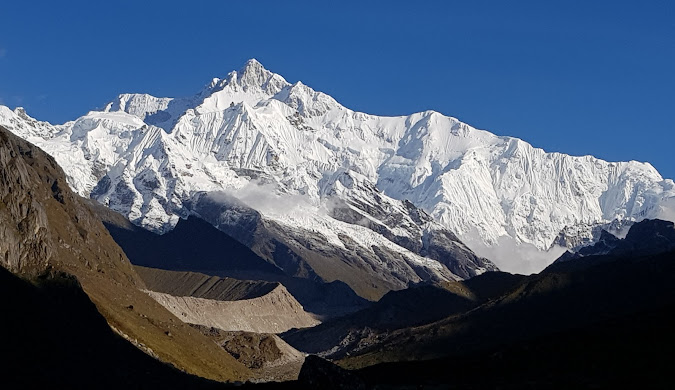
Every year at Astamb Holidays, I handle hundreds of tour requests. And lately, one region keeps coming up again and again: Northeast India. People are tired of crowded hill stations. They want something raw, real, and worth the journey. After personally scouting routes through Assam, Meghalaya, Arunachal Pradesh, Nagaland, and Sikkim, I can tell you this — northeast india tourism is not just a trend. It is a quiet revolution in how Indians travel. This guide is everything I would tell a close friend planning their first Northeast trip in 2026. What is Northeast India Tourism and Why It Is Trending in 2026? Northeast India tourism refers to travel across the eight states collectively known as the Seven Sisters (Assam, Meghalaya, Arunachal Pradesh, Nagaland, Mizoram, Manipur, Tripura) plus Sikkim. In 2026, this region is seeing one of its sharpest rises in search interest and footfall. The short answer: Indian travelers are shifting away from mass-tourism. They want slower trips with real cultural depth. Northeast India delivers exactly that — no commercial malls, no tourist traps, and landscapes that still look like a geography textbook illustration. New rail connections, better roads, and a growing network of local homestays are making the region more accessible than at any point before. The biggest pull is simple: you get more for less. Why Northeast India Tourism is Perfect for Indian Travelers If you are an Indian traveler, this region has four big advantages that other destinations simply cannot match: The Seven Sisters together hold over 50% of India’s bird species, nearly 40% of its flowering plants, and are home to flagship wildlife including the one-horned rhinoceros and the Hoolock gibbon — Asia’s only ape. For a wildlife or nature lover, this region is irreplaceable. Northeast India Tourism – Best Places to Visit in 2026 Assam – Rhinos, Rivers & Tea Gardens Assam is the natural entry point into Northeast India. Most flights land at Guwahati, which sits on the banks of the mighty Brahmaputra River. A ferry ride on the Brahmaputra at sunset is one of those moments you do not quickly forget. Kaziranga National Park is the centerpiece of any Assam trip. It is a UNESCO World Heritage Site and home to the world’s largest population of Indian one-horned rhinoceroses. Book your jungle safari early — morning slots fill up fast. Expect to pay ₹350 to ₹600 per person for the entry and elephant safari. Majuli Island is equally worth your time. It is one of the world’s largest river islands, sitting right in the middle of the Brahmaputra. The Vaishnavite monasteries (called satras) here are unique to Assam’s culture. The ferry ride to Majuli takes about 1 to 1.5 hours from Jorhat. Plan at least 2 nights here to see mask-making, traditional dance, and village life. Best for: Wildlife, river culture, tea tourism Meghalaya – Clouds, Caves & Living Bridges Meghalaya translates to “abode of clouds,” and it earns that name. Shillong, the state capital, is one of Northeast India’s most comfortable base cities. You get cafes, live music, and friendly locals — all without the chaos of a typical tourist town. Cherrapunji (now officially called Sohra) is one of the wettest places on earth and is about 54 km from Shillong. The Nohkalikai Falls here drop a stunning 340 meters — one of India’s tallest. The Mawsmai Caves are a short drive away and great for families. The Double Decker Living Root Bridge in Nongriat village is a bucket-list item. These bridges are grown — not built — from the aerial roots of Ficus Elastica trees by the local Khasi community over hundreds of years. The trek is about 3,000 steps each way, and takes roughly 3 hours round trip. Go early. Carry water. Dawki and the Umngot River offer some of the clearest water you will ever see in India. Boats appear to float in thin air. And Mawlynnong, just 90 km from Shillong, has been recognized as Asia’s cleanest village — a title it takes seriously. Best for: Nature, trekking, culture, photography Arunachal Pradesh – The Land of the Dawn-lit Mountains Arunachal Pradesh is where Northeast India goes from beautiful to breathtaking. The state shares borders with China, Bhutan, and Myanmar, and that geography shows in its monasteries, tribes, and mountain scenery. Tawang is the crown jewel. At 3,048 meters above sea level, the Tawang Monastery is the largest monastery in India and one of the largest in the world. The drive from Bomdila to Tawang is one of the most dramatic road journeys in the country — passing through the Sela Pass at nearly 4,200 meters. Ziro Valley, home to the Apatani tribe, is a UNESCO-nominated landscape of terraced rice fields and pine forests. The Ziro Music Festival held every September draws indie music lovers from across the country. ⚠️ Note: You need an Inner Line Permit (ILP) to enter Arunachal Pradesh. Apply online at arunachalilp.com at least 5–7 days in advance. Best for: Adventure, culture, Himalayan landscapes Sikkim – Gateway to the Himalayas Sikkim is the most organized of all Northeast states for tourism. Gangtok, the capital, has good food options, clean hotels, and a well-marked tourist trail. Rumtek Monastery and the Nathu La Pass (shared Indo-China border) are major draws. For trekkers, the Goecha La Trek near Yuksom offers close views of Kangchenjunga, the world’s third-highest peak. No ILP is needed to enter Sikkim as an Indian citizen, but some inner zones like Nathu La and Gurudongmar Lake require additional permits (easily arranged through your hotel or local agent). Best for: Trekking, monasteries, mountain views Northeast India Tourism – Hidden Gems You Must Visit These are the spots I personally recommend when clients ask me for something beyond the usual: What is the Best Time to Visit Northeast India? The ideal time for most travelers is October to April. Skies are clear, roads are passable, and wildlife is visible. Avoid the peak monsoon months of June to August for most states (though Meghalaya lovers actually

Northeast India Tourism Guide 2026: Best Places, Itinerary, Cost & Hidden Gems Read More »
majuli, assam

Discover Majuli Island: Heritage, Nature, & Hidden Gems of the World’s Largest River Island

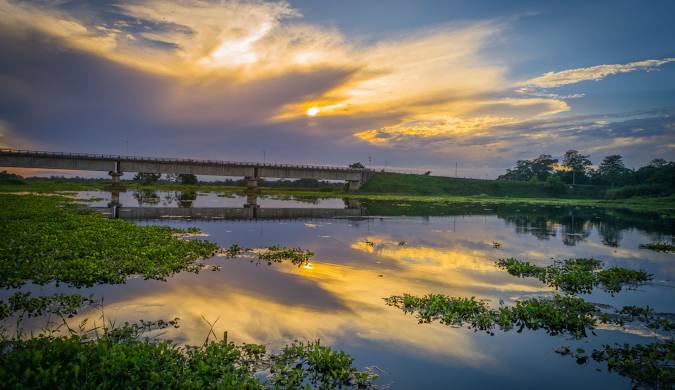
Your Journey to India’s Island Treasure Begins Ever wondered if an entire world can exist on an island in the middle of a river? In Assam, it does. Welcome to Majuli, where time moves differently, and every sunrise brings stories that have been told for centuries. So, what truly makes Majuli famous? It’s not just its size as the world’s largest river island. It’s a living, breathing cultural treasure, a haven for nature lovers, and a testament to a way of life that exists in harmony with the mighty Brahmaputra. Here, monks still chant ancient prayers while artisans create masks that bring mythology to life. Villages rise on stilts, birds migrate across continents to call this place home, and every meal tells the story of the river’s bounty. This guide will give you everything you need to plan an unforgettable trip to this remarkable island. From understanding why the Satras matter to finding the perfect homestay, from watching traditional dance performances to cycling through villages that feel untouched by time – we’ve got you covered. Quick Information at a Glance Category Details Location Brahmaputra River, Jorhat District, Assam, India Island Size 880 sq km (world’s largest river island) Best Time to Visit November to March (winter season) Nearest Airport Jorhat Airport (JRH) – 45 minutes to ferry Ferry Route Nimati Ghat to Kamalabari Ghat Ferry Cost ₹10-15 per person, ₹100 for two-wheelers Ferry Duration 30-45 minutes depending on boat type Main Attractions 4 major Satras, Mishing villages, bird watching Accommodation Homestays (₹800-1500), eco-resorts (₹2000-4000) Local Transport Scooter rental (₹350-500/day), bicycle (₹100-150/day) Languages Spoken Assamese, Hindi, Mishing, basic English Currency Indian Rupee (cash only – limited ATMs) Mobile Network Patchy coverage, consider digital detox Must-Try Food Tupula bhat, river fish curry, apong (rice beer) Cultural Highlights Satriya dance, mask making, traditional weaving Avoid Visiting July to October (monsoon – ferry disruptions) The Living Culture: Why Majuli is the Heartbeat of Assam The Satras: More Than Just Monasteries Step into any Satra in Majuli, and you’ll immediately understand why this island is considered the cultural capital of Assam. These aren’t just religious institutions – they’re living museums where neo-Vaishnavite culture thrives in its purest form. At Kamalabari Satra, the morning begins with the haunting melody of borgeet floating across the courtyard. The monks, called bhakats, move gracefully in their white cotton garments, their prayers creating a rhythm that has remained unchanged for over 500 years. The architecture itself tells a story – notice how the main prayer hall stands on massive wooden pillars, each carved with intricate designs that represent different aspects of Lord Krishna’s life. But it’s at Dakhinpat Satra where culture truly comes alive. During the Raas Leela festival, which usually falls in November, the entire community gathers to watch performances that transform the courtyard into Vrindavan itself. Young monks become dancers, their faces painted in traditional designs, their movements telling stories of divine love through Satriya dance – one of India’s eight classical dance forms that was born right here in Majuli. Samaguri Satra offers a different kind of magic. Here, in small workshops that smell of paint and bamboo, master craftsmen create the elaborate masks used in traditional performances. Watch Hem Chandra Goswami work on a demon mask – each stroke of his brush adds character to what will become Ravana or Mahishasur on stage. These aren’t souvenirs; they’re sacred art pieces that take weeks to complete. Meet the People: The Mishing Tribe and Local Artisans The real soul of Majuli lies in its people, particularly the Mishing community who have called this island home for generations. Their traditional homes, called chang ghars, rise on bamboo stilts like wooden ships floating above the ground. This isn’t just architectural charm – it’s survival wisdom passed down through centuries of living with the Brahmaputra’s unpredictable floods. Bolin Pegu, a Mishing weaver from Jengraimukh village, invited me into her home where three generations of women work on a single handloom. The silk thread catches the afternoon light as her daughter creates a mekhela chador in deep red and gold – colors that represent prosperity and joy in Assamese culture. What makes Mishing textiles special isn’t just their beauty; it’s the stories woven into each pattern. The wave design represents the Brahmaputra, while the flower motifs symbolize the island’s fertility. The pottery village of Salmora showcases another side of Majuli’s artisan culture. Here, entire families work together creating everything from traditional gamochas (hand towels) to decorative items. The clay comes from the riverbank, shaped by hands that learned the craft from their grandparents, then fired in kilns that have been in the same spot for decades. The Wild Side: Majuli’s Natural Wonders A Birder’s Paradise Majuli transforms into a birdwatcher’s paradise between November and March when thousands of migratory birds arrive from as far as Siberia and Central Asia. The island’s numerous beels (wetlands) become temporary homes for species you won’t easily spot elsewhere in India. Early morning at Molai Beel offers the best birding experience. As mist rises from the water, you’ll spot the majestic Greater Adjutant Stork – locally called hargila – wading through shallow waters. These prehistoric-looking birds, standing nearly five feet tall, are endangered globally, but Majuli provides them crucial breeding grounds. Pelicans arrive in large flocks, their synchronized fishing creating ripples across the calm water. But it’s the smaller birds that create the real spectacle. Various species of egrets, herons, and kingfishers create a symphony of colors against the backdrop of water hyacinth and lotus blooms. The Northern Pintail ducks paddle in perfect formations, while cormorants dive and surface with silver fish in their beaks. The best birding spots are along the southern shore near Tengapania and around the smaller wetlands scattered across the island. Local guides, many of them fishermen who know every bird by its call, can take you to spots where you might glimpse the rare Black-necked Stork or the elegant Sarus Crane. The Brahmaputra’s Influence The Brahmaputra isn’t just Majuli’s boundary –

Discover Majuli Island: Heritage, Nature, & Hidden Gems of the World’s Largest River Island Read More »