
Why is Jeju Island So Famous? A Complete Guide for Travelers
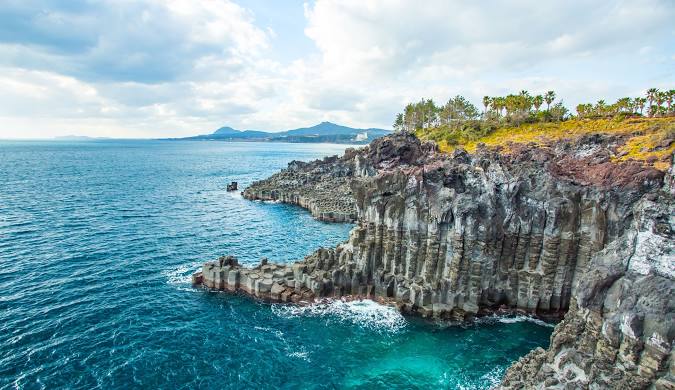
Table of Contents Quick Glace: Why is Jeju Island So Famous? Section Key Highlights Relevance for Travelers (India Focus) Unveiling Jeju’s Enchantment UNESCO World Natural Heritage, volcanic peaks, female divers (Haenyeo), myths & legends, blend of modern + traditional culture Sets Jeju apart as both cultural & natural destination Cultural Tapestry Creation myths (Samseonghyeol), Haenyeo divers (UNESCO heritage), Dol Hareubang statues, distinct dialect, shamanistic rituals Unique cultural immersion, strong attraction for culture-seekers & BTS fans Pop Culture (BTS Connection) BTS visits, filmed content, social media influence, Army pilgrimage site Big draw for younger travelers from India (K-pop fans) Nature’s Masterpiece Hallasan volcano (highest peak), lava tubes (Manjanggul), 368 oreums, beaches (Hyeopjae, Jungmun, Jusangjeolli cliffs), waterfalls (Cheonjiyeon, Jeongbang), winter snow on Hallasan Wide variety of landscapes and activities (trekking, photography, beaches) Food & Flavors Jeju Black Pork, abalone & sea urchin (Haenyeo harvest), Hallabong tangerines, omegi-tteok, communal dining traditions Strong appeal to Indian palates due to bold flavors & shared meals Jeju vs. Hawaii Jeju = raw, mystical, culturally immersive; Hawaii = tropical, commercial Jeju offers more authenticity + value for Indian travelers Unveiling Jeju’s Enchantment Picture this: you’re standing on an island where ancient myths dance with modern marvels, where volcanic peaks touch the clouds, and where the ocean whispers stories of legendary female divers. Welcome to Jeju Island, South Korea’s crown jewel, often called the “Island of the Gods.” But what exactly is Jeju Island famous for, and why should it be your next travel destination? This enchanting island, floating like a emerald gem in the Korea Strait, has captured hearts worldwide with its extraordinary blend of natural wonders and rich cultural heritage. Recognized by UNESCO as a World Natural Heritage site, Jeju Island stands as a testament to nature’s artistic prowess and human resilience. From its towering volcanic landscapes to its vibrant folklore, from its connection to global pop culture icons like BTS to its unique culinary treasures, Jeju offers an experience that’s both deeply authentic and refreshingly modern. What makes Jeju truly special isn’t just one thing—it’s the magical combination of volcanic landscapes sculpted over millennia, a matriarchal society unlike anywhere else in East Asia, pristine beaches that rival tropical paradises, and a culture so distinct it feels like stepping into another world entirely. Jeju’s Unique Cultural Tapestry Myths & Folklore: Where Legends Come Alive The myth of Jeju Island begins with three demigods who emerged from holes in the ground at a place called Samseonghyeol. These legendary figures—Go, Yang, and Bu—are said to be the founding fathers of Jeju, each marrying princesses who arrived by boat with seeds, livestock, and the knowledge of agriculture. This creation myth isn’t just ancient folklore; it reflects the island’s unique identity as a place where the mystical and practical intertwine. What struck me most about Jeju’s mythology is how it celebrates the power of women, embodied perfectly in the legendary Haenyeo—the “women of the sea.” These remarkable female divers, some well into their 80s, dive up to 20 meters deep without breathing apparatus to harvest seafood. Their tradition spans over 1,500 years, representing one of the world’s last remaining matriarchal societies. Watching a Haenyeo emerge from the depths with her catch is witnessing living history—a practice so extraordinary that UNESCO recognized it as an Intangible Cultural Heritage. The island is also famous for its Dol Hareubang, the iconic stone grandfathers that guard Jeju. These volcanic rock statues, with their distinctive expressions ranging from stern to whimsical, are believed to offer protection and fertility. You’ll find over 400 of these charming guardians scattered across the island, each with its own personality carved from Jeju’s native basalt. Traditions That Set Jeju Apart Jeju’s cultural uniqueness extends beyond its myths. The island has its own distinct dialect, so different from standard Korean that it’s almost a separate language. This linguistic isolation has preserved customs and traditions that disappeared elsewhere in Korea centuries ago. The shamanistic roots of Jeju culture remain strong, with village shamans (called “mudang”) still performing rituals for good harvests, safe fishing, and community well-being. These ceremonies, filled with colorful costumes, rhythmic music, and spirited dancing, offer visitors a glimpse into Korea’s spiritual heritage. Pop Culture Resonance: The BTS Connection Why is Jeju Island famous for the BTS Army? The answer lies in the global superstars’ genuine love for this island paradise. BTS members have visited Jeju multiple times, sharing their experiences through social media and variety shows, effectively introducing millions of fans worldwide to the island’s beauty. The group’s connection to Jeju goes beyond casual visits. They’ve filmed music videos against the island’s stunning backdrops, mentioned Jeju’s natural beauty in interviews, and some members have even purchased property there. This authentic endorsement from one of the world’s biggest music acts has made Jeju a pilgrimage site for the BTS Army, contributing significantly to the island’s tourism boom among young international travelers. Nature’s Masterpiece: Jeju’s Breathtaking Attractions Volcanic Wonders: A Geological Marvel Jeju’s volcanic origin is the foundation of its breathtaking beauty. Hallasan, South Korea’s highest peak at 1,947 meters, dominates the island’s center like a sleeping giant. This shield volcano, dormant for over 1,000 years, offers hiking trails that lead through diverse ecosystems—from subtropical forests at the base to alpine vegetation near the summit. The crater lake at the top, called Baengnokdam, mirrors the sky like nature’s own portal to the heavens. The island’s volcanic legacy extends underground through an intricate network of lava tubes. Manjanggul Cave, stretching over 9 kilometers, ranks among the world’s finest lava tube systems. Walking through these ancient tunnels, formed by flowing lava over 200,000 years ago, feels like journeying to the center of the Earth. The cave’s cathedral-like chambers and 7.6-meter-tall lava column create an otherworldly atmosphere that’s both humbling and awe-inspiring. Scattered across Jeju are 368 parasitic cones called “oreums”—smaller volcanic hills that create the island’s distinctive undulating landscape. Each oreum tells a story of ancient eruptions, and climbing them offers panoramic views of the island’s patchwork of fields, forests, and coastlines.
Why is Jeju Island So Famous? A Complete Guide for Travelers Read More »