Things to Do in Almaty: The Ultimate Travel Guide to Kazakhstan’s Most Exciting City
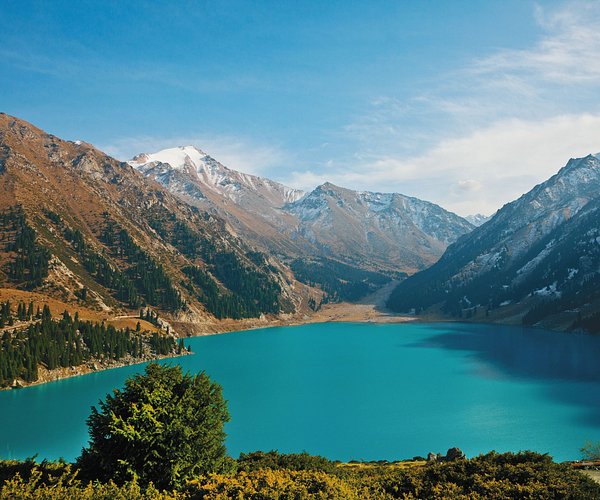
If you haven’t added Almaty to your travel list yet, you’re missing one of Central Asia’s most genuinely rewarding city experiences. The things to do in Almaty range from riding a cable car above a mountain lake to wandering Soviet-era parks and eating dumplings at a bazaar that’s been running since the 1800s. It’s a city that surprises you at every turn. I’m Wahid Ali, Operations Lead at Astamb Holidays in Mumbai, and over the past few years I’ve helped dozens of Indian travelers plan their first trip to Kazakhstan. The feedback is consistently the same: Almaty delivers far more than people expect for the money they spend. This guide pulls together everything I’ve learned from on-the-ground research and client feedback — from the best nature day trips to how much you’ll actually spend each day. 📍 Things to Do in Almaty: Quick List of the Top Experiences Top attractions at a glance Here are the best things to do in Almaty, covering nature, culture, and city highlights in one place: Best experiences by traveler type Traveler Type Top Picks Nature lovers Big Almaty Lake, Kolsai Lakes, Charyn Canyon, Kaindy Lake First-timers Kok Tobe, Medeu, Shymbulak, Panfilov Park Culture seekers Green Bazaar, Arbat Street, Central State Museum Budget travelers Panfilov Park, Green Bazaar, Medeu (off-peak) Adventure seekers Shymbulak skiing, Charyn Canyon trekking, Kolsai Lakes overnight Families Kok Tobe, Medeu, Almaty Zoo, Gorky Park 🏔️ Why Almaty Is Becoming One of Asia’s Most Underrated Travel Destinations The mountain-city advantage Very few cities in Asia let you go from a coffee shop to a ski resort in under an hour. Almaty sits at the foot of the Tian Shan mountain range, which means the landscape changes dramatically within a short drive. On a clear day, the snow-capped peaks are visible from the city centre itself. The city also has a functioning metro, a well-established café culture, and a surprisingly strong food scene. It manages to feel cosmopolitan without losing its Central Asian character. How Almaty compares with Tbilisi and Baku Almaty is frequently left out of conversations that include Tbilisi (Georgia) and Baku (Azerbaijan) as emerging city break destinations. That’s starting to change, and for good reason. Factor Almaty Tbilisi Baku Mountain access Excellent (ski resort 30 min away) Good (Kazbegi, 2.5 hrs) Limited Daily cost (INR) ₹2,500–4,500 ₹3,000–5,500 ₹3,500–6,000 Visa for Indians 14-day visa-free Visa on arrival Visa on arrival English spoken Moderate Moderate Limited International flights Direct from Delhi/Mumbai Via Istanbul/Dubai Via Dubai Nature day trips Outstanding Good Average Almaty wins on value and nature access. The 14-day visa-free entry for Indian passport holders is a huge practical advantage that Tbilisi and Baku can’t match right now. 🌲 Things to Do in Almaty for Nature Lovers Nature is where Almaty genuinely stands apart. Within a half-day’s drive, you can reach lakes, canyons, and mountain forests that feel completely wild. Here’s how to plan each major nature destination properly. Big Almaty Lake Big Almaty Lake (Bolshoye Almatinskoye Ozero) sits at 2,510 metres elevation and is about 15 km south of the city centre. The water shifts between deep blue and jade green depending on the season and light conditions. Access rules matter here. The road to the lake passes through a restricted zone managed by the Institute of Ionosphere. Private vehicles require a permit, and the rules have tightened in recent years. The cleanest option is to book a shared or private tour through a local agency — they handle the permit paperwork and know the access checkpoints. If you’re going independently, take a taxi to the lower viewpoint at Kosmostantsiya and walk the last 4 km uphill. It’s a manageable hike on a clear day and entirely worth the effort. Best visiting time: Early morning between 7 AM and 9 AM to avoid crowds and get the clearest views. Kolsai Lakes Kolsai Lakes is a three-lake system located about 280 km southeast of Almaty, near the Kyrgyzstan border. The first lake is accessible by a short walk; reaching the second lake takes around 3–4 hours of hiking through pine forest. The third lake sits just inside the border zone and requires a special permit. Most travelers do the first and second lakes comfortably as a day trip if they depart Almaty by 6 AM. An overnight stay in Saty village is recommended if you want to reach the third lake or do the full trail at a relaxed pace. Shared taxis and group tours from Almaty’s Sairan Bus Terminal run regularly in summer. Kaindy Lake Kaindy Lake is about 130 km from Kolsai and 380 km from Almaty. What makes it extraordinary is the submerged forest — spruce trees standing in the lake, their trunks preserved by the cold water, with bare branches poking above the surface. The lake was formed after a 1911 earthquake triggered a landslide that dammed a river. Getting there requires a 4×4 vehicle. The road from Saty village is rough and frequently flooded in spring. Do not attempt this in a standard car. Most tour operators in Almaty bundle Kaindy with a Kolsai Lakes day trip, which makes logistical and financial sense. Charyn Canyon Charyn Canyon is the most dramatic landscape accessible from Almaty — a 150-km-long gorge carved by the Charyn River, located about 200 km east of the city. The most-visited section is the Valley of Castles, where sandstone formations rise up to 150 metres from the canyon floor. The drive takes around 2.5 to 3 hours from Almaty. Most visitors do a 3-km loop trail along the canyon floor, which takes about 1.5 hours. It’s a moderate walk but can feel intense in summer heat — carry at least 1.5 litres of water per person. Nature Spots Comparison Table Destination Travel Time from Almaty Difficulty Optimal Visit Time Crowd Score (1–10) Big Almaty Lake 45 min Easy–Moderate 7 AM – 9 AM 7/10 Kolsai Lakes (Lake 1 & 2) 4–5 hrs Moderate 8 AM start 5/10 Kaindy Lake 5–6 hrs Moderate
Things to Do in Almaty: The Ultimate Travel Guide to Kazakhstan’s Most Exciting City Read More »