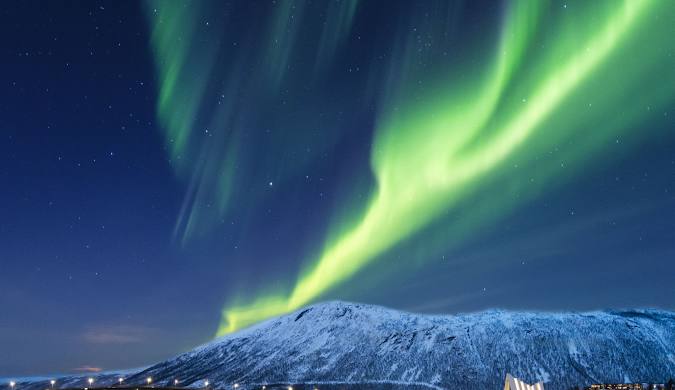
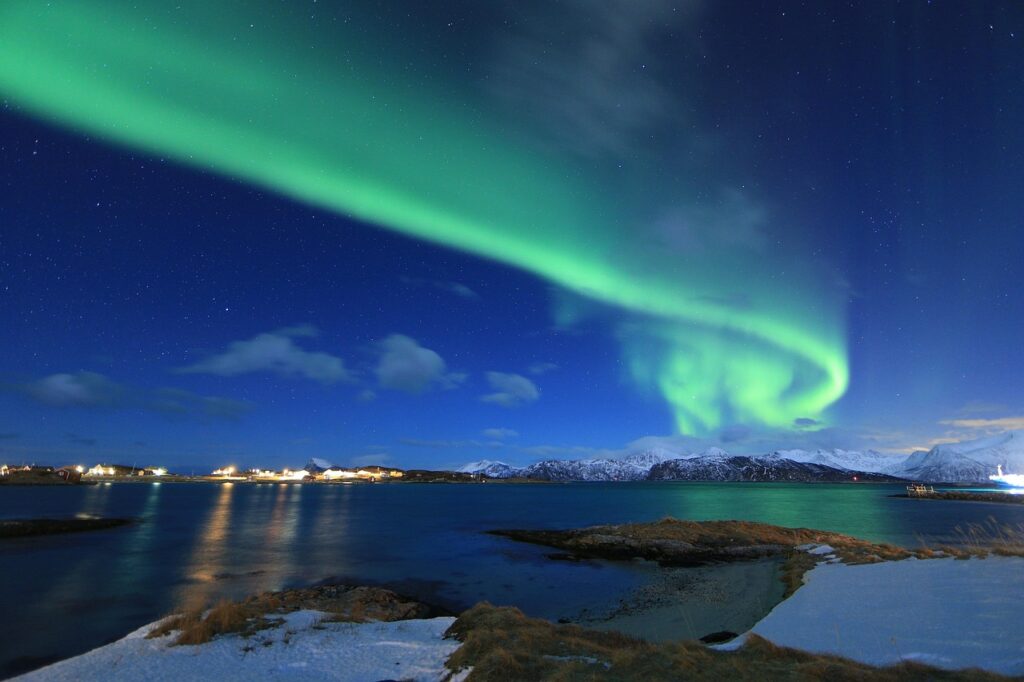
Picture this: you’re standing on a frozen fjord, the temperature hovering around minus 10°C, when suddenly the sky erupts in waves of emerald green. The Northern Lights dance overhead while snow-capped mountains frame the Arctic horizon. Welcome to Tromsø, where nature puts on the greatest show on Earth.
This guide covers everything you need to know about what to do in Tromsø, from chasing the aurora borealis to exploring pristine fjords, meeting reindeer herders, and experiencing the magic of the Midnight Sun. Whether you’re planning a winter escape or a summer adventure, Tromsø delivers experiences you’ll talk about for years.
Quick Reference: Tromsø at a Glance
| Category | Details |
| Best Time for Northern Lights | September to March (peak: December-February) |
| Best Time for Midnight Sun | Late May to Late July |
| Currency | Norwegian Krone (NOK) |
| Average Daily Budget | ₹8,000-₹15,000 (budget to mid-range) |
| Getting There | Tromsø Airport (TOS), 5 km from city center |
| Population | ~77,000 (largest city in Arctic Norway) |
| Winter Temperature | -4°C to -10°C |
| Summer Temperature | 10°C to 15°C |
Tromsø at a Glance
Tromsø sits 350 kilometers north of the Arctic Circle on the island of Tromsøya, connected to the mainland by elegant bridges. This Arctic capital punches well above its weight, combining urban sophistication with raw wilderness access. The city’s location at 69°N latitude puts it squarely in the Northern Lights zone and gives it the fascinating phenomena of Polar Night (late November to mid-January, when the sun doesn’t rise) and Midnight Sun (late May to late July, when it never sets).
The Gulf Stream keeps Tromsø’s climate surprisingly mild for its latitude. Winter temperatures hover between -4°C and -10°C, while summers reach a comfortable 10-15°C. The city serves as the perfect base for Arctic adventures, with stunning landscapes accessible within minutes of downtown.
When to Visit Tromsø (Best Time by Activity)
Winter (December-February): Aurora Prime Time
Pros:
- Peak Northern Lights season with long, dark nights
- Full snow cover for winter sports
- Magical Polar Night atmosphere
- Dog sledding, snowmobiling, and ice fishing at their best
Cons:
- Coldest temperatures
- Shortest daylight hours (Polar Night in December-early January)
- Higher prices and more crowds
- Some activities weather-dependent
Budget Tip: Visit in late January or February for slightly better deals while maintaining excellent aurora chances.
Spring (March-April): Sweet Spot Season
Pros:
- Still excellent for Northern Lights (March)
- Longer daylight hours return
- Winter activities still available with milder temperatures
- Fewer tourists than peak winter
- More affordable accommodation
Cons:
- Slushy snow conditions possible
- Some summer activities not yet available
Summer (May-August): Land of the Midnight Sun
Pros:
- 24-hour daylight for endless exploration
- Hiking trails fully accessible
- Warmest weather (relatively!)
- Wildlife viewing peaks (whales, birds)
- Fjord cruises at their scenic best
Cons:
- No Northern Lights (too bright)
- Peak tourist season (June-July)
- Higher prices
- Mosquitoes can be bothersome
Best Choice: Late May or late August for fewer crowds and lower costs.
Autumn (September-November): Shoulder Season Magic
Pros:
- Northern Lights return in September
- Beautiful fall colors (September-early October)
- Fewer tourists
- More affordable rates
- Comfortable temperatures for outdoor activities
Cons:
- Unpredictable weather
- Some tours may have reduced schedules
- Shorter operating season
Top Things to Do in Tromsø
3.1 In and Around the City
Fjellheisen Cable Car
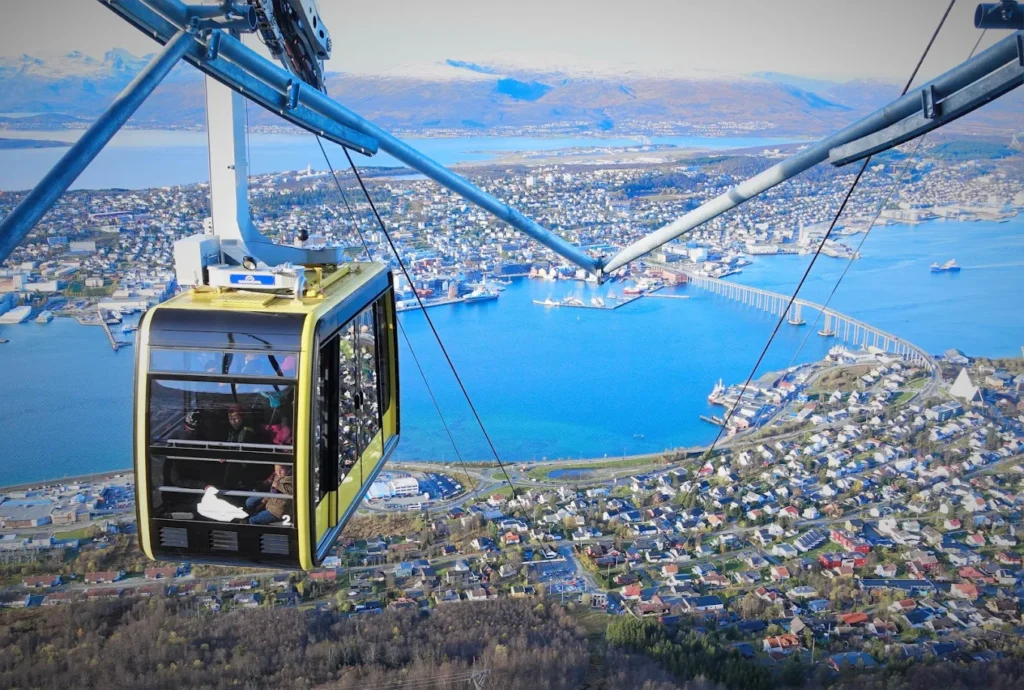
Take the 4-minute ride up Mount Storsteinen (421 meters) for jaw-dropping panoramas of Tromsø, surrounding islands, and distant mountains. The cable car operates year-round, and the view changes dramatically with the seasons. Sunset rides in winter are spectacular, and if you’re lucky, you might spot the aurora dancing from the viewing platform. There’s a restaurant at the top if you want to enjoy the view over a warm meal.
Pro tip: Visit during blue hour (just after sunset) when the city lights twinkle against the dusky Arctic sky.
Arctic Cathedral (Ishavskatedralen)
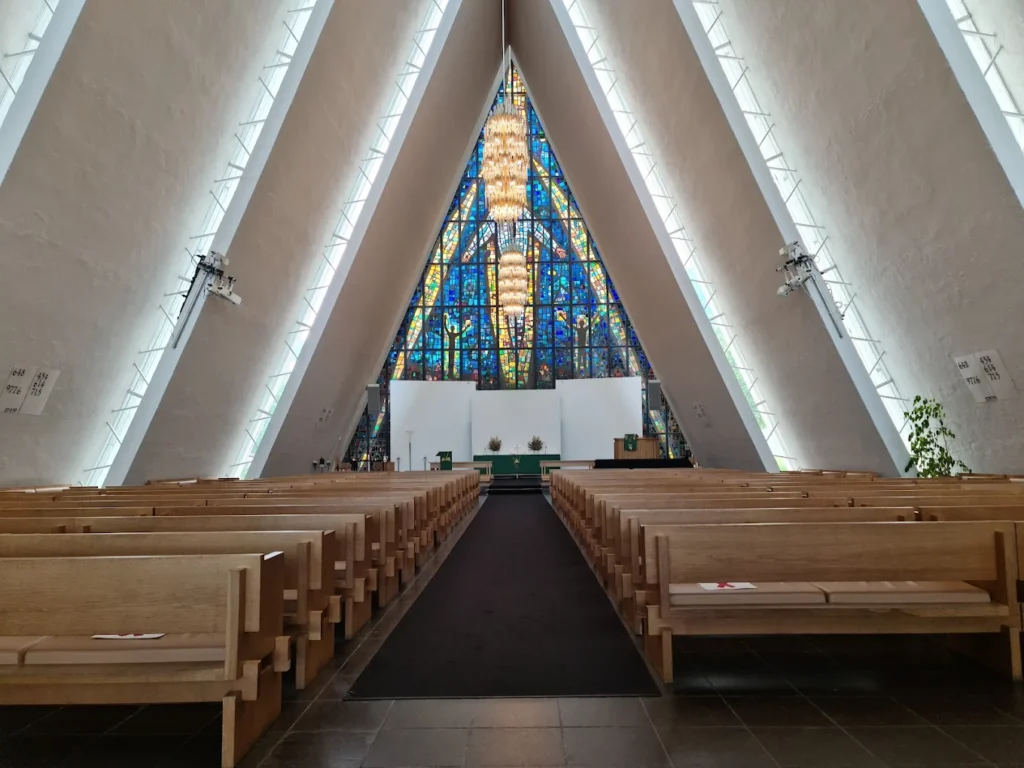
This striking modern church, with its distinctive triangular architecture, is Tromsø’s most photographed landmark. The interior features a stunning stained-glass window covering the entire east wall. The church hosts midnight sun concerts in summer and often serves as a dramatic backdrop for aurora photos in winter.
Polaria
This Arctic aquarium and experience center offers insight into Arctic marine life, including bearded seals that steal the show during feeding times. The panoramic cinema screens films about Svalbard and Arctic nature. It’s an excellent rainy-day option or a educational stop for families.
The Polar Museum
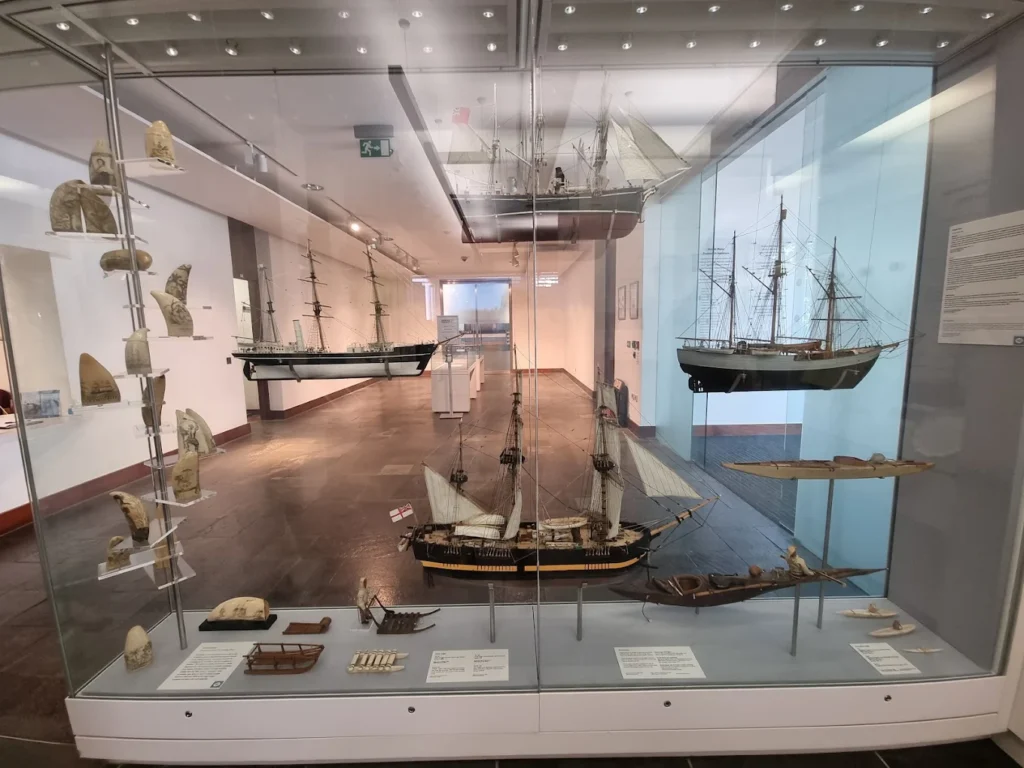
Housed in an old customs warehouse on the waterfront, this museum chronicles Arctic hunting, trapping, and polar expeditions. Learn about Roald Amundsen’s explorations and the history of Arctic Norway. The exhibits bring to life the harsh realities and incredible courage of polar pioneers.
Telegrafbukta Beach and Lake Prestvannet
Yes, there’s a beach in the Arctic! Telegrafbukta offers golden sand and surprisingly clear water (though swimming is for the brave). In summer, locals gather here for barbecues during the Midnight Sun. Lake Prestvannet, a 10-minute walk from the city center, is perfect for easy nature walks year-round and freezes over in winter for ice skating.
3.2 Northern Lights: How, Where & Tips
Seeing the aurora borealis is likely the biggest reason what to do in Tromsø appears in your search history. Here’s everything you need to maximize your chances.
Best Viewing Spots Around Tromsø:
- Grotfjord (70 km south): Dark skies, fjord reflections, minimal light pollution
- Signaldalen (90 km southeast): Mountain valley with excellent darkness
- Kvaløya Island: Multiple spots with coastal and mountain backdrops
- Breivikeidet (50 km south): Easy drive, lakeside locations
Understanding Aurora Forecasts:
Download the Norwegian Meteorological Institute’s aurora forecast app or check websites like Visit Tromsø for predictions. The KP index (0-9) indicates aurora strength—anything above KP 3 is promising. However, clear skies matter more than a high KP index. A KP 2 night with zero clouds beats a KP 5 night with overcast conditions.
Night Photography Settings:
- ISO: 1600-3200
- Aperture: f/2.8 or wider
- Shutter Speed: 5-15 seconds (faster for active aurora, slower for faint displays)
- Focus: Manual focus to infinity
- White Balance: 3200-4000K for natural colors
Essential Gear: Tripod, extra batteries (they drain fast in cold), headlamp with red light, wide-angle lens (14-24mm ideal).
Guided Tours vs. DIY Aurora Chase
Guided Tours:
- Pros: Experienced guides know where to go, handle driving, provide hot drinks, photography help
- Cons: Less flexible, fixed schedule, sharing the experience with groups (typically 15-30 people)
- Cost: ₹7,000-₹12,000 per person
DIY Chase:
- Pros: Complete flexibility, can stay out all night if needed, private experience
- Cons: Need rental car, must navigate winter roads, requires research and aurora knowledge
- Cost: Car rental around ₹4,000-₹6,000/day plus fuel
Backup Plan: If clouds roll in, consider visiting Polaria, enjoying Tromsø’s pub scene, or planning an indoor activity. The aurora is nature’s show—she performs when she wants.
3.3 Island & Fjord Escapes
Kvaløya: The Whale Island
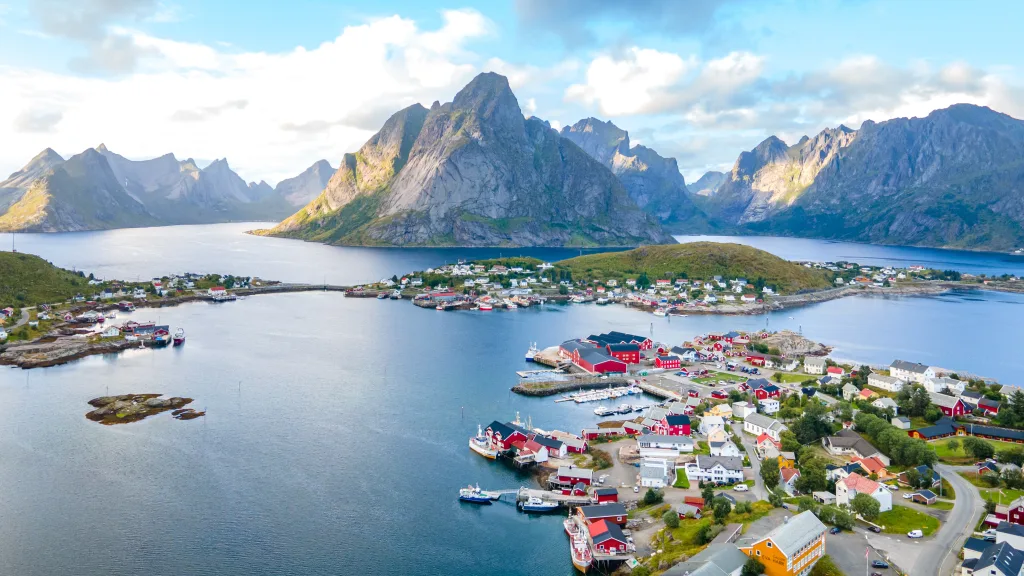
Just across the bridge from Tromsø, Kvaløya (pronounced “Kval-uh-ya”) is Norway’s fifth-largest island and a wonderland of dramatic scenery.
Sommarøy: This picture-perfect fishing village features white sand beaches (yes, really!), turquoise waters, and colorful houses. In summer, it’s ethereal under the Midnight Sun. The drive there is spectacular, winding along the coast with mountains rising from the sea.
Grotfjord: Besides being an aurora hotspot, this area offers incredible fjord views and hiking opportunities. The replacement viewpoint provides sweeping panoramas.
Tromvik: A hidden gem at Kvaløya’s northern tip with a gorgeous beach, abandoned military installations, and prime aurora viewing. The 40-minute drive from Tromsø is worth every second.
Fjord Cruises
Silent fjord cruises offer a different perspective on Tromsø’s landscape. Winter cruises focus on wildlife (sea eagles are common) and sometimes the Northern Lights, while summer cruises bask in endless daylight and showcase green mountainsides tumbling into deep blue water.
Expect to pay ₹4,000-₹8,000 for a 3-4 hour cruise. Many include snacks or meals. The contrast between summer and winter cruises is stark—summer shows nature in vibrant color, winter in stunning monochrome with occasional aurora appearances.
Hidden Lookout Points:
- Kattfjordeidet: Mountain pass with lake views
- Kaldfjord: Quiet fjord area with excellent reflections
- Tromvik: Remote beach at road’s end
3.4 Wildlife & Nature Experiences
Whale and Orca Watching (November-January)
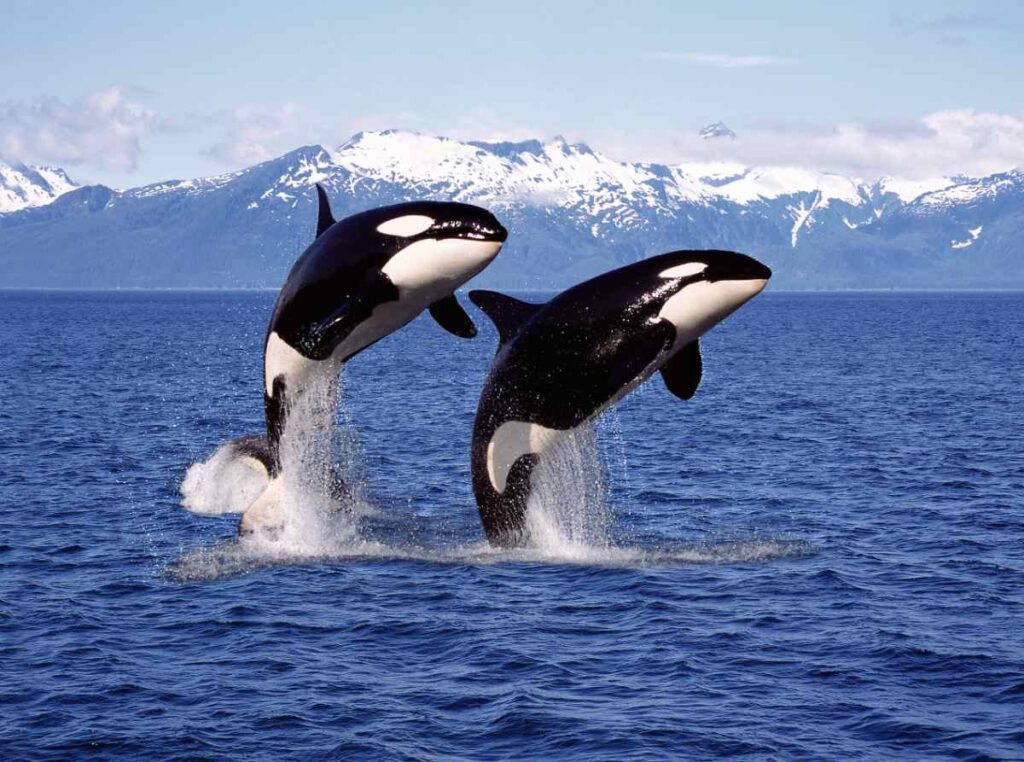
Between November and late January, massive herring migrations attract hundreds of orcas and humpback whales to Tromsø’s surrounding fjords. This is one of the world’s most reliable places to see orcas in the wild. Boat tours depart daily, lasting 6-8 hours, and sighting rates exceed 95% during peak season.
Watching a pod of orcas hunt cooperatively or a humpback whale breach is breathtaking. Tours cost around ₹12,000-₹18,000 but provide an experience you’ll never forget. Dress in serious layers—even in heated boats, Arctic seas are frigid.
Sami Reindeer Experience
The indigenous Sami people have herded reindeer in Arctic Norway for thousands of years. Several camps around Tromsø offer cultural experiences where you can feed reindeer, learn about Sami traditions, hear joik (traditional singing), and enjoy a meal in a lavvu (Sami tent).
These experiences provide meaningful cultural insight beyond just cute animal photos. You’ll learn about the challenges of maintaining traditional lifestyles in modern times, the spiritual connection between Sami and reindeer, and try your hand at lasso throwing. Tours typically cost ₹5,000-₹8,000 and last 3-4 hours.
Other Wildlife:
- Sea eagles: Europe’s largest bird of prey, often spotted on fjord cruises
- Arctic foxes: Rare but possible in remote areas
- Seals: Common in coastal areas
- Ptarmigan: Arctic grouse that turns white in winter
Hiking Options:
Summer:
- Fløya: Moderate 2-hour hike with stunning views
- Tromsdalstinden: Challenging full-day hike (1,238m)
- Balsfjord: Multiple trails of varying difficulty
Winter:
- Snowshoe excursions replace summer hiking
- Gentler terrain recommended
- Always go with a guide unless experienced
3.5 Adventure Tours & Winter Excursions
Dog Sledding
Mushing through snowy forests pulled by excited huskies is pure magic. Most tours let you drive your own sled (two people per sled, switching drivers). The dogs’ enthusiasm is infectious—they live to run. Tours range from 2-hour introductions to full-day adventures. Expect to pay ₹8,000-₹15,000 depending on duration.
Insider tip: Morning tours often have better snow conditions, and the dogs are more energetic before afternoon feeding time.
Snowmobiling
Zoom across frozen lakes, through mountain passes, and into the wilderness on guided snowmobile tours. No experience necessary—guides provide full instruction. Tours vary from short 2-hour trips to all-day expeditions to the Lyngen Alps.
Cost: ₹7,000-₹20,000 depending on duration and destination. You’ll need a valid driver’s license.
Snowshoeing
The quietest way to explore winter landscapes. Strap on snowshoes and trek through pristine snow-covered terrain, often combined with aurora hunting. It’s less intense than you’d think—if you can walk, you can snowshoe. Small group tours create an intimate wilderness experience.
Ice Fishing
Try your hand at this traditional Arctic activity. Drill a hole in thick ice, drop a line, and wait while enjoying hot drinks and the surrounding silence. You might catch Arctic char or cod. Tours typically include equipment, guidance, and sometimes cooking your catch over an open fire. Cost: ₹4,000-₹6,000.
Lyngen Alps & Signaldalen
For serious adventurers, day trips to the Lyngen Alps (90 minutes from Tromsø) offer world-class ski touring and mountaineering. Even if you’re not skiing, the drive through Signaldalen valley is spectacular, with sharp peaks rising dramatically from narrow valleys.
Visiting Tromsø Without a Car
Many travelers wonder if a car is necessary when exploring what to do in Tromsø. The answer: it’s convenient but not essential.
Public Transport Options:
Tromsø has an excellent bus network operated by Tromsø Transport. Buses connect the airport, city center, and suburbs regularly. The Tromsø Public Transport app makes journey planning easy. A single ticket costs around ₹30, while day passes cost ₹80.
Ferries connect to some islands, providing scenic mini-cruises as part of your commute.
Pros of Going Car-Free:
- No winter driving stress on icy roads
- No parking hassles
- Lower costs
- More sustainable travel
- Easy city center exploration on foot
Cons:
- Limited access to remote aurora spots
- Dependent on tour schedules
- Can’t explore at your own pace
- Miss some hidden gems
Sample Car-Free Itinerary (3 Days):
Day 1: Explore city center on foot—Arctic Cathedral, Polar Museum, waterfront. Evening Northern Lights tour.
Day 2: Morning Fjellheisen cable car, afternoon Polaria. Evening at leisure or pub crawl.
Day 3: Full-day fjord and wildlife cruise or whale watching tour (if season permits).
Recommended Tours for Remote Access:
Most tour operators offer hotel pickup, eliminating transport worries. Book aurora tours, dog sledding, fjord cruises, and island explorations through reputable companies. While slightly more expensive than DIY, guided tours provide excellent value when you factor in transportation, expertise, and convenience.
Sample Itineraries
3-Day Arctic Sampler
Day 1: Arrive, settle in, explore city center. Visit Arctic Cathedral. Evening Northern Lights tour.
Day 2: Morning dog sledding or reindeer experience. Afternoon Fjellheisen cable car. Free evening to explore restaurants.
Day 3: Fjord cruise or island drive (if you have a car). Afternoon at Polaria. Depart.
5-Day Classic Tromsø
Day 1: Arrive, city exploration, get oriented. Casual Northern Lights hunt if weather permits.
Day 2: Full-day whale watching tour (if November-January) or fjord cruise (other months).
Day 3: Dog sledding morning, afternoon snowmobiling or snowshoeing. Evening aurora chase.
Day 4: Drive to Kvaløya—visit Sommarøy and Grotfjord. Sunset photos. Return for dinner.
Day 5: Flexible day—catch missed activities, revisit favorite spots, or rest. Departure.
7+ Day Complete Arctic Experience
Add to the 5-day itinerary:
Day 6: Day trip to Lyngen Alps or Senja Island. Photography focused.
Day 7: Sami cultural experience. Ice fishing. Evening Northern Lights photography workshop.
Day 8+: Buffer days for weather, repeat favorite activities, deeper exploration of remote areas.
Themed Itineraries
Photography Focus:
- Emphasize golden hour and blue hour shoots
- Multiple aurora nights with different locations
- Sunrise/sunset at key viewpoints
- Dedicated landscape photography days
Family-Friendly:
- Replace extreme activities with gentler options
- More time at Polaria and museums
- Shorter, less intense tours
- Focus on cultural experiences like reindeer feeding
Budget Conscious:
- Book accommodation with kitchens
- Mix paid tours with free activities (hiking, city walks)
- Visit in shoulder season
- Choose group tours over private options
Photography & Travel Tips
Best Times for Photography:
Blue Hour (Winter): The brief twilight around midday (11 AM – 2 PM) provides magical soft light. The city lights come on while some natural light remains, creating ethereal scenes.
Golden Hour (Summer): Technically lasts all night during Midnight Sun! The low-angle light circles the horizon, providing warm tones for hours.
Night Photography: Essential for aurora. Scout locations during daylight, arrive early to set up before darkness.
Packing List for Arctic Conditions:
Clothing Layers:
- Thermal base layers (merino wool ideal)
- Fleece mid-layers
- Waterproof, insulated jacket
- Insulated, waterproof pants
- Warm hat covering ears
- Balaclava or buff
- Insulated gloves (bring backups!)
- Warm socks (wool blend)
- Waterproof boots with grip
Photography Gear:
- Camera with manual controls
- Wide-angle lens (14-24mm)
- Standard zoom (24-70mm)
- Sturdy tripod
- Extra batteries (keep warm in inner pockets)
- Memory cards
- Lens cloth
- Headlamp with red light option
General Items:
- Sunglasses (snow glare!)
- Sunscreen (reflection intensifies UV)
- Lip balm
- Hand warmers
- Reusable water bottle
- Snacks for tours
- Power bank
Weather Navigation Tips:
Arctic weather changes rapidly. Check forecasts multiple times daily using Yr.no, Norway’s meteorological service. Always have backup plans. If aurora hunting gets cancelled due to clouds, have a cozy restaurant reservation or museum visit ready.
Building Flexibility: Book refundable accommodations when possible, especially for Northern Lights focused trips. Don’t pack your itinerary too tightly—weather often dictates what’s feasible.
Off-the-Beaten-Path Photo Spots:
- Grønnfjorden: Quiet bay south of city
- Tromvik Military Ruins: Abandoned bunkers with sea views
- Kaldfjord: Reflective fjord less frequented than Grotfjord
- Forest trails around Prestvannet: Snowy woodland scenes
Practical Info & Local Tips
Accommodation Options:
City Center: Best for car-free travelers, walking distance to restaurants and attractions. Hotels range from ₹8,000-₹20,000/night.
Outskirts/Islands: Quieter, often better aurora viewing from your room. Guesthouses and cabins available ₹5,000-₹12,000/night. Requires car or tours for getting around.
Budget Options: Hostels from ₹2,500/night. Book early for winter season.
Cost Overview:
- Meals: Restaurant dinner ₹1,200-₹2,500. Supermarket groceries reasonable (₹800-₹1,200/day for two)
- Tours: ₹4,000-₹18,000 depending on activity
- Alcohol: Expensive (beer ₹600-₹800 in bars)
- Daily Budget: ₹8,000-₹15,000 (budget to mid-range), ₹20,000+ (comfortable)
Reputable Tour Companies:
Check reviews on TripAdvisor and book through Viator or GetYourGuide for added protection. Local companies often offer better prices when booked directly.
For Museum Check the website: https://www.visittromso.no/polar-museum
Safety & Clothing:
Arctic conditions demand respect. Frostbite can occur in minutes with exposed skin in extreme cold plus wind chill. Layer properly, stay dry, and listen to guides. Winter roads can be icy—drive cautiously if renting a car.
Getting Around:
From Airport: Bus 40 runs every 15-30 minutes to city center (₹100, 10 minutes). Taxis cost around ₹1,200-₹1,500.
Transport Apps: Download the Tromsø Public Transport app for bus schedules. Taxi apps like Uber don’t operate here—use local taxi companies.
Local Etiquette:
Norwegians value personal space and quietness. They’re friendly but not overly chatty with strangers. Don’t be offended by initial reserve—warm them up with politeness. Tipping isn’t expected but appreciated for exceptional service (round up or add 5-10%).
Language: English is widely spoken, especially in tourism. Basic Norwegian phrases are appreciated: “Takk” (thanks), “Hei” (hello), “Unnskyld” (excuse me).
Final Thoughts & Flexibility Hacks
The Arctic doesn’t always play by the rules. Weather shapes everything when considering what to do in Tromsø. That Northern Lights tour you booked for night one? It might get cancelled due to clouds. The whale watching cruise? Postponed for rough seas. This isn’t a reason to avoid Tromsø—it’s part of the authentic Arctic experience.
Embrace Flexibility:
Build buffer days into your itinerary. If you’re desperate to see the Northern Lights, plan at least 3-4 nights, giving yourself multiple chances. If one activity gets cancelled, pivot to something else—there’s always an alternative.
Book the most weather-dependent activities (aurora tours, whale watching) early in your trip. If they get postponed, you have remaining days to reschedule. Save indoor activities and city exploration for backup options.
The Magic is Worth the Uncertainty:
Standing beneath curtains of green and purple aurora, mushing through snow-covered forests behind excited huskies, watching orcas hunt in icy waters—these moments justify every bout of unpredictable weather. Tromsø delivers experiences that transcend typical travel. You’ll return home with stories that sound almost too incredible to be true.
The Arctic rewards those who arrive with open minds and flexible expectations. Yes, it’s expensive. Yes, it’s cold. Yes, the weather is fickle. But few places on Earth combine such dramatic natural phenomena with comfortable infrastructure and genuine local culture.
FAQs
How many days are enough for Tromsø?
For a basic Northern Lights focused trip, 3-4 days minimum. For a comprehensive experience including multiple activities and weather buffer days, 5-7 days is ideal. Serious photographers or those wanting deep exploration should consider 7-10 days.
Is Tromsø expensive to visit?
Yes, Norway ranks among the world’s most expensive destinations. Expect daily costs of ₹8,000-₹15,000 for budget to mid-range travel, more for comfort. However, experiences here are unique and generally worth the investment. Save money by self-catering some meals, booking shoulder season, and mixing paid tours with free activities.
Can you see the Northern Lights in Tromsø itself?
Occasionally, but the city’s light pollution reduces visibility and photographic impact. For the best experience, head 30-60 minutes outside town to darker areas. Guided tours handle this for you, or rent a car to chase aurora independently. On very strong aurora nights (KP 5+), you might see them from the city, but they’ll be more impressive in darker locations.
What is the best month to see the Northern Lights in Tromsø?
December through February offers the darkest skies and longest aurora viewing windows, making them statistically best. However, September, October, March, and early April also provide excellent chances with milder weather and longer daylight hours for sightseeing. Clear skies matter more than the month—check weather forecasts constantly and stay flexible.
Do I need to rent a car in Tromsø?
Not essential but highly beneficial. Without a car, you’ll rely on tours for accessing remote areas, which works fine and eliminates winter driving stress. With a car, you gain flexibility for independent aurora chasing, exploring islands at your pace, and reaching hidden spots. If visiting in winter, consider your comfort level with potentially icy roads. Many visitors do fine without a car by booking comprehensive tours.
What are you most excited to see in Tromsø? Planning your Arctic adventure soon? Let us know in the comments below! Share this guide with fellow travelers dreaming of Northern Lights and Arctic magic.

Read more articles;
- Indians Traveling Phu Quoc Advisory 2026: Visa Rules, Hidden Risks & Must-Know Travel Guidelines
- Northeast India Tourism Guide 2026: Best Places, Itinerary, Cost & Hidden Gems
- Thailand Hidden Islands Travel Guide 2026: Secret Islands, Budget Itinerary & Crowd-Free Beaches for Indians
- Sri Lanka Travel Guide 2026 for Indians: ₹50K Budget, 7-Day Itinerary, Visa & Hidden Gems
- Bali Travel Guide 2026: Best Places, Itinerary, Budget & Hidden Gems (Complete Planner)
Hey very nice blog!! Man .. Beautiful .. Amazing .. I will bookmark your site and take the feeds also…I am happy to find numerous useful information here in the post, we need work out more techniques in this regard, thanks for sharing. . . . . .
I view something really special in this site.