I’ll never forget the moment I stepped through the dense Tripura forest and saw it—a colossal stone face of Lord Shiva, nearly 30 feet tall, staring back at me through centuries of silence. The morning mist clung to the ancient rock, and I stood there, camera in hand, completely speechless. This wasn’t just another temple. This was Unakoti, and it felt like I’d stumbled upon a secret the mountains had been keeping for over a thousand years.
So, why is Unakoti famous? The answer lies in its breathtaking collection of ancient rock-cut sculptures—nearly ten million (or “one less than a crore,” as the legend says)—carved directly into the hillside. This mystical site in northeastern India has captivated pilgrims, archaeologists, and travelers alike with its massive Shiva carvings, intriguing legends of divine curses, and deep spiritual significance as a Shaivite pilgrimage destination. Recently gaining global attention through its inclusion in the UNESCO World Heritage Tentative List, Unakoti is finally getting the recognition it deserves.
In this guide, I’ll walk you through the seven mystical sculptures and legends that make Unakoti extraordinary, share practical tips for planning your visit, and show you how to experience this incredible heritage site responsibly. Whether you’re a history buff, a spiritual seeker, or simply someone who loves discovering India’s lesser-known treasures, Unakoti will leave you amazed.
| Detail | Information |
| Location | Unakoti District, Tripura, Near Kailashahar |
| Distance from Agartala | ~178 km (4-5 hours by road) |
| Famous For | Ancient rock-cut sculptures, Shaivite pilgrimage site |
| Main Attraction | 30-foot Shiva head (Unakotiswara Kal Bhairava) |
| Estimated Age | 7th-9th century CE |
| UNESCO Status | Included in Tentative List for World Heritage Site |
| Best Time to Visit | October to March |
| Entry Fee | Nominal (₹10-20 for Indians) |
| Time Required | 2-3 hours |
| Annual Festival | Ashokastami Mela (April) |
What is the Real Story and Location of Unakoti?
Let me paint you a picture. Unakoti sits nestled in the Unakoti district of Tripura, about 178 kilometers from the state capital, Agartala. The site is located near the town of Kailashahar, surrounded by lush, forested hills that seem to whisper ancient secrets with every breeze.
The name “Unakoti” literally translates to “one less than a crore” (9,999,999) in Bengali. In the local Kokborok language spoken by Tripura’s indigenous communities, it’s called “Subrai Khung,” which carries similar mystical connotations. When you first arrive, you’ll understand why this name feels so fitting—the sheer number of carvings scattered across the hillside is overwhelming.
As I walked the forest trails leading to the main sculptures, I was struck by the atmosphere. The sound of a nearby waterfall echoed through the trees, birds called from the canopy above, and everywhere you looked, ancient stone faces emerged from the rock. It genuinely feels like stepping back in time, to an era when devotion was expressed through monumental art and unwavering faith.
The site isn’t just about the sculptures themselves—it’s about the experience of discovery. Unlike crowded tourist destinations, Unakoti retains an air of mystery and tranquility. You’ll find yourself wondering: Who carved these massive figures? How did they accomplish such precision with ancient tools? And most importantly, what stories were they trying to tell?
What Are the Sculptures and Legends That Make Unakoti Famous?
This is where Unakoti truly comes alive. The site isn’t just famous—it’s legendary. Let me take you through the seven incredible elements that answer the question: why is Unakoti famous?
1. The Awe-Inspiring Ancient Rock-Cut Sculptures
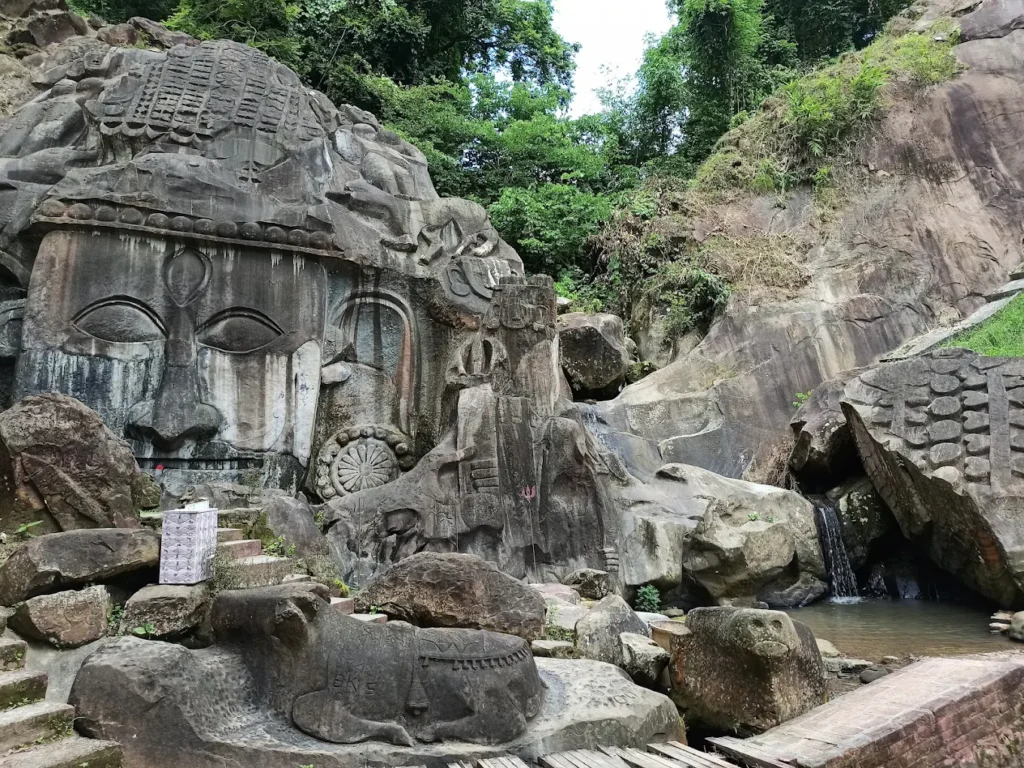
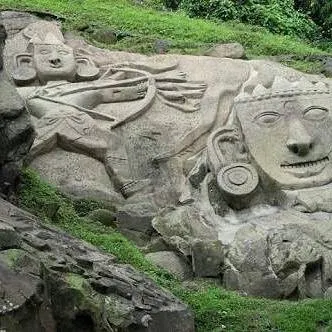
The centerpiece of Unakoti is undoubtedly the magnificent Unakotiswara Kal Bhairava—a colossal Shiva head that measures approximately 30 feet in height, complete with a 10-foot ornate headdress. When I first stood before it, I had to crane my neck to take in the full scale. The level of detail is extraordinary: the serene expression on Shiva’s face, the intricate jewelry carved into the stone, the flowing locks that seem to merge with the hillside itself.
But this isn’t the only masterpiece here. As you explore the site, you’ll encounter:
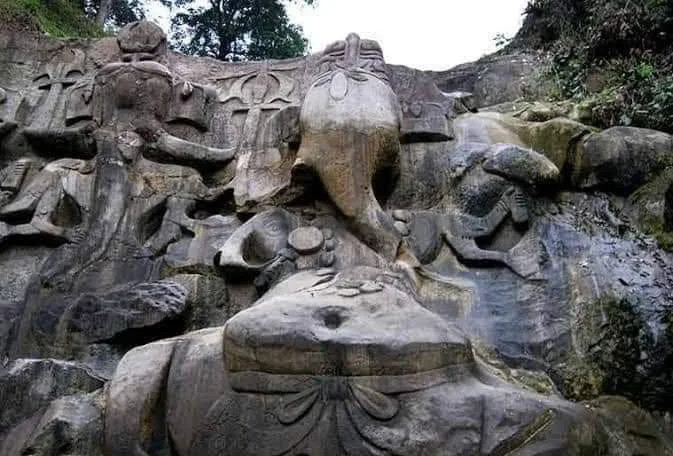
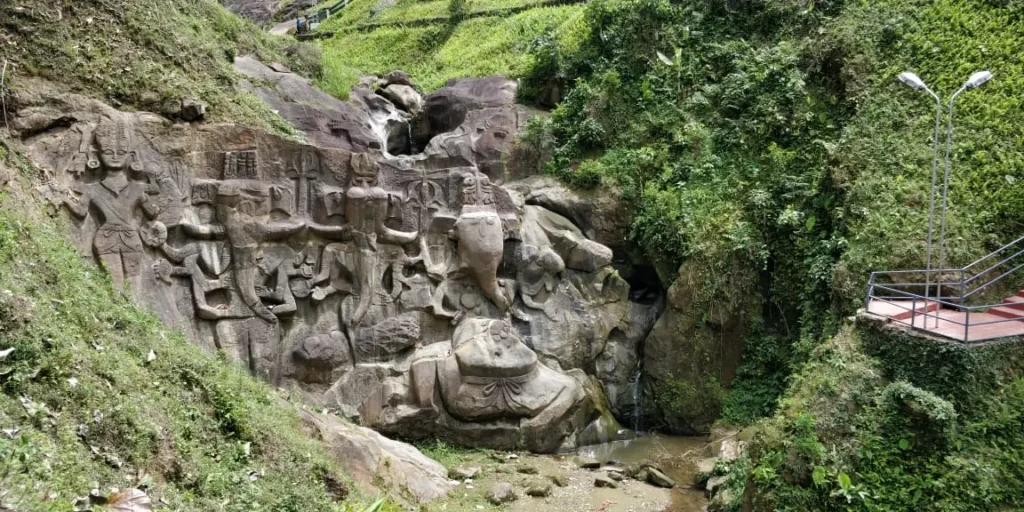
- Giant Ganesha figures carved with remarkable precision, their elephant features distinctly recognizable even after centuries of weathering
- A stunning relief of Goddess Durga seated majestically on her lion mount, radiating power and grace
- Three massive Nandi bulls that appear to be half-buried in the ground, as if emerging from or descending into the earth itself
The artistic technique used here is called bas-relief carving, where figures are sculpted to stand out from a flat background. Based on the style and regional historical records, archaeologists estimate these carvings date back to the 7th-9th centuries CE, though some experts suggest they could be even older.
What amazed me most was the precision. Remember, these artists didn’t have modern tools—yet they created sculptures that have survived monsoons, earthquakes, and centuries of vegetation growth.
2. The Captivating Legend of Shiva’s Curse
Every great heritage site has a story, but Unakoti’s legend is particularly enchanting. According to local mythology, Lord Shiva was traveling to Kashi (Varanasi) with one crore (ten million) gods and goddesses. They decided to rest for the night at this very spot in the Tripura hills.
Before sleeping, Shiva instructed everyone to wake up before dawn so they could continue their pilgrimage. However, when morning came, only Shiva awoke on time. Frustrated by the laziness and disrespect of his divine companions, Shiva cursed them all to turn into stone sculptures, frozen at the very spot where they had overslept.
The result? 99,99,999 stone carvings—one less than a crore. Only Shiva himself continued to Kashi, leaving behind this incredible testament to divine discipline.
There’s also an alternate folklore that locals love to share. It tells of Kallu Kumhar, a devoted potter and sculptor who worshipped Lord Shiva with complete dedication. He carved these magnificent sculptures as an offering to his beloved deity, pouring his heart and soul into every chisel mark.
Whether you believe in the divine curse or the devoted artist, these legends add layers of meaning to every sculpture you encounter. I found myself looking at each carving differently, wondering about the story behind it.
3. Its Deep Significance as a Pilgrimage Site (Tirtha)
While tourists like us come for the art and mystery, for millions of devotees, Unakoti is first and foremost a sacred Shaivite pilgrimage site—a place dedicated to the worship of Lord Shiva.
The spiritual energy here is palpable. When I visited, I saw pilgrims offering flowers and prayers before the giant Shiva head, their devotion transcending the centuries that separated them from the original sculptors.
The most significant time to witness this spiritual fervor is during the annual Ashokastami Mela, held every year in April (usually mid-April). During this three-day festival, thousands of pilgrims from across Tripura and neighboring states pour into Unakoti. The forest comes alive with chants, devotional songs, and the aroma of incense. Temporary stalls selling religious items and local food line the paths, and the entire hillside becomes a vibrant celebration of faith.
If you’re interested in experiencing Indian spirituality at its most authentic, visiting during Ashokastami Mela is unforgettable. Just be prepared for crowds and book your accommodation well in advance.
4. Its Growing Archaeological & Heritage Value
Here’s where Unakoti’s story takes a modern turn. For decades, this incredible site remained relatively unknown outside of Tripura. But in recent years, why Unakoti is famous has expanded beyond regional pride to national and international recognition.
In 2021, Unakoti was officially included in the UNESCO World Heritage Tentative List, marking the first major step toward potential World Heritage Site status. This recognition puts Unakoti on the same trajectory as India’s most celebrated monuments.
The Archaeological Survey of India (ASI) has taken an active role in preserving and studying the site. Their conservation efforts include:
- Documenting and cataloging all sculptures
- Implementing erosion control measures
- Creating protective barriers around the most vulnerable carvings
- Conducting research to better understand the site’s historical context
The growing archaeological interest isn’t just bureaucratic—it’s essential for Unakoti’s survival. Every monsoon season brings heavy rainfall that threatens the rock carvings. The ASI’s work ensures that future generations will be able to witness these masterpieces just as we do today.
5. The Mysterious Architectural Style That Baffles Experts
What makes these sculptures truly remarkable is the technical skill involved. The artists worked directly with the natural rock face, carving downward and inward to create three-dimensional figures that seem to emerge organically from the hillside.
Unlike free-standing sculptures that can be moved or repositioned, these carvings are permanent—one mistake would have been irreversible. Yet the precision is flawless. The proportions are accurate, the expressions are lifelike, and the decorative elements show sophisticated artistic understanding.
Historians continue to debate who created these masterpieces. Were they the work of the local Tripuri tribes? Traveling sculptors from other parts of India? A dedicated community of artisan-devotees? The mystery only adds to Unakoti’s allure.
6. The Hidden Smaller Carvings Throughout the Forest
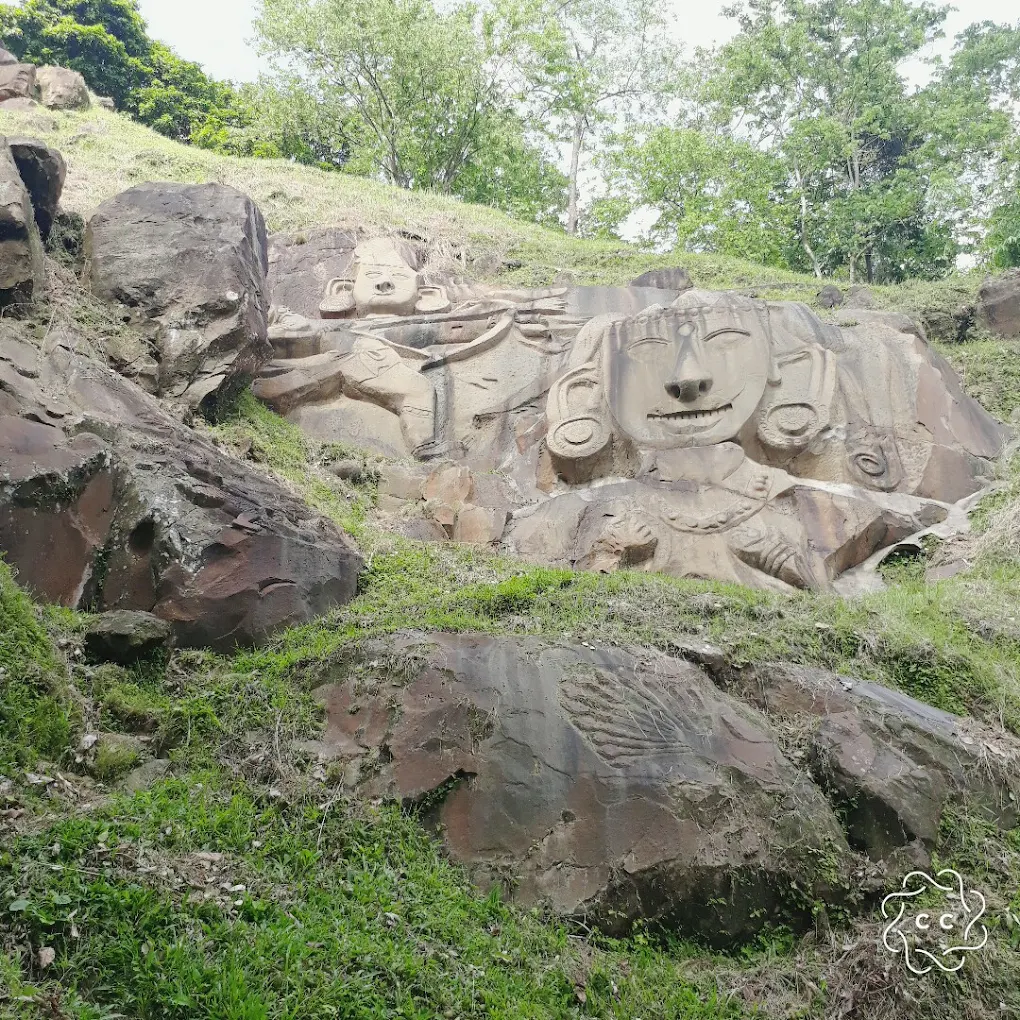
While the main sculptures grab all the attention, some of my favorite discoveries at Unakoti were the smaller carvings scattered throughout the surrounding forest. As I followed the lesser-known trails, I kept spotting faces emerging from rocks, small deities tucked into alcoves, and intricate patterns carved into boulders.
These hidden treasures suggest that Unakoti was once an even more extensive artistic complex. Many carvings remain partially covered by vegetation, waiting to be properly documented and studied. It’s thrilling to think that new discoveries might still be made here.
7. The Sacred Waterfalls and Natural Spring
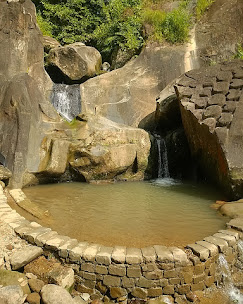
Unakoti isn’t just about stone and sculpture—water plays a crucial role in the site’s spiritual significance. A natural spring flows near the main carving area, and locals believe this water has purifying properties.
During the Ashokastami Mela, pilgrims ritually bathe in this water before offering prayers. The sound of flowing water adds to the meditative atmosphere, creating a multisensory experience that combines art, nature, and spirituality in perfect harmony.
How Can You Reach Unakoti and Plan Your Visit?
Now that you’re (hopefully) as excited about Unakoti as I am, let’s talk logistics. Getting there requires some planning, but I promise the journey is absolutely worth it.
Getting There: Nearest Airports and Railway Stations
By Air: The nearest airport is Maharaja Bir Bikram Airport in Agartala, Tripura’s capital. From there, Unakoti is approximately 178 kilometers away, which translates to about 4-5 hours by road. You can hire a taxi (expect to pay ₹3,500-4,500 for a round trip) or take a shared cab to reduce costs.
By Rail: The closest railway station is Dharmanagar Railway Station, which is about 12 kilometers from Unakoti. However, train connectivity to Dharmanagar can be limited. Most travelers prefer to fly into Agartala and travel by road.
By Road: The road journey from Agartala to Unakoti is scenic, passing through typical northeastern landscapes—tea gardens, bamboo groves, and small tribal villages. The roads are generally in decent condition, though some stretches can be bumpy, especially during monsoon season.
If you’re driving yourself, use the National Highway 8 (NH-8) route. The journey takes you through Kailashahar town, from where Unakoti is just a short drive away.
Pro tip: I recommend starting your journey early in the morning from Agartala. This gives you plenty of time to explore Unakoti without feeling rushed, and you can drive back before dark (road safety improves significantly during daylight hours in this region).
Best Time to Visit
Timing your visit to Unakoti can make or break your experience. Here’s my advice:
October to March (Highly Recommended): This is the absolute best time to visit. The weather is pleasant—cool and dry—making the forest walk comfortable. You’ll avoid the heavy monsoon rains that can make trails slippery and obscure some of the carvings behind vegetation.
April (For Festival Lovers): If you want to experience the Ashokastami Mela, plan your visit for mid-April. The spiritual atmosphere is incredible, but be prepared for large crowds and book accommodations at least a month in advance. The weather starts getting warm, so bring plenty of water and sun protection.
Monsoon Season – June to September (Not Recommended): While the forest looks lush and beautiful during monsoons, heavy rainfall can make visiting difficult. Trails become muddy and slippery, and there’s increased risk of leeches. Some carvings may be partially obscured by flowing water. If you must visit during this time, wear proper rain gear and sturdy, waterproof footwear.
On-Site Experience & Photography Tips
Once you arrive at Unakoti, here’s what to expect:
The Walking Route: The main sculptures are accessible via a well-maintained path that involves some uphill walking. It’s not particularly strenuous, but wear comfortable walking shoes. The entire circuit takes about 2-3 hours if you’re taking your time to appreciate the art and take photos.
Photography Tips (From a Fellow Photo Enthusiast):
- Golden Hour is Your Friend: Early morning (6:30-8:30 AM) and late afternoon (4:00-6:00 PM) provide the best natural lighting. The low angle of sunlight creates beautiful shadows that emphasize the depth and detail of the carvings.
- Capture the Scale: The Shiva head is MASSIVE. To show its true size, include a person in your frame for scale. I asked a fellow traveler to stand near the base, which made for a much more impactful photograph.
- Wide-Angle Lens is Essential: If you have a wide-angle lens (16-35mm range), bring it. The sculptures are large and often close to other rock formations, making it challenging to capture them entirely with a standard lens.
- Forest Photography Settings: The forest canopy creates dappled lighting. I found that slightly underexposing my shots (by -0.3 to -0.7 EV) helped preserve highlights and added drama to the images.
- Respect the Site: While photography is generally allowed, avoid using flash directly on the carvings, as it can be disruptive to other visitors and potentially harmful to the ancient rock art.
What to Bring:
- Comfortable walking shoes with good grip
- Water (at least 1-2 liters per person)
- Light snacks
- Camera with extra batteries
- Sunscreen and a hat
- Insect repellent (especially important in the forest environment)
- A small first-aid kit
What Is Being Done to Protect This Heritage Site?
Standing before these ancient sculptures, I couldn’t help but think about their vulnerability. These aren’t pieces in a climate-controlled museum—they’re exposed to the elements every single day.
The Natural Threats:
The biggest challenge facing Unakoti is environmental erosion. The region receives heavy monsoon rainfall, and water constantly flows over the rock surfaces. Over time, this causes:
- Surface weathering and loss of fine details
- Growth of moss, lichen, and vegetation that can damage the stone
- Structural weakening from water seepage into rock cracks
Conservation Efforts:
Thankfully, several organizations are working to protect Unakoti:
The Archaeological Survey of India (ASI) has designated Unakoti as a site of national importance and has undertaken several conservation projects, including:
- Installing drainage systems to divert water away from vulnerable carvings
- Gentle cleaning of biological growth using approved conservation techniques
- Structural stabilization of cracked or weakening rock faces
The Government of Tripura has also allocated significant funding for developing Unakoti as a tourist destination while ensuring conservation remains the priority. This includes:
- Building visitor facilities that don’t interfere with the archaeological zone
- Training local guides in heritage interpretation
- Creating awareness programs about the site’s cultural value
Your Role as a Responsible Visitor:
When you visit Unakoti, you become part of its story. Here’s how you can help preserve it:
- Never Touch the Carvings: Natural oils from skin can accelerate deterioration. Admire from a respectful distance.
- Follow Marked Paths: Straying from designated trails can cause soil erosion and damage to lesser-known carvings.
- Pack Out All Trash: Leave nothing behind except footprints. Even biodegradable waste like fruit peels should be carried out.
- Respect the Sacred Nature: Many locals consider this a holy site. Maintain appropriate behavior, dress modestly, and avoid loud conversations near areas where people are praying.
- Support Local Guides: Hiring local guides not only enriches your experience with authentic stories but also provides economic incentive for the community to protect the site.
Beyond the Main Sculptures: What Else Can You Do at Unakoti?
While the star attractions are undoubtedly worth the journey, I discovered that Unakoti offers much more than just the famous carvings.
Explore Forest Trails:
Beyond the main tourist circuit, several forest trails lead to lesser-known carvings and beautiful natural spots. I spent an extra hour exploring these paths and found several small rock sculptures that most visitors miss. The trails also offer opportunities for nature photography—the biodiversity here is remarkable.
Local Interaction and Folklore:
Some of the most memorable moments of my visit came from conversations with local guides and villagers. They shared oral histories passed down through generations—stories about Unakoti that you won’t find in any guidebook. These personal narratives add emotional depth to the visual experience.
One elderly guide told me about his grandfather’s grandfather, who claimed to have seen a much larger section of the site before vegetation reclaimed it. Whether factual or folkloric, these stories connect you to the living culture around Unakoti.
Connect with Nature:
Unakoti sits within a rich forest ecosystem. If you’re a nature lover, take time to appreciate:
- Bird Watching: The area is home to numerous bird species, including several endemic to Northeast India
- Forest Streams: Multiple small streams flow through the area, creating peaceful spots for quiet reflection
- Trekking Opportunities: For the more adventurous, there are longer trekking routes in the surrounding hills
Nearby Attractions:
If you’re making the journey to this remote corner of Tripura, consider extending your trip to include:
- Jampui Hills: Known as the “Land of Eternal Spring,” about 70 km from Unakoti, famous for orange cultivation and stunning views
- Chabimura: Another rock-carving site located on the banks of the Gomati River, accessible by boat
- Pilak: An archaeological site with ruins dating back to the 8th-9th centuries
Quick Answers for Your Unakoti Trip
Is there an entry fee for Unakoti?
Yes, but it’s very nominal. Indian visitors typically pay around ₹10-20, while foreign tourists may pay slightly more (around ₹100). This small fee contributes to site maintenance. There might be an additional nominal charge for cameras, usually around ₹20-50.
Are guides available at the site?
Yes, local guides are available at the entrance. I highly recommend hiring one—they’re reasonably priced (₹200-500 depending on group size and duration) and their knowledge significantly enhances the experience. They can point out carvings you might otherwise miss and share fascinating local legends.
Is photography and videography allowed?
Yes, photography is generally permitted for personal use. However, commercial photography or videography might require special permission. Always ask before using drones, as they may be restricted. Be respectful when photographing—avoid flash photography and don’t disrupt other visitors or worshippers.
How much time is needed to explore Unakoti properly?
Plan for at least 2-3 hours to see the main sculptures and walk the primary trails comfortably. If you want to explore the lesser-known carvings and forest paths, allocate 4-5 hours. Photography enthusiasts might want even more time, especially if shooting during different lighting conditions.
Is the site accessible for children and the elderly?
The main sculptures are accessible with moderate effort. There’s some uphill walking involved, and the paths can be uneven in places. Children who are comfortable with hiking should be fine. For elderly visitors or those with mobility challenges, the walk might be demanding. Unfortunately, there aren’t wheelchair-accessible routes currently. Take breaks, stay hydrated, and don’t rush.
A Final Word on Unakoti’s Magic
So, why is Unakoti famous? After spending time amidst these ancient sculptures, I can tell you it’s not just about the impressive statistics—the 30-foot Shiva head, the 99,99,999 carvings, or even the UNESCO recognition.
Unakoti is famous because it represents something extraordinary: the intersection of human devotion, artistic brilliance, and natural beauty. It’s a place where legends literally take shape in stone, where centuries-old spirituality remains vibrantly alive, and where India’s incredible cultural heritage reveals itself to those willing to venture off the beaten path.
These massive rock carvings stand as silent witnesses to our shared history—a reminder that our ancestors created beauty and meaning with nothing but simple tools and unwavering faith. In our fast-paced, digital world, places like Unakoti offer something precious: a connection to permanence, to mystery, and to the power of human creativity.
If you have the opportunity to visit Tripura, please make the journey to Unakoti. Walk the forest trails, stand before that magnificent Shiva head, listen to the local stories, and feel the weight of history around you. Just remember to tread lightly and visit respectfully—this treasure deserves to inspire countless generations yet to come.
Have you been to Unakoti? What was your experience like? Share your thoughts and photos in the comments below! And if you’re planning a visit, let me know if you have any questions—I’d love to help make your trip unforgettable.
Don’t forget to subscribe to Xplore Heaven for more journeys into India’s hidden wonders, practical travel guides, and stories that inspire wanderlust!
References and Further Reading
- UNESCO World Heritage Tentative List – Unakoti
- Archaeological Survey of India – Official Website
- Tripura Tourism – Official Portal
- Drishti IAS – Unakoti Heritage Site Analysis
- Tripura Times – Local News and Updates on Unakoti
- Nagaland Tribune – Northeast India Heritage Coverage
Last Updated: October 2025
Disclaimer: Travel information including fees, timings, and accessibility can change. Please verify current details with official sources before planning your visit.

Read More Articles;
- Koundinya Wildlife Sanctuary Travel Guide 2026: Timings, Safari, Map, Reviews & Wildlife Highlights
- Kaas Plateau Travel Guide 2026: Best Time to Visit, Bloom Season, How to Reach & FAQs
- What Is the Quirimbas Archipelago Mozambique Known For? Complete Travel & Nature Guide
- Is Angola Safe to Travel in 2025? Your Essential Guide to Health, Crime, and Landmine Safety
- What Animals Live in Bale Mountains Ethiopia? Complete Wildlife Guide
You made some first rate factors there. I appeared on the internet for the difficulty and located most people will go together with with your website.
Wonderful web site. A lot of useful information here. I?¦m sending it to some friends ans additionally sharing in delicious. And certainly, thanks on your sweat!
Well researched