If you’re tired of the same old Ladakh conversation, let me tell you — Tawang tourist places are doing something different. At 10,000 feet above sea level, in the far northwestern corner of Arunachal Pradesh, Tawang sits against the borders of Tibet and Bhutan and carries a quiet, almost electric energy that Ladakh doesn’t quite replicate.
I’ve planned dozens of Northeast India tours through Astamb Holidays, and Tawang is the one destination that surprises even the most well-traveled clients. The roads are rough, the altitude hits hard, and the monastery bells at dawn make everything worth it.
This guide gives you the full picture — from the top tourist spots and hidden valleys to exact budget numbers, ILP permits, and itinerary options built for real travelers.
🏔️ Why Tawang Tourist Places Are Trending Among Indian Travelers
For years, Ladakh was the “offbeat” mountain escape for urban Indians. Now, the crowd has arrived in Leh, and travelers from Mumbai, Delhi, and Pune are looking east.
Tawang offers what Ladakh offered a decade ago — raw Himalayan terrain, ancient Buddhist culture, and relatively few tourists. The Monpa people, who form the dominant community here, have kept their traditions largely intact. The town is the birthplace of Tsangyang Gyatso, the Sixth Dalai Lama, which gives it extraordinary spiritual weight.
What also makes Tawang different is the borderland psychology. You’re not just in a mountain town — you’re at the edge of India, 37 km from the China border at Bum La Pass. That proximity adds a layer of gravity to every site you visit.
The Arunachal Pradesh government has improved road access, and ILP permits are now available online — removing the biggest logistical friction for travelers. Expect this destination to get significantly busier over the next three to five years. Go before that happens.
📍 Best Tawang Tourist Places You Must Visit
Quick Answer Box — Top 10 Tawang Tourist Places:
- Tawang Monastery (Galden Namgyal Lhatse)
- Sela Pass
- Bum La Pass (Indo-China Border)
- Madhuri Lake (Sangetsar/Shonga-tser Lake)
- Nuranang Falls (Jung Falls)
- PT Tso Lake (Pankang Teng Tso)
- Tawang War Memorial
- Jaswant Garh War Memorial
- Urgelling Monastery
- Buddha Park
1. Tawang Monastery (Galden Namgyal Lhatse)
Altitude: ~10,000 feet | Entry Fee: No fixed fee (donation appreciated) | Best Time: Year-round
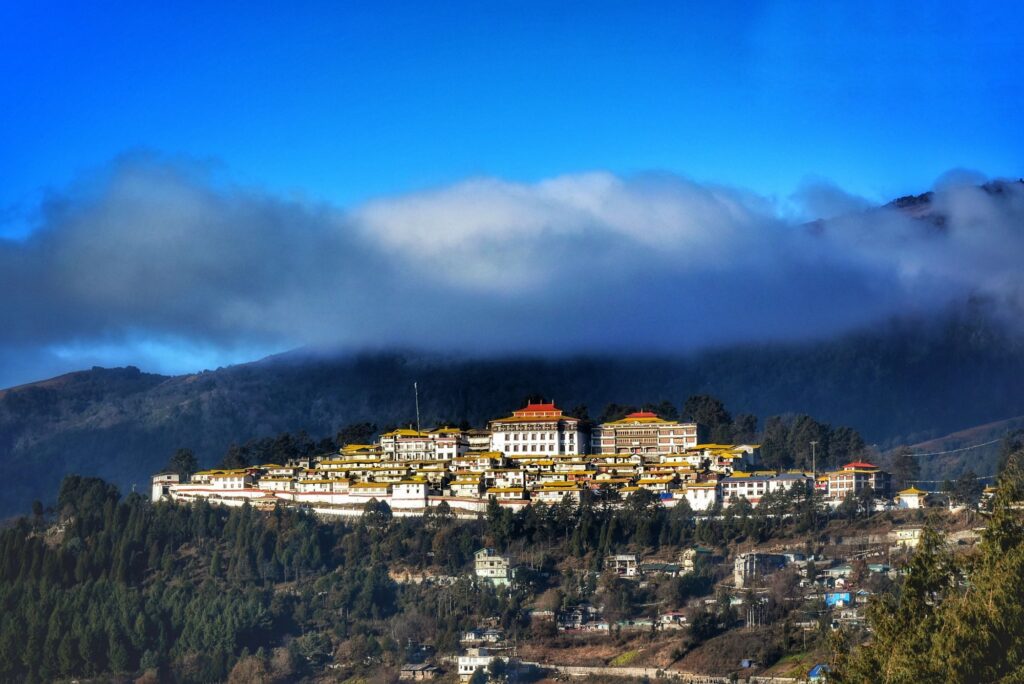
This is the largest monastery in India and the second largest in all of Asia — only the Potala Palace in Lhasa is bigger. Founded in the 17th century by Mera Lama Lodre Gyatso, it houses over 300 monks and contains a 28-foot golden statue of Lord Buddha.
The library alone is worth your visit — ancient manuscripts, including the Kangyur and Tangyur (gold-inscribed Buddhist scriptures), are preserved here. The panoramic views of Tawang-Chu Valley from the monastery courtyard are genuinely breathtaking.
💡 Local Insight Tip: Visit the monastery at 6:30 AM before tourist groups arrive. The morning prayer sessions with monks chanting in the assembly hall are profoundly moving — and you’ll have the courtyard nearly to yourself.
Photography Value: ⭐⭐⭐⭐⭐ — The gompa walls, prayer wheels, and valley backdrop are some of the most photogenic scenes in Northeast India.
2. Sela Pass
Altitude: 13,700 feet | Entry Fee: None | Best Time: March–June, September–November
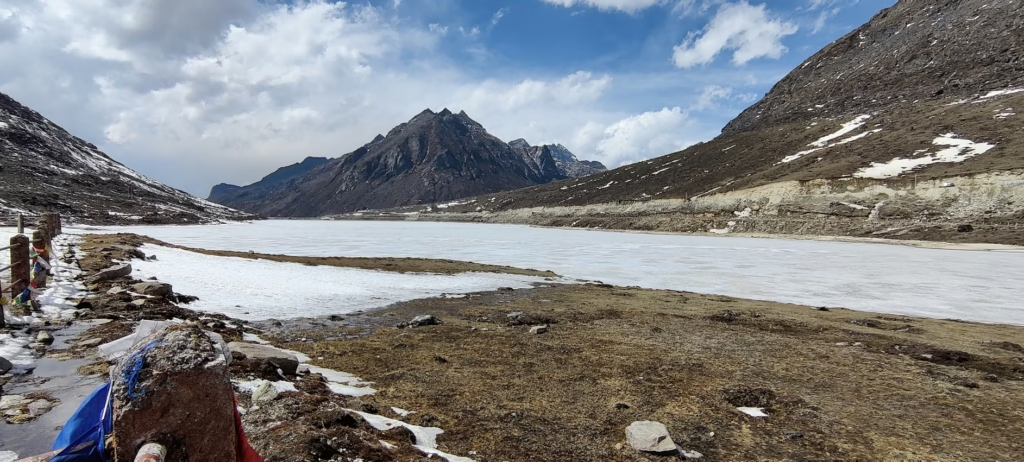
Sela Pass is the only motorable road connecting Tawang to the rest of India. Calling it “just a pass” would be unfair — this is a high-altitude world of frozen lakes, prayer flags, and cloud-wrapped peaks.
The snow stays on the ground almost year-round here. Sela Lake, a glacial lake just beside the road, mirrors the sky in summer and freezes completely by December. There’s a small dhaba run by the Indian Army where you can grab hot tea — and I mean hot tea has never tasted better than at 13,700 feet.
💡 Local Insight Tip: The BRO (Border Roads Organisation) keeps Sela Pass open aggressively, but rockslides between August and September can cause surprise closures. Always check road conditions 24 hours before travel through local contacts or your hotel.
Photography Value: ⭐⭐⭐⭐⭐
3. Bum La Pass (Indo-China Border)
Altitude: 15,200 feet | Entry Fee: Special permit required | Best Time: May–October
Bum La Pass sits at the actual India-China border — one of the routes taken by the 14th Dalai Lama when he fled Tibet in 1959. You need Army permission to visit (arranged through registered local tour operators in Tawang), and entry is restricted to Indian nationals only.
The drive from Tawang town is 37 km through raw military terrain. You’ll pass PT Tso Lake and Nagula Lake on the way. Standing at the border and seeing the Chinese military observation towers is a stark, sobering experience.
💡 Local Insight Tip: Book your Bum La permit through your hotel or a local Tawang operator at least 2 days in advance. Permits aren’t available on the day of travel. The Army can deny entry on short notice if weather or security conditions change.
Photography Value: ⭐⭐⭐⭐ — Photography near the border markers is restricted.
4. Madhuri Lake (Sangetsar/Shonga-tser Lake)
Altitude: ~12,000 feet | Entry Fee: Nominal | Best Time: April–June, October
Originally called Shonga-tser Lake, this glacial lake was formed after an earthquake shifted the landscape. It got the name Madhuri Lake after Bollywood actress Madhuri Dixit shot a song sequence here in the 1990s.
The lake sits surrounded by snow-dusted mountains, dead trees rising from the water, and Yaks grazing nearby. It’s roughly 30 km from Tawang town, accessible by local taxi. The drive through alpine meadows is as good as the destination.
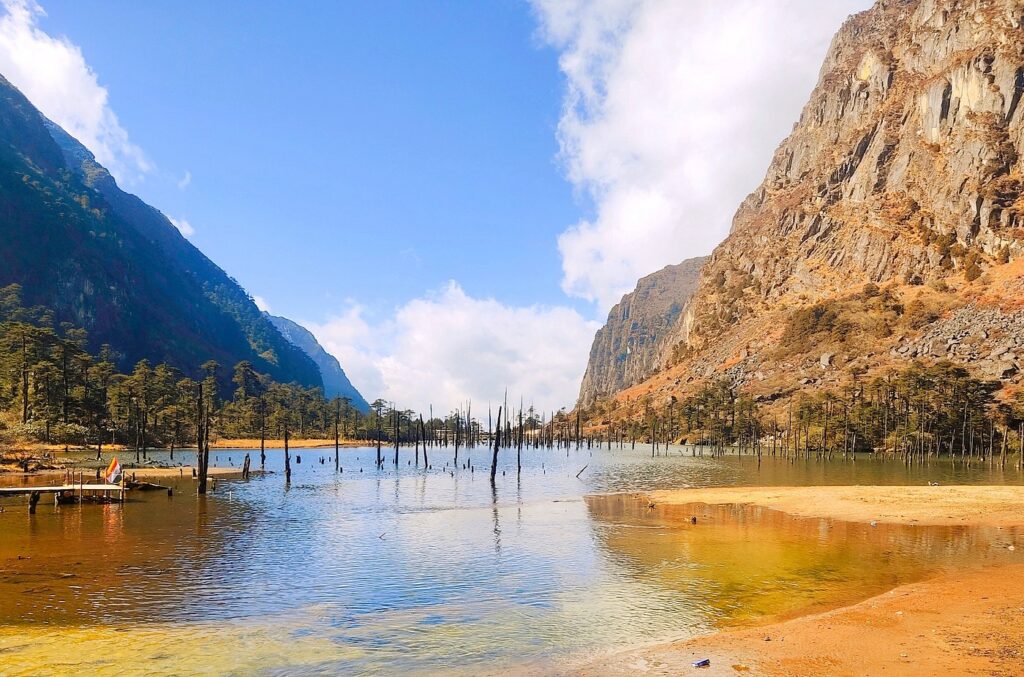
Photography Value: ⭐⭐⭐⭐⭐ — Exceptional for golden-hour shoots.
5. Nuranang Falls (Jung Falls)
Altitude: ~6,000 feet | Entry Fee: None | Best Time: April–September
Also called Jang Falls, this waterfall drops nearly 100 meters through a forested gorge on the route between Dirang and Tawang. It’s one of the most visually powerful stops on the road to Tawang — the roar of water is audible long before you reach it.
A short walk from the parking area brings you face-to-face with the falls. The area around it stays green and lush through summer.
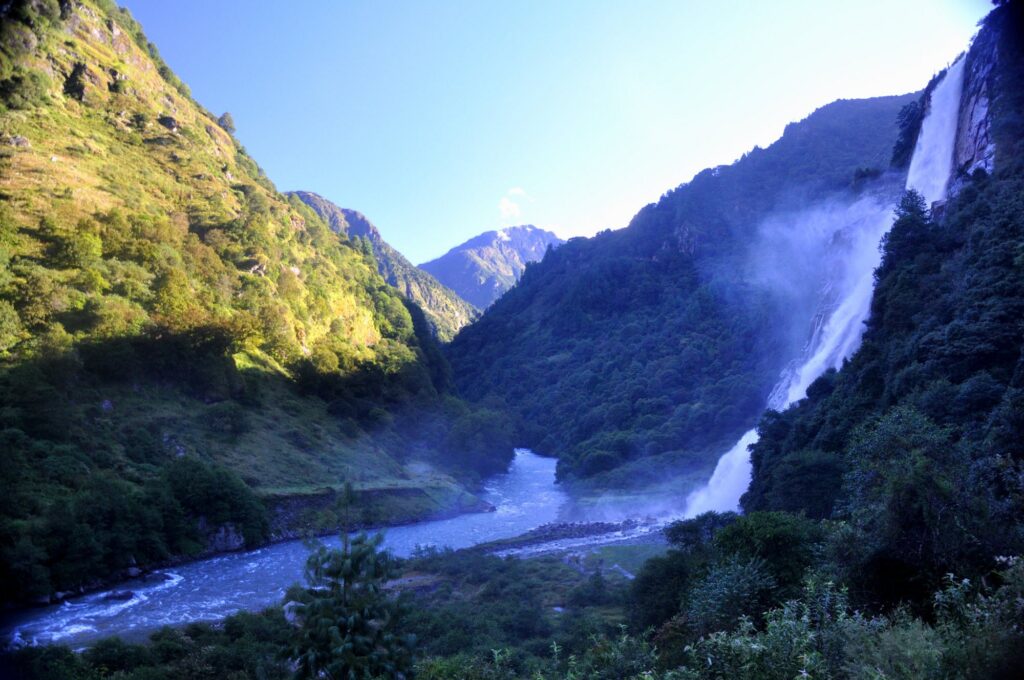
💡 Local Insight Tip: Stop here on your way into Tawang rather than on the return. Morning light from the east hits the falls perfectly between 9 AM and 11 AM.
Photography Value: ⭐⭐⭐⭐⭐
6. PT Tso Lake
Altitude: Near 15,000 feet | Best Time: May–October
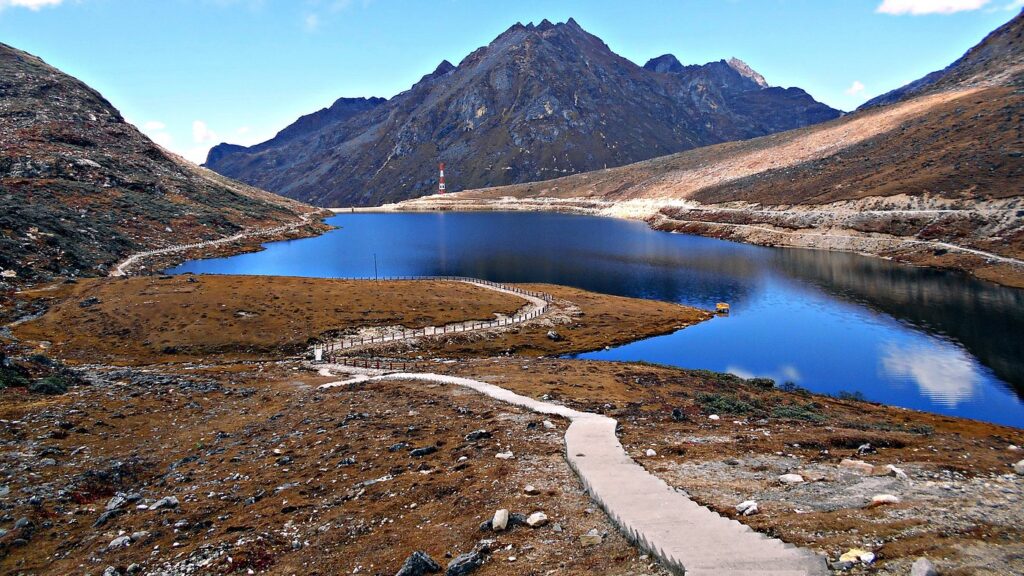
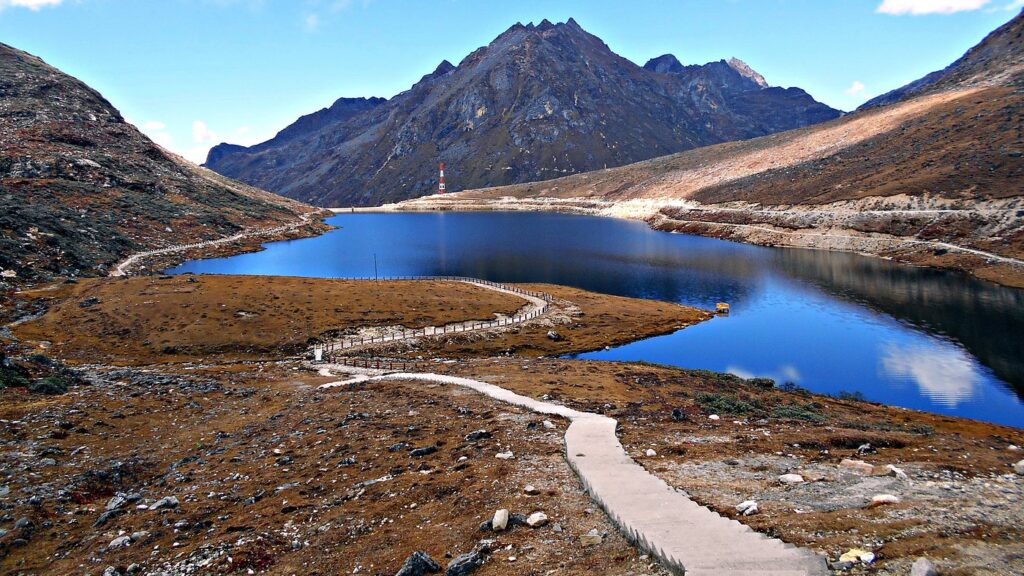
Pankang Teng Tso, commonly called PT Tso, is a high-altitude glacial lake on the road to Bum La. The water is intensely blue — a color that doesn’t look real until you’re standing in front of it. Most Bum La day trips pass through here.
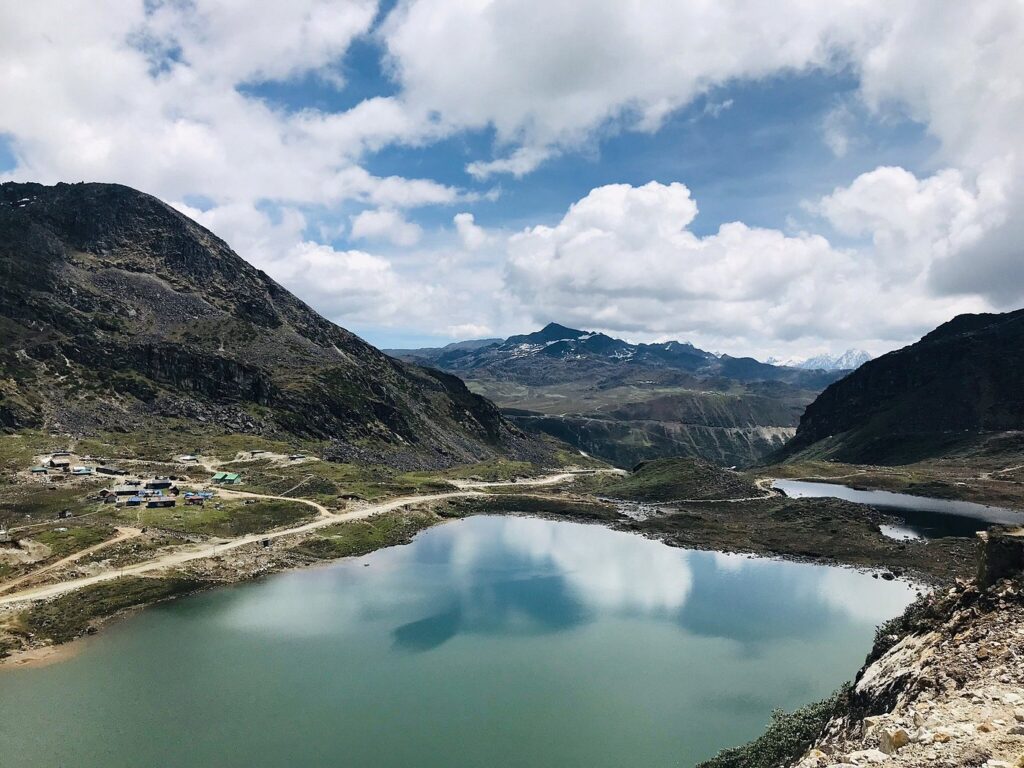
Photography Value: ⭐⭐⭐⭐
7. Tawang War Memorial
This stupa-style memorial honours the Indian soldiers who died in the 1962 Sino-Indian War. The names of martyrs are inscribed on the structure. The evening Sound and Light Show runs at dusk and reconstructs the events of 1962 — powerful, moving, and completely worth attending.
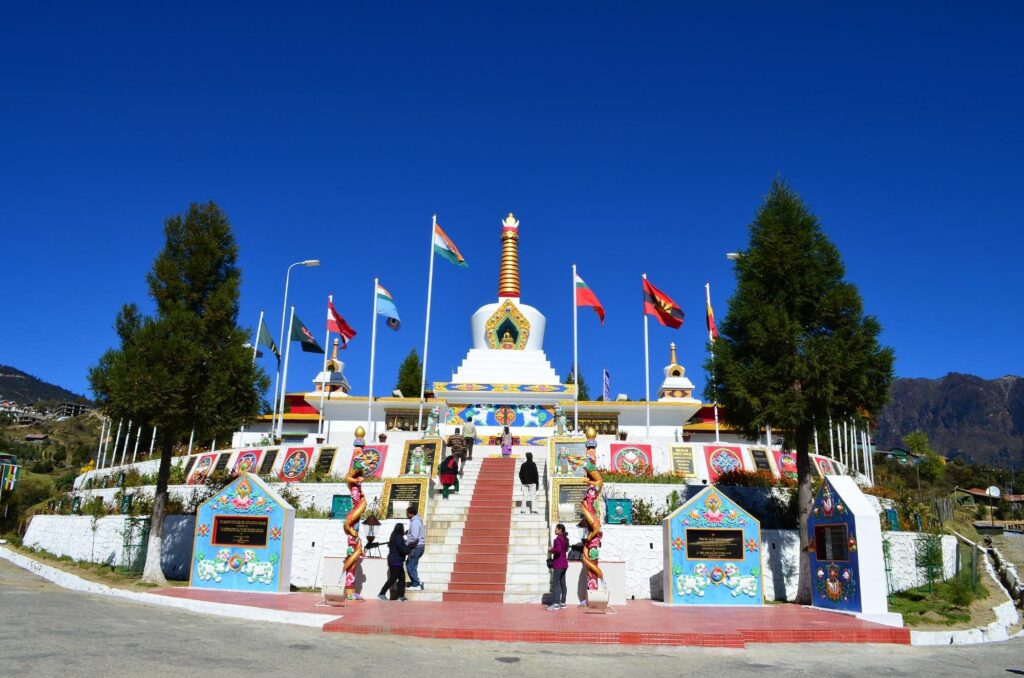
Best Time: Evening | Entry Fee: Free
8. Jaswant Garh War Memorial
Located on the Sela–Tawang highway, this memorial is dedicated to Rifleman Jaswant Singh Rawat, who reportedly held off Chinese forces single-handedly for 72 hours during the 1962 war. The Army runs this memorial as a live shrine — food and tea are symbolically offered daily.
Altitude: ~10,000 feet | Best Time: Year-round
9. Urgelling Monastery
This is the birthplace of Tsangyang Gyatso, the Sixth Dalai Lama, born in 1683. It’s a smaller, quieter monastery compared to the main Tawang Monastery — and that’s exactly why it deserves a visit. The atmosphere is deeply contemplative.
Entry Fee: None | Best Time: Morning hours
10. Buddha Park
A 100-foot Buddha statue overlooks Tawang town from a hilltop. The park offers one of the best panoramic views of the Tawang Valley — great for early morning photography and a peaceful half-hour away from the busier monastery circuit.
Photography Value: ⭐⭐⭐⭐
🔍 Hidden Tourist Places in Tawang Most Travelers Miss
Zemithang Valley — The Real Hidden Gem
Located at an altitude of 8,000 feet above sea level, Zemithang is a must-visit destination about 90 kilometres from Tawang town. The route passes through bamboo and pine forests, small waterfalls, and the tiny market town of Lumla.
The village lies in a valley called Pangchen between two mountains, receiving only about 6 hours of direct sunlight daily. It also serves as one of the wintering locations for the endangered black-necked crane.
The drive takes 3–5 hours from Tawang on rough roads. You need an SUV and a local driver. Foreigners are currently not permitted to visit Zemithang — this is strictly for Indian nationals with a valid ILP.
💡 Local Insight Tip: Only one daily bus runs Tawang–Zemithang — departing Tawang at 12 PM, arriving around 6 PM, and returning at 5:30 AM the next morning. Most travelers hire a private SUV for flexibility.
Gorsam Chorten — A Stupa Most People Never Reach
Gorsam Chorten is a monumental 13th-century Buddhist stupa, rising to 90 feet, strikingly similar to the Boudhanath Stupa in Nepal. A significant religious festival, Gorsam Kora, is held here annually in March, attracting pilgrims from India, Bhutan, and Tibet.
The stupa was constructed by Lama Prathar from Kharman village in Zemithang. It stands on a 186-foot base and is 93 feet high. The drive from Tawang is about 3 hours through spectacular terrain.
On the route, you’ll also encounter the BTK (Bap Teng Kang) Waterfall near Yumkhang — a 100-foot cascade most tourists miss entirely.
Monpa Villages — Cultural Immersion Nobody Talks About
The Monpa people are skilled in carpet weaving, Thangka painting, wood carving, and bamboo craft. Many villages around Tawang still practice traditional lifestyles largely unchanged for generations.
Ask your driver or hotel about visiting Mukto village or the villages near Lumpo — these offer genuine cultural encounters without the staged quality of “cultural tourism” experiences in larger destinations.
❄️ Best Time to Visit Tawang for Snowfall & Clear Views
| Month | Snowfall Chance | Visibility | Road Safety Score (1–10) | Ideal For |
|---|---|---|---|---|
| January | Very High | Low | 4 | Snow enthusiasts, not recommended for first-timers |
| February | Very High | Low–Moderate | 4 | Snow, Losar Festival |
| March | High | Moderate | 6 | Gorsam Kora festival, spring snow |
| April | Moderate | High | 7 | Wildflowers, post-snow clarity |
| May | Low | Very High | 8 | Clear views, Bum La open |
| June | Low | High | 7 | Green valleys, waterfalls full |
| July | Very Low | Moderate | 6 | Monsoon — lush but muddy |
| August | Very Low | Moderate | 5 | Active monsoon, some road closures |
| September | Very Low | High | 7 | Post-monsoon clarity |
| October | Low–Moderate | Very High | 8 | ⭐ Peak season, best overall |
| November | High | Moderate | 6 | Early snowfall, Tawang Festival |
| December | Very High | Low–Moderate | 4 | Winter snow, limited access |
Best overall window: April–June and September–October.
For snowfall specifically, plan for November–February — but carry extreme weather gear and confirm road conditions before travel.
🚗 How to Reach Tawang: The Road Reality
The Route
The Guwahati to Tawang distance by road is about 427 km and takes around 11–14 hours by car. The most popular route is via NH-13 & NH-15, which is scenic and passes through beautiful valleys and forests.
Route breakdown:
- Guwahati → Tezpur (~180 km, ~3.5 hours) — mostly smooth highway
- Tezpur → Bhalukpong (~60 km, ~1 hour) — ILP checkpoint here
- Bhalukpong → Bomdila (~90 km, ~3 hours) — mountain roads begin
- Bomdila → Dirang (~45 km, ~1.5 hours) — army convoys common
- Dirang → Sela Pass → Tawang (~100 km, ~4 hours) — the toughest stretch
Most travelers break the journey at Tezpur or Bomdila rather than attempt it in one shot. This is smart. Driving 13+ hours on mountain roads in one go is brutal.
Transport Options & Costs (INR)
| Option | Cost (Approx) | Comfort | Flexibility |
|---|---|---|---|
| Private SUV (Guwahati–Tawang) | ₹18,000–₹30,000 | High | Full |
| Shared Sumo (Tezpur–Tawang) | ₹500–₹800/seat | Low | None |
| Local Tawang Sightseeing Taxi | ₹5,000–₹6,000/day | Moderate | Limited |
| Guwahati–Tawang Helicopter | Seasonal, ~₹5,000+ | High | Minimal |
💡 Local Insight Tip: Outside vehicles are not permitted for local sightseeing in Tawang. You must hire a registered local taxi for all sightseeing within the district. Plan this into your budget from the start — it catches first-time visitors off-guard.
Travel Fatigue Warning
The road from Dirang to Tawang via Sela Pass is mountain driving at its most demanding — narrow switchbacks, sudden fog, rockfall zones. First-time drivers on these roads should always go with an experienced local driver. Don’t rent a self-drive vehicle for this route.
📄 Arunachal Pradesh ILP Permit Guide for Tawang
All visitors to Arunachal Pradesh who are not residents of the state require an Inner Line Permit (ILP). The process is now largely online, which makes things much easier.
ILP Checklist for Indian Nationals:
- ✅ Visit the official portal: eilp.arunachal.gov.in
- ✅ Create an account and fill in your travel itinerary
- ✅ Upload a valid photo ID (Aadhaar, Passport, Voter ID, or Driving Licence)
- ✅ Upload a passport-size photograph
- ✅ Mention Tawang and any other districts (e.g., West Kameng, Bomdila) in your itinerary
- ✅ Pay the application fee: ~₹100
- ✅ Download and print the ILP (carry physical copies — mobile signal is unreliable)
- ✅ Get ILP verified and stamped at Bhalukpong entry checkpoint
- ✅ Carry ILP at all times during travel
Authorities usually process a tourist ILP valid for up to 14 days from the date of entry. Apply at least 4–5 business days before your trip to avoid last-minute stress.
For Bum La Pass: A separate Army permit is required beyond the standard ILP. Arrange this through a local Tawang operator — it cannot be self-arranged.
Foreign Nationals: Require a Protected Area Permit (PAP) from the Ministry of Home Affairs — a different, more complex process. Foreigners are also not permitted in Zemithang.
💡 Local Insight Tip: Print 3 copies of your ILP. Checkpoints at Bhalukpong, Bomdila, Dirang, and Tawang all stamp and verify separately. A digital copy on your phone is a backup only — don’t rely on it.
💰 Tawang Travel Budget Breakdown (INR)
| Traveler Style | Accommodation/Night | Food/Day | Local Transport/Day | Est. 5-Day Total (Per Person) |
|---|---|---|---|---|
| Budget Backpacker | ₹600–₹1,200 (guesthouse/dormitory) | ₹300–₹500 | ₹400–₹600 (shared taxis) | ₹18,000–₹25,000 |
| Mid-Range Traveler | ₹1,500–₹3,000 (hotel) | ₹700–₹1,200 | ₹800–₹1,200 (local taxi share) | ₹35,000–₹50,000 |
| Premium Traveler | ₹3,500–₹7,000 (resort/hotel) | ₹1,500–₹2,500 | ₹5,000–₹6,000/day (private SUV) | ₹70,000–₹1,00,000+ |
These figures cover Tawang only and exclude Guwahati–Tawang transport.
Key cost factors to plan for:
- Guwahati–Tawang private cab: ₹18,000–₹30,000 (split among group)
- Local sightseeing SUV: ~₹5,500–₹6,000 per day (mandatory local hire)
- Bum La permit + Army-permitted vehicle: additional ₹2,000–₹3,500
- Warm clothing rental (if unprepared): ₹300–₹600/day
💡 Local Insight Tip: Buy your heavy woolens in the Tawang old market rather than packing from home or buying in Guwahati. Prices are 25–30% lower, and the quality — locally woven Monpa wool — is excellent.
🗓️ Suggested Tawang Itineraries (3, 5 & 7 Days)
| Day | Winter Snow Itinerary (Dec–Feb) | Cultural Summer Itinerary (May–Oct) |
|---|---|---|
| Day 1 | Guwahati → Tezpur (overnight) | Guwahati → Bomdila (overnight) |
| Day 2 | Tezpur → Tawang via Sela Pass | Bomdila → Dirang → Tawang |
| Day 3 | Tawang Monastery, War Memorial, Buddha Park | Tawang Monastery, Urgelling, War Memorial |
| Day 4 | Madhuri Lake, PT Tso — snow conditions | Bum La Pass, PT Tso, Nagula Lake |
| Day 5 | Rest day / local market / Sela Pass snow | Zemithang Valley + Gorsam Chorten |
| Day 6 | Return Tawang → Bomdila | Tawang → Dirang → Bomdila |
| Day 7 | Bomdila → Guwahati | Bomdila → Guwahati |
3-Day Express: Tawang Monastery + Sela Pass + War Memorial. Skip Bum La and Zemithang.
5-Day Standard: Add Madhuri Lake + Bum La Pass day trip.
7-Day Full Circuit: Add Zemithang + Gorsam Chorten + Dirang valley sightseeing.
⚠️ Important Travel Tips & Safety Realities
Altitude Sickness (AMS)
Tawang town sits at 10,000 feet. Bum La is at 15,200 feet. The jump in altitude from Guwahati (sea level) to Tawang in one day is a serious AMS risk.
Prevention tips:
- Ascend gradually — overnight at Tezpur or Bomdila
- Take Diamox (Acetazolamide) if prescribed by your doctor before travel
- Hydrate consistently — 3–4 litres of water per day
- Avoid alcohol for the first 48 hours at altitude
- Recognize symptoms: headache, nausea, dizziness, shortness of breath
- Descend immediately if symptoms worsen
ATMs and Cash
- Tawang town has ATMs, but they run out of cash frequently during peak season
- Card payments are rarely accepted outside upscale hotels
- Carry ₹10,000–₹15,000 in cash per person for a 5-day trip
- Stock up on cash in Tezpur or Guwahati before heading out
Mobile Networks
- BSNL and Airtel have the best coverage in Tawang
- Jio works in town but drops significantly beyond Sela Pass
- Internet speeds are slow — download offline maps (Google Maps or Maps.me) before departure
- At Bum La and Zemithang, expect zero connectivity
Packing Essentials:
- Thermal innerwear (even in May–June — nights dip below 8°C)
- Windproof jacket
- Sunscreen SPF 50+ (UV is intense at altitude)
- Personal first aid kit with AMS medication
- Power bank (power cuts are frequent)
- Offline maps downloaded
- Physical copies of ILP and ID
🍜 Local Food & Monpa Culture Experience
Tawang’s food culture is quiet, warming, and completely authentic. The Monpa community — the dominant tribe of the region — has a food tradition shaped by Tibetan Buddhist practices and the cold mountain climate.
Must-try food experiences:
- Butter tea (Po Cha): Salty, made with yak butter and tea bricks — you’ll either love it or spend five minutes pretending to
- Thukpa: Hearty noodle soup, the best possible meal after a cold day at Sela Pass
- Zan: A traditional Monpa staple made from millet flour
- Khura: Buckwheat pancakes — try them with local honey
Recommended spots in Tawang town:
- The Dragon Restaurant — local favourite, great thukpa
- Dharma Coffee House — good momos and views
- GTK Kitchen — run by locals, authentic Monpa dishes
Cultural etiquette:
- Remove shoes before entering any monastery or prayer hall
- Do not photograph monks without permission
- Walk clockwise around stupas and prayer wheels
- Dress modestly at religious sites — cover shoulders and knees
💡 Local Insight Tip: During the Losar Festival (Tibetan New Year, January–February) and Torgya Festival (January, at Tawang Monastery), the town transforms. These festivals feature traditional Monpa mask dances, religious ceremonies, and three-day celebrations that very few outsiders witness. Timing your trip around these events is genuinely worthwhile.
❓ FAQ — Tawang Tourist Places
1. What is the best time to visit Tawang?
April to June and September to October offer the best combination of clear weather, open roads, and accessible tourist spots. For snowfall, visit between November and February — but verify road conditions before travel.
2. Does Tawang have snowfall in December?
Yes. Snowfall in Tawang typically begins in November and continues through February–March. December brings heavy snow, and Sela Pass may see temporary closures. Pro-Tip: Book a stay in town rather than route accommodation — flexibility matters more in winter.
3. Is Tawang safe for solo travelers?
Yes — Tawang is a safe destination with a low crime rate. The local Monpa community is welcoming. The main risks are altitude sickness and road conditions, not personal safety. Pro-Tip: Solo travelers should book accommodation in advance during peak season (October).
4. How many days are sufficient for Tawang?
A minimum of 5 days is ideal — covering the main sights, Bum La Pass, and Madhuri Lake. For a fuller experience including Zemithang, plan 7 days. Pro-Tip: Add 1 extra day as a buffer for weather or road delays — this isn’t a destination where tight schedules work.
5. Is a vehicle required in Tawang?
Yes, absolutely. As per Tawang local laws, outside vehicles are not allowed for local sightseeing — you must arrange a different local vehicle for Tawang sightseeing. Pro-Tip: Book your local taxi through your hotel to avoid overcharging.
6. Can foreigners visit Tawang?
Yes, but they need a Protected Area Permit (PAP) instead of an ILP. Foreigners are restricted from Zemithang and areas near the border. Pro-Tip: Foreign nationals must obtain PAP before entering India from Indian missions abroad or FRRO offices in Delhi, Mumbai, or Kolkata.
7. How do I apply for the Tawang ILP permit?
Apply online at eilp.arunachal.gov.in with a valid photo ID and photograph. The application fee is approximately ₹100, and permits are typically granted within a few hours to a day when applied online. Pro-Tip: Mention all districts you plan to visit in your application — you cannot add destinations later.
8. What is the distance from Guwahati to Tawang?
The Guwahati to Tawang road distance is approximately 427–500 km and takes around 12–15 hours by car depending on road conditions and route. Pro-Tip: Break the journey overnight at Tezpur or Bomdila for a more comfortable trip.
9. Are ATMs available in Tawang?
Yes, a few ATMs exist in Tawang town, but they frequently run dry during peak season. Carry ₹10,000–₹15,000 in cash per person and stock up in Guwahati before you leave. Pro-Tip: HDFC and SBI ATMs in Tawang are the most reliably stocked.
10. Can you see the China border from Tawang?
Not from Tawang town itself. You need to travel to Bum La Pass (15,200 feet, 37 km from Tawang) with an Army permit for the border experience. Pro-Tip: Book the Bum La permit through a registered local operator at least 2 days in advance — same-day permits are not available.
Wrapping Up — The Borderland Pull
Tawang doesn’t fit neatly into any travel category. It’s not purely an adventure destination, not purely a spiritual circuit, and not purely a nature escape — it’s all three, layered on top of geopolitical significance that you feel in your bones at the China border.
The travelers who come back from Tawang don’t just share photos. They talk about the silence at Sela Pass, the weight of the War Memorial at dusk, and the peculiar feeling of standing at the edge of India. That’s what makes this destination genuinely different.
If you’re planning your Northeast India circuit, xploreheaven.com has guides on [Meghalaya’s living root bridges], [Kaziranga wildlife safari planning], and [the complete Northeast India travel guide] — everything you need for a full Northeast circuit.
About the Author
Wahid Ali is a seasoned travel professional and Operations Lead at Astamb Holidays, Mumbai. With extensive experience in crafting travel experiences and destination insights, Wahid combines practical travel logistics expertise with engaging storytelling to help travelers explore hidden gems across India and beyond. His work blends expert travel planning with a passion for culturally rich and nature-oriented destinations.
Connect with Wahid Ali on LinkedIn | xploreheaven.com
References & Citations
This article is backed by authoritative sources and research.
- Tawang District Official Tourism Page — Government of Arunachal Pradesh
- Arunachal Pradesh e-ILP Official Portal — Government of Arunachal Pradesh
- Tawang Tourism — ILP Formalities
- Incredible India — Monasteries and Spiritual Places in Tawang
- Zemithang — Wikipedia
- Arunachal Pradesh ILP Guide — Transforming Travels
- Zemithang: The Secret of Arunachal — Dark Green Adventures
- Gorsam Chorten, Zemithang — Wild Hill Adventure Travel Guide
- Top Places to Visit in Tawang 2024 — Native Planet
- Tawang Travel Guide — Stamped Moments
- Thrillophilia — Tawang Tourism & Travel Guide
- Tawang Tour Packages — Paradise Northeast
- Budget Travel to Tawang — TripAdvisor Forum
- Tawang Festival 2024 — Travelogy India
- Arunachal Pradesh ILP Guide — Evaakil