Mumbai in late May is relentless. The air feels dense, the asphalt radiates heat back at you by 10 AM, and even ceiling fans seem to push warm soup around instead of breeze. If you’ve been refreshing weather apps hoping for relief that isn’t coming, the Satpura Range — Maharashtra’s quiet, forested highland corridor — is sitting at a consistent 24°C to 28°C right now, and most people in the city have no idea.
In my experience planning tours at Astamb Holidays, this is exactly the week when travelers start calling us in desperation. They’ve tried Lonavala — too crowded, too commercialized. Mahabaleshwar — same story, but with worse traffic on the Mumbai–Pune Expressway. What they actually need is a forest escape with cooler air, zero tourist chaos, and real wilderness around them. The Satpura Range delivers all three, and right now, before the southwest monsoon closes some access roads in mid-June, is one of the best windows to go.
🌡️ Why the Satpura Range Feels Cooler Than Mumbai During Summer
Forest Canopy Cooling Effect
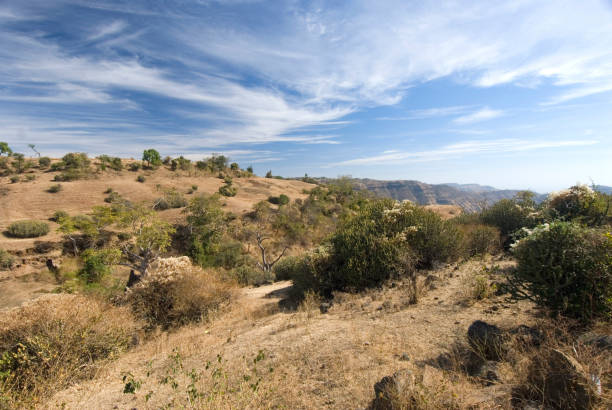
The Satpura landscape is dominated by dry deciduous forests — teak, mahua, tendu, and sal. These tree canopies intercept solar radiation before it hits the ground. On a clear summer afternoon, temperatures beneath the forest cover can feel 4°C to 6°C lower than open clearings nearby.
This isn’t just shade. Transpiration from dense tree cover adds a light moisture buffer to the air without tipping into coastal humidity. The result is a forest microclimate that feels genuinely breathable, even in May.
Elevation Advantage
Chikhaldara, the only hill station inside the Satpura range in Maharashtra, sits at an elevation of 1,118 meters above sea level. The broader Satpura plateau reaches peaks of approximately 1,178 meters at Dhupgarh (in the Pachmarhi sector of Madhya Pradesh).
Standard atmospheric lapse rate gives you roughly 0.65°C drop per 100 meters of elevation gained. This alone accounts for a 6–7°C difference compared to Mumbai’s sea-level position.
Dry Heat vs Coastal Humidity
This is the key distinction most travelers miss. Mumbai’s summer discomfort isn’t just about temperature — it’s about relative humidity consistently above 70–80% in May and June. Your sweat doesn’t evaporate. You just stay wet and hot.
The Satpura forests sit in a rain shadow zone for pre-monsoon winds, giving you dry-bulb temperatures that are already lower — but more importantly, relative humidity between 30–45% during late May. A 30°C day with 35% humidity feels far more comfortable than a 32°C day with 78% humidity. That difference is what makes forest travel genuinely restorative.
Why Evenings Feel Dramatically Cooler
After 6 PM in Chikhaldara or Semadoh (inside Melghat Tiger Reserve), temperatures routinely drop to 18°C to 22°C. Elevation and forest cover both contribute to rapid radiative cooling once the sun drops.
Travelers who’ve visited Lonavala expecting this kind of evening relief are usually disappointed — the Western Ghats retain coastal moisture well into the night. Satpura evenings are genuinely crisp by comparison.
Temperature and Humidity Comparison: Mumbai vs Chikhaldara (Late May)
| Parameter | Mumbai (Sea Level) | Chikhaldara (1,118 m) |
|---|---|---|
| Average Max Temp | 34–38°C | 26–30°C |
| Average Min Temp | 27–29°C | 18–22°C |
| Relative Humidity | 72–82% | 30–45% |
| Feels Like (Midday) | 40–44°C | 27–30°C |
| Average UV Index | High (9–11) | Moderate (6–8) |
| Evening Comfort | Low | High |
Sources: India Meteorological Department (IMD) historical normals, May 2020–2025.
📍 Where Is the Satpura Range in Maharashtra?
Geographic Spread
The Satpura Range runs roughly east to west across central India, forming a natural highland barrier between the Narmada River to the north and the Tapi River to the south. In Maharashtra, the range primarily covers the Amravati division — including Chikhaldara, Dharni, and the Melghat forest landscape.
The Maharashtra portion of the Satpura occupies approximately 9,000 sq km of protected and semi-protected forest, making it one of the largest continuous wild zones in the state.
Maharashtra–Madhya Pradesh Connection
The range doesn’t stop at state borders. Cross into Madhya Pradesh and you enter the Pachmarhi Biosphere Reserve — a UNESCO-designated zone and one of India’s premier highland destinations. Pachmarhi town sits at 1,067 meters and is technically part of the same geological and ecological system.
For travelers with extra days, a Maharashtra–MP loop through Chikhaldara → Pachmarhi is a remarkable road trip that stays within the Satpura ecosystem throughout.
Access Corridors
- Western Access: Via NH160 from Amravati — the primary highway for Mumbai travelers
- Eastern Access: Via Betul district in MP, connecting to Pachmarhi
- Southern Access: Via Akola–Akot–Dharni route, preferred for Melghat entry
- Rail Gateway: Badnera Junction (near Amravati) is the closest major railhead
Difference Between Satpura and Western Ghats Climate
The Western Ghats face the Arabian Sea directly, absorbing moisture-laden winds that arrive in June. They’re lush and spectacular in monsoon but genuinely sticky during the pre-monsoon phase.
The Satpura, positioned further inland and in a partial rain shadow, gives you dry highland air in May. There’s no ocean influence. It’s a completely different climate character — and right now, that works massively in your favor.
🗺️ Best Places to Visit in the Satpura Range This Week
Chikhaldara — Maharashtra’s Most Underrated Cool-Weather Escape
Chikhaldara is the only hill station in Vidarbha region and one of the few truly quiet ones in Maharashtra. The town sits inside the Amravati district, surrounded by the Gugamal National Park and its forested ridgelines.
Current temperatures hover between 25–29°C in the daytime and drop to 18–20°C at night. There’s no commercial strip mall. The main attractions — Bhimkund, Hurricane Point, Gavilgad Fort, and Pandit Nehru Botanical Garden — are spread across forested terrain that rewards slow exploration.
The viewpoints here face into deep forested valleys. On clear mornings, you can see mist sitting low in the valleys below. That visual alone is worth the drive from Mumbai.
[Local Insight Tip] The Gugamal Forest Guest House books out quickly for May weekends. Contact the Maharashtra Forest Department divisional office in Amravati at least 10–14 days in advance. Weekday bookings as of May 2026 remain relatively easy.
Melghat Tiger Reserve — Forest Air and Wildlife
Melghat Tiger Reserve covers roughly 1,677 sq km of mixed forest in the Amravati and Akola districts. It’s one of India’s original Project Tiger reserves, established in 1974, and it remains far less publicized than Ranthambore or Bandhavgarh despite offering genuine wilderness.
The main entry point for safaris is Semadoh Gate. Wildlife density is strong right now — summer concentrates animals near water sources, making late May one of the better months for tiger sightings and significant wildlife spotting including gaur, sloth bear, Indian wild dog (dhole), and leopard.
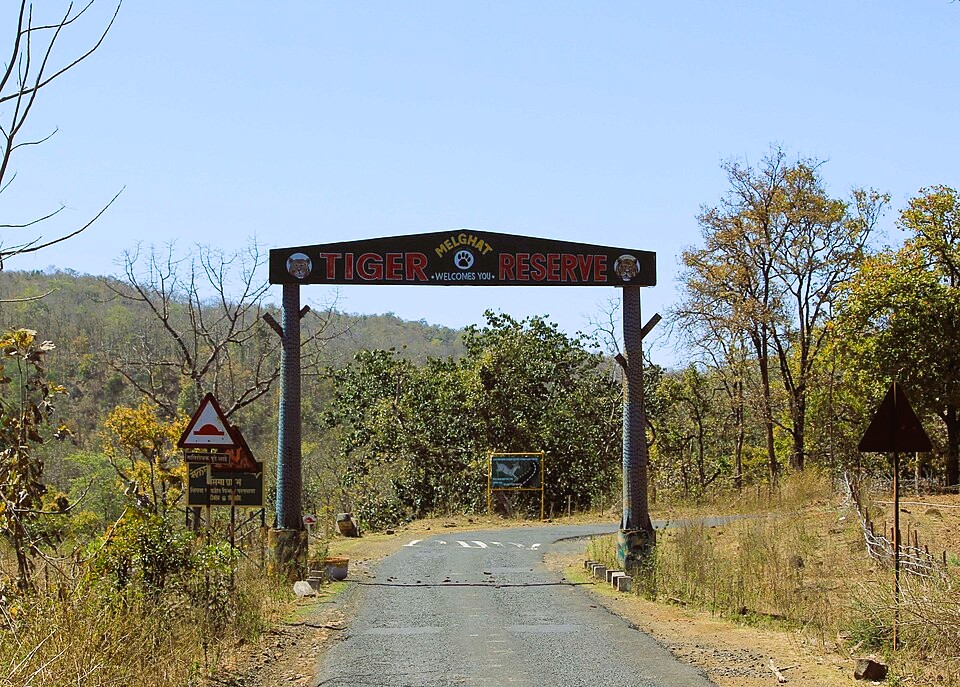
[Local Insight Tip] Book Semadoh safari gates minimum 7–10 days ahead through the Maharashtra Forest Department’s online portal. Only 6 vehicles per gate per session are permitted. Weekend slots in late May fill completely within 24–48 hours of opening.
Toranmal — Low Crowd Mountain Retreat
Toranmal in the Nandurbar district is technically in the Satpura foothills, sitting at approximately 1,100 meters. It’s reached via Shirpur and is significantly less known than Chikhaldara — which is precisely its appeal.
There’s a small tribal plateau community here, dense forests, and a natural lake (Yashwant Lake) that cools the microclimate further. Crowds are genuinely minimal, even on weekends.
Pachmarhi — Extended Satpura Experience
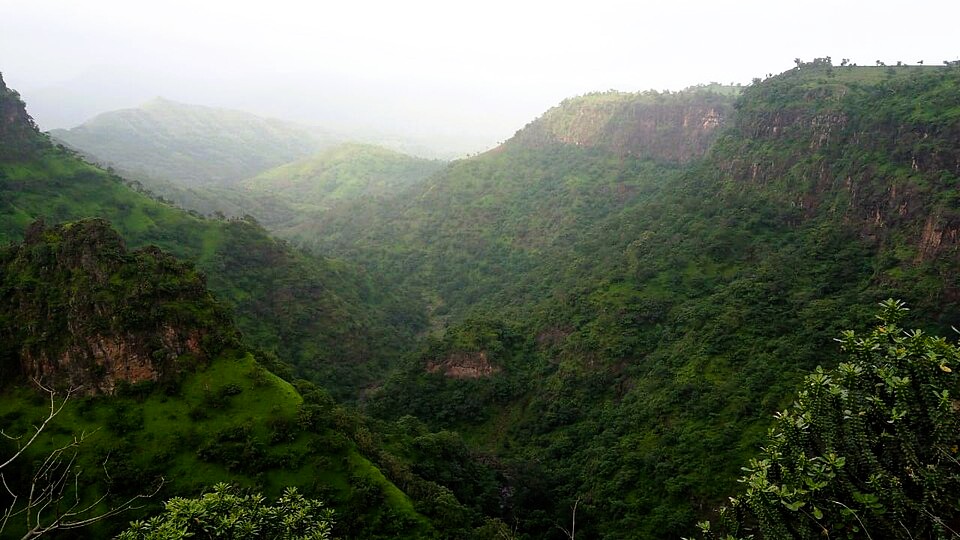
If you have 4–5 days, extending the trip into Pachmarhi in Madhya Pradesh is strongly worth considering. It’s the most developed of the Satpura destinations and has excellent infrastructure — but it’s still not crowded in the Lonavala sense.
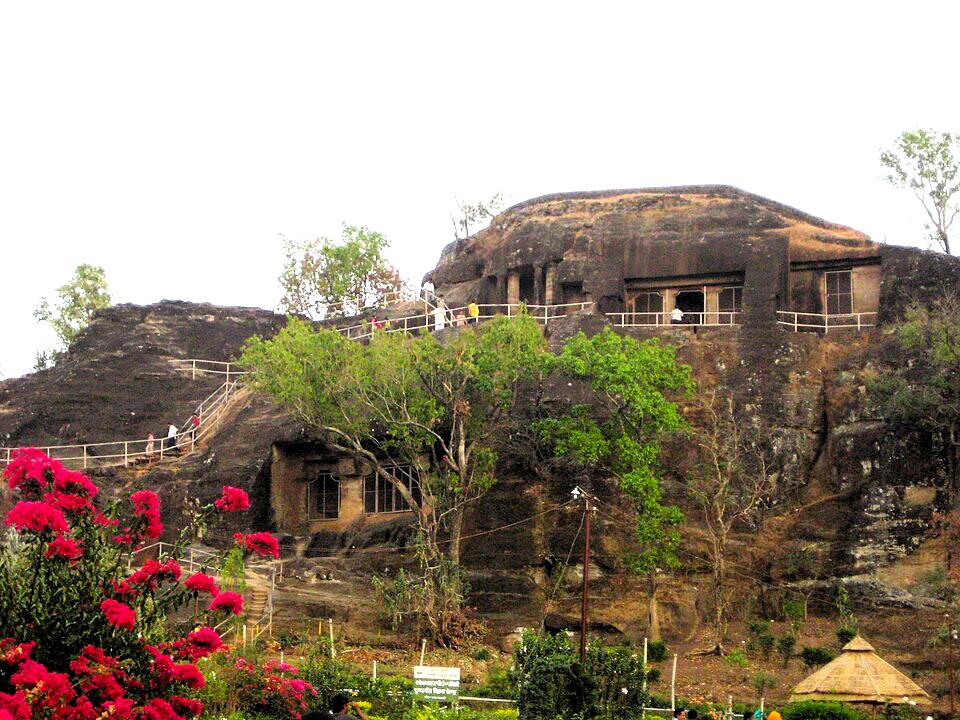
Bee Falls, Jata Shankar Cave, Duchess Falls, and the Satpura Tiger Reserve safari are all excellent here. The drive from Chikhaldara to Pachmarhi takes approximately 4.5 to 5 hours via NH347B through Betul.
📊 Mumbai vs Satpura Range: Temperature, Humidity, and Crowd Comparison
Humidity Discomfort Analysis
Humidity is where Mumbai summer truly breaks people. A wet-bulb temperature analysis of the city in late May consistently shows conditions approaching heat stress thresholds — meaning extended outdoor activity becomes physically difficult regardless of shade.
The Satpura’s dry air means your body’s cooling mechanism (evaporation of sweat) actually works. You can walk forest paths in the afternoon without the dragging fatigue that hits you on Mumbai streets at 9 AM.
“Feels Like” Temperature
The Heat Index for Mumbai on a typical late May afternoon — 34°C dry bulb, 78% RH — calculates to a perceived temperature of approximately 42–44°C. Chikhaldara at 28°C and 38% RH gives a heat index that stays close to the actual temperature: around 27–29°C perceived. That’s a 13–17°C felt difference, not just a numbers comparison.
Crowd Intensity Comparison
| Destination | Weekend Crowd Level | Weekday Crowd Level | Pre-Monsoon Vibe | Nearest City |
|---|---|---|---|---|
| Lonavala | Very High (8/10) | Moderate (5/10) | Humid, congested | Pune (65 km) |
| Mahabaleshwar | Very High (9/10) | High (6/10) | Humid, commercial | Pune (120 km) |
| Chikhaldara | Low (3/10) | Very Low (1/10) | Dry, peaceful | Amravati (85 km) |
| Toranmal | Very Low (2/10) | Almost Empty (1/10) | Dry, remote | Shirpur (80 km) |
| Pachmarhi | Moderate (5/10) | Low (2/10) | Dry, scenic | Bhopal (195 km) |
🚗 How to Reach the Satpura Range From Mumbai
Best Road-Trip Routes
The most practical road route from Mumbai to Chikhaldara is:
Mumbai → Nashik (NH3/NH160) → Dhule → Shirpur → Akot → Amravati → Chikhaldara
Total distance: approximately 640–670 km. Without major stops, this takes 12–13 hours in a 4-wheeler under normal traffic conditions.
An alternate routing via Nagpur adds roughly 60 km but gives you better road quality on NH7 sections and more fuel/rest stop options.
Overnight Driving Strategy
In my experience planning Satpura road trips at Astamb Holidays, the overnight departure strategy consistently outperforms daytime driving. Departing Mumbai at 10 PM to 11 PM means you clear the Western Express Highway and reach the open NH3 corridor past Thane before midnight.
You drive through cooler night air, reach Amravati by 7–8 AM, and have a full first day in Chikhaldara. This also avoids the Nashik highway’s notorious daytime truck traffic.
Train and Airport Options
- Badnera Junction (Amravati) is on the Central Railway’s Howrah–Mumbai mainline. Multiple trains including the Sewagram Express and Vidarbha Express serve this route from Chhatrapati Shivaji Maharaj Terminus (CSMT). Journey time: approximately 10–12 hours.
- Nearest airport: Amravati Airport has limited connectivity. Most travelers fly into Nagpur’s Dr. Babasaheb Ambedkar International Airport and drive approximately 230 km to Chikhaldara.
Fuel, Toll, and Budget Estimate (Mumbai to Chikhaldara — 4-Wheeler)
| Expense Head | Estimated Cost (INR) | Notes |
|---|---|---|
| Fuel (one-way, ~660 km at ₹12/km) | ₹7,920 | Petrol car, ~15 kmpl |
| Tolls (one-way) | ₹850–₹1,100 | NH3, NH160 combined |
| Food & Chai en route | ₹600–₹800 | Two stops |
| Total One-Way Estimate | ₹9,370–₹9,820 | Per vehicle |
| Round Trip Estimate | ₹18,740–₹19,640 | Per vehicle |
🏡 Best Forest Stays and Eco Resorts in the Satpura Range
Budget Lodges
- MTDC Chikhaldara Resort — Run by the Maharashtra Tourism Development Corporation (MTDC), this is the safest budget option with clean rooms, decent in-house dining, and forest-adjacent location. Rates: ₹1,800–₹3,500/night depending on room type. Book through the MTDC official portal.
- PWD Rest Houses — Available in Chikhaldara and some forest villages for basic stays at ₹500–₹800/night. Booking requires advance contact with the divisional office.
Eco-Retreats
- Kolkas Eco Tourism Complex — Located at the confluence of the Sipna and Khandu rivers inside Melghat, this is a community-run eco-stay with basic but authentic accommodations. Rates: approximately ₹1,200–₹2,000/night. The forest setting is unmatched.
- Ambabarwa Forest Camp — A smaller, nature-forward camping setup near Semadoh with knowledgeable local guides. Ideal for photographers and birdwatchers.
Luxury Forest Resorts
- Satpura Retreat (near Pachmarhi) — Offers well-appointed cottage stays with forest views, guided nature walks, and quality meals. Rates: ₹7,000–₹14,000/night depending on season. Advance booking essential in May.
- Forsyth Lodge (Satpura National Park, MP) — A well-regarded boutique wilderness lodge with naturalist-led safaris. Rates: ₹15,000–₹25,000/night inclusive. Best in class for the extended Satpura experience.
| Stay Option | Price Range (INR/night) | Best For | Location Advantage |
|---|---|---|---|
| MTDC Chikhaldara | ₹1,800–₹3,500 | Budget families, solo travelers | Town center, easy access |
| Kolkas Eco Complex | ₹1,200–₹2,000 | Nature lovers, birdwatchers | River confluence, Melghat interior |
| Satpura Retreat | ₹7,000–₹14,000 | Couples, premium travelers | Forest-view cottages, Pachmarhi |
| Forsyth Lodge | ₹15,000–₹25,000 | Luxury wildlife travelers | Satpura NP core zone, MP |
👥 Is the Satpura Range Crowded Right Now?
Weekend Crowd Analysis
The short answer: no. Chikhaldara on a May weekend sees a fraction of the footfall that Lonavala or Khandala handles on an ordinary Thursday evening. The primary reason is distance — 640 km from Mumbai filters out the casual day-tripper crowd completely.
Most visitors who make the effort are specifically there for the forest and wildlife. That self-selection keeps the crowd quality high and the density low.
Quietest Travel Windows
- Weekday arrivals (Monday–Thursday): Practically empty. Hotels run at 20–30% occupancy. Forest trails are yours alone.
- Avoid: The long weekend surrounding Eid al-Adha (June 7, 2026) — booking surges are expected at all Satpura gateway properties.
- Optimal arrival: Tuesday or Wednesday in late May for maximum quiet.
Best Sunrise/Sunset Timings
- Sunrise viewpoint at Hurricane Point, Chikhaldara: Arrive by 5:45 AM for pre-dawn forest sounds and a 6:15 AM sun crest over the eastern valleys.
- Sunset from Prospect Point: Best light at approximately 6:45–7:00 PM in late May. Pack a jacket — temperatures drop fast.
📅 Suggested 3-Day Satpura Range Itinerary From Mumbai
Day-by-Day Route Planning
Day 0 (Night) — Departure
- Depart Mumbai at 10:30 PM via NH3 (Mumbai–Nashik Expressway)
- Drive overnight via Nashik → Dhule → Akola → Amravati
- Reach Chikhaldara by 8:30–9:30 AM
Day 1 — Chikhaldara
- Check in, rest till 11 AM
- Visit Bhimkund viewpoint and Hurricane Point (afternoon, after heat peaks)
- Explore Gavilgad Fort ruins (allow 2 hours)
- Sunset from Prospect Point
- Dinner at lodge, evening walk in forest periphery
Day 2 — Melghat Safari Day
- Early morning safari at Semadoh Gate (6:00 AM slot)
- Return to Chikhaldara by noon
- Afternoon: Pandit Nehru Botanical Garden and Devi Point
- Evening: Local market, tribal crafts, early dinner
Day 3 — Return or Optional Toranmal Extension
- Option A: Return to Mumbai via same overnight route (depart 10 PM, reach Mumbai by 9–10 AM)
- Option B: Drive to Toranmal (3.5 hours from Chikhaldara), one night, return next day
Budget Estimates (3-Day Trip for 2 Persons)
| Expense | Estimated Cost (INR) |
|---|---|
| Vehicle fuel + tolls (round trip) | ₹20,000–₹21,000 |
| Accommodation (2 nights, mid-range) | ₹6,000–₹8,000 |
| Melghat safari fees (2 persons) | ₹2,000–₹3,000 |
| Meals (3 days, 2 persons) | ₹3,000–₹4,500 |
| Entry fees & miscellaneous | ₹800–₹1,200 |
| Total Estimate | ₹31,800–₹37,700 |
Ideal Departure and Return Timing
- Ideal departure: Thursday night for a Friday–Sunday circuit
- Avoid returning: Sunday evening (Nashik highway traffic is brutal)
- Best return window: Monday morning, arriving Mumbai by afternoon
🌲 Why Travelers Are Choosing Forest Escapes Over Traditional Hill Stations
Slow Travel Behavior
Something has shifted in how working professionals from Mumbai and Pune approach short breaks. The goal is no longer cramming maximum tourist spots into 48 hours. People want to sit still in a forest and hear birds.
This preference for unhurried travel is documented in post-pandemic booking patterns across multiple Indian travel operators. Astamb Holidays has seen a consistent year-on-year increase in bookings for remote forest stays over commercial hill stations since 2022.
Burnout Travel Trend
Burnout recovery has become an explicit travel motivation. Travelers openly describe wanting to “reset” — which requires genuine quiet, not just a change of backdrop. A hotel in Lonavala with a DJ playing on Friday night doesn’t cut it.
Dense forest landscapes, low ambient noise, and absence of commercial crowds deliver the neurological reset that recovery travel actually demands. The Satpura provides all three at a fraction of the cost of comparable Himalayan getaways.
Eco-Conscious Tourism Rise
India’s younger traveler cohort (aged 24–35) increasingly evaluates destinations by ecological criteria — protected status, tribal community impact, and conservation contribution. [Internal Link: Offbeat Monsoon Getaways]
Forest reserves like Melghat and Gugamal score well on all three. Visiting them generates revenue for eco-tourism infrastructure that directly supports conservation. It’s not just a nice trip — it feels purposeful.
🔍 Is the Satpura Range Worth Visiting in May and June?
Pros and Cons
Pros:
- Genuine temperature relief from Mumbai/Pune heat
- Peak wildlife visibility at water sources (best months for large mammal sightings)
- Low crowd density across all major sites
- Road conditions are generally good before the monsoon breaks
Cons:
- Extreme daytime heat in open areas (shade and water are essential)
- Melghat safari zones may begin staggered closure from June 15–20 depending on the Forest Department’s annual monsoon schedule
- Some peripheral roads near Chikhaldara become soft post isolated pre-monsoon showers
Wildlife Visibility
Late May is actually one of the strongest periods for wildlife sightings in Melghat. Animals are stressed by heat and congregate at known water holes — Sipna River corridors and Khatiya water point are consistently productive locations.
Gaur (Indian bison) herds are highly visible. Tiger sightings, while never guaranteed, are statistically more frequent at this time than in any monsoon month when dense vegetation obscures movement.
Rain Probability
The southwest monsoon typically reaches Vidarbha between June 15–25. Pre-monsoon isolated thunderstorms may occur from early June onward but these are usually evening events lasting under 2 hours.
For a late May to early June visit, rain disruption probability is low — below 15–20% based on historical IMD data for the Amravati region.
Best Traveler Profiles
| Traveler Type | Suitability | Why |
|---|---|---|
| Road trip couples | Excellent | Long drive worth it, quiet romantic escapes |
| Wildlife photographers | Excellent | Peak visibility, minimal vehicle competition |
| Solo trekkers | Good | Trails open, guides available at Semadoh |
| Families with young children | Moderate | Long drive is tiring; plan overnight halts |
| Party/nightlife seekers | Poor | Wrong destination entirely |
🏔️ Final Verdict: Why the Satpura Range Is Maharashtra’s Smartest Summer Escape Right Now
Let’s put it plainly. If you’re in Mumbai right now, sweating through your commute and watching the weather app refuse to drop below 32°C at midnight, the Satpura Range is the logical answer.
It’s not a weekend rush — it requires a real road trip commitment. But that distance is exactly what makes it work. The crowds don’t make it. The commercial noise doesn’t follow you there. What you get instead is dry air at 1,000+ meters, forest canopy overhead, forest tracks with your vehicle as the only one on the road, and evenings cool enough to need a light jacket in May.
For couples, photographers, and professionals who want actual recovery from city burnout, this is the most undervalued escape within a night’s drive of Mumbai. The pre-monsoon window — now through June 10 — is your best shot before the forest reserve gates begin their seasonal rotation.
Explore more destination itineraries, seasonal advisories, and offbeat routes across India at xploreheaven.com.
❓ Frequently Asked Questions: Satpura Range Travel Guide
Is the Satpura Range cooler than Mumbai?
Yes, significantly. Chikhaldara in the Satpura Range sits at 1,118 meters and records daytime temperatures of 25–29°C in late May, compared to Mumbai’s 34–38°C. More importantly, relative humidity in Chikhaldara stays at 30–45% versus Mumbai’s 72–82%, making the felt temperature difference closer to 13–17°C.
Is Chikhaldara part of the Satpura Range?
Yes. Chikhaldara is the primary hill station in Maharashtra’s portion of the Satpura Range, located in the Amravati district of Vidarbha region. It sits within the Gugamal National Park buffer zone at 1,118 meters elevation and is Maharashtra’s only hill station east of the Western Ghats.
Which is the coolest place in Maharashtra right now?
In late May 2026, the coolest reliably accessible destinations in Maharashtra are Chikhaldara (25–29°C) and Toranmal (24–28°C), both in the Satpura Range. Mahabaleshwar is comparable in temperature but significantly more humid and crowded.
Is the Satpura Range safe for road trips?
Yes. The NH160 corridor from Amravati to Chikhaldara is well-maintained. Highway patrolling is regular. Fuel stations are available at Amravati, Dharni, and Achalpur. Standard road-trip precautions apply — carry extra water, avoid driving the forest ghat sections after dark, and inform your accommodation of ETA.
How far is the Satpura Range from Mumbai?
Mumbai to Chikhaldara is approximately 640–670 km by road. Drive time is 12–13 hours depending on traffic. By train, Badnera Junction (Amravati) is roughly 10–12 hours from CSMT on the Vidarbha Express or Sewagram Express.
Is Melghat worth visiting in summer?
Yes — arguably more so than other seasons. Late May concentrates wildlife at water sources, giving stronger sightings of gaur, tiger, leopard, dhole, and large bird species. Safari availability at Semadoh Gate is limited, so book 7–10 days in advance. The reserve is scheduled to partially close from approximately June 15–20 onward for monsoon season.
Which is less crowded: Lonavala or Satpura?
The Satpura Range is dramatically less crowded. Lonavala handles tens of thousands of visitors on any given May weekend. Chikhaldara and Toranmal receive a small fraction of that traffic — their remoteness (640+ km from Mumbai) is a natural filter. Weekday visits to Satpura destinations are often genuinely deserted.
Can you visit the Satpura Range before monsoon?
Yes, and late May to early June is one of the better windows. Roads are in good condition, wildlife is concentrated, and crowd levels are low. Monsoon rains typically begin around June 15–25 in Vidarbha. Plan your trip to return before June 12 to comfortably avoid early monsoon road conditions.
Are there luxury stays in the Satpura Range?
Yes. Forsyth Lodge near Satpura National Park (MP) is the premium option at ₹15,000–₹25,000/night inclusive. Satpura Retreat near Pachmarhi offers a solid mid-luxury experience at ₹7,000–₹14,000/night. Within Maharashtra, MTDC Chikhaldara is the most reliable quality-mid option at ₹1,800–₹3,500/night.
What is the best time to visit Chikhaldara?
October to February offers the coolest and clearest conditions — ideal for viewpoints, birdwatching, and general sightseeing. Late May to early June (now) is the best summer window, with good wildlife visibility and low crowds before monsoon. Avoid mid-monsoon (July–August) unless you specifically want the green post-rain landscape — some forest roads close during heavy rain periods.
👤 About the Author
Wahid Ali is a seasoned travel professional and Operations Lead at Astamb Holidays, Mumbai. With extensive experience in crafting travel experiences and destination insights, Wahid combines practical travel logistics expertise with engaging storytelling to help travelers explore hidden gems across India and beyond. His work blends expert travel planning with a passion for culturally rich and nature-oriented destinations.
Connect with Wahid Ali on LinkedIn | xploreheaven.com
📚 References & Citations
This article is backed by authoritative sources and research.
- India Meteorological Department (IMD) — Historical Climate Normals, Maharashtra Region: https://www.imd.gov.in
- Maharashtra Tourism Development Corporation (MTDC) — Chikhaldara and Melghat tourism information: https://www.maharashtratourism.gov.in
- Wildlife Institute of India — Melghat Tiger Reserve ecological assessments: https://www.wii.gov.in
- National Tiger Conservation Authority (NTCA) — Project Tiger reserve status, Melghat: https://ntca.gov.in
- Ministry of Road Transport and Highways (MoRTH) — NH160 and NH3 highway status: https://morth.nic.in
- Maharashtra Forest Department — Melghat Tiger Reserve and safari booking portal: https://www.mahaforest.gov.in
- IRCTC (Indian Railway Catering and Tourism Corporation) — Train routes, Badnera Junction: https://www.irctc.co.in
- Madhya Pradesh Tourism — Pachmarhi Biosphere Reserve and Satpura Tiger Reserve: https://www.mptourism.com
- UNESCO Biosphere Reserve Network — Pachmarhi Biosphere Reserve listing: https://en.unesco.org/biosphere/aspac/pachmarhi
- Lonely Planet India — Chikhaldara and Melghat destination coverage: https://www.lonelyplanet.com/india
- Wildlife Conservation Trust (WCT) — Research publications on Melghat biodiversity: https://www.wctindia.org
- National Highways Authority of India (NHAI) — Toll structure and highway data: https://www.nhai.gov.in
- Survey of India — Topographic elevation data, Satpura Range: https://www.surveyofindia.gov.in
- Ministry of Environment, Forest and Climate Change (MoEFCC) — Protected area network, central India: https://moef.gov.in
- Xplore Heaven — Maharashtra destination guides and travel itineraries: https://xploreheaven.com
⚠️ Disclaimer
The information published in this article is intended for general travel planning and informational purposes only. While every effort has been made to ensure accuracy at the time of writing (May 2026), travel conditions, prices, road statuses, safari availability, accommodation rates, and weather patterns are subject to change without notice.
Xplore Heaven and the author, Wahid Ali, do not accept liability for any loss, injury, inconvenience, or expense arising directly or indirectly from the use of information contained in this article.
Please note the following before planning your trip:
- Safari and forest reserve bookings must be confirmed directly with the Maharashtra Forest Department or the relevant state authority. Availability, gate timings, and seasonal closures are determined solely by the forest department and may change without prior announcement.
- Road and highway conditions can vary significantly due to weather, construction, or seasonal closures. Always verify current road status with NHAI or local transport authorities before departure.
- Accommodation prices listed are indicative estimates based on publicly available rates as of May 2026. Actual rates may differ based on season, availability, and booking platform.
- Weather data and temperature ranges referenced in this article are based on historical averages from the India Meteorological Department (IMD) and may not reflect actual conditions during your travel dates.
- Wildlife sightings mentioned are based on general seasonal patterns and cannot be guaranteed. Wildlife behavior is unpredictable by nature.
- Budget estimates provided are approximate and for reference only. Actual costs will vary based on vehicle type, fuel prices, group size, dining choices, and travel style.
Readers are advised to conduct their own research, verify all information from official sources, and consult a licensed travel professional before making bookings or travel decisions. Any mention of third-party services, accommodations, highways, or organizations does not constitute an endorsement by Xplore Heaven or Astamb Holidays.
This article was written in good faith based on the author’s professional experience and publicly available information as of May 2026.