News

Maharashtra Hill Stations in May 2026: Why Domestic Travel Is the Smartest Summer Choice

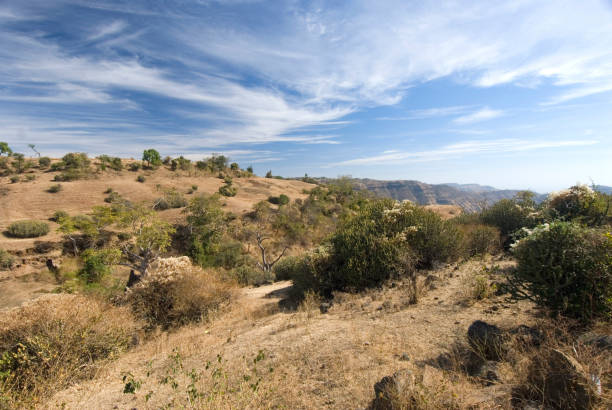
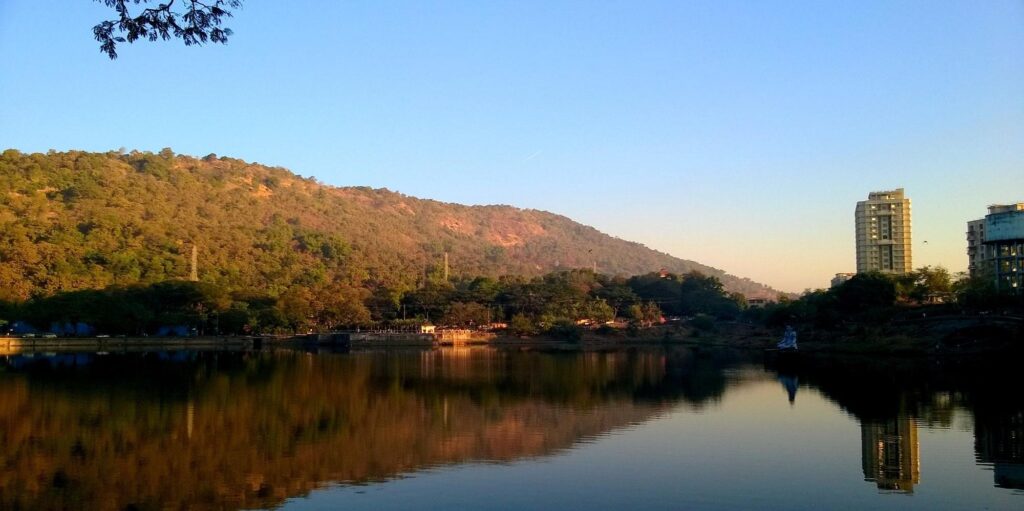
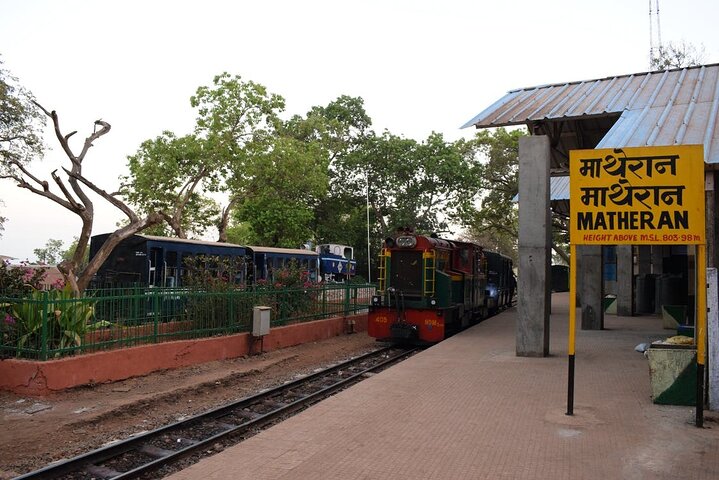
By Imran Mulla — Founder, TravelJunctions.in | Contributor, XploreHeaven.com Seventeen years in the travel business have taught me one golden rule: the smartest trips are not always the most expensive ones. And right now, in May 2026, that rule has never been more relevant. Your city is hitting 38°C to 43°C. International airfare has gone through the roof. The Indian rupee is under pressure. And PM Narendra Modi just made a heartfelt public appeal — on May 10, 2026 — asking Indians to skip foreign travel for at least a year and invest that money back home. You know what? I think he’s onto something. The Maharashtra hill stations are waiting for you — cooler, greener, more affordable, and honestly more refreshing than any crowded European square or overpriced Southeast Asian resort. Before you reach for your passport, let me share what 17 years of sending families, couples, and solo travelers to these mountains has taught me. Quick Answer: The best Maharashtra hill stations to visit in May 2026 include Mahabaleshwar, Matheran, Panchgani, Igatpuri, and Toranmal because they offer cooler temperatures ranging from 14°C to 28°C, stunning scenic landscapes, and easy road or rail access from Mumbai, Pune, and Thane. Why Maharashtra Hill Stations Are Trending in Summer 2026 Let me be straight with you — this trend was already building before Modi said a word. Indian millennials and Gen Z travelers have quietly been doing the math. A 4-night trip to Bali or Thailand for a couple, by the time you include visa fees, return flights, hotel, and food, costs somewhere between ₹1.5 lakh to ₹2.5 lakh easily. A 4-night workcation at a well-appointed villa or boutique resort in Mahabaleshwar or Igatpuri? You are looking at ₹25,000 to ₹60,000 for two — and that includes your meals, scenic drives, and a proper digital detox. The numbers back this up. Maharashtra received 189.4 million domestic tourist visits in 2024, up 17% from the previous year, according to the Ministry of Tourism’s India Tourism Data Compendium 2025. And the Skift India Travel Report 2026 confirms that Indian travelers now prefer 4 mini-breaks over one long holiday, with couples making up 40% of weekend bookings at hill destinations close to Mumbai. The workcation culture has also permanently changed travel habits. Professionals from Mumbai and Pune IT corridors are booking hill station stays for 5 to 7 days, not just weekends, because stable Wi-Fi and cooler air genuinely improve productivity. Social media is amplifying this — reels from Igatpuri’s Vipassana-adjacent retreats and sunrise shots from Mahabaleshwar’s Wilson Point are racking up millions of views and pulling younger crowds who want an experience worth sharing. Why PM Modi’s Domestic Travel Appeal Is Boosting Maharashtra Hill Stations On May 10, 2026, at a BJP event in Hyderabad, Prime Minister Narendra Modi made a direct appeal to the Indian middle class. He asked citizens to avoid foreign travel, foreign destination weddings, and excessive gold purchases for at least one year, citing the need to protect India’s foreign exchange reserves amid geopolitical pressure and a crude oil surge of nearly 50%. This was not just a political statement. It was economic common sense packaged as a patriotic nudge. His appeal aligns perfectly with the government’s long-running “Dekho Apna Desh” initiative and the “Vocal for Local” vision — both aimed at making domestic tourism a first choice, not a fallback. And here is the thing: Maharashtra is uniquely positioned to benefit. The state’s Maharashtra Tourism Policy 2024 is already focused on enhancing tourism infrastructure and boosting regional tourism. When you travel to a Maharashtra hill station, every rupee you spend — at the local dhaba, the strawberry stall, the homestay run by a tribal family — stays in the Indian economy and creates real livelihoods. That is the kind of multiplier effect no international resort booking can replicate. Which Maharashtra Hill Stations Are Best to Visit in May 2026? Short answer: For May 2026, the top picks are Mahabaleshwar, Matheran, Lonavala, Panchgani, Toranmal, Igatpuri, and Amboli — each suiting a different type of traveler. Mahabaleshwar — Best Overall Pick At 1,353 metres above sea level in the Western Ghats, Mahabaleshwar remains the queen of Maharashtra hill stations, and for good reason. In May, temperatures hover between a very comfortable 19°C to 24°C. That alone is enough to make you pack your bags when Mumbai is sweltering at 37°C. Located 123 km from Pune and 243 km from Mumbai, it is accessible and fully loaded with things to do. Arthur’s Seat, Wilson Point, Kate’s Point — these viewpoints are genuinely spectacular, not just tourist-brochure words. The strawberry farms around Mapro Gardens are still operational in early May, and the freshly made strawberry ice cream there is something I personally look forward to every season. Venna Lake is perfect for a quiet evening boat ride with family. My tip: Leave Mumbai or Pune by 5:30 AM on a weekday. Avoid the weekend rush. You will get the viewpoints almost to yourself before 9 AM. Matheran — The Vehicle-Free Escape If there is one place that truly forces you to slow down, it is Matheran. Asia’s only completely automobile-free hill station, it sits 80 km from Mumbai and offers something no other destination can — silence. Park your car at Dasturi Naka and walk the 2.5 km to the main market, or hire a horse (₹500–800). Better still, take the heritage Neral–Matheran toy train (₹75, a delightful 2-hour journey through thick forest). With temperatures around 22°C to 26°C in May, it is one of the most peaceful summer retreats in the state. Best for: Families with young children, digital detox seekers, photography enthusiasts. Lonavala — The Weekend Getaway King Lonavala sits just 95 km from Mumbai and 67 km from Pune on the expressway. You can be there in 90 minutes if you leave early. That proximity is its biggest strength. Yes, it gets crowded on weekends — but go on a Tuesday or Wednesday and Bhushi Dam, Karla Caves,

Maharashtra Hill Stations in May 2026: Why Domestic Travel Is the Smartest Summer Choice Read More »

Maharashtra Tourism 2026: ₹2,500 Crore Plan, 100 New Tourism Circuits & Future Destinations

By Imran Mulla | Founder, TravelJunctions.in | Published on XploreHeaven.com I have been planning trips across Maharashtra for 17 years. I have walked the ramparts of Sindhudurg Fort, driven the coastline of Konkan at golden hour, and watched the sun rise over Ajanta Caves before the crowds arrived. And when I tell you that what the Maharashtra government has just announced is genuinely exciting — I mean it. Maharashtra Tourism is about to undergo the most significant overhaul in its history. The state government has committed a staggering ₹2,500 crore to develop 100 new tourism sub-circuits across five administrative divisions. This is not a campaign slogan. This is a full-scale structural investment that will reshape how millions of travelers experience this incredible state — not just in 2026, but well beyond. If you are planning a road trip in Maharashtra, a family holiday, a heritage trail, or even a spiritual journey, this plan will directly affect your experience. Let me break it all down for you. What Is the Maharashtra Tourism 2026 Roadmap? Quick Answer: The Maharashtra 2026 tourism plan involves a ₹2,500 crore government investment to build 100 tourism sub-circuits across five divisions of the state. The goal is to convert Maharashtra into a year-round tourism economy, create large-scale employment, and improve last-mile connectivity to destinations beyond Mumbai and Pune. The plan targets increased tourist footfall right up to 2047. Maharashtra’s Department of Tourism has moved decisively beyond the old model of promoting a few star destinations. The new approach is about building integrated tourism clusters — meaning you get better roads, better signage, better accommodation, and better digital infrastructure all across a region, not just at one fort or one beach. The 100 sub-circuits span a wide variety of themes: What this means for you: Every kind of traveler is covered — the family that wants a temple circuit, the solo backpacker hunting a forest trail, and the couple looking for a quiet Konkan homestay. Why 100 Circuits? The Logic Behind the Number Quick Answer: Maharashtra spans 307,713 sq km and has 36 districts, yet tourism has historically been concentrated around Mumbai, Pune, and Aurangabad. The 100 new tourism circuits in Maharashtra are designed to spread visitor traffic — and money — to underserved regions like Vidarbha, Marathwada, and northern Maharashtra, fixing a long-standing imbalance. Here is something I have seen firsthand over nearly two decades: most travelers land in Mumbai, rush to Pune, squeeze in Lonavala, and fly home. They miss 90% of what Maharashtra actually offers. The Vidarbha region alone — think Nagpur, Wardha, Chandrapur — is a wildlife paradise. Marathwada has some of the most underrated cave temples and medieval forts in all of India. And the northern belt around Nashik, Dhule, and Jalgaon sits right beside the world-famous Ajanta Caves, yet barely gets a fraction of the attention it deserves. 100 circuits spread across five divisions means that even small district towns finally get infrastructure, visibility, and a reason for tourists to stop, stay the night, and spend. Regional Benefits: What Each Division Gets Quick Answer: The ₹2,500 crore Maharashtra tourism plan distributes investment across five administrative divisions — Konkan, Pune, Nashik, Aurangabad (Chhatrapati Sambhaji Nagar), and Nagpur — each receiving circuits tailored to their natural, cultural, and historical strengths. Division Key Focus Areas Signature Circuit Types Konkan Coastal & Marine Tourism Beach circuits, sea fort trails, coastal homestays Pune Heritage, Hill Stations & Adventure Fort circuits, Sahyadri trekking, spiritual routes Nashik Pilgrimage, Wine & Cultural Tourism Trimbakeshwar, vineyard trails, tribal art routes Aurangabad (Chhatrapati Sambhaji Nagar) UNESCO Heritage & Spiritual Tourism Ajanta-Ellora circuits, Marathwada fort trails Nagpur Wildlife, Eco-tourism & Rural Tourism Tadoba-Andhari, Melghat, agro-tourism villages Each division has its own identity, and the sub-circuits are built to respect that. A Konkan road trip will feel completely different from a Vidarbha wildlife safari — as it should. Insider note from me: If I had to pick one region that is most underrated and will transform fastest under this plan, it is Vidarbha. The roads to Tadoba are already improving. Once homestay infrastructure catches up, this region will rival any wildlife destination in central India. Infrastructure: What Is Actually Being Built? Quick Answer: The Maharashtra government plans to use the ₹2,500 crore investment to upgrade roads and last-mile connectivity, build better tourist amenities, improve digital infrastructure, restore riverfront and heritage zones, and develop homestay and hospitality capacity around circuit destinations. Let’s talk ground reality, because I have visited enough half-built tourist zones to know that a promise on paper is not the same as a road that actually gets you there. The plan explicitly targets: What this means for road-trippers: If you are planning road trips in Maharashtra — especially to less-traveled routes — expect markedly better approach roads, clearer direction boards, and actual rest stop infrastructure by late 2026 and beyond. The connectivity push also matters for a practical reason that most articles miss: half the reason people skip smaller destinations is not lack of interest — it is fear of bad roads and no accommodation. This plan addresses both. Impact on Local Communities and Travelers Quick Answer: The Maharashtra 2026 tourism plan is expected to generate employment in hospitality, transport, food, handicrafts, and adventure activities — especially in semi-rural and tribal districts that have historically been bypassed by mainstream tourism investment. Tourism, when done right, is one of the fastest ways to lift local economies. I have seen it happen in the Konkan belt over the last decade — a family running a small beach homestay in Tarkarli now supports three generations from tourism income alone. The 100 circuits create jobs that do not require industrial training. A local cook, a boat operator, a fort guide, a tribal artisan — all of these livelihoods are directly powered by an increase in tourist footfall. Job sectors that will grow directly: The NaMo Tourism Skill Program — announced in 2025 — is also training local youth in hospitality, foreign languages, and event management

Maharashtra Tourism 2026: ₹2,500 Crore Plan, 100 New Tourism Circuits & Future Destinations Read More »

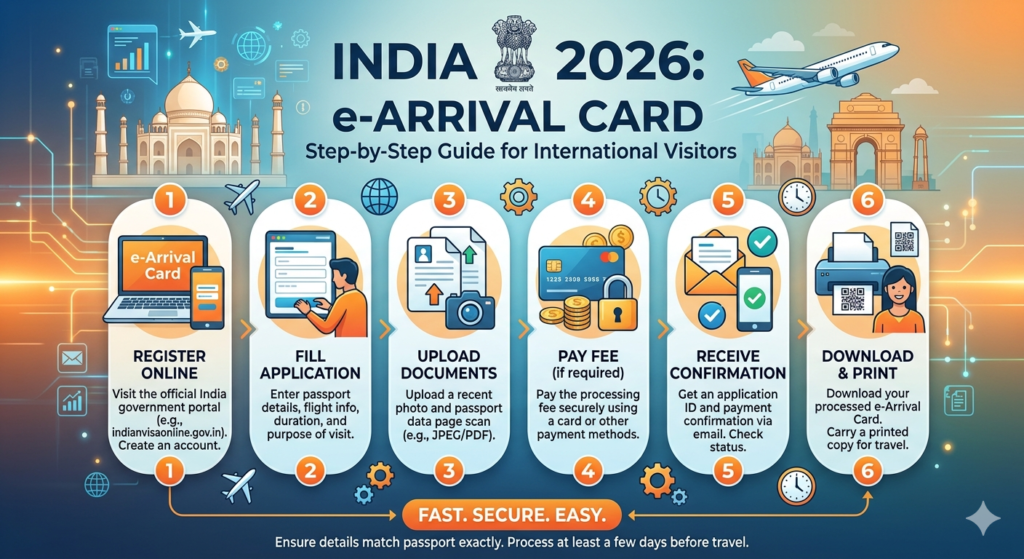
India e-Arrival Card 2026: Step-by-Step Guide for International Visitors to Avoid Airport Delays

By Imran Mulla — Founder, TravelJunctions.in | Contributor, XploreHeaven.com If you’re flying to India after April 1, 2026, there’s one new thing you absolutely cannot ignore — the India e-Arrival Card 2026. Miss it, and you could be standing in a long queue at the airport while everyone else walks through. I’ve spent 17 years moving groups in and out of India’s busiest airports, and I can tell you — the difference between a smooth immigration experience and a nightmare one is almost always preparation. This guide gives you everything you need to fill the form right, submit it on time, and walk through immigration without stress. 🟦 Quick Answer Box — What Is the India e-Arrival Card? The India e-Arrival Card is a free, mandatory digital form that all foreign nationals and OCI (Overseas Citizen of India) cardholders must submit within 72 hours before landing in India. It replaces the old paper disembarkation form that airlines used to hand out during flights. Once submitted, you get a QR code that immigration officers scan at the airport. It is not a visa — it is a separate arrival declaration form. What Is the India e-Arrival Card 2026? The India e-Arrival Card is a digital pre-arrival declaration system introduced by the Bureau of Immigration (BoI) under India’s Ministry of Home Affairs. It officially launched on October 1, 2025, during a transition period where both paper forms and the digital card were accepted side by side. From April 1, 2026, the paper disembarkation form — the blue or white card that flight attendants used to hand out before landing — has been permanently discontinued at all Indian airports. The digital e-Arrival Card is now the only accepted method. The form captures: After submission, the system generates a QR code. You show this QR code — on your phone screen or as a printout — to the immigration officer on arrival. They scan it, cross-check your details, and you’re good to go. This is part of India’s larger IVFRT 3.0 (Immigration, Visa, Foreigners Registration and Tracking) modernisation programme, which is upgrading everything from border analytics to biometric e-gates at major airports. Why Has India Made the e-Arrival Card Mandatory in 2026? India was one of the last major tourism destinations still using paper disembarkation forms — a system largely unchanged since the 1960s. That changes now. Here’s why the Ministry of Home Affairs pushed this reform: What I’ve seen on the ground at Indira Gandhi International Airport (IGI/DEL) in Delhi is that even a small bottleneck at immigration can create cascading delays, especially during peak international arrival windows. Digital pre-clearance is genuinely the answer. Who Needs to Fill the India e-Arrival Card 2026? This catches a lot of people off guard — especially OCI cardholders who assumed they were exempt (more on that in a dedicated section below). Traveler Type — Required or Not? Traveler Type e-Arrival Card Required? Foreign tourist (any country) ✅ Yes Business traveler (foreign national) ✅ Yes International student ✅ Yes Medical visitor ✅ Yes Transit passenger (clearing Indian immigration) ✅ Yes OCI (Overseas Citizen of India) cardholder ✅ Yes (mandatory since Oct 4, 2025) Foreign national on e-Visa ✅ Yes Foreign national on paper/regular visa ✅ Yes Airside transit (no immigration clearance) ❌ Not required Indian citizen (Indian passport) ❌ Exempt Important: If you’re an Indian citizen traveling on an Indian passport, you do NOT need the e-Arrival Card. That’s the only exemption. Is the India e-Arrival Card Different From an e-Visa? Yes — and confusing these two is one of the most common mistakes I see travelers make. They are completely separate requirements. Feature e-Arrival Card e-Visa (Indian Visa) Purpose Arrival declaration form Entry permission into India Cost Free Paid (fees vary by category) When to submit Within 72 hours before arrival Apply weeks in advance Who issues it Bureau of Immigration (BoI) Bureau of Immigration (BoI) Validity Single trip Varies (30 days, 1 year, 5 years) Replaces Paper disembarkation form Embassy/consulate visa sticker Required for OCI holders ✅ Yes ❌ No (OCI grants visa-free entry) Portal indianvisaonline.gov.in/earrival indianvisaonline.gov.in/evisa The bottom line: Your e-Visa gets you into India. Your e-Arrival Card tells immigration exactly who you are when you land. Both are mandatory for most foreign travelers — they work together, not in place of each other. When Should You Submit the India e-Arrival Card 2026? The 72-hour window is strict. Here’s what that means in practice: 💡 Best Time to Submit: Set a phone reminder for 2 days before your India arrival date. Open the form, have your passport and hotel booking ready, and complete the process in under 10 minutes. Don’t wait until you’re at the departure airport — public Wi-Fi is unreliable, and last-minute submissions cause unnecessary stress. How to Fill the India e-Arrival Card 2026 — Step by Step Step 1: Visit the Official Portal Go to indianvisaonline.gov.in/earrival on any browser, or download the Su-Swagatam mobile app from the Google Play Store or Apple App Store. ⚠️ Warning: Scam websites are appearing on Google that charge fees (sometimes up to $160 USD) to fill this form. The e-Arrival Card is 100% free. Use ONLY the official government portal or the Su-Swagatam app. No third-party agent is needed. Step 2: Enter Your Passport Details Fill in the following: Step 3: Enter Your Flight Information Step 4: Add Your Indian Address You must provide a specific address where you’ll be staying in India. “Hotel TBD” is not accepted. Use: Book at least your first night’s accommodation before filling this form. Step 5: Review and Submit Review every field carefully. Corrections after submission are not possible. If you made an error, you may need to submit a new form, which can create a duplicate record — a headache at immigration. Step 6: Download and Save Your QR Code After submission, you’ll receive a QR code confirmation. This is critical: ⚠️ If you close the browser without saving the QR code, you may not be able

India e-Arrival Card 2026: Step-by-Step Guide for International Visitors to Avoid Airport Delays Read More »

Konkan Railway News: summer special 2026 — New Weekly Trains from Mumbai & Thane to Madgaon

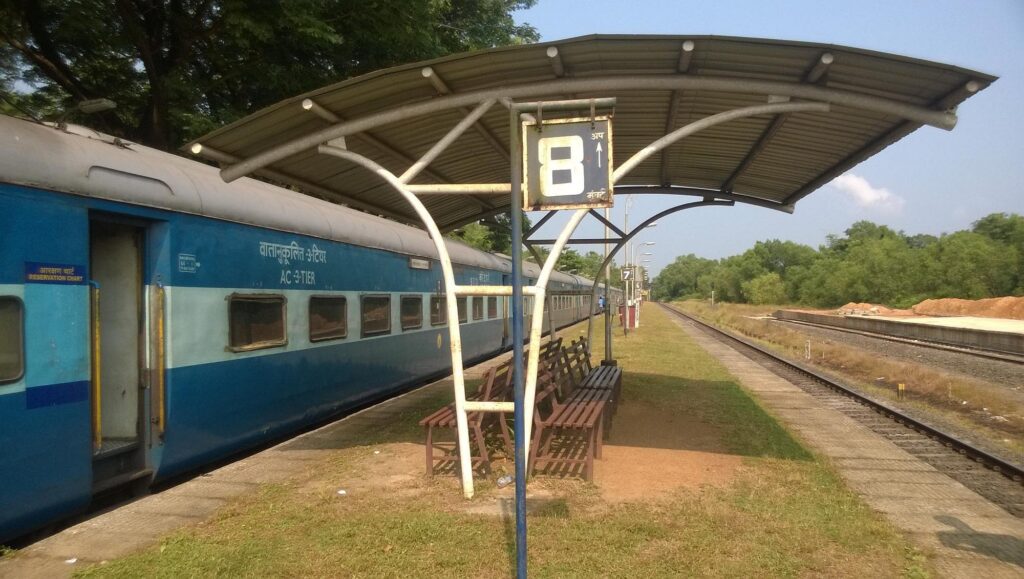
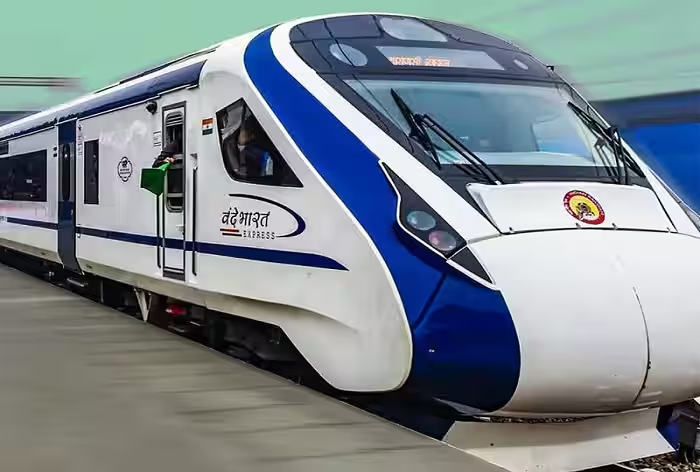
By Imran Mulla — Founder, TravelJunctions.in | April 29, 2026 | 9 min read About the Author: 17 years as a tour operator on the Mumbai–Goa corridor. I’ve personally escorted hundreds of groups on this exact route — I know which train is worth it, which berth to book, and which station saves you 40 minutes. The latest Konkan Railway News is the best thing to happen to Goa travelers this summer. New weekly trains from Mumbai CSMT and Lokmanya Tilak Terminus (LTT) to Madgaon are now running — and if you haven’t booked yet, you need to act now. Every April, I get the same calls from frantic travelers — “Imran bhai, flights are ₹12,000 one way, the Vande Bharat is waitlisted, the bus takes 16 hours — what do I do?” I’ve been managing Mumbai-to-Goa travel logistics for nearly two decades. And this year, the answer is crystal clear — the Summer Special 2026 trains on the Konkan Railway corridor are your best shot at a comfortable, affordable, and genuinely beautiful trip to Goa. This isn’t just good news. For families, students, and budget-conscious travelers, this is the most important Konkan Railway update of the season. Let me break it all down for you — no fluff, just facts. Why Konkan Railway News Is Trending in April 2026 If you’ve tried booking a Mumbai–Goa ticket in April or May over the last few years, you already know the pain. Regular trains on this route get waitlisted within hours of booking windows opening. Flights spike to two or three times their off-season prices. Buses? Sixteen-hour overnight journeys with no scenic value. The April–June window is peak vacation season — school exams wrap up in April, summer holidays begin, and hundreds of thousands of families from Mumbai, Thane, Navi Mumbai, and Pune head south. Goa remains India’s #1 domestic leisure destination, and the pressure on the Konkan Railway corridor in these two months is enormous. This year, Indian Railways and Konkan Railway Corporation Ltd (KRCL) have stepped up. They’ve announced multiple new summer special services — weekly trains, Sunday specials, and additional frequencies on existing routes — specifically to handle this rush. That’s why this topic is trending across Google, Reddit, and Quora right now. People want to know: Which trains? Which dates? How do I book before it fills up? I have the answers. Let’s go. Konkan Railway News – What New Summer Special Trains Have Been Announced? After thorough research of official Konkan Railway and Central Railway press releases, here is the verified list of summer special 2026 services on the Mumbai–Goa corridor: Train 01171 / 01172 — Mumbai CSMT ↔ Madgaon Frequency: Weekly — Every Thursday Running dates: 16 April – 11 June 2026 Departure from CSMT: 00:20 hrs → Arrival Madgaon: 15:15 hrs (same day) Return: Departure Madgaon 16:00 → Arrival CSMT 03:45 (next day) Coaches: 1×2AC, 6×3AC, 9 Sleeper, 4 General (22 coaches total) Train 01119 / 01120 — LTT ↔ Madgaon (Full AC Rake) Frequency: Weekly — Every Friday Running dates: 17 April – 12 June 2026 Departure from LTT: 00:55 hrs → Arrival Madgaon: ~15:30 hrs Coaches: 1 First AC, 3×2AC, 7×3AC — this is a full AC rake Stops: Thane, Panvel, Roha, Ratnagiri, Thivim, Karmali Train 01019 / 01020 — Mumbai CSMT ↔ Madgaon (Sunday Special) Frequency: Weekly — Every Sunday Running dates: 12 April – 07 June 2026 Return departure Madgaon: 16:00 → Arrival CSMT: 03:50 (next day) Coaches: 1×2AC, 6×3AC, 9 Sleeper, 4 General (22 coaches) Train 01129 / 01130 — Mumbai CSMT ↔ Madgaon (AC Economy Special) Frequency: 4 specific services Dates: 10 April & 14 April 2026 Departure CSMT: 00:20 hrs → Arrival Madgaon: 15:15 hrs Coaches: 18×AC 3-Tier Economy + 2 Generator Vans — full AC economy rake PRO TIP: Train 01119/01120 (LTT–Madgaon) is a full AC rake with First AC, 2AC, and 3AC options. It’s the most premium option among the summer specials — ideal for families who want comfort without flying. Konkan Railway News – Full Route, Stops & Boarding Stations All the major summer special trains on this corridor follow a consistent set of halts along the Konkan route. Here is the full station sequence from Mumbai to Madgaon: Mumbai CSMT → Dadar → Thane → Panvel → Pen → Roha → Mangaon → Veer → Khed → Chiplun → Sawarda → Aravali Road → Sangameshwar Road → Ratnagiri → Adavali → Vilavade → Rajapur Road → Vaibhavwadi Road → Kankavali → Sindhudurg → Kudal → Sawantwadi Road → Thivim → Karmali → Madgaon Junction Key notes on Goa stations: PRO TIP: This one decision — knowing which Goa station to exit at — saves you 1–2 hours on the road at the other end. Most first-timers stay on until Madgaon and then backtrack north. Don’t do that. Konkan Railway News – Best Train for Mumbai, Thane & Navi Mumbai Travelers This is the section most travel sites skip. Not me. After running tours on this corridor for 17 years, the boarding station question is everything. Here’s the honest breakdown: Traveler Type / Location Best Boarding Station Why This Works Recommended Train South Mumbai / Fort / Churchgate Mumbai CSMT Origin station — guaranteed seating, no rush boarding 01171, 01019, 01129 Dadar / Byculla / Parel Dadar Just 10–15 mins after CSMT. Board here to skip CSMT chaos 01171, 01019, 01129 Thane / Mulund / Bhiwandi Thane All major specials stop here. Easy parking, less crowded than CSMT All 4 trains Navi Mumbai / Kharghar / Belapur Panvel Closest station for Navi Mumbai — great platform access, less chaos All 4 trains Kurla / Ghatkopar / Andheri LTT (Lokmanya Tilak Terminus) Origin station for 01119/01120. All berth options available from here 01119 / 01120 Family groups (4+ members) CSMT or LTT (origin) Book from origin — easier to get side lower berths together 01171 or 01119 Solo/couple, budget traveler Thane or Panvel Flexible boarding + sleeper class is most economical 01171, 01019 IMPORTANT:

Konkan Railway News: summer special 2026 — New Weekly Trains from Mumbai & Thane to Madgaon Read More »

5 Unexplored Places Near Thane for Summer (No Crowds – May 2026 Hidden Gems)

By Wahid Ali | Operations Lead, Astamb Holidays, Mumbai | LinkedIn If you’re searching for places near Thane that don’t involve standing in a queue under a blazing May sun, you’ve landed in the right spot. Thane’s most famous weekend destinations — Lonavala, Matheran, Mahabaleshwar — are packed to the brim by the second weekend of May. This guide reveals 5 less-explored, cooler, and genuinely peaceful spots right within or near Thane district that most travellers skip entirely. Pack light, leave early, and thank me later. 🌿 What Are the Best Unexplored Places Near Thane for Summer? Here’s a quick snapshot for those who want answers fast: 🌡️ Why Choose Less Crowded Places Near Thane in May? May in the Mumbai Metropolitan Region is brutal — temperatures regularly touch 38°C to 42°C in the open. Popular spots like Tikuji-ni-Wadi or Upvan Lake promenade get jammed with families on weekends, turning a relaxing outing into a sweaty ordeal. In my years planning group tours at Astamb Holidays, I’ve seen this pattern repeat every summer. Clients book a weekend trip to Lonavala in May expecting relief, only to find traffic jams on the expressway and every vada pav stall with a 20-minute wait. The smarter move? Go hyper-local and hyper-early. Here’s a practical insight most blogs won’t tell you: the best “summer escape” from Thane isn’t a 3-hour drive — it’s a place with shade cover, lower elevation humidity, or water bodies that you can reach by 7 AM before the sun turns vicious. All five spots below fit that criteria perfectly. 🗺️ 5 Unexplored Places Near Thane You Must Visit in May 2026 🌳 Yeoor Hills – Hidden Nature Escape Right Inside Thane Yeoor Hills sits inside the Sanjay Gandhi National Park buffer zone, barely 10 km from Thane Railway Station. Yet most people living in Thane haven’t walked a single trail here. That’s almost criminal. The hills are covered in bamboo, teak, mango, and jackfruit trees — natural shade all the way. There are streams, small waterfalls, and tribal villages inside. In May, the forest canopy keeps the trail temperature noticeably cooler than the city streets below. Type Numbers Crowd Score (0–10): 3/10 on weekdays, 5/10 on weekends Best Time Slot: 6:00 AM – 9:00 AM — before families arrive Summer Suitability Score: 8/10 🔍 Local Insight Tip: Enter via the Upvan Lake side on Pokhran Road — most weekend visitors use the Tikuji-ni-Wadi entrance, making the Upvan entry significantly quieter. Carry a paper map downloaded offline since mobile signals are patchy inside the forest. 🦩 Thane Creek Flamingo Sanctuary – Less-Discovered Mangrove Safari Near Thane Here’s one I personally recommend to honeymooners and birding enthusiasts at Astamb Holidays — and their reactions are always the same: “Why didn’t anyone tell us about this before?” The Thane Creek Flamingo Sanctuary covers 1,690 hectares of mangrove forests along the western bank of Thane Creek. It was officially declared a protected sanctuary in 2015 by the Maharashtra Government. The boat safari from the Coastal and Marine Biodiversity Centre at Airoli takes you deep into the creek where Greater Flamingos and Lesser Flamingos still linger into May before their migration cycle wraps up. You also spot Pied Avocets, Painted Storks, and Spot-Billed Ducks on a good day. Factor Reason Crowd Score (0–10): 2/10 — genuinely one of the least crowded spots near Thane Best Time Slot: Morning safari slots — book in advance as boat timings follow high tide Summer Suitability Score: 7/10 — mangrove cover provides shade, but carry water and a light hat 🔍 Local Insight Tip: Call the Biodiversity Centre a day ahead to confirm the day’s boat safari timings since they change with the tides. The mangrove boardwalk is a shaded, flat walk — ideal if you don’t want a full boat safari. 💧 Tansa Lake – The Quiet Wilderness Reservoir Near Thane Most people in Mumbai haven’t even heard of Tansa Lake as a travel destination — which is exactly why I love recommending it. Located inside the Tansa Wildlife Sanctuary (spread across 320 sq. km in Shahapur taluka), this is one of the key water reservoirs supplying Mumbai’s drinking water. The lake is surrounded by dense forested hills, and the remote location means wildlife sightings are frequent — leopards, crocodiles, and dozens of rare bird species inhabit the sanctuary. You won’t be wrestling for a parking spot here, that’s for sure. Factor Reason Crowd Score (0–10): 1/10 — genuinely off the mainstream radar Best Time Slot: 6:00 AM – 10:00 AM for wildlife activity and cool air Summer Suitability Score: 7/10 — forested surroundings keep it cooler; no direct beach sun 🔍 Local Insight Tip: Entry to the lake area is restricted in parts due to water authority rules. Stick to the forest boundary walks and lake viewpoints — there is no entry fee, but access to certain zones requires permission from forest officials. Pair this with a Mahuli Fort base camp stop since both are in the same Shahapur belt. 🏰 Mahuli Fort Base Village – Early Dawn Trek Near Thane Mahuli Fort is Thane district’s highest point at 2,815 feet above sea level. Most blogs tell you to trek here — which I normally wouldn’t recommend in May because the sun on open rocky terrain is punishing by 10 AM. But here’s what they miss: the Mahuli Base Village and the surrounding Tansa Wildlife Sanctuary forest trails at the foothills are absolutely gorgeous at dawn — shaded, cool, and almost entirely free of weekend tourists in summer. The fort’s history is remarkable — from the Nizamshahi dynasty (1485) to Shivaji Maharaj’s campaigns, this place changed hands multiple times and carries centuries of Maratha legacy. The base village has a small temple with a hand-drawn map of the fort. Factor Reason Crowd Score (0–10): 3/10 — light trekking groups but no mass tourism in May Best Time Slot: 5:30 AM – 9:00 AM — strictly morning; fort gates close at noon in summer Summer Suitability

5 Unexplored Places Near Thane for Summer (No Crowds – May 2026 Hidden Gems) Read More »

spiti valley

Is Spiti Valley Open Now April 2026? Latest Road Status, Weather & Travel Advisory

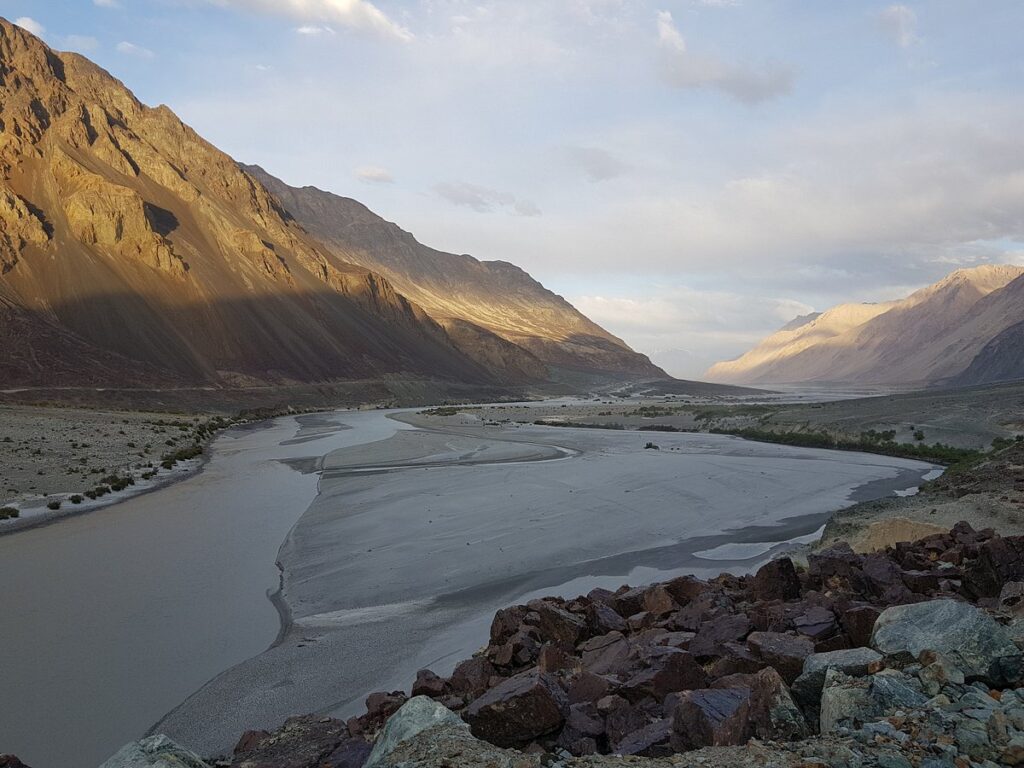
I get this question in my inbox every single week between February and May — “is Spiti Valley open now?” And honestly, I understand why. Most travel blogs give you the same recycled answer. So let me give you a straight, real answer based on what’s actually happening on the ground in April 2026, along with everything you need to plan smartly. Here’s the short version: Spiti Valley is accessible right now — but only from one direction. The rest of this article will tell you exactly which route works, what to expect when you get there, and whether this is the right trip for you. Is Spiti Valley Open Now in April 2026? Yes, Spiti Valley is open in April 2026, but only via the Shimla–Kinnaur route. The Manali route via Kunzum Pass remains closed due to heavy snow. You can reach Kaza and explore the core valley, but a full circuit trip is not possible right now. That said, let me be honest with you — “open” in April doesn’t mean smooth roads and clear skies all the way. It means the Shimla–Kinnaur highway (NH-05) is operational, maintained by BRO and HPPWD crews throughout winter and early spring. There can be icy patches near Nako, some single-lane stretches after winter damage, and the odd weather disruption near Sumdo. But people are getting in and out. I’ve spoken to travellers who made this trip in the second week of April 2026 — they reached Kaza without major issues. The key word is planning. Go in with the right vehicle, the right gear, and a flexible mindset, and this trip will be one you talk about for years. 🛣️ What is the Current Road Status of Spiti Valley? Let me break this down clearly because confusion about routes is the number one reason travellers make bad decisions before heading to Spiti. Route Status (April 2026) Key Details Shimla → Kaza via Kinnaur, Reckong Peo, Nako, Tabo ✅ OPEN Year-round route; occasional ice patches near Nako Manali → Kaza via Kunzum Pass ❌ CLOSED Under heavy snow; expected to open late May 2026 Keylong → Kaza ❌ CLOSED Closed until Kunzum Pass clears Karchham → Chitkul via Sangla ✅ OPEN (as of late April) Route advisory updated 21-04-2026 Chandratal Lake ❌ CLOSED Accessible only after mid-June Full Spiti Circuit (Shimla in, Manali out) ❌ NOT POSSIBLE Requires Kunzum Pass to open Bottom line: If you’re planning a full circuit trip right now, it is simply not happening. You go in via Shimla, explore the core valley, and come back the same way. Anyone telling you otherwise is giving you dangerous information. 🔵 Shimla–Kinnaur Route: Your Only Gateway Right Now The Shimla to Kaza distance is approximately 420 km, and it takes 2 to 3 days with proper acclimatisation stops. The route goes through Narkanda → Rampur → Reckong Peo → Nako → Tabo → Kaza. This is also called the Hindustan-Tibet Highway, and it is your lifeline for early-season Spiti travel. The road from Shimla to Narkanda and through most of Kinnaur is in good condition. As you pass Pooh and approach Nako, expect slush and ice patches, especially in the first two weeks of April. Beyond Tabo, the road improves again into Kaza. Keep a buffer of at least one extra day for this stretch. 🔴 Manali–Kaza Route: Don’t Even Try It Kunzum Pass sits at 4,590 metres (15,060 feet) and remains buried under snow until late May or early June. The Border Roads Organisation (BRO) typically begins snow clearance operations in March–April, but the road doesn’t open for tourist traffic until much later. In 2025, BRO started clearance in April and the road opened around late May. Expect a similar timeline for 2026. Even with the Atal Tunnel operational for local residents, travel beyond Sissu/Keylong towards Kunzum Pass base is simply not possible right now. Don’t attempt this route. Blizzards on this stretch are sudden and serious. 🚗 Can You Travel from Manali to Spiti Valley Now? No. The Manali-to-Kaza route via Kunzum Pass is closed. Period. The entire stretch from Gramphu to Kunzum Pass base is under deep snow. BRO has started early clearance operations, but the route will not be motorable for tourist traffic until late May 2026 at the earliest. This is where I always urge travellers to be realistic. Every year, a handful of people try to “push through” the Manali route in April — sometimes successfully, mostly not. The risk-reward ratio is just not worth it. You could get stranded for days, and rescue in these areas is slow and complicated. If Manali is your starting point, take the long way around: Manali → Shimla (by road or bus), then begin the Kinnaur route. I know that sounds inconvenient, but it’s the safe and smart play. 🌡️ What is the Weather in Spiti Valley in April? Spiti is a cold desert — that context matters. It’s not the wet, freezing cold of Manali or Shimla. It’s dry, sharp, and intense. In April 2026, here’s what you can realistically expect in Kaza: Weather Factor Early April (1–10) Mid April (11–20) Late April (21–30) Daytime High 0°C to 2°C 2°C to 5°C 4°C to 8°C Nighttime Low -12°C to -15°C -10°C to -13°C -10°C to -13°C Snow Possibility High Moderate Low to moderate Sunshine Hours ~9 hours ~9 hours ~10 hours Wind Chill Significant Significant Significant Wind is the sneaky one. Between Tabo and Kaza, the valley funnels wind through narrow gorges, and the wind chill can make the actual temperature feel 5 to 8 degrees colder than what any thermometer shows. Pack accordingly. The good news? Spiti gets clear, sunny days even in April. When that sun hits the snow-covered peaks of Key, Kibber, and Langza against the brown desert valley floor — the contrast is dramatic and completely stunning. Very few tourists ever see Spiti like this. 🎒 April Packing Checklist for Bikers and Backpackers ❓ What Are Travellers Asking? (Real Questions, Real

Is Spiti Valley Open Now April 2026? Latest Road Status, Weather & Travel Advisory Read More »

Current Travel Advisory for Matheran April 2026: Is It Open, Safe & Worth Visiting Now?

Every other weekend, someone from my team in Mumbai asks me: “Wahid bhai, should we head to Matheran this Sunday?” And honestly, my answer in April 2026 is — yes, but go informed. The Travel Advisory for Matheran this month is cautiously positive. The hill station is open, the trails are accessible, and the views from the viewpoints are still worth the drive from Mumbai. But after last year’s drama, you’d be smart to read this fully before booking anything. 🗓️ What is the Current Travel Advisory for Matheran April 2026? As of April 2026, Matheran is open to visitors. The hill station is fully operational, but travelers should exercise caution regarding local operators and plan visits during early morning hours due to high afternoon heat. Here’s the short version: Matheran is currently welcoming tourists. Major viewpoints, walking trails, the market area, and horse ride services are all functional. However, this destination has had a rough year in terms of reputation. In March 2025, the Matheran Bachao Sangharsh Samiti (also known as the Matheran Paryatan Bachao Sangharsh Samiti) called an indefinite shutdown of the hill station starting March 18, 2025. The reason? Uncontrolled fraud by certain horse operators at the Dasturi Point entry — misleading tourists, overcharging, and damaging the destination’s image. Despite formal complaints to the revenue department, municipal council, forest department, and police on February 27, 2025, no action was taken. The bandh lasted 2 days and was called off on March 20, 2025, following assurances from the administration and mediation by local MLA Mahendra Thorve. Fast forward to April 2026 — the situation is stable. But “stable” doesn’t mean “sorted.” Go with your eyes open. 🔓 Is Matheran Open or Closed Right Now? Yes, Matheran is currently open to tourists. All major attractions, trails, and viewpoints are accessible as of April 2026. The short closure of March 2025 spooked a lot of travelers. Since then, the administration has taken some steps to regulate local operators, though the situation on the ground still requires personal vigilance. Here’s what you should always do before heading out: The history of protests at Matheran shows that operational shutdowns can happen quickly and without much warning. Don’t be the traveler who shows up to a locked gate. 🚫 What Are the Current Travel Restrictions in Matheran? Matheran enforces strict vehicle-free rules beyond Dasturi Point. All travel inside the hill station is on foot, horseback, or hand-pulled carts. Here are the key travel restrictions and rules in effect right now: Mode of Transport Available? Approximate Cost (INR) Walking (self) ✅ Yes Free Horse Ride (Dasturi to Town) ✅ Yes ₹300–₹700 (negotiate firmly) Hand-pulled Rickshaw ✅ Yes ₹500–₹900 (varies) Toy Train (Neral to Matheran) ✅ Usually available ₹35–₹100 (class-dependent) Private Vehicle inside Matheran ❌ Not allowed — 🛡️ Is It Safe to Visit Matheran in April 2026? Matheran is safe to visit in April 2026, but travelers should stay alert and avoid unverified services. From my experience heading travel operations out of Mumbai, the safety concern at Matheran is less about physical danger and more about financial exploitation. Here’s your full safety breakdown: ⚠️ Scam Alert — Horse Operator Overcharging This is the big one. The entire March 2025 protest happened because certain horse operators at Dasturi Point were systematically misleading and overcharging tourists. The administration promised action, but scams of this nature don’t disappear overnight. 🌡️ Heat Advisory — April Afternoons Are Brutal According to weather data aligned with India Meteorological Department (IMD) trends, April temperatures in Matheran can spike up to 36–42°C in the afternoon. Daytime heat here is no joke. ✅ General Safety Tips 💬 What Are Travelers Asking Online? Real questions from real travelers — answered straight: Q1: Is Matheran worth visiting now after the 2025 closure? ✅ Yes, absolutely worth it for a short nature trip. The hill station itself hasn’t changed. The views, the red soil trails, the toy train, and the car-free peace are all still there. The 2025 closure lasted only 2 days and is resolved. Go — just go informed. Q2: Are horse rides safe and fairly priced in April 2026? ⚠️ Prices vary and negotiation is essential. The standard rate from Dasturi to the main town is roughly ₹300–₹700, but some operators have been known to charge double. Negotiate clearly, agree on the fare before mounting, and don’t hand over money mid-ride. The horses themselves are safe — it’s the pricing that needs watching. Q3: Is one day enough for Matheran? 🕐 1–2 days is ideal. If you’re coming from Mumbai or Pune for a quick refresh, one full day is doable. You can hit Panorama Point, Echo Point, Louisa Point, and the market. For a more relaxed pace — especially with kids or elderly family members — two days is perfect. ✅ Should You Visit Matheran Right Now? 👍 Visit If You: 👎 Avoid If You: 🏆 Final Verdict — Wahid Ali’s Take Matheran in April 2026 is open, functional, and genuinely worth a visit — especially if you’re a Mumbaikar craving a break from the city grind. The chaos of March 2025 is behind us. The administration has made commitments, and the hill station’s natural charm hasn’t diminished one bit. That said, this is a destination for informed travelers. Know the entry rules. Negotiate firmly with horse operators. Start early. Carry cash and water. And keep a flexible mindset — because Matheran doesn’t bend to urban expectations. It asks you to slow down, and that’s exactly the point. Go. Just go smart. — Wahid Ali Operations Lead, Astamb Holidays | Mumbai linkedin.com/in/wahid-ali-2aa84022/ | xploreheaven.com 📚 References & Citations This article is backed by authoritative sources and research.

Current Travel Advisory for Matheran April 2026: Is It Open, Safe & Worth Visiting Now? Read More »