By Wahid Ali | Operations Lead, Astamb Holidays, Mumbai
The numbers at Astamb Holidays have been telling a clear story for the past two years. Inquiries for offbeat destinations in India — places like Tirthan Valley, Toranmal, and Gurez Valley — have gone up by nearly 40% year-on-year. Meanwhile, bookings for the usual suspects — Shimla, Manali, Goa — have either plateaued or started declining among our repeat traveler base.
This isn’t a coincidence, and it isn’t just a social media trend. Something more fundamental is shifting in how Indian travelers think about holidays. After years of planning tours across the country, I can say with confidence: the era of checklist tourism is ending, and something richer is taking its place.
Why Are Offbeat Destinations Becoming India’s Biggest Travel Trend? 🌿
Indian travel culture has evolved dramatically since 2019. The post-pandemic reset gave millions of travelers a chance to ask a question they’d never had time to consider before: What do I actually want from a trip? The answers are driving one of the most interesting shifts in domestic tourism history.
The Overtourism Problem at Popular Destinations
Overtourism is no longer an abstract concern. It’s a visible, lived experience for anyone who has tried to visit Shimla Mall Road in May or reach Dudhsagar Falls in Goa on a December weekend.
Shimla receives roughly 50 lakh visitors annually, a number that strains a city built for a fraction of that load. The Himachal Pradesh Tourism Development Corporation has acknowledged the growing pressure on infrastructure — water supply, waste management, road capacity — all of which directly degrade the visitor experience. Destination carrying capacity, the maximum tourist volume a location can absorb without environmental or social harm, is regularly breached at major Indian hotspots.
In Goa, the situation is similarly stretched. Baga Beach, Calangute, and Anjuna handle combined footfall during peak season that overwhelms local sanitation systems and pushes accommodation prices to levels comparable with Bangkok or Bali. The result: travelers pay more, fight more crowds, and often leave feeling underwhelmed.
This means the places that once defined Indian travel are now working against the very experiences that made them famous. In practice, when a destination exceeds its carrying capacity, the quality gap between marketing images and on-ground reality becomes embarrassing.
Travelers Want Experiences, Not Checklists
For years, the dominant travel behavior in India was what I’d call flag-planting — visiting a place long enough to photograph it and check it off a list. Experiential tourism is the direct cultural pushback against that approach.
Travelers today want to participate, not just observe. They want to cook with a local family in Ziro Valley, learn natural dyeing techniques from an artisan in Kutch, or spend an evening listening to folk music in a Spiti Valley monastery. These aren’t premium experiences available only to luxury travelers — many of them cost far less than a generic hotel stay in a tourist hotspot.
Meaningful travel, as an industry concept, measures trip value not by distance covered but by depth of engagement. The shift is real, and it’s changing what travelers are willing to book.
Social Media Has Changed How We Discover Places
Instagram and YouTube Shorts have fundamentally rewired destination discovery. In 2018, a traveler planning a trip to Himachal Pradesh would default to Shimla or Manali — destinations with strong brand recognition built over decades. By 2023, that same traveler might discover Jibhi through a 45-second reel posted by a solo traveler from Pune, plan their entire trip using comments and DMs, and book a homestay directly with the owner.
This disintermediation of traditional travel media is powerful. Micro-destinations that previously had zero marketing budgets now gain organic visibility through user-generated content. Chopta in Uttarakhand, Kalap Village in Uttarkashi, and Sandhan Valley in Maharashtra — all became traveler conversations before tourism boards even noticed them.
The flip side is that viral destinations can overcrowd faster than before. This makes the window for genuine offbeat discovery shorter, which is exactly why planning ahead matters.
Why Gen Z Is Leading the Offbeat Travel Movement
Gen Z travelers (born between 1997 and 2012) are rewriting the rules. They value sustainability, authenticity, and flexibility over comfort and status signaling. A significant number work remotely, which means a workcation in Tirthan Valley or Kasol for three weeks is as practical as a weekend break used to be.
This remote work travel behavior is structurally different from traditional vacation planning. It doesn’t require peak-season timing, preset itineraries, or proximity to airports. It rewards destinations with decent Wi-Fi, peaceful environments, and affordable long-stay options — criteria that favor offbeat locations overwhelmingly.
Flexible travel also means Gen Z travelers are willing to visit during shoulder or off-peak seasons, which further distributes pressure away from standard tourist circuits. Their values around responsible tourism and environmental impact are real purchase drivers, not just stated preferences.
What Exactly Is an Offbeat Destination? 🗺️
Before going further, it helps to be precise about what we mean — because this term gets stretched in all directions.
Definition
An offbeat destination is a location that offers genuine travel value — natural beauty, cultural richness, or unique experiences — but sits outside mainstream tourist circuits and lacks the commercial tourism infrastructure of established hotspots. These destinations typically have lower annual visitor counts, limited branded accommodation, and stronger community-to-visitor ratios.
Characteristics
- Visitor volume is low enough that locals outnumber tourists year-round
- Infrastructure is functional but not commercially developed
- Experiences are community-led rather than commercially packaged
- Responsible tourism practices are often organic rather than policy-driven
Hidden Gem vs. Offbeat Destination
These terms overlap but aren’t identical. A hidden gem is a destination almost no one knows about — information is limited, access may be difficult, and it may lack even basic traveler infrastructure. An offbeat destination, by contrast, is discoverable — it has homestays, some traveler reviews, and a small but established visitor base. In practice, most travelers are better served by offbeat destinations than true hidden gems, which require experienced planning to navigate safely.
Tourist Hotspots vs. Offbeat Destinations — Which Offers Better Value? 💰
Let’s put the comparison into concrete terms, because the value gap is larger than most travelers realize.
Cost Comparison
The financial case for offbeat travel is straightforward. A decent mid-range hotel room in Manali during peak season (May–June) costs between ₹4,500 and ₹9,000 per night. An equivalent experience — often a better experience — at a homestay in Tirthan Valley, just 65 km away, costs ₹1,200 to ₹2,500 per night including meals.
Food costs follow a similar pattern. Restaurant meals in Goa’s tourist belt average ₹600–₹1,200 per person. In Ratnagiri, a full Konkani thali with fresh seafood costs ₹150–₹300. The savings compound quickly across a 5-day trip for a family of four.
This is especially significant for India’s middle-class travelers, who form the largest and fastest-growing segment of domestic tourism. Every rupee saved on accommodation and food is a rupee available for actual experiences.
Crowd Comparison
At Xplore Heaven, we use a simple Crowd Score metric (rated 1–10, where 10 is maximum crowding) to help travelers calibrate expectations. Here’s how major hotspots and their offbeat alternatives compare:
| Destination | Type | Crowd Score (Peak Season) | Avg. Nightly Stay (₹) | Local Impact Score |
|---|---|---|---|---|
| Manali, Himachal Pradesh | Hotspot | 9/10 | ₹5,000–₹9,000 | Low |
| Tirthan Valley, HP | Offbeat | 3/10 | ₹1,200–₹2,500 | High |
| Shimla, Himachal Pradesh | Hotspot | 9/10 | ₹4,500–₹8,000 | Low |
| Jibhi, Himachal Pradesh | Offbeat | 2/10 | ₹1,000–₹2,200 | High |
| Goa (North) | Hotspot | 10/10 | ₹5,500–₹12,000 | Low |
| Ratnagiri, Maharashtra | Offbeat | 2/10 | ₹1,200–₹2,800 | High |
| Lonavala, Maharashtra | Hotspot | 8/10 | ₹4,000–₹7,000 | Low |
| Toranmal, Maharashtra | Offbeat | 2/10 | ₹800–₹1,800 | High |
| Gulmarg, J&K | Hotspot | 8/10 | ₹5,000–₹10,000 | Low |
| Gurez Valley, J&K | Offbeat | 2/10 | ₹1,500–₹3,000 | High |
| Darjeeling, West Bengal | Hotspot | 8/10 | ₹3,500–₹7,000 | Low |
| Ziro Valley, Arunachal Pradesh | Offbeat | 3/10 | ₹1,000–₹2,500 | High |
Experience Comparison
Crowded destinations tend toward commercial homogenization over time. The same souvenir shops, the same chain restaurants, the same staged cultural performances. Generic commercialization is the inevitable result of mass tourism.
Offbeat destinations, by contrast, offer cultural preservation as a default. Villagers in Ziro Valley follow Apatani cultural traditions not because it’s a tourism strategy but because it’s their life. That authenticity is impossible to manufacture, and travelers are increasingly willing to trade convenience for it.
Sustainability Comparison
Every ₹100 spent at a corporate hotel chain in a hotspot generates roughly ₹15–₹20 in local economic benefit after corporate margins and imported supplies are accounted for. The same ₹100 spent at a village homestay or local restaurant in an offbeat destination generates ₹75–₹90 in local economy benefit.
Community tourism models, common in offbeat destinations, create direct income for farming families, local guides, artisans, and village cooperatives. This is what genuine eco-tourism looks like — not just avoiding plastic, but directing spending where it creates the most social return.
Best Offbeat Destinations Indians Are Choosing Instead of Tourist Hotspots 🏔️
Based on booking patterns at Astamb Holidays and traveler feedback across our network, these six alternatives are generating the most interest — and the most satisfied repeat travelers.
Tirthan Valley Instead of Manali
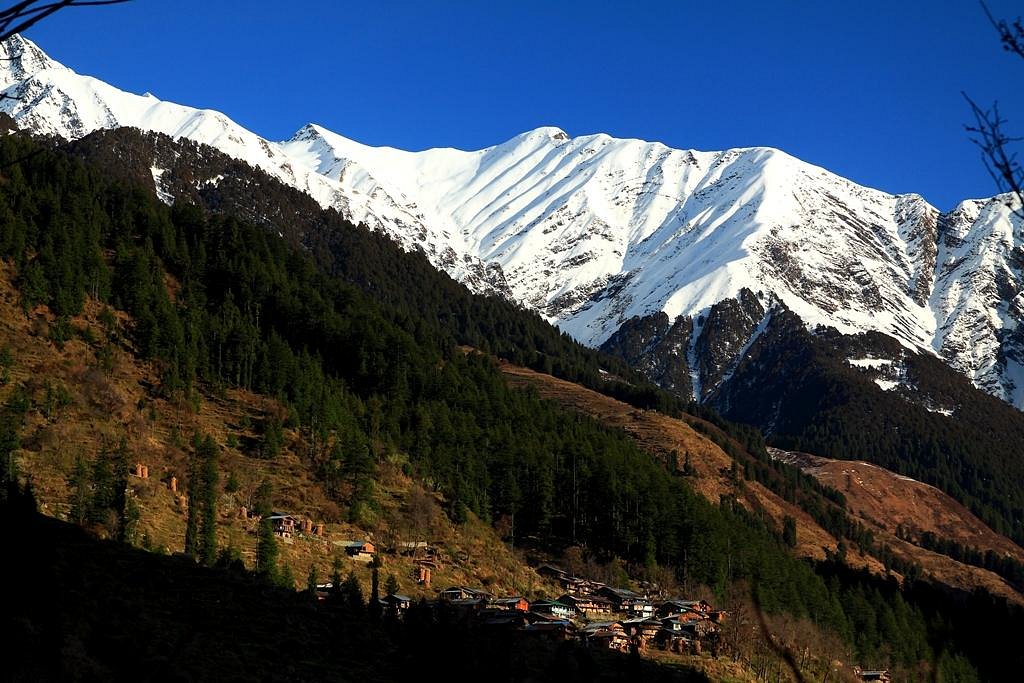
Tirthan Valley is located in the Kullu District of Himachal Pradesh, roughly 65 km from Kullu town and about 500 km from Delhi. The valley runs along the Tirthan River, which feeds into the Great Himalayan National Park — a UNESCO World Heritage Site — and offers some of the best trout fishing in northern India.
Where Manali now feels like a hill-station amusement park — clogged with taxis, souvenir stalls, and adventure operators running identical packages — Tirthan moves at a different pace entirely. There are forest walks, waterfalls, and river crossings that require a guide but no booking app.
Accommodation ranges from simple guesthouses to excellent riverside homestays. Most include home-cooked Himachali meals. Best time to visit: April to June and September to November.
🗒️ Local Insight Tip — Wahid Ali’s Desk: Book your Tirthan homestay at least 4–6 weeks ahead if you’re visiting between April and June. The valley has limited capacity and quality stays fill up fast. Ask specifically for stays near Gushaini or Banjar for river access. Don’t skip the walk to Chhoie Waterfall — it’s a 2 km moderate trail that most day-trippers miss entirely. Jio works at valley-level locations; expect no signal once you enter the national park trails.
Jibhi Instead of Shimla
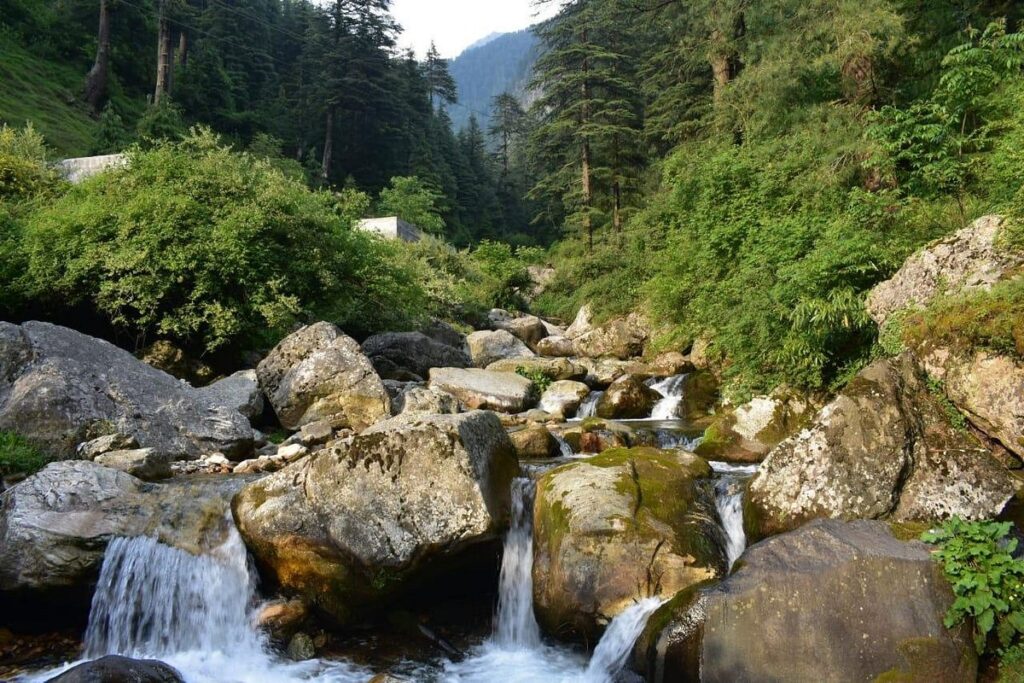
Jibhi is a small village in the Tirthan Valley area of Banjar tehsil, also in Kullu District, sitting at approximately 2,200 metres above sea level. It’s about 7 hours by road from Delhi and has seen a slow but steady rise in traveler interest since 2019.
Shimla’s original appeal was its colonial character — the Viceregal Lodge, Mall Road, the toy train. That character is now buried under year-round commercial pressure, traffic jams on NH-5, and hotel construction that has stripped the hillsides. Destination carrying capacity is visibly exceeded every summer weekend.
Jibhi offers dense deodar forests, a small waterfall, a 14th-century heritage fort (Jibhi Fort), and a level of quiet that’s genuinely rare in northern India. For travellers looking for slow travel — long walks, stargazing, reading by a fireplace — Jibhi delivers without any orchestration.
🗒️ Local Insight Tip — Wahid Ali’s Desk: The road to Jibhi from Aut Tunnel (on the Manali Highway) can get narrow and slippery post-monsoon. If traveling between July and September, stick to daylight driving and hire a local driver familiar with the route — don’t rely on GPS alone. The Serolsar Lake trek from nearby Jalori Pass is manageable for moderately fit travelers and worth the ₹50 entry fee to the forest reserve.
Ratnagiri Instead of Goa
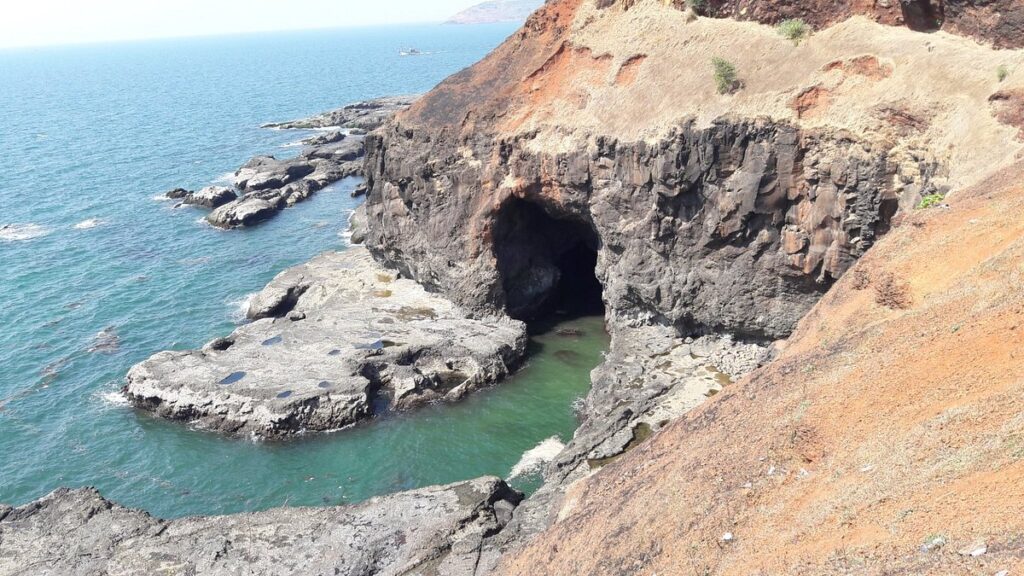
Ratnagiri is a coastal district in southern Maharashtra, approximately 330 km south of Mumbai by road. It sits on the Konkan Coast and is better known among Mumbaikars for Alphonso mango exports than tourism — which is precisely why it remains so unspoiled.
The beaches here — Bhatye, Ganpatipule, Aare Ware — are clean, largely uncrowded, and free of the commercial beach-shack culture that has made Goa’s coastline a mixed experience in peak season. The Konkani seafood is exceptional, priced for locals, and cooked in ways that chain restaurants simply can’t replicate.
For Maharashtra tourism, Ratnagiri also connects to a rich historical circuit — Ratnadurg Fort, Jaigad Fort, and the Thiba Palace (associated with the exiled Burmese King Thibaw) offer cultural depth that complements the coastal experience. You can explore a detailed Maharashtra tourism circuit on Xplore Heaven.
🗒️ Local Insight Tip — Wahid Ali’s Desk: Travel to Ratnagiri by Konkan Railway for the most scenic approach — the Jan Shatabdi from CSMT Mumbai reaches Ratnagiri in about 5.5 hours and passes through some genuinely stunning coastal and ghats scenery. March to May is mango season — stay at any local guesthouse and ask about orchard visits. Pre-arrange a local auto or taxi on arrival; Ola and Uber don’t reliably operate here.
Toranmal Instead of Lonavala
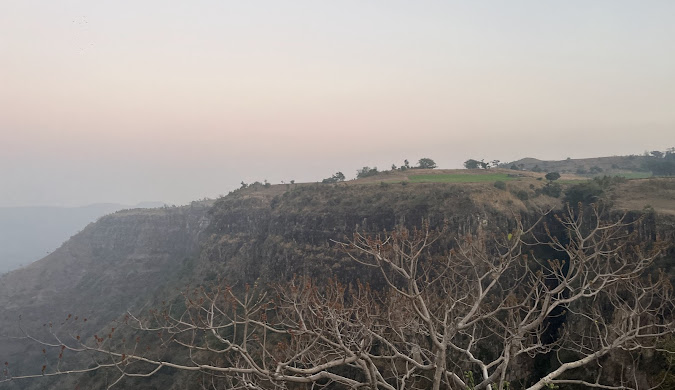
Toranmal is a plateau hill station in the Nandurbar District of Maharashtra, sitting at around 1,100 metres and bordering Madhya Pradesh. It’s part of the Satpura Range and draws far less attention than its geography deserves.
Lonavala is the default weekend escape for Mumbai and Pune residents, and that popularity has accumulated its cost: traffic gridlock on the Mumbai-Pune Expressway, overcrowded viewpoints, and an experience increasingly defined by commercial parks and packaged chikki. Toranmal receives a fraction of the footfall and offers dense forests, seasonal waterfalls, and a government rest house that feels like travel from another era.
The Yedshi Ramkund lake and nearby Lotus Lake are genuine natural highlights. For places to visit in Maharashtra in monsoon, Toranmal during July and August — when the plateau turns dramatically green — is one of the most underrated options in the state.
🗒️ Local Insight Tip — Wahid Ali’s Desk: Toranmal is best accessed from Shahada or Navapur in Nandurbar District. The approach road involves ghats; plan to reach before dusk. There is one Maharashtra Tourism Development Corporation (MTDC) resort and a handful of private lodges — book at least 3 weeks ahead for monsoon weekends. Mobile connectivity is patchy; download offline maps (Google Maps works reasonably well offline here) before departure.
Gurez Valley Instead of Gulmarg
Gurez Valley is located in the Bandipora District of Jammu & Kashmir, approximately 123 km northeast of Srinagar. It sits at an altitude of around 2,400 metres and shares a sensitive border with Pakistan-administered Kashmir, which meant it was restricted from civilian entry until relatively recently. The Inner Line Permit (ILP) requirement was eased significantly after 2019.
Gulmarg is beautiful — its gondola ride and ski slopes are legitimately world-class. But the infrastructure can’t keep up with demand. Hotels are overpriced, the ski slopes get dangerously busy in peak season, and the meadows are compacted from foot traffic. The magic of an untouched Himalayan valley is increasingly hard to find there.
Gurez is what Gulmarg used to feel like. The Kishanganga River runs through the valley floor, surrounded by peaks rising above 4,000 metres. The Dard-Shin community here maintains distinct cultural traditions, including architecture and festivals largely absent from mainstream tourism circuits.
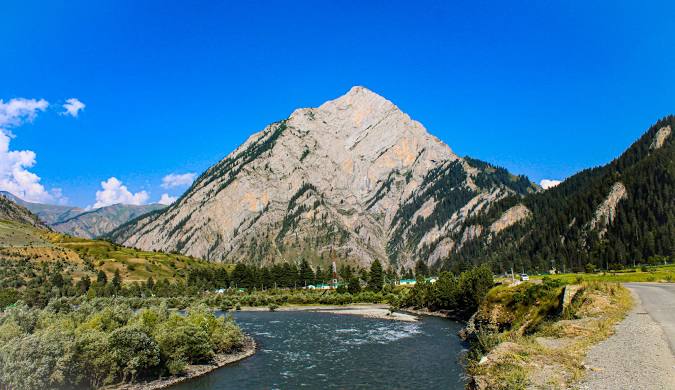
🗒️ Local Insight Tip — Wahid Ali’s Desk: The road to Gurez via Razdan Pass is open only from June to October — confirm conditions with the Jammu & Kashmir Tourism Department before booking. Carry your original ID documents for the ILP checkpoint at Bandipora. Airtel has better coverage here than Jio at valley level. Pack for temperature swings — nights can drop to 5–8°C even in July.
Ziro Valley Instead of Darjeeling
Ziro Valley sits in the Lower Subansiri District of Arunachal Pradesh, at an altitude of about 1,500 metres. It’s home to the Apatani tribe, a community with a distinct agricultural tradition — their paddy-cum-fish cultivation system has been submitted for UNESCO recognition. The annual Ziro Music Festival, held every September, has built a quiet but devoted following among Indian music and travel communities.
Darjeeling is justifiably famous, but it struggles with crowd management, traffic, and infrastructure strain that make the experience genuinely frustrating during peak months. The toy train, the Tiger Hill sunrise, and the tea estates are all real attractions — but they’re best experienced outside the crush of May and October.
Ziro offers a fundamentally different kind of Northeast India experience — quieter, more culturally immersive, and far less commercially packaged. The Sikkim tour guide on Xplore Heaven pairs beautifully with a Ziro itinerary for travelers doing a broader Northeast circuit.
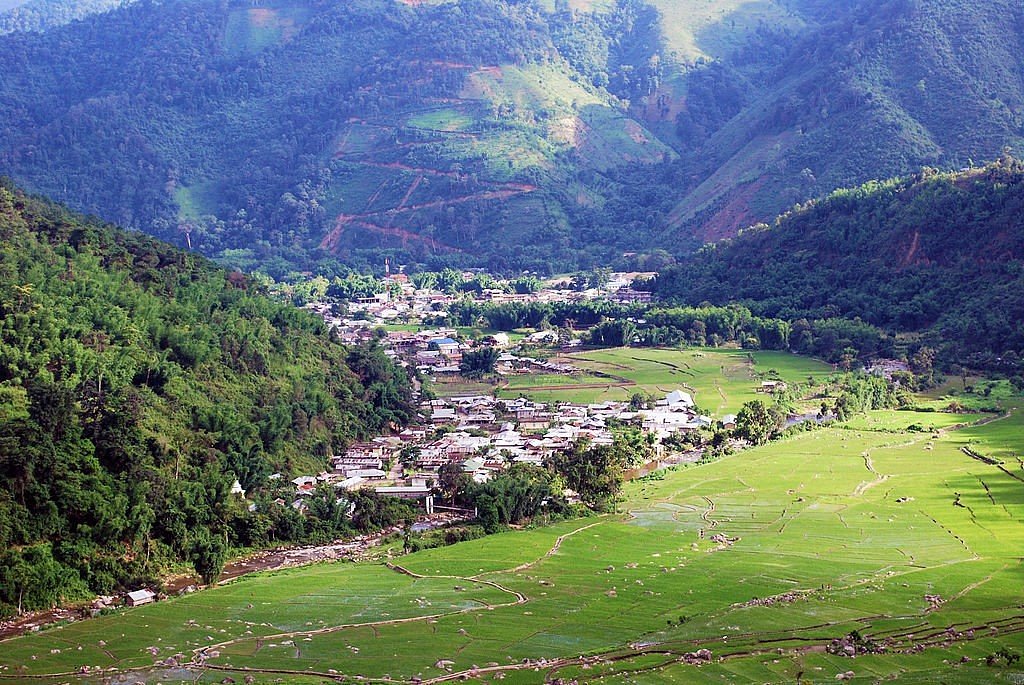
🗒️ Local Insight Tip — Wahid Ali’s Desk: Arunachal Pradesh requires an Inner Line Permit (ILP) for non-residents of the state. Indian nationals can obtain this online through the Arunachal Pradesh government’s official ILP portal — processing takes 24–48 hours and is mandatory at checkpoints. Fly into Lilabari Airport (nearest to North Lakhimpur) or Tezpur, then take a cab or shared jeep to Ziro — roughly 5–6 hours. Carry sufficient cash; ATMs are limited.
How Much Can You Save by Visiting Offbeat Destinations? 📉
Let’s stop speaking in percentages and put real rupee figures on the table. Here’s an honest budget comparison for a family of four spending 5 days and 4 nights at a popular hotspot versus an offbeat alternative.
Accommodation Cost Analysis
At a tourist hotspot, you’re typically looking at ₹4,000–₹8,000 per night for a decent hotel that isn’t actively unpleasant. At an offbeat homestay, ₹1,500–₹2,500 per night covers you and often includes breakfast and dinner.
Food Expenses
Hotspot restaurant culture caters to tourists, which means markup pricing, inconsistent quality, and menus that flatten regional cuisine for broader appeal. Offbeat destinations tend to serve home-cooked or locally sourced food at rates locals actually pay.
Transportation Costs
Reaching popular destinations often means competing for taxi seats or renting vehicles at peak-season rates. Offbeat access may require more planning but often uses regular MSRTC, HRTC, or shared jeep networks at significantly lower cost.
Sample Family Budget (5 Days / 4 Nights for 4 People — INR)
| Expense Category | Goa (Hotspot — North Goa) | Ratnagiri (Offbeat — Konkan) |
|---|---|---|
| Accommodation (4 nights) | ₹28,000–₹40,000 | ₹9,000–₹14,000 |
| Food (5 days, all meals) | ₹15,000–₹22,000 | ₹6,000–₹10,000 |
| Local Transport (cab, auto) | ₹8,000–₹12,000 | ₹3,500–₹5,500 |
| Entry Fees & Activities | ₹3,000–₹5,000 | ₹1,000–₹2,000 |
| Miscellaneous & Shopping | ₹5,000–₹8,000 | ₹2,000–₹4,000 |
| Total Estimated Budget | ₹59,000–₹87,000 | ₹21,500–₹35,500 |
| Average Saving | — | ₹37,500–₹51,500 |
This means a family visiting Ratnagiri instead of North Goa during peak season saves between ₹37,000 and ₹51,000 — enough to fund an entirely separate trip. The experience at Ratnagiri isn’t a compromise; for most families, it’s genuinely superior.
Which Offbeat Destinations Are Best by Season? 🍂
One of the smarter things about offbeat travel is how many options exist year-round. Here’s a practical matrix to guide seasonal planning.
Seasonal Travel Matrix — Best Offbeat Destinations by Month
| Season | Months | Recommended Offbeat Destinations | Ideal Duration | Prime Activities |
|---|---|---|---|---|
| Summer | March–June | Tirthan Valley, Jibhi, Gurez Valley, Ziro Valley | 4–7 days | Trekking, river walks, fishing, bird watching |
| Monsoon | July–September | Ratnagiri, Toranmal, Sandhan Valley (Maharashtra) | 2–4 days | Waterfall chasing, village walks, photography |
| Post-Monsoon | October–November | Ziro Valley, Tirthan Valley, Kalap Village (Uttarkashi) | 4–6 days | Cultural festivals, apple harvest, clear sky trekking |
| Winter | December–February | Ratnagiri (Konkan), Hampi (Karnataka), Rann of Kutch | 4–7 days | Heritage exploration, wildlife, coastal camping |
Summer
April to June is peak offbeat season in Himachal Pradesh and the Northeast. Trails are accessible, rivers are at moderate levels, and temperatures at altitude are genuinely comfortable. Book at least 6–8 weeks ahead for this window.
Monsoon
Monsoon travel requires careful destination selection. Not all offbeat locations are safe or accessible in heavy rainfall — particularly those in Uttarakhand and Himachal Pradesh, where landslides are a genuine risk. Maharashtra’s plateau and coastal destinations — Toranmal, Ratnagiri, and the Sahyadri range — are generally more monsoon-stable. Always check road status through local contacts before travel, not just through Google. For monsoon-specific options, the full Maharashtra hill stations in monsoon guide on Xplore Heaven is a solid starting point.
Post-Monsoon
October and November are the golden months for offbeat travel in India. Skies are clear, landscapes are still green, rivers have settled, and crowds haven’t arrived yet. Ziro Valley during October, coinciding with harvest season, is among the most visually striking experiences in Indian travel.
Winter
December to February is the window for coastal and heritage offbeat destinations. Ratnagiri has perfect beach weather. Hampi in Karnataka comes alive. Rann of Kutch in Gujarat, especially during the Rann Utsav, offers a genuine cultural and landscape experience that still retains some off-the-beaten quality outside its festival peak.
Are Offbeat Destinations Safe for Families and Solo Travelers? 🛡️
This is the question I get asked most often, and my answer is consistent: yes, with preparation. Safety in offbeat destinations is a different kind of safety management than in cities, but it’s entirely manageable.
Safety Factors
Most offbeat destinations in India are rural or semi-rural communities with strong social fabric. Crime rates in village settings tend to be significantly lower than in urban tourist zones. Community policing in rural areas is informal but effective — homestay hosts know their villages and their neighbors. Women travelers consistently report feeling more comfortable in small community settings than in overcrowded tourist hubs.
That said, always:
- Share your itinerary with a contact at home
- Carry a physical copy of important documents
- Register your stay with the local police station if spending more than 3 nights in remote areas (some states require this; others strongly recommend it)
Connectivity Challenges
Don’t assume city-level connectivity. In many offbeat areas:
- Jio has the widest rural coverage but falters in deep valleys
- Airtel performs better in some northeastern states and J&K
- BSNL remains the most reliable network in remote hill areas despite its reputation
- eSIM options are convenient but don’t solve coverage gaps
Download offline maps, save emergency contacts locally, and carry a basic power bank for longer treks.
Medical Access Considerations
Carry a primary medical kit — not just band-aids, but rehydration salts, altitude sickness medication (if going above 3,000 metres), basic antibiotics, and any personal prescriptions in sufficient quantity.
Research the nearest district hospital before travel. In Himachal Pradesh, Kullu Civil Hospital is the nearest referral point for Tirthan and Jibhi. In Arunachal Pradesh, Ziro Civil Hospital handles primary care, with Itanagar as the referral center. This isn’t alarmist — it’s the same due diligence you’d apply to any rural travel.
Local Transportation Tips
Ola and Uber don’t operate in most offbeat locations. This is fine — and often better. Local cab operators are familiar with road conditions, seasonal closures, and alternate routes. Ask your homestay to arrange a trusted local driver, negotiate a day rate rather than per-trip pricing, and stick with that driver for the duration of your stay.
Shared sumo jeeps and state buses are the backbone of offbeat connectivity. They run on schedules that reflect local rhythms, not tourist convenience — but they are reliable, cheap, and a genuine part of the experience.
Why Authentic Cultural Experiences Matter More Than Ever 🤝
Travel, at its best, changes how you see the world. That potential is most alive when you’re actually engaging with a place rather than consuming a packaged version of it.
Homestays
The difference between a commercial hotel and a homestay isn’t just cost. It’s context. When you stay with a family in Tirthan Valley or Ziro, you share meals made from their garden, hear conversations in dialects you’ve never encountered, and navigate daily life in a place shaped by centuries of distinct culture. Commercial hotels by their nature abstract you from all of that.
India’s homestay network has grown significantly since 2020, partly driven by Ministry of Tourism initiatives to formalize community accommodation. The quality range is wide, but the experiential ceiling is far higher than any hotel.
Village Tourism
Participating in village life — accompanying a farming family during harvest, joining a pottery workshop, or attending a village festival — requires nothing more than willingness. Many offbeat homestay hosts facilitate these experiences informally, without charging extra.
In practice, the best village experiences happen when you spend at least 3–4 nights in one place rather than covering maximum ground in minimum time. Slow travel rewards patience.
Local Food Experiences
Zero-mile food — produce grown and consumed within the same community — is a concept that fine-dining restaurants charge premium prices to approximate. In offbeat destinations, it’s simply how food works.
Eating Apatani apong (rice beer) and smoked meat in Ziro, fresh Konkani prawns in Ratnagiri, or buckwheat pancakes in a Spiti homestay is food culture in its most honest form. These meals cost a fraction of tourist-zone restaurants and leave a disproportionate impression.
Community Tourism
When travelers spend money locally — homestays, local guides, village markets, artisan workshops — the economic benefit is direct and multiplied. Community tourism models in places like Khonoma Village in Nagaland or Hodka Village in Kutch have demonstrated measurable improvements in local infrastructure, education access, and cultural confidence as a result of thoughtful traveler engagement.
This is what responsible tourism actually means — not just leaving no trace, but actively supporting the places you visit through conscious spending choices.
How to Plan Your First Offbeat Destination Trip 🎒
Planning an offbeat trip is different from booking a standard package tour — but it’s not complicated. It just requires a little more research and a little less rigidity.
Research Checklist
- Identify 2–3 destination options for your preferred season
- Check road accessibility and current conditions (search local Facebook groups or Reddit India Travel communities for recent traveler reports)
- Research permit requirements (ILP for Arunachal Pradesh, J&K districts; Protected Area Permit for some Andaman zones)
- Identify homestay or guesthouse options with verified guest reviews
- Note the nearest town with a pharmacy and hospital
Booking Timeline
- Shoulder season trips (March, September, November): Book 3–4 weeks ahead
- Peak season (April–June, December–January): Book 6–8 weeks ahead
- Monsoon (July–August): Book 2–3 weeks ahead but stay flexible and have a backup plan for road closures
- Permits, if required, should be applied for at least 2 weeks before travel
Weather Planning
- Cross-reference multiple sources — India Meteorological Department (IMD) forecasts, local homestay owner updates, and recent traveler posts
- Don’t rely solely on app-based weather forecasts for high-altitude or remote areas — they can be unreliable at a hyper-local level
- Build in a buffer day in your itinerary for weather-related delays
Budget Planning
- Carry sufficient cash — most offbeat locations are cash-only economies; UPI is increasingly accepted at homestays but not universal
- Budget separately for emergencies and contingencies (10–15% buffer on total trip cost)
- Research activity costs in advance — local guides typically charge ₹500–₹1,200 per day depending on the location
- If traveling internationally as part of a broader offbeat circuit, the best time to visit Vietnam guide and the things to do in Almaty feature on Xplore Heaven both offer comparable budget-conscious travel frameworks
Could Today’s Offbeat Destinations Become Tomorrow’s Tourist Hotspots? 📈
This is perhaps the most important question in the offbeat travel conversation — and the most uncomfortable one for travelers who’ve discovered a place they love.
The Tourism Growth Cycle
Every destination follows a recognizable arc. Discovery happens through word of mouth or organic social content. Early travelers have transformative experiences. Coverage grows. Infrastructure develops to serve demand. Commercial interests consolidate. The destination hits mass appeal, and the very qualities that made it special begin to erode under the weight of its own popularity.
Kasol in Himachal Pradesh went through this cycle in under a decade. Chopta in Uttarakhand is in the middle of it right now. The question isn’t whether a destination will change — it’s how quickly, and whether that change can be managed thoughtfully.
Lessons From Goa and Manali
Both Goa and Manali were genuine offbeat discoveries in the 1970s and 1980s — counter-culture destinations known to backpackers, artists, and adventurers. Commercial tourism discovered them, infrastructure scaled to meet demand, and the original character was gradually displaced by the economics of mass appeal.
This isn’t a value judgment on tourists — it’s a structural observation. When destination carrying capacity is consistently exceeded without managed intervention, degradation is the outcome. In practice, neither destination has the regulatory tools or political will to implement meaningful visitor caps.
Sustainable Tourism Challenges
Travelers can actively slow the degradation cycle by:
- Visiting in shoulder seasons rather than contributing to peak-season pressure
- Staying at locally owned accommodation rather than branded hotel chains
- Following Leave No Trace principles at natural sites — specifically, no single-use plastic, proper waste disposal, and staying on marked trails
- Sharing destination information responsibly — not every beautiful place benefits from going viral
- Advocating for eco-tourism policies through traveler feedback to state tourism boards
The traveler community has more influence than it realizes. Destinations change partly because travelers vote with their choices. Making the choice to prioritize cultural preservation over convenience is a genuinely meaningful act.
If you’re planning to explore comparably unspoiled coastal terrain, the Varkala guide on Xplore Heaven covers a destination currently in the early-middle stages of this cycle — still excellent, still manageable, but worth visiting sooner rather than later. Similarly, the Coorg travel guide illustrates how a once-quiet destination can navigate growing popularity with the right mix of traveler awareness and local management.
Conclusion: Why Offbeat Destinations Represent the Future of Indian Travel ✨
Something has genuinely changed in how Indian travelers relate to travel. It’s not a trend in the superficial sense — it’s a recalibration of what a trip is supposed to deliver.
The best journeys I’ve helped plan at Astamb Holidays over the past few years haven’t been the most elaborate or the most expensive. They’ve been the ones where a family from Mumbai spent five days in Ratnagiri and came back with recipes, friendships, and photographs of empty beaches. Where a group of colleagues did a workcation in Tirthan Valley and finished their sprint, went trout fishing, and returned to work with more energy than they left with.
Offbeat destinations offer something increasingly rare in modern travel: the possibility of surprise. Of arriving somewhere and finding it genuinely different from what you expected. Of leaving with a story that’s actually yours.
India has extraordinary depth — thousands of villages, valleys, coastlines, and plateaus that carry real cultural and ecological value and receive a fraction of the attention they deserve. The infrastructure to visit them exists, the communities are welcoming, and the costs are manageable. What’s been missing is awareness and the confidence to go.
Plan your first offbeat trip this season. Start with one of the destinations in this guide, reach out to the local homestay, and give yourself permission to arrive without a rigid itinerary. Discover more destination guides, seasonal insights, and practical travel planning tools at Xplore Heaven — and travel in a way that leaves places better than you found them.
Frequently Asked Questions — Offbeat Destinations in India
1. Why are Indian travelers choosing offbeat destinations?
Indian travelers are shifting toward offbeat destinations due to overtourism, rising costs at popular hotspots, and a growing preference for authentic cultural experiences over commercialized tourism. Remote work flexibility and increased social media discovery of micro-destinations are also significant drivers.
2. Are offbeat destinations cheaper than tourist hotspots?
Yes, significantly. A family of four can save between ₹37,000 and ₹51,000 on a 5-day trip by choosing an offbeat destination like Ratnagiri over Goa, primarily through lower accommodation and food costs, with comparable or superior experience quality.
3. What are the best offbeat destinations in India?
Top picks based on current traveler interest include Tirthan Valley (Himachal Pradesh), Jibhi (Himachal Pradesh), Ratnagiri (Maharashtra), Toranmal (Maharashtra), Gurez Valley (Jammu & Kashmir), and Ziro Valley (Arunachal Pradesh).
4. Which offbeat destinations are suitable for families?
Ratnagiri, Toranmal, and Tirthan Valley are the most family-friendly offbeat options — they have manageable road access, family homestays with meals included, no permit requirements, and activities suitable for children of varying ages.
5. Are offbeat destinations safe for solo travelers?
Generally yes. Rural communities in India tend to have stronger social fabric and lower crime rates than urban tourist hubs. Solo women travelers frequently report feeling more comfortable in village homestay settings. Carry a detailed itinerary, share it with someone at home, and research connectivity before arrival.
6. What is the difference between hidden gems and offbeat destinations?
Hidden gems are largely undiscovered locations with minimal infrastructure and very limited traveler information. Offbeat destinations are discoverable — they have homestays, some reviews, and a small established visitor base — but remain outside mainstream tourist circuits. Most travelers are better served by offbeat destinations.
7. Which offbeat destinations are best during monsoon?
Ratnagiri and Toranmal in Maharashtra are among the safest and most visually rewarding monsoon destinations. Avoid Himachal Pradesh and Uttarakhand offbeat routes during heavy monsoon months due to landslide risk.
8. How do I plan an offbeat trip in India?
Research your destination through local Facebook groups and recent traveler communities. Check permit requirements. Book homestays 4–8 weeks ahead depending on season. Carry cash, download offline maps, research the nearest hospital, and build flexibility into your itinerary for weather-related changes.
9. Why is overtourism pushing travelers toward hidden destinations?
Overtourism degrades the core experience at popular destinations — higher prices, crowds, poor infrastructure management, and commercialization all accumulate when visitor volume regularly exceeds a destination’s carrying capacity. Offbeat destinations currently offer the quality that hotspots once promised.
10. What are the best alternatives to Goa, Manali, and Shimla?
For Goa: Ratnagiri or Varkala. For Manali: Tirthan Valley or Jibhi. For Shimla: Jibhi or Chitkul (Kinnaur District). All three alternatives offer comparable natural appeal at significantly lower cost and with far fewer crowds.
About the Author
Wahid Ali | Operations Lead, Astamb Holidays, Mumbai
Wahid Ali is a seasoned travel professional and Operations Lead at Astamb Holidays, Mumbai. With extensive experience in crafting travel experiences and destination insights, Wahid combines practical travel logistics expertise with engaging storytelling to help travelers explore hidden gems across India and beyond. His work blends expert travel planning with a passion for culturally rich and nature-oriented destinations.
Connect with Wahid Ali on LinkedIn | xploreheaven.com
Editorial Integrity Notice
At Xplore Heaven, we believe in editorial integrity and accuracy. The logistic rates, transport routes, and seasonal insights compiled in this guide are gathered from ground-level travel operators, government tourism departments, and verified travel databases.
References & Sources
- Ministry of Tourism, Government of India — Annual Report and Domestic Tourism Statistics
- Himachal Pradesh Tourism Development Corporation (HPTDC) — Destination and Accommodation Information
- Jammu & Kashmir Tourism — Official Travel and Permit Guidelines
- Arunachal Pradesh Inner Line Permit — Official Government Portal
- Great Himalayan National Park — UNESCO World Heritage Site Profile
- Maharashtra Tourism Development Corporation (MTDC)
- India Meteorological Department — Seasonal Forecast and Travel Weather Data
- IRCTC Rail Connect — Konkan Railway and Long-Distance Train Information
- UNWTO — Global Report on Overtourism and Destination Management
- Apatani Cultural Landscape — UNESCO Tentative World Heritage List
- Ziro Music Festival — Official Event Information
- Lonely Planet India — Offbeat and Alternative Destinations Feature
- National Geographic — Responsible Travel and Community Tourism
- JKTDC — Gurez Valley Travel Advisory and Road Status
- Incredible India — Ecotourism and Sustainable Travel Initiatives