Something has quietly shifted in how India’s middle class plans a holiday. Not just the destinations, not just the budgets — the entire logic behind travel itself.
For the better part of two decades, the Indian holiday was a compressed sprint. Five cities in six days. Fourteen Instagram stops before Tuesday. A WhatsApp status from every major landmark, and a sense of exhaustion that somehow required another week of recovery after coming home. That model still exists. But it is losing ground, fast.
Slow travel — the practice of spending extended time in a single destination, immersing in local rhythms instead of landmark checklists — is no longer a niche concept borrowed from European backpackers. In 2026, it is a considered choice being made by a growing number of urban Indian professionals, remote workers, and families who have started asking a different question: What do I actually want from a holiday?
This isn’t soft philosophy. The shift is showing up in booking data, visa frameworks, spending patterns, and a striking surge in interest for places that weren’t even on the radar three years ago.
🔥 The Burnout Epidemic That Changed How India Travels
Why the Rushed Holiday Stopped Working
The pandemic forced a pause. The years after it forced a reckoning.
A Deloitte Global Survey tracking Gen Z and millennial professionals found that 70% of Indian respondents reported high levels of workplace burnout. That number sits alongside a parallel finding: that rushed, checklist-driven vacations were increasingly perceived as contributors to stress rather than cures for it.
You come home tired, immediately facing inboxes and deadlines. The so-called holiday has added three more days of stimulation, logistics, and decisions to your mental load.
The result is a very practical pivot. More Indian travelers are now extending trips from a standard 5-day break to 10-day, 14-day, or even month-long stays — not because they have more leave, but because they are structuring travel more intentionally. A few days working remotely from a Wayanad plantation replaces the need for a frantic departure-and-arrival routine that eats two days just in transit.
What the Numbers Actually Show
According to the Skyscanner Horizons 2026 report, which surveyed over 22,000 travelers across 15 global markets, 34% of modern travelers now actively seek out quieter, less-frequented destinations to avoid the crowds that define mass tourism. Among Indian travelers specifically, 37% now prefer shoulder-season departures, choosing to travel during off-peak months to find both lower prices and more authentic encounters.
The same report found that 59% of Indian travelers plan to travel more in 2026 than the year before — but with a meaningful difference in how. The gravitational pull is toward secondary and emerging destinations rather than the established circuits.
Industry data from Thrillophilia’s Multi-Day Travel Index also shows a sharp rise in bookings for trips spanning six to nine nights — medium-length journeys that allow genuine settlement rather than just a quick look around.
Taken together, these numbers don’t suggest a retreat from travel. They suggest a deliberate reorientation of what travel is supposed to deliver.
🧭 Understanding the Philosophy: What Slow Travel Actually Means
Depth Over Distance
Slow travel, as a philosophy, traces its roots to Carlo Petrini, the Italian journalist who founded the Slow Food movement in the late 1980s as a direct protest against fast-food homogenisation. The same logic — that speed and industrial convenience erode the texture of real experience — has now extended to how people move through the world.
In practical terms, slow travel means staying in a single region long enough to experience its daily rhythm. It means the difference between photographing a tea plantation and actually walking through one every morning for a week. Between eating at a tourist-listed restaurant and finding the place the locals go for Thursday dinner.
The minimum threshold is generally two weeks. Many slow travelers stay 30 days or longer.
During that time, the traveler might rent a local apartment or farmstay, shop at the neighborhood market, learn three words of the regional language, and build genuine familiarity with a few local families. None of this is possible in a 48-hour stopover.
The Anti-Tourism Wave Hitting India’s Most Visited Destinations
India’s most iconic destinations are paying a price for their own popularity. The Shimla Mall Road is gridlocked in May. Manali is booked out eight weeks ahead in July. The Varanasi ghats draw crowds that have started to feel more like a theme park than a sacred site.
Anti-tourism — the active decision to avoid contributing to the strain on overloaded destinations — is now influencing travel choices in a measurable way. Travelers are choosing under-tourism destinations not just for novelty, but as an ethical and practical preference.
The Skyscanner Horizons 2026 data puts this plainly: 31% of global travelers now plan trips exclusively during shoulder seasons to reduce their contribution to peak-season crowding while supporting local economies year-round.
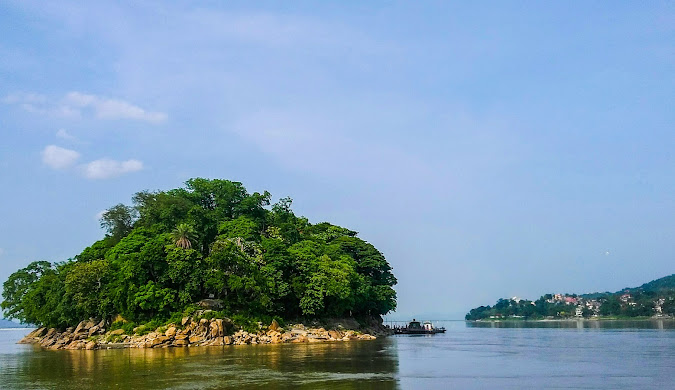
In India, this is playing out as a move toward places like Hanle in Ladakh, Aldona in Goa, and the tea-country villages around Jorhat in Assam — locations that offer depth without the density.
💰 The Economics of Slow Travel: Why Staying Longer Actually Costs Less
This is the misconception that keeps most people from even considering it. A month somewhere sounds expensive. It isn’t.
The Monthly Rental Arbitrage
When you book a standard five-day holiday, a surprisingly large share of your budget disappears into logistics overhead: two flights, airport transfers, high nightly hotel rates designed for short stays, and eating every meal at tourist-facing restaurants because you have no kitchen.
Switch to a 14 to 30-day stay and the math changes entirely.
Monthly rental discounts on serviced apartments, heritage homestays, and farmstays across India can reduce your per-day lodging cost by 40% to 60% compared to standard daily hotel rates. A guesthouse in Pondicherry’s French Quarter charging ₹3,500 per night at full rate will frequently accommodate a month-long resident at ₹1,800 to ₹2,200 per night equivalent.
| Travel Metric | Standard 5-Day Holiday | Slow Travel (14–30 Days) |
|---|---|---|
| Accommodation per night | ₹3,000–₹6,000 (hotel, tourist rate) | ₹1,200–₹2,500 (homestay, monthly rate) |
| Daily food spend | ₹800–₹1,500 (eating out entirely) | ₹350–₹700 (market groceries + local meals) |
| Inter-city transit | ₹5,000–₹12,000 (flights/transfers) | ₹0–₹800 (local cycling, walking, buses) |
| Total per-day cost estimate | ₹4,800–₹8,000+ | ₹1,550–₹4,000 |
| Post-trip exhaustion | High | Low to none |
The most overlooked saving is dining. Access to a basic kitchen, combined with proximity to a local market where fresh produce is genuinely inexpensive, can cut daily food costs by half. A week of home-cooked meals in a Tirthan Valley homestay, with ingredients sourced from the valley market, will cost a fraction of what seven restaurant dinners in Shimla would.
India’s Remote Work Infrastructure Is Now Genuinely Viable
In my experience planning long-stay tours at Astamb Holidays, the most significant change over the last three years hasn’t been traveler demand — it has been the practical infrastructure catching up.
4G and broadband connectivity now reaches most of the valley destinations and coastal towns that slow travelers prefer. Wayanad has reliable data speeds. Coonoor has co-working setups. Pondicherry has been attracting remote workers for years, partly because it operates at a comfortable pace and offers good food, a creative atmosphere, and manageable costs.
For those choosing to travel internationally, Thailand’s Destination Thailand Visa (DTV) has become particularly relevant for Indian professionals. The DTV allows digital nomads and remote workers to stay in Thailand for up to 180 days per entry, with a five-year validity. Chiang Mai, in particular, offers an affordable, high-quality base for slow living at a fraction of what equivalent stays cost in Indian metros.
🗺️ Top Slow Travel Destinations in India for 2026
The Northeast Awakening: Jorhat and Majuli Island
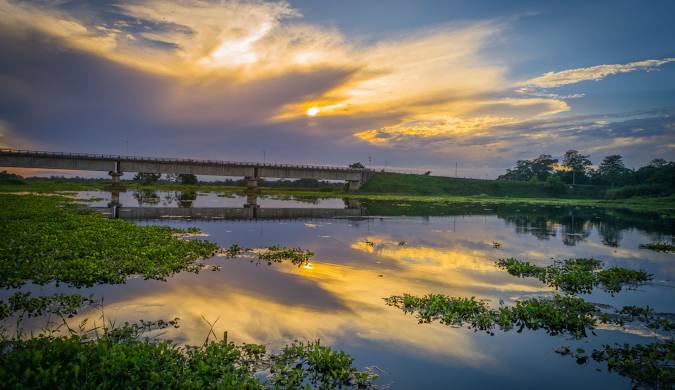
No destination better illustrates the 2026 slow travel shift than Jorhat, Assam.
According to Skyscanner’s Travel Trends 2026 Report, Jorhat recorded a 493% year-on-year surge in travel searches among Indian travelers — making it the single most trending domestic destination in the country this year, outpacing global names like Berlin, Langkawi, and Phuket.
The number is striking. What makes it more interesting is why Jorhat is trending: not because of a resort launch or a celebrity visit, but because it offers something that overbuilt tourist towns can’t — genuine unhurriedness.
🟩 Local Insight — Jorhat, Assam
The best way to approach Jorhat is as a base for slow exploration rather than a destination in itself. Book a heritage tea bungalow on the outskirts — properties like Thengal Manor (one of the oldest surviving colonial estates in Upper Assam) offer the kind of mornings that are hard to describe and impossible to replicate. Walk the plantation paths before breakfast. Then take the government ferry from Nimati Ghat to Majuli. Ferry tickets run ₹15 to ₹30 per person for the one-to-one-and-a-half-hour crossing across the Brahmaputra — one of the most underrated travel experiences in India.
Majuli Island is the world’s largest river island, and it rewards exactly the kind of patient attention that slow travel requires. The island is home to the Satras — Vaishnavite monastery complexes dating to the 15th century — where traditional mask-making, Borgeet devotional music, and classical Satriya dance have been practiced without interruption for six centuries.
Travelers who stay for a week or more in bamboo cottages, exploring the island by bicycle, begin to understand how much of this living cultural practice is invisible on a day trip. The Mishing tribal villages on the island’s northern end offer additional layers — a completely different linguistic and cultural world within two hours of Jorhat town.
Estimated slow travel budget, Jorhat–Majuli region:
- Heritage tea bungalow or eco-homestay: ₹2,000–₹4,500/night (negotiable for 10+ night stays)
- Majuli bamboo cottage: ₹800–₹1,800/night
- Ferry crossing: ₹30 return
- Daily local meals (Assamese thali, rice beer, smoked pork): ₹200–₹400
Mountain Sanctuaries: Tirthan Valley, Shoja, and Binsar
The Himalayas have their slow destinations too. They just require a little more intention to find.
🟩 Local Insight — Tirthan Valley, Himachal Pradesh
Tirthan Valley is located about 511 km from Delhi in the Kullu district, and it is one of the primary access points to the Great Himalayan National Park (GHNP) — a UNESCO World Heritage Site. The valley is defined by a cold, clear river, traditional wooden footbridges, and homestays run by local families who have been hosting travelers for a decade or more. Properties like Raju’s Cottage at Gushaini, featured in Outlook Traveler as one of India’s best rural stays, offer all-inclusive rates of approximately ₹3,500–₹4,500 per couple per day including meals. Budget homestays start at ₹800–₹1,500/night. There are no malls here, no traffic jams, and no chain hotels — which is precisely the point.
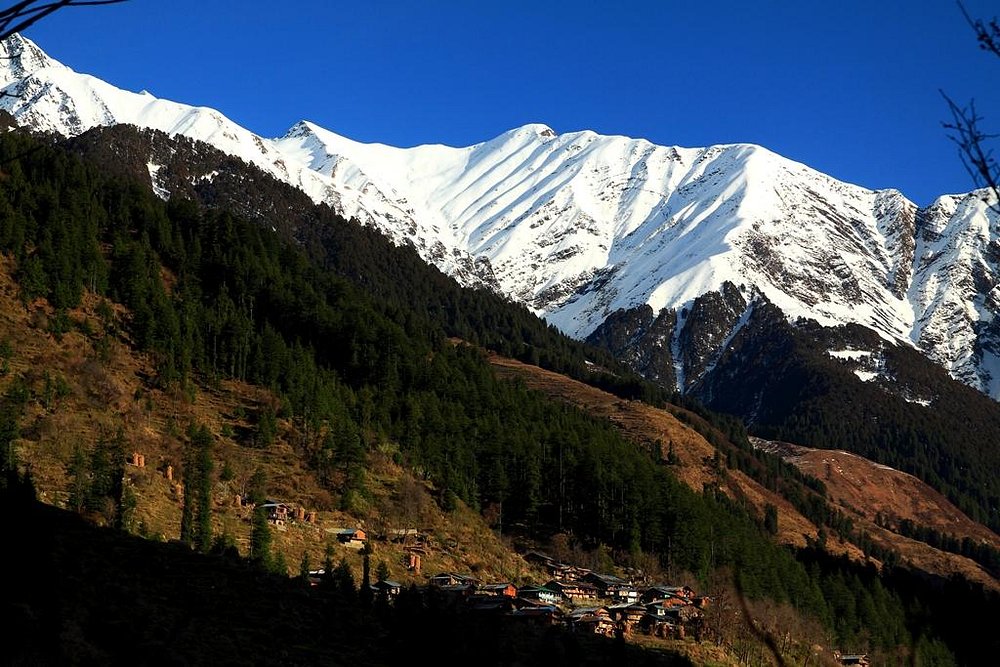
Shoja, a small village above Tirthan at approximately 2,700 metres, adds even more altitude and quiet to the region. The nearby Jalori Pass (3,120 metres) and Serolsar Lake offer half-day walks through dense oak and rhododendron forest. You don’t need a guide, a permit, or a pre-packaged experience. You just walk.
Binsar in Uttarakhand operates on a different frequency. Set within a wildlife sanctuary in the Kumaon Himalayas, it is home to a small collection of restored colonial bungalows with panoramic views of the Nanda Devi and Trishul ranges. The nearest commercial town is Almora, roughly 33 km away — a distance that effectively keeps the crowds at bay. Binsar is ideal for travelers who want structured quiet: mornings on the veranda with a book, afternoon forest walks, and evenings with the kind of silence that urban professionals genuinely struggle to find.
Hanle, in the Trans-Himalayan region of Ladakh, sits at 4,500 metres and was designated India’s first Dark Sky Reserve in 2022. The area sees minimal tourism due to its remoteness and altitude, which makes it one of the most genuinely isolated slow travel destinations in the country. For the right traveler — one who is acclimatized, self-sufficient, and comfortable with minimal infrastructure — a week at Hanle offers high-altitude solitude, rare wildlife including the Tibetan wolf and bar-headed goose, and some of the most extraordinary stargazing available anywhere on the subcontinent.
Slow travel budget, Tirthan–Shoja:
- Budget homestay: ₹800–₹1,500/night
- Mid-range all-inclusive: ₹3,000–₹5,000/couple/night
- Local Himachali meals: ₹150–₹300 per meal
- Great Himalayan National Park entry: ₹50 (Indian nationals)
Coastal and Cultural Immersion: Pondicherry and South Goa
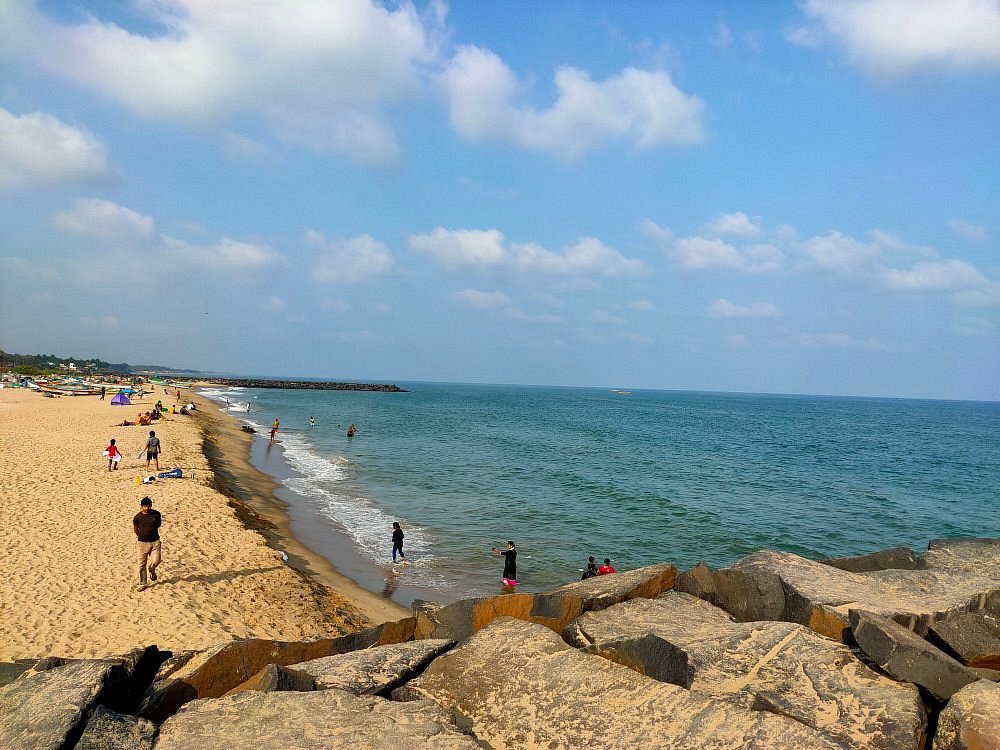
Not every slow traveler wants mountains. For those who function better near water, Pondicherry has been offering a convincing argument for extended stays for years.
🟩 Local Insight — Pondicherry
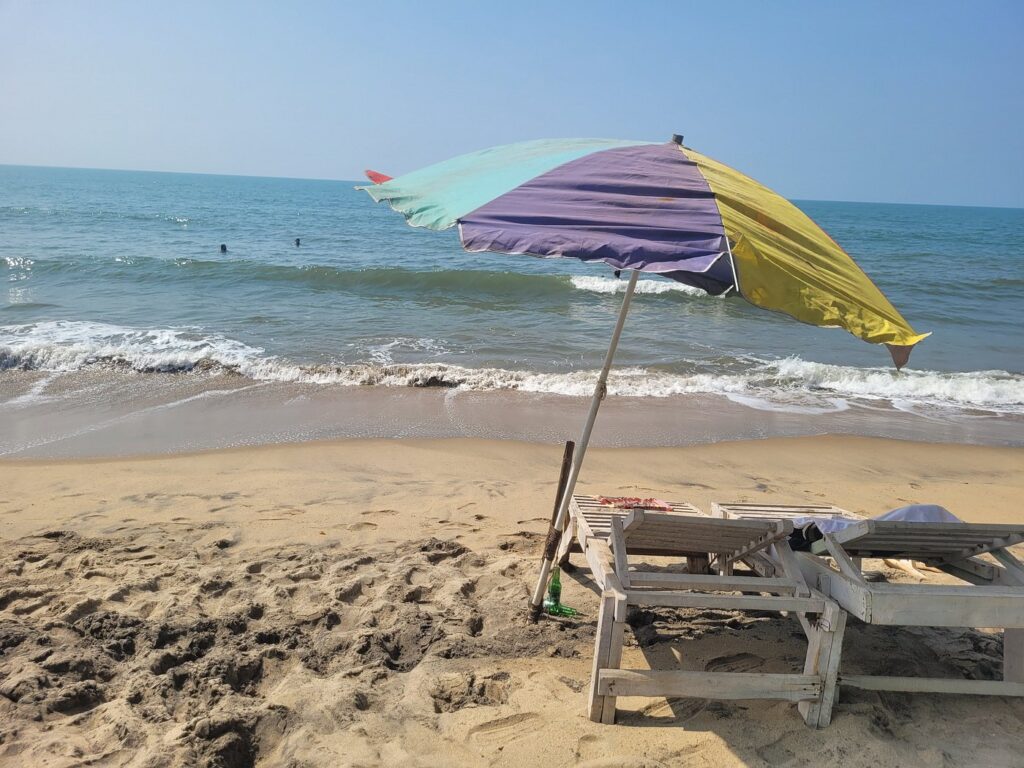
The French Quarter (Ville Blanche) is compact, walkable, and genuinely beautiful in a way that doesn’t require effort to appreciate. It has long attracted artists, writers, and practitioners from Auroville who come for a few days and extend into weeks. For slow travelers, the rhythm is ideal: a slow breakfast at a French bakery on Rue Suffren, a morning at the beach before the heat sets in, an afternoon working from a cafe or sitting with a book, and evenings that unfold without a plan. Monthly apartment rentals in the French Quarter typically run ₹18,000–₹35,000/month for a furnished one-bedroom — comparable in cost to some Indian metro studio flats, but with dramatically better quality of life.
Wayanad in northern Kerala has emerged as one of the most popular farmstay destinations in South India, attracting travelers looking for spice plantation immersion, tribal culture, and dense forest environments. Properties range from basic plantation cottages at ₹2,500–₹4,000/night to boutique eco-resorts with infinity pools. The key difference for slow travelers is to look beyond the resort-facing properties toward community-run homestays in villages like Ambalavayal or Mananthavady, where the experience is grounded in actual agricultural and cultural life.
In Goa, the slow travel circuit has migrated decisively inland. The villages of Aldona, Assagao, and Siolim in the north, and the quieter coastal pockets of the south, offer restored Indo-Portuguese heritage villas available on monthly rental terms at significantly better rates than anything in Calangute or Baga. A slow month in Aldona — walking the village lanes, eating at the single good local restaurant, reading by a courtyard fountain — is a fundamentally different experience from the north Goa tourist circuit, even though they share the same 36-kilometer-wide state.
📊 Slow Travel vs. Traditional Holidays: A Direct Comparison
| Travel Metric | Traditional Holiday | Slow Travel |
|---|---|---|
| Pace | Packed itinerary, early morning departures | Flexible, open-ended, discovery-led |
| Accommodation | Mid-to-high-end hotels, short-stay commercial rates | Heritage homestays, local apartments, farmstays |
| Environmental Impact | High carbon from frequent flights and private transfers | Lower footprint: walking, cycling, local buses |
| Economic Distribution | Revenue flows to large hotel chains and OTAs | Direct support to local families, home-cooks, artisans |
| Post-Trip Feel | Tired, needing recovery time | Rested, recharged, often reluctant to leave |
| Cultural Depth | Surface-level, landmark-oriented | Immersive, relationship-based, locally grounded |
| Cost Efficiency | High per-day spend, concentrated over few days | Lower per-day spend at scale, better value overall |
| Re-booking Pattern | One-and-done destinations | Travelers frequently return to the same slow destination |
🗓️ How to Build a Slow Travel Itinerary: A Practical Blueprint
Planning slow travel is, counterintuitively, harder than planning a packed itinerary. There’s less to do — which means every decision carries more weight.
The 5–14 Day Regional Rule
Pick a single, compact region and commit to it. That’s the foundational principle.
If you choose Tirthan Valley, your geographic range for the entire trip is roughly 30 km. You don’t need to also do Manali. You don’t need a “day trip” to Kasol. The entire point is to stop treating the destination as a backdrop and start treating it as the experience itself.
The first two to three days are usually decompression. Most urban travelers arrive with the habit of constant motion and need time to slow down before they can genuinely slow down. Plan those days to be almost entirely unstructured.
Integrating Homestays, Farm Life, and Local Learning
The accommodation choice is the most important logistics decision in slow travel.
A resort is insulation. A family homestay is integration.
- Homestays offer direct access to regional customs, home-cooked food, and the kind of conversation about local history that no guidebook contains.
- Farmstays — available across India from spice farms in Wayanad to organic orchards in Himachal — put travelers inside daily agricultural routines: morning harvests, communal cooking, evening livestock management.
- Local skill workshops: pottery in Kangra, traditional weaving in Assam, Kumaoni cooking classes, mask-making in Majuli. These are experiences that take half a day and stay with you for years.
A Sample 14-Day Slow Itinerary: Tirthan Valley and Shoja
| Day | Focus | Activity | Estimated Cost |
|---|---|---|---|
| 1–2 | Arrival + Decompression | Settle into homestay, riverside walk, rest | ₹3,500/night all-inclusive |
| 3–4 | Village Life | Gushaini village walk, local market, bonfire evening | ₹200–₹400/day extras |
| 5–6 | GHNP Access | Entry permit, guided forest trail with GHNP naturalist | ₹50 entry + ₹500–₹800 guide |
| 7 | Move to Shoja | 20 km drive, settle in, Jalori Pass evening walk | ₹1,500–₹2,000/night |
| 8–9 | Serolsar Lake | Full-day trek, packed lunch from homestay | ₹0 (self-guided) |
| 10–11 | Learning Day | Trout fishing on permit, Himachali cooking class | ₹100 fishing permit |
| 12–13 | Slow Days | Read, write, sit by the river, explore by foot | Near-zero spend |
| 14 | Departure | Shared cab to Aut, overnight bus to Delhi/Chandigarh | ₹800–₹1,200 |
Estimated total for 14 days, per person: ₹28,000–₹45,000 (all-inclusive, excluding flights)
🌍 Slow Travel Beyond India: The Digital Nomad Visa Landscape
Indian professionals traveling internationally for extended slow stays now have a growing set of legal frameworks to work within.
Thailand’s Destination Thailand Visa (DTV) is the most relevant option for Indian travelers right now. Introduced to attract remote workers and long-stay visitors, it offers 180-day stays per entry within a five-year validity window. Chiang Mai, the secondary Thai city that has become a reference point for slow living in Asia, offers excellent quality of life at a fraction of what comparable infrastructure costs in Indian metros.
Sri Lanka remains visa-on-arrival and straightforward for Indians, with colonial hill stations like Ella and Kandy offering slow-travel environments at dramatically low cost.
Portugal’s D8 Digital Nomad Visa is increasingly on the radar for higher-income Indian remote workers, though the cost base in Lisbon and Porto has risen significantly. Smaller Portuguese towns like Évora or towns in the Alentejo region retain the affordability and quiet that slow travel requires.
Globally, approximately 66 countries now offer some form of dedicated digital nomad visa or remote worker residency pathway as of 2026, reflecting a direct response to the growing demand for long-stay remote work frameworks.
🌿 Why Slow Travel Benefits Local Communities
This is one aspect of slow travel that tends to get underplayed in the lifestyle framing.
Conventional tourism is economically extractive in a specific way. The money flows to airlines, OTAs, and hotel chains — often headquartered far from the destination. The local economy sees a fraction of each tourist rupee.
Slow travel redirects that flow.
A traveler staying for three weeks in a family homestay in Majuli, buying vegetables at the local market, hiring an island resident as a cycling guide, and eating at the single local restaurant is funneling nearly 100% of their daily spend directly into the island economy. They are supporting a family, a vendor, a guide, and a cook — not a corporate hospitality brand.
The community-based homestay model that has developed across India’s northeast, Himachal, Uttarakhand, and parts of Kerala is specifically designed for this dynamic. It generates sustainable income for rural families, creates incentives for cultural preservation, and provides travelers with the kind of authentic access that resort tourism structurally cannot offer.
There is also the environmental dimension. Longer stays mean fewer flights. Cycling and walking instead of private taxis. Local food instead of imported hotel restaurant supply chains. The carbon footprint of a slow traveler is meaningfully lower than the same person taking three short-haul weekend flights across a season.
📅 Best Seasons for Slow Travel Across Key Indian Regions
| Region | Best Slow Travel Season | Shoulder Season Window | Avoid |
|---|---|---|---|
| Tirthan Valley / Shoja (Himachal) | April–June, Sept–Nov | March, late November | Dec–Feb (heavy snow) |
| Jorhat / Majuli (Assam) | Oct–March | April, September | June–August (monsoon flooding) |
| Wayanad (Kerala) | Oct–Feb | March, September | June–August (heavy monsoon) |
| Pondicherry | Nov–Feb | October, March | April–June (peak heat) |
| Binsar (Uttarakhand) | April–June, Sept–Nov | March, late November | Jan–Feb (cold, limited access) |
| Hanle (Ladakh) | June–Sept | May, October | Nov–April (road closures) |
| South Goa (Aldona/Siolim) | Nov–Feb | October, March | May–Sept (monsoon, closures) |
Note on shoulder season travel: The Skyscanner Horizons 2026 data shows that 37% of Indian travelers are now specifically selecting shoulder-season windows. You pay less, encounter fewer domestic tourists, and find that local residents have genuine time for interaction rather than managing high-season crowd logistics.
❓ FAQ: Slow Travel in India — Questions Answered Directly
What is slow travel?
Slow travel is an approach to tourism that prioritizes depth over speed. Instead of visiting multiple cities in a short trip, travelers stay in a single region for an extended period — generally two weeks to a month or more — to experience the destination as a resident rather than a visitor. The focus is on local food, community interactions, regional culture, and genuine rest rather than landmark collection.
Why is slow travel trending among Indian travelers in 2026?
Multiple factors are converging. Deloitte’s global survey data shows 70% of Indian Gen Z and millennial professionals experiencing high workplace burnout — a figure that directly correlates with the desire for restorative rather than stimulating holidays. Additionally, Skyscanner’s Horizons 2026 report confirms that 34% of Indian travelers now actively seek quieter, less-commercialized destinations. The rise of remote work flexibility has also made longer stays logistically feasible in a way they weren’t five years ago.
Is slow travel more expensive than a regular holiday?
No — and the math often runs the other way. Long-stay rentals at homestays and apartments cost 40–60% less per day than standard hotel rates. Cooking with locally sourced ingredients reduces food costs by half compared to eating out for every meal. Eliminating inter-city transit removes a major expense entirely. A 14-day slow stay in Tirthan Valley can come in at under ₹3,000 per person per day, all-inclusive.
What are the best slow travel destinations in India in 2026?
The strongest options in 2026 are: Jorhat and Majuli Island (Assam) for cultural immersion in the Northeast; Tirthan Valley and Shoja (Himachal Pradesh) for Himalayan slow living near GHNP; Binsar (Uttarakhand) for colonial-era quiet in the Kumaon hills; Pondicherry for coastal-urban slow living with French Quarter character; Wayanad (Kerala) for plantation farmstays and forest immersion; Aldona and Siolim (Goa) for Indo-Portuguese village life away from the tourist beaches; and Hanle (Ladakh) for high-altitude solitude.
How do I plan a slow travel itinerary?
Start by choosing one region and committing to staying within it for at least 10–14 days. Book a homestay or farmstay with kitchen access where possible. Leave at least a third of your days completely unstructured — the most valuable slow travel experiences are rarely the ones you planned. Use local transport: shared jeeps, bicycles, and walking. Connect with your host family for food and local knowledge. Resist the urge to add a “quick trip” to a nearby city.
How is slow travel different from a regular holiday?
A regular holiday is typically structured around maximizing the number of experiences within a constrained time window. Slow travel is structured around the quality of a single, sustained experience. The practical differences show up in accommodation type (homestay vs. hotel), pace (flexible vs. scheduled), post-trip feeling (rested vs. exhausted), and economic impact (local vs. corporate).
What is anti-tourism and how does it relate to slow travel?
Anti-tourism is the rejection of overcrowded, commercialized tourist circuits in favor of destinations and travel styles that don’t contribute to the environmental and cultural degradation of fragile places. Slow travel is its practical expression: by staying in one place longer, traveling in shoulder seasons, and choosing under-tourism destinations, travelers reduce their contribution to the problems of overtourism while simultaneously having a better experience.
Can slow travel work for families with children?
It often works better for families than standard holidays. Children adapt to rhythms quickly and benefit enormously from the stability of a single base. A fortnight in a Wayanad plantation homestay — with access to farm animals, open space, consistent meals, and genuinely engaged hosts — offers a kind of grounded, sensory richness that a series of hotel lobbies and airport lounges cannot.
Is slow travel safe for solo women travelers in India?
The destinations most commonly associated with slow travel in India — Pondicherry, Tirthan Valley, Majuli, Wayanad, Coonoor — are among the more relaxed and low-risk environments in the country. Homestay settings offer an additional layer of familiarity and social connection. As with all independent travel in India, standard awareness applies: inform your host of your plans, keep emergency contacts current, and use trusted accommodation rather than unknown platforms.
🧳 Practical Slow Travel Packing Checklist
What you pack for a slow trip is meaningfully different from a packed-itinerary holiday.
Essentials for long stays:
- Lightweight, neutral-colour clothes that work across contexts (temple, market, trail)
- One pair of quality walking shoes — you will use them daily
- Compact laptop and portable power bank for remote work
- A physical journal — slow travel generates thoughts worth keeping
- Basic kitchen kit if staying somewhere without utensils (small cutting board, knife, spices)
- Reusable water bottle and a good tote bag for market shopping
- Offline maps downloaded for your region (Google Maps, Maps.me)
- A small library — 3 to 4 books, mix of fiction and regional non-fiction
- Modest clothing for religious and community spaces
Leave at home:
- Multiple formal outfits
- High-maintenance shoes
- Heavy electronics you won’t actually use
✅ Getting Started: First Steps for Your First Slow Holiday
The transition from standard holiday mode to slow travel isn’t complicated, but it does require a deliberate reset in how you frame the trip.
Step 1 — Choose a region, not a route. Pick somewhere with enough geographic and cultural texture to sustain two weeks of attention. Tirthan Valley. Majuli Island. Pondicherry. South Goa. One of these, not a circuit of all four.
Step 2 — Book a homestay with a kitchen. This single decision changes the economics and the social experience of the entire trip.
Step 3 — Block off unstructured time. Don’t pre-book more than three or four things for a 14-day trip. The best slow travel experiences are found in the space between plans.
Step 4 — Travel during shoulder season. October–November or February–March for most Indian mountain and coastal destinations. Better prices, lighter crowds, more genuine interaction with local residents.
Step 5 — Spend locally and specifically. Hire the farmer’s son as a village guide. Eat at the place with the handwritten menu. Buy the weaver’s fabric directly from the workshop. These choices are where slow travel’s economic argument becomes real.
At XploreHeaven, we have been tracking the rise of mindful travel across India for years. Slow travel isn’t a trend we expect to fade — it’s a structural correction to decades of travel culture that optimized for quantity over quality. The destinations winning in 2026 are the ones that reward time, not speed.
If you’re ready to start planning, explore our destination guides for Jorhat and Majuli, Tirthan Valley, Pondicherry, and Wayanad for region-specific planning resources.
About the Author
Wahid Ali is a seasoned travel professional and Operations Lead at Astamb Holidays, Mumbai. With extensive experience in crafting travel experiences and destination insights, Wahid combines practical travel logistics expertise with engaging storytelling to help travelers explore hidden gems across India and beyond. His work blends expert travel planning with a passion for culturally rich and nature-oriented destinations.
Connect with Wahid Ali on LinkedIn | xploreheaven.com
This article is backed by authoritative sources and research
- Skyscanner Horizons 2026 Report — Emerging Travel Behaviours and Destination Trends
- Skyscanner Travel Trends 2026 India Launch — Trending Destinations and Indian Traveler Data
- Deloitte Global Gen Z and Millennial Survey — Workplace Wellbeing and Burnout Data
- Jorhat Named India’s No. 1 Travel Destination 2026 — Skyscanner 493% Search Surge
- Jorhat and Majuli Island Travel Guide 2026 — TravelFika
- Tirthan Valley Detailed Travel Guide 2026 — DiscoverWithDheeraj
- India Rising Trend of Slow Travel 2026 — Travel and Tour World
- Digital Nomad Statistics 2026 — 43 Million Remote Workers, Visa Growth and Burnout Trends
- Thailand Destination Thailand Visa (DTV) — Official Information
- Why More Indians Are Choosing Slow Travel in 2026 — NewsX
- Binsar Wildlife Sanctuary and Kumaon Slow Travel — Uttarakhand Tourism
- Great Himalayan National Park — UNESCO World Heritage Site Profile
- Thrillophilia Homestays in Tirthan Valley — Pricing and Availability
- Skyscanner Horizons 2026 APAC Travel Trends — India Shoulder Season and Spending Data
- Heritage Stays in Jorhat and Majuli 2026 — RealShePower Travel