Africa Travel

Explore Africa travel guides, itineraries, safari experiences, places to visit, travel tips, and destination insights for popular destinations across East, West, North, and Southern Africa.

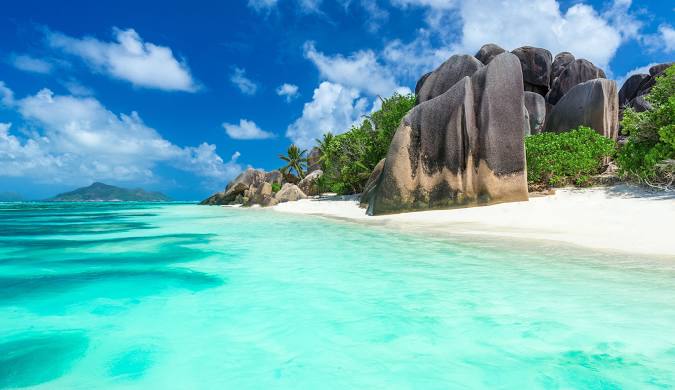
Stunning Seychelles beach scene showcasing unique granite rock formations along a white sand shore. Turquoise ocean water is crystal clear, ideal for swimming. Check our travel blog for the latest travel blog updates and discover the best time to visit Seychelles.

Discover the World: Travel Tips, Seychelles Info Blog Articles

Your Ultimate Travel Blog: Inspiration, Latest Updates & Seychelles Guide Planning a trip to Seychelles involves considering the best time to visit based on weather and activities, exploring diverse accommodation options, and understanding transportation between the islands and locally. Keep reading to discover detailed insights into each of these aspects, ensuring you have all the information needed for your perfect Seychelles adventure. Escape to Paradise: Your Comprehensive Seychelles Travel Guide The Seychelles, an archipelago nation scattered across the Indian Ocean, has long held the allure of a quintessential tropical escape. Its reputation as a paradise is well-earned, conjuring images of pristine beaches framed by unique granite boulders and lush vegetation meeting the turquoise waters.1 This article aims to serve as a comprehensive guide for anyone contemplating a journey to this enchanting destination. It will delve into the distinct character of its main islands, highlight the must-see attractions and activities, provide essential planning information, and offer insights into optimizing your exploration of this remarkable corner of the world for both enjoyment and search engine visibility. Discovering the Jewel of the Indian Ocean: An Overview of Seychelles Located off the eastern coast of Kenya, the Seychelles archipelago comprises 115 islands, a captivating mix of both coral and granite formations.1 While the outer islands, often coral atolls, possess their own distinct charm, the focus of this guide will primarily be on the inner, granitic islands, which are most frequented by travelers.3 This island nation boasts a remarkable level of biodiversity, home to several endemic species that exist nowhere else on Earth. Among the most iconic are the giant Aldabra tortoises, ancient reptiles that roam freely, and the rare Coco de Mer palm, which produces the largest seed in the plant kingdom.1 The cultural tapestry of Seychelles is as rich and diverse as its natural landscape. Over centuries, the islands have welcomed settlers and traders from various corners of the globe, including French colonists, East Africans, individuals from South India, and Chinese merchants.4 This confluence of cultures has resulted in a unique Creole heritage that is reflected in the Seychellois way of life, their language, and their cuisine. The official languages of Seychelles are Seychellois Creole, English, and French, with Seychellois Creole being the most widely spoken.6 The local currency is the Seychellois Rupee (SCR), and while ATMs can be found on the larger islands, it is worth noting that Euros, Great British Pounds, and US dollars are also widely accepted at many hotels, restaurants, and shops.1 For those planning a visit, it is crucial to be aware of the mandatory Travel Authorization (TA) required for all travelers entering Seychelles. This authorization must be applied for and approved through the official government platform.7 Island Hopping in Seychelles: Exploring the Unique Charms of Mahé, Praslin, and La Digue A journey to Seychelles often involves exploring the distinct personalities of its three main inhabited islands: Mahé, Praslin, and La Digue. Each offers a unique experience, contributing to the overall allure of this diverse destination. Mahé: The Vibrant Heart of Seychelles Mahé, the largest island in the Seychelles, serves as the primary gateway for most visitors, housing the nation’s only international airport.9 Once known as the Isle of Abundance, Mahé lives up to its name, offering a wealth of attractions and serving as the epicenter of Seychelles’ tourism industry. Victoria, the capital city, is located here and is considered one of the world’s smallest capitals.4 Covering an area of approximately 155 to 157 square kilometers 11, Mahé is home to the vast majority of the Seychellois population, estimated to be around 86% of the country’s total, exceeding 100,000 residents.11 The island boasts over sixty beaches, many of which frequently appear on global top ten lists.9 Among its popular attractions is Beau Vallon Beach, the most famous and lively beach on Mahé, known for its long stretch of white sand and various watersports activities.15 Nature enthusiasts can explore Morne Seychellois National Park, which encompasses a significant portion of the island’s interior and offers hiking trails through lush forests and up to mist-clad mountain peaks.10 A visit to Victoria is a must, where one can experience the vibrant atmosphere of the Victoria Market, a great place to find fresh produce, seafood, and souvenirs.1 The Seychelles National Botanical Gardens, located on the outskirts of Victoria, showcase a diverse collection of local and exotic flora.4 The city also holds historical and cultural significance, with landmarks like the iconic clock tower, reminiscent of a miniature Big Ben, and various cathedrals reflecting the island’s colonial past.10 Activities on Mahé cater to a wide range of interests. Beau Vallon offers ample opportunities for swimming, sunbathing, and various watersports.16 Hiking enthusiasts can explore the trails within Morne Seychellois National Park, such as the Morne Blanc Trail, which rewards hikers with panoramic views.4 For a taste of local industry, the Takamaka Rum Distillery offers tours and tastings, providing insight into rum production using locally grown sugarcane.10 Getting around Mahé is relatively convenient with the availability of car rentals, requiring an international driving permit as driving is on the left.4 An affordable bus service also operates on the island, though it can be infrequent on some routes and crowded during peak hours.1 Travelers should be aware that roads, particularly in the mountainous regions, can be narrow and winding, often with steep drops.7 Praslin: Nature’s Sanctuary and Stunning Beaches Praslin, the second-largest island in the Seychelles, lies approximately 45 kilometers northeast of Mahé and is easily accessible via a short domestic flight or a fast ferry.9 Known for its exceptional natural beauty and more relaxed pace of life compared to Mahé, Praslin covers a surface area of around 38 to 39.5 square kilometers 22 and has a population of approximately 6,500 to 8,000 residents.22 The island is a haven for nature lovers, boasting vast tracts of palm forests and some of the most stunning beaches in the archipelago.22 Its most famous attraction is the Vallée de Mai UNESCO World Heritage Site, a remarkably preserved palm forest often

Discover the World: Travel Tips, Seychelles Info Blog Articles Read More »

Madagascar Travel: Discover the Eighth Continent

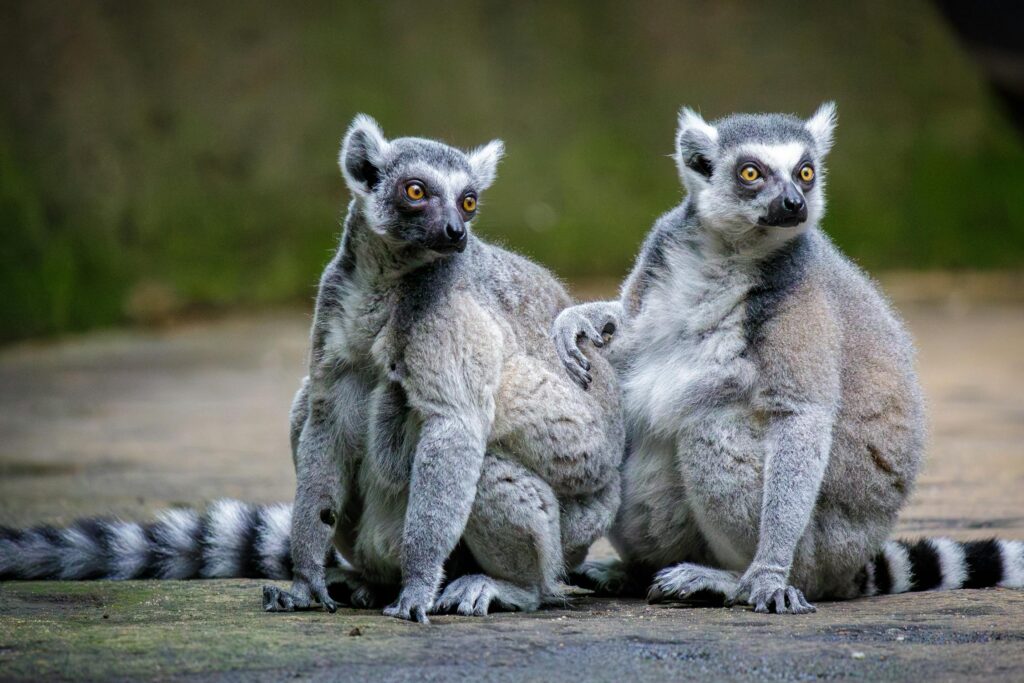
Looking for an unforgettable adventure? Madagascar, the “Eighth Continent”, boasts extraordinary wildlife found nowhere else on Earth and stunning landscapes from rainforests to beaches. To truly plan your Malagasy journey and discover everything from the best time to visit and transportation options to cultural insights and must-see locations, keep reading for in-depth information drawn from a variety of travel guides and resources. Madagascar, often lauded as the “Eighth Continent” owing to its extraordinary biodiversity, presents travellers with an unparalleled adventure that seamlessly blends pristine beaches, unique wildlife encounters, lush rainforests, and a rich tapestry of cultural heritage. Nestled off the south-eastern coast of Africa in the vast expanse of the Indian Ocean, this remarkable island nation holds the distinguished title of the world’s fourth-largest island, serving as a sanctuary for thousands of plant and animal species that exist nowhere else on Earth. With approximately 3,100 miles of captivating coastline, a remarkable diversity of landscapes, and a fascinating fusion of African, Arab, and French influences, Madagascar stands as a destination truly unlike any other, beckoning intrepid travellers to explore its wonders. This comprehensive travel guide aims to equip you with essential information for planning an unforgettable journey through this captivating country, from navigating transportation options and discovering must-visit destinations to immersing yourself in its vibrant culture and savouring its culinary delights. Why Visit Madagascar? Key Highlights: Madagascar’s singular geographic position, forged through millions of years of isolation, has nurtured the evolution of extraordinary ecosystems and a wealth of wildlife, establishing it as a premier destination for nature enthusiasts and adventure seekers. Planning Your Madagascar Adventure: Careful planning is paramount to ensure a smooth and rewarding travel experience in Madagascar. Exploring Madagascar’s Natural Wonders: Madagascar’s long isolation has fostered unique ecosystems, protected within its numerous national parks and reserves. Coastal Delights and Marine Activities: Madagascar’s extensive coastline offers a paradise for beach enthusiasts and water sports aficionados. Immersing Yourself in Malagasy Culture and Heritage: Madagascar’s cultural landscape is a rich tapestry woven from diverse influences. A Taste of Madagascar: Culinary Exploration: Malagasy cuisine is a delightful reflection of the island’s history and cultural crossroads. Malagasy cuisine Madagascar’s food is a tasty mix. You’ll find African, Asian, and European flavors. Romazava is a meat stew with greens. Ravitoto is stewed pork with manioc leaves. Rice is served with almost every meal. It’s a unique food experience. Malagasy food relies on rice, a main food served with most meals. Zebu, or humped cattle, is a key meat source. It shows up in stews and grilled dishes. Fish is easy to find near the coast. Many recipes use it. Common vegetables include spinach and local greens. Spices such as ginger, garlic, and chili add flavor. Romazava, the national dish, mixes zebu, greens, and tomatoes. People eat it with rice. Ravitoto is pork stewed with manioc leaves, a local favorite. Don’t miss eel with pork or pork with butter beans. Kitoza, dried and smoked meat or fish, is also worth a try. Practical Tips for Your Madagascar Trip: Preparation is key for a smooth and enjoyable journey through Madagascar. Travelling Responsibly in Madagascar: Given Madagascar’s exceptional biodiversity and environmental challenges, responsible tourism practices are crucial. Conclusion: Madagascar stands as a truly unique travel destination, where extraordinary biodiversity, distinctive landscapes, rich cultural traditions, and the warm hospitality of its people combine to create unforgettable experiences far from typical tourist routes. The island’s remarkable evolutionary history has gifted the world with plant and animal species found nowhere else, from the iconic lemurs to the ancient baobab trees. Beyond its natural wonders, Madagascar enchants visitors with its immersive cultural experiences, evident in its vibrant festivals, traditional villages, and culinary heritage. While travel within Madagascar may present certain challenges, these become part of the adventure, attracting those seeking authentic and off-the-beaten-path experiences. For travellers embracing flexibility, patience, and cultural openness, Madagascar offers remarkable rewards: pristine beaches, unparalleled wildlife encounters, genuine cultural exchanges, and breathtaking natural landscapes of immense ecological significance. As you explore this “true eighth continent“, remember the importance of responsible tourism, contributing to the preservation of its natural and cultural treasures for generations to come. Whether tracking lemurs through misty rainforests, snorkelling in crystal-clear waters, wandering through historic towns, or sharing meals with local families, a journey through Madagascar will undoubtedly leave you with lasting memories of a place unlike anywhere else – a land waiting to be explored with respect, wonder, and deep appreciation for its remarkable riches. Here is a comprehensive list of frequently asked questions and answers to help with your search intent about travelling to Madagascar: Frequently Asked Questions About Visiting Madagascar What are some of the environmental concerns in Madagascar, and how can I travel sustainably? Madagascar faces significant environmental challenges including deforestation, habitat loss, and climate change impacts. To travel sustainably, support conservation efforts through park entrance fees. Choose tour operators and accommodations committed to environmental sustainability and community involvement. Bring reusable water bottles and minimize single-use plastics. Respect traditional customs and purchase souvenirs directly from artisans. By understanding these frequently asked questions, you can begin to plan your adventure to Madagascar. For more in-depth information on any of these topics, please continue reading our travel blogs and updates. More Travel Blogs & Updates Travel literature genre of travel literature or travelogue encompasses outdoor literature, guide books, nature writing, and travel memoirs. One early travel memoirist

Madagascar Travel: Discover the Eighth Continent Read More »

Maya Nord Congo.

Travel Tips for the Wild Paradise: Unforgettable Congo Wildlife Tours in Maya Nord

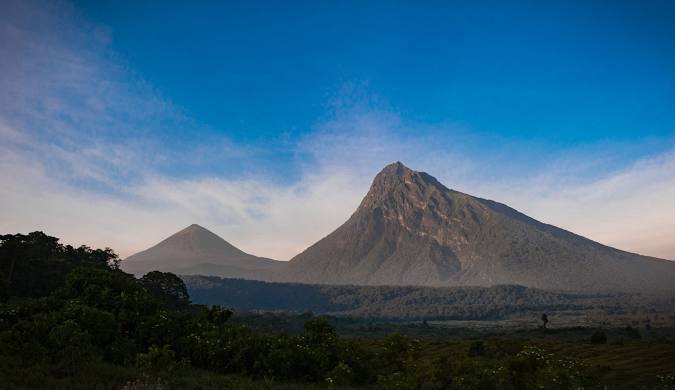
Venture into the heart of Africa’s most pristine wilderness, where emerald canopies stretch endlessly and wildlife thrives in its natural habitat. Maya Nord Congo Travel Blog: Explore, Plan Your Visit & Travel Tips Far from the well-trodden tourist paths of East Africa, deep within the verdant forests of the Republic of Congo, lies a truly wild and hidden gem that few travelers have discovered. Maya Nord, a natural forest clearing known locally as a “bai,” nestled within the expansive embrace of Odzala-Kokoua National Park, offers an unparalleled wildlife experience for those seeking adventure in its purest form. This is not your typical safari destination – Maya Nord beckons the adventurous and intrepid traveler, promising authentic encounters with untamed nature in one of Central Africa’s last great wilderness areas. Here, in this remote paradise, you’ll find yourself immersed in a world where wildlife roams freely, unaccustomed to human presence, creating opportunities for genuine wildlife observations that feel like discoveries. The journey to Maya Nord is as much a part of the adventure as the destination itself – a multi-stage expedition that takes you deep into the wild heart of the Congo Basin, one of the most biodiverse regions on our planet. Every step of this journey peels back another layer of Africa’s mystique, offering glimpses into ecosystems that remain largely untouched by modern development. For wildlife enthusiasts, photographers, conservationists, and adventure seekers alike, Maya Nord represents the ultimate off-the-beaten-path experience – a chance to witness some of Africa’s most fascinating species in their natural habitat, far from the crowds that characterize more popular safari destinations. Why Maya Nord is a Must-Visit for Wildlife Enthusiasts Odzala-Kokoua National Park, within which Maya Nord resides, stands as one of Central Africa’s most vital strongholds for conservation. This protected area is a realm of remarkable biodiversity, supporting a complete assembly of Congo rainforest megafauna and serving as a crucial habitat for endangered species. Extraordinary Biodiversity The park teems with life, boasting over 4,400 plant species, more than 440 bird species – a diversity that has earned it recognition as an Important Bird Area – and over 100 mammal species. This ecological richness creates a wildlife enthusiast’s paradise, where each day brings new and exciting encounters. The Magic of the Bais At the heart of this ecological wealth are the “bais” – natural forest clearings characterized by nutrient-rich soils that act as powerful magnets for wildlife. Maya Nord is one such clearing, a haven for some of Africa’s most captivating megafauna. These open spaces within the dense forest create perfect viewing platforms, drawing animals out from the shadowy undergrowth into full view. Research conducted at Maya Nord highlights its importance as a natural laboratory, particularly for studying the behavior of gorillas and elephants. Scientists have discovered that the mineral content in the soil plays a crucial role in food selection by Western lowland gorillas, explaining why these magnificent primates are drawn to these clearings. A Conservation Stronghold Odzala-Kokoua National Park represents a critical conservation area in Central Africa. The park’s importance extends beyond mere observation – it plays a vital role in preserving species facing threats across their range. By visiting Maya Nord, you’re not only witnessing incredible wildlife but also contributing to conservation efforts that help protect these vulnerable ecosystems for future generations. Wildlife Encounters in Maya Nord: What You Can Expect to See Maya Nord offers wildlife enthusiasts the chance to encounter some of Africa’s most magnificent yet elusive creatures in their natural habitat. Here’s what you might be lucky enough to spot during your Congo wildlife adventure: Western Lowland Gorillas One of the most compelling reasons to visit Maya Nord is the opportunity to observe Western lowland gorillas in their natural environment. Odzala-Kokoua provides significant refuge for these incredible primates, and Maya Nord has served as a crucial site for demographical and behavioral studies. While observations have indicated a concerning decrease in gorilla density in the northern part of the park since 2005, conservation efforts are ongoing to protect these magnificent creatures. Unlike mountain gorilla trekking in Rwanda or Uganda, encountering gorillas in the Congo offers a different, more wild experience. Here, you’ll observe them in a more natural setting, often visiting the bais to feed on mineral-rich vegetation. Forest Elephants The majestic African forest elephants are strongly drawn to bais like Maya Nord, utilizing these open spaces for vital social interactions and access to essential nutritional resources. Smaller and more elusive than their savannah cousins, forest elephants are a remarkable sight to behold as they emerge from the dense undergrowth into the clearing. The frequency with which elephants visit Maya Nord can vary considerably, adding an element of anticipation to each visit. When present, these intelligent pachyderms offer incredible viewing opportunities, with their complex social interactions on full display. Chimpanzees and Other Primates Our closest relatives in the animal kingdom, chimpanzees also inhabit the park’s forests. While more elusive than gorillas, catching a glimpse of these remarkable creatures is a truly special experience. Beyond chimps and gorillas, keep your eyes peeled for various monkey species such as De Brazza’s monkey, Angolan talapoin, mantled guereza, and the Tana River mangabey, each adding to the primate diversity of this remarkable ecosystem. Bongo and Other Forest Antelope The striking bongo, a forest antelope known for its beautiful striped coat, is another potential sighting in the forests surrounding Maya Nord. These shy creatures are rarely spotted in most safari destinations, making an encounter here all the more special. Other Remarkable Wildlife The rich biodiversity of Odzala-Kokoua means wildlife surprises abound. Forest buffalo might be seen wallowing in the muddy edges of the bai, while for the truly fortunate, a sighting of the elusive spotted hyena – a rare presence in this type of ecosystem – is also possible. Avian Diversity With over 440 bird species recorded in the park, birdwatchers will find themselves in paradise. The varied habitats, from dense forest to open bais, support an incredible diversity of avian life, making each excursion a

Travel Tips for the Wild Paradise: Unforgettable Congo Wildlife Tours in Maya Nord Read More »