African wildlife

What Animals Live in Bale Mountains Ethiopia? Complete Wildlife Guide

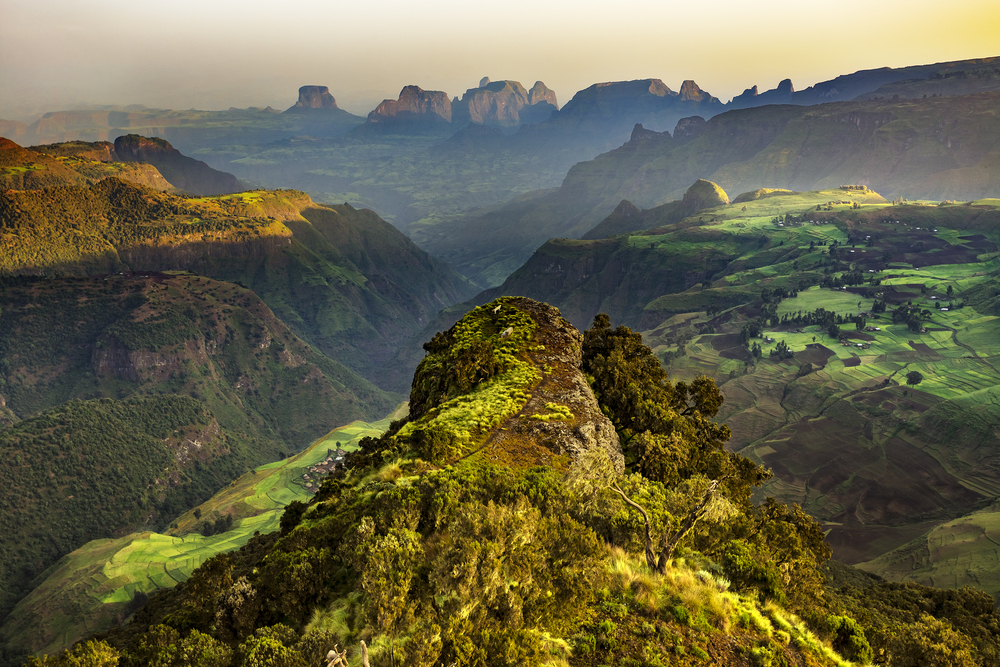
Standing at dawn on the windswept Sanetti Plateau, you might spot something extraordinary—a rust-colored wolf silhouetted against Africa’s largest Afro-alpine moorland. This isn’t just any wildlife encounter. The Bale Mountains Ethiopia harbor one of Earth’s most remarkable concentrations of endemic species, creatures found absolutely nowhere else on the planet. Stretching across southeastern Ethiopia, this UNESCO World Heritage Site candidate rises from 1,500 meters in the misty Harenna Forest to over 4,000 meters on the frozen plateau, creating a “lost world” where evolution took a unique path. The Bale Mountains aren’t just mountains—they’re living laboratories where rare Ethiopian Wolves hunt Giant Molerats, Mountain Nyalas browse ancient woodlands, and Bale Monkeys swing through bamboo forests that time forgot. Quick Reference: Bale Mountains Wildlife at a Glance 🗺️ Category Key Information Location Southeastern Ethiopia, Oromia Region Altitude Range 1,500m – 4,377m (Tullu Dimtu peak) Main Habitats Afro-alpine Plateau, Montane Woodlands, Harenna Forest Flagship Species Ethiopian Wolf, Mountain Nyala, Bale Monkey Total Mammal Species 78+ species (29 endemic to Ethiopia) Bird Species 300+ species (16 endemic) Best Wildlife Months October – January (dry season) UNESCO Status World Heritage Site Tentative List Conservation Priority Critical (home to world’s rarest canid) Unique Feature Highest endemism rate for any mountain ecosystem globally Flagship Species — The Icons of Bale 🐺 Ethiopian Wolf (Canis simensis) Imagine a fox that evolved into a wolf—that’s essentially what you’re looking at when you spot an Ethiopian Wolf. With its long legs built for the high-altitude chase, russet-red coat blazing against dark moorland, and distinctive white throat markings, this creature looks like it wandered out of a wildlife photographer’s dream. But here’s what makes your heart skip: fewer than 500 individuals exist on Earth, making this the world’s most endangered canid species. You’ll find them on the Sanetti Plateau, usually at dawn or dusk, nose-down in a hunting crouch. What are they hunting? Giant Molerats—those bizarre, buck-toothed rodents that pop up from underground burrows like whack-a-mole targets. The Ethiopian Wolf has perfected a hunting technique over millennia: patient stalking followed by a lightning-fast pounce. This predator-prey relationship isn’t just fascinating—it’s the backbone of the entire Afro-alpine ecosystem [Source: Ethiopian Wolf Conservation Programme]. Your best chance of spotting one? Drive the road crossing Sanetti Plateau between 6-8 AM. They’re surprisingly tolerant of vehicles when you maintain respectful distance, often hunting within 50 meters of the road. During mating season (August-November), you might even witness pack dynamics, with subordinate wolves helping raise pups in a communal den [Source: IUCN Red List – Ethiopian Wolf]. Mountain Nyala (Tragelaphus buxtoni) Picture an antelope the size of a large horse, draped in shaggy chocolate-brown fur, with males sporting magnificent spiral horns that corkscrew up to 118 centimeters. The Mountain Nyala is Ethiopia’s answer to the kudu, but bigger, rarer, and infinitely more elusive. These gentle giants are endemic to Ethiopia’s highlands, with the Bale Mountains hosting the largest population. Mountain Nyalas prefer the transition zones—where montane woodlands meet forest edges, particularly around 3,000-3,400 meters elevation. They’re browsers, not grazers, delicately selecting leaves, shoots, and lichens with lips as precise as surgical instruments. Males are solitary wanderers for most of the year, only joining female herds during the November-December breeding season. Females travel in small groups of 4-6 individuals, often with calves hiding in thick vegetation. Spotting them requires patience and local knowledge. The Dinsho area, near park headquarters, offers your best odds, especially early morning when they venture into open glades to feed. Move slowly, speak softly, and you’ll witness behaviors that few outsiders ever see—the territorial displays of dominant males, the protective vigilance of mothers, the playful curiosity of young calves [Source: African Wildlife Foundation – Mountain Nyala]. Lesser-Known Mammals — Rodents, Primates & More 🐒 Bale Monkey (Chlorocebus djamdjamensis) Here’s something most visitors miss entirely: deep in the Harenna Forest, a unique primate species swings through bamboo canopies in troops of 20-30 individuals. The Bale Monkey, also called the Bale Mountains Vervet, isn’t just another monkey—it’s a bamboo specialist found nowhere else. Unlike their lowland cousins, Bale Monkeys have adapted to life at 2,400-3,400 meters, where temperatures drop to freezing at night. Their diet consists heavily of bamboo shoots, leaves, and seeds, supplemented by forest fruits when available. Watch them closely and you’ll notice their thick fur coats, smaller body size compared to lowland vervets, and distinctive social behaviors adapted to dense forest living. The Harenna Forest’s southern slopes provide the best viewing opportunities. Trek the Katcha Trail or the route toward Rira, and listen for their sharp alarm calls echoing through the canopy. They’re most active mid-morning when sunlight penetrates the forest, warming their preferred feeding zones. What makes them truly special? They represent an evolutionary adaptation to high-altitude forest life that scientists are still studying [Source: Primate Conservation – Bale Monkey Research]. Giant Molerat (Tachyoryctes macrocephalus) You might think a rat deserves less attention than wolves and antelopes. You’d be wrong. The Giant Molerat is the unsung hero of the Bale Mountains Ethiopia ecosystem, and here’s why: without them, the Ethiopian Wolves wouldn’t survive. These bizarre creatures look like someone mixed a beaver’s teeth with a potato, added tiny eyes (they’re nearly blind), and created an underground earth-moving machine. Weighing up to 900 grams, they’re the largest molerats in Africa. They spend 99% of their lives underground, excavating elaborate tunnel systems up to 3 meters deep, pushing up fresh soil mounds that dot the plateau like miniature volcanoes. Here’s where it gets fascinating: Giant Molerats are the primary food source for Ethiopian Wolves, comprising up to 96% of their diet on the Sanetti Plateau. But their importance goes beyond being prey. Their constant digging aerates the soil, prevents vegetation from becoming too woody, and essentially maintains the entire Afro-alpine heathland ecosystem. They’re ecosystem engineers in the truest sense [Source: Journal of Zoology – Molerat Ecology Studies]. You won’t see them easily—they’re underground. But you’ll see their fresh earth mounds everywhere on the plateau, and if you’re incredibly patient and lucky, you might

What Animals Live in Bale Mountains Ethiopia? Complete Wildlife Guide Read More »
What to Do in Damaraland — Complete Travel Guide for First-Timers

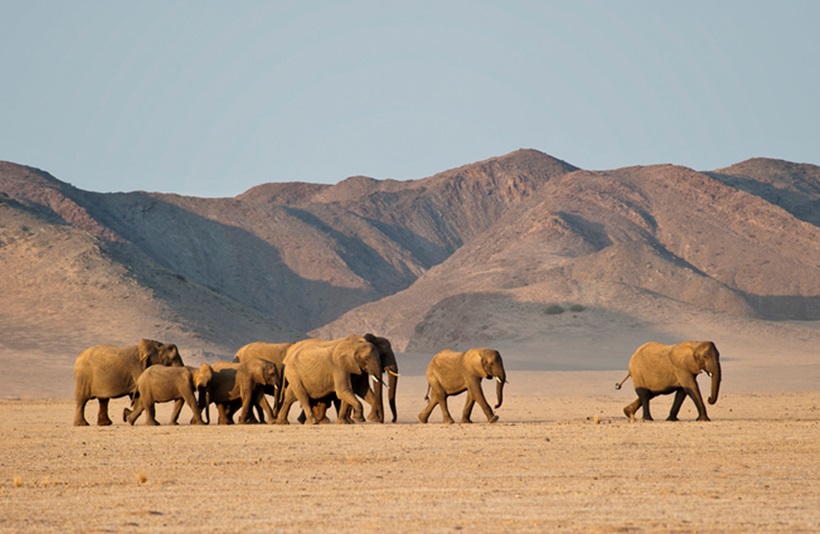
Picture this: you’re standing in a landscape that feels like Mars decided to host an African wildlife show. The ground beneath your feet is 260 million years old, ancient rock art covers canyon walls, and somewhere in the distance, a family of elephants navigates the desert like they own the place (spoiler: they do). Welcome to Damaraland, where nature wrote its most dramatic script and forgot to add any other tourists to the scene. If you’re wondering what to do in Damaraland, you’ve landed in the right corner of the internet. This isn’t your standard safari destination with paved roads and gift shops. Damaraland is raw, remote, and ridiculously beautiful—a place where geological wonders meet prehistoric art and wildlife that shouldn’t survive here somehow thrives. Located in Namibia’s rugged Kunene Region, Damaraland stretches across roughly 42,000 square kilometers of rock formations, dry riverbeds, and stark desert beauty. This isn’t a place you’ll stumble upon by accident. It takes effort to reach, but that’s exactly what keeps it special. You won’t find safari traffic jams here—just you, the landscape, and animals that adapted to survive where others couldn’t. This guide breaks down everything you need to know: the ancient rock engravings that’ll make you rethink human history, the wildlife that defies desert logic, the geological formations that look computer-generated but are entirely natural, and the practical stuff like when to visit and whether you actually need that 4×4 everyone keeps talking about. Quick Reference: Damaraland Travel Essentials Essential Info Details Location Kunene Region, northwestern Namibia Best Time to Visit May to October (dry season) Must-See Attractions Twyfelfontein rock art, desert elephants, Brandberg Mountain Wildlife Highlights Desert-adapted elephants, black rhino, oryx, mountain zebra Recommended Duration 3-4 days for full experience Getting There Self-drive from Windhoek (5-6 hours) or fly to Palmwag Vehicle Needed 4×4 recommended for most areas Accommodation Types Eco-lodges, tented camps, camping sites Average Daily Budget $80-250 USD (mid-range) Terrain Type Rocky desert, gravel roads, mountain passes Best Time to Visit & How to Reach Damaraland Timing can make or break your Damaraland adventure, and getting there requires a bit more planning than booking a flight to a beach resort. When Should You Go? The best time to visit Damaraland runs from May through October during Namibia’s dry season. Here’s why these months work so well: Dry Season (May-October): Temperatures hover between 20-25°C (68-77°F) during the day, dropping to 5-10°C (41-50°F) at night. Wildlife congregates around permanent water sources, making animal spotting significantly easier. The roads are in better condition, and you won’t need to worry about flash floods blocking your route. According to the Namibia Tourism Board, this period sees the clearest skies for stargazing—a legitimate highlight in this low-light-pollution zone. Green Season (November-April): Summer brings occasional rains, temperatures climbing to 35°C (95°F), and vegetation that transforms the landscape into something greener but less Mars-like. Wildlife disperses as water becomes available everywhere. Roads can become challenging, sometimes impassable. However, if you’re a photographer chasing dramatic storm clouds over red rocks, this season delivers. January through March is particularly hot and humid. Unless you enjoy feeling like you’re hiking inside a hair dryer, save these months for somewhere with air conditioning. Getting to Damaraland By Air: Fly into Windhoek’s Hosea Kutako International Airport. From there, you can take a chartered flight to smaller airstrips near Palmwag or Damaraland Camp (if your accommodation arranges it), or drive. Some visitors fly into Walvis Bay and drive north. By Road: Most people self-drive from Windhoek, which takes 5-6 hours covering roughly 350-400 kilometers depending on your exact destination. The C39 and C43 gravel roads are your main arteries through the region. These aren’t highways—expect washboard surfaces, occasional sharp rocks, and the need to drop your speed significantly. Vehicle Requirements: Here’s the honest answer about the 4×4 question: you can reach some main attractions like Twyfelfontein with a high-clearance 2WD sedan, but a 4×4 opens up significantly more territory. For wildlife tracking, visiting the Petrified Forest, or accessing remote camps, you’ll want four-wheel drive. Rental costs in Namibia run $50-120 USD daily for 4x4s depending on the season and vehicle type. Guided Tours vs Self-Drive: Self-driving gives you freedom and flexibility. Guided tours provide expert wildlife tracking and cultural context you’d otherwise miss. Companies like Wilderness Safaris and Natural Selection operate excellent guided experiences through the region. Budget $300-500 USD per person daily for full-service guided tours. 🎨 Top Must-See Attractions: Rock Art & Geological Wonders Damaraland’s attractions read like someone challenged nature to show off. Between UNESCO World Heritage rock art and geological formations that science teachers use as textbook examples, you’ll need more memory cards than you packed. Twyfelfontein Rock Engravings Twyfelfontein holds Africa’s largest concentration of rock petroglyphs and paintings, with over 2,500 individual works created by San hunter-gatherers roughly 6,000 years ago. UNESCO declared it a World Heritage Site in 2007, and standing among these ancient artworks feels like reading humanity’s first travel blog. The engravings cover hunting scenes, animal tracks, and geometric patterns etched into sandstone slabs. You’ll spot giraffes, elephants, ostriches, and the famous “swimming lion”—though why ancient artists depicted a lion swimming in a desert remains delightfully mysterious. Visiting Tips: You must join a guided walk (required by law to protect the site). Tours cost approximately $10-15 USD per person and last 45-60 minutes. Mornings before 10 AM offer the best light for photography and cooler temperatures. The site has basic facilities but no restaurant, so bring water and snacks. Brandberg Mountain & The White Lady Painting Brandberg Massif rises 2,573 meters above sea level, making it Namibia’s highest peak. The granite mountain glows orange-red at sunrise—hence “Brandberg” (Fire Mountain). Hidden in a gorge on its slopes sits the famous White Lady rock painting, discovered in 1918 by German surveyor Reinhard Maack. Despite the name, the figure probably isn’t female or white—it’s likely a San shaman painted with white clay as part of a ceremonial scene. The painting dates back roughly 2,000 years and remains remarkably

What to Do in Damaraland — Complete Travel Guide for First-Timers Read More »

Facts About Zakouma National Park — Wildlife, History & Conservation Triumph in Chad

Picture this: endless golden savannas stretching to the horizon, massive elephant herds kicking up dust clouds, and the world’s rarest giraffes grazing peacefully under the African sun. This isn’t a scene from the past—it’s happening right now at Zakouma National Park in Chad, one of Africa’s most remarkable conservation comebacks. If you’re searching for facts about Zakouma National Park, you’ve landed in the right place. This Central African treasure has transformed from a wildlife crisis zone into a shining example of what dedicated conservation can achieve. Tucked away in southeastern Chad, Zakouma represents something increasingly rare: a genuinely wild African experience where nature still calls the shots. The park’s story reads like a Hollywood script—complete with a devastating tragedy, heroes who refused to give up, and a triumphant recovery that continues today. 🦒 Zakouma at a Glance Quick Facts Details Location Southeastern Chad, Salamat Region Size 3,000 square kilometers (1,158 square miles) Established 1963 Ecosystem Type Sudano-Sahelian savanna Main Water Source Bahr Salamat River Management African Parks (since 2010) Signature Species Kordofan giraffe, African bush elephant Best Time to Visit November to April (Dry Season) Peak Wildlife Viewing March-April Access Point N’Djamena (capital city) Accommodation Tinga Camp (luxury tented camp) 🌍 Where Nature Still Runs Wild: Understanding Zakouma’s Unique Ecosystem Zakouma National Park stands as the last intact Sudano-Sahelian savanna ecosystem on Earth. Let that sink in for a moment—the last one. When you visit Zakouma, you’re not just seeing another African park; you’re experiencing a landscape that exists nowhere else in this pristine form. The park sprawls across 3,000 square kilometers of southeastern Chad, where the Bahr Salamat River breathes life into an otherwise harsh environment. During the wet season, this river transforms the landscape into a patchwork of seasonal floodplains and marshes. Come the dry months, these same floodplains become vital gathering spots for wildlife—creating some of the most spectacular animal concentrations you’ll find anywhere in Africa. The landscape shifts between open grasslands, acacia woodlands, and those crucial seasonal wetlands. This variety creates perfect conditions for an incredible range of species. The park sits within the Greater Zakouma Ecosystem, which includes the Siniaka-Minia Faunal Reserve to the south, giving wildlife even more room to roam and thrive. What makes Zakouma’s ecosystem truly special is its authentic wildness. There are no paved roads, no sprawling lodges, no crowds of safari vehicles. Just you, the animals, and Africa the way it’s meant to be experienced. 🐘 The Wildlife Stars of Zakouma The Elephant Miracle Here’s where Zakouma’s story gets really powerful. Back in the 1970s, roughly 22,000 African bush elephants roamed these lands. Then came the dark years of poaching. By 2010, that number had crashed to a heartbreaking 454 individuals. The 2006 elephant slaughter remains one of the most tragic events in African conservation history, when armed poachers killed hundreds of elephants in brutal raids. But this story doesn’t end in tragedy—it transforms into triumph. Since African Parks took over management in 2010, Zakouma’s elephant population has made an incredible recovery. Today, herds number over 500, with calves being born every year. Even more impressive? The park has achieved nearly a decade of zero-poaching incidents. That’s not luck—that’s the result of dedicated anti-poaching teams, cutting-edge technology, and genuine community partnership. Watching Zakouma’s elephant herds today feels like witnessing a resurrection. These aren’t scattered, fearful groups hiding in the bush. We’re talking about confident, growing herds that move freely across the savanna, with young elephants playing and learning from their elders just as nature intended. The Last Giraffe Stronghold If the elephant story impresses you, wait until you hear about the Kordofan giraffe. Zakouma holds roughly 70% of the entire wild Kordofan giraffe population—making this park absolutely critical for the subspecies’ survival. Current estimates put the park’s giraffe population between 1,380 and 1,500 individuals. Outside Zakouma, these gentle giants are vanishing across their former range. This makes every giraffe birth in the park a victory not just for Zakouma, but for the entire subspecies. Watching these towering beauties move gracefully across the Sudano-Sahelian savanna ranks among Africa’s most moving wildlife experiences. Beyond the Mega-Mammals While elephants and giraffes steal the spotlight (and rightfully so), Zakouma hosts an impressive supporting cast: African buffalo gather in huge herds during the dry season, sometimes numbering in the thousands. African lions prowl the grasslands, their populations steadily growing as prey numbers increase. You’ll spot various antelope species, including roan antelope, topi, and hartebeest. Bird lovers, prepare to have your minds blown. Between November and April, massive flocks of Red-billed quelea descend on Zakouma—we’re talking millions of birds creating swirling, shape-shifting clouds in the sky. It’s a natural spectacle that rivals any mammal migration. 💪 From Crisis to Conservation Triumph: Zakouma’s Incredible Journey The Dark Days To truly appreciate Zakouma today, you need to understand where it’s been. The mid-2000s represented the park’s darkest hour. Heavily armed poaching gangs, often crossing from Sudan, targeted elephants for their ivory with military precision. The 2006 elephant slaughter saw coordinated attacks that killed hundreds of elephants in single raids. Rangers faced impossible odds—outgunned, under-resourced, and sometimes outnumbered. Wildlife populations crashed. The international community watched in horror as one of Africa’s great parks teetered on the edge of collapse. The Turning Point In 2010, the Chadian government made a bold decision: partner with African Parks, a nonprofit conservation organization known for turning around failing parks across Africa. This wasn’t just a management change—it was a complete transformation of how Zakouma operated. African Parks brought serious resources, professional training, and most importantly, a comprehensive approach that went far beyond just fighting poachers. They understood that lasting conservation success required winning hearts and minds, not just battles. Building the Success The anti-poaching strategy African Parks implemented combined multiple elements: Professional ranger training transformed park guards into a highly skilled force. Modern equipment—radios, vehicles, aircraft for aerial surveillance—gave rangers the tools they needed. Intelligence networks helped predict and prevent poaching attempts before they happened. But here’s what really made the difference:

Facts About Zakouma National Park — Wildlife, History & Conservation Triumph in Chad Read More »